Our readers keep the lights on and my smoothie glass nicely filled. As an Amazon Associate, I earn from qualifying purchases.
An allergic reaction can turn a clear day into a miserable blur of sneezing, watery eyes, and an itchy throat. Whether it’s seasonal pollen, pet dander, or an unexpected encounter with a trigger, the right antihistamine can cut the reaction short and restore normalcy within an hour. But with different active ingredients — cetirizine, loratadine, diphenhydramine, chlorpheniramine, and fexofenadine — each targeting histamine through slightly different pathways, choosing blindly can leave you drowsy, under-dosed, or waiting too long for relief.
I’m Mohammad Maruf — the founder and writer behind WellFizz. I’ve spent years analyzing OTC medication formulations, cross-referencing clinical dosing data with consumer-reported outcomes to separate marketing from real symptom relief.
Whether you need rapid sedation for a sudden reaction or a non-drowsy tablet to get through the workday, this guide breaks down the five most effective antihistamines available right now so you can match the right active ingredient to your specific situation. This is the definitive breakdown of the best allergy medicine for allergic reaction.
How To Choose The Best Allergy Medicine For Allergic Reaction
Every antihistamine blocks histamine at the H1 receptor, but the onset speed, duration of action, and sedation level vary significantly by molecule. Your choice depends on whether you need immediate rescue from an active reaction, sustained daily coverage, or symptom control without affecting your alertness.
Reaction Severity and Onset Speed
Diphenhydramine (Benadryl) and chlorpheniramine are first-generation antihistamines that cross the blood-brain barrier, reaching peak plasma concentration in about one to two hours. These are best for acute, sudden reactions like hives from food or a surprise pollen blast. Second-generation antihistamines — cetirizine, loratadine, and fexofenadine — take longer to peak but provide 24-hour coverage with significantly less sedation.
Drowsiness Profile
If you need to drive or work, avoid diphenhydramine during the day. Its sedative effect can rival a sleep aid. Cetirizine causes drowsiness in a minority of users. Loratadine and fexofenadine are the safest bets for non-drowsy, all-day symptom management. Chlorpheniramine sits between first- and second-generation in sedation — some users tolerate it well, others do not.
Duration and Dosing Convenience
Single daily dosing (cetirizine, loratadine, fexofenadine) suits preventive daily use or long allergy seasons. Diphenhydramine and chlorpheniramine require re-dosing every four to six hours, which makes them better suited for episodic relief rather than round-the-clock control. For the best value in daily maintenance, look for higher tablet counts that bring the per-dose cost down.
Quick Comparison
On smaller screens, swipe sideways to see the full table.
| Model | Category | Best For | Key Spec | Amazon |
|---|---|---|---|---|
| Amazon Basic Care All Day Allergy | Second-Gen | Daily prevention & 24-hour coverage | Cetirizine HCl 10 mg — 300 ct | Amazon |
| ValuMeds Fexofenadine HCl 180mg | Second-Gen | Non-drowsy all-day relief | Fexofenadine HCl 180 mg — 100 ct | Amazon |
| Benadryl Ultratablets | First-Gen | Fast rescue for sudden reactions | Diphenhydramine HCl 25 mg — 100 ct | Amazon |
| GoodSense Allergy Relief Loratadine | Second-Gen | Non-drowsy budget family pack | Loratadine 10 mg — 365 ct | Amazon |
| Anti-Allergy Chlorpheniramine Maleate (6 Pack) | First-Gen | Bulk supply & alternative for resistant allergies | Chlorpheniramine Maleate 4 mg — 600 total ct | Amazon |
In‑Depth Reviews
1. Amazon Basic Care All Day Allergy, Cetirizine HCl 10 mg, 300 Count

This is the cetirizine hydrochloride equivalent to Zyrtec at a per-tablet cost that undercuts nearly every store brand. Each 10 mg tablet provides 24-hour relief from sneezing, runny nose, itchy throat, and watery eyes — the full indoor/outdoor symptom set. With 300 tablets per bottle, a single purchase covers an entire allergy season for one person or several months for multiple household members.
Customers consistently report no drowsiness, which aligns with cetirizine’s classification as a second-generation antihistamine that only rarely crosses the blood-brain barrier. Several reviewers successfully halved the tablet for milder symptoms, effectively doubling the supply without losing efficacy. The packaging may vary, but the active ingredient concentration remains consistent across batches.
One potential nuance: a small subset of users with severe allergies found that one 10 mg tablet wore off before the 24-hour mark and required a second dose. For most standard seasonal allergies, however, this delivers reliable coverage without the sedation of first-generation drugs. The gluten-free formulation also makes it safe for celiac shoppers.
Why it’s great
- Excellent per-tablet value at 300 count
- Non-drowsy for the vast majority of users
- Can be split in half for mild allergies
Good to know
- A small number of severe allergy sufferers need 2 tablets in 12 hours
- May cause withdrawal itching if skipped after prolonged daily use
2. ValuMeds Fexofenadine HCl 180 mg, 100 Count
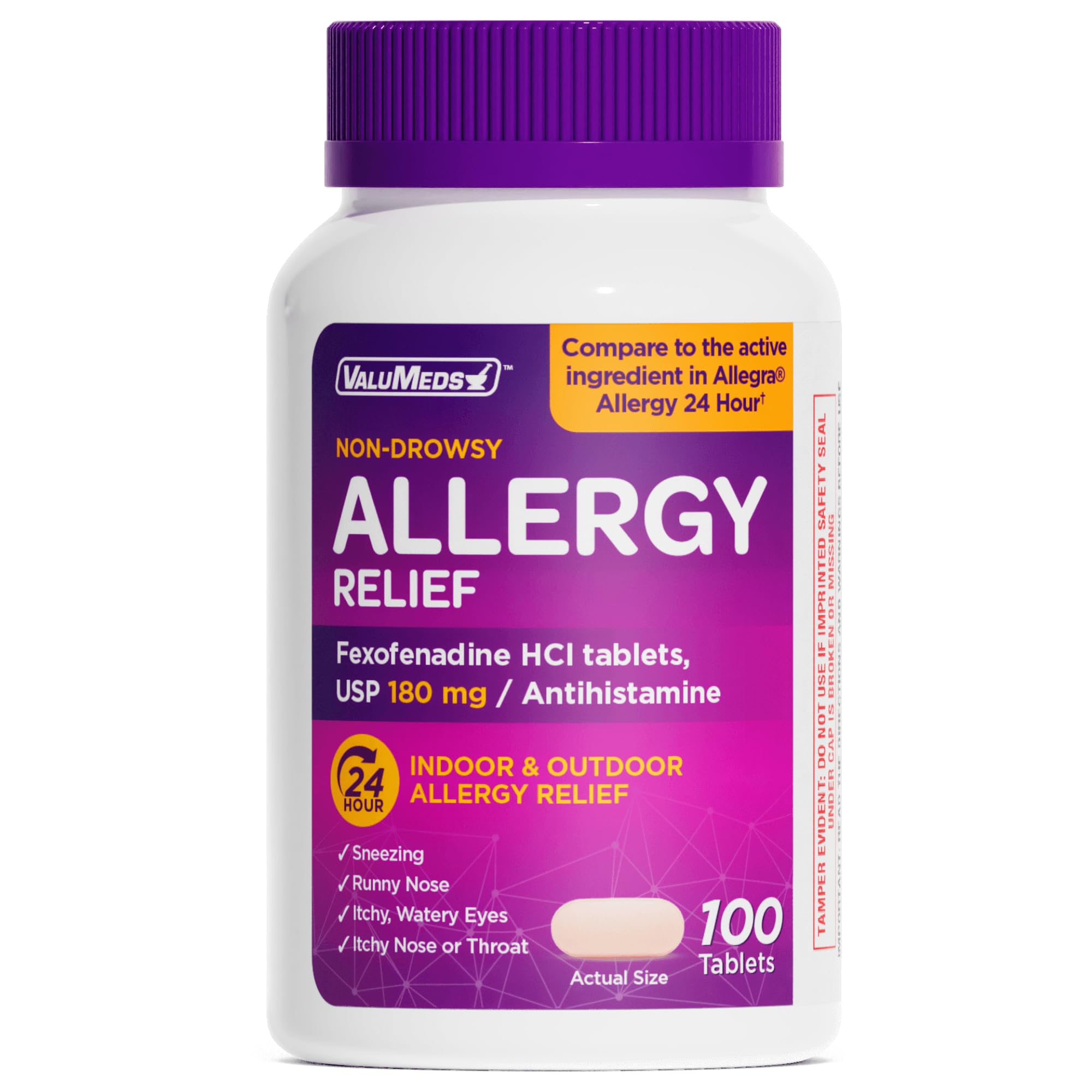
Fexofenadine 180 mg is the generic equivalent of Allegra, and this ValuMeds pack delivers the same molecule at a fraction of the name-brand cost. Fexofenadine is the most consistently non-drowsy of all second-generation antihistamines — it has virtually no central nervous system penetration, making it the strongest choice for anyone who needs to stay sharp during allergy season while working, studying, or driving.
Each tablet provides a full 24 hours of relief from sneezing, runny nose, itchy and watery eyes, plus hives and itching. Reviewers with severe allergies — including one household where both spouses found it superior to other antihistamines — report that it outperformed cetirizine for their specific symptom profile. The compact packaging fits easily in a bag or car glove box for on-the-go dosing.
The main trade-off is onset speed. Fexofenadine takes longer to reach peak blood concentration than cetirizine or diphenhydramine, so it is better suited for daily prevention or early-season loading rather than immediate rescue from a sudden reaction. For maintaining all-day alertness without any sedative drag, this is the cleanest option in the lineup.
Why it’s great
- Highest non-drowsy rating — virtually no sedation risk
- Comparable to Allegra at a much lower per-tablet price
- 24-hour coverage with a single 180 mg tablet
Good to know
- Slower onset — takes longer to relieve acute symptoms
- Less effective for sudden, severe allergic reactions
3. Benadryl Allergy Ultratablets, Diphenhydramine HCl 25 mg, 100 Count
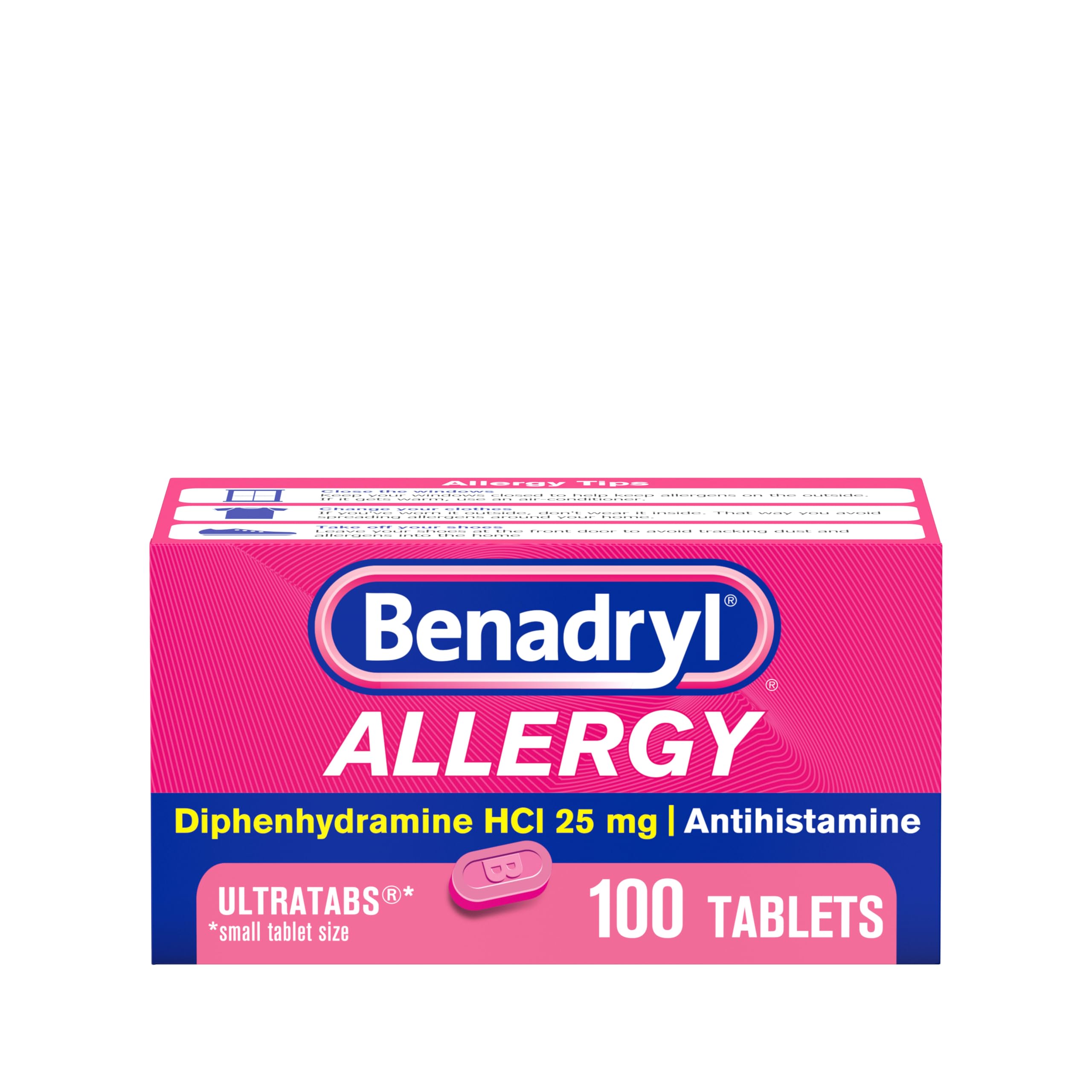
Benadryl is the gold standard for fast-acting relief during an active allergic reaction. Its active ingredient, diphenhydramine HCl 25 mg, penetrates the central nervous system quickly, providing noticeable symptom reduction within 30 to 60 minutes — ideal for sudden hives from food, a surprise insect sting, or a high-pollen exposure. The 100-count value size ensures you have backup when reactions are unpredictable.
Reviewers consistently confirm its reliability for acute episodes: one user described it as a “life saver” for a dairy allergy reaction, while others rely on it for seasonal flare-ups that hit without warning. The small, easy-to-swallow tablet form makes dosing straightforward. Benadryl is also doctor-recommended and FSA/HSA-eligible, which adds practical value for households managing known allergies.
The well-known downside is sedation. Diphenhydramine can cause significant drowsiness — many users take it specifically at bedtime for this reason. Daytime use can impair driving and cognitive function. If you need immediate relief but must remain alert, consider pairing Benadryl with a non-drowsy option or reserving it for evening or weekend use when you can rest.
Why it’s great
- Fastest onset — works within 30-60 minutes
- Best for sudden allergic reactions, hives, and food allergies
- Doctor-recommended brand with decades of clinical use
Good to know
- Causes significant drowsiness in most users
- Requires re-dosing every 4-6 hours
4. GoodSense Allergy Relief Loratadine 10 mg, 365 Count
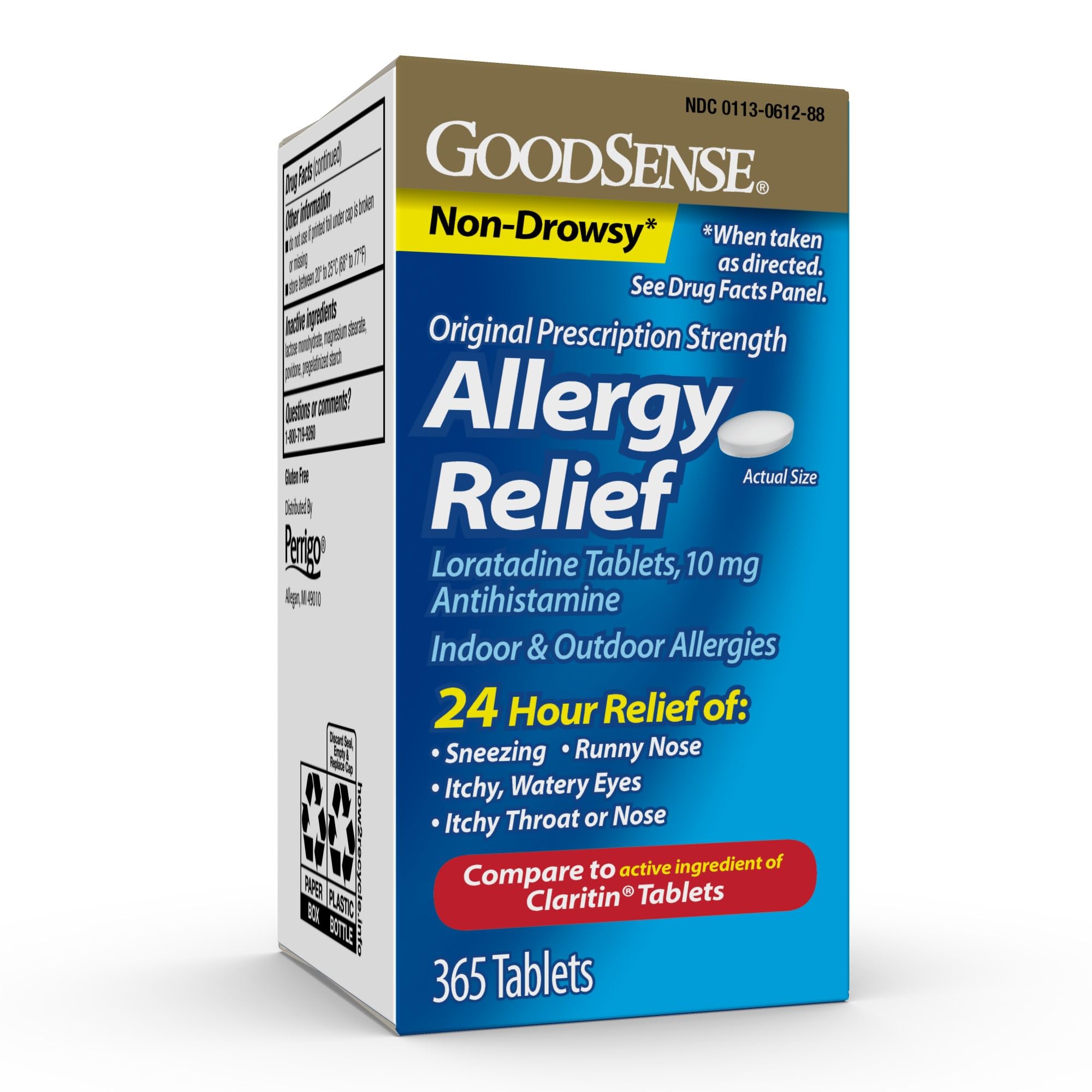
Loratadine 10 mg — the generic Claritin — is the gentlest second-generation antihistamine available over the counter. GoodSense packs 365 tablets, a full year’s supply for a single user, making it the ultimate budget-conscious family option. Loratadine is exceptionally well-tolerated: it rarely causes drowsiness and has minimal drug interactions compared to cetirizine or fexofenadine.
Customer feedback highlights its effectiveness against dust, pollen, and pet dander. One long-term buyer described it as “the best allergy pills on the market” after trying every store and name brand. The 24-hour dosing window means one tablet in the morning covers the whole day. The loratadine molecule also has a favorable safety profile for children aged six and older.
The primary limitation is slow onset. Loratadine takes one to three hours to reach peak effect, so it is not ideal for acute, sudden reactions. Several reviewers noted that cetirizine worked faster when symptoms hit hard. For steady, preventive daily control at a per-tablet cost that rivals any competitor, this 365-count bottle is unmatched.
Why it’s great
- Year’s supply in one bottle — 365 tablets
- Minimal sedation and drug interactions
- Gentle enough for daily preventive use
Good to know
- Slow acting — takes hours to reach full effect
- Not suitable for rapid rescue from acute reactions
5. Anti-Allergy Antihistamine Chlorpheniramine Maleate 4 mg, 600 Tablets (6 Pack)
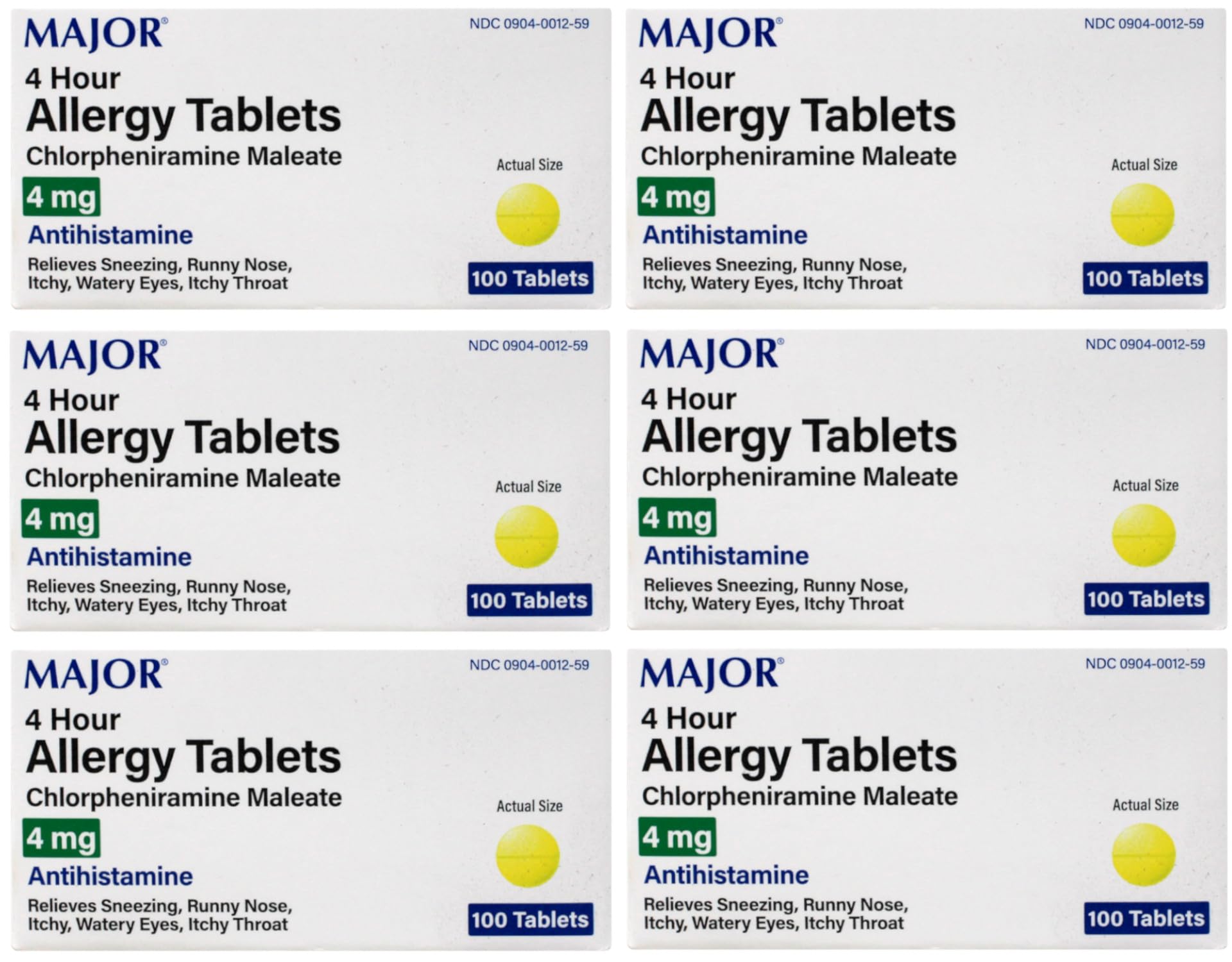
Chlorpheniramine maleate is an older first-generation antihistamine — the generic equivalent of Chlor-Trimeton — that many users find surprisingly effective when newer molecules fail. This six-pack delivers 600 tablets (100 per bottle), the largest total tablet count in this guide. The per-tablet cost is extremely low, making it the most economical choice for households that go through antihistamines quickly.
Reviewers report that chlorpheniramine works for allergy symptoms that resist Benadryl, Zyrtec, and Claritin — one user specifically mentions dog allergies unresponsive to other antihistamines. Another reviewer notes that it produces no drowsiness for them, though the drug is classified as first-generation and can cause sedation in some individuals. The 4 mg dose is effective for sneezing, itchy watery eyes, and runny nose.
The trade-offs are dosing frequency and potential drowsiness. Chlorpheniramine must be taken every four to six hours, not once daily. It is also more likely to cause sedation than second-generation options, though less predictably than diphenhydramine. For those who have exhausted modern antihistamines without relief, this older molecule offers a distinct alternative at a bulk price that is hard to beat.
Why it’s great
- Lowest per-tablet cost in this guide — 600 tablets total
- Effective for allergies resistant to newer antihistamines
- Compact 100-tablet bottles are easy to store
Good to know
- Requires dosing every 4-6 hours, not 24-hour coverage
- May cause drowsiness; individual response varies
FAQ
Which antihistamine works fastest for a sudden allergic reaction?
Is it safe to take allergy medicine every day for seasonal allergies?
Can I switch between different antihistamines if one stops working?
Final Thoughts: The Verdict
For most users, the allergy medicine for allergic reaction winner is the Amazon Basic Care All Day Allergy because it combines the reliable 24-hour coverage of cetirizine with the lowest per-tablet cost among modern second-generation options. If you need the fastest possible rescue from a sudden reaction, grab the Benadryl Ultratablets. And for all-day alertness without any drowsiness risk, nothing beats the ValuMeds Fexofenadine HCl 180 mg.

Mo Maruf
I created WellFizz to bridge the gap between vague wellness advice and actionable solutions. My mission is simple: to decode the research and give you practical tools you can actually use.
Beyond the data, I am a passionate traveler. I believe that stepping away from the screen to explore new environments is essential for mental clarity and physical vitality.