Our readers keep the lights on and my smoothie glass nicely filled. As an Amazon Associate, I earn from qualifying purchases.
Shooting a music video means chasing a performance with a camera that can handle fast motion, changing light, and sync sound without falling apart. The wrong camera delivers unusable rolling shutter, noisy shadows, or a recording limit that kills the take. The right one delivers a clean 4K signal, reliable autofocus, and enough dynamic range to grade the final look.
I’m Mohammad Maruf — the founder and writer behind WellFizz. I’ve spent years analyzing sensor readout speeds, codec depth, and stabilization systems to separate the gear that works from the gear that just looks good on paper.
This buying guide cuts through the noise to help you find the right cameras for music videos based on real sensor performance, frame rate capability, and ecosystem value.
How To Choose The Best Cameras For Music Videos
Selecting a camera for music video production requires a different checklist than everyday photography. Frame rates, codec options, stabilization, and audio inputs dictate what ends up in the final timeline. Prioritize the specs that match your shooting style.
Frame Rate and Slow Motion
Music video directors lean on slow motion for emotional beats and performance shots. A camera that records 4K at 60 fps without a heavy crop gives you real flexibility. 120 fps at 1080p works for most projects, while true 4K/120p sits at the premium tier.
Dynamic Range and Log Profiles
Recording in a log gamma or flat profile extends the usable latitude for color grading. A camera with 13 stops or more of dynamic range handles the contrast between stage lights and shadow better than standard picture modes. Look for 10-bit codecs to avoid banding in sky tones and skin gradients.
Stabilization and Gimbal Compatibility
Smooth gimbal shots define modern music video style. In-body image stabilization reduces the need for a bulky gimbal on static shots but doesn’t replace one during fast panning work. Check how each camera balances on a common gimbal before purchasing.
Quick Comparison
On smaller screens, swipe sideways to see the full table.
| Model | Category | Best For | Key Spec | Amazon |
|---|---|---|---|---|
| Blackmagic Pocket 6K Pro | Cinema | Cinematic Color Grading | 6144 x 3456 RAW | Amazon |
| Nikon Z6 III | Mirrorless | 6K RAW Internal | 6K/60p N-RAW | Amazon |
| Blackmagic Pocket 4K | Cinema | Studio Raw Workflow | 4096 x 2160 12-bit | Amazon |
| Canon EOS R8 | Full-Frame | Lightweight 4K/60p | Uncropped 4K/60p | Amazon |
| Sony a7 III | Full-Frame | Battery Life on Set | 15-stop Dynamic Range | Amazon |
| Canon EOS 5D Mark IV | DSLR | Existing EF Glass Users | 30.4 MP Full-Frame | Amazon |
| Nikon Z6 II | Mirrorless | Hybrid Photo/Video | 4K/60p Full Pixel | Amazon |
| Sony ZV-E10 | APS-C | Budget Vlog to Video | Oversampled 4K | Amazon |
| Panasonic G85 | MFT | Budget Stabilization | 5-axis Dual I.S. | Amazon |
| Panasonic G100 | MFT | Vlogging Audio | 360° Mic Tracking | Amazon |
| DJI Osmo Pocket 3 | Gimbal | Ultra-Mobile Setups | 1“ CMOS 4K/120fps | Amazon |
In‑Depth Reviews
1. Blackmagic Design Pocket Cinema Camera 6K Pro

The Blackmagic 6K Pro delivers a Super 35 sensor with 13 stops of dynamic range and dual-gain ISO up to 25,600, making it the go-to choice for music video directors who need flexible color grading. Its built-in 2, 4, and 6-stop ND filters allow you to shoot wide open under harsh stage lighting without external matte boxes. Recording 12-bit Blackmagic RAW internally to CFast or SD cards gives editors maximum latitude in post without requiring a separate recorder.
The adjustable tilt 5-inch HDR LCD is bright enough to frame shots in direct sunlight, and the included DaVinci Resolve Studio activation ensures your editing pipeline is fully supported. The EF lens mount opens up countless adapted cinema glass options, while the mini XLR input handles professional shotgun mics for clean on-camera scratch audio.
Battery life with the included NP-F570 is limited, and the lack of reliable continuous autofocus means you will operate manual focus or rely on a focus puller. For planned, scripted shoots where you control lighting and movement, this camera produces filmic motion unlike anything in its class.
Why it’s great
- 13 stops dynamic range for deep color grading
- Built-in 2/4/6 stop ND filters
- 12-bit Blackmagic RAW codec
Good to know
- No reliable continuous autofocus
- Battery life requires spare NP-F packs
- Bulky compared to mirrorless options
2. Nikon Z6 III

The Nikon Z6 III pushes mirrorless video boundaries with 6K/60p internal N-RAW recording and oversampled 4K UHD from the full sensor width. The 24.5MP full-frame BSI sensor delivers excellent low-light performance, which matters when you are shooting a music video in a dimly lit club. The in-body stabilization works well enough to reduce gimbal dependency for slow pushes and pulls.
The electronic viewfinder hits 4000 nits brightness, making outdoor composition reliable. Autofocus detection operates down to -10 EV, so even if the scene goes dark between lighting cues, the camera maintains focus on the performer. The dual card slot supports CFexpress Type B and SD cards, giving you high-speed backup options during critical takes.
Battery life runs about two hours of continuous shooting, so plan for a USB-C power bank on longer sessions. The menu system has a steep learning curve compared to Sony or Canon, but the raw video output from this body rivals cinema cameras at nearly double the cost.
Why it’s great
- Internal 6K/60p N-RAW recording
- Excellent in-body stabilization
- Bright 4000-nit EVF
Good to know
- Menu system can be complex
- Battery life limits long shoots
- Heavier than entry-level mirrorless
3. Blackmagic Design Pocket Cinema Camera 4K

The original Pocket 4K remains a benchmark for affordable cinema-grade video. Its 4/3-inch sensor records native 4096 x 2160 resolution with 13 stops of dynamic range, and the dual native ISO (400 and 3200) keeps noise minimal when you push into the shadows of a music video set. The MFT mount allows both vintage glass adaptation and native fast cine primes for that dreamy, shallow depth of field.
ProRes and 12-bit Blackmagic RAW recording to SD, CFast, or USB-C SSD gives you unmatched codec flexibility at this price tier. The bright 5-inch LCD is usable as a primary monitor, and the mini XLR input with phantom power means one less adapter in your bag. The included DaVinci Resolve Studio key saves you nearly a thousand dollars in software costs alone.
No image stabilization means every handheld shot requires a gimbal or supported rig. The battery life is poor with the included LP-E6, but USB-C power eliminates downtime when near an outlet. It works best for controlled music video production where you prioritize grade quality over portability.
Why it’s great
- 13 stops dynamic range in ProRes/RAW
- Dual native ISO for clean low light
- Includes DaVinci Resolve Studio
Good to know
- No in-body stabilization
- Battery life is very short
- MFT sensor gives less background blur than S35
4. Canon EOS R8

The Canon EOS R8 packs the same 24.2MP full-frame sensor and DIGIC X processor as the R6 Mark II into a significantly lighter body. It shoots uncropped 4K/60p oversampled from 6K, plus 180 fps high-frame-rate at 1080p for dramatic slow-motion. Dual Pixel CMOS AF II with deep-learning subject detection locks onto performers with high reliability, even in low stage lighting.
The vari-angle touchscreen is essential for low-angle music video shots, and Canon Log 3 extends the dynamic range to roughly 12 stops for flattering skin tone grading. UVC/UAC support means it doubles as a high-quality webcam for livestreaming performances or studio sessions without extra hardware.
No in-body stabilization is the biggest gap here — you will need a gimbal for any run-and-gun music video work. The small LP-E17 battery delivers about one hour of video, so pack spares. Overheating can stop 4K/60p recording around the 30-minute mark, which makes this better for short b-roll bursts than long continuous takes.
Why it’s great
- Lightweight full-frame body
- Uncropped 4K/60p oversampled from 6K
- Reliable Dual Pixel AF II
Good to know
- No in-body stabilization
- Overheating on prolonged 4K/60p
- Small battery requires spares
5. Sony a7 III

The Sony a7 III has become a standard for hybrid music video work because of its 24.2MP back-illuminated full-frame sensor and 15-stop dynamic range. The 693 phase-detect AF points cover 93% of the frame, providing reliable eye-tracking of a performer moving around the set. 4K video is oversampled from a 6K readout, delivering sharp detail with good noise control up to ISO 12800.
The NP-FZ100 battery is the class leader, delivering roughly 710 shots or around two hours of video on a single charge — a practical advantage on all-day music video shoots. S-Log and HLG picture profiles provide a flat base for color grading in DaVinci or Premiere. The 28-70mm kit lens offers a versatile range for establishing shots and close-ups.
The a7 III records 8-bit 4:2:0 internally, which can introduce banding in skies and smooth gradients if you push the grade hard. Rolling shutter is noticeable during fast pans, and there is no USB-C charging. For a reliable, all-around full-frame camera that does not break the bank, this still holds up well.
Why it’s great
- Excellent battery life for long shoots
- 15-stop dynamic range for grading
- Reliable eye-tracking autofocus
Good to know
- 8-bit internal recording limits grading
- Noticeable rolling shutter on fast pans
- No USB-C charging
6. Canon EOS 5D Mark IV
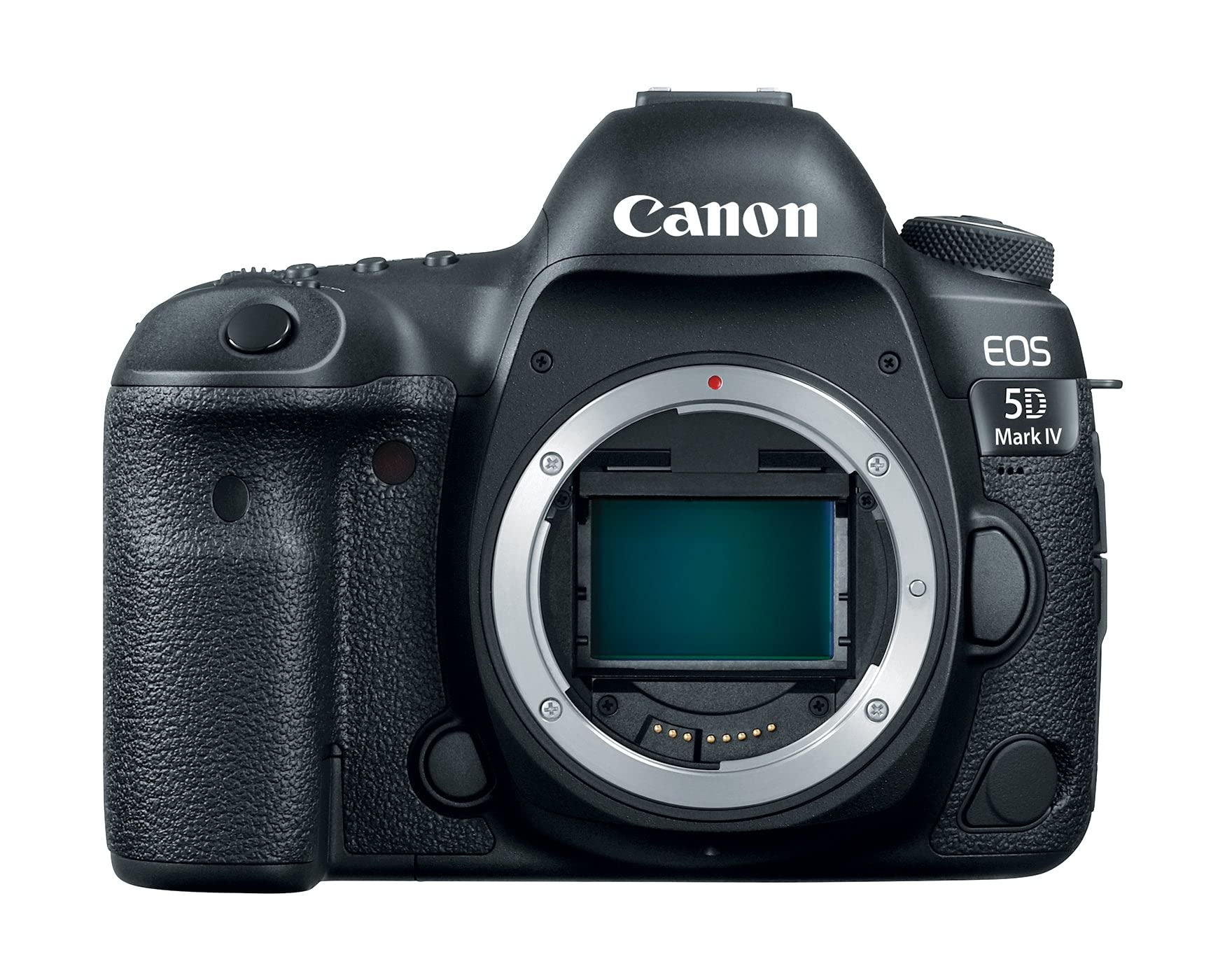
The 5D Mark IV remains a relevant option for music video shooters who already own a collection of EF lenses. The 30.4MP full-frame sensor provides plenty of resolution for cropping in post, and the DIGIC 6+ processor delivers 4K Motion JPEG at 30/24 fps. Dual Pixel CMOS AF provides smooth rack focusing during live performance captures.
The built-in Wi-Fi and Canon Camera Connect app allow remote monitoring and file transfer to a mobile device for quick social previews. The optical viewfinder still feels more responsive than EVFs for fast-changing scenes where you need zero lag. The body is built to professional standards with weather sealing that handles outdoor festival work.
4K video from this generation crops the sensor by a 1.74x factor, making wide shots harder to achieve. Motion JPEG files are large and not as editor-friendly as modern codecs like H.265. If you are not already invested in the EF ecosystem, newer mirrorless options offer more convenient video features.
Why it’s great
- 30.4MP full-frame for cropping flexibility
- Dual Pixel CMOS AF for smooth racking
- Professional build with weather sealing
Good to know
- 4K has a 1.74x crop factor
- Motion JPEG files are huge
- Only 4K/30p, no 60p option
7. Nikon Z6 II

The Z6 II offers a refined full-frame video experience with a 24.5MP BSI sensor and dual card slots (CFexpress/XQD plus UHS-II SD) for peace of mind during critical music video takes. 4K UHD/60p is captured using full pixel readout from the full sensor width, maintaining wide framing without a crop. The 273-point phase-detect AF and Eye-Detection keep a moving vocalist in focus reliably.
The ibis system works well enough to eliminate the need for a gimbal on static performance shots, and the USB-C constant power allows extended recording sessions. Compatibility with both native Z lenses and hundreds of F-mount NIKKOR lenses via the FTZ adapter means your lens budget can stretch further.
The AF tracking does occasionally lose subjects during high-contrast scene changes. The screen does not flip fully forward, making self-filming awkward. For a hybrid stills and music video camera that handles both jobs well, the Z6 II sits comfortably in the sweet spot.
Why it’s great
- Full pixel readout 4K/60p
- Dual card slots for backup recording
- Good in-body stabilization
Good to know
- AF tracking can lose subjects
- Screen does not flip forward
- Limited lens selection for Z mount
8. Sony ZV-E10
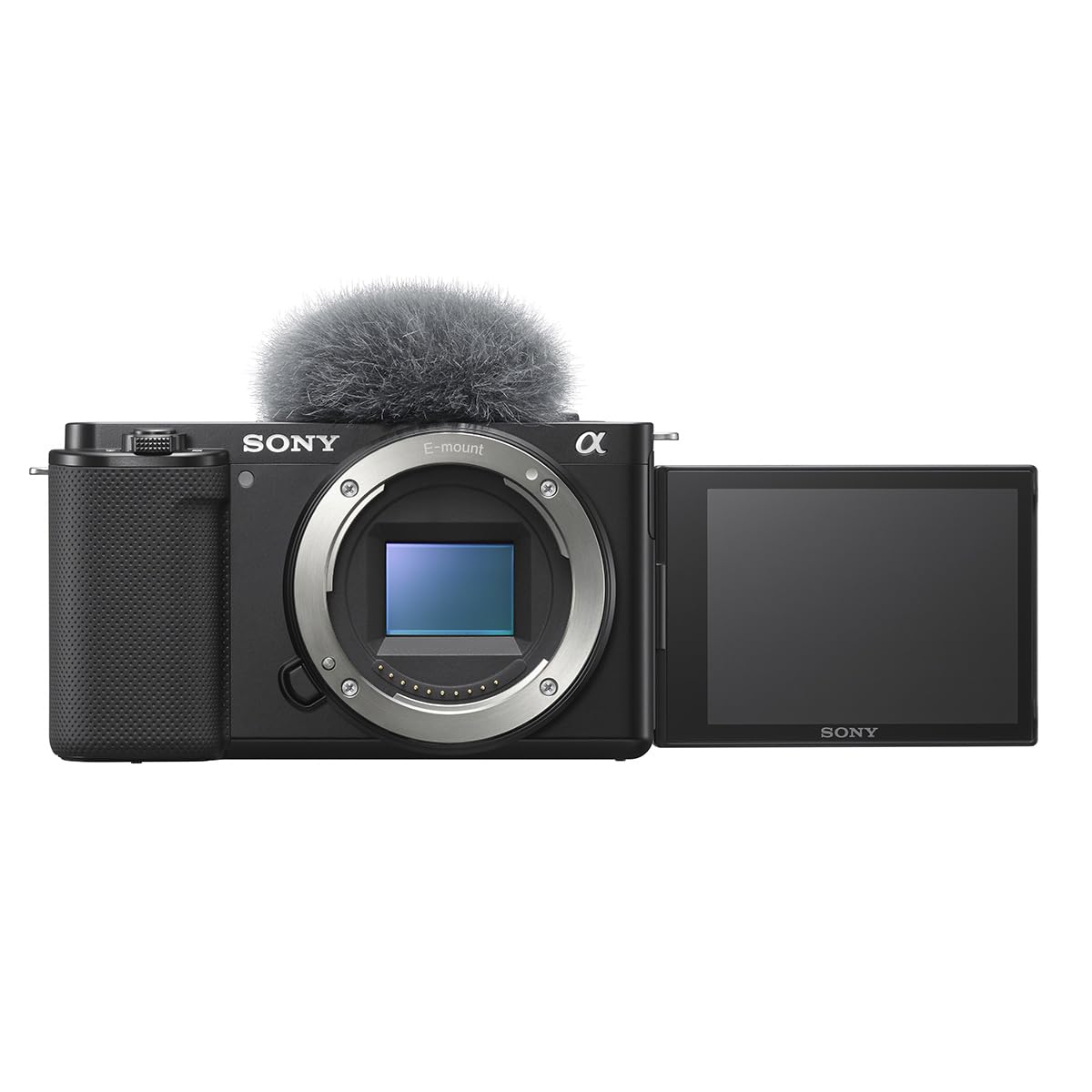
The Sony ZV-E10 brings a 24.2MP APS-C sensor and 425 phase-detect AF points to a compact body designed specifically for content creation. 4K video is oversampled from 6K with full pixel readout, delivering sharp footage that holds up well for music video b-roll and behind-the-scenes content. The Product Showcase setting smoothly transitions focus from the face to a held object, useful for gear reveals.
The articulating screen and Background Defocus button make one-person operation faster. E-mount opens up a huge ecosystem of lenses from Sony and third-party makers like Sigma and Tamron, giving you affordable fast primes for shallow depth of field. The built-in directional microphone picks up reasonable audio for scratch or casual use.
There is no in-body stabilization, so you will rely on OSS lenses or a gimbal. Rolling shutter is aggressive in 4K mode, and battery life runs around 25-30 minutes of continuous recording. It is an excellent entry point for music video beginners on a tight budget who want solid image quality without the cinema camera learning curve.
Why it’s great
- Oversampled 4K from 6K sensor data
- Reliable autofocus with face/eye tracking
- Large E-mount lens ecosystem
Good to know
- No in-body stabilization
- Aggressive rolling shutter
- Short battery life in 4K
9. Panasonic LUMIX G85

The Panasonic G85 is a weather-sealed MFT body with 5-axis Dual Image Stabilization that works in both photo and video modes. For music video work on a budget, this stabilization is the main draw — it lets you shoot handheld walking shots without a gimbal and still get usable footage. The 16MP sensor with no low-pass filter resolves fine detail well in good light.
The 12-60mm kit lens covers a 24-120mm full-frame equivalent zoom range with optical stabilization that combines with the IBIS system. 4K video is sharp at the 3840 x 2160 UHD resolution, and the articulating touchscreen helps nail focus from tricky angles. The magnesium alloy build gives a solid feel that inspires confidence on outdoor shoots.
Stills resolution at 16MP is lower than APS-C competitors if you plan to shoot high-res promo images for the same project. The autofocus slows down in low light compared to phase-detect systems. For the money, the stabilization value here is unmatched.
Why it’s great
- Excellent 5-axis Dual I.S. for handheld use
- Weather-sealed magnesium alloy build
- Good 4K video with articulating screen
Good to know
- Low 16MP stills resolution
- Autofocus slows in low light
- Small MFT sensor compared to APS-C
10. Panasonic LUMIX G100

The LUMIX G100 targets creators who need solid video quality in a lightweight body. The 20MP MFT sensor records 4K video with vibrant color reproduction, and the built-in microphone features Nokia OZO Audio with tracking that follows your subject. This makes it a decent option for interview-style BTS content or vlog segments within a music video project.
The 12-32mm retractable kit lens is impressively compact, making the entire setup easy to pack in a camera cube. Intelligent Auto mode helps beginners get good exposures without diving into menus, and the frame marker feature pre-sets aspect ratios for different social media platforms. USB webcam support converts it for livestreaming studio sessions.
Plastic build quality feels less durable than pro-oriented bodies. The 20-minute recording limit auto-stops video, which can interrupt a performance. The kit lens is also quite slow (f/3.5-5.6), requiring extra light or a fast prime for indoor work. It is a capable entry-level camera but limited for serious music video production.
Why it’s great
- Excellent built-in OZO tracking audio
- Compact and lightweight body
- Good 4K video for the size
Good to know
- Plasticky build quality
- 20-minute recording limit
- Kit lens is slow in low light
11. DJI Osmo Pocket 3 Creator Combo

The DJI Osmo Pocket 3 packs a 1-inch CMOS sensor and a built-in 3-axis gimbal into a pocket-sized body that records 4K video at 120fps. For music video shooters who need ultra-mobile b-roll, this camera eliminates the setup time of rigging a separate gimbal. ActiveTrack 6.0 keeps the subject framed, making it easy to capture moving performance segments hands-free.
The rotatable 2-inch touchscreen switches between landscape and portrait orientation instantly, useful for projects that need both standard and vertical edits. The Creator Combo adds a DJI Mic 2 transmitter, battery handle, wide-angle lens, and mini tripod — everything needed for a one-person video shoot. The 10-bit D-Log M color profile gives enough latitude for basic color grading in post.
The fixed lens limits your focal length to approximately 20mm equivalent, so you cannot zoom in on a performer without moving closer. This is a secondary or B-camera, not a replacement for an interchangeable lens system. For getting smooth tracking shots of an artist walking down a hallway or capturing crowd reactions, nothing is faster to deploy.
Why it’s great
- Built-in 3-axis mechanical gimbal
- Records 4K/120fps slow motion
- Compact enough for any bag pocket
Good to know
- Fixed wide-angle lens limits framing
- Fragile gimbal requires careful handling
- Not a replacement for main camera
FAQ
Do I need a full-frame sensor for music videos?
What frame rate should I shoot music videos at?
Should I record in Log or standard color for music videos?
How important is audio input on the camera?
Final Thoughts: The Verdict
For most users, the cameras for music videos winner is the Blackmagic Pocket Cinema Camera 6K Pro because of its unbeatable combination of internal ND filters, 13 stops of dynamic range, and 12-bit raw codec at its price point. If you want a compact full-frame body with excellent autofocus and lightweight handling, grab the Canon EOS R8. And for maximum mobility with built-in stabilization, nothing beats the DJI Osmo Pocket 3 as a B-camera.

Mo Maruf
I created WellFizz to bridge the gap between vague wellness advice and actionable solutions. My mission is simple: to decode the research and give you practical tools you can actually use.
Beyond the data, I am a passionate traveler. I believe that stepping away from the screen to explore new environments is essential for mental clarity and physical vitality.