Our readers keep the lights on and my smoothie glass nicely filled. As an Amazon Associate, I earn from qualifying purchases.
Finding winter footwear that respects natural foot function while keeping you warm and dry is a genuine challenge. Most insulated boots stack heel-to-toe drop, rigid platforms, and narrow toe boxes that cramp toes and numb ground feel — exactly the opposite of what minimalist buyers want.
I’m Mohammad Maruf — the founder and writer behind WellFizz. I’ve spent years analyzing the intersection of biomechanics and cold-weather material science, evaluating sole flexibility, insulation type, waterproof membranes, and lugs specific to zero-drop winter footwear.
After combing through customer feedback and spec sheets across the full spectrum of pricing tiers, I’ve settled on a short list of models that actually deliver on the promise of barefoot shoes for winter. These picks balance ground feel with thermal protection and traction on snow and ice.
How To Choose The Best Barefoot Shoes For Winter
Winter barefoot shoes must solve a contradiction: a thin, flexible sole that lets you feel the ground versus enough insulation and barrier protection to keep feet warm and dry below freezing. The wrong compromise either freezes your toes or turns the shoe into a stiff, clunky boot that defeats the barefoot purpose.
Insulation and Moisture Management
Look for internal fleece, wool-blend linings, or synthetic thermal liners rated for the temperatures you actually face. A waterproof membrane like a proprietary DWR or rubberized inner bootie prevents slush from soaking through but can trap sweat if the shoe lacks breathability — wool or moisture-wicking linings help regulate internal humidity.
Sole Flexibility vs. Winter Traction
True barefoot winter shoes use a thin (6-10 mm) rubber outsole with aggressive lugs spaced wide enough to self-clear snow. The rubber compound must stay flexible below freezing — cheap PVC or stiff rubber turns into a slippery plank. Look for chevron or multi-directional lugs that bite into ice and soft snow without adding unnecessary stack height.
Toe Box Shape and Volume
Winter barefoot shoes must accommodate thick wool socks without squashing toes. Anatomical toe boxes (rounded, foot-shaped) are far better than tapered or pointy lasts. Check reviews for width fit specifically with socks — many boots that fit barefoot become cramped once you add medium-cushion wool socks.
Waterproofing and Closure Systems
A waterproof membrane or seam-sealed construction is critical for walking in slush, wet snow, or rain. Look for storm cuffs, gusseted tongues, and quick-lace systems that seal debris out. Avoid designs with large fabric panels where snow can wick in at the ankle collar.
Quick Comparison
On smaller screens, swipe sideways to see the full table.
| Model | Category | Best For | Key Spec | Amazon |
|---|---|---|---|---|
| Vivobarefoot Tracker Textile AT | Premium Hiker | All-weather hiking, tech fabric | Puncture-resistant textile, 5 mm sole | Amazon |
| JIM GREEN Barefoot African Ranger | Leather Work Boot | Durability, resoleable construction | Full grain leather, stitchdown | Amazon |
| Xero Shoes Women’s Mika Boots | Women’s Winter Boot | Cold commutes, casual wear | Tartan lining, faux leather | Amazon |
| KEEN Men’s Targhee 4 Mid | Hybrid Hiker | Rocky trails, maximum lateral support | FUSION construction, 620 g weight | Amazon |
| Vibram V-Trek Insulated (Men’s) | FiveFingers Hiker | Maximum proprioception, all-terrain | Fleece-lined, Vibram TC-1 sole | Amazon |
| Xero Shoes Alpine Snow Boots | Lightweight Snow Boot | Snow walks, moderate cold | Water-resistant, flexible sole | Amazon |
| Hike Footwear Kasdava Pro | Budget Barefoot | Wide feet, value pricing | Zero drop, slip-resistant sole | Amazon |
| Irish Setter Elk Tracker | Extreme Cold Boot | Sub-zero hunting, heavy insulation | 1000 g insulation, 12″ height | Amazon |
| Vibram Women’s V-Trek Insulated | Women’s FiveFingers | Light trails, recreational use | Individual toe pockets, low-profile | Amazon |
In‑Depth Reviews
1. Vivobarefoot Tracker Textile AT Mens Barefoot Hiking Boots
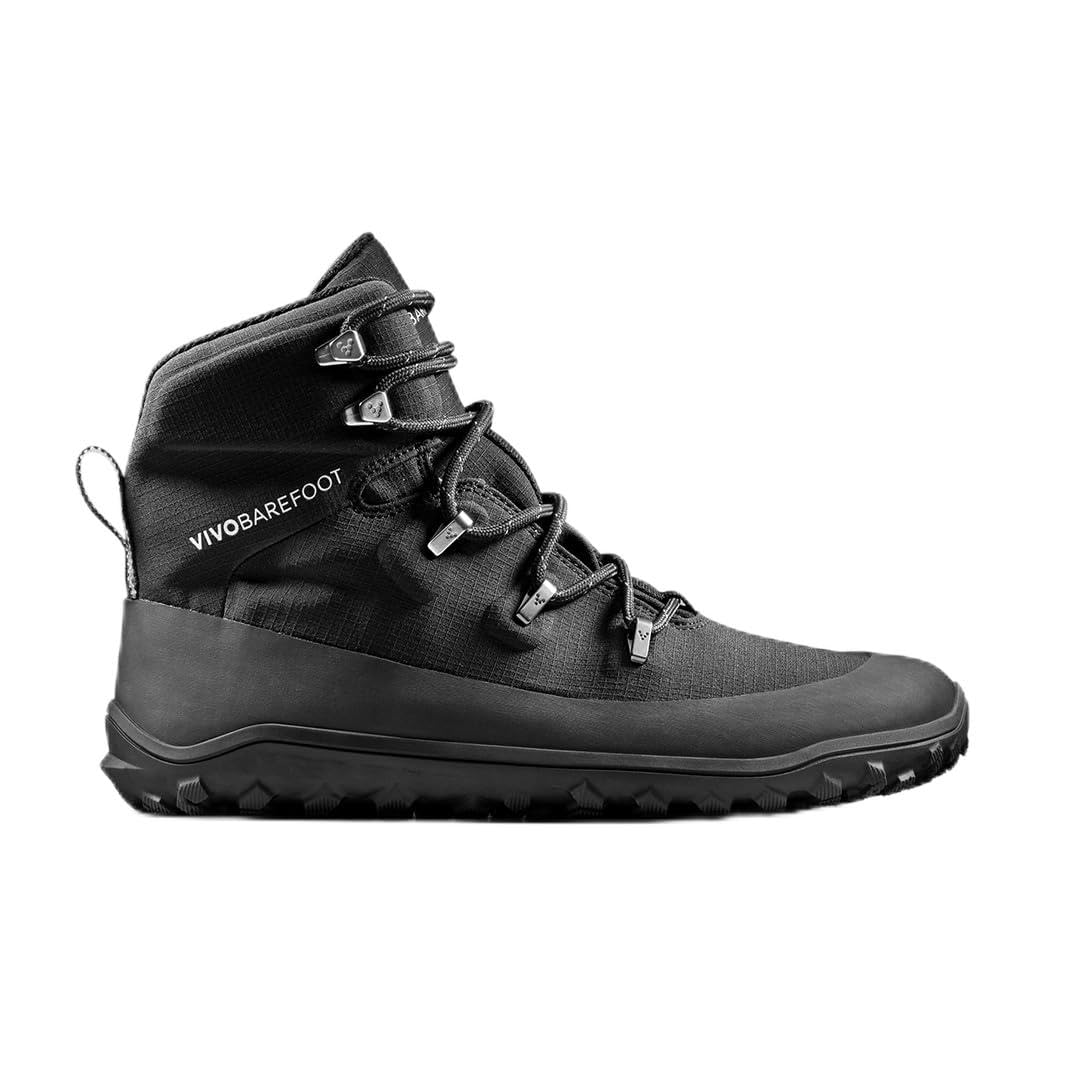
Vivobarefoot delivers a textile-based winter hiker that sheds weight without sacrificing protection. The puncture-resistant fabric and 5 mm outsole provide enough barrier for rocky terrain while maintaining the ground feel minimalist buyers demand. Users report staying warm and dry in snow, slush, and shallow water even without socks, thanks to a well-designed internal gaiter and hydrophobic upper.
The wide toe box accommodates thick wool socks comfortably, and the zero-drop platform keeps the foot in a natural alignment during long hikes. Reviewers consistently note superb traction on snow, mud, and dirt, though grip on wet ice can be less confidence-inspiring than dedicated winter boots. Sizing runs slightly large — most users recommend confirming fit with a half-size adjustment.
Durability feedback is mixed: some report peeling at the upper-sole junction within months, while others log hundreds of miles without issues. The gaiter compatibility adds versatility for deep snow, and the lightweight build makes these ideal for all-day winter hikes where you want barefoot feel without frozen toes.
Why it’s great
- Lightweight textile upper reduces fatigue on long winter treks
- Excellent ground feel through a puncture-resistant 5 mm sole
- Performs well in mixed winter conditions including snow and slush
Good to know
- Some units show early delamination; not the most durable option
- Traction on wet ice is weaker than on soft snow or dirt
2. JIM GREEN Men’s Barefoot African Ranger Boots

JIM GREEN builds a resoleable leather barefoot boot that prioritizes craftsmanship and longevity. The full-grain leather upper and stitchdown welt mean you can replace the outsole rather than discarding the whole boot — a rare feature in the barefoot category. The wide, round toe box provides ample splay for feet that need volume, though it is not anatomical like some competitors.
The zero-drop design and soft, grippy outsole offer good ground feel, but the lack of insulation makes these a three-season boot unless paired with heavy wool socks. Reviewers praise the build quality and rugged appearance, noting that the leather lining prevents foot odor. The lace system requires some adjustment due to the high volume shaft, and the break-in period can be long, with some users reporting blisters before the leather softens.
These boots are not designed for deep snow or sub-freezing temperatures out of the box. For mild winter conditions with dry snow and temperatures above 20°F, they work well with thick socks. The resoleability offsets the premium price, making this a long-term investment for barefoot purists who prioritize durability over insulation.
Why it’s great
- Resoleable stitchdown construction extends boot life significantly
- Wide toe box and high volume accommodate thick winter socks
- Full-grain leather and leather lining resist odor and wear
Good to know
- No internal insulation; requires heavy socks for cold weather
- Break-in period can be long and may cause blisters initially
3. Xero Shoes Women’s Mika Boots
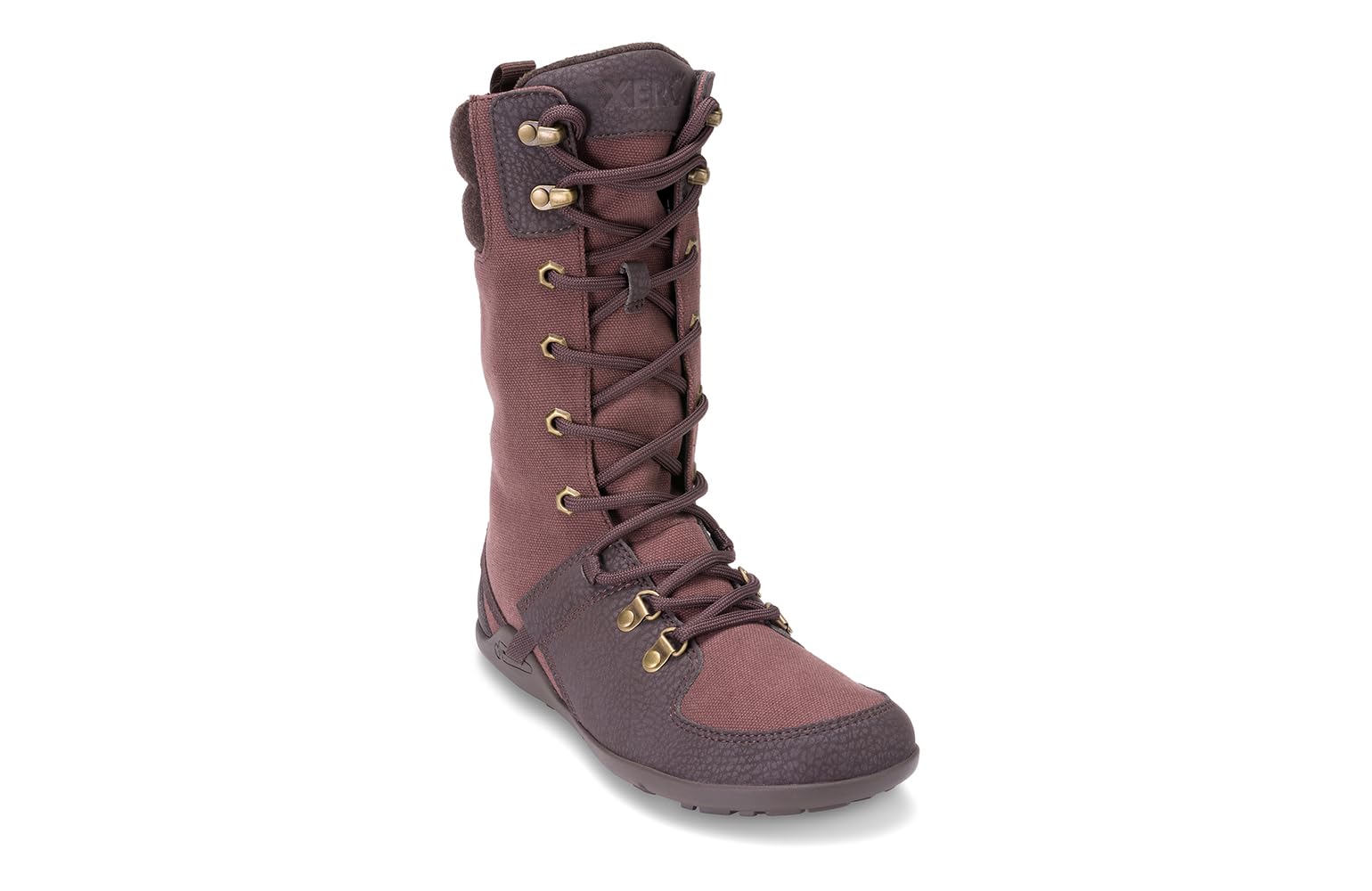
The Xero Mika Boots combine a stylish faux-leather upper with a cozy tartan fleece lining, making them a favorite for everyday winter wear. The wide, squared toe box accommodates foot shape without pinching, and the zero-drop sole keeps the foot flat and stable. Users report staying warm during commutes and dog walks in temperatures down to 20°F without overheating indoors.
The sole offers good grip on snow and ice, and the flexible outsole allows natural toe splay and foot articulation. The interior fleece lining feels comfortable even without socks, though the boots are not fully waterproof — standing water and deep slush can soak through in minutes. The canvas-based upper requires some care to avoid lint accumulation.
Sizing feedback suggests ordering 0.5 to 1 size up to accommodate thick socks, though the width runs average rather than extra-wide. The lowest eyelet sits high on the foot, which limits how tightly the boot secures around the ankle for some users. Despite these minor issues, the Mika Boots deliver exceptional comfort and warmth for casual winter wear.
Why it’s great
- Soft tartan fleece lining provides immediate warmth and comfort
- Lightweight and flexible sole allows natural foot movement
- Stylish design works with jeans and casual winter outfits
Good to know
- Not fully waterproof; avoid deep puddles or prolonged slush
- Width is average, may feel tight for very wide feet with socks
4. KEEN Men’s Targhee 4 Mid Height Waterproof Hiking Boots
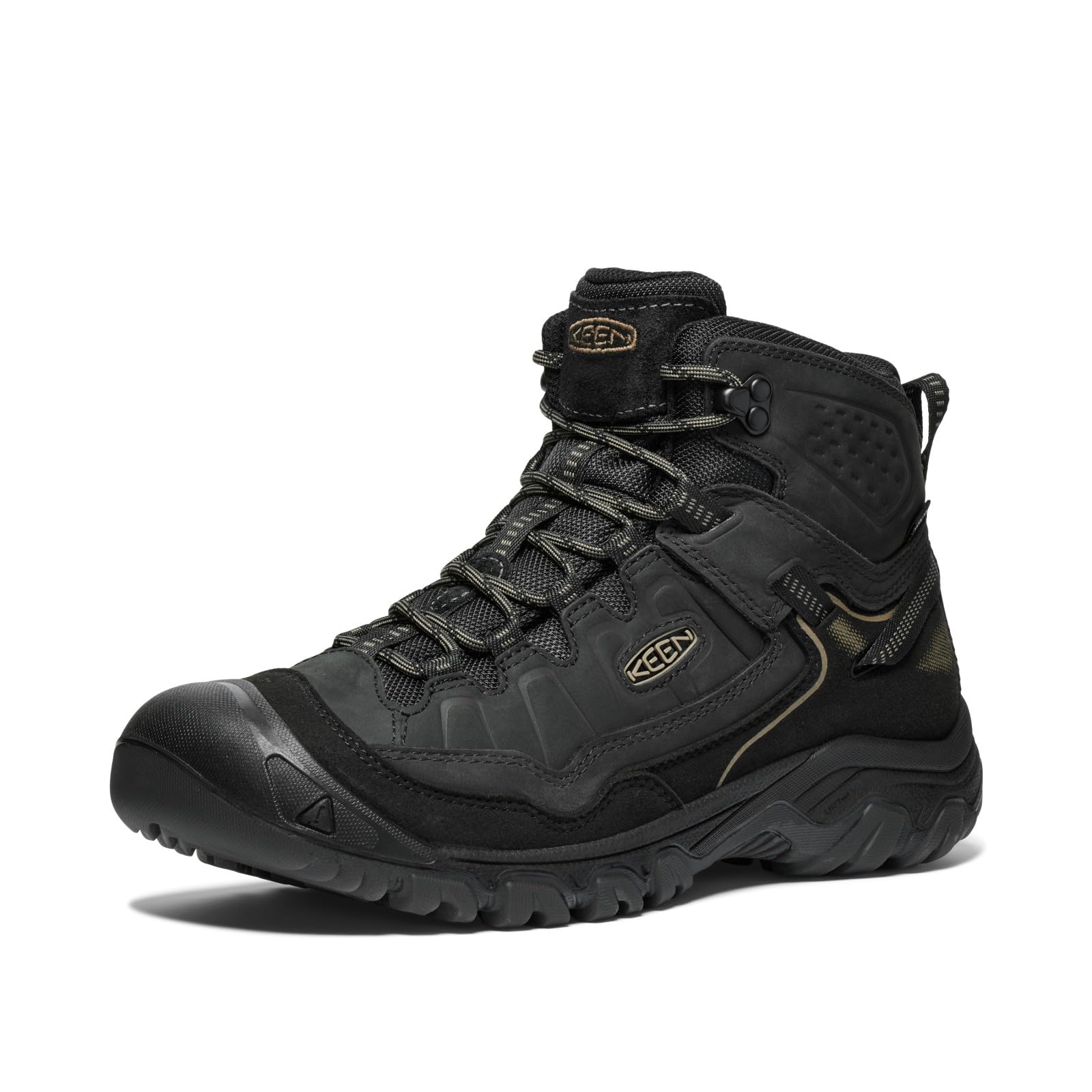
KEEN’s Targhee 4 Mid is a hybrid boot that leans toward traditional hiking construction but offers a roomier toe box than most mainstream brands, making it a crossover option for barefoot-minded hikers who still want lateral support. The waterproof membrane keeps feet dry in slush and creeks, and the aggressive outsole grips reliably on wet rock and packed snow.
At 620 grams per boot (size 10), it is heavier than true minimalist offerings, but the added structure benefits hikers carrying heavy packs on rocky winter trails. The FUSION construction bonds the upper to the midsole without glue, reducing delamination risk. Users with neuropathy or wide feet report excellent fit with prescription orthotics or thick socks.
Some reviews note that the factory insoles are inadequate for arch support, and upgrading to aftermarket insoles adds cost. The boot is not zero-drop — it has a moderate heel-to-toe differential — so die-hard barefoot fans may find the elevated heel compromises balance. For those prioritizing waterproofing and protection over minimalism, the Targhee 4 is a solid winter choice.
Why it’s great
- Waterproof membrane keeps feet dry in wet snow and puddles
- Aggressive outsole provides confident traction on slick surfaces
- Roomy toe box accommodates custom orthotics and wide feet
Good to know
- Heavier than true barefoot boots — 620 g per boot
- Not zero-drop; moderate heel rise alters natural gait
5. Vibram Men’s FiveFingers V-Trek Insulated

The Vibram V-Trek Insulated offers the most direct ground connection of any winter barefoot shoe, with individual toe pockets that let each digit move independently. The fleece lining adds warmth without bulk, and the TC-1 rubber outsole provides excellent traction on dirt, leaves, and rocks. Users praise the boot for proprioception — ideal for hiking, recovery from foot injuries, or maintaining balance on uneven winter terrain.
The waterproof claim is limited: the boot dries fast but will soak through in standing water or wet snow. Sizing is tricky — ordering two sizes up and down to compare is a common recommendation. The zero-drop, thin sole means users transitioning from conventional boots will need a short adjustment period to avoid soreness.
High-arched users may find the V-Trek uncomfortable on long walks over hard surfaces like concrete, as the thin sole provides minimal arch support. For trail use and moderate winter hiking, however, the V-Trek is unmatched in sensory feedback and ground feel. The need for individual toe placement makes on/off slower than standard boots.
Why it’s great
- Unmatched proprioception and ground feel for winter terrain
- Fleece lining adds warmth without restricting toe movement
- Durable Vibram TC-1 outsole grips reliably on mixed trails
Good to know
- Not waterproof — feet get wet in slush or deep puddles
- Difficult sizing; may require ordering multiple sizes to dial fit
6. Xero Shoes Men’s Alpine Barefoot Snow Boots
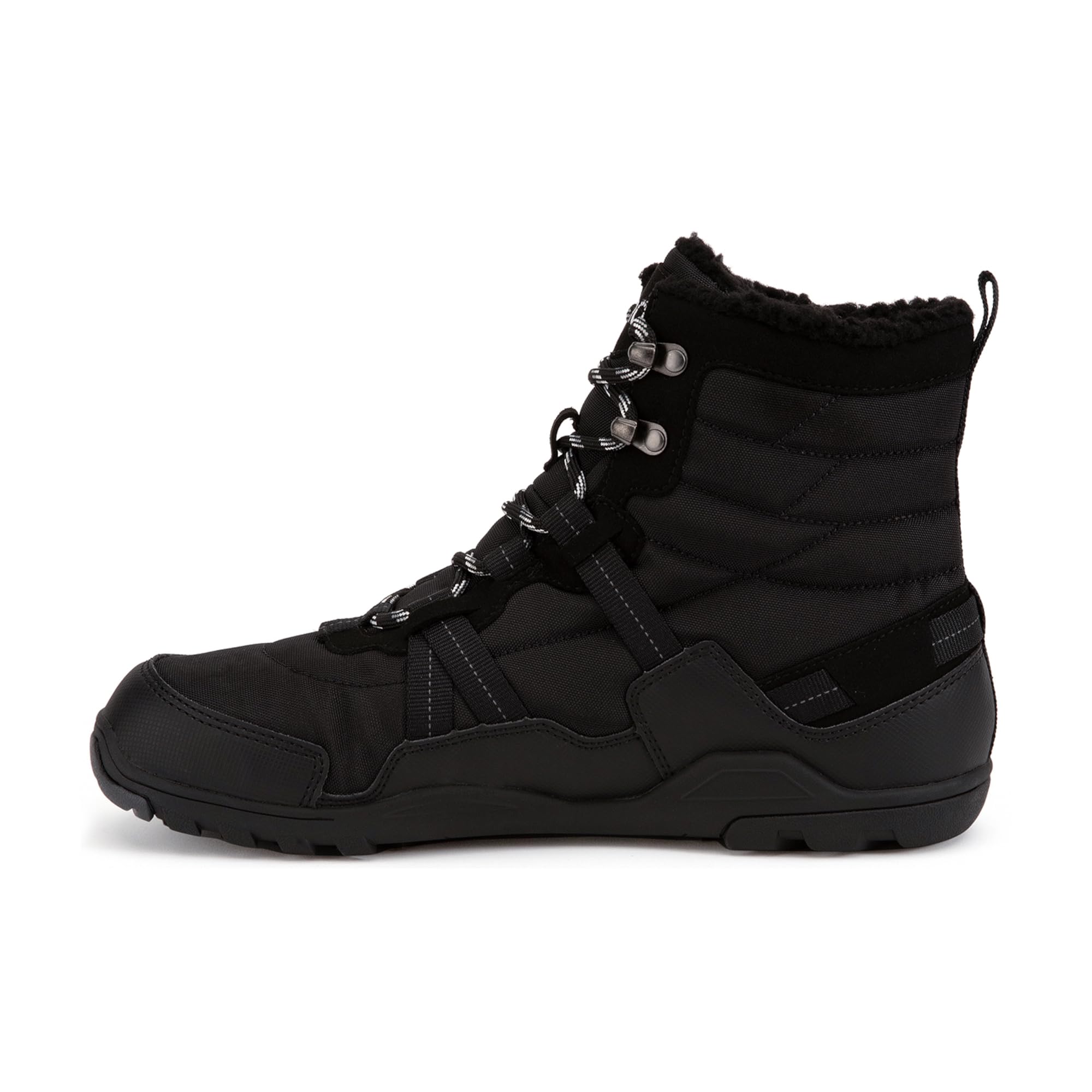
Xero’s Alpine Snow Boot is a true zero-drop barefoot boot designed specifically for winter wear, featuring a water-repellent upper and a flexible sole with solid snow traction. The lightweight construction makes it easy to wear all day without fatigue, and the wide toe box allows natural toe splay even with medium wool socks. Users report reliable grip on snow and icy surfaces, with good stability from the zero-drop platform.
The boot is water-resistant, not waterproof — standing water or deep slush will eventually penetrate. Insulation is moderate, so pairing with thick wool socks is necessary for temperatures below 20°F. The quick-hook lacing system makes entry and exit easy, though some users find the toe box less spacious than other barefoot brands like Be Lenka or Vivobarefoot.
New barefoot users need a short adjustment period to get used to the thin sole and lack of cushioning. The Alpine is best for dry snow walks, commuting, and moderate cold. For extreme ice fishing or long sub-zero hikes, the insulation and waterproofing fall short.
Why it’s great
- Lightweight construction reduces fatigue during all-day wear
- Hook lacing system allows fast, secure fastening
- Zero-drop platform maintains natural foot alignment
Good to know
- Water-resistant only — not suitable for deep slush puddles
- Insulation is moderate; requires thick socks below 20°F
7. Hike Footwear Kasdava Pro Barefoot Boots
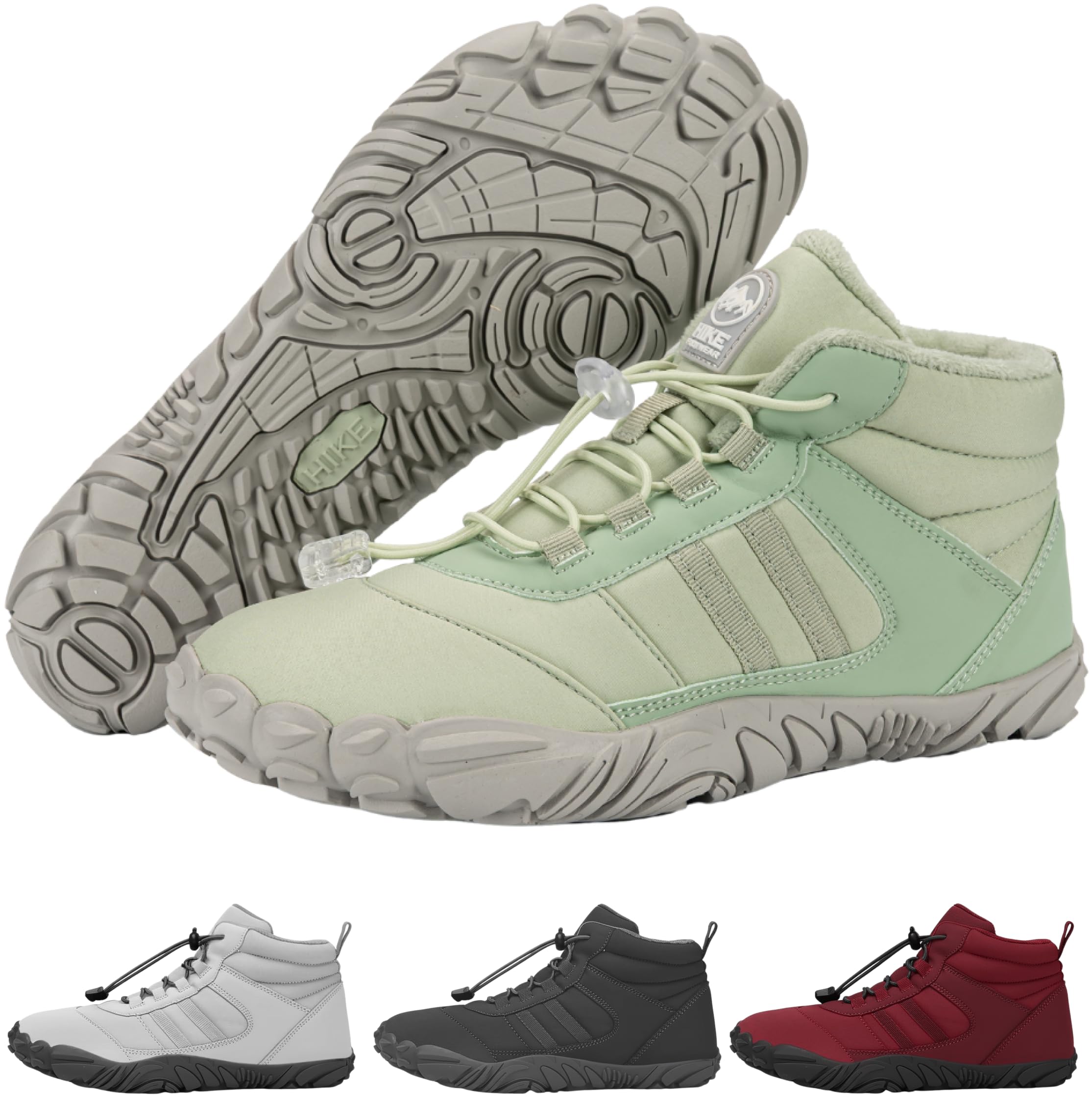
The Hike Footwear Kasdava Pro delivers a wide toe box and zero-drop platform at a price point that undercuts most competitors. The slip-resistant outsole provides decent traction on wet pavement and light snow, and the water-resistant upper handles light drizzle without issue. Users with wide feet or bunions report immediate relief from the generous toe splay.
The boots are warm out of the box, with some users noting they feel too warm for indoor wear. The sizing runs slightly small — going up half a size is recommended if you wear thick winter socks or if your feet swell during the day. The build quality feels solid for the price, though the materials lack the premium feel of leather or high-denier textile options.
Waterproofing is limited: these are water-resistant, not fully waterproof, and will leak in deep or standing water. The outsole rubber is moderately flexible but stiffens somewhat in very cold temperatures. For mild winter conditions, light hikes, or budget-conscious buyers entering the barefoot world, the Kasdava Pro is a surprisingly capable entry point.
Why it’s great
- Exceptionally generous toe box for natural splay
- Very affordable entry point into barefoot winter footwear
- Slip-resistant sole handles light snow and wet pavement well
Good to know
- Water-resistant only; not suitable for wet snow or puddles
- Sizing runs small — go up half a size for sock comfort
8. Irish Setter Elk Tracker 12″ Waterproof Insulated Hunting Boot

The Irish Setter Elk Tracker is built for sub-zero hunting and extreme cold conditions. With 1000 grams of Thinsulate insulation and a 12-inch waterproof leather shaft, this boot keeps feet warm and dry in temperatures down to -40°F when properly sealed. The rugged outsole provides deep, self-cleaning lugs that bite into snow and mud with authority.
This is not a barefoot shoe by any standard — the stack height is substantial, and the boot is heavy. However, for barefoot enthusiasts who need a dedicated extreme winter boot for ice fishing, snow clearing, or deep snow hiking, the Elk Tracker offers the most thermal protection available. The narrow fit (due to thick insulation) means wide-footed users should size up half a size or consider width options.
Durability is legendary — many users report a decade of hard use with Sno-Seal maintenance. The boot requires a break-in period but molds to the foot over time. The weight (well over 2 pounds per boot) makes long hikes tiring, but for stationary activities or short trips in extreme cold, the Elk Tracker is unmatched.
Why it’s great
- 1000 g insulation handles extreme sub-zero temperatures
- 12-inch waterproof shaft keeps snow out in deep conditions
- Legendary durability; many users report a decade of use
Good to know
- Very heavy — not ideal for long-distance winter hiking
- Not zero-drop or minimalist; thick sole and heel rise
9. Vibram Women’s FiveFingers V-Trek Insulated
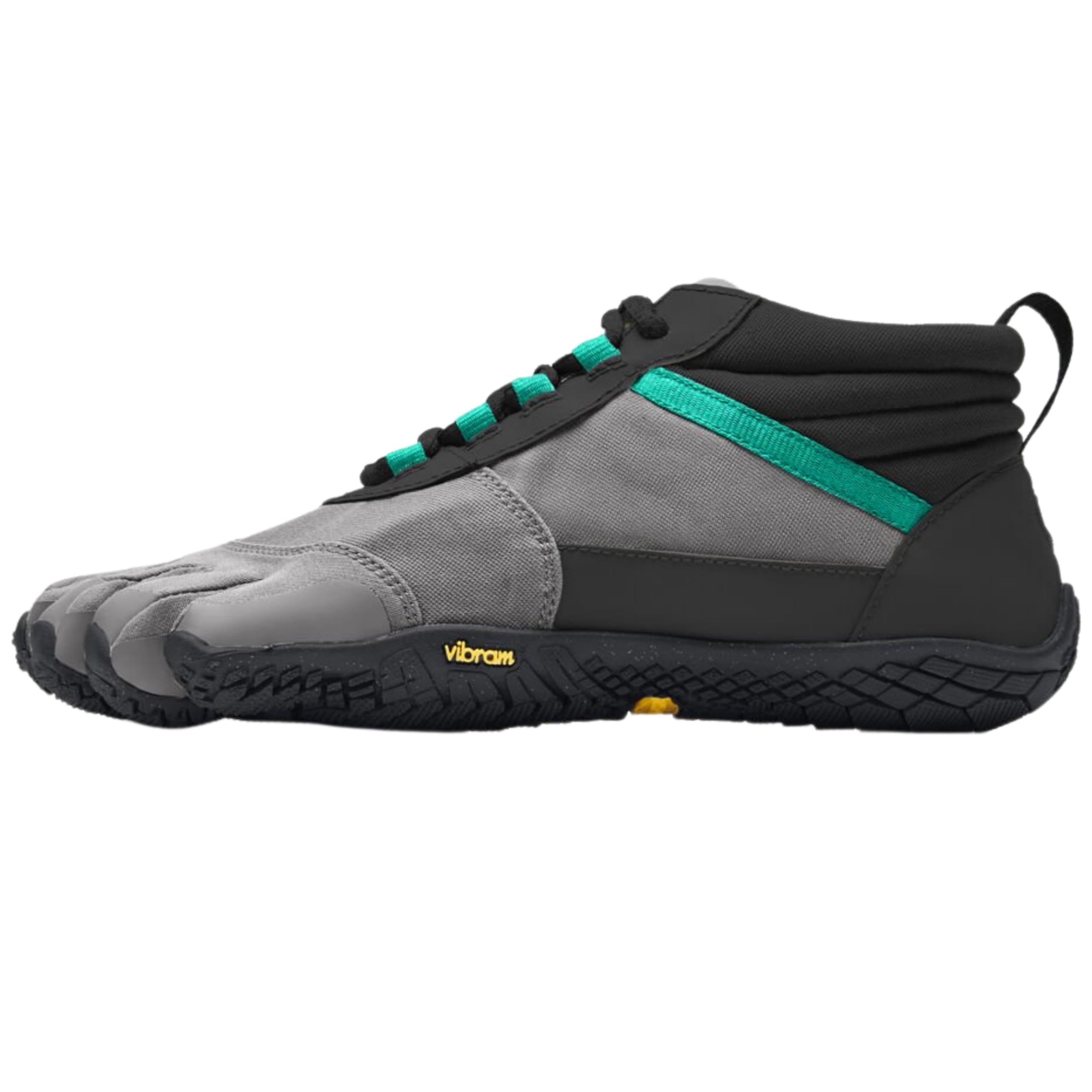
The women’s version of the Vibram V-Trek Insulated shares the same barefoot DNA as the men’s model, with individual toe pockets and a thin, flexible sole that delivers maximum ground feel. The fleece lining keeps feet warm in light winter conditions, and the TC-1 outsole grips well on light trails and packed snow.
Like its male counterpart, the waterproofing is limited — the boot dries quickly but does not keep feet dry in standing water. The sizing runs small, and the individual toe pockets require a specific fit that not every foot shape can achieve. Users with average-shaped feet tend to have the best experience; those with bunions or very wide toes may find the pockets uncomfortable.
This boot shines in CrossFit, yoga, and light winter hiking where proprioception and balance training are the goals. For deep snow or sub-freezing temperatures, the insulation is insufficient. Beginners transitioning from conventional shoes need a gradual introduction to avoid calf and foot soreness.
Why it’s great
- Toe pockets enable independent toe movement for balance and grip
- Low-profile sole provides excellent proprioception on trails
- Fleece lining adds warmth for mild winter conditions
Good to know
- Not waterproof; feet get wet in slush or puddles
- Individual toe pockets require precise fit; not for all foot shapes
FAQ
Can you wear barefoot shoes in snow without freezing your feet?
Are barefoot winter shoes safe on ice?
Do I need to size up for barefoot winter boots?
Can I wear barefoot boots for deep snow hiking?
What is the warmest barefoot winter boot available?
Final Thoughts: The Verdict
For most users, the barefoot shoes for winter winner is the Vivobarefoot Tracker Textile AT because it combines puncture resistance, lightweight construction, and good waterproofing in a zero-drop package that works for daily use and trail hiking. If you want maximum ground feel and toe independence, grab the Vibram Men’s V-Trek Insulated. And for budget-friendly entry into barefoot winter wear, nothing beats the Hike Footwear Kasdava Pro for its generous toe box and surprising warmth at the price.

Mo Maruf
I created WellFizz to bridge the gap between vague wellness advice and actionable solutions. My mission is simple: to decode the research and give you practical tools you can actually use.
Beyond the data, I am a passionate traveler. I believe that stepping away from the screen to explore new environments is essential for mental clarity and physical vitality.