Our readers keep the lights on and my smoothie glass nicely filled. As an Amazon Associate, I earn from qualifying purchases.
You have the trail map picked out, the backpack is packed, and you are ready for your first real hike — except every pair of shoes you own will either soak through at the first stream or shred your heels by mile two. That is the exact moment a new hiker realizes that regular sneakers or fashion boots are not built for the uneven ground, loose rocks, and mud that define a good trail. A purpose-built hiking boot is the single piece of gear that separates a confident, enjoyable day outdoors from a painful, wet, or slippery disaster that makes you wonder why anyone hikes at all.
I’m Mohammad Maruf — the founder and writer behind WellFizz. I have spent over 1,500 hours analyzing the construction, waterproofing membranes, outsole compounds, and fit considerations that define the entry-level hiking boot market so beginners don’t waste time and money on boots that fail after a few outings.
Whether you are heading into a state park with gentle inclines or a rocky trail with stream crossings, this guide covers seven of the strongest contenders for the best beginner hiking boots available today, each evaluated for immediate comfort, reliable traction, and real-world durability that first-time buyers can depend on.
How To Choose The Best Beginner Hiking Boots
New hikers often pick a boot based on looks or a brand name without considering the three specifications that actually affect comfort and safety on the trail: fit volume, waterproofing construction, and outsole traction. Understanding these factors before you click “buy” saves you from blisters, wet socks, and the frustration of a boot that feels great in the driveway but fails on the third mile of a descent.
Fit Volume and Sizing Strategy
Hiking boots are not sneakers. Your foot swells with heat and mileage, and a boot that fits perfectly at 9 AM can be painfully tight by 3 PM. The most common mistake beginners make is ordering their exact street shoe size without accounting for the need to wear thick, moisture-wicking socks. Many models in the entry-level space run small or narrow, which means you should plan to order half to a full size up. A boot with a generous toe box allows your toes to splay naturally during descents and prevents the black toenails that plague new hikers. If you have wide feet, look specifically for brands that offer wide-width options or a naturally roomy last, because a boot that pinches across the midfoot will never break in enough to be comfortable.
Waterproofing vs. Breathability
Almost all entry-level hiking boots use some form of internal waterproof membrane — often a proprietary laminate like Columbia’s Omni-Tech or a generic sealed inner bootie. This membrane keeps external moisture out but also traps internal moisture (sweat) inside. A fully waterproof boot is essential if you hike in wet climates, cross streams frequently, or hike in cold weather where wet feet mean dangerous cold. If you hike primarily in dry, warm conditions, a breathable boot without a membrane will keep your feet cooler and dry faster when they do get wet. For the beginner, a mid-height waterproof boot is usually the safer choice because it expands the range of trail conditions you can handle without discomfort.
Outsole Lug Pattern and Compound
The rubber outsole is your only contact point with the trail, and the depth of the lugs (the raised tread pattern) determines how stable you feel on loose surfaces. Beginner-oriented boots typically use a multi-directional lug pattern that provides grip on both ascents and descents. Lugs that are 4-5 millimeters deep are adequate for packed dirt, gravel, and moderate mud. Deeper lugs around 6 millimeters perform better on soft, loose terrain but can feel unstable on hard, flat rock. The rubber compound matters too — softer compounds grip better on wet rock but wear faster on abrasive surfaces. For a first boot, a balanced all-terrain outsole with moderate lug depth is the most forgiving choice for the wide variety of conditions a new hiker will encounter.
Quick Comparison
On smaller screens, swipe sideways to see the full table.
| Model | Category | Best For | Key Spec | Amazon |
|---|---|---|---|---|
| Columbia Women’s Crestwood Mid | Best Overall | Lightweight day hikes on mixed terrain | 14 oz weight; Omni-Tech membrane | Amazon |
| Under Armour Hovr Dawn 2.0 | Premium Pick | All-day comfort on rugged trails | HOVR cushioning; 2.4 lb pair weight | Amazon |
| Columbia Men’s Strata Trail Mid | Best Value | Icelandic / wet climate hiking | Leather/suede upper; Techlite midsole | Amazon |
| Timberland White Ledge Mid | Pro Pick | Rocky terrain and extended backpacking | 1.1 lb weight; premium leather upper | Amazon |
| Columbia Newton Ridge BC Nubuck | Style Pick | Cool-weather hiking with light snow | Nubuck leather upper; Omni-Grip outsole | Amazon |
| NORTIV 8 Men’s Wide Toe Box | Comfort Pick | Wide feet and zero-drop preference | Wide toe box; zero-drop platform | Amazon |
| Columbia Women’s Transverse Hike | Quiet Pick | Narrow heels and all-day standing | Non-clunky design; Omni-Tech waterproof | Amazon |
In‑Depth Reviews
1. Columbia Women’s Crestwood Mid Waterproof Hiking Boots

The Crestwood Mid is the boot that keeps showing up in trip reports from hikers who did not expect to love it this much. At only 14 ounces per boot, the weight savings are immediately noticeable when you are lifting your foot for the first few miles, and the Omni-Tech waterproof membrane has earned consistent praise for keeping feet dry through stream crossings and rain without turning into a sweatbox. Multiple reviewers specifically note that the cushioning feels bouncy and supportive straight out of the box — no painful break-in period required — and the Omni-Grip outsole provides reliable traction on packed dirt and moderate rock.
The major caveat that runs through nearly every review is that these boots run small, with several owners recommending you order a full size up from your usual street shoe, especially if you plan to wear thick hiking socks. Several users with slightly wide feet found the toe box accommodating, but anyone with true wide-width needs should approach with caution. A handful of return requests cite the sizing mismatch as the primary disappointment, not the boot’s performance. The construction quality has also held up for owners who use them as daily work boots on ladders and roofs, which speaks to durability that exceeds the entry-level price point.
For a beginner who wants a lightweight, waterproof boot that feels good from the first step and does not require a lengthy break-in, the Crestwood Mid is the most well-rounded option in this tier. Just size up aggressively and confirm the fit with thick socks before your first trail day. The combination of low weight, immediate comfort, and proven waterproofing makes it the safest recommendation for a first-time buyer who is not sure what they need.
Why it’s great
- Extremely lightweight at 14 oz per boot reduces leg fatigue
- Omni-Tech lining reliably waterproof across multiple reviews
- Zero break-in period; comfortable from the first wear
Good to know
- Runs small; order half to a full size up for proper fit
- Not a wide-width boot; tight for true wide feet
2. Under Armour Hovr Dawn 2.0 Boots
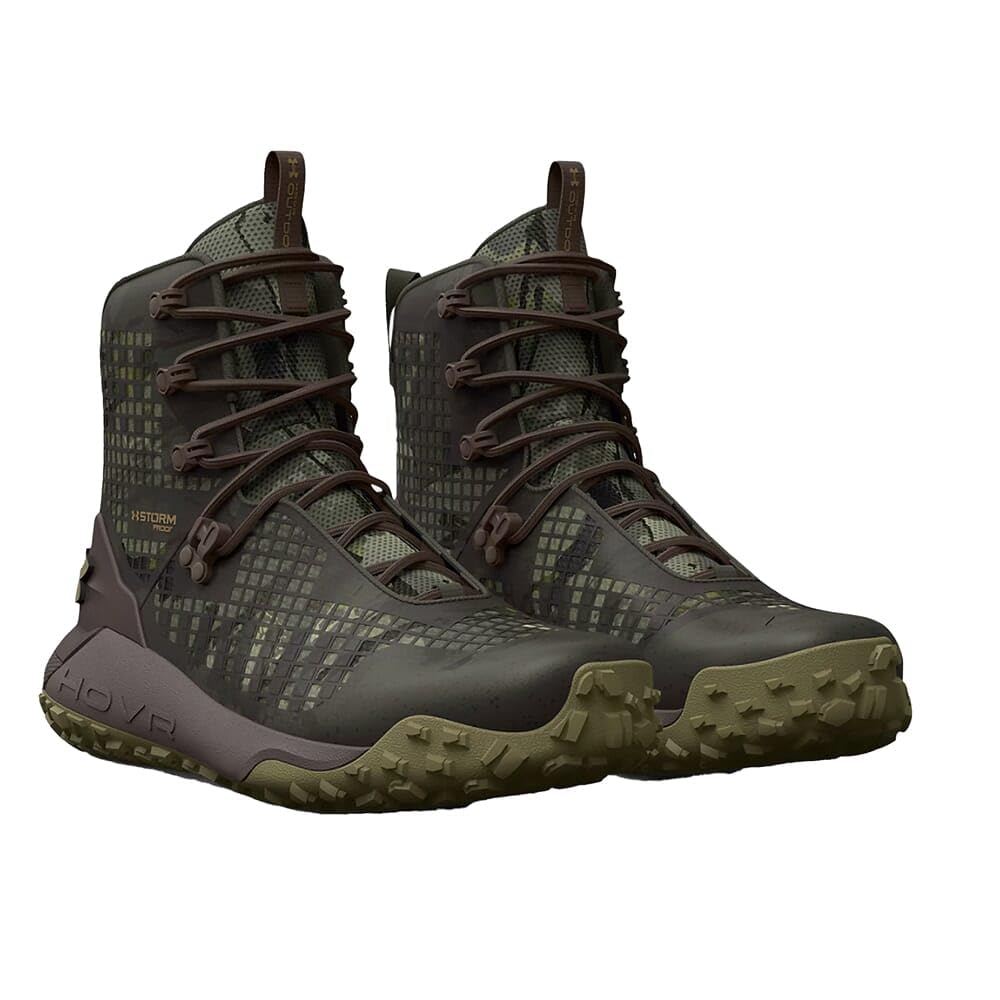
The Hovr Dawn 2.0 sits at the upper edge of the beginner boot price bracket, and the additional investment buys you a level of cushioning and responsiveness that feels more like a running shoe than a traditional hiking boot. The proprietary HOVR foam midsole delivers a soft, energy-returning step that multiple reviewers describe as comfortable enough for all-day wear without any break-in — several owners report wearing them straight out of the box for heavy hunting trips on rocky terrain with zero hot spots. The aggressive outsole tread has survived mud, snow, and rock scrambles with no visible wear after extended use, and the waterproof membrane has kept feet dry through wet grass and shallow streams.
The primary durability concern reported by a small number of users involves the outsole separating from the boot after a week of extremely heavy use on abrasive surfaces, which suggests the adhesive quality may not match the premium price point for the most demanding conditions. The laces are also noted as difficult to clip securely, though they do stay tied once adjusted properly. At roughly 2.4 pounds for the pair, these boots are not the lightest option here, but the cushioning compensates for the weight with a smooth, stable step that reduces impact on descents.
If you have the budget to spend a bit more and you prioritize immediate sneaker-like comfort with premium cushioning, the Hovr Dawn 2.0 is the most comfortable boot in this lineup for a beginner who plans to cover significant mileage. The trade-off is slightly higher weight and a small but real risk of outsole separation under extreme abuse, which is worth considering if your trails include sharp talus or volcanic rock.
Why it’s great
- HOVR foam midsole provides exceptional cushioning and energy return
- No break-in period; comfortable like sneakers from first wear
- Aggressive tread holds well on mud, snow, and loose rock
Good to know
- Outsole separation reported after heavy abuse on abrasive terrain
- Heavier than other premium options; pair weighs 2.4 pounds
3. Columbia Men’s Strata Trail Mid Waterproof
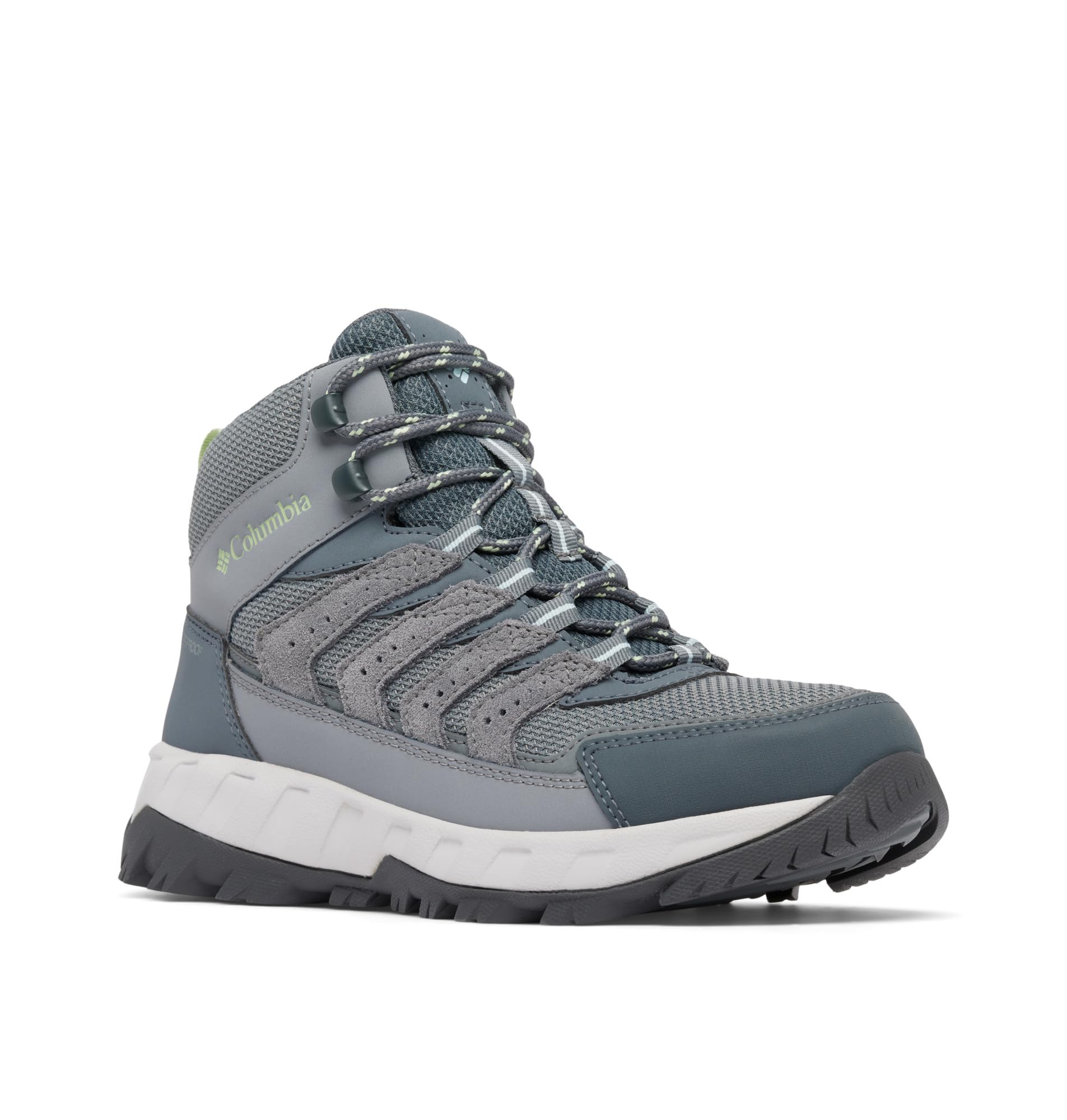
The Strata Trail Mid occupies a sweet spot in the Columbia lineup, offering a genuine leather and suede upper — a construction detail usually reserved for more expensive boots — combined with the brand’s reliable Techlite midsole and Omni-Tech waterproof membrane. This boot earned standout praise from a reviewer who wore it for five consecutive days in Iceland, hiking on glaciers and through standing puddles, with feet staying completely dry and no arch pain or pinched toes. The generous toe box accommodates thicker socks without compressing the forefoot, and the laces are designed to stay tied even after hours of movement.
Some users report that the tongue is attached along both sides, which can create a pressure fold at the top of the foot during the first few wears. One reviewer cut the tongue stitching to relieve this pressure, though most found it loosened up after a proper break-in period. The boot also runs slightly narrow for some wider feet, so owners with high-volume feet should consider sizing up by half. The outsole tread is effective on packed dirt and loose gravel but can be slippery on smooth, loose stones — one reviewer slipped on loose gravel during a descent.
For the beginner who values real leather construction and proven waterproof performance at a mid-range investment, the Strata Trail Mid delivers disproportionate value. The build quality and materials often found on boots at twice the price make it a smart choice for hikers who expect to encounter wet conditions or technical terrain early in their hiking journey. Just budget a few short walks to break in the tongue attachment if you are sensitive to top-of-foot pressure.
Why it’s great
- Leather/suede upper offers premium durability at a mid-range price
- Proven waterproof performance through glaciers and puddles
- Generous toe box with comfortable Techlite cushioning
Good to know
- Tongue stitching may create pressure points during early wear
- Slightly narrow for wider feet; consider sizing up
4. Timberland Men’s White Ledge Mid Waterproof Hiking Boots

The Timberland White Ledge is a name that has been around long enough to earn a loyal following among budget-conscious hikers who demand real leather construction and a classic hiking boot silhouette. The full-grain leather upper provides excellent abrasion resistance and a stiffness that supports the ankle without being overly restrictive, and the rubber outsole has proven durable over one year of daily wear across hills, snow, ice, mud, and streams. Multiple reviewers note that the boot is breathable enough to wear in warmer weather while remaining waterproof in wet conditions, though maintaining that waterproofing requires consistent leather care like mink oil treatments.
The fit runs larger than expected; most owners recommend ordering half a size down from your usual measurement to get a secure fit. The toe box is notably spacious, which is great for foot splay during descents but can feel sloppy if you do not size down appropriately. A small percentage of customers have reported receiving boots that appear to have been worn or returned, showing scuffs or signs of use. The boot also requires a short break-in period before the leather conforms to your foot, and some users find the stock insole inadequate for long miles, opting to replace it with an aftermarket orthotic.
The White Ledge is the right choice for a beginner who wants a traditional leather hiking boot with proven durability on mixed terrain and is willing to invest a little time in maintenance and break-in. The spacious toe box and supportive mid-height collar make it a strong option for backpacking trips where load-bearing stability matters more than trail-running speed.
Why it’s great
- Durable full-grain leather upper withstands heavy daily use
- Spacious toe box allows natural foot splay on descents
- Proven performance across snow, ice, mud, and streams
Good to know
- Requires break-in period and regular leather maintenance
- Runs half size large; order down for a secure fit
5. Columbia Newton Ridge BC Nubuck

The Newton Ridge BC Nubuck is the boot that bridges the gap between trail function and casual-town aesthetics — multiple reviewers mention loving the color patterns and how the boots look good with both hiking gear and everyday jeans. The nubuck leather upper offers a softer, more refined appearance than traditional full-grain leather while still providing good abrasion resistance. The Omni-Grip outsole delivers reliable traction on snow and moderate terrain, and the four top hooks allow you to lock in ankle support if you have instability concerns — one reviewer specifically recommends them for post-ankle surgery stability.
Fit runs true to size for most owners, with the caveat that you should plan to go up half a size if you intend to wear thick wool hiking socks. The boot does not require a significant break-in period; several reviewers report wearing them straight out of the box on multi-mile hikes with no blisters or discomfort. A small number of users have noted that the nubuck upper is more prone to scuffing than a smooth leather boot, though the marks can often be brushed out with a nubuck eraser. The insulation is minimal, so these are best suited for three-season hiking rather than deep winter use.
If you want a boot that looks good enough to wear around town and performs well on moderate trails without screaming “technical hiker,” the Newton Ridge BC Nubuck is the most aesthetically versatile option in this guide. The combination of proven Columbia build quality and a softer leather finish makes it an easy recommendation for the beginner who wants one boot that does double duty.
Why it’s great
- Nubuck leather upper combines trail durability with stylish appearance
- True-to-size fit with no painful break-in required
- Four top hooks provide excellent ankle support adjustment
Good to know
- Nubuck scuffs more easily than smooth leather
- Not insulated; best for three-season use only
6. NORTIV 8 Men’s Wide Toe Box Hiking Boots Katahdin
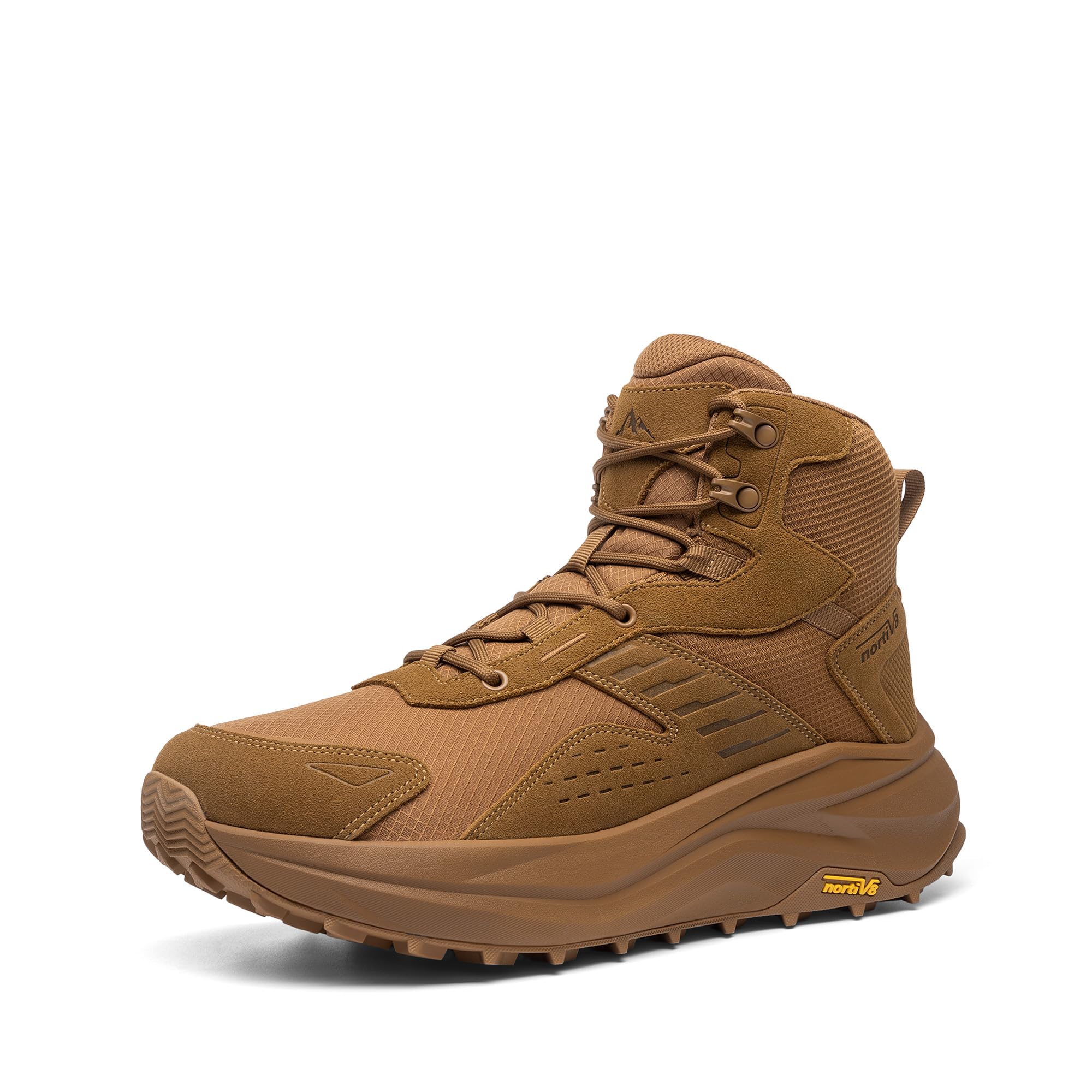
The NORTIV 8 Katahdin deliberately breaks from the standard hiking boot mold with a wide toe box and a zero-drop platform — a construction that mimics the natural shape of your foot and encourages a more grounded, stable stride on uneven terrain. Reviewers with wide feet and high arches consistently report that this is the only boot they have found that does not pinch their toes or compress their midfoot, even after five-mile hikes on steep, muddy terrain. The deep outsole lugs provide impressive grip on loose surfaces, with multiple owners confirming solid traction on wet rock and inclines up to 60 degrees.
The stiffness of the midsole, which provides excellent support for heavier hikers (one reviewer over 200 pounds found it ideal), can feel overly rigid at the front of the ankle when hiking uphill — the boot does not flex as naturally as a traditional curved last. The enclosed top lace loops instead of open hooks make the boot difficult to put on and take off, and the clunky aesthetic is a recurring note in reviews. Longevity is still being tested; at the time of these reviews, the boot had held up well for over six months of hard use, but the water-resistant lining needs periodic silicone spray treatment to maintain its performance.
If you have wide feet, high arches, or a history of toe pain in conventional hiking boots, the NORTIV 8 Katahdin is the most biomechanically thoughtful option in this lineup. The trade-off is a stiffer stride and a more utilitarian appearance, but for the hiker who prioritizes foot health over fashion, this boot delivers at a price that undercuts most competitors.
Why it’s great
- Wide toe box prevents pinching for hikers with broad feet
- Zero-drop platform promotes natural foot alignment and stability
- Deep lugs provide excellent traction on steep, muddy terrain
Good to know
- Enclosed lace loops make the boot difficult to put on and remove
- Stiff midsole feels rigid at the ankle anchor point when climbing
7. Columbia Women’s Transverse Hike Waterproof Hiking Boots
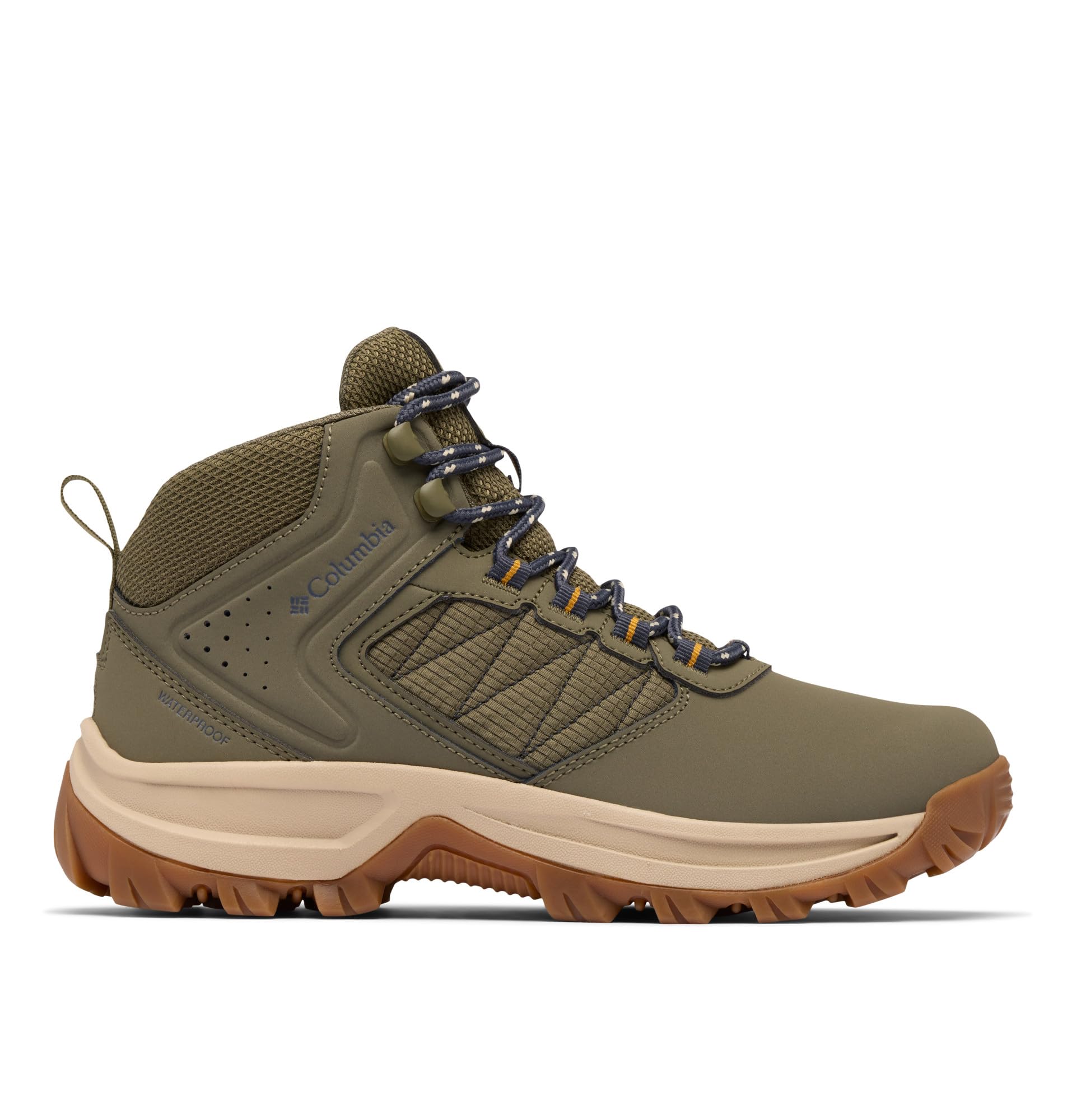
The Transverse Hike is the Columbia model that hikers with narrow heels and high arches gravitate toward, because the boot’s internal shape locks the heel in place without squeezing the forefoot. Multiple owners report wearing these for full work days and extended hiking trips with zero break-in, and the flexible mid-height collar provides ankle support without feeling like a rigid cast. The Omni-Tech waterproof membrane has been tested in snow play with kids and during a winter storm, with consistent reports of warm, dry feet. The non-clunky gray design also earns compliments from reviewers who appreciate a boot that does not look like a tank on their feet.
The boot runs true to size for most, but owners with slightly wider feet have found the fit narrow enough that they needed to order a wide width. A small number of users report that the ankle area must be laced tightly to achieve a secure fit, which can feel constrictive for those with thicker ankles. The durability has held up well through a two-week trip and spot cleaning that restored the boots to a like-new appearance, but the long-term wear of the waterproof membrane and outsole is still being established with this relatively new model.
For a woman with narrow heels, high arches, or a preference for a boot that does not look bulky, the Transverse Hike offers a tailored fit that few entry-level boots provide. The immediate out-of-box comfort and reliable waterproofing make it a strong contender for a beginner who values a slim, flexible boot that disappears on the foot and just works.
Why it’s great
- Fits narrow heels and high arches without slipping
- Flexible mid-height collar provides ankle support without stiffness
- Non-clunky design appeals to style-conscious hikers
Good to know
- Runs narrow; not ideal for wide feet without ordering wide width
- Ankle area requires tight lacing for a secure fit
FAQ
Should beginners choose mid-height or low-cut hiking boots?
How many sizes up should I order my first hiking boot?
Can I wear regular cotton socks with hiking boots?
Final Thoughts: The Verdict
For most users, the best beginner hiking boots winner is the Columbia Women’s Crestwood Mid because it delivers the lightest weight, most reliable waterproofing, and immediate comfort at a price that respects a first-time buyer’s budget without cutting corners on construction. If you want premium sneaker-like cushioning and the budget allows, grab the Under Armour Hovr Dawn 2.0. And for the hiker with wide feet who has never found a boot that fits, nothing beats the natural toe splay of the NORTIV 8 Katahdin.

Mo Maruf
I created WellFizz to bridge the gap between vague wellness advice and actionable solutions. My mission is simple: to decode the research and give you practical tools you can actually use.
Beyond the data, I am a passionate traveler. I believe that stepping away from the screen to explore new environments is essential for mental clarity and physical vitality.