Our readers keep the lights on and my smoothie glass nicely filled. As an Amazon Associate, I earn from qualifying purchases.
The difference between hearing music and feeling it comes down to the transducer. Mass-market earbuds compress dynamics and smear transients, leaving the soundstage flat. Audiophile wired earbuds, on the other hand, use precision-engineered drivers—balanced armatures, hybrid arrays, or high-excursion dynamic coils—to deliver the micro-detail, imaging, and harmonic texture that recordings contain.
I’m Mohammad Maruf — the founder and writer behind WellFizz. I’ve spent years analyzing transducer topologies, crossover designs, and impedance curves across dozens of wired IEMs to determine which configurations actually deliver measurable fidelity gains over typical consumer hardware.
If you are ready to step past noise-cancelling compromises and hear your library as the engineer intended, the following breakdown of the best audiophile wired earbuds will guide you through driver types, tuning philosophies, and the real-world build quality that separates a lifelong monitor from a disposable accessory.
How To Choose The Best Audiophile Wired Earbuds
Decoding the perfect IEM is not about chasing the highest price. It is about understanding how driver architecture, impedance, tuning philosophy, and build materials interact with your listening environment and source gear. Below are the three pillars that define a high-fidelity purchase.
Driver Configuration: Single Dynamic vs. Hybrid vs. Multi-BA
Single dynamic drivers (like the 10mm beryllium-coated unit in the Fosi Audio IM4) offer coherent bass and a natural roll-off due to a single diaphragm’s physics. Hybrid designs (such as the 2DD+2BA setup found in the Kiwi Ears KE4) split the frequency load: large dynamic drivers handle low-end weight while balanced armatures handle midrange body and treble extension. Multi-BA models like the Shure SE846 use multiple armatures to separate lows, mids, and highs through a passive crossover network. If you value speed and micro-detail, hybrids or BA arrays win. If you prioritize natural decay and a single-voice coherence, stick with a premium single dynamic.
Impedance and Sensitivity: Matching Your Source
Low-impedance (below 32 ohms) and high-sensitivity (above 110 dB) IEMs will hiss with noisy source gear but work well with phones and basic dongles. Higher impedance models (around 100 ohms) demand a dedicated amplifier but offer lower current draw and often exhibit better channel matching. For most listeners, a 32-ohm pair with 105–110 dB sensitivity strikes the safest balance between portability and clean output. Note that balanced-output cables (4.4mm) can drastically reduce crosstalk, but only if your DAC supports them.
Tuning Philosophy: Neutrality vs. Musicality
A neutral-bright tuning emphasizes detail retrieval and air in the upper treble, excellent for classical, jazz, or analytical mastering. A warm-neutral signature (like the Sennheiser IE 200 with bass-tuned tips) pushes midbass warmth forward without sacrificing vocal presence. V-shaped tunings boost bass shelf and treble lift, making pop and electronic music more exciting at the cost of potential fatigue. The goal is to match the tonality to your primary genre and preferred presentation—neutral for reference, warm for long sessions.
Quick Comparison
On smaller screens, swipe sideways to see the full table.
| Model | Category | Best For | Key Spec | Amazon |
|---|---|---|---|---|
| Kiwi Ears KE4 | Hybrid | Neutral-warm reference listening | 2DD+2BA with 3-way crossover | Amazon |
| Sennheiser IE 600 | Single Dynamic | High-res portable audiophile | 7mm TrueResponse transducer | Amazon |
| Shure SE846 Gen 2 | Multi-BA | Professional monitoring & gaming | 4-driver, 3-way system | Amazon |
| Sennheiser IE 200 | Single Dynamic | Neutral, budget-friendly entry | Dual bass-tuning positions | Amazon |
| KZ ZAR | Hybrid | Live monitoring & stage use | 7BA+1DD hybrid engine | Amazon |
| Fosi Audio IM4 | Open-Back | Spacious, fatigue-free listening | 10mm beryllium-coated driver | Amazon |
| beyerdynamic DT 1770 Pro MKII | Closed Over-Ear | Studio mixing & mastering | 45mm TESLA.45 driver | Amazon |
In‑Depth Reviews
1. Kiwi Ears KE4

The Kiwi Ears KE4 uses an isobaric 2DD subwoofer system paired with two balanced armatures, driven through a 3-way passive crossover with three independent sound tubes. This topology delivers a sub-bass slam that rivals larger headphones, while the Knowles RAB 32257 tweeter provides airy, extended treble without sibilance. The result is a neutral-warm signature that sounds natural across classical, electronic, and rock alike.
Medical-grade resin shells keep the weight under 7g per side, and the hand-finished faceplates prevent microphonics. The stock cable is soft and lightweight, but the carrying case is undersized and the nozzle bore is wide, which may not suit all ear anatomies. Over-ear routing is mandatory; without it, the shells can loosen during movement.
Reviewers highlight excellent clarity and imaging compared to older references like Shure SE215, with particular praise for the non-fatiguing upper treble and the punchy, controlled low-end. It is a versatile IEM that works well for both critical listening and on-stage monitoring, especially for genres that demand bass texture without midrange bleed.
Why it’s great
- Impeccable bass clarity and slam without masking mids
- Natural, non-sibilant treble from premium BA tweeter
- Lightweight resin build comfortable for long sessions
Good to know
- Stock cable feels utilitarian and tangles easily
- No premium accessories included; case is minimal
- Wide nozzle fit not ideal for small ear canals
2. Sennheiser IE 600

Sennheiser’s TrueResponse transducer has been refined over years into the 7mm driver found in the IE 600. It uses a dual-chamber absorber system to remove mask resonances, resulting in a treble extension that sounds airy without the metallic quality common in single-BA designs. The signature is markedly neutral-bright, so the upper register of strings, cymbals, and vocal sibilants receives exceptional definition at the cost of potential fatigue for sensitive listeners.
The housings are 3D-printed with ZR01 amorphous zirconium, a material that offers three times the bend resistance of steel. This makes the shells nearly indestructible, but the stock cable is stiff and microphonic, causing audible handling noise. Users report that aftermarket ear tips often solve the fit issues, and swapping to a balanced 4.4mm cable improves the already wide soundstage.
Customer feedback praises the imaging and detail retrieval, though many note the cable stiffness leads to loose connections over time. The IE 600 demands a clean, quiet background to shine—any noise floor from a phone or basic dongle becomes audible. It is a specialist tool for those who value resolution above all else.
Why it’s great
- Stunning micro-detail and treble air
- ZR01 housing is incredibly durable and scratch-resistant
- Includes both 3.5mm and balanced 4.4mm cables
Good to know
- Stock ear tips are subpar; aftermarket replacements needed
- High sensitivity amplifies background noise from low-quality sources
- Stiff, microphonic cable may require replacement
3. Shure SE846 Gen 2

The SE846 Gen 2 uses four custom-balanced armature drivers arranged in a three-way system, distributing lows, mids, and highs to dedicated armatures. The new extended filter adds a fourth voicing option beyond the standard balanced, warm, and bright nozzles, allowing you to tailor tonal balance without EQ. The low-end is uncommonly rich for a BA-only design, thanks to a patent-pending low-pass filter that delivers bass weight without the phase shift typical of dynamic drivers.
The ergonomic low-profile design with an optimized nozzle angle creates a deep, secure seal that isolates up to 37 dB of ambient noise. Over-ear cable routing keeps the connection stable, and the detachable 3.5mm cable uses MMCX connectors reinforced with gold plating. The carrying case is premium and includes a 1/4-inch adapter, but the monochrome aesthetic and utilitarian design may feel dated compared to newer resin-shell competitors.
Reviewers consistently note the upgrade in clarity over previous Shure models like the SE535, especially in the treble extension and bass punch. Gamers praise the isolation for blocking keyboard and fan noise. The SE846 Gen 2 demands a powerful source to reach full dynamic potential; a balanced DAC/Amp is recommended for best results.
Why it’s great
- Four interchangeable sound signatures for custom tuning
- Excellent noise isolation—ideal for stage or gaming
- Deep, punchy bass from a fully BA array
Good to know
- Requires decent amplification; struggles with basic phone outputs
- Cable connector can loosen over time
- Bulkier shell may be uncomfortable for smaller ears
4. Sennheiser IE 200

The IE 200 uses the same 7mm TrueResponse driver found in the IE 600, but shrinks the housing and removes the dual-chamber absorber to hit a lower price point. The tuning leans neutral-flat, but the dual-position ear tip mounting system lets you shift the bass response—mounting the tips further forward adds midbass warmth, while deeper mounting tightens the low end. This clever mechanical baseline adjustment gives you two distinct signatures in one unit.
The braided MMCX cable reduces handling noise, but the Y-split is low and the cable material is still thinner than the IE 600’s. The shells are lightweight polycarbonate rather than metal, helping the IE 200 disappear in the ear for all-day wear. Included memory foam and silicone tips cover most ear shapes, though the nozzle is short, making deep seal tricky for some users.
Critical listening reveals excellent vocal clarity and soundstage width for the tier, with controlled but not punchy bass. EQ software like Equalizer APO can tune the IE 200 into a convincing analog-sounding monitor. The stock sound is revealing but can come across as lean if not properly sealed.
Why it’s great
- Exceptional value: TrueResponse driver at a budget tier
- Dual bass-tuning positions allow signature flexibility
- Lightweight and comfortable for all-day wear
Good to know
- Stock cable is thin and microphonic
- Short nozzle can cause fit issues with deep insertion
- Not a bass-head IEM even with bass-tuned mounting
5. KZ ZAR

The KZ ZAR packs seven balanced armatures and a single 10mm dynamic driver into a compact aluminum shell, creating a hybrid that handles the entire frequency range with dedicated transducers. The 7BA structure targets mids, highs, and super-highs, while the DD handles bass below 100Hz. The resulting sound is clinical—excellent for isolating individual instrument lines during live monitoring—but the sub-bass extension is limited compared to larger dynamic-only designs.
Noise isolation reaches 30 dB thanks to deep-insertion silicone tips, making the ZAR suitable for stage environments where feedback rejection matters. The twisted 2-pin C-style cable resists tangling and is user-replaceable. Reviewers note the durable build over months of use, though the lack of a carrying case is a missed convenience. The high-frequency extension can cause ear fatigue over extended sessions.
Bass players and drummers praise the ZAR for reducing tinnitus after gigs, as the clear sound allows lower listening volumes. The tuning is not for casual listeners seeking warmth—it prioritizes separation and accuracy over musicality.
Why it’s great
- Exceptional separation for studio and stage monitoring
- High-quality noise isolation for loud environments
- Replaceable cable and durable aluminum build
Good to know
- No storage case included
- Treble can be fatiguing for extended listening
- Sub-bass lacks the weight of premium dynamic-only IEMs
6. Fosi Audio IM4
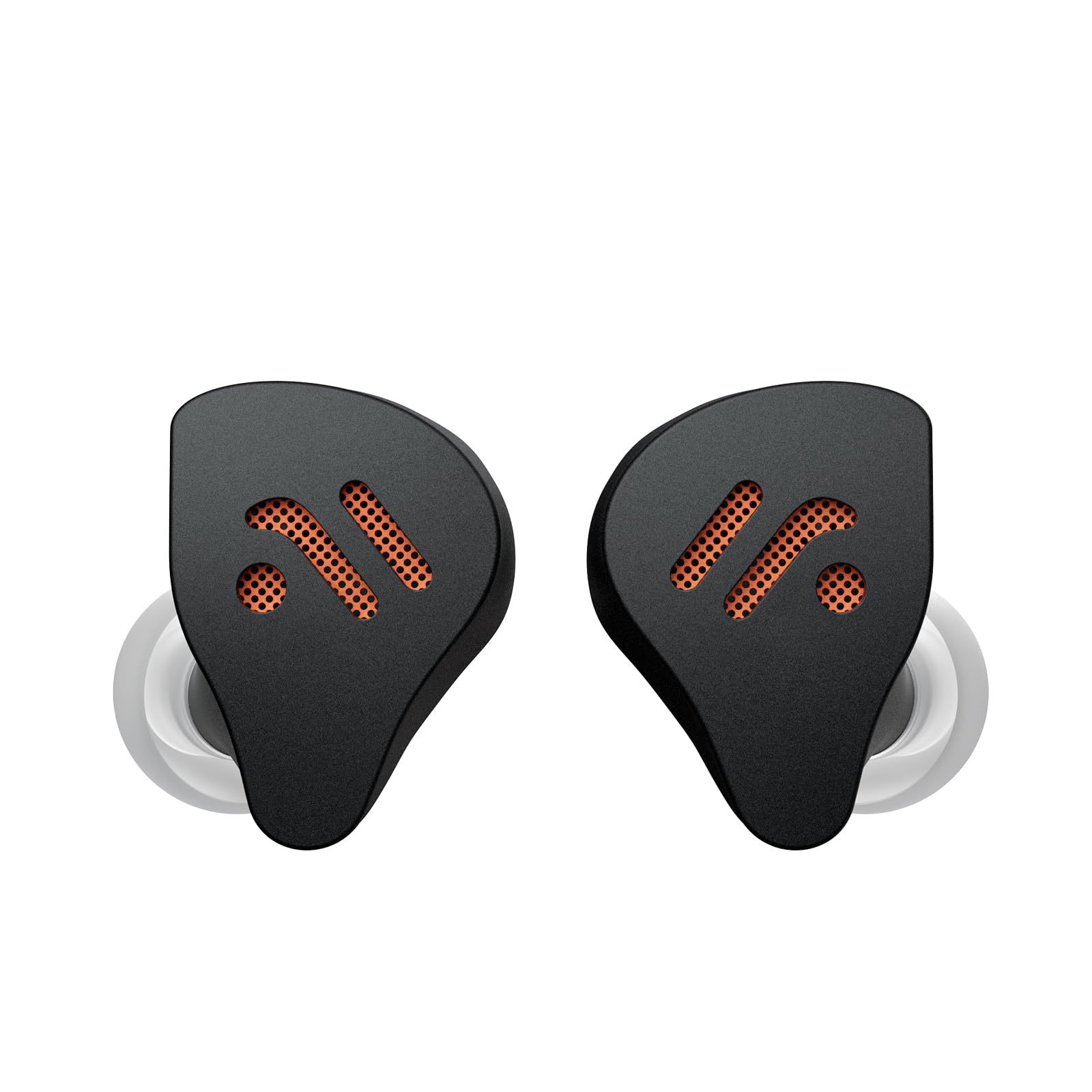
The IM4 is the only open-back IEM in this roundup, using a 10mm beryllium-coated diaphragm driven by N52 dual magnets. The open-back design eliminates the in-head pressure sensation common in closed IEMs, creating a soundstage that feels three-dimensional and speaker-like. Instruments spread left-to-right and front-to-back without artificial width enhancement. The tuning is neutral-bright, with crisp highs and clear mids that remain fatigue-free over hours of listening.
The full-aluminum CNC-machined shell weighs just 7g per earbud, making the IM4 one of the lightest offerings here. Fosi Audio includes three ear tip sets (balanced, bass, deep-bass) and two nozzle materials (brass and aluminum alloy), allowing fine tuning of treble energy and bass tightness. The detachable 2-pin 0.78mm cable is standard, but the lack of a 4.4mm balanced option limits the upgrade path.
Customers consistently remark that the IM4 punches above its price range, with detail retrieval and soundstage width rivaling IEMs costing substantially more. The open-back design leaks sound heavily, so it is strictly for quiet solo listening environments, not commuting or office use.
Why it’s great
- Wide, airy open-back soundstage unparalleled at this level
- Beryllium driver delivers fast transient response
- Highly customizable with multiple tip and nozzle options
Good to know
- Significant sound leakage—not suitable for public spaces
- No balanced cable included in the box
- Bass is tight but not powerful; not for bass lovers
7. beyerdynamic DT 1770 Pro MKII
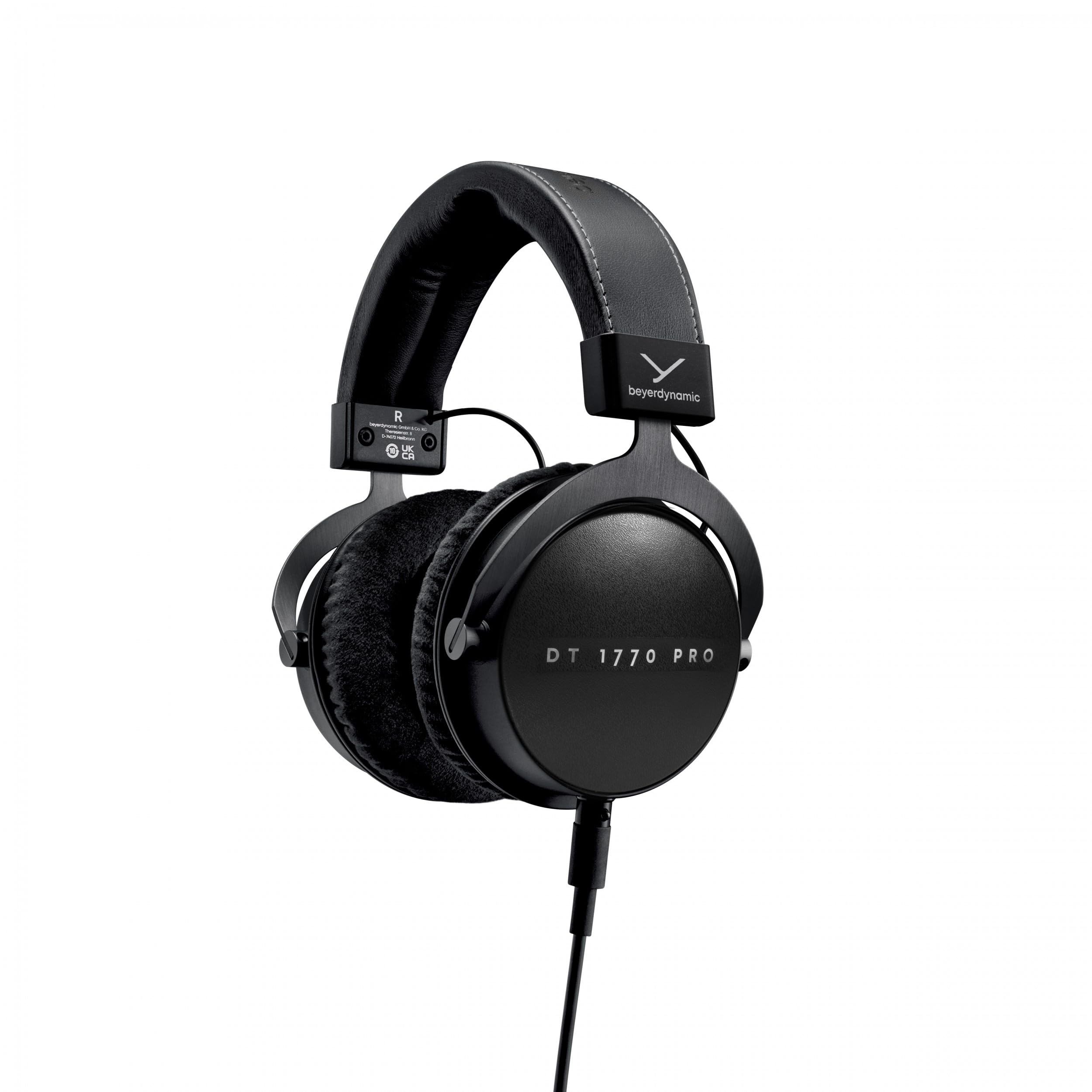
The DT 1770 Pro MKII is not an in-ear monitor—it is a closed-back, over-ear reference headphone with a 45mm TESLA.45 dynamic driver. Its inclusion in this guide serves those who need studio-grade isolation and surgical detail without any seal anxiety. The closed-back design uses leatherette earpads to block external noise by around 30 dB, while the velour pads offer a warmer voicing and more breathable fit for long mixing sessions.
The TESLA.45 driver has a magnetic flux density 2.5 times stronger than traditional neodymium designs, yielding low distortion across a 5Hz–40kHz frequency range. The 30-ohm impedance works well with audio interfaces and headphone amplifiers, but may sound anemic from a standard phone jack due to the low sensitivity. Detachable mini-XLR cables (3m straight and 5m coiled) provide rugged reliability for studio life, and the hard carrying case is included.
Reviewers praise the imaging and bass extension that remains neutral rather than boomy. It is a mastering tool that reveals mix flaws, not a consumer headphone designed for fun listening. A small number of users report driver imbalance or distortion at high volumes, underscoring the importance of proper amplification.
Why it’s great
- Unrivaled build quality with replaceable parts, handmade in Germany
- Neutral, extended frequency response ideal for mastering
- Includes both velour and leatherette earpads for sound tuning
Good to know
- Heavy clamp force; not comfortable for long sessions without breaks
- 30-ohm impedance still benefits from a dedicated headphone amp
- Some units have reported driver inconsistency at loud volumes
FAQ
How many drivers do I actually need for detailed sound?
Why do some high-end IEMs use low impedance and others high impedance?
What is the difference between a balanced and unbalanced cable?
Can I use audiophile wired earbuds with a smartphone without a DAC?
Final Thoughts: The Verdict
For most users, the best audiophile wired earbuds winner is the Kiwi Ears KE4 because its 2DD+2BA hybrid delivers a natural, punchy, and non-fatiguing signature that works across genres without demanding expensive amplification. If you want reference-grade micro-detail and are willing to upgrade the cable, grab the Sennheiser IE 600. And for professional studio monitoring or noise-isolated gaming, nothing beats the replaceable filter system and durable build of the Shure SE846 Gen 2.

Mo Maruf
I created WellFizz to bridge the gap between vague wellness advice and actionable solutions. My mission is simple: to decode the research and give you practical tools you can actually use.
Beyond the data, I am a passionate traveler. I believe that stepping away from the screen to explore new environments is essential for mental clarity and physical vitality.