Our readers keep the lights on and my smoothie glass nicely filled. As an Amazon Associate, I earn from qualifying purchases.
Stepping into a 70-inch screen size means you are no longer just buying a TV—you are investing in a centerpiece for your home entertainment. At this scale, every pixel is magnified, and the difference between a mediocre panel and a superb one becomes glaringly obvious, especially when watching high-speed sports or playing on a next-gen console.
I’m Mohammad Maruf — the founder and writer behind WellFizz. I’ve spent years analyzing display hardware, from LED backlight configurations to processor upscaling algorithms, to understand what separates a good large-screen TV from a great one.
This guide is built to cut through the marketing noise and focus on the specific panel technologies and processing power that define the best 70-inch 4k tv for your space, whether that means a bright living room or a dedicated home theater setup.
How To Choose The Best 70-Inch 4K TV
When the screen is this large, the panel technology and processing engine are the two factors that define your viewing experience. Here’s what to look for.
Panel Technology: Standard LED vs. QLED vs. Mini-LED vs. QD-OLED
Standard LED is the entry point, but for a 70-inch screen, the lack of precise local dimming often results in washed-out blacks. QLED uses a quantum dot layer to boost color volume and brightness, making it a strong mid-range choice. Mini-LED takes this further with hundreds or thousands of tiny backlights, offering deeper blacks and higher contrast that approach OLED territory without the burn-in risk. For the ultimate in contrast and per-pixel precision, a QD-OLED panel delivers infinite blacks and vibrant colors, but at a premium price point and with potential brightness limitations in very bright rooms.
Refresh Rate and Gaming Features
For sports and gaming, a native 120Hz or 144Hz panel is a must. Marketing terms like “Motion Rate 240” are often software tricks that can introduce artifacts. Look for native refresh rates, HDMI 2.1 ports for 4K 120Hz input from consoles, and support for Variable Refresh Rate (VRR) and Auto Low Latency Mode (ALLM) to eliminate screen tearing and reduce input lag.
The Processor and Upscaling Engine
A 70-inch TV magnifies any flaws in the source material. A powerful processor like the Sony XR or Samsung NQ4 AI Gen3 uses neural networks to upscale lower-resolution content to near-4K, intelligently reducing noise and sharpening details. A weaker processor will leave sports and streaming looking soft and blurry on such a large canvas.
HDR Performance: Brightness and Format Support
HDR is where a premium TV earns its keep. Look for peak brightness over 600 nits for a meaningful HDR impact. Support for both Dolby Vision (dynamic metadata) and HDR10+ ensures compatibility across all major streaming services and 4K Blu-rays. Strong local dimming is critical here, as it prevents blooming around bright objects in dark scenes.
Quick Comparison
On smaller screens, swipe sideways to see the full table.
| Model | Category | Best For | Key Spec | Amazon |
|---|---|---|---|---|
| Toshiba Z670 Series | Mini-LED | Cinematic HDR & Gaming | Native 144Hz, Mini-LED FALD | Amazon |
| Samsung S90F | QD-OLED | Reference Picture Quality | QD-OLED, Native 144Hz | Amazon |
| Sony BRAVIA 7 | Mini-LED QLED | Sony Processing & Brightness | XR Processor, Mini-LED | Amazon |
| Hisense U7 | Mini-LED | High-End Gaming Value | Native 165Hz, Mini-LED | Amazon |
| Hisense CanvasTV S7 | QLED Art TV | Gallery Wall Aesthetic | 144Hz, Anti-Glare Matte | Amazon |
| Sony BRAVIA 2 | LED | PS5 Integration | 4K Processor X1 | Amazon |
| TCL T7 Series | QLED | QLED with High Refresh | 144Hz Panel, QLED | Amazon |
| Roku Select Series | QLED | Simple Roku OS Interface | QLED, HDR10 | Amazon |
| TCL S5 Series | LED | Budget-Friendly Size | 120Hz VRR Capable | Amazon |
| Panasonic W70 Series | LED | Fire TV Integration | HDR10+, HDMI 2.1 | Amazon |
| Samsung U8000F | LED | Entry-Level 4K | 60Hz Panel, Crystal UHD | Amazon |
In‑Depth Reviews
1. Toshiba Z670 Series (75Z670R)
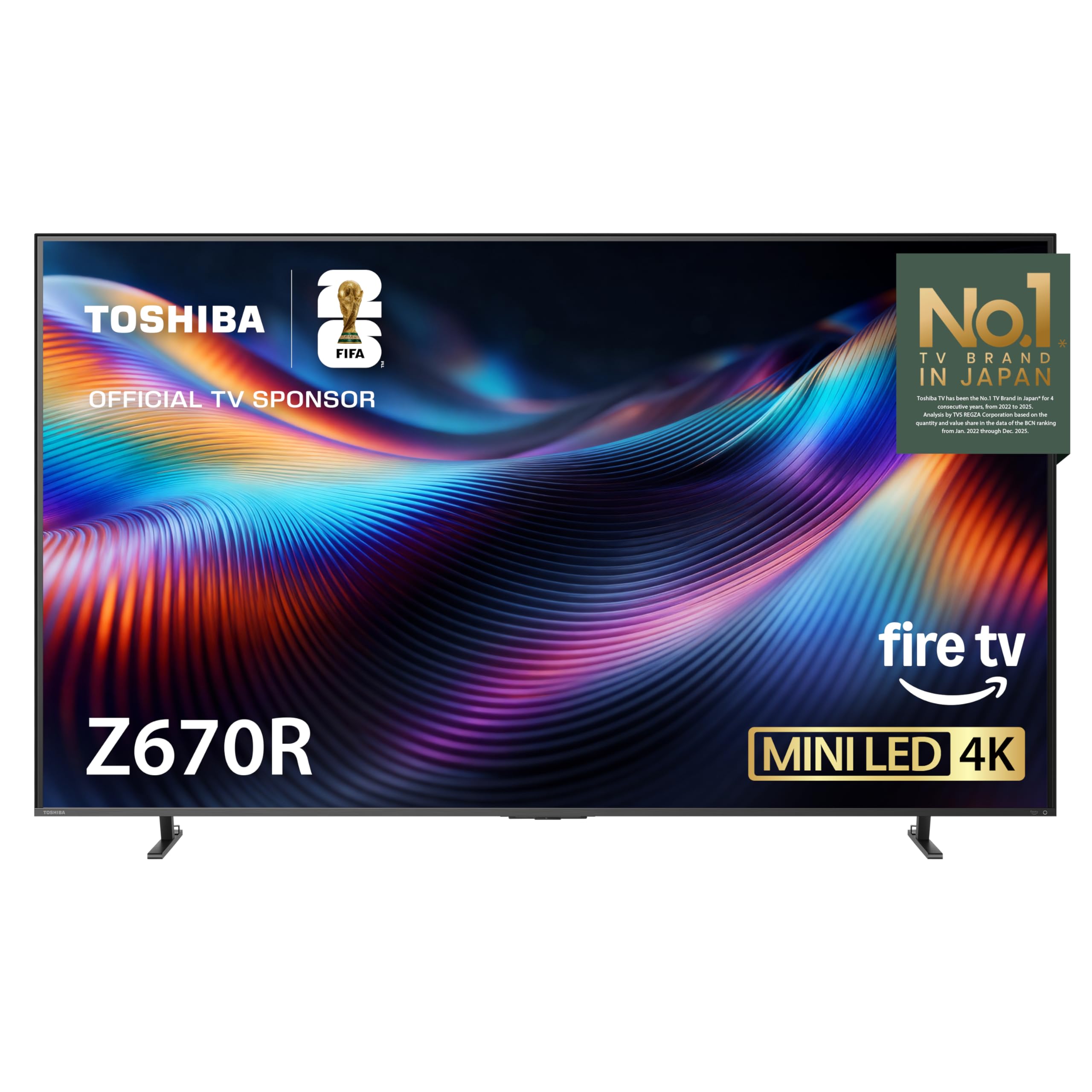
The Toshiba Z670 is a serious contender in the premium tier, combining a Mini-LED panel with Full Array Local Dimming to deliver deep blacks and bright, punchy highlights. This is exactly the contrast performance you want from a large 4K TV, making HDR content from Dolby Vision IQ and HDR10+ look incredibly dimensional.
Its native 144Hz refresh rate, alongside Game Mode Pro with AMD FreeSync Premium and VRR, positions it as a top-tier gaming display. Motion clarity in fast-paced titles is excellent, and the low input lag ensures a responsive experience with a PC or console.
The REGZA Engine ZRi Gen3 processor, fine-tuned by Toshiba engineers in Japan, does an admirable job upscaling HD and streaming content. The built-in REGZA Power Audio Pro with a bass woofer also provides robust sound that can fill a room, reducing the immediate need for a soundbar.
Why it’s great
- Excellent Mini-LED contrast with deep blacks and high brightness
- Native 144Hz panel with robust gaming features (FreeSync, VRR, ALLM)
- Powerful built-in audio system with a dedicated woofer
- Comprehensive HDR format support (Dolby Vision IQ, HDR10+)
Good to know
- Fire TV interface can feel sluggish to some users
- Premium price point may exceed some budgets
2. Samsung S90F (77S90F)

The Samsung S90F is a QD-OLED, a technology that combines the per-pixel lighting of OLED with the high color volume of quantum dots. This results in perfect blacks, exceptional brightness for an OLED, and a color space that covers over 90% of the DCI-P3 gamut, making every piece of content look vibrant and lifelike.
Powered by the NQ4 AI Gen3 processor with 128 neural networks, it upscales content to near-4K with remarkable intelligence, adding texture and detail that a standard LED TV would miss. The native 144Hz refresh rate and Motion Xcelerator ensure tear-free, blur-free gaming, making it a phenomenal companion for high-end PCs and consoles.
The design is sleek and premium, with a Graphite Black finish. However, potential buyers should be aware that QD-OLED panels can struggle in very bright rooms due to ambient light washout, and the anti-reflective coating can be delicate. The included remote is also minimalist, which some may find lacking.
Why it’s great
- Unmatched QD-OLED picture quality with infinite contrast
- Superior upscaling and processing via NQ4 AI Gen3
- Excellent for gaming with native 144Hz and VRR
- Stunning color volume and brightness for an OLED
Good to know
- Not ideal for sun-drenched rooms
- Fragile screen and anti-glare coating require careful handling
3. Sony BRAVIA 7 (K-85XR70)

Sony’s BRAVIA 7 is a masterclass in picture processing. It uses a Mini-LED panel with the XR Backlight Master Drive for precise control over thousands of LEDs, delivering high brightness and deep contrast with minimal blooming—a common weakness of many Mini-LED sets. The XR Processor intelligently cross-analyzes the picture to create a realistic, lifelike image.
QLED technology, via XR Triluminos Pro, unlocks a wide color gamut of billions of accurate real-world colors. This TV is also a dream for PS5 owners, with exclusive features like Auto HDR Tone Mapping and Auto Genre Picture Mode that automatically optimize the picture for gaming and streaming.
Studio calibrated picture modes for Netflix, Prime Video, and Sony Pictures Core ensure you see content as the creator intended. The built-in Acoustic Multi-Audio system makes sound feel like it’s coming from the screen itself, enhancing immersion. It is a premium investment, but one that pays off in every viewing scenario.
Why it’s great
- Exceptional XR processing for unparalleled realism and upscaling
- Mini-LED with precise backlight control for minimal blooming
- PS5 exclusive features for optimized gaming
- Studio calibrated modes for accurate picture quality
Good to know
- Premium price tag
- Narrower viewing angles and a reflective screen
4. Hisense U7 (85U7SG)
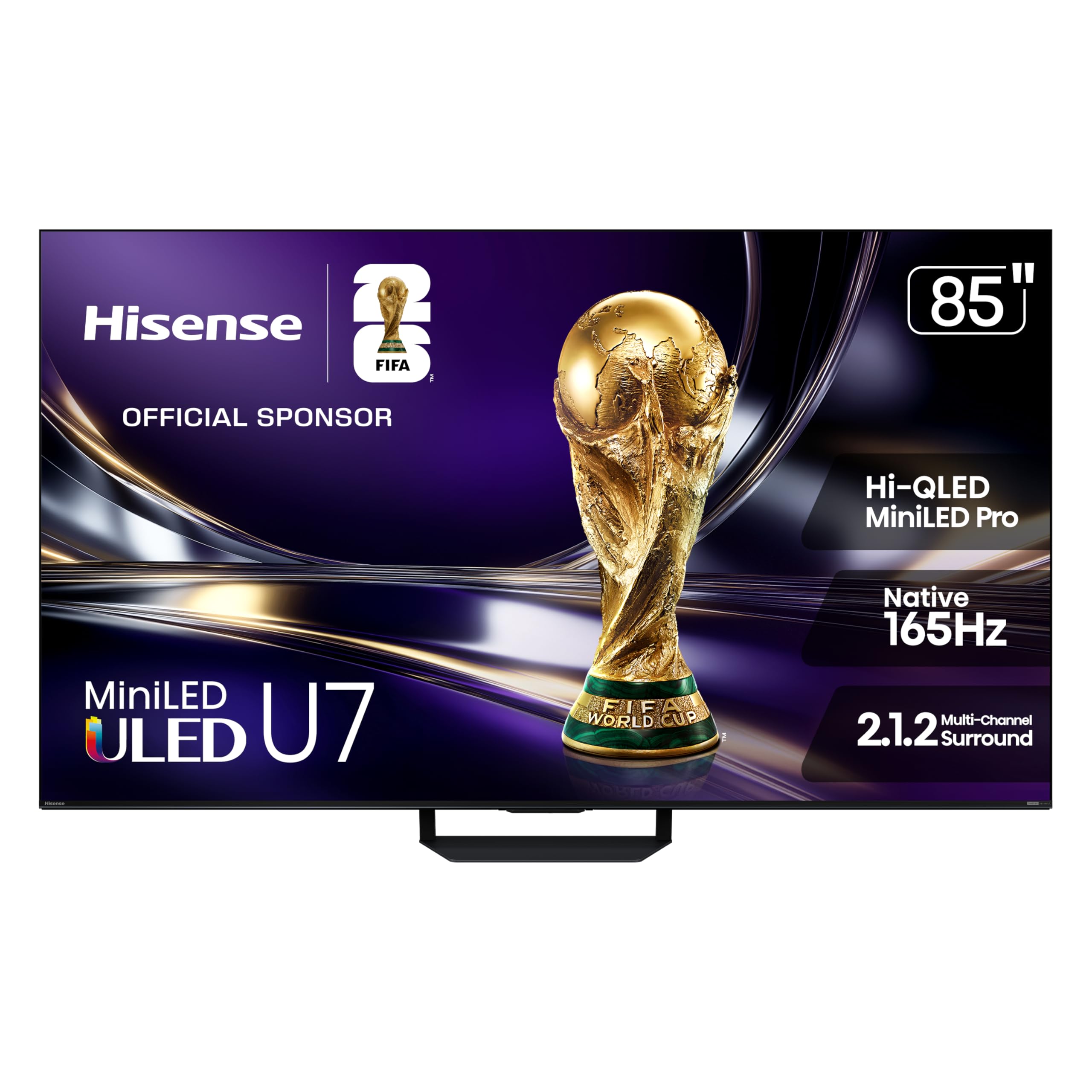
The Hisense U7 is a high-performance Mini-LED TV that targets gamers who want top-tier specs without the top-tier price. With a native 165Hz refresh rate and a VRR range up to 330Hz, it offers an ultra-smooth gaming experience that surpasses even many premium competitors. The Hi-QLED MiniLED Pro panel delivers excellent brightness and contrast.
Its anti-reflection and glare-free screen treatment makes it one of the best choices for bright rooms. You can easily watch daytime television without fighting distracting reflections. The Hi-View AI Engine Pro constantly adjusts color and contrast for a dynamic picture that looks great in any lighting condition.
While the built-in sound is decent, a dedicated soundbar will unlock its true potential, especially for Dolby Atmos content. The Google TV interface is snappy and well-integrated. For a gamer building a high-end setup in a living room, the U7 offers an incredible feature set that rivals TVs costing significantly more.
Why it’s great
- Excellent native 165Hz refresh rate for competitive gaming
- Powerful anti-glare coating works great in bright rooms
- Strong Mini-LED contrast and high peak brightness
- Outstanding value for the features offered
Good to know
- Sound is adequate but a soundbar is recommended
- Some users report minor software quirks
5. Hisense CanvasTV S7 (75S7SG)
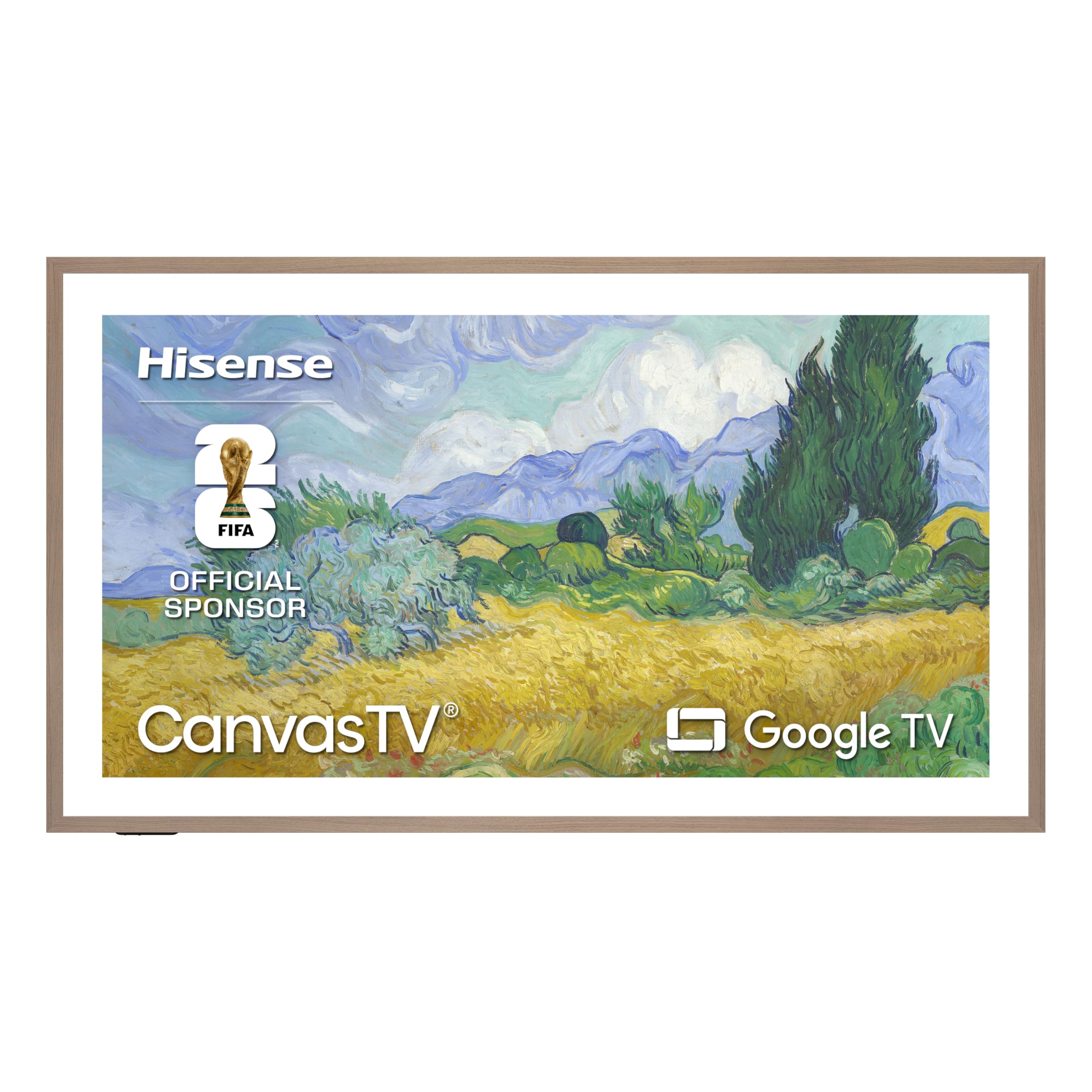
The Hisense CanvasTV is a lifestyle TV designed to double as a piece of art. Its Hi-Matte anti-glare panel is the star feature, eliminating the shiny reflections that make standard TVs look like, well, TVs. This allows it to display art from its gallery of over 1,000 complimentary works with incredible realism and subtlety.
Despite its aesthetic focus, it does not compromise on performance. The 4K Hi-QLED panel delivers vibrant colors and sharp detail, and the native 144Hz refresh rate ensures smooth motion for movies and casual gaming. The included flush wall mount and magnetic teak frame help it blend seamlessly into any room.
The built-in motion detector for powering on and off is a smart energy-saving feature. While the picture quality is excellent, it doesn’t reach the contrast levels of a Mini-LED or OLED set, making it best suited for a bright, design-conscious living space rather than a dark home theater.
Why it’s great
- Hi-Matte display eliminates glare for a real art-like look
- Flush wall mount and included frame for a gallery aesthetic
- Good QLED picture with a wide color gamut
- Native 144Hz panel for smooth motion
Good to know
- Contrast is not as deep as Mini-LED or OLED rivals
- Wall mount lacks adjustment for recessed cables
6. Sony BRAVIA 2 (K-75S20M2)

The Sony BRAVIA 2 is a solid mid-range entry that inherits key processing technology from its more expensive siblings. The 4K Processor X1 delivers a lifelike picture with rich colors and sharp details, and its upscaling is notably better than other TVs in its price bracket, making older content look clean on the large screen.
It includes exclusive features for the PlayStation 5, such as Auto HDR Tone Mapping and Auto Genre Picture Mode, which automatically optimize the TV’s settings when it detects a PS5 signal. This integration makes it a fantastic, hassle-free companion for Sony’s console.
With Motionflow XR for blur-free sports and a built-in Google TV interface, it covers all the basics well. While it is an LED TV without local dimming, so black levels are not as deep as more expensive sets, the Sony processing helps maintain a very pleasing image quality that exceeds its price tier.
Why it’s great
- Excellent processing and upscaling for the price
- Perfect integration with PlayStation 5
- Good motion handling for sports
- Energy efficient, runs cool
Good to know
- Standard LED panel with limited contrast
- Some users report software freezing issues
7. TCL T7 Series (75T7)
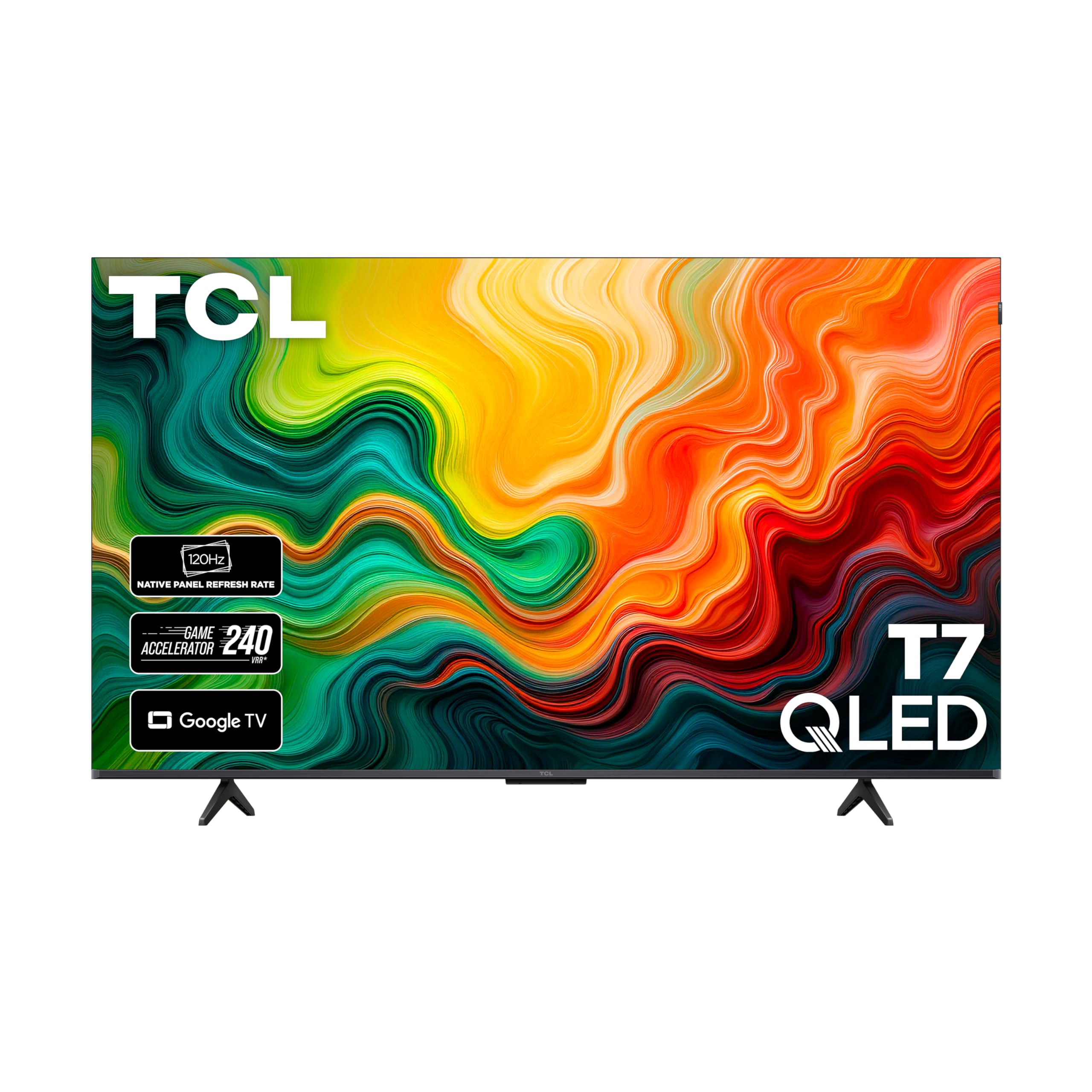
The TCL T7 Series punches well above its class by offering a QLED panel with a native 144Hz refresh rate. This combination is rare at its price point, providing both vibrant, wide-gamut colors and ultra-smooth motion for gaming and fast-paced sports. The TCL AIPQ Pro Processor handles optimization well.
The FullView 360 design with a metal bezel gives it a premium look that belies its price. For PC and console gamers, the ability to hit 4K at 120Hz or even 144Hz at 1080p makes it a highly versatile display. The Game Accelerator 120 with VRR ensures tear-free gameplay with low latency.
It runs on Google TV, which offers a clean interface and excellent app support. The built-in speakers are functional but not outstanding, and you may want a soundbar for a fuller audio experience. For anyone wanting high-refresh-rate gaming and QLED colors without breaking the bank, the T7 is a compelling choice.
Why it’s great
- Native 144Hz panel at a very competitive price point
- QLED technology delivers rich, vibrant colors
- Bezel-less design looks modern and premium
- Excellent for high framerate gaming on PC and console
Good to know
- Speakers are only adequate for basic use
- Requires internet for initial Google TV setup
8. Roku Select Series (75-Inch)
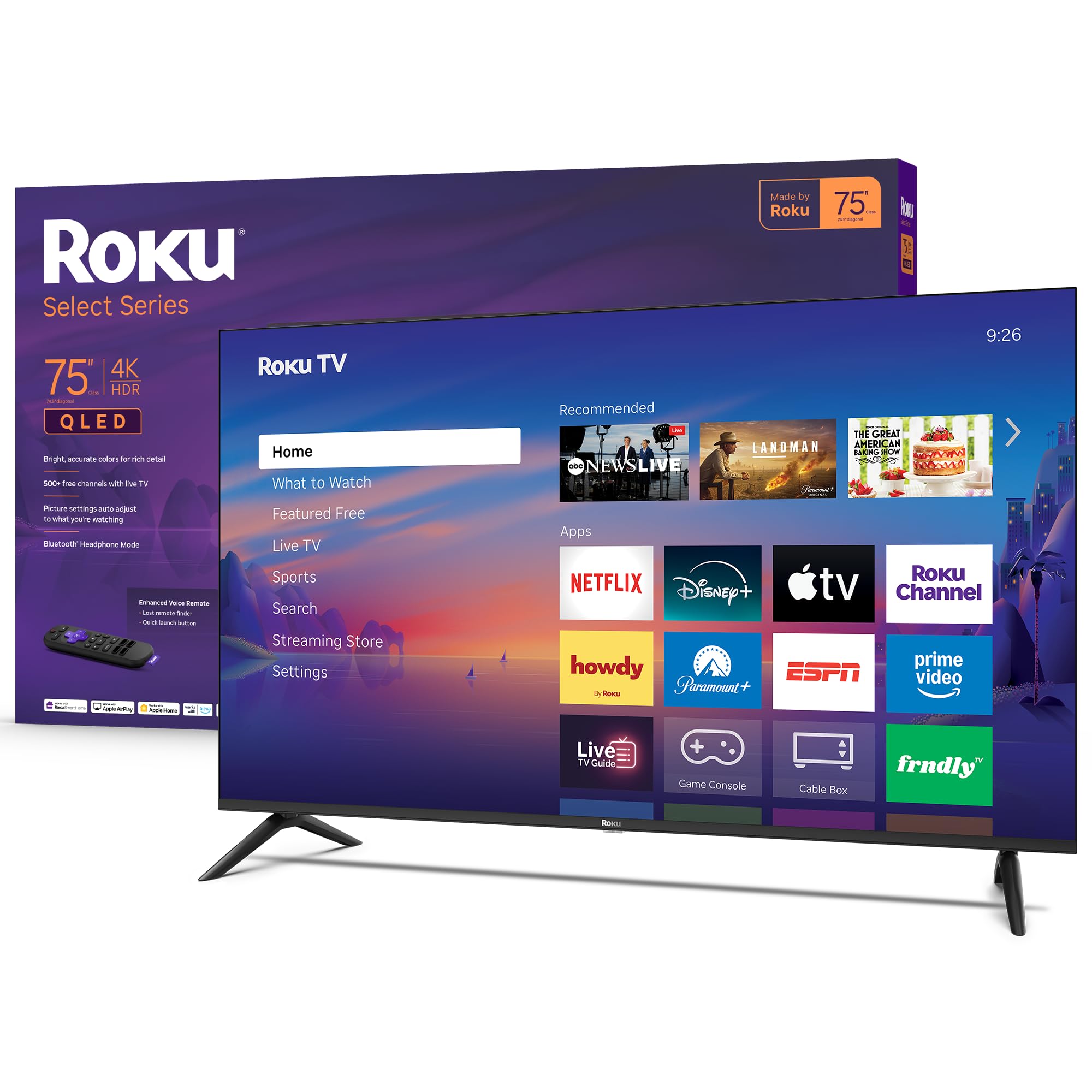
The Roku Select Series is built for the user who prioritizes a dead-simple, fast, and clutter-free interface. The Roku OS is widely considered the gold standard for simplicity, and on this 75-inch panel, it is a joy to use. The QLED screen and HDR10 support provide a bright, color-accurate picture that is perfect for everyday streaming.
A standout feature is Bluetooth Headphone Mode, allowing you to connect wireless headphones for late-night viewing without disturbing anyone. The voice remote includes a lost remote finder, a small but very practical touch. Roku Smart Picture technology automatically optimizes the picture for whatever you are watching.
This TV is an excellent choice for those who want a large, high-quality screen without the complexity of a higher-end system. It performs brilliantly for streaming apps and live TV via its 500+ free channels. Gamers should note it is not a high-refresh-rate display, but it works well for casual play.
Why it’s great
- Best in class Roku OS is fast and easy to use
- Bluetooth Headphone Mode for private listening
- Bright QLED panel with good HDR performance
- Frameless design for a clean look
Good to know
- Standard 60Hz panel, not for high-FPS gaming
- Lacks Dolby Vision support
9. TCL S5 Series (75S551F)

The TCL S5 is a budget-conscious entry point into the large-screen category that doesn’t skimp on essential features. It includes Dolby Vision and HDR10+ support, ensuring you can enjoy HDR content from all major sources. The panel provides a bright, vibrant picture that looks great for general TV, movies, and sports.
While it lacks the deep black levels of a Mini-LED TV, the inclusion of Game Accelerator 120 with VRR is a welcome surprise for budget gamers, offering smoother gameplay than a standard 60Hz set. The Fire TV interface is built right in, giving access to thousands of apps and Alexa voice control.
The trade-offs are in the processor speed, which can feel slow when switching apps, and the overall picture contrast is decent but not exceptional.
Why it’s great
- Excellent value for a large 4K screen
- Supports both Dolby Vision and HDR10+
- Includes features like VRR for smoother gaming
- Bright LED backlight works well in lit rooms
Good to know
- Processor can be slow and interface may lag
- Standard LED panel with average contrast
10. Panasonic W70 Series (70W70BP)

The Panasonic W70 Series brings the trusted Panasonic brand into the modern smart TV space with Fire TV built-in. This integration means you get the voice control of Alexa and a vast app library out of the box. The HDR Bright Panel, powered by a 4K Studio Color Engine, delivers a decently bright and colorful picture for its class.
It offers solid connectivity with four HDMI ports, including an HDMI 2.1 port, which is a notable inclusion at this tier. This allows for gaming at a standard 4K 60Hz with low latency. Bluetooth 5.0 support lets you easily connect wireless speakers or headphones for private listening.
The main downside reported by users is that the Fire TV software can feel slow due to the processor, leading to lag when switching between apps. The design is also somewhat bulky compared to newer bezel-less models. It is a reliable choice for loyal Panasonic fans or anyone wanting a straightforward Fire TV experience on a large screen.
Why it’s great
- Built-in Fire TV with Alexa voice control
- Includes an HDMI 2.1 port for 4K 60Hz gaming
- Panasonic brand reliability and good picture quality
- Easy setup process
Good to know
- Fire TV interface can be sluggish and slow
- Bulkier design with less aesthetic appeal
11. Samsung U8000F (70-Inch)

The Samsung U8000F is the most accessible entry point into the large-screen category. It uses a Crystal UHD display that provides clear, sharp picture quality with 4K resolution, and it includes 3D Color Mapping to ensure colors are balanced and natural. The 4K upscaling is effective for bringing lower-resolution content to life on the big screen.
A significant advantage for this tier is the integration of Samsung Tizen OS, which is responsive and easy to use. It also comes with Samsung Knox Security, protecting your personal data from threats. The design is surprisingly elegant for the price, with a slim bezel and a metal sheet finish.
The major limitation is its 60Hz panel, which makes it a poor choice for serious gaming or watching very fast-paced sports. The VESA mount is an uncommon 100x100mm pattern, which may require an adapter for standard mounts. For pure streaming and casual viewing, it’s a fantastic value, but it is not designed for high-performance scenarios.
Why it’s great
- Very accessible price for a major brand 70-inch TV
- Samsung Tizen OS is smooth and feature-rich
- Pleasant, natural color reproduction with good upscaling
- Sleek metal design with a thin bezel
Good to know
- 60Hz panel makes it unsuitable for high-FPS gaming
- Uncommon 100x100mm VESA pattern requires an adapter
FAQ
Is a 70-inch TV too big for a standard living room?
What are the key differences between QLED and Mini-LED for a large TV?
Do I need a soundbar for a 70-inch 4K TV?
Final Thoughts: The Verdict
For most users, the best 70-inch 4k tv winner is the Toshiba Z670 Series because it perfectly balances a premium Mini-LED panel with a native 144Hz refresh rate and robust gaming features at a price point that undercuts the competition. If you want the absolute best picture quality with infinite contrast for a dark room, grab the Samsung S90F. And for the most advanced processor and upscaling on the market, nothing beats the Sony BRAVIA 7.

Mo Maruf
I created WellFizz to bridge the gap between vague wellness advice and actionable solutions. My mission is simple: to decode the research and give you practical tools you can actually use.
Beyond the data, I am a passionate traveler. I believe that stepping away from the screen to explore new environments is essential for mental clarity and physical vitality.