Our readers keep the lights on and my smoothie glass nicely filled. As an Amazon Associate, I earn from qualifying purchases.
The difference between a home movie and a short film isn’t skill alone—it’s the color science, the dynamic range, and the codec depth your camera can deliver. Whether you’re shooting a festival submission, a proof-of-concept for a feature, or a portfolio piece, the sensor and recording options you choose determine how far you can push the image in post-production.
I’m Mohammad Maruf — the founder and writer behind WellFizz. I’ve spent years analyzing camera hardware specifications, from sensor readout speeds and bit depths to codec efficiency and lens mount ecosystems, specifically for narrative and commercial video production.
Below, you’ll find 11 carefully selected camera bodies that span entry-level to professional cinema territory, each evaluated for its video-centric features. This guide to the camera for making short films breaks down the real-world specs that matter for storytelling, not just spec-sheet bragging.
How To Choose The Best Camera For Making Short Films
Short film production places unique demands on a camera. You need robust codecs for color grading, sufficient dynamic range to handle varied lighting setups, and reliable recording formats that won’t cap your runtime at 29 minutes. Here’s what to prioritize.
Codec and Bit Depth
Internal recording to 10-bit 4:2:2 is a baseline for serious grading. Cameras that shoot 8-bit 4:2:0 force you into a flat look with little room for correction in shadows. Blackmagic RAW and Apple ProRes give you the most latitude, while H.265 (HEVC) delivers good quality in smaller files if your editing rig can handle it.
Dynamic Range and Log Profiles
Look for at least 12 stops of dynamic range. Log profiles like V-Log, C-Log, S-Log, and Blackmagic Film preserve highlight and shadow detail. A camera with 13 or 14 stops lets you shoot challenging mixed-lighting scenes without clipping—critical for narrative work where every shade carries emotional weight.
Lens Mount and Adaptability
An interchangeable lens system gives you control over depth of field and focal length. The Micro Four Thirds system offers compact cinema lenses and easy adaptation of vintage glass. EF mount cameras give access to a massive library of affordable cine lenses. Sony E-mount and L-Mount also have growing third-party support. Avoid fixed-lens cameras for serious filmmaking.
Stabilization and Rigging Needs
In-body image stabilization (IBIS) reduces the need for a gimbal for handheld shots, but it introduces a subtle wobble in wide-angle pans. Cinema-focused cameras like the Blackmagic Pocket series lack IBIS and require a proper rig or gimbal. Decide based on whether you shoot mostly locked-off or run-and-gun.
Quick Comparison
On smaller screens, swipe sideways to see the full table.
| Model | Category | Best For | Key Spec | Amazon |
|---|---|---|---|---|
| Blackmagic Pocket Cinema Camera 6K Pro | Premium Cinema | Professional narrative with internal ND | Super35 6K, 13 stops DR | Amazon |
| Panasonic LUMIX S5II | Full-Frame Hybrid | Unlimited 4:2:2 10-bit with phase detect AF | 24.2MP FF, Phase Hybrid AF | Amazon |
| Canon EOS R8 | Lightweight Full-Frame | Travel-friendly 4K60 with C-Log3 | 24.2MP FF, 4K60 oversampled | Amazon |
| Nikon Z 6II | Versatile Full-Frame | Robust build with dual card slots | 24.5MP BSI, 4K60 full readout | Amazon |
| Canon EOS 5D Mark IV | DSLR Workhorse | Still-photo centric with 4K Motion JPEG | 30.4MP FF, 4K30 Motion JPEG | Amazon |
| Sony a7 III | Full-Frame Benchmark | All-around hybrid with excellent battery | 24.2MP BSI, 4K30 full readout | Amazon |
| Canon EOS R7 | APS-C Action | High-speed sports and wildlife filmmaking | 32.5MP APS-C, 4K60, IBIS | Amazon |
| Blackmagic Pocket Cinema Camera 4K | Entry Cinema | Budget-friendly cinema camera with RAW | MFT, 13 stops, 4K DCI | Amazon |
| Sony Alpha ZV-E10 | Vlogger’s Choice | Entry-level APS-C with excellent AF | 24.2MP APS-C, 4K oversampled | Amazon |
| Nikon D5200 | Budget DSLR | Extreme budget still-focused shooter | 24.1MP DX, 1080p60 | Amazon |
| Panasonic LUMIX G100 | Compact Value | Ultra-portable 4K with tracking audio | MFT, 4K24, 5-axis hybrid IS | Amazon |
In‑Depth Reviews
1. Blackmagic Design Pocket Cinema Camera 6K Pro

The Blackmagic 6K Pro is the gold standard for serious short film production on a budget. Its Super 35 sensor delivers a native 6144 x 3456 resolution with 13 stops of dynamic range, giving you immense flexibility in color grading. The built-in 2/4/6-stop ND filters are a game-changer for outdoor shooting—no matte box required.
It records 12-bit Blackmagic RAW and Apple ProRes internally to CFast 2.0, SD UHS-II, or external SSD via USB-C. The included DaVinci Resolve Studio license means you have a full grading and editing suite at no extra cost. The adjustable 5-inch HDR LCD tilts for low and high angles, saving you from buying an external monitor.
Battery life with the included NP-F570 is modest—expect about 45 minutes of recording. You’ll want a grip or external battery solution for a full day of shooting. The lack of IBIS means you’ll need a gimbal or tripod for smooth handheld work, but the image quality per dollar remains unmatched in this category.
Why it’s great
- 13 stops dynamic range with 12-bit BRAW recording
- Built-in 2/4/6-stop ND filters
- Includes full DaVinci Resolve Studio license
Good to know
- No IBIS—requires gimbal or tripod for stable shots
- Battery life around 45 minutes
- Auto-exposure jumps harshly during lighting transitions
2. Panasonic LUMIX S5II
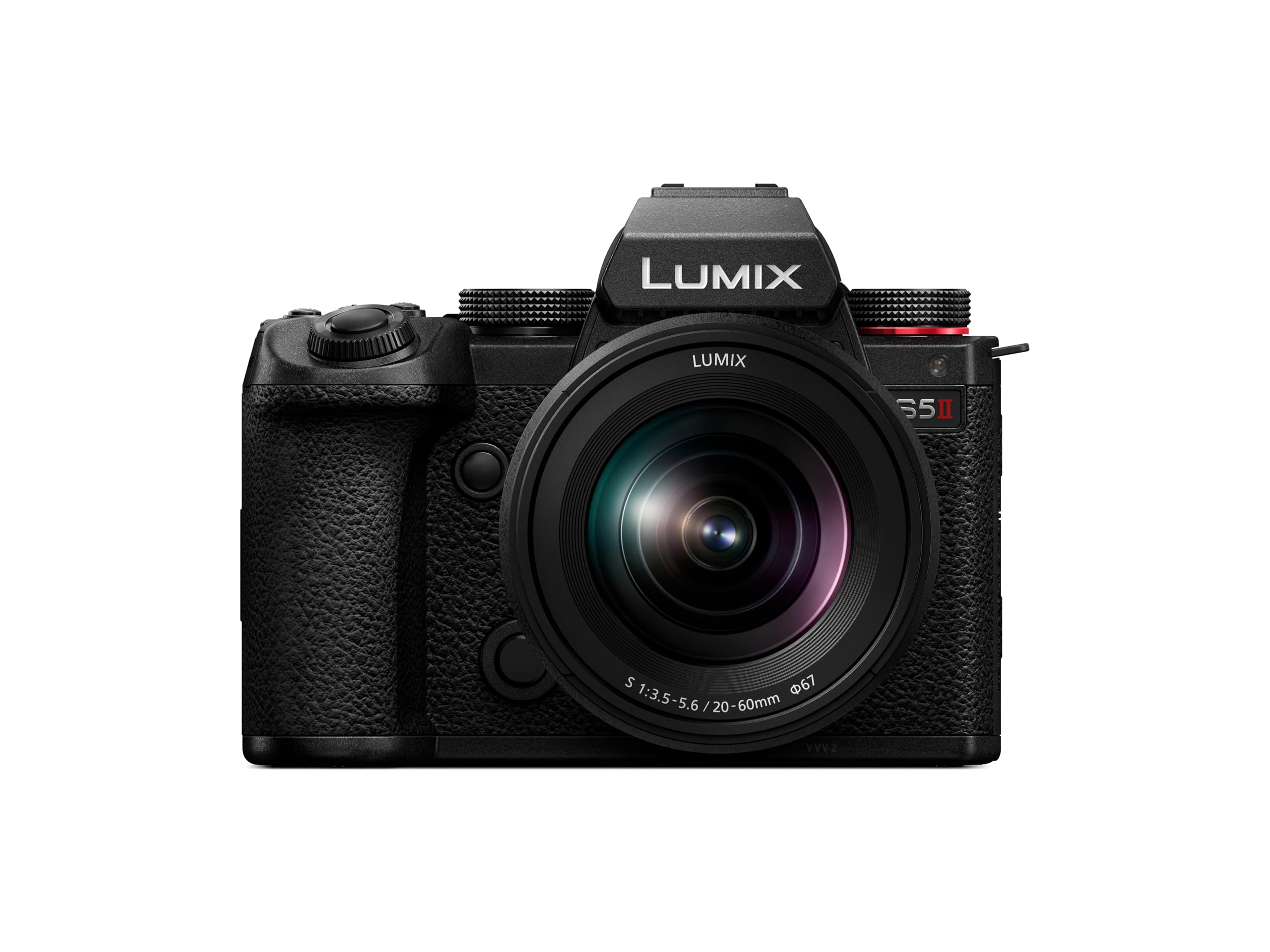
Panasonic finally introduced phase-detect autofocus with the S5II, solving the biggest complaint against their previous mirrorless cameras. Combined with a 24.2-megapixel full-frame sensor and the new Active I.S., this camera is a powerful hybrid for short film production. It records unlimited 4:2:2 10-bit internally with 14+ stops of V-Log dynamic range.
The REAL TIME LUT feature lets you preview and bake-in color grades while shooting, which speeds up on-set decisions. The heat-dispersion fan system means no recording time limits—critical for long monologues or interview scenes. The L-Mount system gives you access to Sigma and Leica glass, plus adapters for virtually any vintage lens.
Battery life is average, and the screen resolution is lower than some competitors. The body is well-built but the square edges can scratch if you’re not careful with your rig. Still, for narrative filmmakers who need reliable autofocus and IBIS, this is the best full-frame value available.
Why it’s great
- Phase hybrid AF with reliable subject tracking
- Unlimited 4:2:2 10-bit V-Log recording
- Active I.S. for stable handheld footage
Good to know
- Battery life is average for full-frame mirrorless
- Settings may not save after power-off (some units)
- Screen resolution lower than some competitors
3. Canon EOS R8

Canon’s lightest full-frame RF-mount camera, the EOS R8, is a surprisingly capable short film tool. It shoots uncropped 4K at 60 fps oversampled from 6K, producing sharp, detailed footage. With Canon Log 3 and 10-bit internal recording, you get excellent grading flexibility. The Dual Pixel CMOS AF II covers 100% of the frame and tracks people, animals, and vehicles reliably.
The vari-angle 3-inch touchscreen is useful for gimbal operation. It also supports 180 fps slow-motion at 1080p. The body is compact enough for travel shooting. However, the single UHS-II SD card slot means no backup while recording, and the lack of IBIS forces you to use stabilized lenses or a gimbal for handheld shots.
Battery life is modest—expect about one hour of continuous 4K recording. The electronic shutter can capture 40 fps with full AF, which is useful for B-roll of moving subjects. For the price, you’re getting the core video features of the R6 II in a smaller, more affordable body.
Why it’s great
- Uncropped 4K60 oversampled from 6K
- 10-bit C-Log3 with wide dynamic range
- Lightest full-frame Canon with RF mount
Good to know
- No IBIS—requires stabilized lenses or gimbal
- Single SD card slot
- Average battery life
4. Nikon Z 6II

Nikon’s Z 6II offers a well-rounded package for short film production. Its 24.5-megapixel backside-illuminated sensor delivers excellent low-light performance. The camera records 4K UHD at 60p using full pixel readout, with 10-bit output via HDMI. In-body stabilization is effective for handheld shots, reducing the need for a gimbal on run-and-gun shoots.
The dual card slots (CFexpress/XQD plus UHS-II SD) provide redundancy for paid shoots. The weather-sealed magnesium alloy body is built for demanding locations. The camera is compatible with over 360 F-mount lenses via the FTZ adapter, making it easy to adapt vintage Nikkor glass for characterful imagery.
The autofocus is improved over the original Z 6 but still loses tracking occasionally with fast-moving subjects. The screen doesn’t flip forward for self-filming, which is a minor limitation for vlog-style content. For narrative work, the Z 6II’s build quality and image fidelity make it a strong contender.
Why it’s great
- Dual card slots for backup recording
- Excellent low-light performance with BSI sensor
- Built-in stabilization reduces gimbal need
Good to know
- AF tracking can lose fast-moving subjects
- No flip-forward screen for self-filming
- 4K60 is 10-bit only via external recorder
5. Canon EOS 5D Mark IV
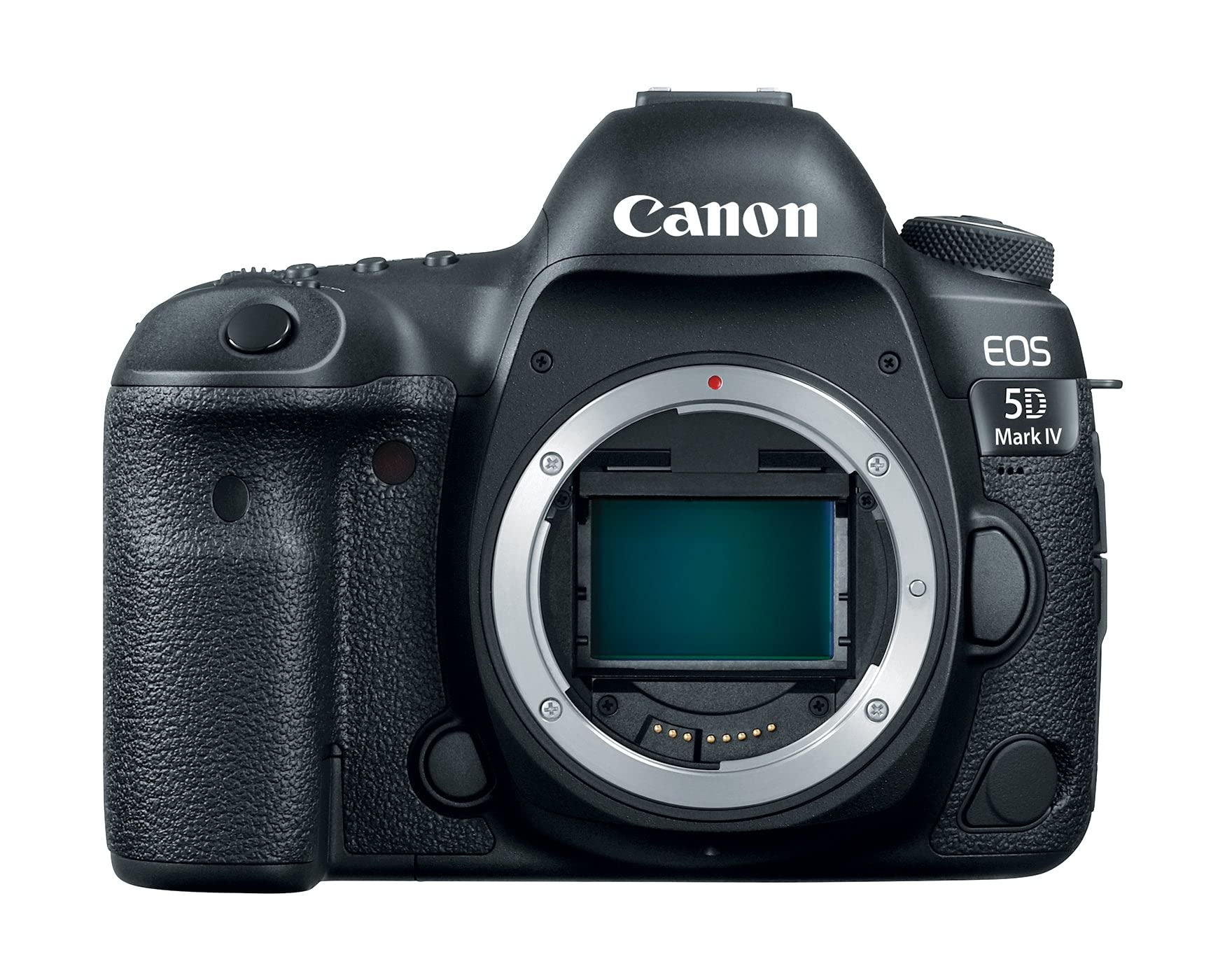
The 5D Mark IV remains a reliable workhorse for filmmakers who also need high-quality stills. Its 30.4-megapixel full-frame sensor delivers excellent dynamic range. The camera records 4K Motion JPEG at 30 fps, which produces large files but retains excellent detail. The Dual Pixel CMOS AF is smooth for subject tracking during video.
The robust magnesium alloy body is weather-sealed, making it suitable for outdoor shoots in challenging conditions. The built-in Wi-Fi allows quick file transfer to mobile devices. Canon’s vast EF lens library gives you access to everything from affordable primes to high-end cinema glass via adapters.
The Motion JPEG codec produces massive file sizes—a 16-minute 4K clip can exceed 25 GB. The 4K mode also crops to 1.74x, reducing your field of view. It lacks IBIS, and the optical viewfinder is a throwback for video users. For filmmakers committed to Canon’s ecosystem, it gets the job done but feels dated next to mirrorless options.
Why it’s great
- Excellent dynamic range and build quality
- Massive EF lens ecosystem
- Reliable Dual Pixel AF for video
Good to know
- 4K Motion JPEG produces very large file sizes
- 4K mode has a 1.74x crop factor
- No IBIS and no mirrorless video features
6. Sony a7 III

The Sony a7 III is a benchmark full-frame hybrid that still holds up for short film work. Its 24.2-megapixel backside-illuminated sensor provides 15 stops of dynamic range and excellent low-light performance up to ISO 204,800. The 693-point phase-detection AF covers 93% of the frame, with reliable eye tracking for both humans and animals.
It records 4K at 30 fps oversampled from the full sensor width, delivering sharp, detailed footage. The battery life is exceptional—around 710 shots per charge or over two hours of continuous video. The 3-inch tilting LCD is useful but not fully articulating. Sony’s E-mount has extensive third-party lens support.
The 8-bit internal recording limits color grading flexibility compared to 10-bit rivals. The menu system is famously complex. The kit lens (28-70mm) is adequate for learning but you’ll want a better lens for serious narrative work. For filmmakers on a budget who need reliable autofocus and great battery life, the a7 III still delivers.
Why it’s great
- 15 stops of dynamic range with BSI sensor
- Exceptional battery life for all-day shoots
- Fast, reliable autofocus with eye tracking
Good to know
- 8-bit internal recording limits grading
- Complex menu interface
- Tilting screen, not fully articulating
7. Canon EOS R7

The Canon EOS R7 is the best APS-C mirrorless camera for filmmakers who shoot sports, wildlife, or action-oriented short films. Its 32.5-megapixel sensor delivers high-resolution 4K video at 60 fps. The 5-axis in-body stabilization works with RF lenses for shake-free handheld footage, making it easier to shoot run-and-gun scenes.
Dual Pixel CMOS AF II provides 651 zones covering 100% of the frame, with subject detection for people, animals, and vehicles. The mechanical shutter hits 15 fps and the electronic shutter goes to 30 fps with a 1/2-second pre-burst feature. Dual card slots (UHS-II SD) provide backup for important shoots.
The RF-S lens ecosystem is still growing, so you may need the EF-RF adapter to use Canon’s extensive EF/EF-S lens library. The crop sensor limits low-light performance compared to full-frame alternatives. Battery life is surprisingly good for a mirrorless camera, often exceeding a full day of intermittent shooting.
Why it’s great
- High-speed 30 fps electronic shutter with pre-burst
- 5-axis IBIS for stable handheld footage
- Dual UHS-II SD card slots
Good to know
- Limited native RF-S lens selection
- Crop sensor has less low-light performance than full-frame
- Requires EF-RF adapter for extensive lens use
8. Blackmagic Design Pocket Cinema Camera 4K

The Pocket Cinema Camera 4K remains one of the best entry points into serious filmmaking. Its Micro Four Thirds sensor records 4096 x 2160 DCI 4K with 13 stops of dynamic range and dual native ISO up to 25,600. The camera captures 12-bit Blackmagic RAW and Apple ProRes internally, giving you professional-grade files for color grading.
The 5-inch LCD touchscreen is bright and sharp, though it’s not viewable in direct sunlight. The Micro Four Thirds mount lets you adapt a huge range of vintage lenses, from C-mount to Leica M, giving your short film a distinctive look. It records to SD UHS-II, CFast 2.0, or external SSD via USB-C, which is fast and affordable.
The LP-E6 battery lasts about 30 minutes—you’ll need an external power solution for any real production. The camera lacks IBIS and continuous autofocus, meaning you must operate it like a true cinema camera. For filmmakers who want cinema quality on a budget, this is a proven choice.
Why it’s great
- 12-bit Blackmagic RAW internal recording
- 13 stops dynamic range
- Versatile MFT mount adapts many vintage lenses
Good to know
- Very short battery life (~30 minutes)
- No IBIS or continuous autofocus
- Screen is hard to view in sunlight
9. Sony Alpha ZV-E10
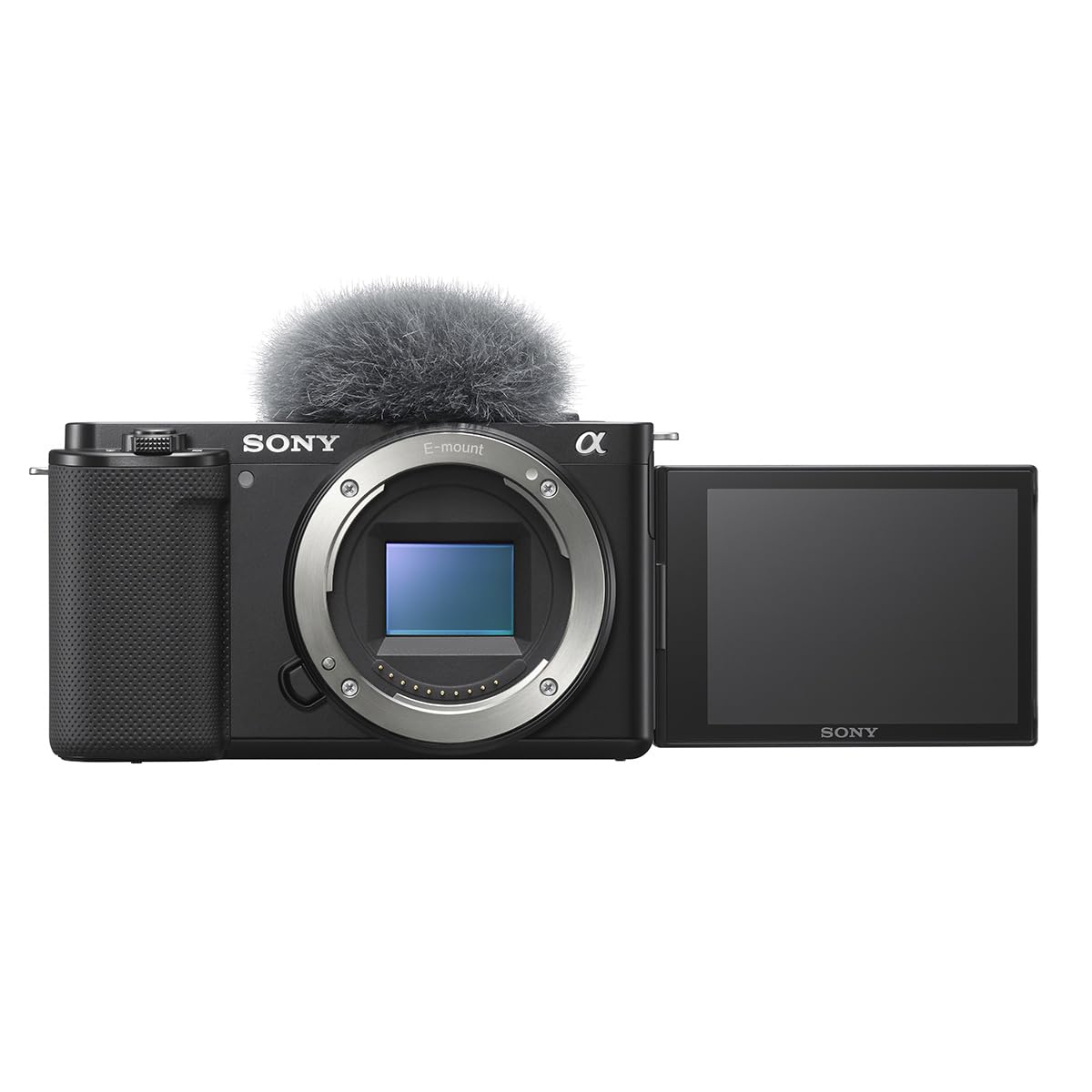
The ZV-E10 is Sony’s dedicated vlogging and content creation camera, but it can serve as an entry-level short film tool. Its 24.2-megapixel APS-C sensor records 4K video oversampled from 6K, producing clean, detailed footage. Real-time Eye AF and product showcase mode are useful for narrative scenes that require quick focus transitions.
The camera is extremely lightweight and compact, making it easy to rig on a gimbal or small tripod. The 3.5mm mic input and flip-out screen are handy for on-set monitoring. The E-mount system gives you access to Sony’s excellent lens lineup as well as affordable third-party options from Sigma and Tamron.
The ZV-E10 lacks in-body stabilization, so you’ll need a gimbal for smooth handheld shots. It records 8-bit internally, meaning less grading flexibility. The battery life is poor—expect about 25 minutes of 4K recording per charge. For beginners who want to learn filmmaking basics, it’s a solid stepping stone.
Why it’s great
- Excellent autofocus with real-time eye tracking
- Compact and lightweight for easy rigging
- Oversampled 4K from 6K readout
Good to know
- No IBIS—requires gimbal for smooth footage
- 8-bit internal recording limits grading
- Poor battery life for continuous shooting
10. Nikon D5200

The Nikon D5200 is a budget DSLR from a previous era, but it can still shoot 1080p video at 60 fps for learning purposes. Its 24.1-megapixel DX sensor delivers good image quality for the price. The vari-angle 3-inch LCD is useful for different shooting angles. With 39 autofocus points, it provides decent tracking for slow subjects.
The camera is lightweight and comfortable for all-day handheld use. The EXPEED 3 processor handles 5 fps continuous shooting for B-roll. The Nikon F-mount gives access to a massive library of affordable used lenses, including manual focus glass that can create cinematic looks.
It records only 1080p video with 8-bit color, which severely limits post-production grading. The kit lens (18-55mm) has a variable f/3.5-5.6 aperture, making it difficult to achieve shallow depth of field. The camera lacks modern video features like flat profiles or external mic input. For absolute beginners on the tightest budget, it’s a learning tool—not a production camera.
Why it’s great
- Very affordable entry point for learning
- Good still image quality for 24MP DX sensor
- Access to extensive Nikon F-mount lens library
Good to know
- Only 1080p video, no 4K
- 8-bit color with no flat profile
- No external mic input for audio quality
11. Panasonic LUMIX G100

The Panasonic LUMIX G100 is an ultra-portable Micro Four Thirds camera designed for content creators, but it can handle basic short film work. It records 4K video at 24/30 fps with 5-axis hybrid image stabilization. The built-in microphone with tracking audio automatically follows subjects, improving on-set audio capture without a boom operator.
The camera is extremely light and compact, suitable for one-handed shooting or mounting on a small gimbal. The intelligent auto mode helps beginners get started, while manual controls allow you to grow your skills. The V-Log L recording option provides some color grading flexibility for post-production.
4K recording time is very limited—it stops after about 10 minutes due to heat management. The Micro Four Thirds sensor has less dynamic range and low-light performance than larger sensors. For serious short film production, the G100 is a stepping stone, but its advanced audio features make it a unique entry-level option for learning the basics.
Why it’s great
- Unique built-in tracking microphone for clear audio
- Very compact and lightweight for easy carrying
- V-Log L for basic color grading capability
Good to know
- 4K recording time is severely limited
- Small MFT sensor limits low-light and DR
- Not a serious production tool for narrative work
FAQ
Do I need 4K 60fps for short film production?
What’s the advantage of a flat log profile like V-Log or C-Log?
Should I buy a cinema camera or a hybrid mirrorless for short films?
Final Thoughts: The Verdict
For most users, the camera for making short films winner is the Blackmagic Pocket Cinema Camera 6K Pro because its Super 35 sensor, 13-stop dynamic range, internal ND filters, and 12-bit BRAW recording deliver a true cinema image at a price that’s still accessible for indie filmmakers. If you want reliable autofocus and unlimited 4:2:2 10-bit recording in a full-frame hybrid, grab the Panasonic LUMIX S5II. And for the tightest budgets where every dollar counts, the Blackmagic Pocket Cinema Camera 4K still offers professional-grade color and codec support that outshines comparably priced mirrorless options.

Mo Maruf
I created WellFizz to bridge the gap between vague wellness advice and actionable solutions. My mission is simple: to decode the research and give you practical tools you can actually use.
Beyond the data, I am a passionate traveler. I believe that stepping away from the screen to explore new environments is essential for mental clarity and physical vitality.