Our readers keep the lights on and my smoothie glass nicely filled. As an Amazon Associate, I earn from qualifying purchases.
Winter hiking boots are the single most critical gear decision for cold-weather trekkers. The wrong pair means cold toes, blistered heels, or a dangerous slip on a frozen trail — the right pair turns miles of snow and ice into a comfortable, confident stride. Unlike summer hikers, winter boots must juggle insulation, waterproofing, and aggressive traction while remaining light enough to move in.
I’m Mohammad Maruf — the founder and writer behind WellFizz. For years I’ve analyzed the technical specs that separate real winter hiking boots from fashion boots: insulation weight in grams, waterproof membrane construction, outsole lug depth, and the temperature rating a boot can actually sustain.
Every pair on this list was selected because it delivers genuine cold-weather protection without sacrificing trail feel. This buying guide cuts through the marketing to find the best boots for winter hiking for different snow conditions and personal preferences.
How To Choose The Best Boots For Winter Hiking
Winter hiking boots are a specialized category. You need the warmth of a snow boot, the ankle support of a hiking boot, and the traction of a mountaineering boot all in one package. Here are the three specs that matter most.
Insulation: Grams Define the Temperature Range
Insulation is measured in grams per square meter. A 200g boot handles temps down to about 20°F and is ideal for active day hikes. A 400g boot extends protection to near 0°F and suits all-day outings with less hiking intensity. Beyond 400g, you enter expedition territory — overkill for most day hikers who generate body heat moving.
Waterproofing: Membrane vs. Construction
A fully waterproof boot uses either an internal membrane (like Gore-Tex or B-Dry) or an external treatment (like OutDry). Membranes breathe better, keeping sweat from building up inside during exertion. Seam-sealed construction prevents snowmelt from seeping through stitching. For winter, the entire boot must be waterproof up to the collar — not just the lower leather.
Traction: Lug Depth and Rubber Compound
Winter trails demand deep, aggressive lugs at least 4-5mm deep to bite into snow and slush. Look for a heel brake and a climbing zone at the toe. Softer rubber compounds grip better on wet rock and ice but wear faster on packed trail. A good winter boot tread clears mud and snow quickly — self-cleaning lugs prevent snow from packing into a slick sole.
Quick Comparison
On smaller screens, swipe sideways to see the full table.
| Model | Category | Best For | Key Spec | Amazon |
|---|---|---|---|---|
| Merrell Speed Strike 2 Mid | Mid | Moderate Hikes | GORE-Tex, 2 lbs | Amazon |
| KEEN Revel III Mid Insulated | Mid | Wet Snow Trails | 200g Insulation, 1.31 lbs | Amazon |
| Oboz Bridger 10″ Insulated | Premium | Deep Cold | 400g Thinsulate | Amazon |
| The North Face Chilkat V Lace | Mid | Snowshoeing | 200g Insulation, Lightweight | Amazon |
| Helly Hansen V3 Winter Boots | Premium | Extreme Cold | Waterproof Leather, 3.1 lbs | Amazon |
| Columbia Expeditionist Shield | Budget | Daily Commute | Warm to 10°F | Amazon |
| Columbia Konos TRS Outdry | Budget | Wet Trails | OutDry Waterproof | Amazon |
| Timberland White Ledge Mid | Budget | Rocky Terrain | Waterproof Leather | Amazon |
| Columbia Newton Wander | Budget | Light Snow Days | Faux Shearling Lining | Amazon |
In‑Depth Reviews
1. Merrell Women’s Speed Strike 2 Mid Waterproof
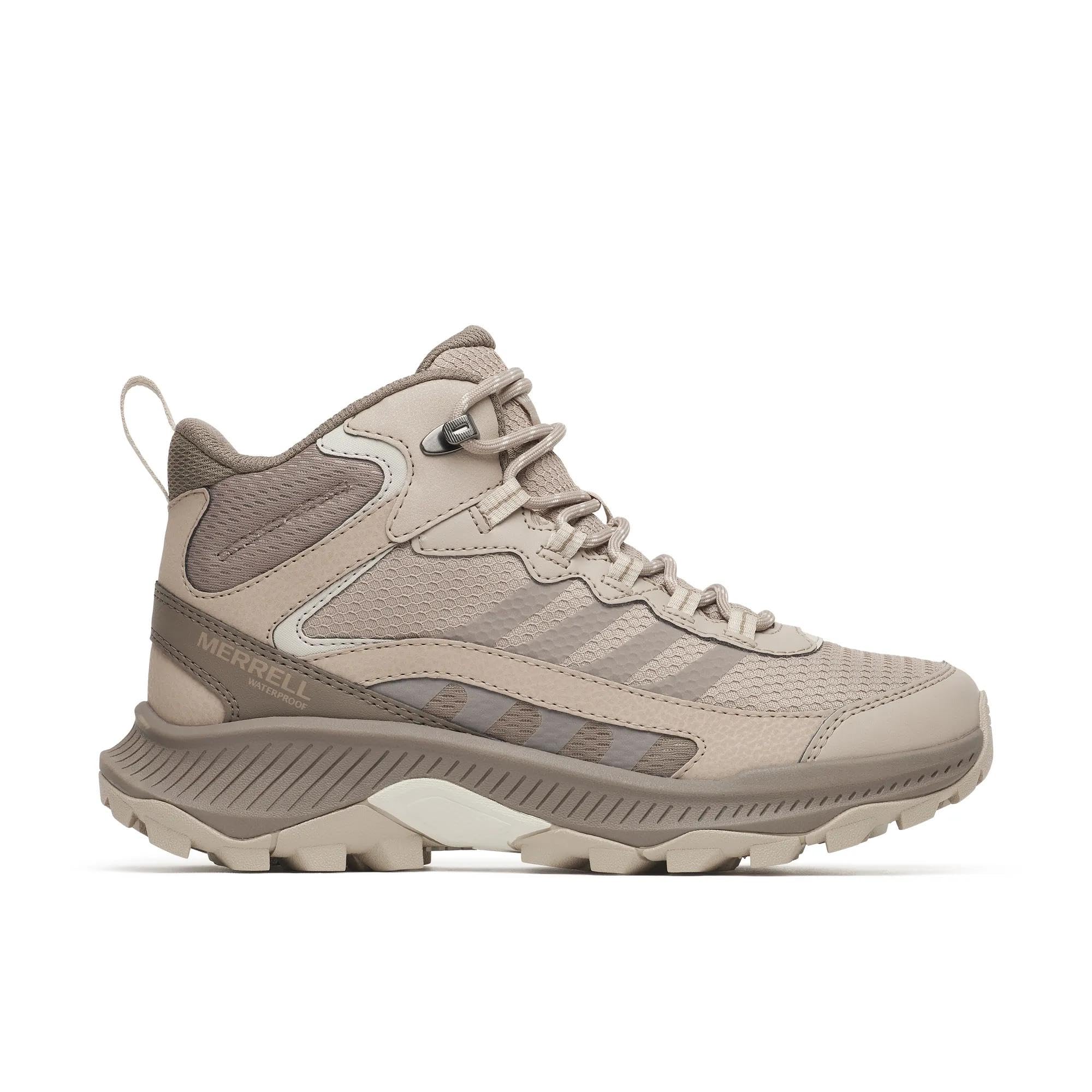
The Merrell Speed Strike 2 Mid strikes a rare balance — true hiking boot ankle support in a package that feels like a low-top trail runner. Weighing just two pounds per pair, it sheds the clunkiness that plagues many winter boots while retaining GORE-Tex waterproofing that passed four days of intensive wet hiking in Iceland according to reviewers. The Vibram outsole delivers reliable traction on smooth, wet rocks and packed trail.
Breathability is the star feature here. Unlike insulated winter boots that trap sweat during high-output ascents, the Speed Strike 2 Mid lets moisture escape, so feet stay dry from the inside out during eight-hour days. The thick sole platform absorbs shock on rocky descents, and the arch support satisfies hikers covering double-digit miles without foot fatigue. The tongue requires careful positioning during the break-in to avoid pressure, but once set, these boots deliver immediate comfort with little to no break-in period.
Hikers with wider feet should expect a snug fit and might need to size up half a length or swap to a thinner insole. The laces are the most consistent complaint — they come untied easily and demand a double knot or a lace-lock technique. For moderate to intense winter day hikes where breathability and low weight matter more than subzero insulation, these boots are nearly unbeatable.
Why it’s great
- GORE-Tex membrane breathes well for high-output winter hiking
- Thick, protective sole handles rocky terrain without foot pain
- Lightweight at 2 lbs — feels like a sneaker with boot features
Good to know
- Laces slip loose easily; double tying is necessary
- Narrow fit may not suit wide feet without sizing up
- Tongue must sit perfectly flat to prevent irritation
2. KEEN Men’s Revel III Mid Height Waterproof Insulated Hiking Boot
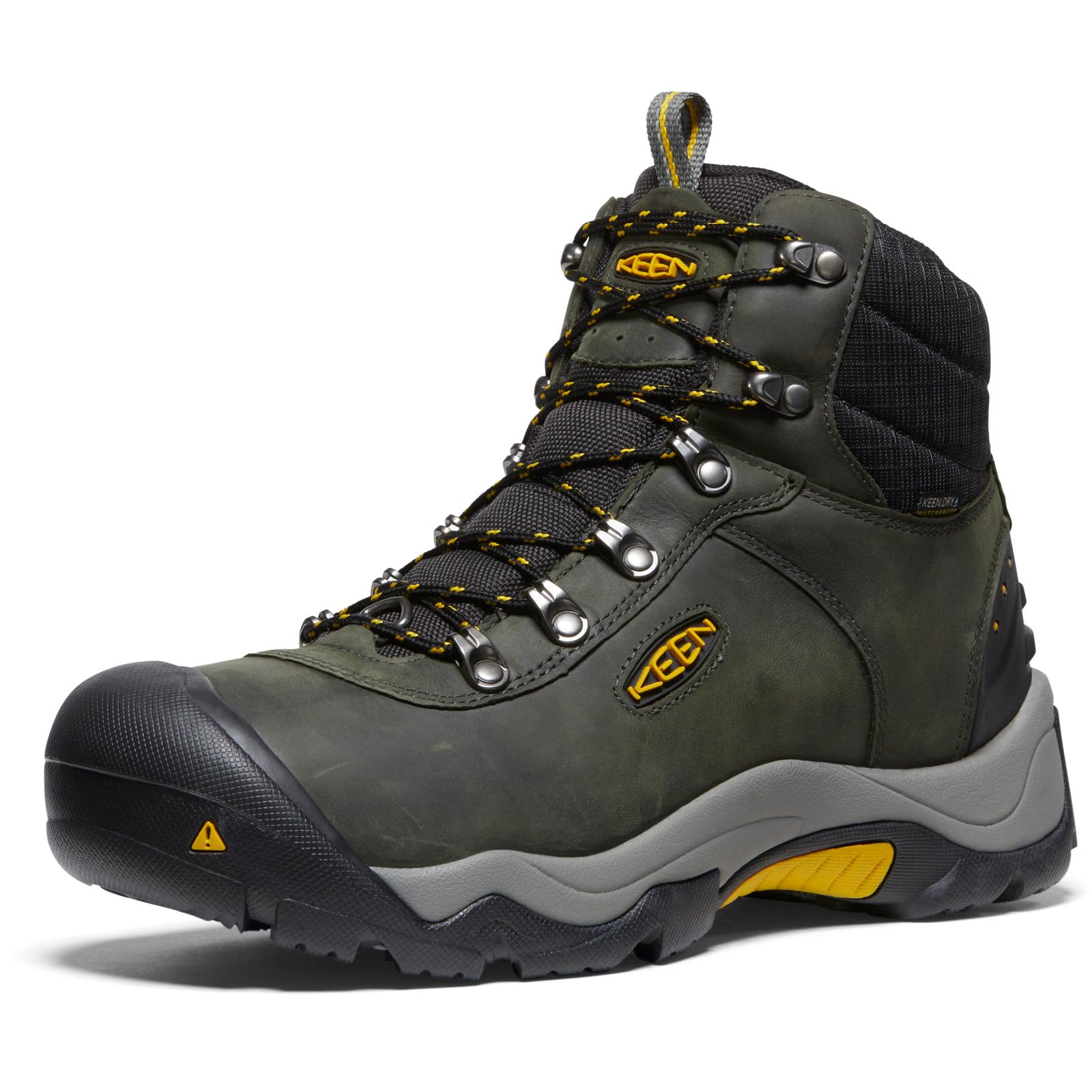
The KEEN Revel III Mid is the boot that keeps going when the snow melts into slush and the trail turns into a stream. With 200 grams of insulation and a waterproof membrane that reaches the top of the collar, this boot has survived two years of twelve-hour delivery shifts in wet winter conditions, according to long-term reviews. The wide KEEN toe box accommodates thick socks without cramping toes, a critical design detail for hours standing in cold mud.
Testers who tried thirteen different winter boots before landing on the Revel III consistently praise the arch and heel support — comparable to HOKA running shoes in plushness but with a stiffer hiking platform. The rocker sole design rolls through the step, reducing fatigue on flat miles, while the aggressive tread provides excellent snow traction that pairs naturally with Stabilicers or gaiters. After ten months of daily wear, the waterproofing shows no degradation, and the boots require virtually no break-in period.
The trade-off comes in ankle support. The padded upper feels comfortable but lacks the rigid structure some hikers want for steep, uneven terrain. Quality control also varies: some batches show uneven stitching or premature sole wear after extended use. Replacing the stock insoles with a denser aftermarket option, like Carhartt’s work insole, can elevate an already good boot to a great one for all-day cold comfort.
Why it’s great
- Wide toe box fits thick winter socks without pressure points
- Proven long-term waterproofing; survives 10+ months of daily use
- Rocker sole design reduces fatigue during long flat miles
Good to know
- Ankle support is less rigid; not ideal for steep off-camber terrain
- Quality control can be hit-or-miss between pairs
- Stock insoles are thin; replacing them improves comfort
3. Oboz Men’s Bridger 10″ Insulated B-Dry Waterproof Hiking Boots

When the thermometer drops below 10°F and the trail turns into a frozen tunnel, the Oboz Bridger 10″ Insulated boot becomes the right answer. Packing 400 grams of Thinsulate insulation and a ten-inch shaft height, this boot covers the ankle and lower calf with warmth that standard mid-height boots can’t touch. The B-Dry waterproof membrane keeps snowmelt out during creek crossings and deep powder postholes.
Every reviewer who bought this boot for rugged outdoor work describes it as the most comfortable cold-weather boot they’ve worn straight out of the box. The footbed cradles the heel without pressure points, and the midsole provides enough stiffness for carrying a heavy pack on icy descents. After four years of regular use, one pair developed an L-shaped cut near the sole but remained fully functional — a testament to the boot’s build quality. The rubber outsole uses deep, self-cleaning lugs that shed packed snow instead of turning the sole into a slick hockey puck.
The caveat is sizing: Oboz consistently runs small. Most reviewers needed to go up a full size from their sneaker size, especially with thick merino wool socks. At a mid-premium price point, this boot is an investment, but it demands respect for its insulation-to-weight ratio. There is no removable liner, so drying soaked boots takes longer than a two-piece system like Sorel’s. For true winter backpacking and subzero day hikes, this is the benchmark.
Why it’s great
- 400g Thinsulate insulation handles deep subzero conditions
- Tall 10-inch shaft adds warmth and weather protection to the calf
- Outsole lugs self-clean packed snow for consistent traction
Good to know
- Runs small — expect to order a full size larger than normal
- Non-removable liner extends drying time when wet
- Premium price point; less value if only used for mild winters
4. The North Face Men’s Chilkat V Lace-up Waterproof Snow Boot

The North Face Chilkat V is purpose-built for snow conditions, and its design reflects that focus. The 200-gram insulation rating warms feet during stationary periods like lunch stops and snowshoe adjustments, while the heel ridge securely locates snowshoe bindings and crampon heel straps. The D-ring at the top supports gaiters, keeping powdery snow out of the boot opening during deep-snow excursions.
Reviewers who tested these boots during Northeastern snowstorms praised the waterproofing and the lightweight feel compared to bulkier Sorel models. The lace-up closure allows fine adjustment across the instep for a snug fit, and the rubber outsole provides reliable traction in fresh snow and slush. One hundred miles of mixed terrain — dirt, mud, creeks, and light snow — left the boots warm and intact with only the top heel pull loops failing, a minor issue offset by the durable bottom loops that held firm.
Sizing is the main consideration: the Chilkat V runs a half-size small, particularly across the top of the foot, which can feel tight with thick socks. Upgrading to the 400-gram version is a smart move for hikers who spend entire days below 15°F. The rubber-to-leather seam at the sides is a potential failure point over multiple seasons, but for the price of a well-designed snow boot, the Chilkat V is a strong mid-range choice for snowshoeing and cold-weather short hikes.
Why it’s great
- Heel ridge securely locks snowshoe bindings and crampons
- D-ring enables gaiters for deep powder protection
- Lightweight feel reduces fatigue during extended snowshoe outings
Good to know
- Runs small across the top of the foot; size up half to full size
- Top heel pull loops tear easily; use the bottom loops
- Rubber-to-leather seams may separate after heavy long-term use
5. Helly Hansen V3 Winter Boots – Waterproof Snow Boots for Men

The Helly Hansen V3 Winter Boot looks and feels like a serious piece of cold-weather machinery. Tested in Northern Michigan winters and harsh alpine conditions, reviewers consistently rate it warm to -11°F with a firm sole that provides confident footing on packed snow and icy sidewalks. The combination of durable fabric and waterproof leather creates a boot that is verifiably waterproof over sustained snow exposure while remaining breathable enough to avoid sweat accumulation during active wear.
The insole is noticeably more comfortable than typical stock footbeds, and the lace-up closure keeps the boot snug without requiring constant re-tightening — a small but appreciated detail when wearing thick gloves. After one year of heavy winter use, the V3 remains warm, durable, and easy to clean. Reviewers mention receiving compliments on the boot’s styling, which balances technical function with a clean, modern silhouette suitable for town as well as trail.
The only notable drawback is the weight: at 3.1 pounds per boot, these are substantial, and long days on the trail will feel heavier than lightweight alternatives. The firm sole provides excellent support but lacks the rocker step that some hikers prefer for sustained walking. For extreme cold and situations where warmth is the non-negotiable priority — standing still in a freezing wind, shoveling after a storm, or walking a dog in subzero temps — the Helly Hansen V3 is a proven performer that justifies its premium price.
Why it’s great
- Verified warmth at -11°F, suitable for extreme cold exposures
- Waterproof leather and fabric combination stays dry in deep snow
- Breathable enough to manage moisture during light activity
Good to know
- Heavy at 3.1 lbs; not ideal for fast-paced or multi-mile hikes
- Firm sole lacks the rocker motion for easy striding
- Shipping speed can be inconsistent; plan ahead for winter arrival
6. Columbia Men’s Expeditionist Shield
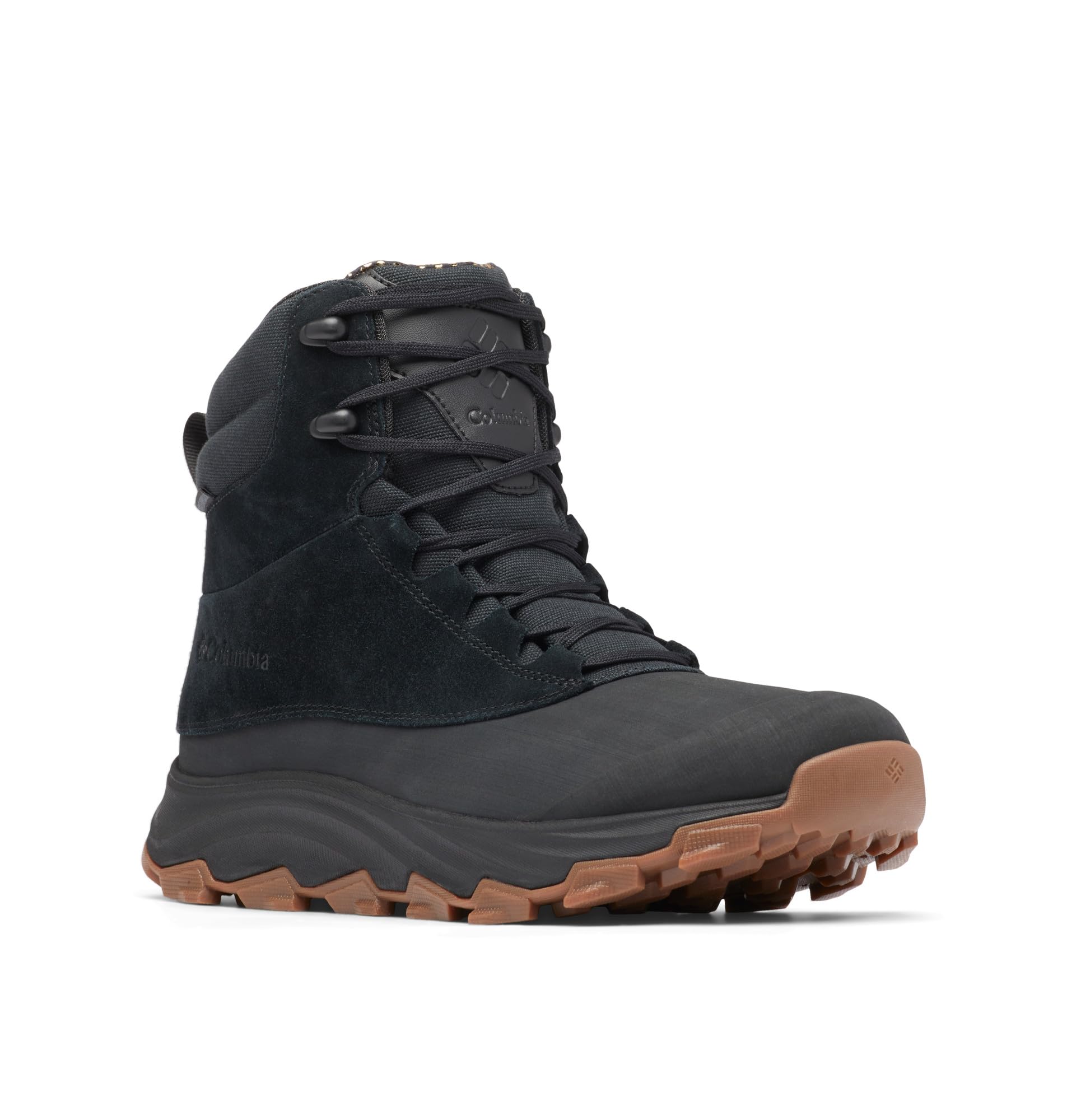
The Columbia Expeditionist Shield is the proof that you don’t need to spend a premium to get a warm, lightweight winter hiking boot. Reviews describe it as surprisingly comfortable and durable for the price point, keeping feet warm down to 10°F with standard wool socks. The lightweight construction — noticeably lighter than leather snow boots — makes these a favorite choice for daily wear and casual winter walks where maximum insulation isn’t needed.
Testers who wore them for deep snow outings report staying dry and warm without the boot feeling hot or restrictive indoors. The aggressive tread provides solid grip, though it tracks snow and salt into the house — a minor trade-off for confident winter traction. Multiple long-term daily drivers praise the boot’s comfort over full-day wear, noting that the cushioning holds up well even without breaking in.
The complaints center on two details: the boots run a half-size small, so sizing up is essential, and the decorative gold trim on the upper draws negative reactions from buyers who find it juvenile and out of place against the boot’s otherwise functional design. The stock insole is thin and benefits from replacement with a denser aftermarket option. For a budget-friendly entry into winter hiking footwear that doesn’t compromise on warmth or comfort, the Expeditionist Shield delivers disproportionately high value.
Why it’s great
- Lightweight construction reduces fatigue on long winter walks
- Warm to 10°F with merino wool socks, surprisingly capable for the price
- Comfortable for all-day wear with no break-in required
Good to know
- Runs a half-size small; order up for a proper fit
- Gold trim styling is divisive and may feel cheap to some
- Stock insole is thin; swapping it improves long-day comfort
7. Columbia Konos TRS Outdry

The Columbia Konos TRS Outdry brings the brand’s bonded waterproof membrane technology — OutDry — to a boot at a price that undercuts most competitors offering similar wet-weather performance. Unlike internal waterproof membranes, OutDry bonds directly to the outer fabric, sealing water out before it reaches the boot material. Reviews confirm it keeps feet rain-dry during all-day downpours and steady on wet ground with excellent traction.
Comfort is where this boot shines. Multiple reviewers comment on the roomy toe box, which accommodates bunions and wider forefeet without rubbing. The arch support and heel-to-ball cushioning earned praise from a reviewer weighing 300 pounds who walked twenty-plus miles without a single blister. The boot is lightweight and stylish, with enough ankle support for moderate terrain while feeling more like a sneaker than a traditional hiking boot.
The main complaint is noise: the OutDry membrane creates a squeaky sound with each step, especially on smooth indoor floors. One reviewer working at a veterinary hospital described the squeak as loud enough to announce arrival from down the hall. While not a functional flaw, it’s an audible annoyance that might bother quiet hikers or anyone wearing them in shared indoor spaces. The waterproofing also holds heat in, making wicking socks a near necessity for high-output hikes in above-freezing temps.
Why it’s great
- OutDry bonded membrane provides reliable all-day rain protection
- Roomy toe box suits wide feet and bunions without pressure
- Lightweight feel with impressive long-distance comfort and no blisters
Good to know
- OutDry membrane produces a loud squeak during walking
- Waterproofing limits breathability; use wicking socks in mild weather
- Arch may feel high for flat-footed hikers
8. Timberland Men’s White Ledge Mid Waterproof Hiking Boots

The full-grain leather upper provides natural water resistance that improves with regular mink oil treatment, and the mid-height shaft offers support without rubbing the ankles during break-in. Reviewers report the boot is comfortable across a wide range of terrain — hills, grass, gravel, snow, ice, wood chips, and sand.
The sole grip is a standout feature on dry and wet rock, though it loses traction on slick algae and hard-packed ice. The large toe box provides space for toe splay and thick socks, and the boot is stable enough for carrying moderate loads. After one year of daily wear, the boot remains durable and comfortable, with many users adding Dr. Scholl’s insoles for all-day arch support. The price fluctuates frequently, making timing a factor for the best value.
These boots are not fully waterproof out of the box — the leather needs regular treatment with mink oil or wax to maintain water resistance, and some reviewers experienced water seepage during sustained snow wading. Sizing runs large; many buyers go down half a size. The boot also lacks significant insulation, so it’s better suited for fall and early winter hiking above freezing, worn with thick wool socks. For cold mud, dry snow, and general winter trekking where leather durability is valued over high-tech membranes, the White Ledge Mid remains a worthwhile classic.
Why it’s great
- Durable full-grain leather that molds to your foot over time
- Comfortable across mixed terrain with good out-of-box fit
- Large toe box accommodates thick socks for cold weather
Good to know
- Requires regular mink oil treatment to stay fully waterproof
- No insulation; relies on sock layering for warmth
- Sizing runs large; consider going half a size down
9. Columbia Newton Wander
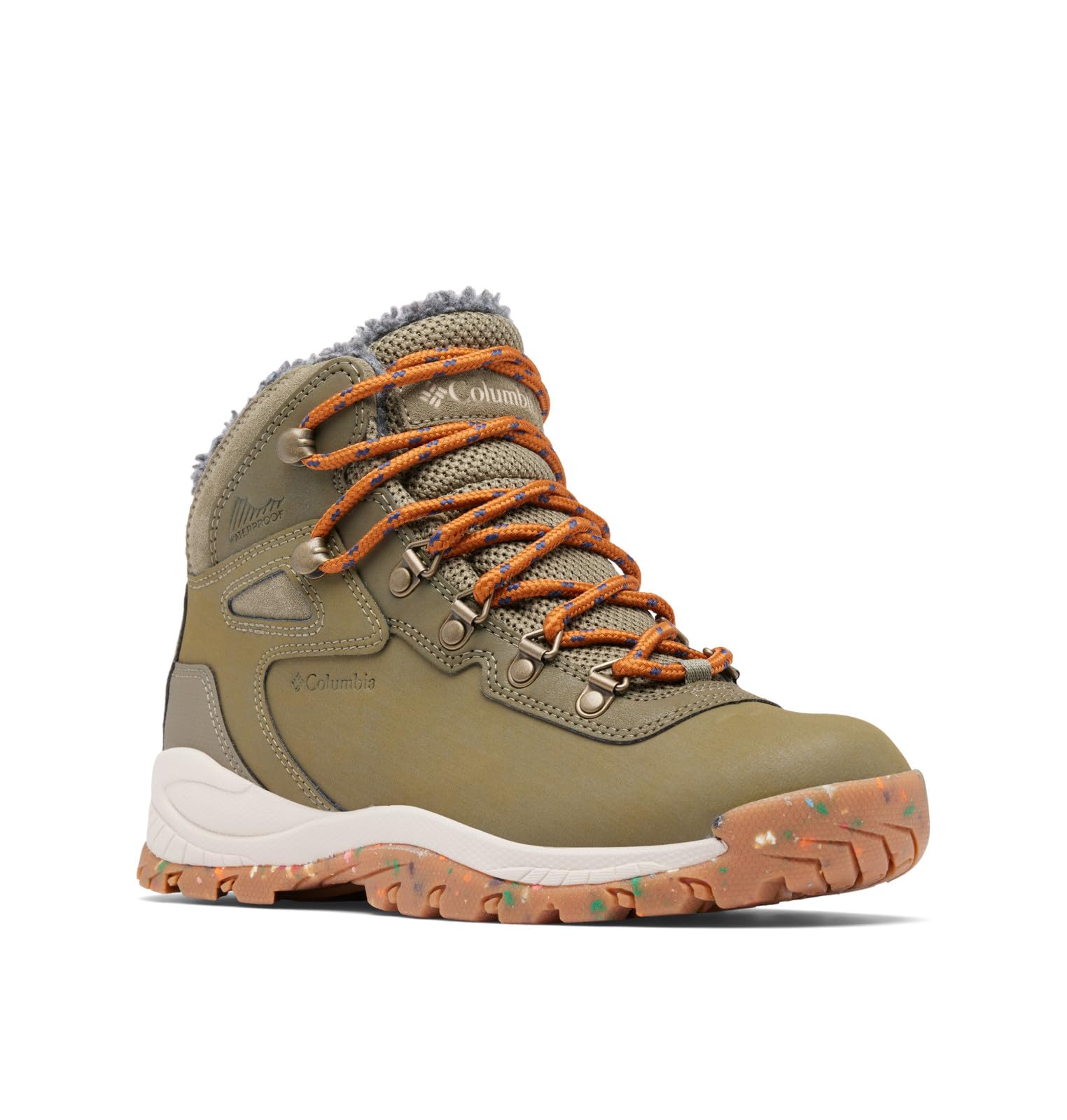
The Columbia Newton Wander is a winter boot that keeps things simple: faux shearling lining and heat-reflecting Omni-Heat technology combine to keep feet warm in light snow with thin socks. The waterproof construction passed the sledding test — reviewers report staying dry and warm while playing with kids in snow and trudging through wet state parks in rainy climates. The boot is lightweight and easy to walk in, with enough sole support for fitness walking on gravel and packed trails.
Fit is true to size for most wearers, and the boot comes with an extra set of shoelaces, a small but appreciated inclusion. The color options lean toward earth tones, and the boot receives compliments on style for both trail and travel use. Multiple reviewers bought these specifically for rainy vacations and found them comfortable for all-day sightseeing and light hiking without wet feet.
The Newton Wander has a design flaw that affects some feet: the boot crease at the flex point digs into the top of the toes while walking, causing discomfort that two different sizes and the non-insulated version failed to resolve. This isn’t universal, but buyers with high-volume feet should try them on carpet first. The boot’s insulation is moderate — warm enough for the low 20s but not sufficient for extended stationary time in deep cold. For mild winter days and wet-condition travel, the Newton Wander delivers strong value in a stylish package.
Why it’s great
- Warm with thin socks thanks to Omni-Heat reflective lining
- True-to-size fit with easy break-in and lightweight feel
- Waterproof and stylish for travel and wet-weather day hikes
Good to know
- Boot crease may dig into toes for some foot shapes
- Insulation is moderate; not adequate for sub-20°F stationary use
- Limited ankle support compared to taller or stiffer boots
FAQ
Do I need 200g or 400g insulation for winter hiking?
How much should I size up for thick winter socks?
Are insulated snow boots okay for hiking or too hot?
Final Thoughts: The Verdict
For most users, the best boots for winter hiking winner is the Merrell Speed Strike 2 Mid Waterproof because it nails the balance of GORE-Tex waterproofing, low weight, and ankle support that active winter hikers need for miles-long treks. If you want maximum insulation for deep cold, grab the Oboz Bridger 10″ Insulated. And for a budget-friendly boot that works well on moderate winter trails, nothing beats the Columbia Expeditionist Shield.

Mo Maruf
I created WellFizz to bridge the gap between vague wellness advice and actionable solutions. My mission is simple: to decode the research and give you practical tools you can actually use.
Beyond the data, I am a passionate traveler. I believe that stepping away from the screen to explore new environments is essential for mental clarity and physical vitality.