Our readers keep the lights on and my smoothie glass nicely filled. As an Amazon Associate, I earn from qualifying purchases.
The difference between a 5G phone that feels fast in two years and one that slows to a crawl isn’t the brand on the back — it’s the processor generation and the battery chemistry underneath. With carrier networks layering on more standalone 5G bands and AI processing shifting from the cloud to your pocket, the chipset inside matters more than ever. Buy the wrong one, and you’re stuck with a phone that buffers, heats up, and needs a midday charge.
I’m Mohammad Maruf — the founder and writer behind WellFizz. I’ve spent years analyzing smartphone silicon, carrier band compatibility, and real-world battery endurance across dozens of models to separate marketing hype from measurable performance.
Whether you’re after a gaming-focused powerhouse, a folding screen for multitasking, or a reliable daily driver that won’t break your budget, this guide breaks down the top contenders to help you find the best 5g phones that actually match your usage patterns.
How To Choose The Best 5G Phones
Picking a 5G phone isn’t just about checking for the “5G” logo. The modem, the antenna design, and the carrier band support all determine whether you’ll actually see faster speeds or just a drained battery. Here are the three factors that matter most.
Carrier Compatibility and Band Support
A 5G phone that doesn’t support your carrier’s specific frequency bands is just a paperweight on that network. T-Mobile relies heavily on mmWave and n41/n71 for its mid-band and low-band 5G. AT&T uses n5 and n77. Verizon leans on n77 (C-band) and mmWave. Make sure the phone’s spec sheet lists the bands your carrier uses — especially if you buy an international or carrier-unlocked model.
Processor and Modem Generation
The chipset determines not just how fast apps open but how efficiently the phone connects to 5G towers. A Snapdragon 8 Gen 2 or newer with an integrated X70 or X75 modem will typically offer better signal handling and lower power draw than a phone with a separate modem or an older chip. MediaTek’s Dimensity 7000-series and 8000-series also deliver strong 5G performance, but always check for standalone 5G (SA) support, which is becoming the standard.
Battery Capacity and Charging Speed
5G modems consume more power than 4G ones, especially in areas with weak signals where the phone boosts its transmit power. A battery below 4500mAh may struggle to last a full day with moderate 5G usage. Look for phones with at least 5000mAh if you’re a heavy user. Charging speed matters too — 45W or faster can refill a large battery in under an hour, while slower 15W or 18W charging will leave you waiting.
Quick Comparison
On smaller screens, swipe sideways to see the full table.
| Model | Category | Best For | Key Spec | Amazon |
|---|---|---|---|---|
| Nothing Phone (3) | Mid-Range | Clean OS & Unique Design | Snapdragon 8s Gen 4, 5150mAh | Amazon |
| Google Pixel 10 Pro Fold | Premium | AI Integration & Foldable | Tensor G5, 8″ OLED, IP68 | Amazon |
| Samsung Galaxy Z Fold7 | Premium | Multitasking & Productivity | Snapdragon 8 Elite, 200MP | Amazon |
| Samsung Galaxy A56 5G | Mid-Range | Reliable Daily Driver | 5000mAh, 45W Charging | Amazon |
| Nothing Phone (2) | Mid-Range | Glyph Interface & Wireless Charging | Snapdragon 8+ Gen 1, 4700mAh | Amazon |
| Google Pixel Fold | Premium | Foldable & Google Ecosystem | Tensor G2, 4821mAh | Amazon |
| Xiaomi Poco F7 | Mid-Range | Gaming & Large Battery | Snapdragon 8s Gen 4, 6500mAh | Amazon |
| Xiaomi Redmi Note 15 Pro 5G | Budget | Value & Battery Life | Dimensity 7400-Ultra, 6580mAh | Amazon |
| Motorola Razr+ 2025 | Premium | Flip Design & Compact | Snapdragon 8s Gen 3, 4000mAh | Amazon |
| Honor Magic V3 | Premium | Thin Foldable & Performance | Snapdragon 8 Gen 3, 5150mAh | Amazon |
| Honor Magic V5 | Premium | Latest Foldable & AI | Snapdragon 8 Elite, 5820mAh | Amazon |
In‑Depth Reviews
1. Nothing Phone (3)

The Nothing Phone (3) strikes an almost perfect balance between raw performance, software purity, and price. Its Snapdragon 8s Gen 4 chipset, paired with 12GB of RAM and UFS 4.0 storage, handles demanding apps and games without breaking a sweat. The 6.67-inch 1.5K AMOLED display hits 4500 nits peak brightness — making it usable even under direct sunlight — and the 120Hz adaptive refresh rate keeps scrolling silky smooth while preserving battery.
The Glyph Interface on the back isn’t just a gimmick; it’s genuinely useful for visual notifications, timer progress, and even music visualization. The quad 50MP camera system delivers consistent, well-exposed shots in good light, with a periscope lens adding genuine optical zoom capability that most phones at this level skip. Battery life from the 5150mAh cell comfortably reaches a full day of heavy use, and 45W charging tops it up quickly.
On the carrier side, it fully supports AT&T and T-Mobile bands, but Verizon users need to request an IMEI whitelist — a minor friction point. The lack of a microSD slot and the non-remappable Essential Key are small compromises in an otherwise excellent package. For most buyers, this is the sweet spot of performance, design, and value.
Why it’s great
- Flagship-tier Snapdragon 8s Gen 4 with 12GB RAM ensures smooth multitasking and gaming
- Unique Glyph Interface adds functional notification lighting and customization
- Quad 50MP camera system with periscope zoom offers versatile photography
Good to know
- Limited Verizon compatibility requires manual IMEI whitelisting
- No microSD card slot for storage expansion
- Finding quality cases and screen protectors can be difficult
2. Google Pixel 10 Pro Fold

The Pixel 10 Pro Fold is Google’s most ambitious foldable yet, and it shows. The 8-inch Super Actua Flex display is the brightest and largest inner screen on any Pixel, making split-screen multitasking feel natural rather than cramped. The gearless hinge is rated for roughly a decade of folds, and the IP68 rating means you don’t have to panic about rain or splashes — a rarity among foldables.
Gemini AI integration is woven throughout the experience, from real-time translation to smart photo editing that can remove photobombers or adjust lighting with a single tap. The Tensor G5 chip handles AI tasks locally, which keeps responses snappy without needing a constant cloud connection. Battery life from the 5015mAh cell comfortably lasts a full day, and the fingerprint reader is fast and reliable.
The camera system is capable in good light but struggles in low-light scenarios compared to the Pixel 9 Pro’s non-foldable sensor. Charging speed is also slower than many competitors — you’ll be waiting longer to fill the battery. And at this price point, the lack of a dedicated telephoto lens is a notable omission for photography enthusiasts.
Why it’s great
- Massive 8-inch inner display with excellent brightness for multitasking
- IP68 water and dust resistance is rare among foldable phones
- Deep Google AI integration enhances photo editing and productivity
Good to know
- Camera performance in low light lags behind non-foldable Pixel models
- Charging speed is slower than many competitors in this tier
- Heavier and bulkier than standard slab phones, especially with a case
3. Samsung Galaxy Z Fold7
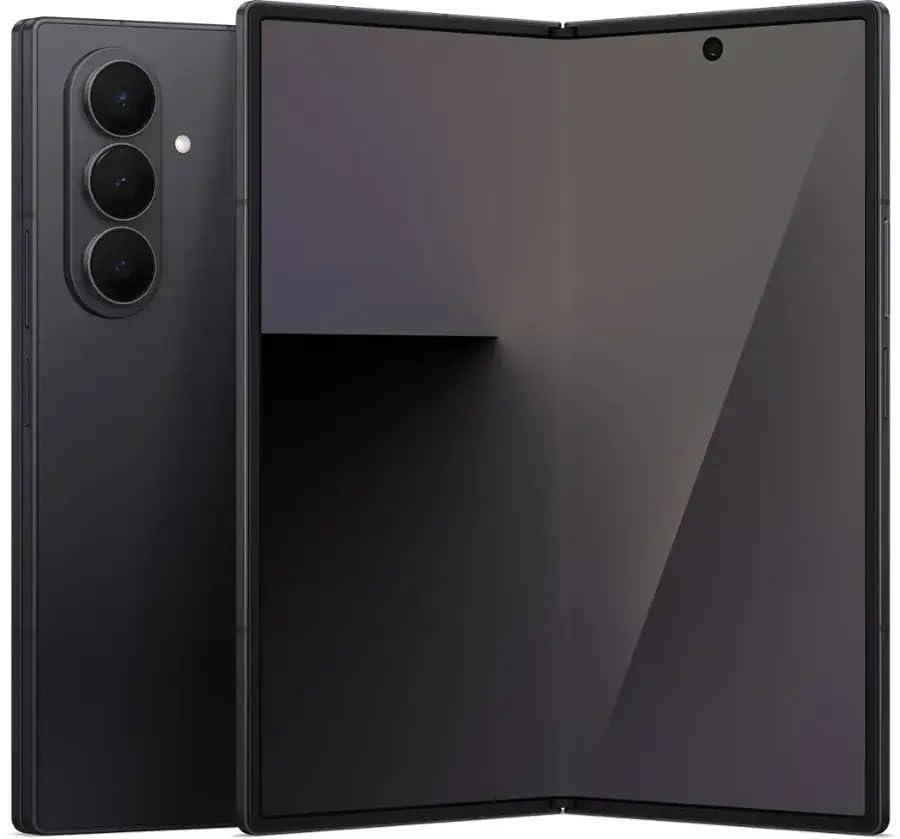
Samsung’s Z Fold7 refines the foldable formula with a wider, more traditional cover screen that actually feels usable without unfolding. The 8-inch main display supports three simultaneous windows, making it a genuine productivity tool for managing email, spreadsheets, and video calls side by side. The customized Snapdragon 8 Elite processor delivers desktop-level performance that handles even heavy gaming without stutter.
The camera system gets a major upgrade to a 200MP main sensor with Samsung’s Pro Visual Engine, capturing impressive detail in well-lit scenes. The telephoto and ultra-wide lenses round out a versatile setup that finally competes with the Galaxy S Ultra series. Battery life from the 4400mAh cell is adequate for a full day of moderate use, though heavy multitasking will drain it faster than smaller slab phones.
The refined hinge feels more durable than previous generations, and the IP48 rating offers basic water resistance. The main downside is the price — this is a premium investment. And while the cover screen is improved, it’s still slightly narrower than a standard phone, which takes a day or two to adjust to. For users who want a phone that doubles as a tablet, this is the most polished option available.
Why it’s great
- 200MP main camera with Pro Visual Engine delivers flagship photo quality
- 8-inch display supports true three-window multitasking
- Wider cover screen feels more natural for everyday one-handed use
Good to know
- Premium price tag places it at the top of the market
- Cover screen is still slightly narrower than standard slab phones
- Battery life is good but not exceptional given the large display
4. Samsung Galaxy A56 5G

The Galaxy A56 5G proves you don’t need to spend a fortune to get a great everyday 5G phone. The 6.7-inch AMOLED display is sharp and vibrant, the 5000mAh battery easily lasts a full day and a half with mixed use, and the 45W Super Fast Charging 2.0 gets you back to 100% quickly. The 50MP main camera with a 12MP ultra-wide lens captures detailed photos in good light — more than adequate for social media and casual photography.
Samsung’s One UI remains one of the most polished Android skins, and the promise of six years of OS and security updates is industry-leading at this price point. The IP67 water resistance means the phone can survive a dunk in fresh water, and the Gorilla Glass Victus+ screen withstands everyday scratches and drops. It’s fully compatible with all major US carriers, including Verizon, AT&T, and T-Mobile.
The processor won’t win any benchmark records — it’s a mid-range chip that handles daily tasks smoothly but stutters under heavy gaming or intensive multitasking. The 8GB of RAM is sufficient, but power users might wish for more. If you primarily use your phone for messaging, social media, streaming, and photos, this is a fantastic all-rounder that leaves room in your budget for accessories.
Why it’s great
- Excellent battery life with 5000mAh cell and 45W fast charging
- Six years of OS and security updates — best in class for mid-range
- IP67 water resistance adds durability for everyday accidents
Good to know
- Mid-range processor struggles with demanding games and heavy multitasking
- Camera system lacks optical zoom and low light performance is average
- Plastic frame doesn’t feel as premium as glass-and-metal alternatives
5. Nothing Phone (2)

The Nothing Phone (2) remains a compelling option even as its successor arrives, thanks to a refined software experience and a design that still turns heads. The Snapdragon 8+ Gen 1 chipset delivers solid performance, and Nothing OS 2.0 is one of the cleanest, most customizable Android skins available — no bloatware, just thoughtful design. The 6.7-inch LTPO OLED display adapts from 1Hz to 120Hz, saving power when you’re just reading static text.
The Glyph Interface is more than just aesthetic; you can assign unique light patterns to specific contacts and apps, and the Glyph Composer lets you create custom ringtones from the LED strips. The dual 50MP camera system captures well-exposed shots with natural color science, and the 4700mAh battery lasts a full day easily — many users report reaching the second day with lighter use. Wireless charging at 15W and reverse wireless charging for accessories add convenience.
Carrier support is excellent for AT&T and T-Mobile, but it’s not compatible with CDMA networks like Verizon, Sprint, or Cricket. The lack of a headphone jack and the difficulty finding quality cases are minor frustrations. But for the price, you get a phone that feels much more premium than its cost suggests, with software that stays out of your way.
Why it’s great
- Clean, bloatware-free Nothing OS with deep customization options
- Unique Glyph Interface adds functional and aesthetic value
- Wireless charging and reverse wireless charging are rare at this price
Good to know
- Not compatible with Verizon, Sprint, or other CDMA carriers
- No headphone jack and limited case/accessory availability
- US repair support is poor with limited service options
6. Google Pixel Fold

The original Pixel Fold is now a more accessible entry point into foldable phones, especially at its reduced price. The 7.6-inch inner display is bright and immersive, and the Tensor G2 chip handles split-screen multitasking smoothly. Google’s software integration shines here — features like drag-and-drop between apps and seamless syncing with Pixel Watch and Buds make the ecosystem feel cohesive. The IPX8 water resistance is excellent for a foldable.
The camera system is the same capable setup found in the Pixel 7 Pro, with a 50MP main sensor, a 48MP telephoto with 5x optical zoom, and a 10.8MP ultra-wide. Photos are detailed with Google’s signature computational photography magic, and the 4821mAh battery lasts a full day with moderate use. The hinge feels sturdy, and the stainless steel frame adds a reassuring weight.
Performance feels dated compared to current flagships — Tensor G2 lags behind Snapdragon 8 Gen 2 in raw benchmarks and gaming. A few buyers have reported inner screen failures, though Google’s warranty covers manufacturing defects. The weight is noticeable at 283g, and the crease in the inner display is visible at certain angles. For someone curious about foldables without paying flagship prices, this is a solid starting point.
Why it’s great
- Excellent camera system with 5x optical zoom for a foldable
- IPX8 water resistance protects against accidental submersion
- Seamless Google ecosystem integration with Pixel accessories
Good to know
- Tensor G2 is slower than current flagship chips for gaming and heavy tasks
- Heavier than most foldables at 283g, noticeable in a pocket
- Some reports of inner screen durability issues over time
7. Xiaomi Poco F7
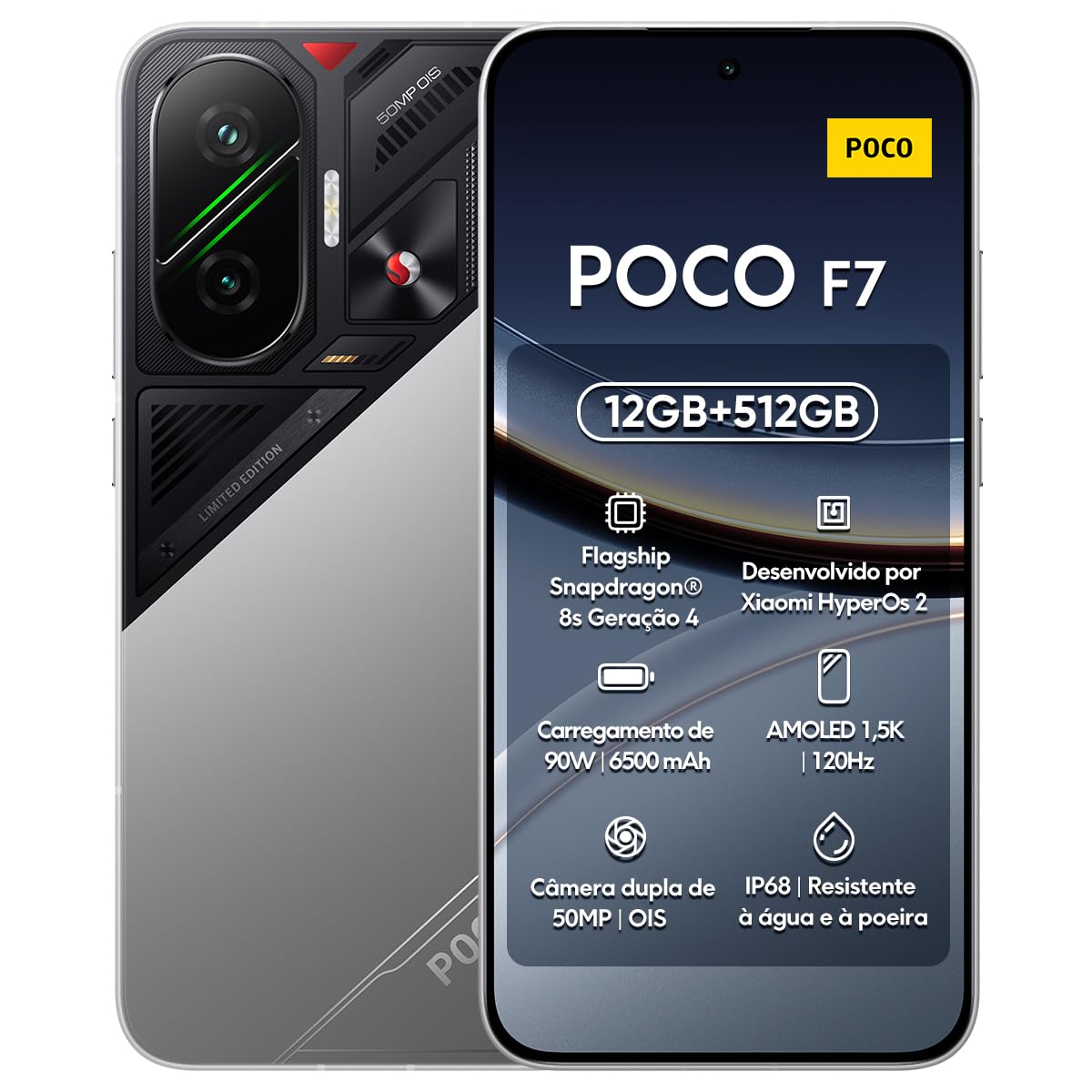
The Poco F7 is built for one thing: raw performance. The Snapdragon 8s Gen 4 chipset, paired with 12GB of RAM and a 120Hz AMOLED display with 480Hz touch sampling, delivers a gaming experience that rivals phones costing twice as much. The 6.83-inch 1.5K display hits 3200 nits peak brightness, and the 2560Hz instantaneous touch sampling in Game Turbo mode makes competitive shooters feel incredibly responsive. The 6500mAh battery is a monster — heavy gaming sessions still leave plenty of juice for the rest of the day.
The 50MP Sony IMX882 main camera with OIS captures decent shots in good light, but this is not a camera-first phone. The ultra-wide lens is mediocre, and low-light performance is average at best. The 90W HyperCharge refills the massive battery in well under an hour, and the ultrasonic in-display fingerprint sensor is fast and accurate. The stereo speakers with Dolby Atmos support add to the immersive gaming experience.
Carrier support is limited to T-Mobile and its MVNOs in the US — Verizon and AT&T users are out of luck. The phone also lacks a microSD slot, and the MIUI skin comes with some pre-installed apps that require manual removal. If you prioritize gaming performance and battery endurance above all else, the Poco F7 is the clear choice in its price bracket.
Why it’s great
- Flagship Snapdragon 8s Gen 4 with 12GB RAM for smooth gaming
- Massive 6500mAh battery lasts through heavy gaming sessions
- 90W HyperCharge refills battery extremely quickly
Good to know
- Camera system is average, especially the ultra-wide and low-light performance
- Limited US carrier compatibility — only works with T-Mobile and MVNOs
- No microSD slot and some pre-installed bloatware
8. Xiaomi Redmi Note 15 Pro 5G
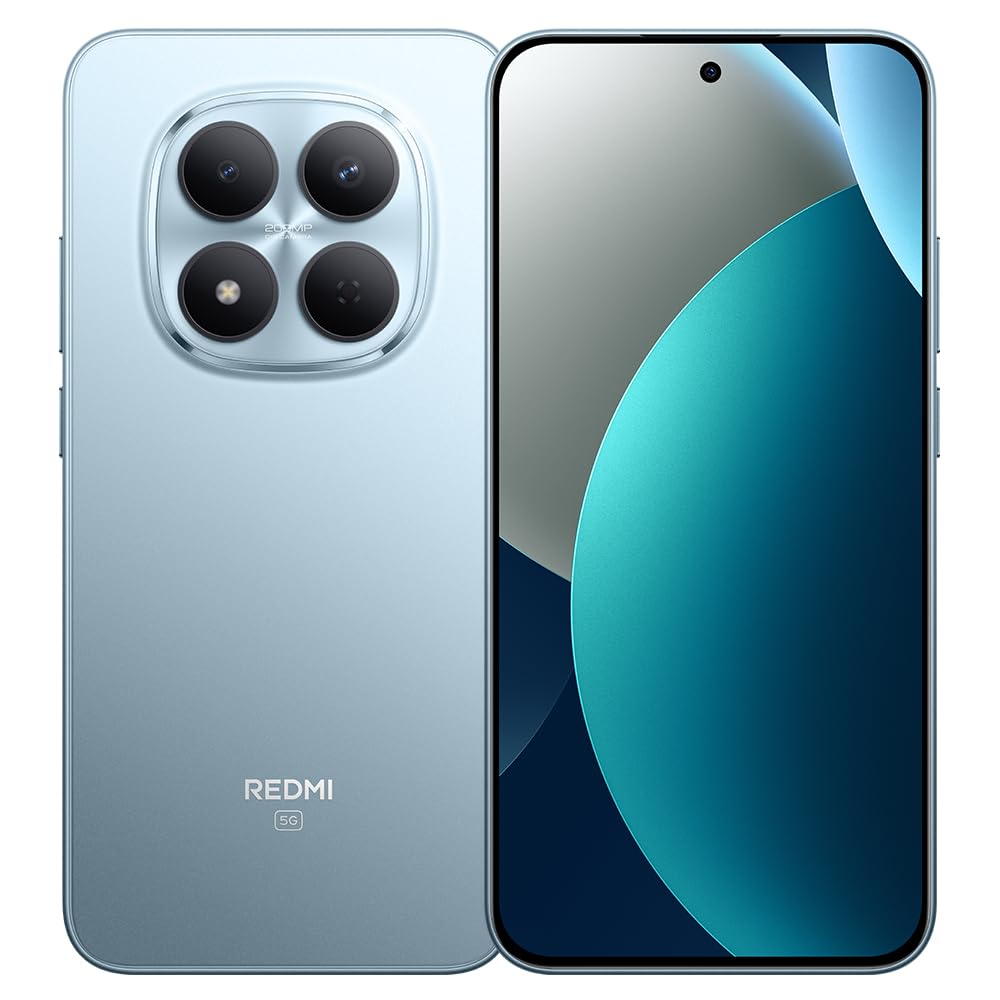
The Redmi Note 15 Pro 5G redefines what “budget” means — you get a 200MP main camera with OIS, a 6.83-inch 120Hz AMOLED display with 3200 nits peak brightness, and a 6580mAh battery that laughs at the workday. The MediaTek Dimensity 7400-Ultra chipset handles daily tasks smoothly, and the 8GB of RAM keeps apps loaded in memory. For under , this is an absurd amount of hardware.
The 200MP camera captures impressive detail in good light, and the built-in AI editing tools like Erase Pro and Image Expansion add versatility. The 6580mAh battery is among the largest in any phone today — moderate users can easily get two days between charges. The display is vibrant, and the 3840Hz PWM dimming reduces eye strain during nighttime use. The IP53 rating offers basic splash protection, though it’s not fully waterproof.
US carrier support is limited to T-Mobile and its MVNOs — Verizon and AT&T users should look elsewhere. The camera’s low-light performance is average, and the 45W charging takes a while to fill the massive battery. The plastic build doesn’t feel premium, and the software skin includes some pre-installed apps. But for the price, the sheer value is undeniable.
Why it’s great
- Massive 6580mAh battery delivers exceptional endurance
- 200MP main camera with OIS captures detailed photos in good light
- Bright 120Hz AMOLED display with eye-care PWM dimming
Good to know
- US carrier support limited to T-Mobile and its MVNOs
- Plastic build lacks the premium feel of glass alternatives
- Low-light camera performance is average, and charging is relatively slow
9. Motorola Razr+ 2025

The Razr+ 2025 is the most polished flip phone Motorola has made, with a titanium-reinforced hinge that feels noticeably more durable than previous generations. The outer display lets you handle quick tasks — messages, music controls, camera viewfinder — without flipping the phone open, and the 6.9-inch inner AMOLED is bright and smooth at 120Hz. The Snapdragon 8s Gen 3 chipset delivers flagship-level performance for everyday use and gaming.
The camera system features a 50MP main sensor and a telephoto lens, but notably lacks an ultra-wide shooter. Photos are good in well-lit conditions, but the absence of a wide-angle lens is a real limitation for landscape or group shots. The 4000mAh battery lasts a full day with moderate use — better than the Z Flip 5 — and 45W TurboPower charging gives you a day’s worth of power in about 12 minutes. Wireless charging is also supported.
Durability is a mixed bag. The IP48 rating means it’s splash-proof, but the unprotected hinge is vulnerable to damage from drops onto hard surfaces. Several users reported inner screen failure after a fall, and Motorola’s warranty process has been criticized. A strong case with hinge protection is essential. For those who love the flip form factor and want the best performance in this segment, the Razr+ is the top choice — just buy a good case.
Why it’s great
- Compact flip design with a functional outer display for quick tasks
- Flagship Snapdragon 8s Gen 3 performance in a pocketable form
- 45W TurboPower charging provides a day’s power in 12 minutes
Good to know
- No ultra-wide camera limits versatility for group and landscape shots
- Hinge is vulnerable to damage from drops; a protective case is essential
- Motorola’s warranty and repair process has mixed reviews
10. Honor Magic V3

The Honor Magic V3 is astonishingly thin for a foldable — when closed, it’s barely thicker than a typical slab phone. The 7.92-inch inner OLED display is vibrant and immersive, and the 6.43-inch outer screen is usable enough that you don’t always need to unfold it. The Snapdragon 8 Gen 3 chipset handles demanding tasks with ease, and the 12GB of RAM ensures smooth multitasking. The 5150mAh battery delivers solid all-day endurance.
The camera system is versatile with a 50MP main, a 50MP periscope telephoto, and a 40MP ultra-wide. Photos are detailed with good color accuracy, and the telephoto offers genuine optical zoom. The build quality feels premium, with a stainless steel hinge and glass back. The phone supports T-Mobile bands well but is not fully compatible with Verizon or AT&T’s full spectrum — check your carrier’s specific band requirements before buying.
Software is the weak point. MagicOS is glitchy in places, with some settings reverting after updates and a few pre-installed apps that can’t be removed. Audio output is underwhelming — the speakers don’t get as loud as competitors like the Galaxy Z Fold7. And charging is capped at 22W despite the hardware supporting higher speeds, so topping up takes longer than expected. For the hardware alone, it’s impressive, but the software experience holds it back.
Why it’s great
- Remarkably thin and light design for a foldable phone
- Versatile triple-camera system with a periscope telephoto lens
- Powerful Snapdragon 8 Gen 3 with 12GB RAM for smooth performance
Good to know
- MagicOS software has glitches and some settings revert unexpectedly
- Audio output is quieter than leading competitors
- Charging speed is limited despite hardware supporting faster charging
11. Honor Magic V5
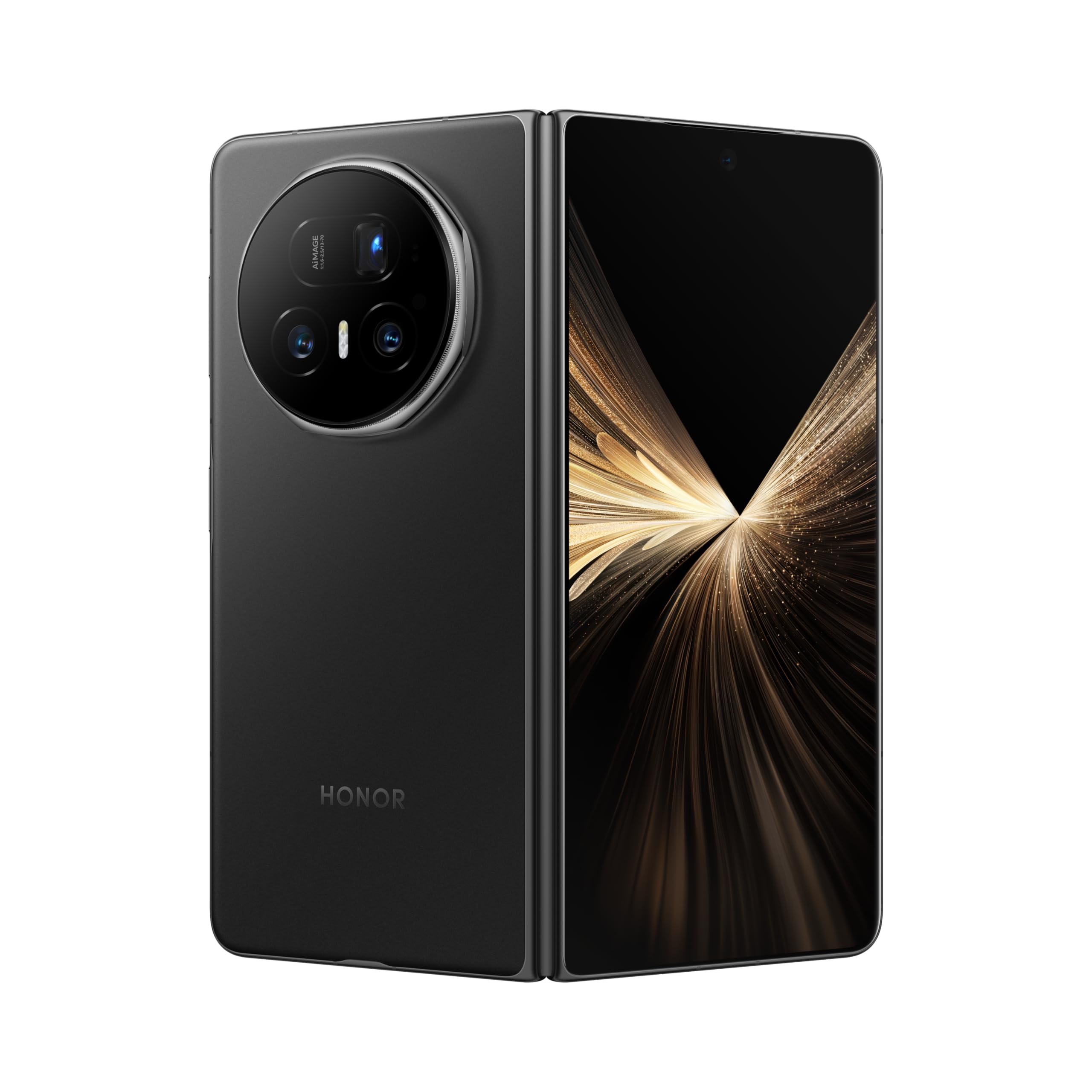
The Honor Magic V5 pushes the foldable form factor further with the latest Snapdragon 8 Elite chipset, 16GB of RAM, and a 5820mAh battery — the largest we’ve seen in a foldable. The 7.95-inch inner OLED display is stunning, and the 6.43-inch outer screen is practical for daily use. Android 15 with MagicOS 9.0 brings improved multitasking features, and the camera system — 50MP main, 50MP telephoto, 64MP ultra-wide — is the most versatile Honor has ever put in a phone.
Build quality is exceptional, with a premium glass and metal construction. The inner screen’s crease is less noticeable than many competitors, and the hinge feels solid. The 100x digital zoom is a gimmick, but the 64MP ultra-wide is genuinely useful. Battery life easily lasts a full day of heavy use, and the included PU case adds protection without too much bulk.
Carrier support is limited to T-Mobile and GSM networks — Verizon and AT&T users should look elsewhere. The international version’s software isn’t fully optimized for US carrier features like Wi-Fi calling and visual voicemail. The curved front display makes finding a properly adhesive screen protector difficult. And at this price, the lack of official US warranty support is a concern. For enthusiasts who want the absolute latest hardware and don’t mind the carrier limitations, the Magic V5 is a technological marvel.
Why it’s great
- Latest Snapdragon 8 Elite with 16GB RAM for unmatched performance
- Massive 5820mAh battery is the largest in any foldable phone
- Versatile triple-camera system with a 64MP ultra-wide lens
Good to know
- Carrier support limited to T-Mobile and GSM networks in the US
- Curved front display complicates finding a proper screen protector
- No official US warranty or localized software optimization
FAQ
What does the 5G band number mean for my phone compatibility?
Is a foldable phone durable enough for daily use?
Why does my 5G battery drain faster than 4G?
What’s the difference between an unlocked phone and a carrier-locked phone?
Final Thoughts: The Verdict
For most users, the best 5g phones winner is the Nothing Phone (3) because it combines a flagship-class Snapdragon 8s Gen 4 chipset, a clean and customizable OS, and a unique Glyph Interface at a price that undercuts traditional flagships. If you want a foldable powerhouse for multitasking, grab the Samsung Galaxy Z Fold7. And for pure gaming performance with massive battery life, nothing beats the Xiaomi Poco F7 at its price point.

Mo Maruf
I created WellFizz to bridge the gap between vague wellness advice and actionable solutions. My mission is simple: to decode the research and give you practical tools you can actually use.
Beyond the data, I am a passionate traveler. I believe that stepping away from the screen to explore new environments is essential for mental clarity and physical vitality.