Our readers keep the lights on and my smoothie glass nicely filled. As an Amazon Associate, I earn from qualifying purchases.
The right backpacking shoe turns a punishing 15-mile day into a rhythm you can sustain. The wrong one leaves you counting every tenth of a mile until camp, nursing hot spots and questioning your gear choices. This guide cuts through the noise to find the pair that matches your foot shape, the terrain you actually hike, and the load you carry.
I’m Mohammad Maruf — the founder and writer behind WellFizz. I’ve spent years analyzing the measurable differences between midsole compounds, outsole lug patterns, and waterproof membrane constructions that determine whether a shoe survives a season or a decade.
Every model tested here was selected for its specific balance of weight, traction, and support, giving you a clear, data-backed path to finding the very best backpacking shoes for your next trip.
How To Choose The Best Backpacking Shoes
Backpacking shoes sit at an awkward intersection between trail runners and hiking boots. They need the low weight and flexibility of a runner with the stability and protection of a boot. Three factors separate the winners from the also-rans.
Midsole Density and Stack Height
A soft, plush midsole feels great in the store but compresses unevenly under a 30-pound pack on rocky terrain. Look for a midsole that balances initial comfort with rebound — Fresh Foam X and PWRRUN PB are good benchmarks. Stack height between 25 mm and 35 mm offers enough cushion for long miles without sacrificing ground feel.
Outsole Lug Depth and Pattern
Shallow lugs (under 3 mm) are fine for buffed-out trails but slide on loose gravel and wet roots. Lug depth of 4–5 mm with a chevron or multi-directional pattern gives you bite on ascents and brakes on descents. Vibram Megagrip and MaxTrac are proven rubber compounds worth paying for.
Toe-Box Shape and Fit
A narrow toe box is the leading cause of black toenails and blisters on long descents. Brands like Altra and Keen are known for foot-shaped toe boxes that let your toes splay naturally. If you have wide feet or a history of forefoot pain, prioritize models with a generous toe box or a dedicated wide width option.
Quick Comparison
On smaller screens, swipe sideways to see the full table.
| Model | Category | Best For | Key Spec | Amazon |
|---|---|---|---|---|
| New Balance Dynasoft Tektrel V1 | Mid-Range | Light day hikes & urban trails | 2.1 lbs weight | Amazon |
| New Balance Fresh Foam X Garoé V2 | Mid-Range | Trail running & light backpacking | Fresh Foam X midsole | Amazon |
| Brooks Caldera 8 | Mid-Range | Ultra-distance trail & max cushion | Maximalist stack height | Amazon |
| ALTRA Lone Peak 9 (Men’s) | Premium | Zero-drop fans & wide feet | Zero drop, 4 mm lug | Amazon |
| ALTRA Lone Peak 8 (Women’s) | Premium | Women’s zero-drop hiking | Zero drop, MaxTrac outsole | Amazon |
| Merrell Moab 3 (Women’s) | Premium | All-around waterproof hiking | Vibram TC5+ outsole | Amazon |
| Columbia Konos TRS Outdry | Premium | Wet-weather / muddy terrain | Outdry waterproof membrane | Amazon |
| KEEN Targhee 4 Low | Premium | Rugged durability & wide toe box | KEEN.DRY waterproof | Amazon |
| Saucony Xodus Ultra 4 | Premium | Ultra-running / firm cushion | PWRRUN PB midsole | Amazon |
In‑Depth Reviews
1. New Balance Women’s Dynasoft Tektrel V1 Suede
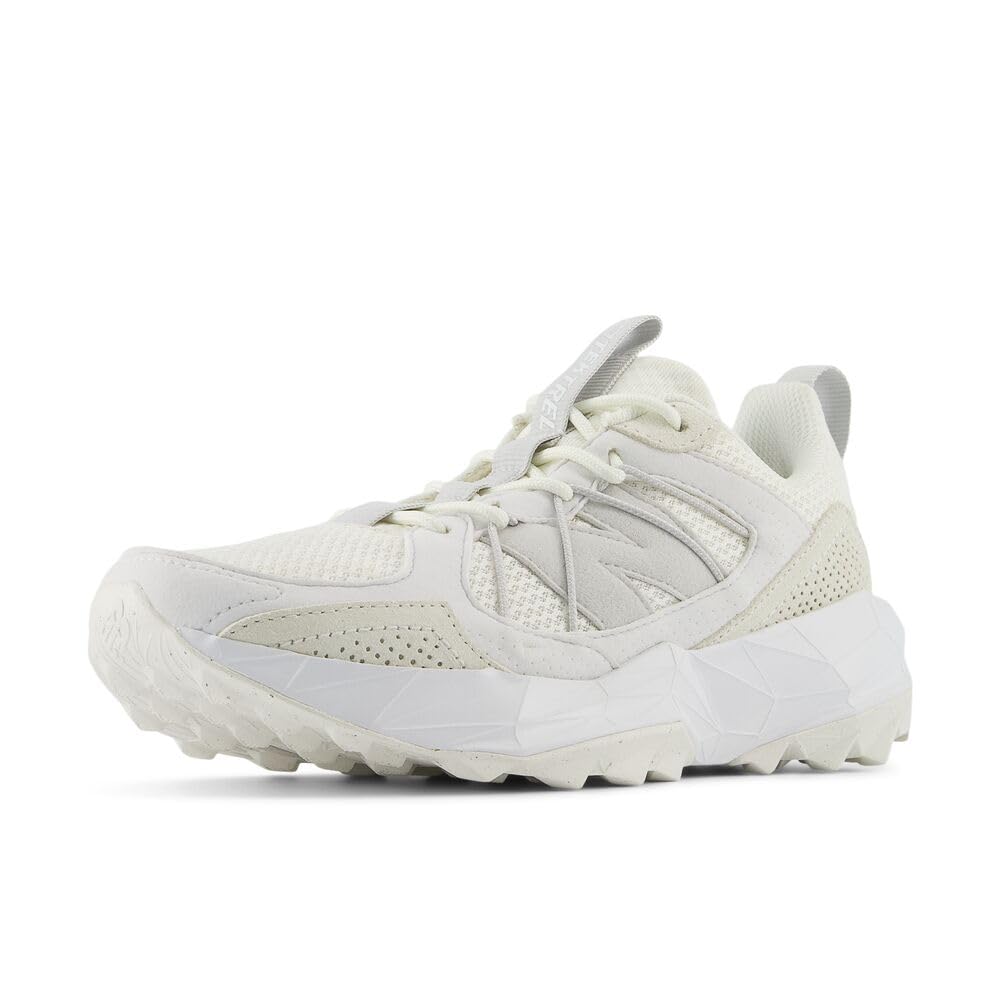
The Dynasoft Tektrel V1 is an entry-level hybrid that sits between a casual sneaker and a trail shoe. At 2.1 pounds per pair, it is noticeably heavier than dedicated trail runners, but the trade-off is a thick, supportive sole that handles uneven terrain well. Multiple reviewers noted excellent grip on slippery surfaces and a wide platform that inspires confidence on rocky sections.
Breathability is a strong suit here — the suede and mesh upper lets air move freely, making it a good warm-weather choice. However, the tongue runs unusually narrow, and the suede texture acts as a magnet for pet hair and lint. Buyers with pets should consider a different color or material.
On flat concrete, the sole felt stiff to some users. This shoe is best kept on trails where its grip and stability can shine. For short day hikes on a budget, it delivers reliable performance without breaking the bank.
Why it’s great
- Excellent grip on wet rock and dirt
- Supportive sole with wide platform
Good to know
- Narrow tongue can be uncomfortable
- Suede picks up lint and hair easily
2. New Balance Men’s Fresh Foam X Garoé V2 Trail Running Shoe

The Garoé V2 brings New Balance’s premium Fresh Foam X midsole to the trail category, offering plush cushioning that absorbs shock on long descents. One reviewer reported over 700 miles on the previous version before replacing it, a strong durability indicator. The upper is lightweight and breathable, and the outsole grips well on both pavement and dirt.
Despite the excellent cushioning, arch support is notably absent — several buyers with flat feet recommended adding aftermarket insoles. The fit runs about half a size larger than Adidas or Brooks, so sizing down may be necessary. Some visible glue on the upper was reported, though it did not affect performance.
On indoor tile, the outsole feels slick, but on trails it delivers reliable traction. This shoe is ideal for fast-paced day hikes and trail runs where comfort under foot is the priority over technical climbing features.
Why it’s great
- Plush Fresh Foam X cushioning
- Proven durability beyond 700 miles
Good to know
- No arch support — needs aftermarket insoles
- Runs half size large
3. Brooks Men’s Caldera 8 Ultra Trail Running Shoe
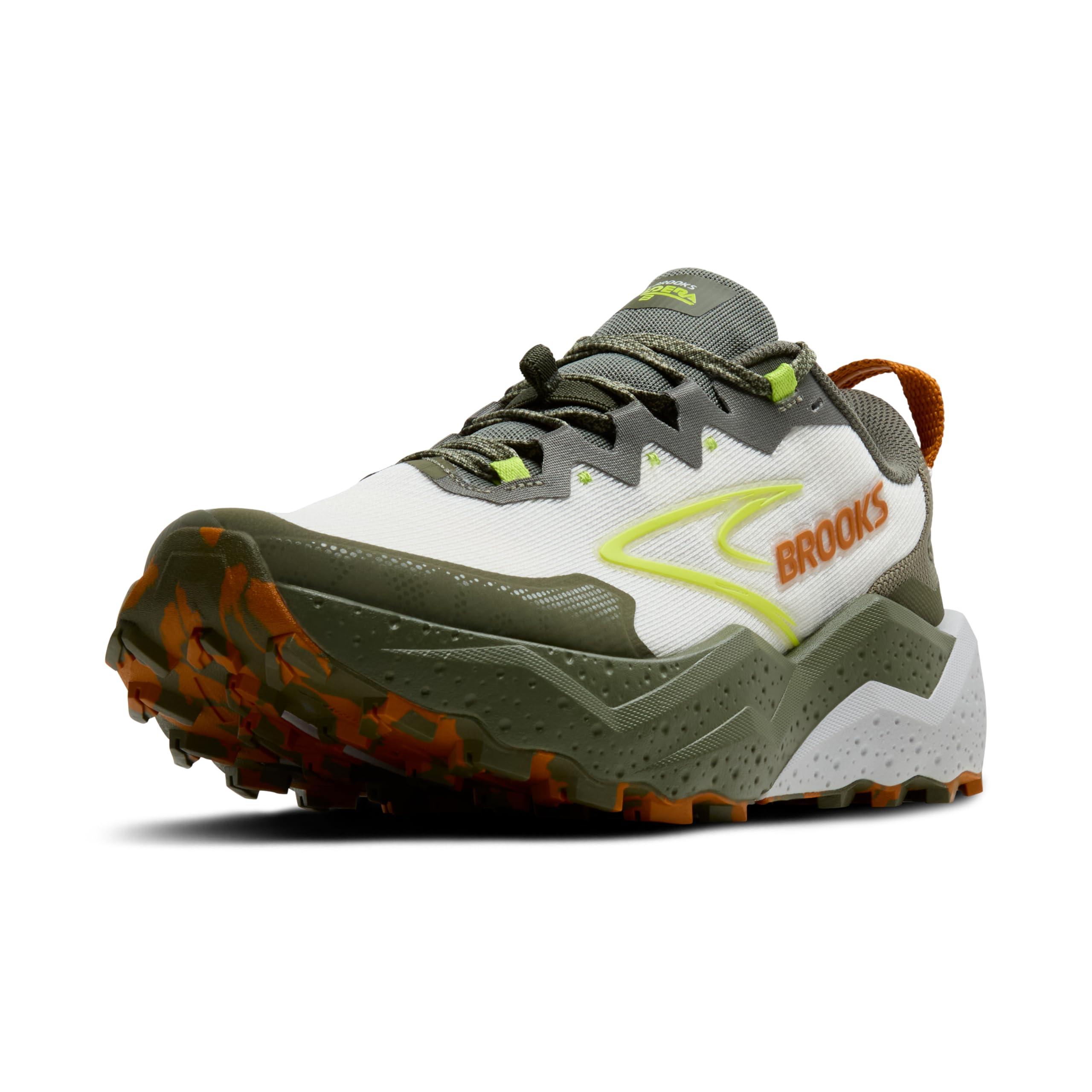
Brooks builds the Caldera 8 as its maximalist trail shoe, and the stack height is immediately noticeable — it delivers exceptional cushioning that surpasses the Topo Ultraventure 4 and many Hoka models. Reviewers consistently rated its stability and traction higher than competitors, with one calling it perfectly bouncy for serious trail performance.
The fit is true to size, and the shoe works well for long work shifts or all-day wear thanks to its arch support for flat feet. The upper is light and the outsole handles rough, slippery surfaces without issue. It also looks good enough for casual use.
This is not a shoe for technical scrambles or ultra-light fastpacking. It is built for high-mileage days where cushioning and comfort trump weight. If you want a plush ride that still feels stable under a pack, the Caldera 8 is a top contender.
Why it’s great
- Maximalist cushioning with stability
- Good arch support for flat feet
Good to know
- Heavier than minimalist trail runners
- Not ideal for technical scrambles
4. ALTRA Men’s Lone Peak 9 Trail Running Shoe
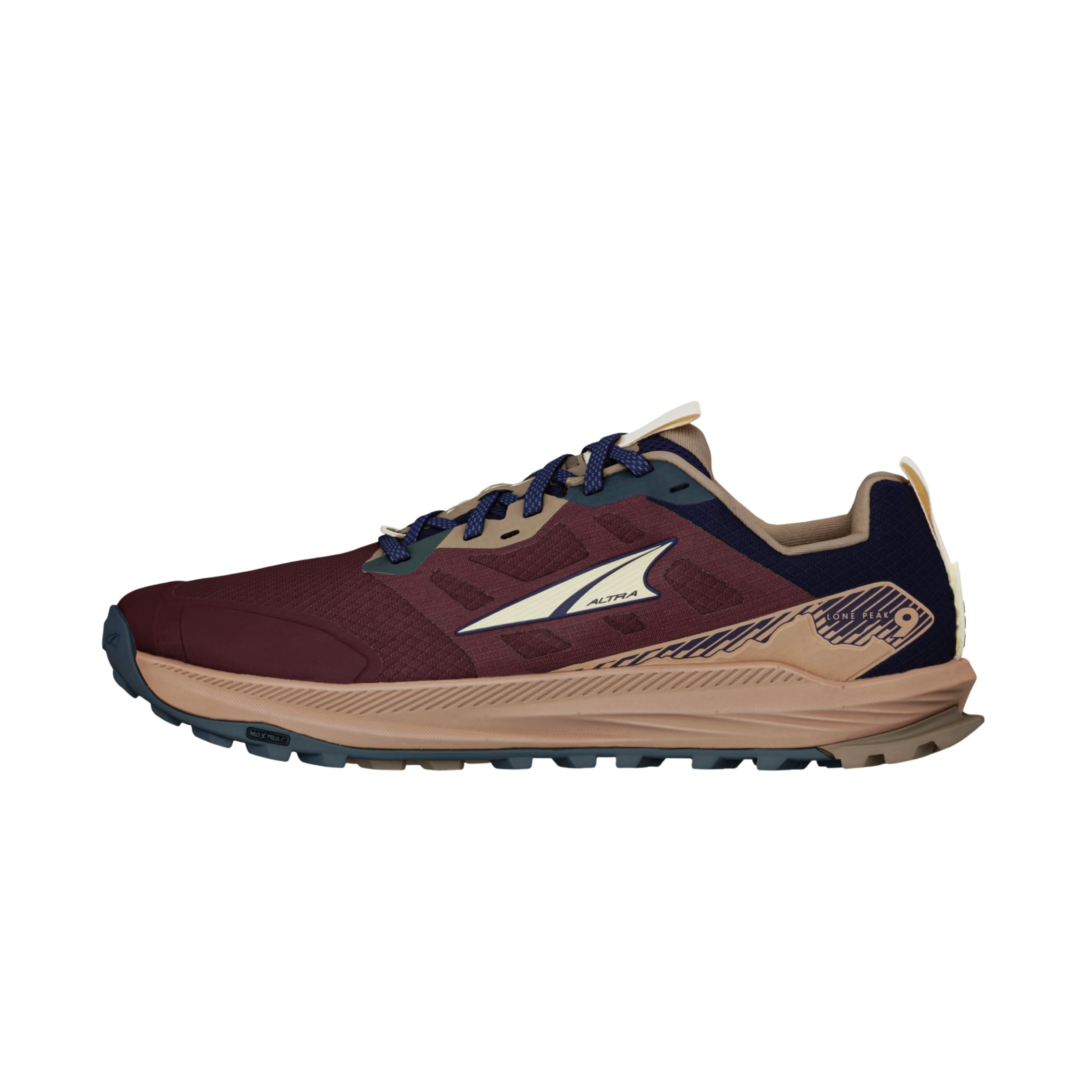
The Lone Peak 9 is the benchmark for zero-drop trail shoes, offering a flat platform and a wide toe box that lets your toes spread naturally. The MaxTrac outsole uses 4 mm lugs that bite into mud, snow, and dry rock equally well. One reviewer put hundreds of kilometers on them in the Colorado mountains and called them the best trail shoes they have ever owned.
Fit is important here — the shoe runs large, and most buyers recommend sizing down half a size. The standard width is generous enough for most wide-footed hikers, and the wide version is enormous. The upper is breathable and the midsole provides moderate cushioning that works for both running and hiking.
If you have never worn zero-drop shoes, plan a transition period to let your calves and Achilles adapt. Once adjusted, the natural stride reduces knee and hip impact. The Lone Peak 9 is a top pick for anyone who values foot health and a connected feel on the trail.
Why it’s great
- Wide toe box eliminates toe crowding
- MaxTrac outsole grips on all surfaces
Good to know
- Runs large — size down half a size
- Requires transition period for zero drop
5. ALTRA Women’s Lone Peak 8 Trail Running Shoe
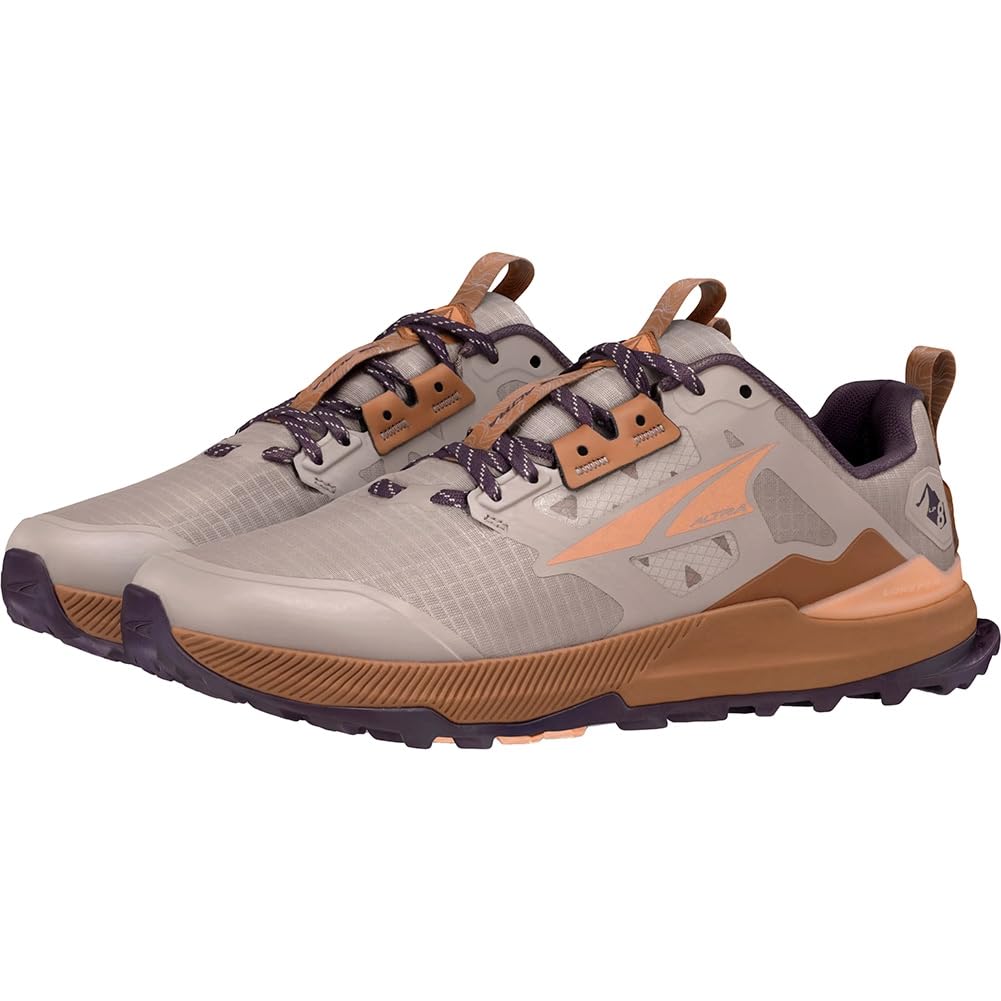
The women’s Lone Peak 8 is ALTRA’s most popular trail shoe for good reason. The wide toe box eliminates the toe-pinching pain that plagues narrow shoes on steep, rocky hikes. One reviewer is on her sixth pair, citing consistent comfort and reduced foot fatigue even after five-mile slogs over loose terrain.
The MaxTrac outsole provides stellar grip on loose dirt and rock, and the toe guard protects the fabric from abrasion. The shoes are compatible with gaiters, a nice touch for sandy or snowy conditions. The blue slate denim color hides stains well and looks good on the trail.
Half a size up is recommended for those who want extra room for thick socks or swelling on long days. The zero-drop platform takes a few hikes to get used to, but loyalists swear by the natural stride it encourages. For women with wide feet or a history of foot pain, this shoe is a game-changer.
Why it’s great
- Eliminates foot pain with wide toe box
- Stellar grip on loose rock and dirt
Good to know
- Zero drop requires adaptation period
- Best with half size up for thick socks
6. Merrell Women’s Moab 3
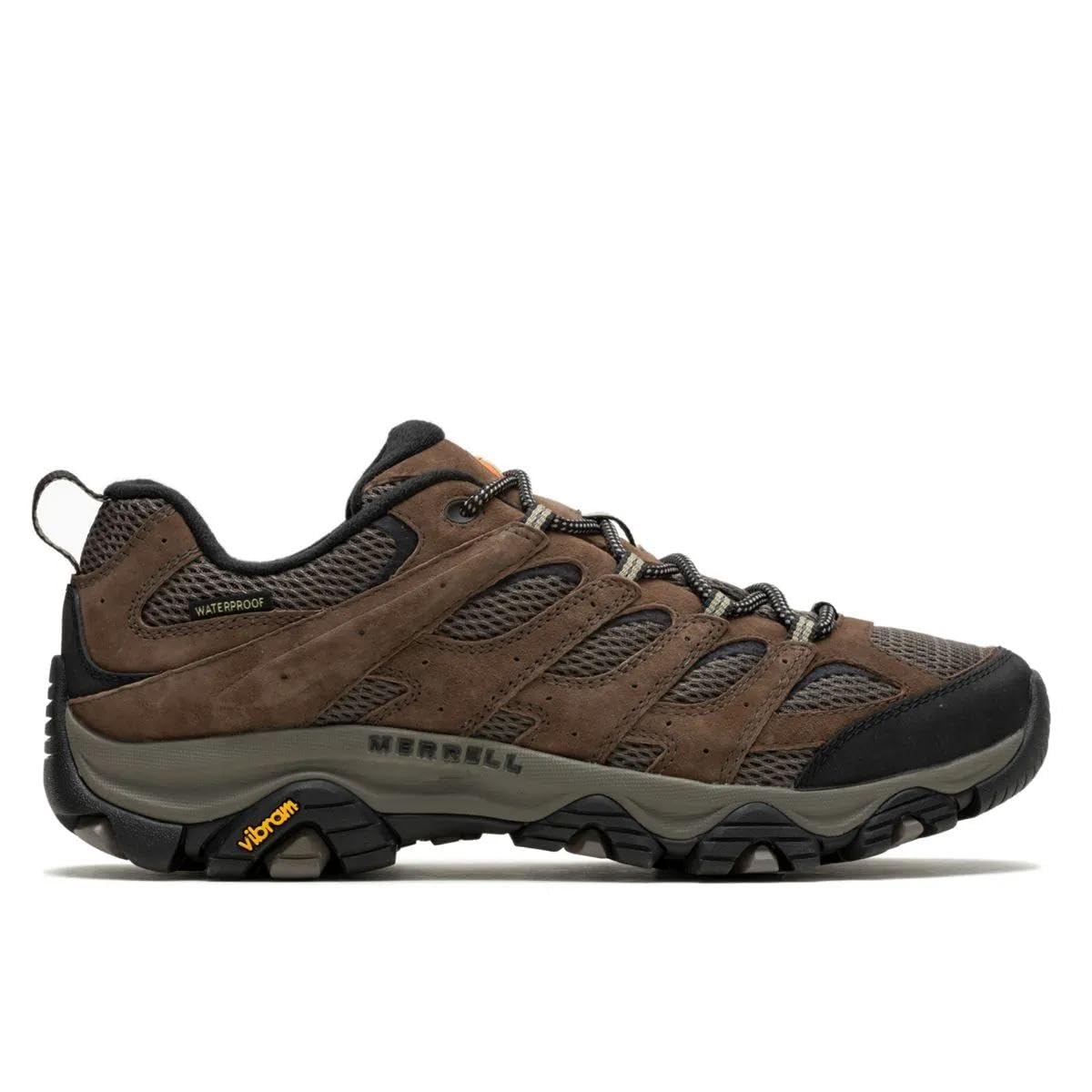
The Moab 3 is a legend in the hiking community, and for this women’s version, the formula stays true: a Vibram TC5+ outsole, a supportive midsole, and an upper that needs zero break-in. Reviewers wore them straight out of the box on long mountain hikes with no hot spots. The aggressive tread handles loose gravel and muddy sections without slipping.
True to size for most, though some buyers with wider feet found the standard width snug and recommended ordering a wide. The waterproof GTX version is the gold standard for wet conditions, but the non-GTX version’s membrane has been reported to leak by some users — spending extra for Gore-Tex is a smart move. The tongue is thickly padded, adding comfort over the instep.
If you want a zero-drama boot that works for everything from day hikes to multi-day trips, the Moab 3 is the safe bet. It is not the lightest or most technical shoe, but its reliability is unmatched at this tier.
Why it’s great
- Zero break-in period required
- Vibram outsole offers excellent traction
Good to know
- Non-GTX version may leak in heavy rain
- Runs slightly small for some foot shapes
7. Columbia Konos TRS Outdry
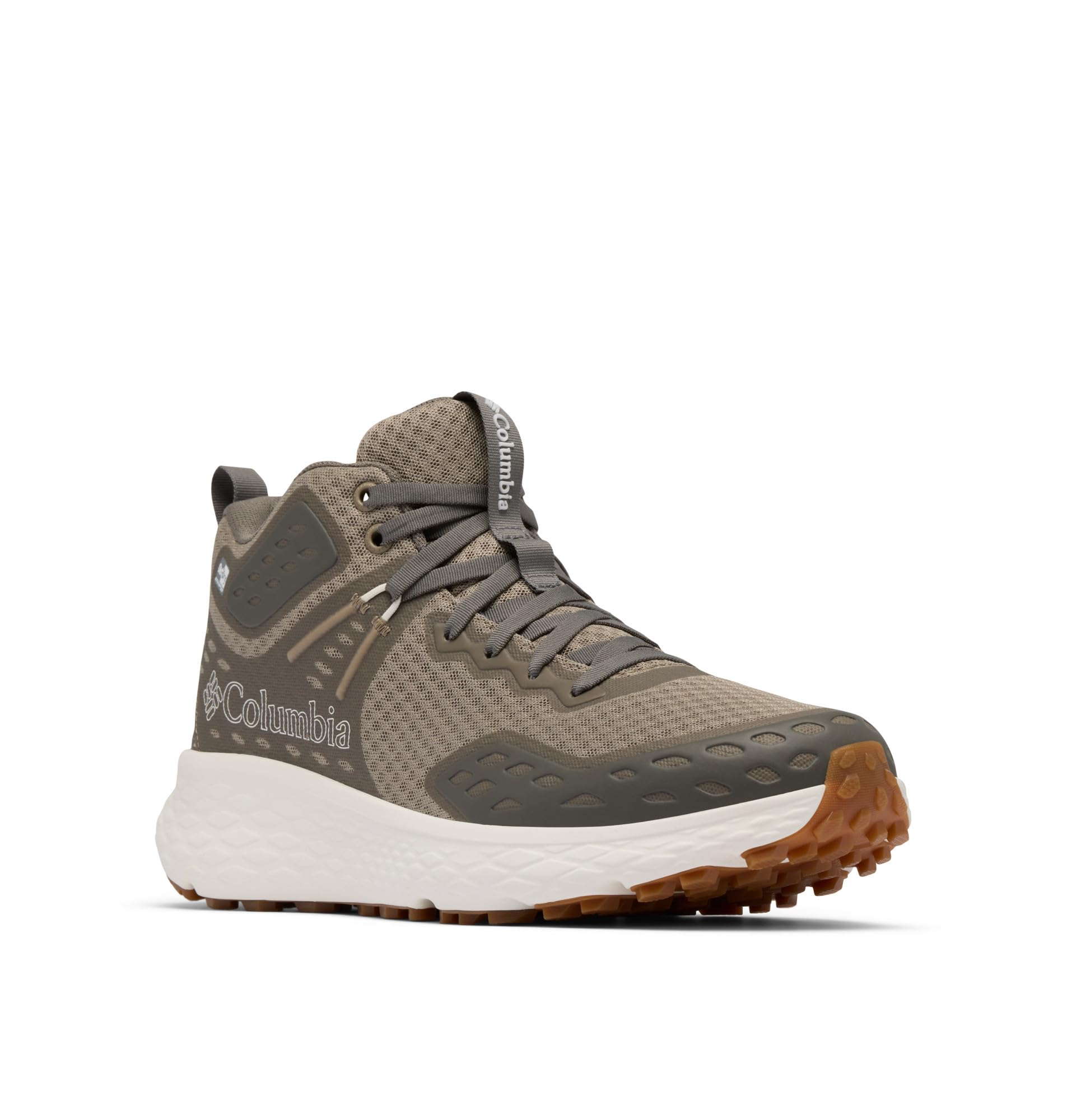
The Konos TRS Outdry features Columbia’s proprietary Outdry waterproof membrane, which is bonded directly to the upper rather than being a separate bootie. This construction reduces water ingress points and keeps feet dry in sustained rain. Reviewers confirmed the waterproofing works well, though the membrane makes the shoe warmer than non-waterproof options.
The fit is generous through the forefoot, accommodating bunions and wider feet without pressure points. Arch support and cushioning are well-balanced, with one 300-pound reviewer reporting zero blisters after a 20-mile hike. The outsole grips well on steep, wet terrain, boosting confidence on slick descents.
The most common complaint is noise — the Outdry membrane creates a squeaking sound on smooth floors. This is a non-issue on dirt trails but could be annoying for daily wear. If your priority is staying dry through creek crossings and rain, the Konos TRS Outdry delivers.
Why it’s great
- Reliable Outdry waterproof membrane
- Roomy forefoot fits bunions well
Good to know
- Squeaks loudly on smooth surfaces
- Runs warm in hot weather
8. KEEN Men’s Targhee 4 Low Height Durable Comfortable Waterproof Hiking Shoes

The Targhee 4 Low is the latest iteration of KEEN’s most beloved hiker, and it maintains the brand’s signature wide toe box and burly toe cap protectio. Multiple repeat buyers call it the most comfortable shoe they have worn, with one customer on his fifth pair. The KEEN.DRY waterproof membrane keeps feet dry through creek crossings and wet grass.
The outsole uses KEEN’s proprietary rubber compound that grips well on rock and dirt. The low-top design offers less ankle support than a mid boot, but the stable platform and generous fit reduce fatigue. One reviewer noted that the shoes made his feet hurt after a short walk — a reminder that fit varies by individual foot shape.
If you have wide feet or need a roomy toe box for toe splay, the Targhee 4 is a top-tier choice. It is heavier than trail runners but built to last seasons on rugged terrain. The durability is outstanding, with owners reporting years of use on farms and rocky trails.
Why it’s great
- Wide toe box and burly toe cap
- Exceptional durability for rough use
Good to know
- Heavier than most trail runners
- Fit may not suit all foot shapes
9. Saucony Men’s Xodus Ultra 4
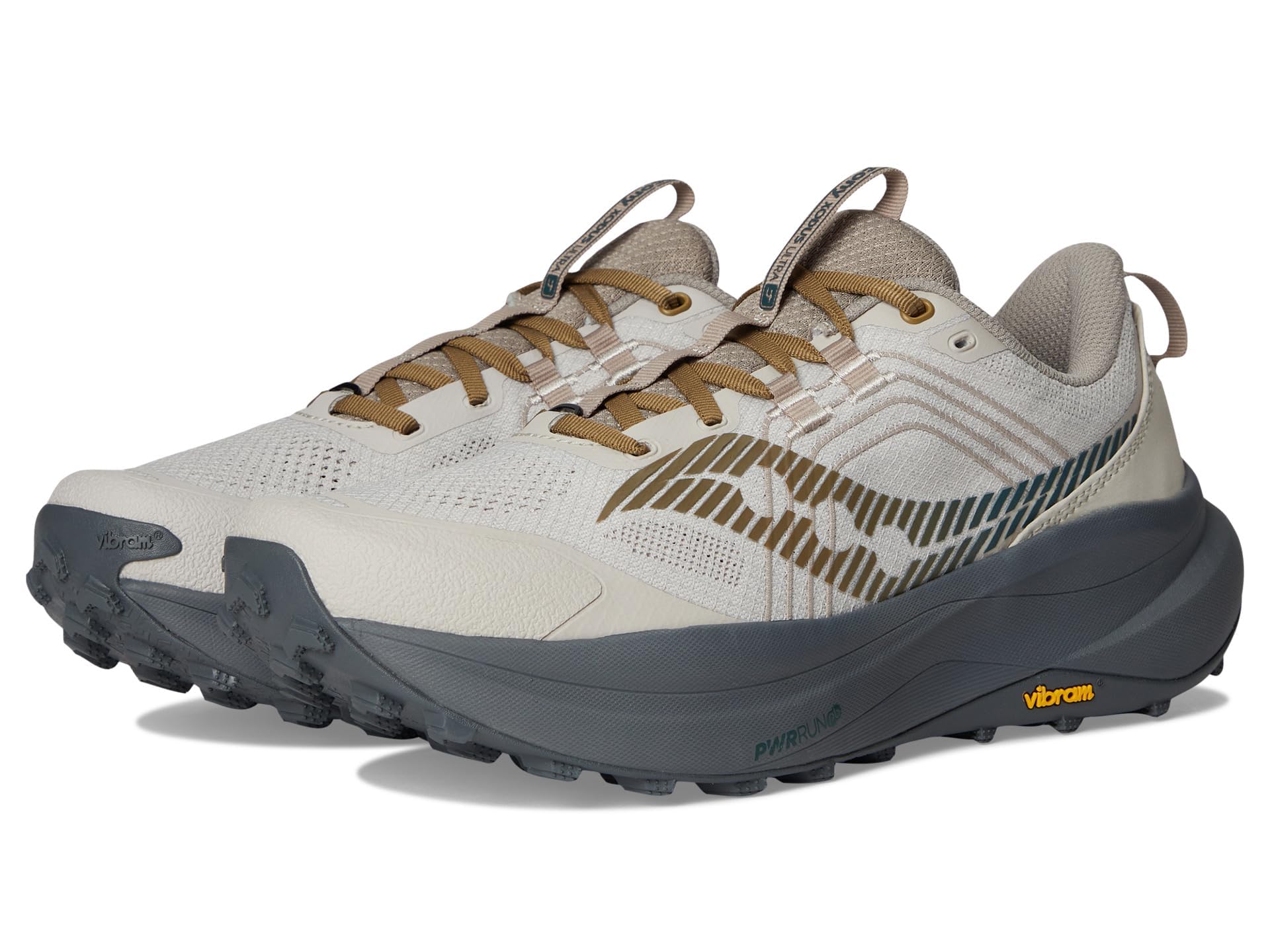
The Xodus Ultra 4 uses Saucony’s PWRRUN PB midsole, which is firm and dense rather than plush — a deliberate choice for runners who want ground feel and energy return on technical terrain. One reviewer completed a 50k race in them with zero foot issues, noting they are not the fastest shoe but excel at a steady 9-minute-mile pace.
The fit is true to size, and the upper is comfortable straight out of the box. A podiatrist even recommended them to a patient recovering from a broken foot. Durability is a concern at the heel collar, where the lining can wear quickly under heavy hiking use.
If you prioritize responsiveness and stability over pillowy softness, the Xodus Ultra 4 is a strong option. It shines on rocky singletrack and long, steady climbs. For hikers who run parts of their route or cover high daily mileage, this shoe offers the precision they need.
Why it’s great
- Firm, responsive PWRRUN PB midsole
- Proven for 50k+ race distances
Good to know
- Heel lining wears quickly with heavy use
- Firm feel not for plush cushion fans
FAQ
Are zero-drop backpacking shoes worth the transition?
What is the ideal lug depth for a backpacking shoe?
Final Thoughts: The Verdict
For most users, the best backpacking shoes winner is the Brooks Caldera 8 because it combines maximalist cushioning with excellent stability, making it forgiving on long, high-mileage days without sacrificing control. If you want ALTRA Lone Peak 9 its zero-drop platform and wide toe box give your feet natural freedom, a huge benefit on technical descents. And for KEEN Targhee 4 Low its bombproof construction and generous fit make it the choice when durability and protection matter most.

Mo Maruf
I created WellFizz to bridge the gap between vague wellness advice and actionable solutions. My mission is simple: to decode the research and give you practical tools you can actually use.
Beyond the data, I am a passionate traveler. I believe that stepping away from the screen to explore new environments is essential for mental clarity and physical vitality.