Our readers keep the lights on and my smoothie glass nicely filled. As an Amazon Associate, I earn from qualifying purchases.
Managing a diabetic foot ulcer means walking a tightrope between keeping the wound clean and avoiding further tissue damage. The wrong cream can sting, dry out the bed, or fail to create the moist environment that slow-healing skin desperately needs.
I’m Mohammad Maruf — the founder and writer behind WellFizz. I analyze medical-grade compounds, dressing compatibility, and wound-healing protocols to separate over-the-counter helpers from prescription-grade tools you should never grab without a doctor’s nod.
After researching formulations, reviewing clinical feedback, and parsing the active ingredients that matter most for compromised skin, here is the definitive guide to the best antibiotic cream for diabetic foot ulcer.
How To Choose The Best Antibiotic Cream For Diabetic Foot Ulcer
Diabetic foot ulcers are no ordinary scrapes. They demand a dressing that balances moisture, prevents bacterial overgrowth, and doesn’t cause additional pain upon application. Here’s what to consider before buying.
Active Ingredient Profile
Look for formulations with povidone iodine, sodium hypochlorite, or silver ions rather than traditional triple-antibiotic ointments. These compounds cover a broader microbial spectrum and don’t carry the same risk of contact dermatitis that neomycin or bacitracin can trigger on already fragile skin.
Moisture Balance over Drying
Diabetic ulcers heal best in a moist environment. Hydrogel and hydrophilic gel bases (over 90% water content) hydrate the wound bed, prevent scab formation, and allow epithelial cells to migrate across the surface. Avoid alcohol-based tinctures that desiccate tissue and delay closure.
Compatibility with Secondary Dressings
The cream or gel must work under gauze, foam, or alginate dressings without breaking down or causing the dressing to adhere to the wound. Non-sterile tube contamination is a real risk, so choose products with narrow-mouth tubes that minimize backflow.
Quick Comparison
On smaller screens, swipe sideways to see the full table.
| Model | Category | Best For | Key Spec | Amazon |
|---|---|---|---|---|
| Anasept Antimicrobial Gel | Antimicrobial Gel | Deep wound cleaning & infection prevention | Sodium hypochlorite 0.057% | Amazon |
| Sheffield Povidone Iodine (2-pack) | Iodine Ointment | Ulcer disinfection without sting | 10% povidone iodine, alcohol-free | Amazon |
| Dimora Silver Hydrogel | Silver Hydrogel | Burn-type ulcers & scar minimization | Silver ions, over 90% water | Amazon |
| Dermagran-B Hydrophilic Gel | Nutrient Gel | Slow-healing ulcers needing zinc & vitamins | Zinc, Vitamins A & B6 | Amazon |
| Sheffield Povidone Iodine (single) | Iodine Ointment | First-aid & minor diabetic abrasions | 10% povidone iodine, 1 oz tube | Amazon |
In‑Depth Reviews
1. Anasept Antimicrobial Skin & Wound Gel
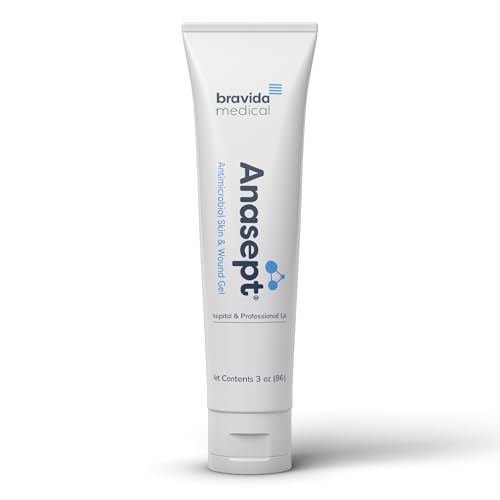
This is the formulation that wound care specialists often reach for in clinical settings. The active ingredient, sodium hypochlorite at 0.057%, provides broad antimicrobial coverage without the stinging sensation associated with alcohol or hydrogen peroxide. Patients with diabetic neuropathy still retain protective sensation in some areas, so a non-burning gel is a genuine quality-of-life improvement during dressing changes.
The gel consistency is thin enough to spread easily over the ulcer bed but thick enough to stay in place under a secondary foam or gauze dressing. Users report that deep wounds — including post-infection cavities — begin to fill with granulation tissue within 48 hours of consistent use. The medical-grade production standards (manufactured by Bravida Medical) mean the tube design minimizes contamination risk.
Because it is an antimicrobial cleanser rather than an antibiotic, it does not contribute to bacterial resistance in the same way. Fragrance-free and allergen-friendly, it is suitable for even the most reactive skin. The 3-ounce tube is generous for a single ulcer treatment cycle, making it a premium yet practical choice for ongoing care.
Why it’s great
- Hospital-grade sodium hypochlorite formula effective against biofilm
- No alcohol or sting, easy to apply directly to open wounds
- Odorless and clear, won’t stain clothing or dressings
Good to know
- Higher per-ounce cost compared to iodine-based alternatives
- Must avoid contaminating the tube tip by direct wound contact
2. Sheffield Povidone Iodine Antiseptic Ointment (2-Pack)

This two-pack delivers the identical 10% povidone iodine concentration that surgeons prefer — without the alcohol sting that makes iodine tincture unbearable on open ulcers. Users report that diabetic skin ulcers and toe infections respond within days, often replacing prescription antibiotic ointments that had plateaued in effectiveness. The ointment base is thicker than liquid betadine, so it stays on the wound rather than running off.
Application is simple: squeeze a pea-sized amount onto a clean gloved finger or sterile applicator and spread evenly over the ulcer. Because it forms a protective barrier, you can follow it with a non-stick dressing. The dual-tube format means one goes in the medicine cabinet while the other stays in a travel kit or wound-care bag. Multiple reviews from caregivers confirm that doctors specifically recommended this product for leg and foot blisters related to diabetes.
Iodine has a long history of killing bacteria, fungi, and even some viruses, making it one of the broadest-spectrum options available without a prescription. The 2027 expiration date on these tubes gives you ample shelf life. Just be aware that iodine can stain fabrics and skin temporarily, so careful application is advised.
Why it’s great
- Two tubes for the price of one single tube of competitor brands
- Alcohol-free formula eliminates the burn of traditional iodine
- Doctor-recommended for diabetic foot blisters and skin ulcers
Good to know
- Ointment can stain light-colored clothing and bedding
- Not suitable for known iodine allergies
3. Dimora Silver Hydrogel Gel Wound Dressing (3-Pack)
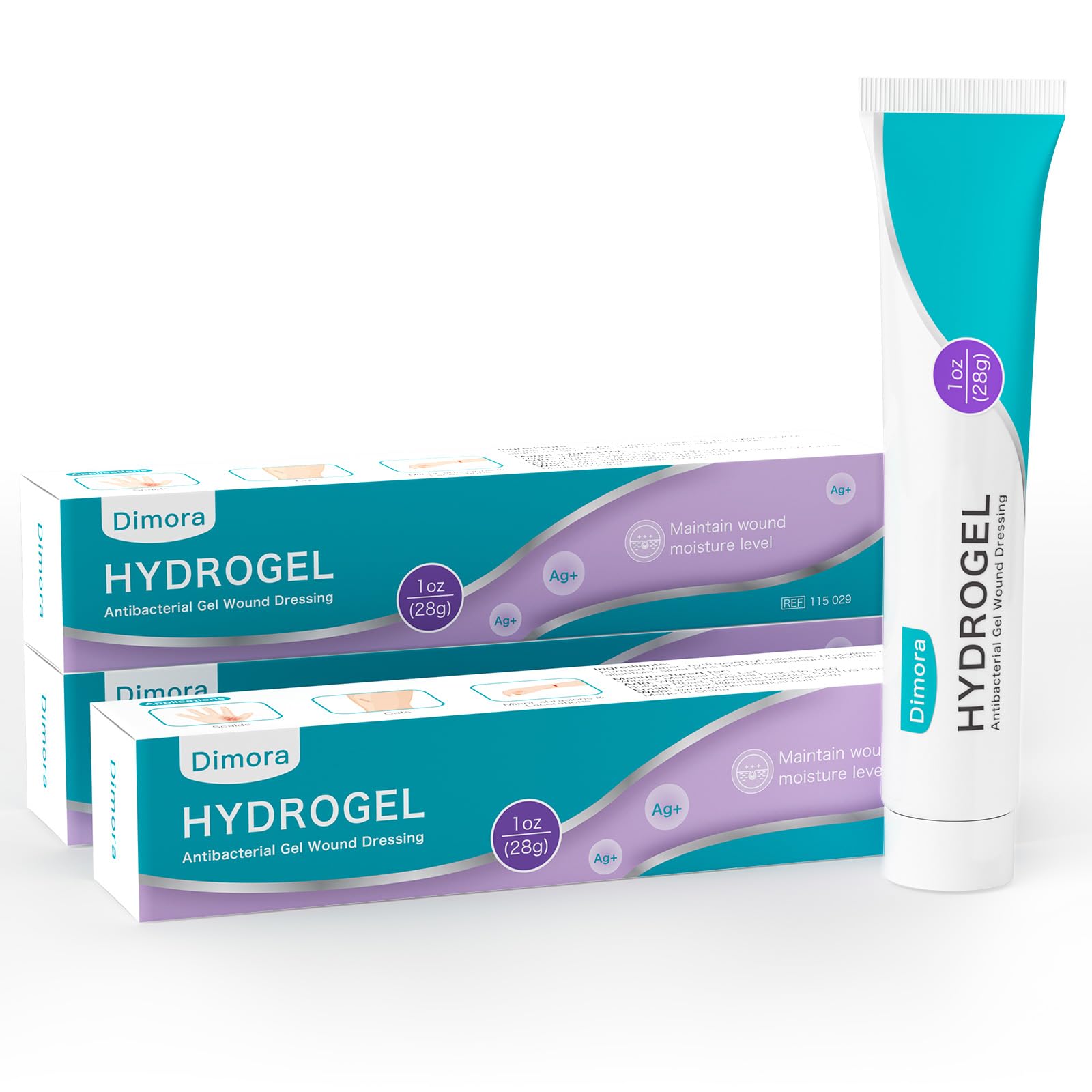
For diabetic foot ulcers that sit in a dry environment or have begun to form a hard eschar, this silver-infused hydrogel delivers exactly what the wound bed craves: moisture. With over 90% water content, the gel hydrates the tissue while the silver ions provide an antimicrobial shield against common pathogens like Staphylococcus and Pseudomonas. It is dye-free and fragrance-free, reducing the chance of irritation on already sensitive periwound skin.
The three-pack format — three 3-ounce tubes — gives you enough volume to treat a moderate ulcer over several weeks without reordering. Application requires a secondary dressing (foam or gauze) to keep the gel in place, and the manufacturer recommends changing the dressing every one to three days depending on drainage levels. Patients recovering from mastectomy and those with heel blisters have reported faster healing and less scarring after switching to this gel from traditional antibiotic creams.
One important caveat: the clear gel can be difficult to see on the wound, making it easy to apply too much or too little. Start with a thin layer and check coverage with good lighting. For ulcers with heavy exudate, a more absorbent dressing may be needed on top to prevent maceration of the surrounding skin.
Why it’s great
- High water content creates the moist environment diabetic ulcers need
- Silver ions provide broad antimicrobial coverage without antibiotics
- Three-pack offers excellent total volume for chronic wound care
Good to know
- Transparent gel makes visual confirmation of coverage tricky
- Requires a secondary dressing; not a standalone solution
4. Dermagran-B Hydrophilic Wound Dressing Gel

What sets this gel apart from the rest is its active nutrient profile: zinc, vitamin A, and vitamin B6 are incorporated into the hydrophilic base to actively support cell proliferation. While most wound products focus solely on infection control, Dermagran-B addresses the nutritional deficit that often slows healing in diabetic patients. The hydrophilic nature means it draws moisture from the dressing into the wound bed, keeping the surface from drying out.
Nurses and wound care specialists have trusted this formulation since the 1990s. The reviews consistently mention that it speeds healing within one to two days for abrasions, burns, and ulcers. Users describe a light texture that absorbs well without leaving a sticky residue, and the gel helps prevent bandages from adhering to the wound — a significant pain point for patients who change dressings daily.
It is important to massage the tube before each use to re-emulsify the ingredients, as the zinc and vitamin particles can settle during storage. The single 3-ounce tube is a mid-range volume, suitable for a single ulcer or multiple smaller wounds. If the wound has signs of active infection (purulent drainage, redness spreading, fever), a pure antimicrobial should be used in conjunction or as a first step before applying this nutrient gel.
Why it’s great
- Zinc and vitamin complex actively supports epithelial cell growth
- Hydrophilic base prevents bandages from sticking to the wound
- Light texture absorbs well without greasy residue
Good to know
- Must massage tube to re-emulsify before each application
- Does not contain a potent antimicrobial agent for infected wounds
5. Sheffield Povidone Iodine Antiseptic Ointment (Single Tube)
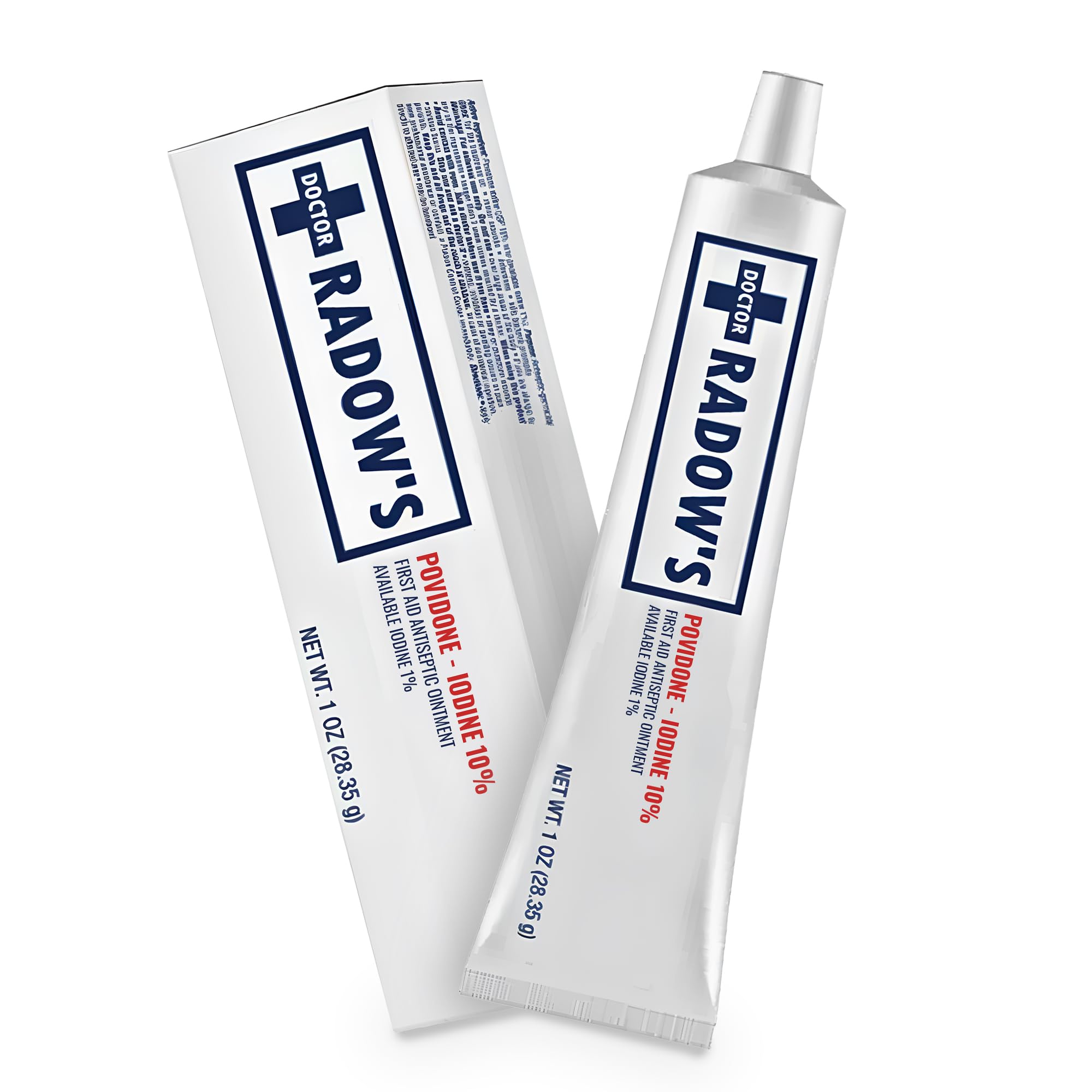
If you need a compact, no-fuss option to keep in a diabetes supply bag or medicine cabinet, this single 1-ounce tube of 10% povidone iodine hits the mark. The alcohol-free ointment applies cleanly with fingertips and provides the same broad-spectrum disinfection as the two-pack sibling. For an early-stage diabetic foot ulcer or a small abrasion that needs immediate antimicrobial coverage, this tube is enough for roughly 10 to 15 applications depending on wound size.
The ointment base has a smooth, spreadable consistency that coats the entire ulcer surface and creates a physical barrier against environmental contaminants. Users appreciate that it does not run or drip like liquid betadine, making it easier to apply on curved areas like the heel or between toes. Multiple verified reviews note that doctors specifically recommended switching to this ointment for diabetic foot blisters, with visible improvement in inflammation within 48 hours.
Because the tube is only 1 ounce, heavy users or those treating larger ulcers will run out quickly and should consider the two-pack version instead. While iodine is effective against a wide pathogen range, it can temporarily stain healthy skin orange — a cosmetic issue that has no effect on healing but may be bothersome for some patients.
Why it’s great
- Alcohol-free iodine ointment with zero sting on open ulcers
- Compact 1-ounce tube fits in any medical kit or travel bag
- Doctor-recommended for diabetic leg and foot wounds
Good to know
- Small tube size limits duration of use for larger ulcers
- Iodine can cause temporary orange staining on intact skin
FAQ
Can I use Neosporin on a diabetic foot ulcer?
Is alcohol-free iodine ointment safe for open wounds?
How often should I change the cream and dressing on a foot ulcer?
Final Thoughts: The Verdict
For most users, the best antibiotic cream for diabetic foot ulcer winner is the Anasept Antimicrobial Skin & Wound Gel because its sodium hypochlorite formula clears biofilm without stinging — exactly what a chronic ulcer needs. If you want the broadest antimicrobial coverage at a better per-unit cost, grab the Sheffield Povidone Iodine 2-Pack. And for a dry, slow-healing ulcer that needs moisture and nutrients, nothing beats the Dermagran-B Hydrophilic Gel.

Mo Maruf
I created WellFizz to bridge the gap between vague wellness advice and actionable solutions. My mission is simple: to decode the research and give you practical tools you can actually use.
Beyond the data, I am a passionate traveler. I believe that stepping away from the screen to explore new environments is essential for mental clarity and physical vitality.