Our readers keep the lights on and my smoothie glass nicely filled. As an Amazon Associate, I earn from qualifying purchases.
Nerve damage steals sensation, but the wrong pair of boots can steal your mobility too. The daily reality of diabetic neuropathy means you’re choosing footwear blind to pressure points, seam ridges, and hidden friction that can turn a short walk into a painful ordeal. Every step demands cushion that absorbs shock without compressing, a toe box that lets numb toes spread without rubbing, and a sole that grounds your foot so your brain knows where the ground is.
I’m Mohammad Maruf — the founder and writer behind WellFizz. I’ve spent years analyzing orthopedic construction, depth measurements, and closure systems to match the specific pressure-distribution needs of neuropathic feet.
Whether you need work-ready protection or all-day warmth, finding the right boots for diabetics with neuropathy starts with understanding how depth, width, and internal seam construction interact with reduced sensation.
How To Choose The Best Boots For Diabetics With Neuropathy
Selecting boots when you have neuropathy isn’t about style or brand loyalty — it’s about mitigating three distinct risks: pressure injury from tight spots, instability from poor ground feel, and circulation restriction from improper fit. Here is what the research and real-user feedback say matters most.
Extra Depth Over Extra Width
Standard wide boots widen the forefoot but keep the same top-to-bottom volume. Neuropathy often requires “extra depth” construction, which adds vertical room for custom orthotics, toe crests, and swollen insteps. Without that vertical space, the top of the foot bears pressure that mimics a tourniquet. Look for brands that explicitly state “extra depth” or “therapeutic depth” in their specs rather than just “wide.”
Closure Systems That Minimize Effort and Friction
Traditional laces require bending, tying tension you cannot feel, and repeated tugging that strains fragile skin. Velcro straps and side zippers let you set the fit once and slip in and out without re-tying. The ideal system combines a zipper for entry with an adjustable upper strap or bungee lace to fine-tune pressure as swelling fluctuates throughout the day.
Outsole Design for Proprioceptive Loss
When nerve damage reduces your ability to sense the ground angle, a flat, rigid outsole can cause ankle rolls. A rocker-bottom profile or a multi-directional tread pattern with a wide heel base provides tactile feedback through the footbed. Boots with a defined heel cup and a slight toe spring help transfer weight smoothly during the gait cycle, reducing the stabbing sensation many feel on heel strike.
Quick Comparison
On smaller screens, swipe sideways to see the full table.
| Model | Category | Best For | Key Spec | Amazon |
|---|---|---|---|---|
| Orthofeet Graphite | Work Boot | Composite toe protection | Hands-free slip-on, 2E-6E | Amazon |
| Dr. Comfort Boss | Dress Boot | All-day standing/walking | Extra depth, 2 removable insoles | Amazon |
| Dr. Comfort Ranger | Hiking Boot | Light outdoor treks | Stretch elastic instep | Amazon |
| Propet Cliff Walker | Tall Boot | High swelling, heavy work | 3 Velcro straps, 3E/5E width | Amazon |
| Orthofeet Ryder | Casual Boot | AFO compatibility | Dual rear zippers, metal grommets | Amazon |
| Orthofeet Alps (Women’s) | Snow Boot | Cold weather, bunions | Waterproof, fur lining, dual inserts | Amazon |
| Diabetic Winter Boot (Men’s) | Winter Boot | Snow/rain, ankle pain | Side zipper, waterproof leather | Amazon |
| FitVille Wide Hiking Boot | Hiking Boot | Moderate hiking, supination | X-wide toe box, shock-absorbing | Amazon |
| Propet Delaney (Women’s) | Casual Boot | Edema, orthotic fit | Zipper + laces, XX-wide | Amazon |
In‑Depth Reviews
1. Orthofeet Men’s Orthopedic Graphite Hands-Free Waterproof Slip Resistant Work Boot
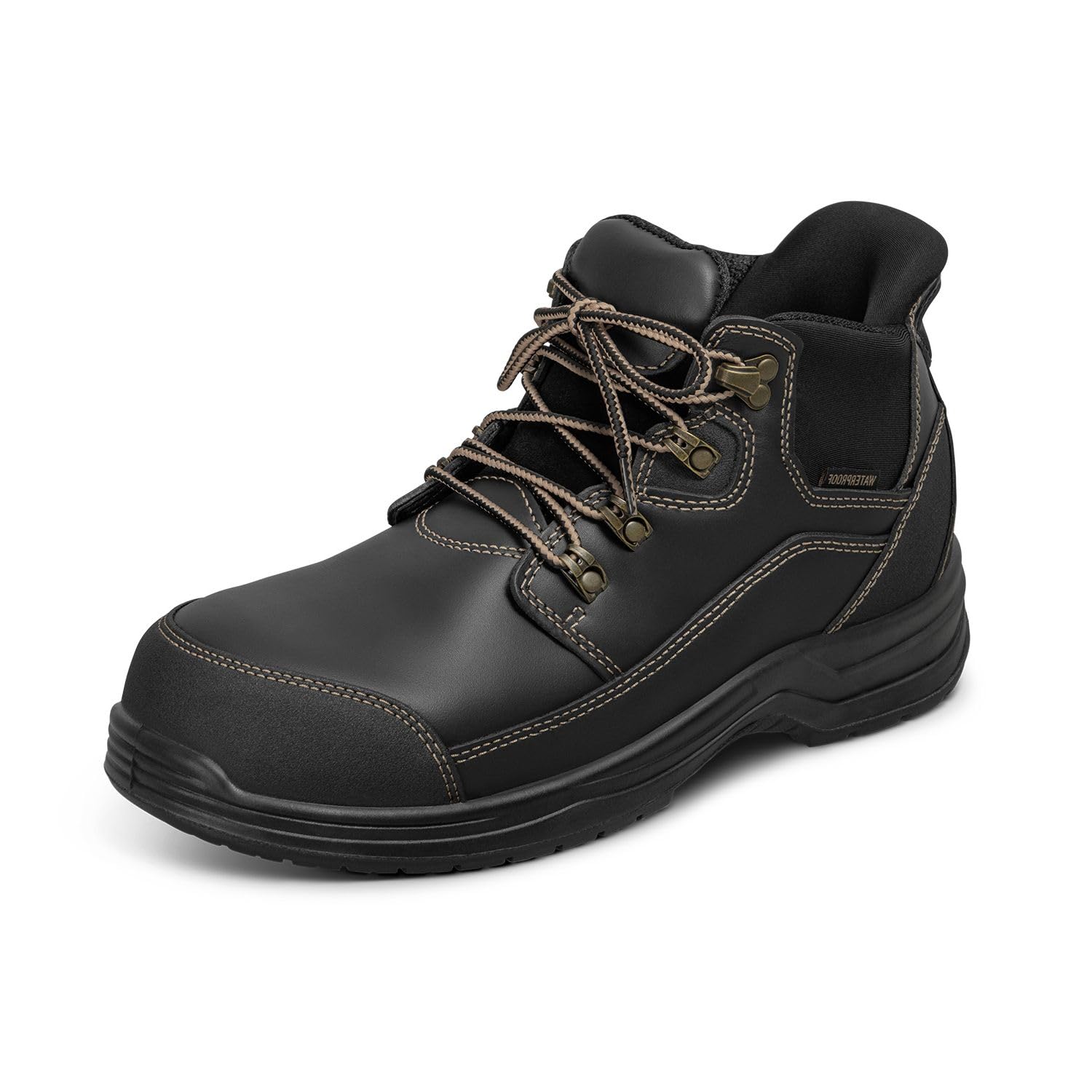
The Orthofeet Graphite addresses the most dangerous gap in the neuropathic boot market: safety-toe protection without internal pressure points. The slip-on design eliminates the need to bend over and re-tie throughout the day, which matters when peripheral neuropathy makes fine motor coordination harder. Users with calcium deposits and chronic foot pain report instant relief because the composite toe cap doesn’t compress the dorsum the way steel toes do.
The boot includes Orthofeet’s proprietary arch support system with multiple spacer layers, allowing you to dial in the exact volume for fluctuating edema. The slip-resistant outsole meets workplace safety standards while providing a stable platform that compensates for reduced ground feel. At roughly three pounds per boot, it stays light enough for 8-9 hour work shifts without fatiguing the hips and lower back.
One recurring note from users is that the boot runs large — buyers consistently recommend going down a full size. The leather upper requires conditioning to stay supple in dry climates. For anyone who needs a work-rated boot that doesn’t punish neuropathic feet, this is the closest thing to a clinical solution in a work-boot package.
Why it’s great
- True slip-on entry avoids repeated bending and fine lace adjustments.
- Composite toe offers safety without the cold-conducting or pressure issues of steel.
- Arch support system includes interchangeable spacers for custom volume control.
Good to know
- Runs significantly large; most users need to size down one full size.
- Upper leather is decent but benefits from periodic oiling to prevent drying.
2. Dr. Comfort Men’s Boss Diabetic Boots

The Dr. Comfort Boss is built on a dedicated therapeutic last that provides extra depth in the toe box and a non-binding instep, two non-negotiable features for neuropathic feet. The boot comes with two removable insoles, giving you the option to wear one for baseline cushion or both for maximum shock absorption if you have significant forefoot fat-pad atrophy. The full-grain leather upper is stiff out of the box but breaks in to form a stable cradle around the midfoot.
Ankle support is where the Boss separates itself from lighter diabetic shoes — the shaft height and padded collar stabilize the talus, reducing the wobble that occurs when proprioceptive signals are delayed. Users with custom orthotics find the extra depth accommodates 3/4-length and full-length devices without raising the heel too high. The outsole uses a deep tread pattern that grips wet pavement and loose gravel.
The leather weight is substantial at nearly two pounds per boot, which some users find fatiguing for all-day walking. A small number of reports mention the buckles snapping after extended use, though the lacing system remains functional if that occurs. For those who prioritize protection and structure over featherlight weight, the Boss delivers orthopedic-grade security.
Why it’s great
- Therapeutic extra-depth last accommodates custom orthotics and thick socks.
- High ankle collar provides stabilization for proprioceptive deficits.
- Full-grain leather and deep tread offer durable outdoor protection.
Good to know
- Heavy leather construction may cause fatigue during extended walking.
- Buckle hardware on some units has shown premature wear.
3. Dr. Comfort Ranger Men’s Therapeutic Diabetic Extra Depth Hiking Boot

The Dr. Comfort Ranger takes the therapeutic depth principles of the brand and packages them into a lighter, more flexible hiking silhouette. The bungee-style lacing system with a stretch elastic instep panel lets the boot expand as feet swell during the day, eliminating the need to stop and re-tie. This is particularly valuable for neuropathy patients whose edema fluctuates unpredictably.
The boot includes two insoles — one standard and one with airflow channels — that can be swapped or stacked depending on arch height and cushion preference. The outsole uses a multi-directional tread with moderate lug depth that handles grass, packed dirt, and pavement without feeling rigid. Users report all-day comfort without the 5 p.m. foot fatigue they experience in traditional hiking boots.
The thin, flat sole design provides less rock protection than a dedicated hiker, and some users note that the non-adjustable bungee laces can’t be cinched tight enough for narrow heels. Wearing a thicker sock or adding a gel insole mitigates both issues. For light recreational walking or daily errands where you need diabetic-friendly volume, the Ranger is a compelling middleweight option.
Why it’s great
- Stretch elastic instep accommodates daytime swelling without re-lacing.
- Includes two removable insoles for customized arch and cushion support.
- Lightweight construction reduces fatigue during extended wear.
Good to know
- Thin soles transmit sharp rocks; consider adding a gel insole for trail use.
- Bungee laces are non-adjustable and may not secure narrow heels firmly.
4. Propet Mens Cliff Walker Tall Hiking Casual Boots Ankle – Black

The Propet Cliff Walker is built for the user who needs maximum adjustability and a very high volume fit. The three independent Velcro straps replace traditional laces entirely, allowing you to set different tension at the instep, midfoot, and ankle. Users with severe edema report that this strap system accommodates morning swelling and evening shrinkage without ever feeling tight or loose.
The boot is available in 4E and 5E widths with a tall toe box, making it one of the few options for men who need diabetic footwear at the extreme end of the width spectrum. The waterproof-sealed leather upper and deep-lug outsole provide genuine outdoor protection — multiple users report years of daily use on construction sites and motorcycle rides. The ankle height adds lateral stability that helps prevent rolls during uneven terrain walking.
The Velcro straps can wear out faster than traditional hardware, especially with daily aggressive pulling. Some users note the tongue leather peels where the strap rubs, and the insole fabric may shift over time. For the price point, the durability is still strong — owners report 10-12 months of heavy use per pair, which is exceptional for ultra-wide diabetic boots.
Why it’s great
- Triple Velcro strap system allows precise zone adjustment without bending to tie.
- Ultra-wide sizing (4E/5E) fits the most severe edema and foot deformities.
- Waterproof construction with tall ankle support for outdoor and work use.
Good to know
- Velcro straps can lose grip over time; consider replacing or sewing if used daily.
- Insole fabric may shift inside the boot during wear.
5. Orthofeet Men’s Orthopedic Ryder Slip-Resistant Dual-Zip Leather Boot

The Orthofeet Ryder is engineered for the diabetic foot that requires an AFO (ankle-foot orthosis) or brace. The dual rear zippers open the heel wide, making it possible to slide a braced foot in without twisting or forcing the ankle. The metal grommets in the eyelets are strong enough to anchor the lace-attachment hooks found on many AFO designs, which plastic grommets cannot handle.
The boot includes Orthofeet’s signature arch support system with multiple insole layers and adjustable spacers, allowing you to offload pressure from the metatarsal heads — a common pain point for neuropathic feet. The slip-resistant outsole is wide and flat, providing a stable base for those with drop foot or weak ankle dorsiflexion. Users recovering from major foot surgery report the Ryder makes the difference between hobbling and walking.
Zipper durability is the primary concern — some users report a zipper tang breaking within the first month, though Orthofeet’s warranty typically covers replacement. The boot runs slightly large, which is actually beneficial for accommodating misshapen toes and custom orthotics. For anyone managing neuropathy plus a biomechanical assistive device, the Ryder bridges the gap between orthopedic necessity and practical daily wear.
Why it’s great
- Dual rear zippers and wide opening accommodate AFOs and post-surgical braces.
- Metal grommets support lace-attachment hooks without tearing.
- Adjustable arch support system offloads metatarsal pressure.
Good to know
- Zipper tangs can break prematurely; warranty service is responsive but requires downtime.
- Runs slightly large — ideal for orthotics but may feel loose with thin socks.
6. Orthofeet Women’s Orthopedic Alps Waterproof Snow Boot
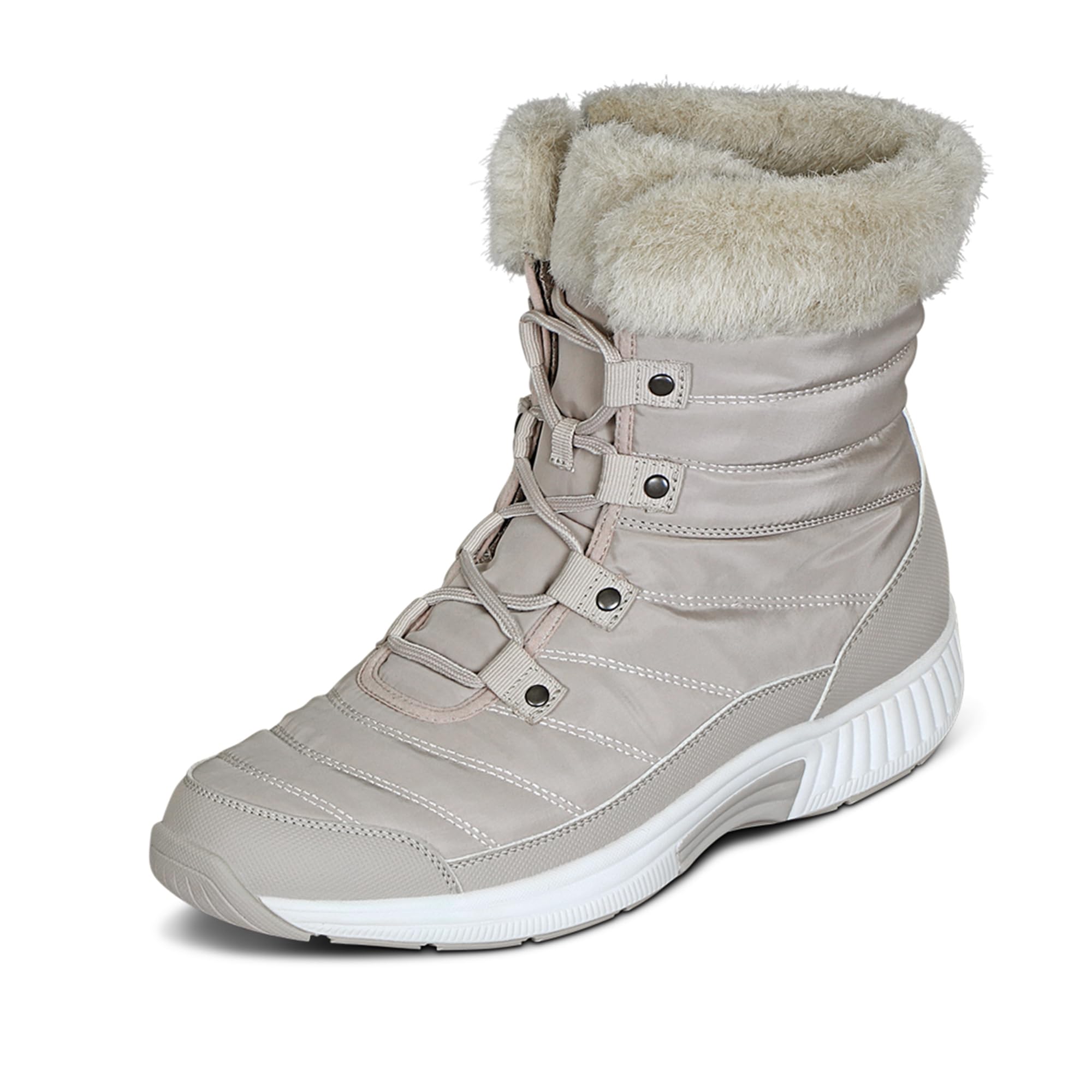
For women with neuropathy facing cold winters, the Orthofeet Alps Snow Boot solves the contradictory problem of needing warmth without compression. The fur lining provides thermal insulation without a tight, shrink-wrapped fit that restricts circulation. The adjustable volume comes from two removable insoles that let you drop the footbed lower for thicker socks or raise it for a snugger hold on narrow heels.
The waterproof membrane keeps slush and snow away from the foot, which is critical because wet feet in neuropathy patients can lead to maceration and skin breakdown. The outsole uses a non-slip tread pattern with deep lugs that grip ice and packed snow. Users note that the boot accommodates bunions and hammer toes without rubbing the deformities, thanks to the wide, seamless toe box.
The side zipper on some units can catch the inner fur lining, though users report this loosens up after a few wears. The arch support is positioned slightly farther back compared to other Orthofeet models, which may feel different during the first few outings. For women who need a winter boot that prioritizes foot health over fashion, the Alps delivers reliable protection in sub-20-degree conditions.
Why it’s great
- Fur lining provides warmth without constricting circulation.
- Waterproof membrane and deep-lug outsole handle snow and slush safely.
- Wide, seamless toe box accommodates bunions and hammer toes without friction.
Good to know
- Side zipper may catch on fur lining initially; works itself smooth after a few wears.
- Arch support placement is slightly farther back than other Orthofeet models.
7. Men’s Orthopedic Diabetic Winter Boots: Wide Toe Box Comfortable Arch Support
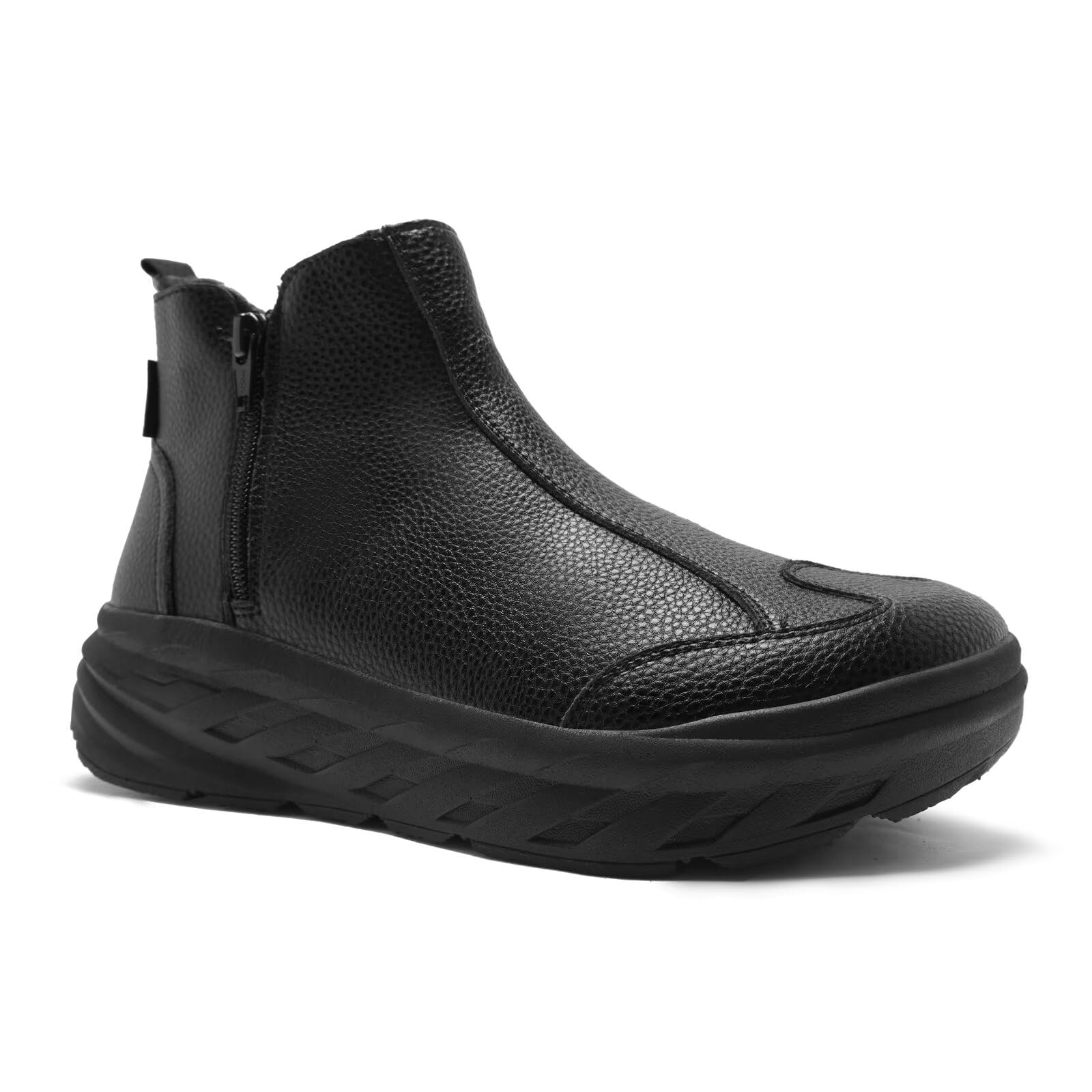
This mid-range winter boot combines the key diabetic-friendly features — wide toe box, waterproof leather, and side zipper — at a price point that undercuts many orthopedic brands. The boot comes with two cushion inserts of varying thickness, letting you tailor the interior volume to your level of swelling. Users report that the boot is warm enough for snow exposure without overheating indoors, which helps regulate foot temperature and prevent sweat-related skin issues.
The side zipper with a lace overlay allows you to set the lace tension once and then use the zipper for daily entry. This system works well for neuropathy patients who struggle with fine motor control but still want the security of a customizable lace fit. The outsole uses a moderate tread that handles rain, slush, and light snow without slipping.
Cushion durability is a concern — some users note the insoles feel less supportive after several weeks of daily wear. The boot also runs slightly snug through the instep for very high-volume feet, and some users recommend going up a full size. For the price, it offers a functional winter solution, but the long-term support may not match higher-end orthopedic brands.
Why it’s great
- Waterproof leather with side zipper provides easy entry and weather protection.
- Two removable inserts allow volume customization for fluctuating edema.
- Warm enough for winter without causing excessive foot sweating indoors.
Good to know
- Cushion insoles may compress and lose support after several weeks of daily use.
- Instep can feel snug for very high-volume feet; consider sizing up.
8. FitVille Wide Mens Boots, Orthopedic Extra Wide Men’s Hiking Boots
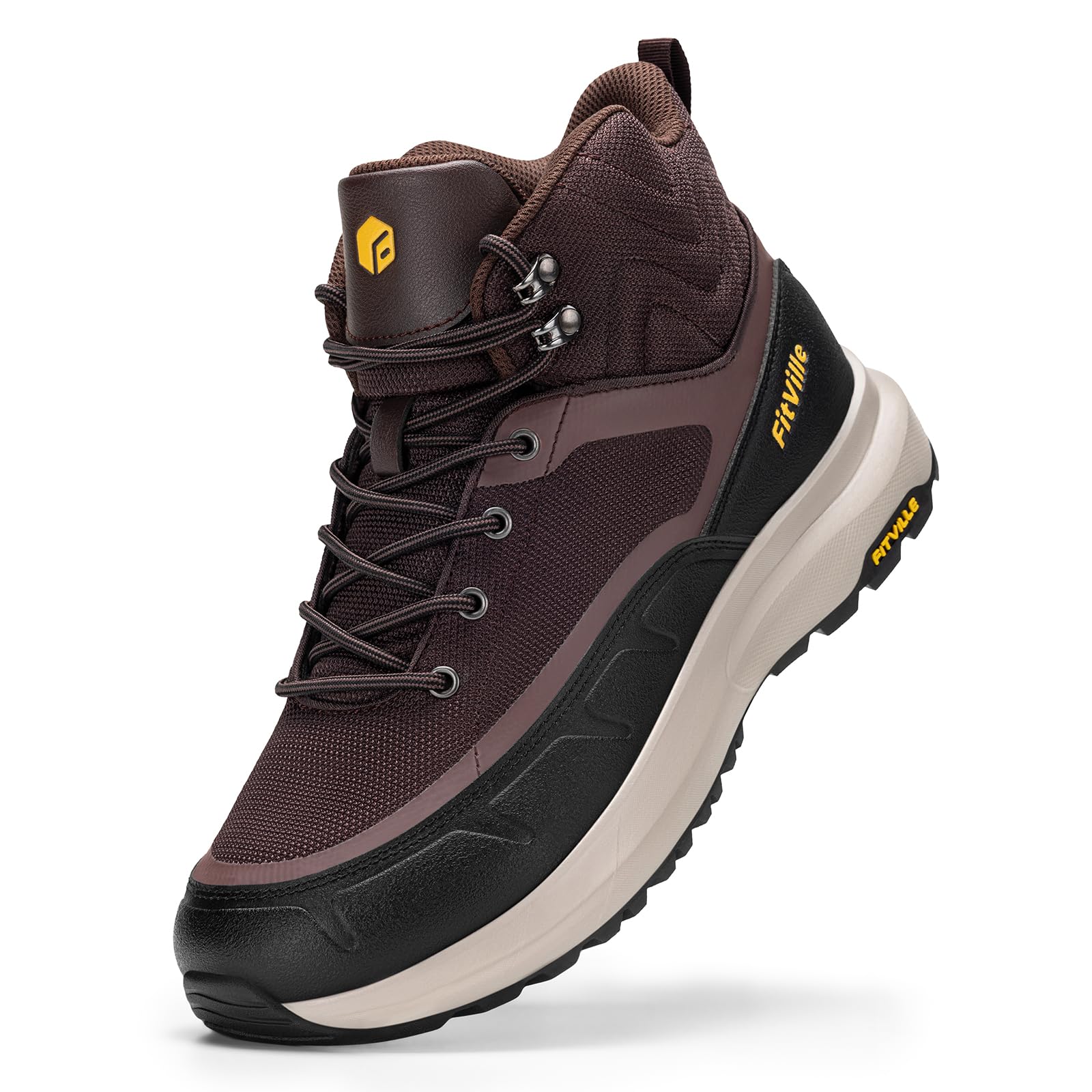
FitVille’s wide hiking boot delivers genuine X-wide fit with a tall toe box that allows toes to splay naturally — a critical feature for neuropathy patients who experience curling toes or clawing from nerve damage. The mid-height shaft provides ankle support that reduces the lateral instability common when ground feel is compromised. The shock-absorbing midsole uses a multi-density foam that cushions heel strike without feeling marshmallowy.
Users report three months of daily wear including hiking in varied terrain (Andes, Rockies, Hawaii) without breakdown. The water-resistant upper handles rain and stream crossings, and the outsole uses a lug pattern that sheds mud effectively. The boot works well for users with severe ankle arthritis and supination, offering enough rigidity to keep the foot in neutral alignment.
The boot runs true to width but the overall volume may be tight for users who need to insert a thick custom orthotic on top of the factory insole. Removing the stock insole frees up space, but the boot’s depth is not marketed as “extra depth” in the therapeutic sense. For moderate outdoor activity where you need wide volume and shock protection, FitVille delivers strong value.
Why it’s great
- Genuine X-wide toe box allows natural toe splay and reduces clawing pressure.
- Multi-density shock-absorbing midsole reduces heel strike impact.
- Durable construction tested in varied terrain over months of daily wear.
Good to know
- Not true extra depth; may be tight with thick custom orthotics on top of stock insole.
- Upper volume is moderate for users with high instep swelling.
9. Propet Womens Delaney Round Toe Lace Up Zippered Casual Boots
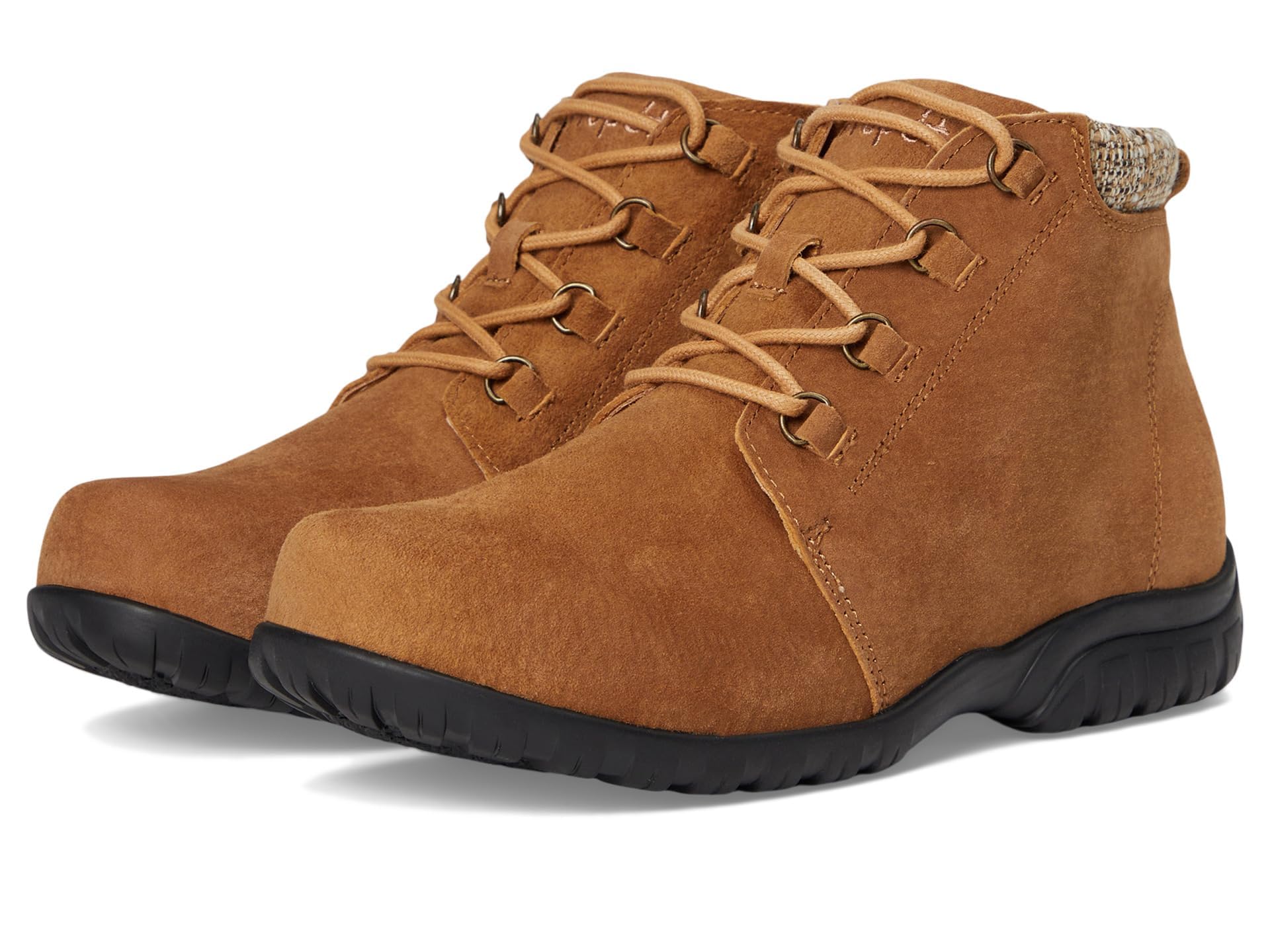
The Propet Delaney is one of the few women’s casual boots that offers XX-wide sizing with both a side zipper and traditional laces. The combination lets you use the laces to set the precise forefoot tension while the zipper handles daily on-off — reducing the repetitive bending that strains backs and hips. Users with severely swollen feet (6EE) report the boot fits without creating pressure points across the instep.
The boot is treated with Scotchgard for water repellency, and the footbed provides a stable platform that accommodates custom orthotics without raising the heel too much. Users note that the boot requires zero break-in time and doesn’t rub the Achilles, even on first wear. The round toe box provides enough vertical room for toe crests and orthotic toe spacers.
Some users report the back liner tearing after extended use, which can create a rough spot that irritates the Achilles. Using a shoe horn when inserting the foot mitigates this issue. The boot is heavier than expected due to the weather-treated materials, but the trade-off is genuine waterproof protection. For women who need an orthotic-friendly casual boot with wide availability, the Delaney is a reliable workhorse.
Why it’s great
- XX-wide sizing in women’s sizes accommodates severe edema and 6EE feet.
- Zipper and lace combo allows custom forefoot tension with easy daily access.
- Zero break-in time and Scotchgard treatment for weather resistance.
Good to know
- Back liner may tear over time; using a shoe horn during insertion prevents this.
- Heavier than average due to waterproof materials and reinforced construction.
FAQ
Can I wear orthotics in extra-wide boots without extra depth?
How do I test if a boot is safe for my insensate foot?
Are slip-on boots safe for drop foot or ankle weakness?
How often should I replace diabetic neuropathy boots?
Final Thoughts: The Verdict
For most users, the boots for diabetics with neuropathy winner is the Orthofeet Graphite because it combines slip-on convenience, composite toe safety, and adjustable arch support in a package that eliminates the two biggest neuropathy risks: bending to lace and pressure from rigid toecaps. If you need AFO compatibility or dual-zip entry, grab the Orthofeet Ryder. And for women requiring XX-wide fit in a cold-weather boot, nothing beats the Orthofeet Alps (Women’s).

Mo Maruf
I created WellFizz to bridge the gap between vague wellness advice and actionable solutions. My mission is simple: to decode the research and give you practical tools you can actually use.
Beyond the data, I am a passionate traveler. I believe that stepping away from the screen to explore new environments is essential for mental clarity and physical vitality.