Our readers keep the lights on and my smoothie glass nicely filled. As an Amazon Associate, I earn from qualifying purchases.
The anxiety of not knowing your sperm count can stall family planning for months. You schedule a clinic appointment, wait days for results, and pay a significant fee for a simple number. At-home male fertility tests have changed this entirely, letting you check your sperm concentration, motility, and overall reproductive health from your bathroom in under 30 minutes.
I’m Mohammad Maruf — the founder and writer behind WellFizz. I’ve spent years analyzing diagnostic health devices, scrutinizing clinical validation data, and comparing at-home testing systems to help you cut through the marketing noise and find the test that actually delivers reliable results.
Whether you are tracking lifestyle changes or getting a baseline before seeing a specialist, this guide breaks down the most accurate, private, and easy-to-use options available for the best at home male fertility test.
How To Choose The Best At Home Male Fertility Test
Not all home sperm tests are created equal. Some measure only concentration, while others analyze motility and progressive movement. Understanding what each test actually reports—and how it aligns with World Health Organization (WHO) thresholds—is the difference between a useful screening tool and a waste of money.
What the Test Actually Measures
The most basic tests check sperm concentration—whether the count is above or below 15 million sperm per milliliter. More advanced options measure motile sperm concentration and progressive motility, which track how many sperm are actively swimming forward. For couples trying to conceive, progressive motility is often a more telling metric than raw count alone.
Clinical Validation vs. Marketing Claims
Look for tests that cite sensitivity and specificity figures compared to WHO thresholds. A test with 98% accuracy in clinical trials is much more trustworthy than one that only claims to be “reliable.” FDA clearance is a strong signal that the device has undergone rigorous review. Always check whether the test has been validated against lab-grade semen analyzers used in fertility clinics.
Single Use vs. Multi-Test Systems
Sperm parameters fluctuate due to stress, illness, diet, and lifestyle. A single test provides a snapshot; testing multiple times over a few weeks gives a trend. Multi-test packs or refill systems allow you to track changes, which is especially valuable if you are monitoring the effects of supplements, medication, or lifestyle adjustments.
Quick Comparison
On smaller screens, swipe sideways to see the full table.
| Model | Category | Best For | Key Spec | Amazon |
|---|---|---|---|---|
| YO Home Sperm Test (3 Tests) | Premium Kit | Full semen analysis at home | 97% accuracy vs. WHO 6th Ed. | Amazon |
| SpermCheck Fertility | Mid-Range | Simple count check | 98% accuracy in clinical trials | Amazon |
| Frida Fertility Insemination Kit | Premium Kit | Home insemination | Spill-free slanted cups | Amazon |
| SwimCount Male Fertility Test | Mid-Range | Progressive motility measurement | 95.8% sensitivity / 90.7% specificity | Amazon |
| Male Fertility Test (2 Pack) | Budget | Quick count assessment | Results in 10-15 minutes | Amazon |
| Sperm Microscope & At-Home Analysis | Budget | Visual sperm quality check | Measures PMSCs/mL against 15M/mL threshold | Amazon |
| Refill Kit for YO Home Sperm Test | Premium Refill | Ongoing monitoring | 3 tests, requires YO device | Amazon |
In‑Depth Reviews
1. YO Home Sperm Test (3 Tests)

The YO Home Sperm Test is the most comprehensive at-home semen analysis system available. It uses a smartphone app and a proprietary device to record a live video of your sample, then reports five key parameters: sperm concentration, motility, progressive motility, motile sperm concentration, and progressive motile sperm concentration. Clinical trials show over 97% accuracy against WHO 6th Edition standards, which is the current global benchmark for fertility labs.
Testing takes under 30 minutes total. The app guides you through every step with clear visuals and even includes an educational component that keeps you engaged during the waiting period. Results are stored privately, and you can share a PDF semen analysis report with your healthcare provider. The three-test kit allows you to track changes over weeks, which is critical because sperm parameters fluctuate naturally.
The one notable drawback is that the entire process depends on your phone maintaining a stable connection to the YO device. Some users report connectivity issues, especially with Android phones, that can force you to restart the test mid-process. You also need to read the app instructions carefully—there is no printed manual in the box. For the most detailed home analysis available, this is the gold standard.
Why it’s great
- Reports five sperm parameters including progressive motility
- FDA cleared with 97% accuracy in clinical trials
- Live video of sperm movement provides visual confirmation
- Three-test pack supports trend tracking over time
Good to know
- Requires compatible smartphone with stable Wi-Fi connection to the device
- All instructions are app-based; no printed manual included
- Not recommended for post-vasectomy testing
2. SpermCheck Fertility
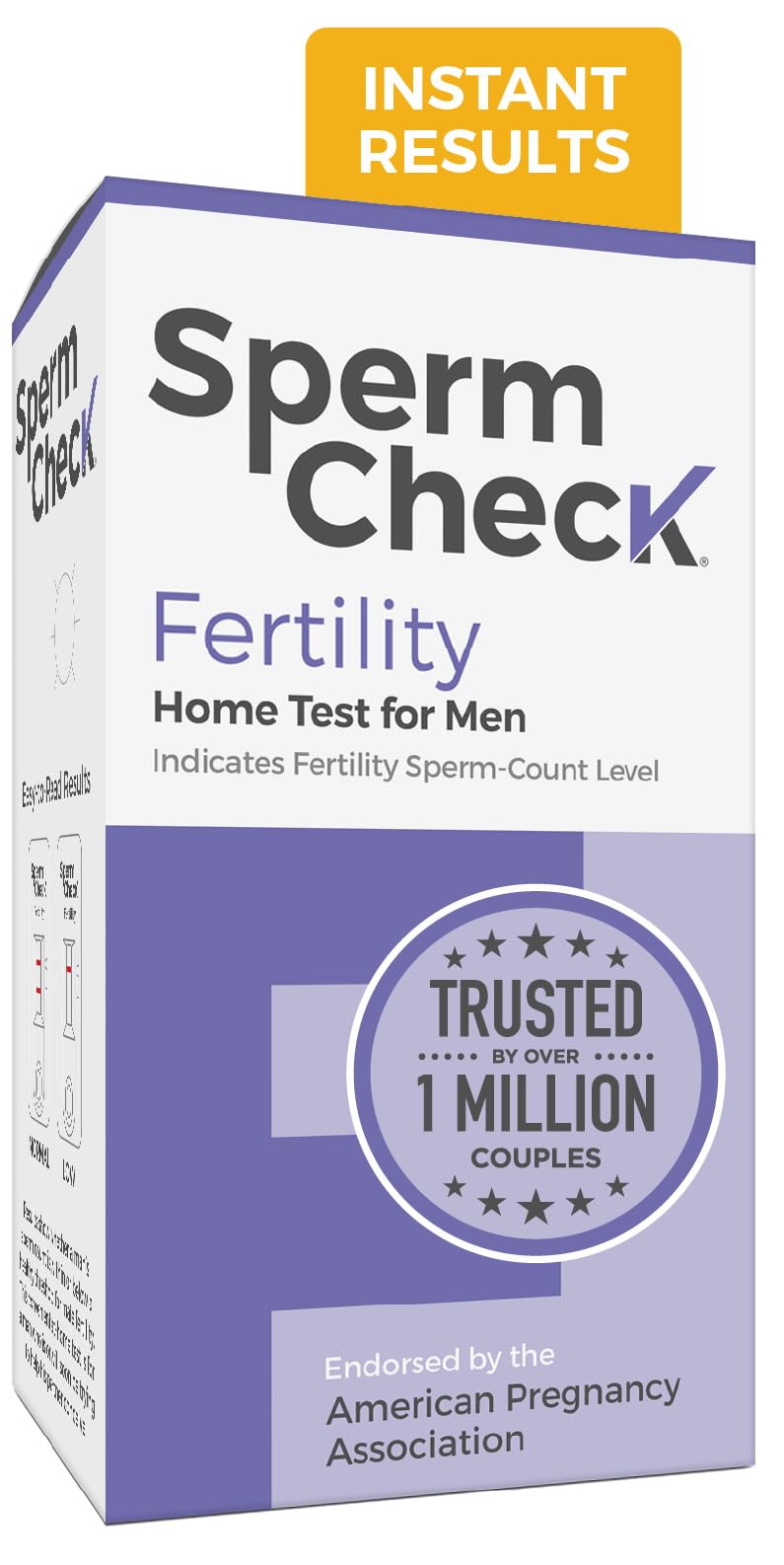
SpermCheck Fertility has been on the market since 2010, with over one million tests sold worldwide. It uses the same lateral-flow immunoassay technology found in pregnancy tests to detect a specific protein marker that correlates with sperm concentration. Clinical trials reported over 98% accuracy for distinguishing normal from low sperm count. The test shows a simple line readout: one line for low count, two lines for normal.
There is no app, no phone pairing, and no complex setup. You collect the sample, apply a few drops to the test cassette, and read the result in 30 minutes or less. The illustrated instructions are straightforward, and the test requires no gadgetry or battery power. It is also FSA/HSA-eligible, making it easy to budget for repeated testing every few months.
It measures sperm count only — not motility or progressive motility. If you are solely concerned about whether your count is in the normal range, this is the most trusted and simplest option. For deeper analysis that includes movement, you will need a different test. Some users note that the test line can be faint, which can cause uncertainty, but the overall reliability is well-documented.
Why it’s great
- Over 98% accuracy in clinical trials with long market history
- No app, no phone, no batteries — completely self-contained
- Clear step-by-step illustrated instructions
- FSA and HSA eligible for regular testing
Good to know
- Reports sperm count only; does not measure motility or morphology
- Single test per kit; multi-pack not available
- Faint test line can be ambiguous for some users
3. Frida Fertility At-Home Insemination Kit
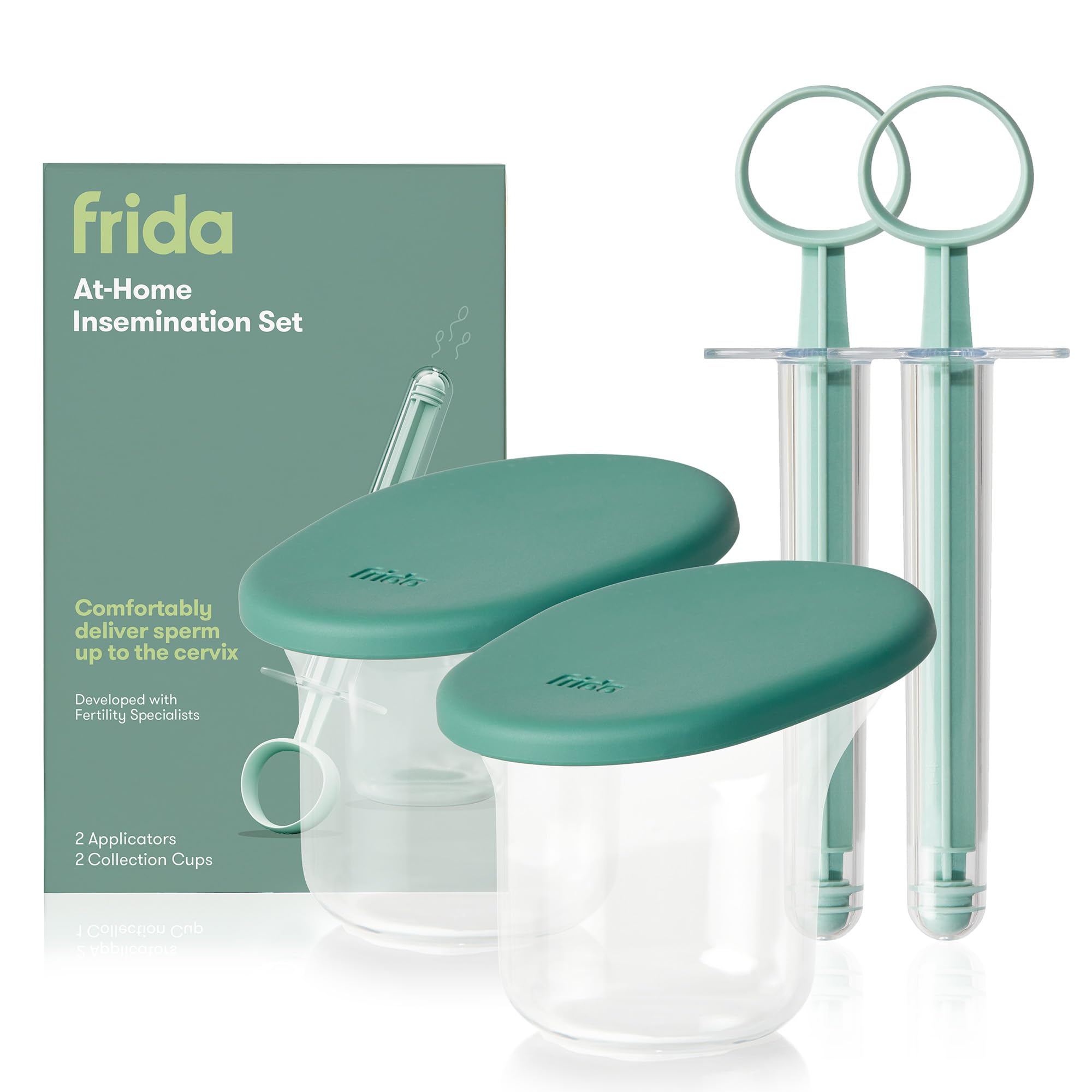
This kit is not a diagnostic test — it is a home insemination system designed for couples who want to maximize the chances of conception with minimal sperm waste. Developed with fertility specialists, the kit includes two applicators with comfort-grip syringes and two slanted collection cups with leak-proof lids. The slanted cup design prevents sperm from pooling away from the collection port, which is a common problem with standard cups.
The extended barrel and rounded tip of the syringe allow for controlled, comfortable placement. The process is straightforward: collect, fill the syringe, insert, and rest for 15 minutes. Multiple verified reviews report successful pregnancies after using this kit, often after just one or two cycles. It is particularly useful for couples with busy schedules or young children who find it difficult to time intercourse regularly.
The kit is single-use per cycle and not reusable, which can become costly if you need multiple cycles. Some users note that the cup still does not capture every drop, and cheaper syringes can be found separately. However, for a complete, specialist-developed system that removes the guesswork from at-home insemination, this is the most convenient package available.
Why it’s great
- Designed with fertility specialists for optimal sperm placement
- Slanted, leak-proof cups minimize sperm loss
- Comfort-grip syringe with rounded tip for ease of use
- Many verified success stories from real users
Good to know
- Single-use per cycle; not reusable
- Premium cost compared to DIY alternatives
- Cup may still leave a small amount of sample behind
4. SwimCount At-Home Male Fertility Test
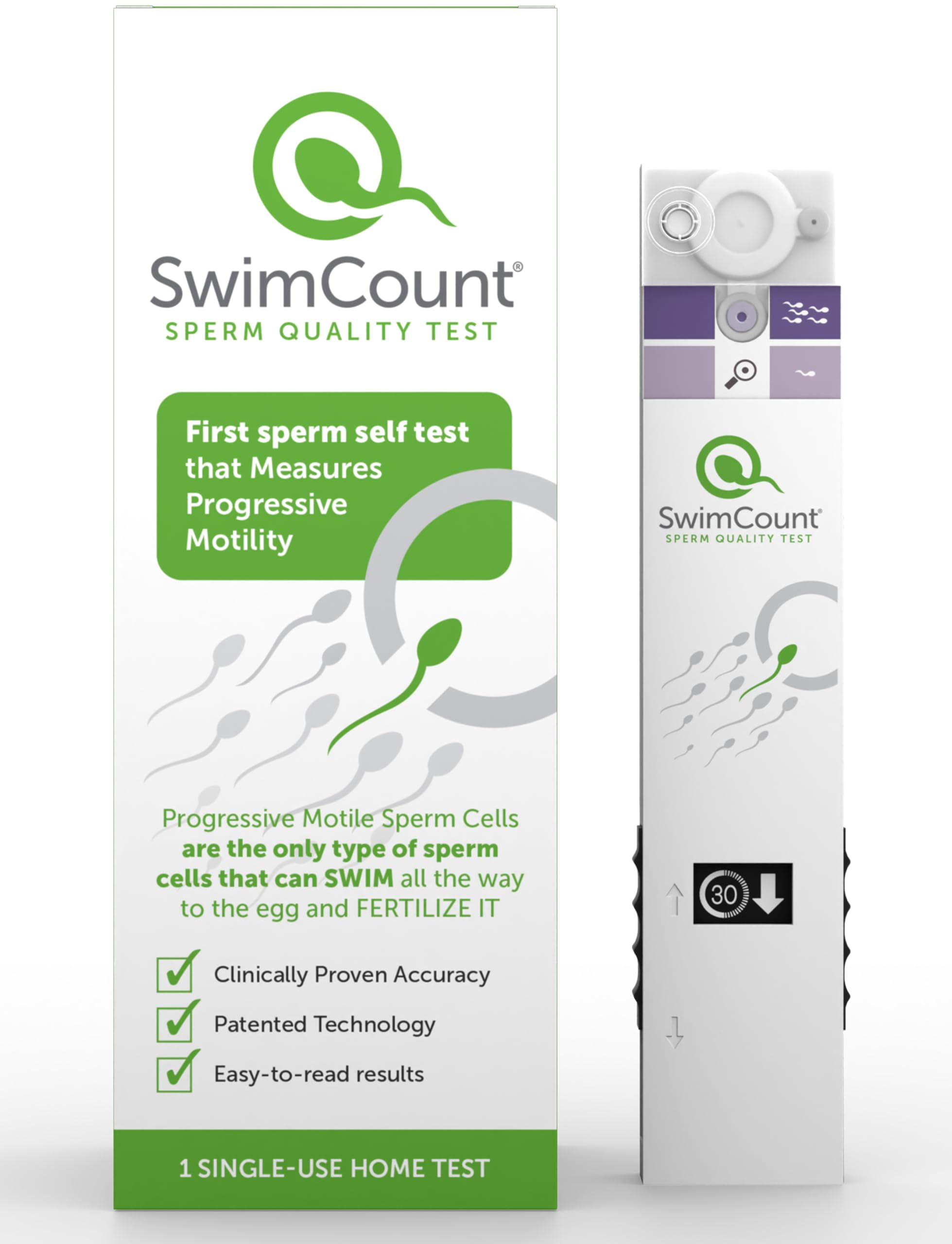
SwimCount differentiates itself by measuring progressive sperm motility rather than just count. The test identifies forward-moving sperm — the ones most likely to reach and fertilize an egg. Lab validation shows 95.8% sensitivity and 90.7% specificity compared to WHO thresholds, which is strong performance for a home test. The device uses a color-change window and a built-in chart, requiring no phone, app, or mailing.
The process takes about 30 minutes once the sample is ready. You collect the sample, activate the device, and read the color intensity against the chart. The test is FSA and HSA eligible, and it is designed for early check-ins before scheduling a clinic appointment. It is especially useful after lifestyle changes or when you want to decide whether to keep trying or seek professional help.
The instructions are very specific about timing and sample handling, and some users report difficulty reading the color chart accurately. There have been occasional reports of failed tests where no color appeared at all, which can be frustrating given the per-test cost. For a motility-focused screening tool, it fills a specific niche, but the color-read system can be less intuitive than a digital readout.
Why it’s great
- Measures progressive motility, the most clinically relevant sperm parameter
- No phone, app, or mailing required
- Lab-validated against WHO thresholds with strong sensitivity/specificity
- FSA and HSA eligible
Good to know
- Color chart reading can be ambiguous for some users
- Single-use test; cost adds up if repeated testing is needed
- Occasional reports of failed tests with no color development
5. Male Fertility Test for Men (2 Pack)
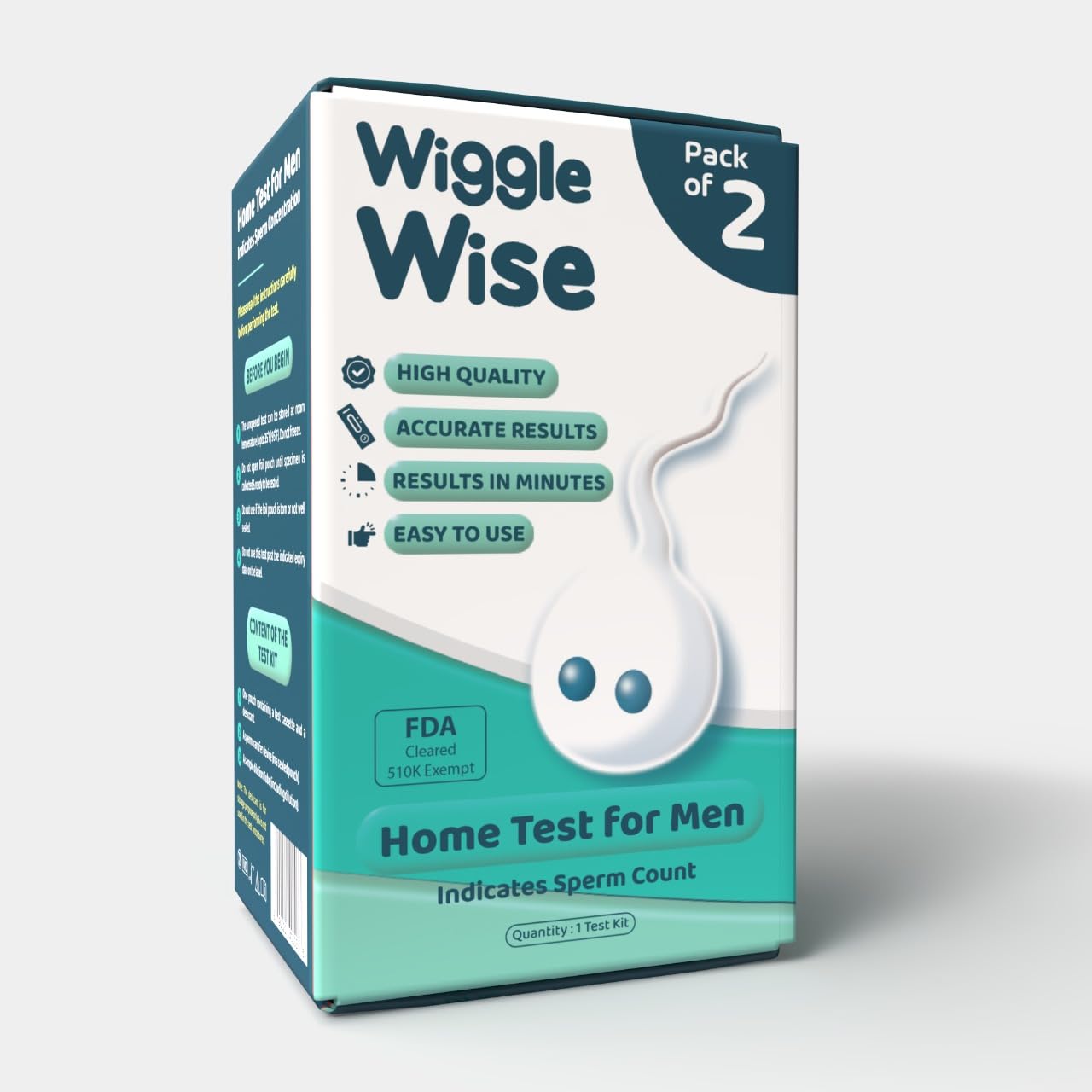
This two-pack test kit delivers the fastest results of any option on this list, with a clear visual readout in 10 to 15 minutes. The system is identical in concept to a pregnancy test: two lines indicate normal sperm concentration, while one line indicates low concentration. Each box contains two full test kits with sample cups, transfer devices, dilution tubes, and test cassettes. The two-pack format allows you to test again after a few weeks to confirm results, which is important because sperm counts fluctuate naturally.
Users consistently report that the instructions are easy to follow, and the test is stress-free compared to mailing samples or waiting for lab results. The packaging is discreet, and the entire process is designed for privacy. For the price, it is one of the most accessible entry points for anyone curious about their fertility baseline.
Quality control has been a concern in some batches. A few verified reviews mention dilution tubes that arrived empty or test cassettes that failed to register the control line. These issues are not widespread, but they highlight the variability that can come with budget-tier diagnostic products. If you get a functional kit, it works well, but the risk of a dud test is higher than with premium systems.
Why it’s great
- Fastest result time at 10-15 minutes
- Two-test pack allows for confirmation testing over time
- Simple pregnancy-test-style readout with clear lines
- Very budget-friendly for a quick screening
Good to know
- Reports sperm count only; no motility or morphology data
- Occasional quality control issues with empty tubes or failed cassettes
- Not validated against WHO standards in published trials
6. Sperm Microscope & At-Home Semen Analysis Fertility Test
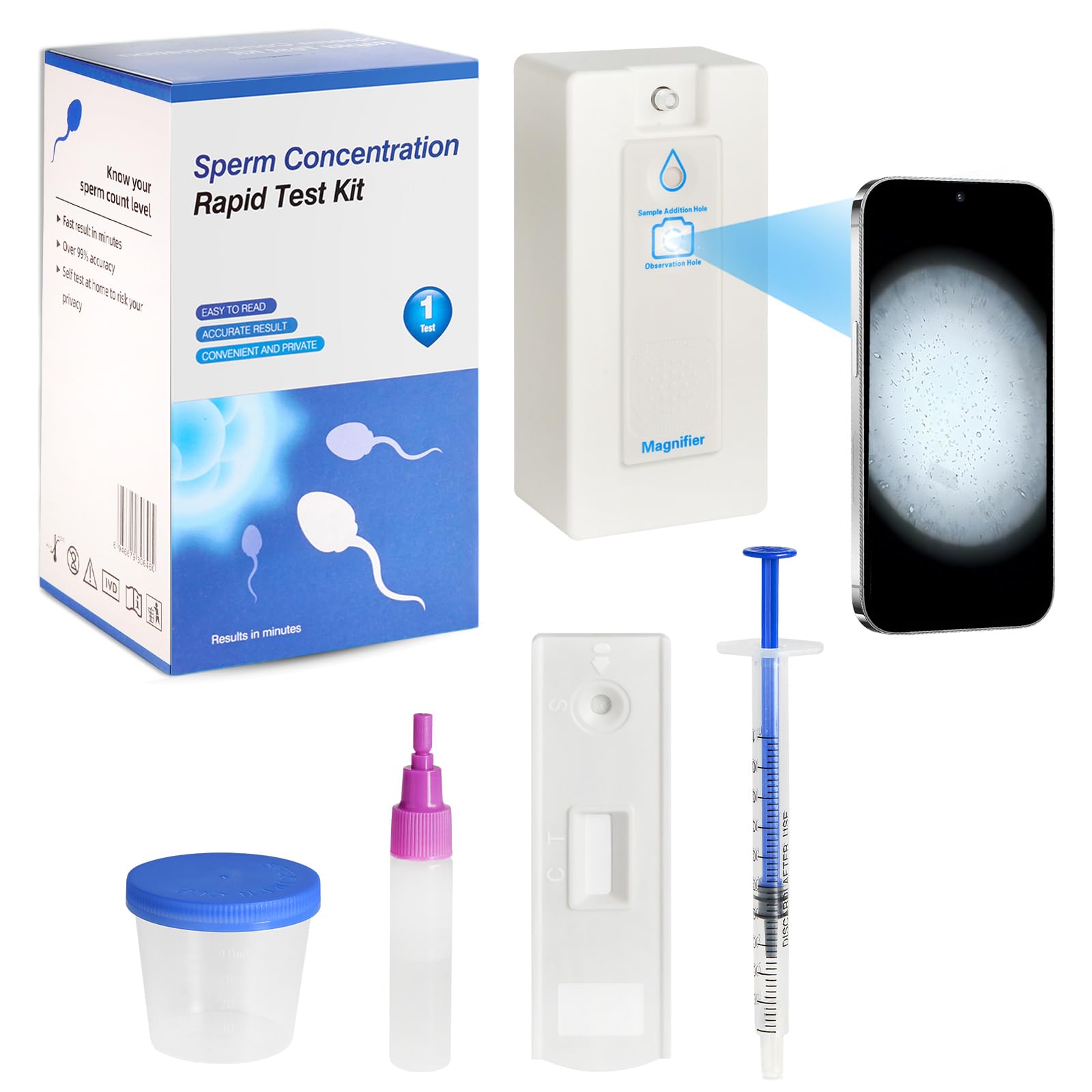
This device takes a different approach by using a small microscope and plastic cartridge system to let you visually check sperm concentration. It measures progressive motile sperm cells per milliliter and compares the result against the 15 million/mL WHO threshold. The kit claims to give a quick initial assessment of fertility potential without needing a lab visit.
Users who received functional units report that it is easy to set up and provides clear, quick results. The organized packaging and simple instructions are frequently praised. For someone who wants a visual confirmation of sperm presence and basic motility, this is an affordable option that does not require an app or phone.
The failure rate is a major concern. Multiple verified reviews report receiving devices that simply did not work — the plastic test showed nothing visible, the result line stayed blank, or the linked phone camera app led to a dead page. This makes the test unreliable as a primary diagnostic tool. If you get a working unit, it is fine for a basic check, but the risk of receiving a dud is higher than with established brands like SpermCheck or YO.
Why it’s great
- Direct visual inspection of sperm concentration
- Quick setup with simple instructions
- Affordable entry price for a screening test
- No app or smartphone required for basic use
Good to know
- High rate of product failure per verified reviews
- Phone camera integration feature is unreliable
- Not validated against clinical laboratory standards
7. Refill Kit for YO Home Sperm Test (3 Tests)
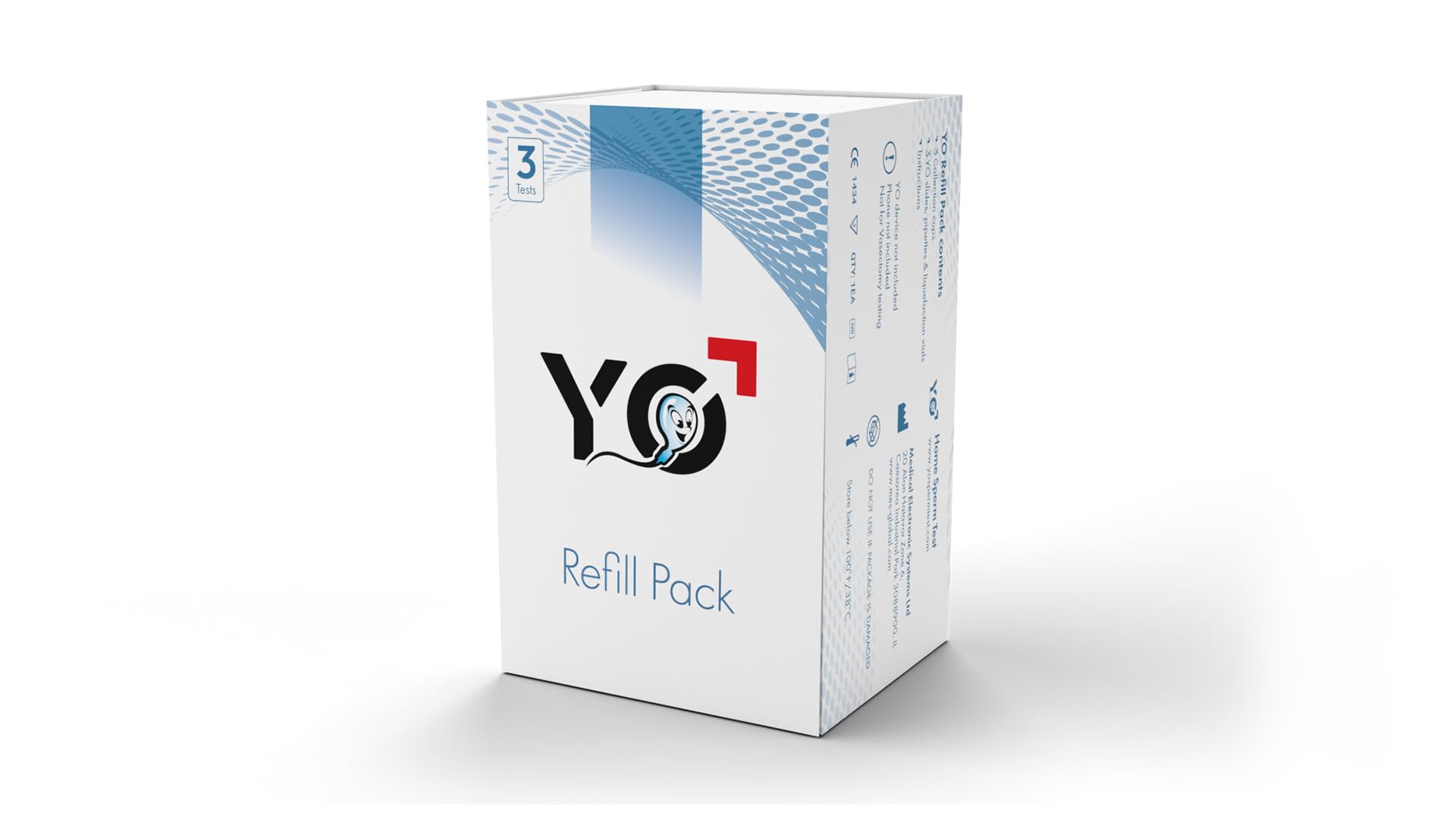
This refill pack is designed for users who already own the YO Home Sperm Test device. It contains three additional test cassettes that work with the YO app and device to measure motile sperm concentration and track fertility over time. Because sperm quality can change significantly due to stress, diet, and lifestyle, having multiple tests allows you to monitor trends rather than relying on a single snapshot.
Each refill test provides the same live video recording and five-parameter analysis as the original kit. Users appreciate the ability to check whether medications or lifestyle changes are actually moving the needle. The refill is cheaper per test than buying a whole new starter kit, making it a practical choice for ongoing monitoring.
The refill-only format means you must already own the YO device and be comfortable with the app-based workflow. Some Android users report that Wi-Fi connection management between the phone and the YO device can be finicky, sometimes requiring a reconnection mid-test. This can cause sample degradation if the test has to be restarted. Overall, for existing YO users, this is the most cost-effective way to continue testing.
Why it’s great
- Cost-effective way to continue using your YO device
- Three tests allow for multi-week trend tracking
- Same live video and five-parameter analysis as the starter kit
- FDA-cleared system with lab-grade analysis in the home
Good to know
- Requires the YO testing device; not a standalone test
- Android Wi-Fi connection can be unreliable during the test timer
- Sample can degrade if test must be restarted due to connection issues
FAQ
Can an at-home male fertility test replace a clinical semen analysis?
How many times should I test to get a reliable picture of my fertility?
What is the difference between sperm count and progressive motility?
Final Thoughts: The Verdict
For most users, the best at home male fertility test winner is the YO Home Sperm Test because it delivers lab-grade data on five sperm parameters, includes live video evidence, and is FDA cleared with 97% accuracy. If you want a simple, proven count check without any tech, grab the SpermCheck Fertility. And for couples actively trying to conceive through home insemination, nothing beats the Frida Fertility Insemination Kit for minimizing sperm waste and maximizing control.

Mo Maruf
I created WellFizz to bridge the gap between vague wellness advice and actionable solutions. My mission is simple: to decode the research and give you practical tools you can actually use.
Beyond the data, I am a passionate traveler. I believe that stepping away from the screen to explore new environments is essential for mental clarity and physical vitality.