Our readers keep the lights on and my smoothie glass nicely filled. As an Amazon Associate, I earn from qualifying purchases.
The search for a hiking boot that combines rugged durability, ethical manufacturing, and a fit that doesn’t punish your feet often leads down a confusing trail. Many brands emphasize style over substance, leaving hikers with boots that delaminate or lose their waterproofing before the first season ends. The difference comes down to three factors: the quality of the full-grain leather, the method of construction, and the company’s commitment to domestic production.
I’m Mohammad Maruf — the founder and writer behind WellFizz. I dig into the construction methods, material sourcing, and real-world performance data that separate heritage-quality gear from disposable alternatives in this niche.
After analyzing stitchdown versus cemented construction, Vibram outsole compounds, Gore-Tex membrane reliability, and the recrafting programs offered by each brand, I’ve compiled the definitive guide to the best american made hiking boots for hikers who value longevity and ethical production.
How To Choose The Best American Made Hiking Boots
The market for domestically produced boots is smaller than the mass-import segment, but the quality gap is enormous. The core decision points center on construction method, leather grade, sole compound, and the brand’s recrafting support. Each factor affects weight, stiffness, and the number of years you can expect from a single investment.
Construction Method: Stitchdown vs. Cemented
A stitchdown boot attaches the upper leather directly to the midsole, then the outsole is stitched or glued to that platform. This allows a cobbler to replace the outsole without damaging the upper, extending the boot’s life by decades. Cemented construction bonds the outsole directly to the midsole with adhesive; once the tread wears down, the boot is effectively dead. Every boot on this list uses stitchdown or a similar resoleable Norwegian welt construction.
Leather Specifications: Full-Grain Thickness and Treatment
Full-grain leather is the strongest layer of the hide, retaining the natural fiber density that resists punctures and abrasion. Thickness typically ranges from 2.0 mm to 2.8 mm. Thicker leather adds durability and break-in time but provides better protection against rock strikes and brush. Waxing with a boot-specific conditioner every three to four months maintains the natural water resistance of the leather itself, independent of any membrane liner.
Waterproof Membrane: Gore-Tex vs. Proprietary Barriers
Gore-Tex remains the industry benchmark for breathable waterproof liners because of its consistent pore structure that blocks liquid water while allowing water vapor to escape. Some American manufacturers use proprietary membranes like Windtex or their own laminates. The key metric is the moisture vapor transmission rate — higher rates reduce sweat buildup inside the boot during sustained ascents. Gore-Tex typically scores highest in independent tests.
Outsole Compound: Vibram Models and Their Terrain Fit
Vibram offers multiple rubber compounds engineered for different surfaces. The Kletterlift outsole (found on the Danner Acadia) prioritizes surface contact stability on wet pavement and loose scree. The Vibram 917 compound uses XS Trek rubber for balanced traction on both rock and mud. The Sierra outsole (on the Belleville 550 ST) is designed for hot weather grip on hardpack. Each compound has a different durometer hardness, which directly affects wear rate and slip resistance.
Recrafting and Warranty Support
Not all resoleable boots are equally recraftable. Some manufacturers restrict recrafting to their own factory, while others allow any cobbler to perform the work. Danner’s Recrafting Program returns boots to the factory for full restoration including new insoles, midsoles, and outsoles. Kenetrek uses a bonded sole construction that still allows outsole replacement by skilled cobblers. A boot’s eligibility for multiple recrafting cycles is the single strongest predictor of true cost-per-wear value.
Quick Comparison
On smaller screens, swipe sideways to see the full table.
| Model | Category | Best For | Key Spec | Amazon |
|---|---|---|---|---|
| Danner Mountain Light II | Premium Heritage | Long-distance backpacking & daily wear | Full-grain leather, 2.4mm thickness | Amazon |
| Kenetrek Mountain Extreme 400 | Insulated Expedition | Cold-weather hunting & alpine terrain | 400g insulation, 10-inch height | Amazon |
| Kenetrek Mountain Extreme Non-Insulated | Expedition Uninsulated | Rocky mountain hunting & hard terrain | 10-inch tall leather, Windtex membrane | Amazon |
| Danner Acadia 8″ | Tactical Duty | Law enforcement & hard-use hiking | Berry compliant, stitchdown construction | Amazon |
| ASOLO TPS 520 GV Evo | Classic Backpacking | Heavy pack support & technical trails | Vibram sole, full-grain leather upper | Amazon |
| MILLET Bouthan Gore-Tex | Light Expedition | 3-season mixed terrain & via ferrata | Leather upper, Gore-Tex membrane | Amazon |
| Danner Logger 917 6″ | Light Hiker | Day hikes & all-day work comfort | Vibram SPE midsole, 2.0mm leather | Amazon |
| JIM GREEN Barefoot African Ranger | Barefoot Transition | Wide toe box & minimalist hiking | Zero-drop, stitchdown construction | Amazon |
| Belleville 550 ST Tactical | Entry-Level Tactical | Budget-friendly military-style hiking | Full-grain cattlehide, Vibram Sierra | Amazon |
In‑Depth Reviews
1. Danner Mountain Light II 5” Gore-Tex
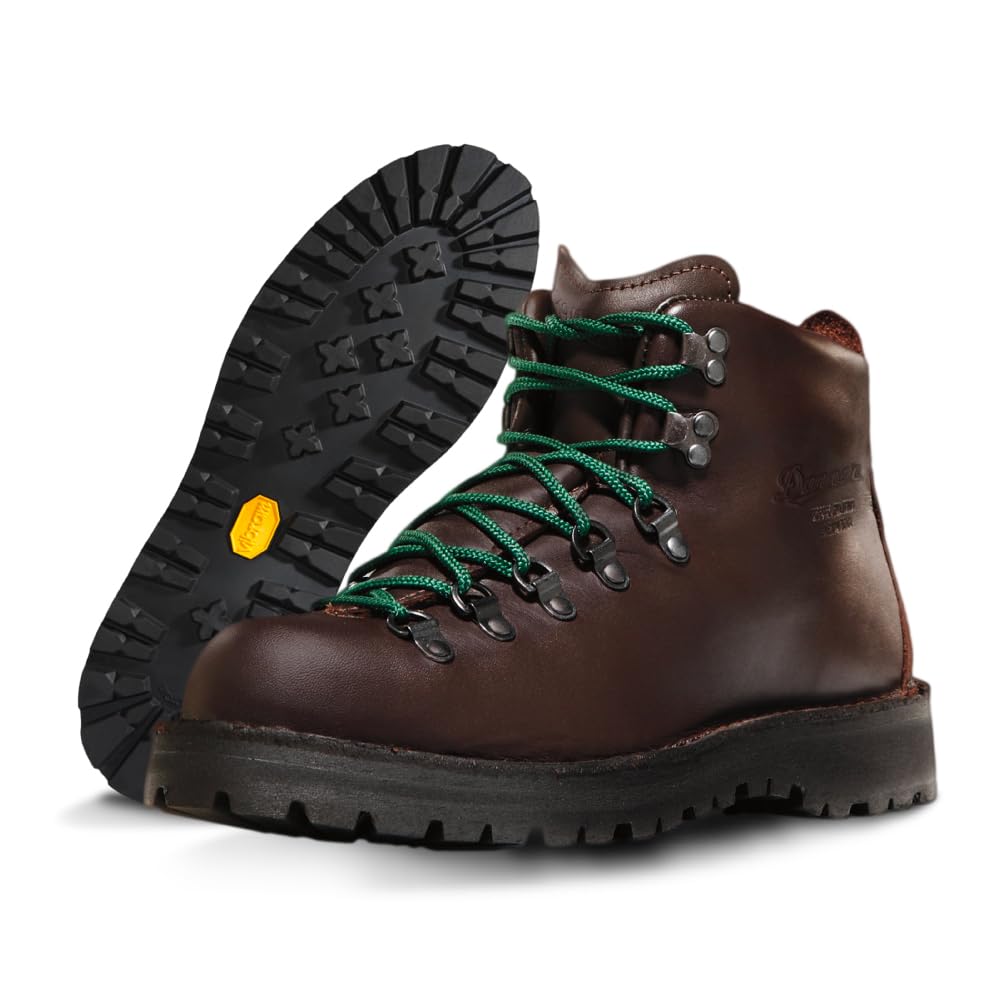
The Danner Mountain Light II stands as a benchmark for American-made hiking boots because of its stitchdown construction and recraftable platform. The full-grain leather upper measures roughly 2.4 mm thick, providing substantial resistance to rock abrasion without feeling like a rigid cast. The Gore-Tex liner maintains consistent waterproofing across multiple seasons, and the Vibram Kletterlift outsole offers reliable grip on both wet trail and dry scree.
The break-in period is longer than average, typically requiring two weeks of daily wear before the leather molds to the foot. Some users report that the stock “airthotics” insoles cause heel slippage and recommend replacing them with a firmer aftermarket insert. The boot runs about half a size long, so ordering a half-size down is common practice. The eyelets and tongue design prevent lace pressure points, a detail that matters during long descents.
Danner’s factory recrafting program can fully rebuild these boots, replacing the outsole, midsole, and insole while preserving the original leather upper. This recraftability makes the Mountain Light II one of the few boots that can realistically last a decade or more with proper maintenance. For hikers who want one boot for everything from weekend rambles to multi-day expeditions, this is the standard.
Why it’s great
- Stitchdown construction allows multiple factory recrafting cycles
- Full-grain leather provides excellent durability and abrasion resistance
- Gore-Tex liner delivers consistent breathable waterproofing
Good to know
- Break-in period of roughly two weeks is longer than most light hikers
- Stock insoles may cause heel slippage for some foot shapes
- Runs narrow; consider ordering a EE width for standard-volume feet
2. Kenetrek Mountain Extreme 400
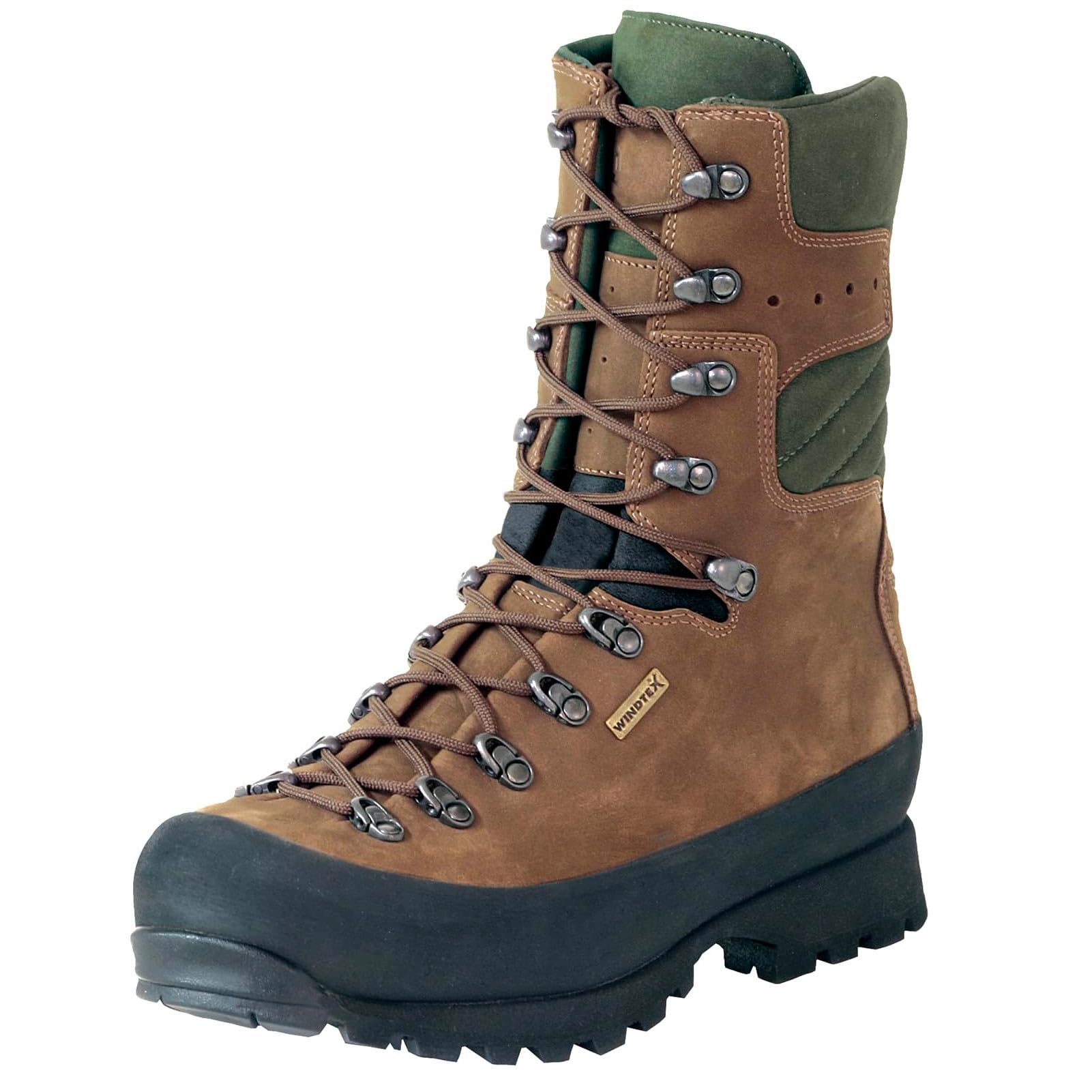
The Kenetrek Mountain Extreme 400 is built for hunters and backpackers who face sustained cold, rocky terrain, and heavy pack loads. The 10-inch height provides exceptional ankle support and prevents debris entry, while the 400-gram insulation keeps feet warm during stationary sits in freezing conditions. The full-grain leather upper is thicker than most competitors, contributing to a stiff platform that excels on uneven rock but feels less forgiving on hard-packed trails.
The Windtex membrane is reported by long-term users to be more breathable than standard Gore-Tex, which matters during high-output ascents in cold weather. The Vibram outsole uses a deep, aggressive lug pattern that grips loose scree and mud with confidence. The boot runs true to size for most users, with enough volume to accommodate a heavy wool sock without feeling cramped.
One distinct advantage of the Mountain Extreme 400 is the minimal break-in period relative to its stiffness. Several users report wearing them on a 7-mile hike immediately with no hot spots. The sole is bonded in a way that still allows resoling by a skilled cobbler, though Kenetrek does not operate a factory recrafting program as extensive as Danner’s. This boot represents the top tier of cold-weather boot performance for extreme terrain.
Why it’s great
- 400g insulation provides reliable warmth in sub-freezing conditions
- 10-inch height offers maximum ankle support and debris protection
- Windtex membrane is reported as more breathable than standard Gore-Tex
Good to know
- Stiff platform feels less comfortable on flat, hard-packed trails
- No factory recrafting program as comprehensive as Danner’s
- Premium pricing reflects the niche expedition-grade construction
3. Kenetrek Mountain Extreme Non-Insulated Boots
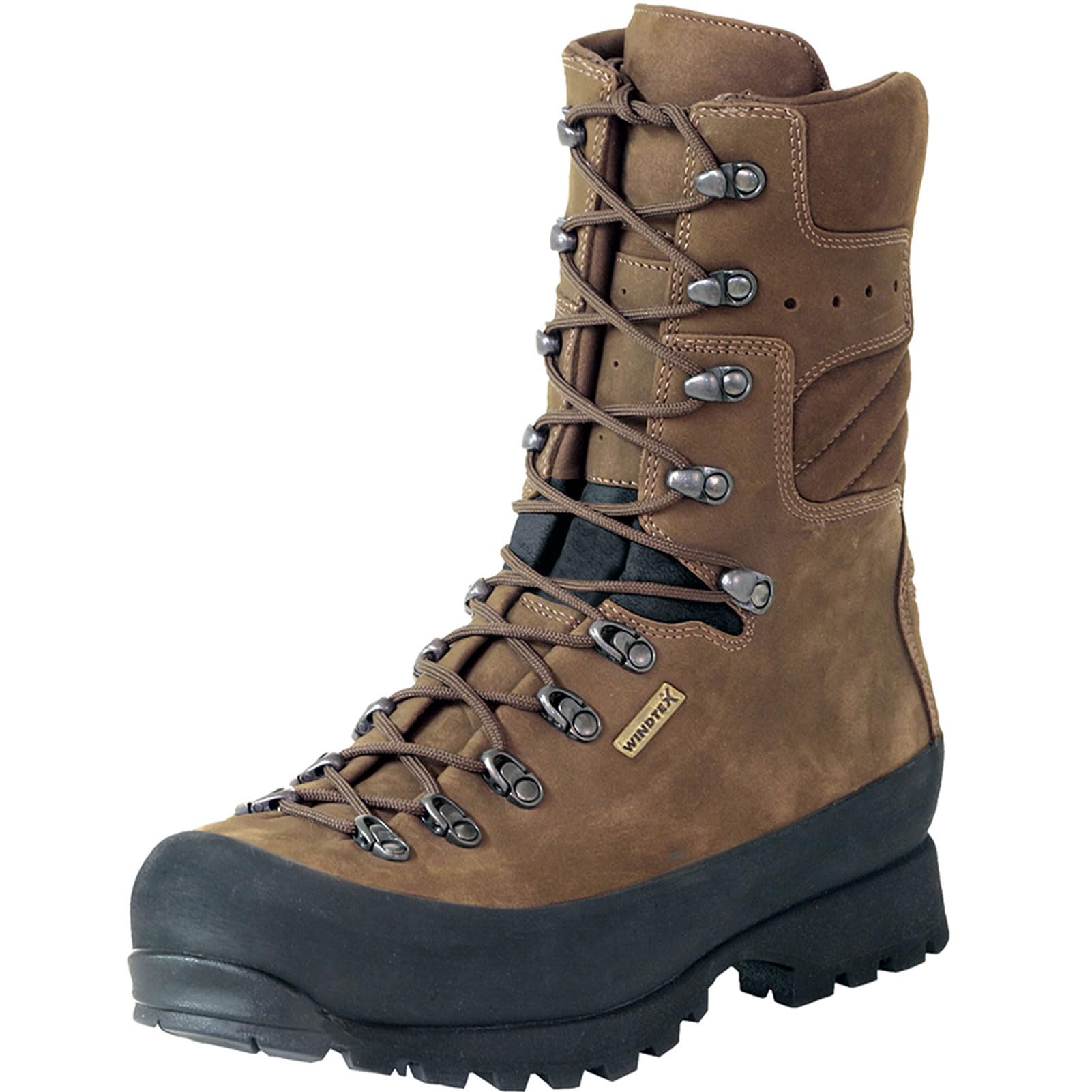
The non-insulated version of the Kenetrek Mountain Extreme is designed for three-season use where thermal regulation is more important than extreme cold protection. The 10-inch full-grain leather shaft and Windtex membrane provide the same rugged support and waterproofing as the insulated model, but without the added bulk of 400-gram insulation. This makes the boot more breathable during summer hikes and easier to pack for fly-in hunting camps.
The outsole uses a stiff compound that provides excellent traction on talus and loose rock, which is the primary terrain these boots are designed for. Several long-term users report exceeding 800 miles of rough terrain while keeping the boots serviceable. The arch support is initially high and takes a short adjustment period, but users find it helps reduce foot fatigue on sloped ground.
Sizing is consistent with the insulated model, and users report that the non-insulated version fits well with medium-weight hiking socks. The tongue design prevents bunching, and the eyelets are positioned to avoid pressure on the top of the foot. For hikers who run warm or operate in mild climates, this model offers the same expedition-grade build without unnecessary insulation weight.
Why it’s great
- Excellent breathability for three-season use without sacrificing durability
- 10-inch height provides industry-leading ankle support on talus
- Lasts over 800 miles of rough terrain per user reports
Good to know
- Stiff footbed is not ideal for casual walking on flat surfaces
- Break-in is still required despite reported comfort out of the box
- High arch support may feel unusual for flat-footed hikers
4. Danner Acadia 8″

The Danner Acadia 8” boot has been a staple in law enforcement, firefighting, and tactical use for decades, and its hiking performance is equally solid. The Berry Compliant certification means the boot is made entirely with domestic materials and labor, a detail that matters for those prioritizing supply chain transparency. The polished full-grain leather upper is designed to take a high shine, but the real functional advantage is its resistance to chemicals and abrasion on the job.
The stitchdown construction allows the Acadia to be recrafted at Danner’s factory, and many users report getting 5 to 10 years of service with one or two recrafting cycles. The Gore-Tex liner is fully waterproof, and users have reported standing in knee-deep water without moisture penetration. The Vibram Kletterlift outsole is oil- and slip-resistant, which translates to stable footing on wet rocks and muddy trails.
Fit is the primary variable to manage. The Acadia runs large and narrow — most users recommend ordering a full size down and going up one width. The break-in period is roughly one month of daily wear with periodic leather conditioning. No insoles are included, so budget for a quality aftermarket option. For hikers who need a boot that transitions from trail to urban duty without hesitation, the Acadia is a proven choice.
Why it’s great
- Berry Compliant with 100% domestic materials and labor
- Recraftable through Danner’s factory program
- Vibram Kletterlift outsole provides excellent oil and slip resistance
Good to know
- Runs large and narrow; sizing down and up in width is often necessary
- Break-in period lasts around one month of daily wear
- No insoles included; aftermarket purchase required
5. ASOLO TPS 520 GV Evo
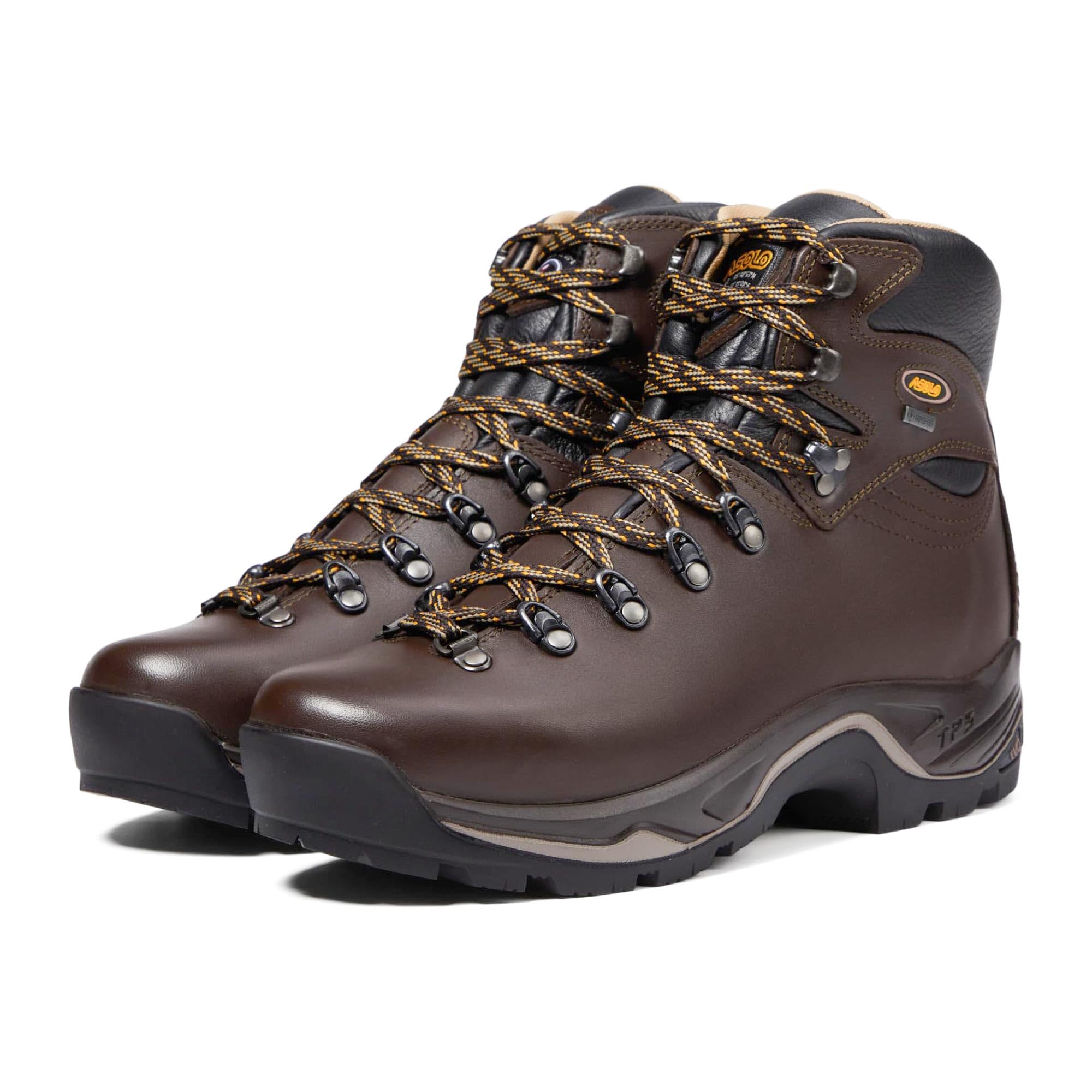
The ASOLO TPS 520 GV Evo is a classic full-grain leather backpacking boot built for carrying heavy loads over technical terrain. The boot features a Vibram sole with a deep, aggressive tread pattern that provides reliable grip on loose rock and muddy inclines. The full-grain leather upper is thick and supportive, offering substantial ankle stability without the bulk of a taller shaft.
Users consistently report minimal break-in time despite the boot’s stiffness. Several reviews note that the boot can be worn immediately for a full day of hiking without developing hot spots. The body alignment benefits are frequently mentioned, with users who have knee and ankle problems finding that the boot’s rigid shank reduces joint stress during extended carries. The round toe shape provides enough room for natural toe splay without feeling sloppy.
One recurring concern is the annual price increase, which has made this boot progressively more expensive. However, users who have owned previous generations consider the durability and performance worth the investment. The boot is not recraftable through a factory program in the same way Danner is, but a skilled cobbler can replace the outsole. For hikers who consistently carry 50-pound packs on rocky trails, the ASOLO 520 provides the stiff platform needed for safe foot placement.
Why it’s great
- Rigid shank reduces joint fatigue during heavy pack carries
- Full-grain leather offers excellent protection against rock strikes
- Minimal break-in period despite stiff construction
Good to know
- Not factory recraftable; outsole replacement requires independent cobbler
- Annual price increases have made the boot significantly more expensive
- Stiff platform is less comfortable on flat, easy trails
6. MILLET Bouthan Gore-Tex
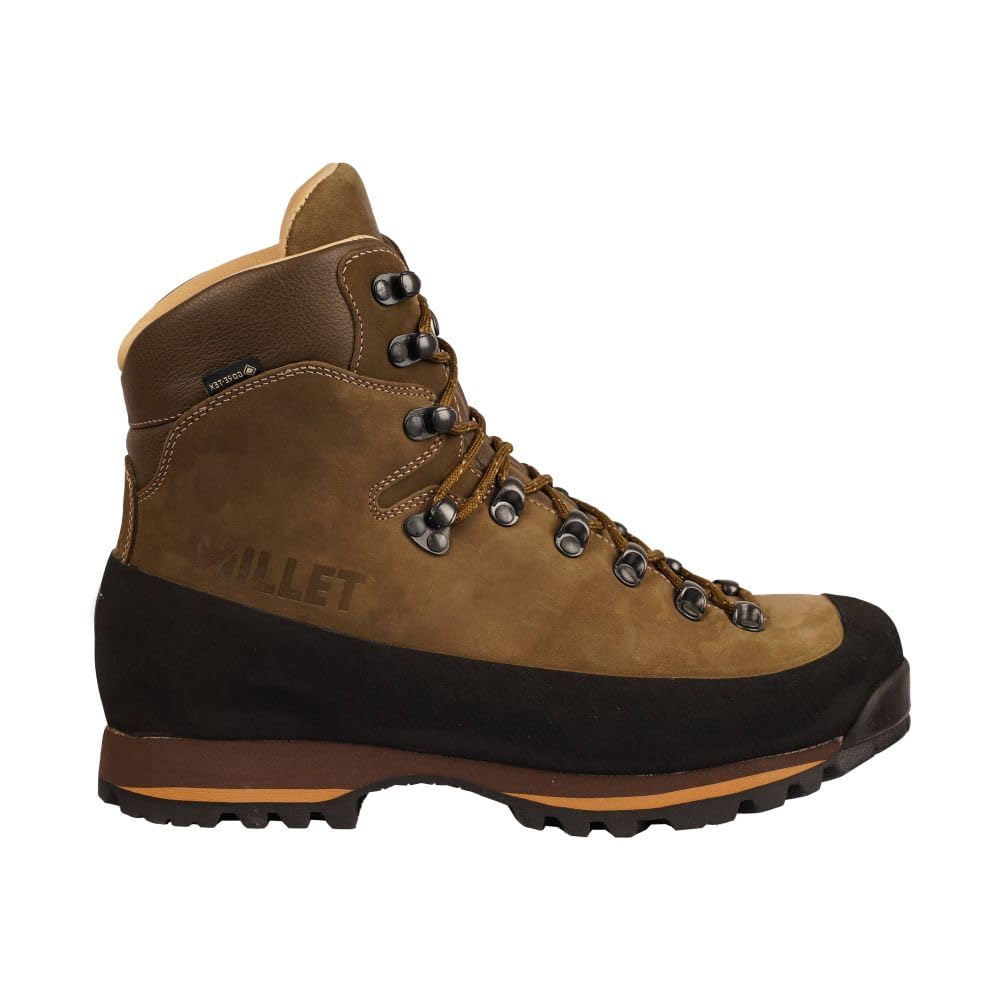
The MILLET Bouthan Gore-Tex boot occupies a unique position as a European-made boot that competes with American heritage brands on construction quality. The upper is full-grain leather, not synthetic as some listings suggest, and it is built on a last that delivers a snug heel pocket with a generous toe box. The Gore-Tex membrane provides reliable waterproofing, and users report that the boot remains breathable even after years of heavy use.
This boot is designed as a three-season mountain boot suitable for easy to challenging terrain, including via ferrata and light snow with snowshoes. The Vibram sole offers excellent grip on mixed surfaces but does stiffen after three to four years, at which point resoling becomes necessary. The semi-rigid construction provides good ankle support without the stiffness of a full expedition boot, making it comfortable for long approaches and city-to-mountain commutes.
Long-term users report getting 150 to 200 hikes out of a single pair before needing a resole, which costs roughly the equivalent of a mid-range dinner. The boot is not widely available through US recrafting channels, so resoling requires finding a cobbler familiar with European construction methods. For hikers who value the combination of light weight, leather durability, and immediate comfort, the MILLET Bouthan is a strong alternative within the premium bracket.
Why it’s great
- Combines light weight with full-grain leather durability
- Gore-Tex membrane remains breathable and waterproof after years of use
- Immediate comfort with minimal break-in period
Good to know
- Resoling requires a cobbler familiar with European construction methods
- Vibram sole stiffens after 3-4 years of use
- Not compatible with crampons for technical ice climbing
7. Danner Logger 917 6″
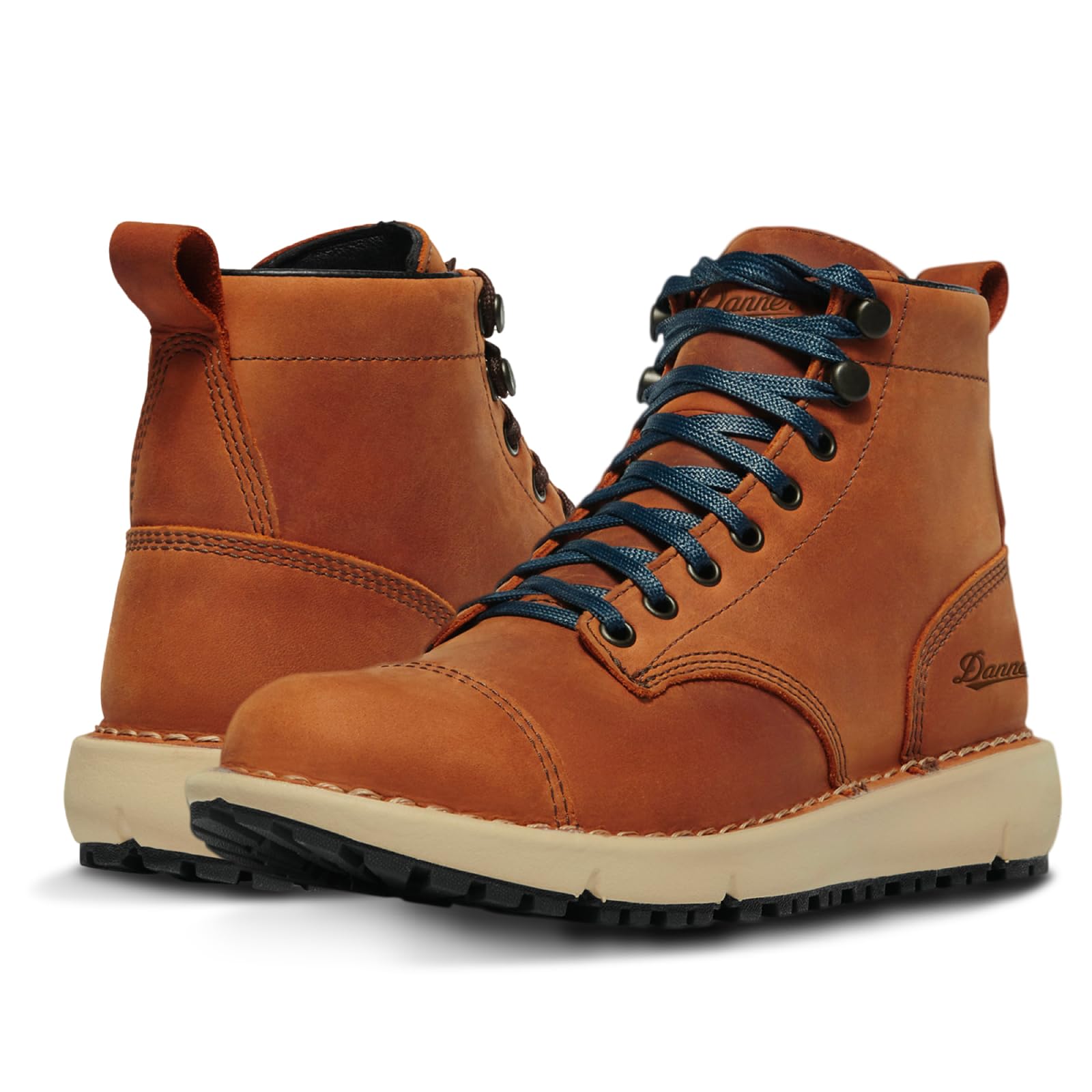
The Danner Logger 917 6” represents a modern interpretation of the classic logger boot, scaled down for hiking rather than tree work. The full-grain leather upper is paired with a Vibram SPE midsole, which uses a rubberized EVA compound that provides better durability than standard EVA while maintaining a light, cushioned feel. The Vibram 917 outsole uses XS Trek rubber compound, designed to balance traction on wet rock with durability on abrasive surfaces.
Users consistently report that this boot is significantly lighter than other Danner models, which translates to less fatigue during long day hikes. The stitchdown construction provides a stable platform, and several reviewers mention zero break-in time, which is unusual for a full-grain leather boot. The Gore-Tex liner keeps water out effectively, though some users note that the leather benefits from an initial oil treatment before first wear to maximize water resistance.
The fit is consistent with other Danner boots, and users with experience in Red Wing work boots will find the sizing familiar. The lace system has drawn some criticism for not staying tight throughout the day, which may require a lace-lock technique. For hikers who want the durability of a Danner boot but in a lighter, more approachable package for day hikes and everyday work, the Logger 917 is a well-executed balance.
Why it’s great
- Significantly lighter than traditional Danner boots
- Vibram SPE midsole offers durable cushioning without sagging
- No break-in required for most users
Good to know
- Lace system may not hold tension consistently throughout the day
- Leather should be oiled before first use for optimal water resistance
- Not as supportive for heavy pack loads as taller Danner models
8. JIM GREEN Barefoot African Ranger

The JIM GREEN Barefoot African Ranger is a deliberately different approach to an American-made hiking boot, built around a zero-drop, wide toe box philosophy. The full-grain leather upper is stitchdown constructed, making it resoleable, but the last is designed to accommodate natural foot splay rather than the narrow, tapered shape of traditional boots. The outsole is soft and grippy, providing excellent ground feel but minimal cushioning.
This boot is not for everyone. The wide toe box and lack of arch support are intentional features for hikers who want to strengthen their feet and improve proprioception. Users with bunions or wide forefeet find the shape incredibly relieving, while those accustomed to conventional boots may feel unstable at first. The leather sock liner reduces foot odor, and several users report that the boots become more comfortable over time as the leather molds to the foot.
Break-in is a genuine commitment, with some users reporting blisters before the leather softens. The zero-drop platform means the Achilles tendon is stretched more than in a raised-heel boot, which can cause soreness during the transition period. The boot is not cushioned for rough terrain; it is designed for hikers who prioritize sensory feedback and foot strengthening over plush comfort. For minimalist hikers who still want resoleable leather construction, this is a rare and well-executed option.
Why it’s great
- Wide toe box accommodates natural foot splay and bunions
- Stitchdown construction allows resoling despite barefoot design
- Leather sock liner reduces foot odor
Good to know
- Zero-drop platform requires an adaptation period for the Achilles tendon
- No cushioning makes it less suitable for rocky, uneven terrain
- Break-in can involve blisters before the leather molds properly
9. Belleville 550 ST Tactical Boots

The Belleville 550 ST is the entry point into American-made full-grain leather boots without sacrificing the features that matter for hiking. The full-grain cattlehide upper is paired with a Vibram Sierra outsole, which provides reliable traction on hardpack and loose dirt. The shock-absorbent midsole reduces impact during long walks on pavement, and the high-cushion footbed offers immediate comfort without a lengthy break-in.
Users with wide feet or high-volume insteps will appreciate that the Belleville runs close to standard sizing but accommodates thicker socks without pinching. Several long-term users report that these boots last three years of heavy hiking and farming before the sole separates from the upper, which is respectable for the price tier. The steel toe version offers additional protection for work settings, but the non-steel version is lighter and more suitable for trail use.
The 550 ST is not waterproof, but the leather and construction keep feet dry in light rain, and the boot dries quickly when soaked. The factory insole is adequate for short hikes but should be replaced for multi-day trips. For hikers who want a genuinely American-made boot with full-grain leather and a Vibram sole at an entry-level cost, the Belleville 550 ST provides a foundation that can be upgraded over time with better insoles.
Why it’s great
- Full-grain cattlehide leather at the most accessible price point
- Vibram Sierra outsole provides reliable traction on varied terrain
- Immediate comfort with minimal break-in required
Good to know
- Not fully waterproof; relies on leather treatment for moisture resistance
- Factory insole is adequate but should be upgraded for multi-day hikes
- Sole separation can occur after 3 years of heavy use
FAQ
What does “American made” actually mean for hiking boot manufacturing?
How often should I resole a stitchdown hiking boot?
Do American-made hiking boots require more break-in than imported boots?
Which American-made boot is best for wide feet?
Final Thoughts: The Verdict
For most hikers, the best american made hiking boots winner is the Danner Mountain Light II because it combines stitchdown resoleability with full-grain leather durability and a factory recrafting program that can extend its life past a decade. If you need expedition-grade insulation and maximum ankle support for alpine hunting, grab the Kenetrek Mountain Extreme 400. And for entry-level access to genuine American-made construction with full-grain leather and a Vibram outsole, nothing beats the Belleville 550 ST.

Mo Maruf
I created WellFizz to bridge the gap between vague wellness advice and actionable solutions. My mission is simple: to decode the research and give you practical tools you can actually use.
Beyond the data, I am a passionate traveler. I believe that stepping away from the screen to explore new environments is essential for mental clarity and physical vitality.