Our readers keep the lights on and my smoothie glass nicely filled. As an Amazon Associate, I earn from qualifying purchases.
Three people sharing a tent that’s pitched too tight for comfort leads to restless nights and irritated campers before the hike even begins. The difference between a great trip and a miserable one often comes down to those precious square inches of floor space and the quality of the air moving through the shelter. A well-designed shelter keeps the rain out, minimizes condensation, and lets everyone sleep without elbowing their neighbor.
I’m Mohammad Maruf — the founder and writer behind WellFizz. I’ve spent hundreds of hours analyzing material specifications, pole architectures, and real-world field reports to separate marketing claims from actual performance in the backcountry.
This guide breaks down the essential specs and trade-offs to help you find the right 3 person tent for your specific camping style without wasting money on the wrong design.
How To Choose The Best 3 Person Tent
A three-person rating on a tent box is an optimistic suggestion, not a guarantee. Most tents at this capacity are a tight squeeze for three adults with gear. Focus on the actual floor area, the peak height, and the number of doors before you look at anything else. The best shelter balances interior volume with packed weight and weather protection for the specific trips you plan.
Floor Space and Headroom
Look for a floor area of at least 40 square feet and a peak height above 42 inches. Tents with steeper walls—achieved through pre-bent or multi-pole designs—offer noticeably more usable headroom near the edges, which makes sitting up and changing clothes far less frustrating.
Weather Resistance and Materials
Pay attention to the rainfly’s hydrostatic head rating. A minimum of 1500mm is adequate for light showers, but 2000mm or higher provides confident protection in sustained rain. Factory-sealed seams are critical. The pole material also matters: aluminum alloys (especially 7000-series) are lighter and more durable than fiberglass, making them a worthwhile upgrade for any tent that will see regular use.
Ventilation and Condensation Management
Condensation is the most common comfort killer in a tent. Full mesh inner walls and a well-ventilated fly create airflow that reduces moisture buildup. Tents with two large doors and ceiling vents allow warm, humid air to escape without letting rain in. A double-wall design where the fly does not touch the mesh is ideal.
Packed Weight and Portability
Backpacking requires a packed weight under 6 pounds. Car-camping tents can weigh 9 pounds or more without issue. Consider how far you will carry the shelter. A tent that lives in the trunk can afford heavier poles and thicker fabric. A tent that goes on your back needs to shed every unnecessary ounce.
Quick Comparison
On smaller screens, swipe sideways to see the full table.
| Model | Category | Best For | Key Spec | Amazon |
|---|---|---|---|---|
| ALPS Mountaineering Zephyr 3P | Premium | Humid climates & car camping | 40 sq ft floor area | Amazon |
| Kelty Grand Mesa 2P | Mid-Range | Backpacking & solo use | 4 lb 1 oz packed weight | Amazon |
| Naturehike Cloud Up 3P | Premium | Ultralight backpacking | 6.3 lb packed weight | Amazon |
| Night Cat Cabin Tent | Mid-Range | Quick setup & car camping | Pop-up spring mechanism | Amazon |
| Chihee 3-Person Dome | Mid-Range | Family car camping | Front vestibule 63 inches | Amazon |
| Forceatt 3P | Budget | Beginners and starter backpacking | 3-minute setup time | Amazon |
| Coleman Sundome 3P | Budget | Family car camping & festivals | 49 sq ft floor area | Amazon |
| Bessport 3P | Budget | Rain resistance on a budget | 3000mm hydrostatic head | Amazon |
| Naturehike Cloud River 3P | Budget | Cycling & lightweight backpacking | 6.8 lb packed weight | Amazon |
In‑Depth Reviews
1. ALPS Mountaineering Zephyr 3-Person Tent

The ALPS Zephyr uses pre-bent 7000-series aluminum poles to create steeper side walls than typical dome tents, giving you a full 40 square feet of floor area and noticeably more headroom near the edges. That extra vertical space makes sitting up, changing clothes, and organizing gear feel far less cramped than the average three-person shelter.
The full mesh inner walls paired with a 75D polyester rainfly (1500mm coating) deliver exceptional airflow in humid conditions. Factory-sealed seams on both the fly and the floor keep water out during heavy rain. The dual doors and two sizable vestibules allow each person to exit without climbing over the group, and the vestibules provide sheltered storage for packs and boots.
Reviewers consistently note that the Zephyr handles 40-knot winds and freezing rain without issue, and that the ventilation is so effective that condensation stays minimal even in muggy weather. The trade-off is a packed weight around 5 pounds—perfect for car camping and shorter backpacking trips where every ounce isn’t critical.
Why it’s great
- Steep walls maximize usable interior space
- Two doors and two vestibules offer excellent storage
- Premium aluminum poles are durable and light
Good to know
- Heavier than ultralight options for long-distance backpacking
- Some owners recommend seam-sealing the floor corners
2. Kelty Grand Mesa 2P Backpacking Tent

Rated as a 2-person tent, the Grand Mesa works best for a solo backpacker who wants generous space for themselves and gear or for a couple who sleeps close. The floor area of 30 square feet with a 44-inch peak height feels tight for three, but the low packed weight of just 4 pounds 1 ounce makes it a strong contender for trips where weight matters most.
Kelty uses aluminum pressfit poles and color-coded clip attachments that allow setup in under five minutes even alone. The 68D polyester fly and floor are fully seam-taped, and the single door opens to a spacious vestibule that holds a pack and boots. The updated Shark Mouth stuff sack makes packing easier than traditional cylindrical bags.
Owners report that the tent stays dry in sideways rain and offers good airflow with minimal condensation. The included metal stakes are a rare upgrade from the typical plastic pegs. This is a purpose-built backpacking shelter that trades interior volume for portability and speed of setup.
Why it’s great
- Exceptionally light at just over 4 pounds
- Very fast and intuitive setup
- Solid weather resistance for three-season use
Good to know
- Only one door limits entry and exit
- Best for two people, not three
3. Naturehike Cloud Up 3 Person Backpacking Tent
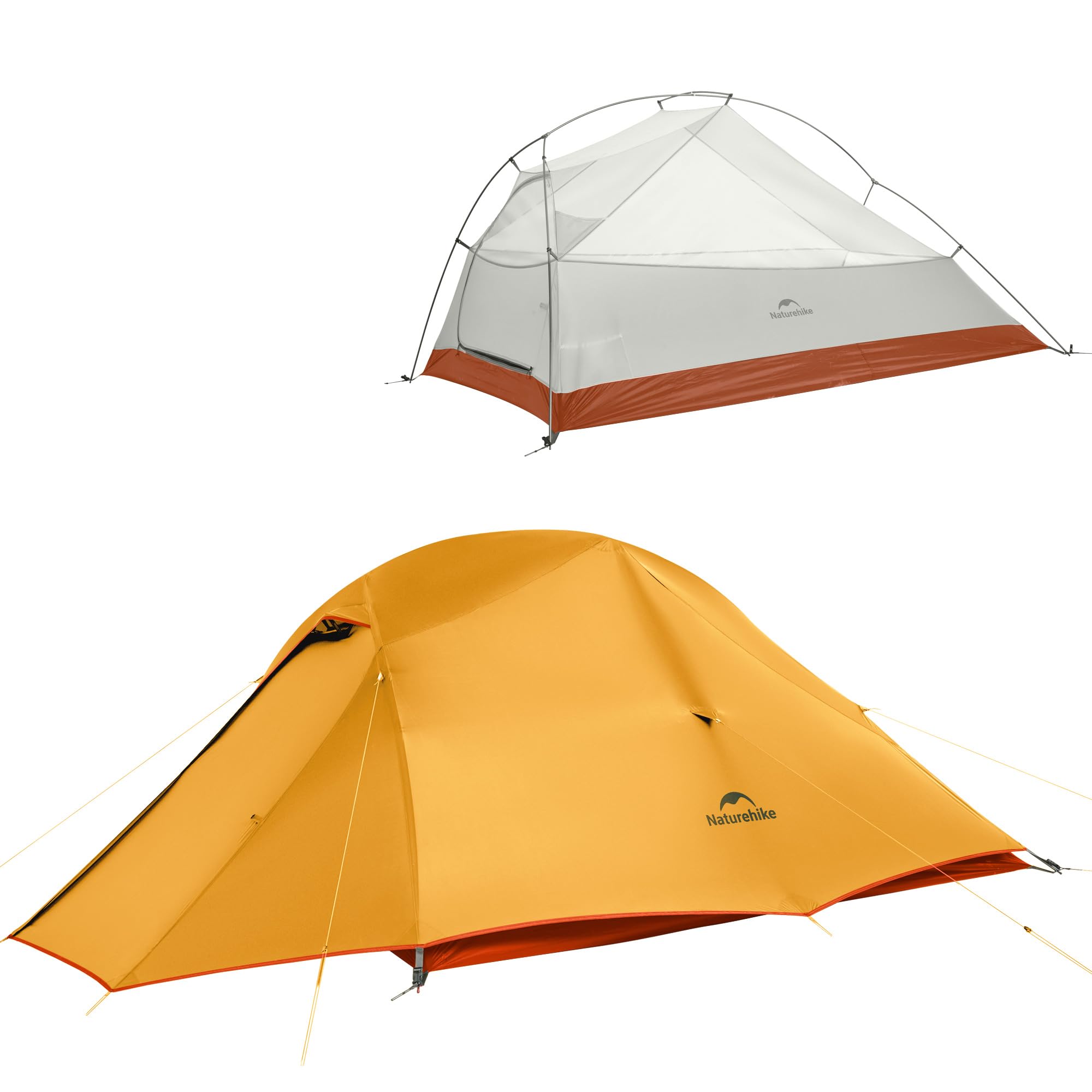
The Cloud Up is the upgraded version of Naturehike’s popular Cloud Up series, offering a floor that measures 116.1 inches long by 82.7 inches wide—enough for three sleeping pads side by side. The peak height of 45.3 inches provides adequate sitting room, and the dual-Y pole architecture makes the tent freestanding for easy repositioning on site.
This tent packs down to just 16.9 by 6.7 inches and weighs under 6.3 pounds, putting it firmly in the lightweight backpacking category. The fly and floor use 210T ripstop polyester with a PU 3000mm rating, and seam-sealing is applied at the factory. The included footprint adds 5000mm waterproofing for extra floor protection. High-density B3 mesh on the inner tent enhances airflow and keeps bugs out.
Reviews praise the tent’s waterproof performance in heavy rain and its excellent ventilation at temperatures around 40°F. Some users note the single door can be frustrating when two people need to exit, and the floor feels thin without the included ground sheet. The Cloud Up delivers strong value for hikers who want premium materials at a mid-range price.
Why it’s great
- Lightweight enough for backpacking trips
- Footprint included in the package
- Powerful waterproofing on fly and floor
Good to know
- Single door limits convenience for three people
- Floor is prone to damage on rough ground without the included footprint
4. Night Cat Cabin Tent with Vestibule
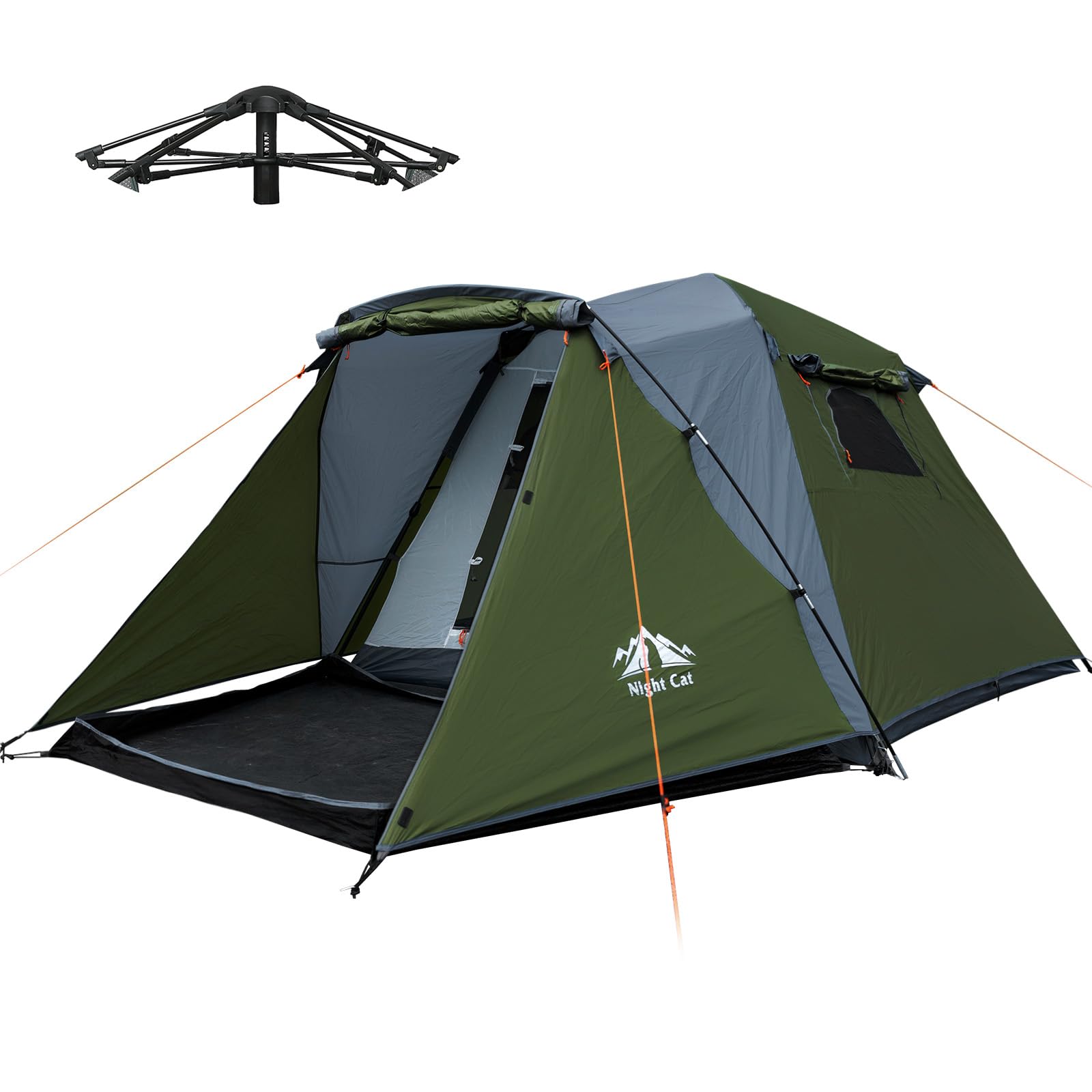
The Night Cat Cabin Tent uses an advanced spring mechanism that pops the shelter into shape in about five minutes and takes it down in under three. This is a cabin-style tent with a generous footprint that fits a queen or king air mattress comfortably, plus a large front vestibule that adds covered space for gear storage or sitting out of the rain.
The 210D Oxford fabric treated with a 3000mm waterproof coating protects against moderate rain, and the mesh doors and windows provide good airflow. The fiberglass poles are connected at the hub, eliminating loose parts that can get lost. The included stakes are basic, so upgrading them for use in soft ground is a smart move.
Users consistently highlight the liveability of the vestibule—it is large enough for chairs, a small table, or a heater. The trade-off is weight: this is a car-camping shelter, not a backpacking tent. The quick setup and spacious interior make it a favorite for festival-goers and families who prioritize convenience over packability.
Why it’s great
- Extremely fast pop-up setup
- Large vestibule adds significant covered living space
- Fits a king-size air mattress
Good to know
- Too heavy for backpacking
- Fiberglass poles are less durable than aluminum
5. Chihee Camping Tent 3 Person Double Layered Dome
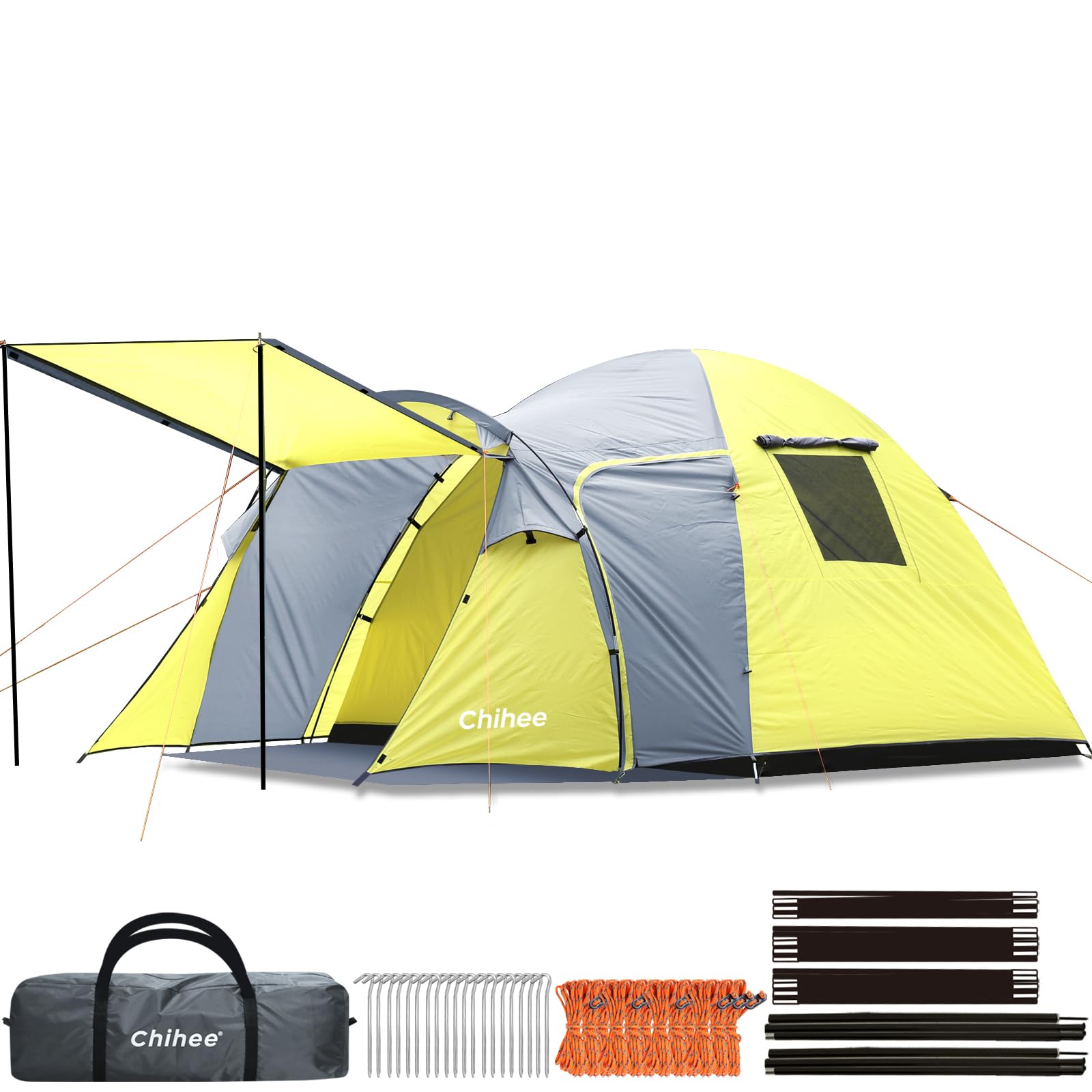
Chihee’s dome tent uses a double-layer construction with a main sleeping area measuring 215 x 245 cm and a separate front vestibule that adds 160 cm of sheltered space. The vestibule can be propped up using included poles to create a small porch, giving you a protected area for cooking or relaxing without letting bugs into the sleeping zone.
The frame uses three fiberglass poles (9.5 mm diameter) in a freestanding dome shape. The two longer poles form the main structure, while the shorter pole arches over the vestibule. The full-mesh inner ceiling allows excellent stargazing and airflow, and the PU-coated polyester fly provides waterproof protection. The fly features heat-sealed seams and a removable groundsheet in the vestibule area.
Customer feedback highlights the tent’s spaciousness—it fits a queen mattress easily—and the fact that it survived a thunderstorm without leaks. Setup alone takes 15–20 minutes, but the instructions are minimal. This tent is best suited for car camping and basecamp use where weight is not a concern.
Why it’s great
- Large vestibule with porch-like functionality
- Excellent airflow with full-mesh inner ceiling
- Spacious enough for three people and gear
Good to know
- Fiberglass poles and basic stakes are less robust than aluminum
- Sleeping area is mostly mesh, which can feel cold in unseasonably cool weather
6. Forceatt Tent for 2 and 3 Person

The Forceatt tent uses a double-Y pole structure with pre-attached clips for a setup that takes about three minutes. The interior dimensions of 88.4 x 72.7 inches with a 47.2-inch peak provide enough space for three sleeping bags, though three adults will be a snug fit. The rectangular floor layout feels less cramped than tapered designs.
The 70D polyester fabric carries a 2000mm waterproof coating, and the welded floor design raises the bathtub floor to protect against ground moisture. Two mesh windows and ceiling vents promote airflow, and the micro-mesh fabric helps reduce condensation. The packed weight of around 7.3 pounds makes this a car-camping or short-hike option rather than a thru-hiking shelter.
Reviewers note that the tent withstands heavy rain well and that the zippers operate smoothly without catching. The included stakes are adequate for normal soil but struggle in sand or loose dirt. A few owners experienced wear on the elastic shock cords over repeated use, but most agree the tent delivers solid reliability for the price.
Why it’s great
- Very fast and straightforward setup
- Welded floor adds good moisture protection
- Breathable mesh design reduces condensation
Good to know
- On the heavier side for backpacking
- Stakes are not very robust for all ground types
7. Coleman Sundome Camping Tent with Rainfly

The Sundome is one of the most recognizable tents in car camping, and the 3-person version offers 49 square feet of floor area—enough to fit a queen air mattress with room leftover. The WeatherTec system uses patented welded corners and inverted seams to keep water out, and large windows combined with a ground vent push warm air upward for better ventilation.
Setup takes about 10 minutes using continuous pole sleeves and Insta-Clip attachments. The Polyguard fabric is thicker than lightweight backpacking materials, which adds durability but also weight. The rainfly covers the top of the dome, leaving the lower walls partially exposed, which works well in summer but can let drafts in during cooler conditions.
Users consistently report that the Sundome holds up in Pacific Northwest rain without leaking and that the ventilation is good enough to minimize condensation. The fiberglass poles are functional but are a known weak point compared to aluminum alternatives. This tent is best for families and casual campers who want a reliable, easy-to-pitch shelter for predictable weather.
Why it’s great
- Generous floor space fits a queen mattress easily
- Proven WeatherTec system keeps water out in storms
- Very affordable and widely available
Good to know
- Fiberglass poles are less durable than aluminum
- Heavy for backpacking—designed for car camping
8. Bessport Camping Tent for 2-3 Person

The Bessport tent focuses on weather protection with a 3000mm hydrostatic head rating on the rainfly and fully taped seams. The floor dimensions of 88.4 by 72.7 inches and a peak height of 47.2 inches provide enough room for three adults, though the sloping walls reduce usable space near the edges. Two D-shaped doors with extra-large zippers make entry and exit smoother than many budget tents.
The single-pole aluminum structure uses clips for fast setup, and the pre-curved pole creates a more stable frame in wind. Four guylines add extra security in storms. A large mesh window and two ceiling vents help manage condensation. The packed weight of about 7.16 pounds is moderate for car camping but a bit heavy for extended backpacking trips.
Field reports mention that the tent stayed dry during a two-day thunderstorm and that the zippers glide well without catching. Some users experienced minor fraying on the fabric after several trips, but the overall durability is solid for the price. The Bessport is a strong choice for budget-conscious campers who prioritize keeping dry above all else.
Why it’s great
- High 3000mm hydrostatic head rating for reliable rain protection
- Two doors make entering and exiting easier
- Aluminum poles provide good wind resistance
Good to know
- Sloping walls reduce usable headroom near edges
- Some reports of fabric fraying after extended use
9. Naturehike Cloud River 2-3 Person Backpacking Tent
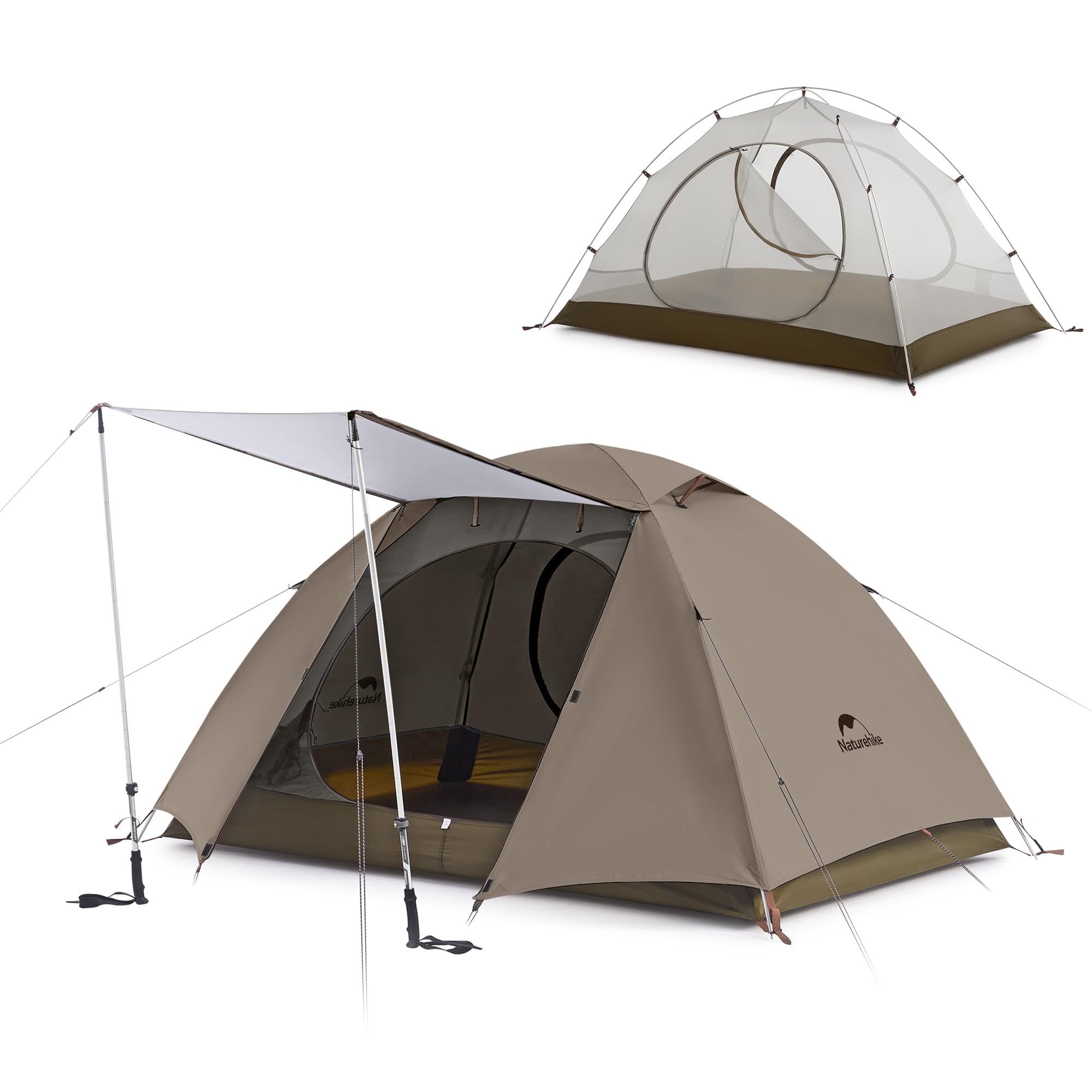
The Cloud River uses an X-cross pole structure with 7001 aluminum alloy, which is lighter and tougher than fiberglass. The floor measures 86.6 by 70.9 inches with a 49.2-inch peak height, offering decent headroom for a three-person shelter that packs down to just 20.5 by 6.3 inches. The all-mesh inner tent provides 360-degree views and excellent ventilation when used without the fly.
The 210T polyester rainfly has a silver coating that blocks 99% of UV rays and a waterproof rating of 2000mm. The double-layer design lets you pitch the inner alone for warm nights and add the fly for storm protection. Setup is straightforward with the X-cross pole geometry, and the included 13 stakes provide plenty of anchoring points. Weight comes in at around 6.8 pounds.
Reviewers note that the tent is comfortable for two people with gear but a tight squeeze for three. The all-mesh design keeps condensation low, and the fly holds up well in heavy rain. A few owners mention that the floor feels thin and recommend using a separate ground tarp for rocky terrain. This tent works well for couples or solo backpackers who want a light, affordable shelter with good airflow.
Why it’s great
- Lightweight for backpacking and bike touring
- All-mesh inner provides excellent airflow
- Aluminum alloy poles are durable and light
Good to know
- Floor is thin and benefits from an additional ground tarp
- Fits two adults comfortably, three is tight
FAQ
Will three adults really fit in a 3 person tent?
Is a higher hydrostatic head rating always better?
Should I buy a tent with two doors?
Can I use a 3 season tent in winter?
Do I need a separate footprint for my tent?
Final Thoughts: The Verdict
For most users, the 3 person tent winner is the ALPS Mountaineering Zephyr because it blends spacious dual-vestibule design with full mesh ventilation and durable aluminum poles at a fair price. If you prioritize ultralight backpacking performance, grab the Naturehike Cloud Up and its included footprint. And for instant pop-up convenience at the campsite, nothing beats the Night Cat Cabin Tent with its massive vestibule.

Mo Maruf
I created WellFizz to bridge the gap between vague wellness advice and actionable solutions. My mission is simple: to decode the research and give you practical tools you can actually use.
Beyond the data, I am a passionate traveler. I believe that stepping away from the screen to explore new environments is essential for mental clarity and physical vitality.