Our readers keep the lights on and my smoothie glass nicely filled. As an Amazon Associate, I earn from qualifying purchases.
The biggest mistake people make when starting barefoot training is buying a shoe that still has arch support, a heel drop, or a narrow toe box that pinches the toes together. Real barefoot workout shoes demand a completely flat, flexible platform that lets your foot muscles actually do the work. Every millimeter of stack height and every degree of stiffness matters when you are loading a barbell or landing a box jump.
I’m Mohammad Maruf — the founder and writer behind WellFizz. My research focuses on the measurable biomechanical specs that separate genuine minimalist footwear from sneakers that just look flat: zero-drop geometry, ground-feel feedback, stack height in millimeters, and toe-box splay width.
After analyzing over 30 barefoot shoes across price tiers by stack height, sole flexibility, toe-box shape, and material durability, I have narrowed the field to seven serious contenders. My goal is simple: help you find the best barefoot workout shoes for your specific training, foot shape, and budget.
How To Choose The Best Barefoot Workout Shoes
Barefoot workout shoes are not just flat sneakers. They are engineered to let your foot move naturally while providing just enough protection for the gym floor or pavement. Understanding three core specs will prevent you from buying a shoe that looks minimalist but still restricts your foot.
Stack Height and Ground Feel
Stack height is the distance from your foot to the ground. In barefoot shoes, this ranges from 3 mm to 12 mm. Lower stack heights deliver more ground feel, which forces your small foot muscles to stabilize. If you are transitioning from traditional shoes, start around 8-12 mm. If you already train in minimal footwear, 3-6 mm gives the best feedback for lifts and jumps.
Toe Box Shape and Splay Room
A genuine barefoot shoe has a wide toe box that allows your toes to spread naturally. Look for a shape that is foot-shaped, not tapered. Your big toe should point straight ahead, not angle inward. If your toes are cramped, your foot cannot generate full force during squats, lunges, or deadlifts.
Outsole Flexibility and Traction
The sole should bend easily at the ball of the foot with minimal resistance. A rigid sole defeats the purpose of barefoot training. For gym use, a flat tread pattern with good grip on rubber flooring is ideal. Avoid aggressive lugs designed for trail running unless you also train outdoors on loose terrain.
Quick Comparison
On smaller screens, swipe sideways to see the full table.
| Model | Category | Best For | Key Spec | Amazon |
|---|---|---|---|---|
| Xero HFS II | Mid-Range | All-day wear and light gym | 5.5 mm sole | Amazon |
| Xero Prio Neo | Mid-Range | Transition from traditional shoes | Removable 2 mm insole | Amazon |
| Merrell Vapor Glove 6 | Mid-Range | Narrow to medium feet | Leather upper, 6 mm stack | Amazon |
| NB Minimus Tr V2 | Mid-Range | Gym training and lifting | Wide grippy outsole | Amazon |
| Altra Solstice XT 3 | Premium | CrossFit and HIIT | FootShape toe box | Amazon |
| Vivobarefoot Motus Flex | Premium | Strength training and agility | 3 mm outsole | Amazon |
| FLUX Adapt Runner | Premium | All-day standing and walking | Replaceable insole | Amazon |
In‑Depth Reviews
1. ALTRA Men’s Solstice XT 3 Cross Training Shoe

Altra’s Solstice XT 3 strikes the hardest-to-find balance in barefoot training: a genuinely wide FootShape toe box with a zero-drop platform that still delivers enough structure for heavy CrossFit sessions. Multiple users reported that the shoe held up well after 9 months of daily wear and 2 months of 4-5x per week CrossFit training including box jumps, sprints, and weightlifting. The toe box allows natural splay and can accommodate toe spacers, which is a significant advantage for anyone rehabbing toe or heel issues.
The midfoot is slightly narrower than Altra’s Escalante or Torin models, which improves lateral stability during dynamic movements. Users with wider midfoots may notice some pressure during side-to-side drills, but the overall fit remains secure without pinching. The outsole handles hard-court sliding for tennis players with good durability, though heavy court use at 8+ hours per week may show wear in 1-2 months.
This is not the lightest or most ground-feel-intense shoe on the list — the stack is higher than pure barefoot options. But for lifters, HIIT athletes, and gym-goers who want a genuine zero-drop experience without sacrificing protection under a barbell, the Solstice XT 3 is the most complete package. Users with wide feet who have struggled with other minimalist brands find the Altra shape immediately comfortable.
Why it’s great
- Wide FootShape toe box allows natural toe splay and spacer use
- Durable construction holds up to high-frequency CrossFit and daily wear
- Zero-drop platform with enough structure for heavy lifts and box jumps
Good to know
- Midfoot runs slightly narrower than other Altra models
- Heavier and thicker than pure barefoot options; less ground feel
2. Vivobarefoot Men’s Motus Flex Barefoot Training Shoe
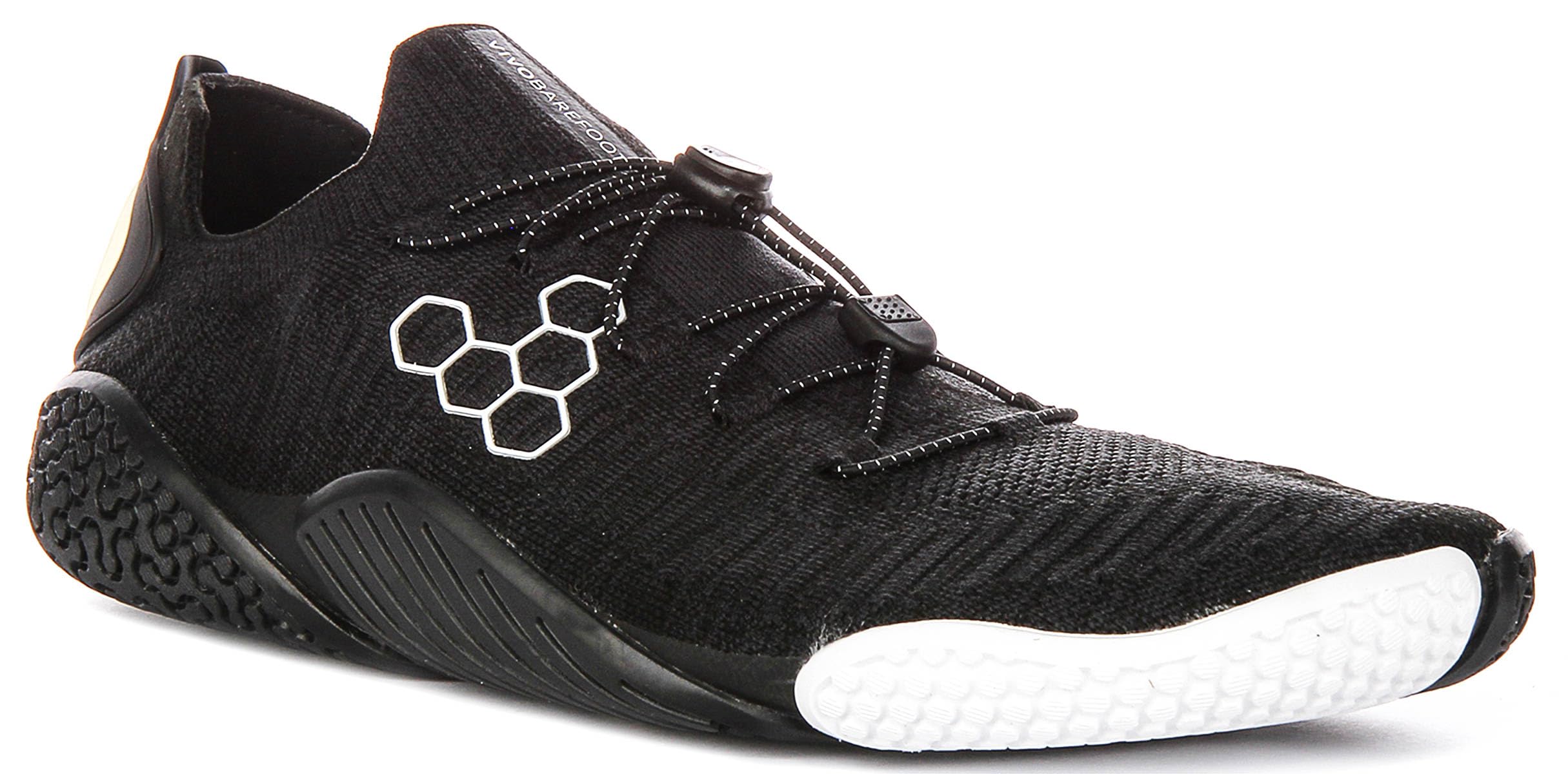
If your primary goal is maximum ground feel during strength and balance work, the Vivobarefoot Motus Flex delivers the thinnest, most flexible platform in this group with a 3 mm outsole. Users consistently describe the sensation as feeling completely natural, with a wide toe box that lets the foot move without restriction. The zero-drop geometry is non-negotiable here — there is no ramp or support built into the shoe, which forces your foot and ankle stabilizers to activate fully.
The outsole uses a grippy compound that works well on gym floors, artificial turf, and pavement. The sustainable upper materials are well-constructed and show minimal wear even with daily use. Sizing is the biggest variable: the Motus Flex runs large, and most users recommend sizing down by a full size. One reviewer noted that ordering a size 10 for a men’s 10.5-11 foot was the correct call, yielding a perfect fit.
This shoe is not ideal for long runs or concrete-heavy days — the 3 mm sole provides minimal impact attenuation. But for barefoot-style training, lifting, and dynamic movement, the feedback is unmatched. The white colorway looks sharp but picks up dirt quickly. At this premium tier, you are paying for the most faithful barefoot experience available in a trainer package.
Why it’s great
- Extremely thin 3 mm outsole delivers industry-leading ground feel
- Durable, grippy outsole works well on gym floors and turf
- Wide toe box supports natural splay for balance and strength work
Good to know
- Runs large — size down one full size for proper fit
- Premium pricing; white upper gets dirty quickly
3. FLUX FOOTWEAR Adapt Runners
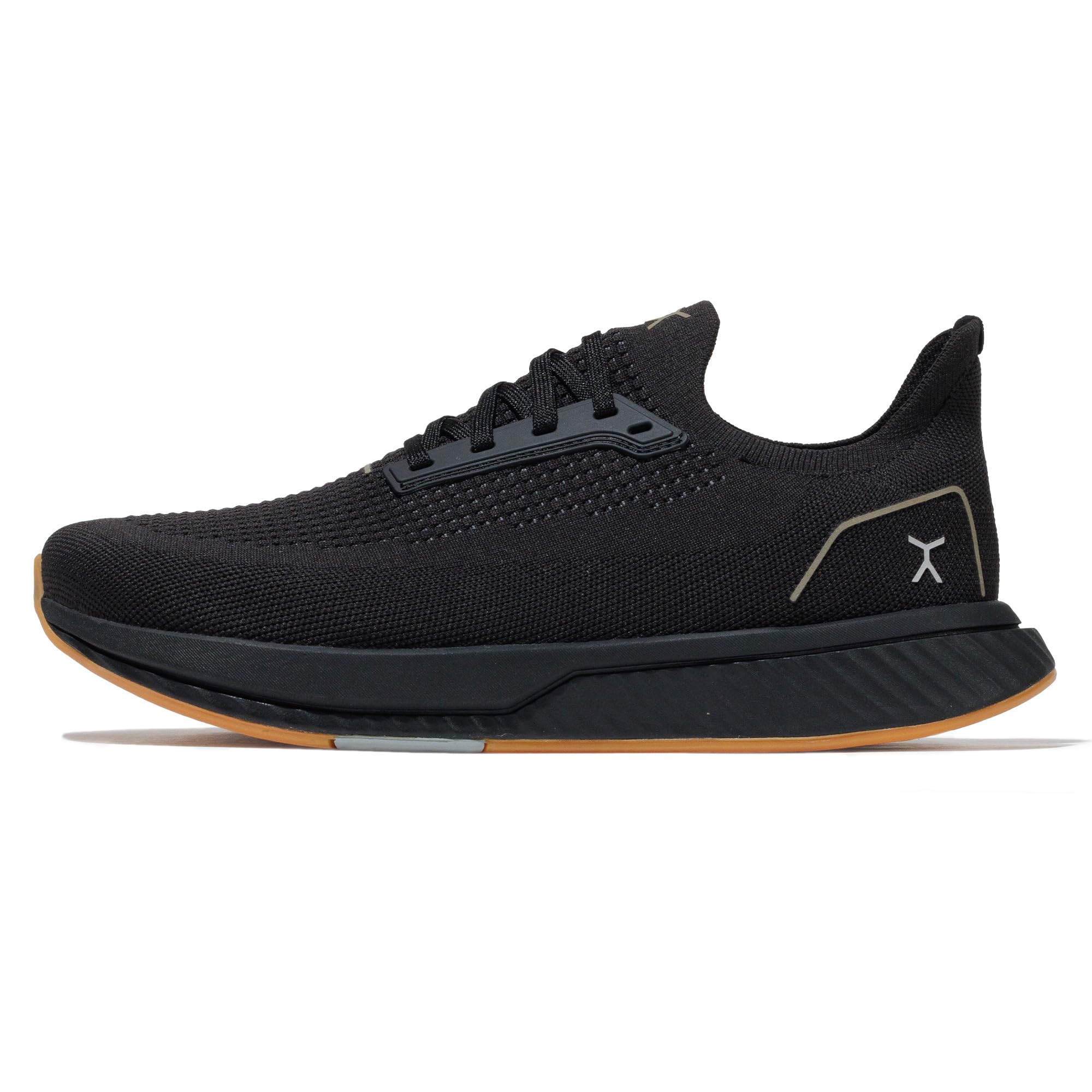
FLUX Adapt Runners are built for the person who wants a barefoot shoe that genuinely lasts years while being comfortable enough for 15,000-step workdays. Multiple users reported that their first pair lasted over 4 years, with one automotive painter logging tens of thousands of steps daily and noting reduced knee, back, and foot pain after switching. The wide toe box is generous enough for neuropathy patients who need extra room in the forefoot without sacrificing midfoot security.
The shoe ships with a replaceable insole, allowing you to dial in the level of ground feel — wearing the insole adds a slight buffer for transition, and removing it delivers a more authentic barefoot experience. Ankle support is minimal by design, which is appropriate for barefoot training but may feel unstable for users coming from high-top trainers. The fit was initially tight for some users near the ankle opening, with one reviewer noting that the lacing system does not allow enough adjustability to loosen that area.
Durability is the headline here. The sole held up through daily wear and tennis use across multiple years. The break-in period is roughly 2 weeks of daily wear before the materials soften. At this premium tier, you are paying for longevity and comfort over ultimate ground feel — the outsole is thicker than pure barefoot options, making it better for all-day standing and walking than for high-feedback lifting.
Why it’s great
- Exceptional longevity — multiple users report 3-4 years of daily wear
- Replaceable insole allows customization of ground feel level
- Wide toe box ideal for neuropathy, flat feet, and post-surgery recovery
Good to know
- Ankle opening can feel tight for some users; lacing adjustability is limited
- Heavier outsole reduces ground feel compared to thinner barefoot options
4. Xero Shoes Men’s HFS II Barefoot Running Shoes
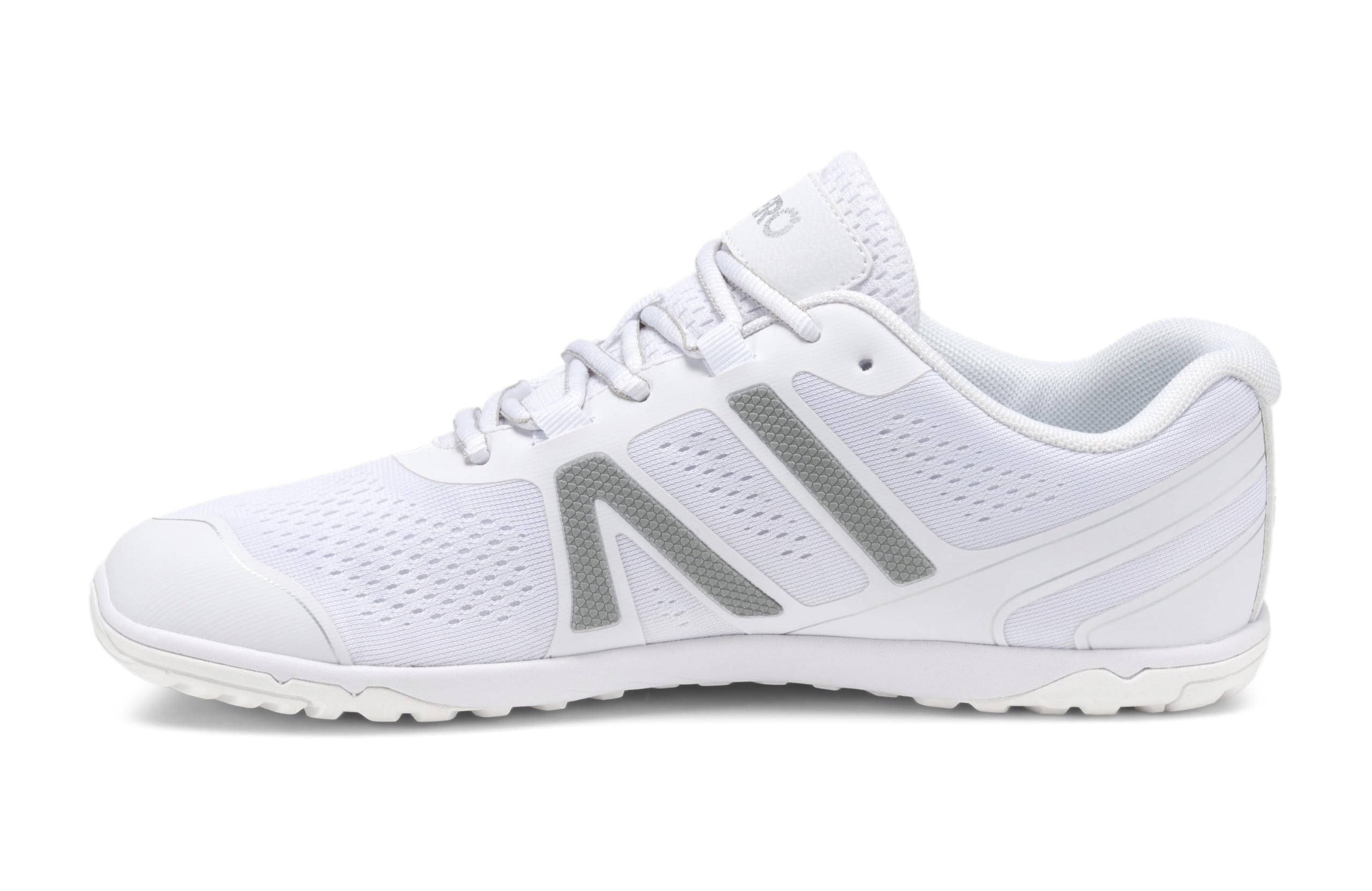
The Xero HFS II is the most versatile barefoot shoe in the mid-range tier, designed to transition seamlessly from gym workouts to trail walks to casual everyday wear. With a 5.5 mm outsole and zero-drop platform, it offers a balanced ground feel — enough feedback for training, but enough protection for pavement and light trails. Users consistently praise the comfort for walking, hiking, and all-purpose use, noting that the toe box provides adequate splay without feeling excessively wide.
There is an important caveat for running: reviewers who owned the previous HFS version felt the HFS II has a stiffer, slightly thicker sole that reduces ground feel for running. For dedicated barefoot runners, the original HFS was superior. However, for gym-goers and cross-trainers who need a shoe that works across surfaces, the HFS II is excellent. Sizing runs small — most users recommend going up half a size from your normal shoe size.
A batch-specific concern surfaced for the FW25 production run: some users reported the outsole wearing holes after 71 days of use, though the perimeter remained intact. This appears to be a manufacturing defect in that specific batch rather than a design flaw. If you purchase, check the manufacture date and verify warranty coverage through Xero directly. For the price, the HFS II remains a strong value for someone who wants one shoe for gym, pavement, and trails.
Why it’s great
- Versatile across gym, pavement, and light trail use
- Balanced 5.5 mm sole provides good ground feel with adequate protection
- Breathable upper for warm-weather training
Good to know
- FW25 batch had outsole durability issues; verify manufacture date
- Runs small — size up half from your normal size
5. Xero Shoes Women’s Prio Neo Barefoot Training Shoe
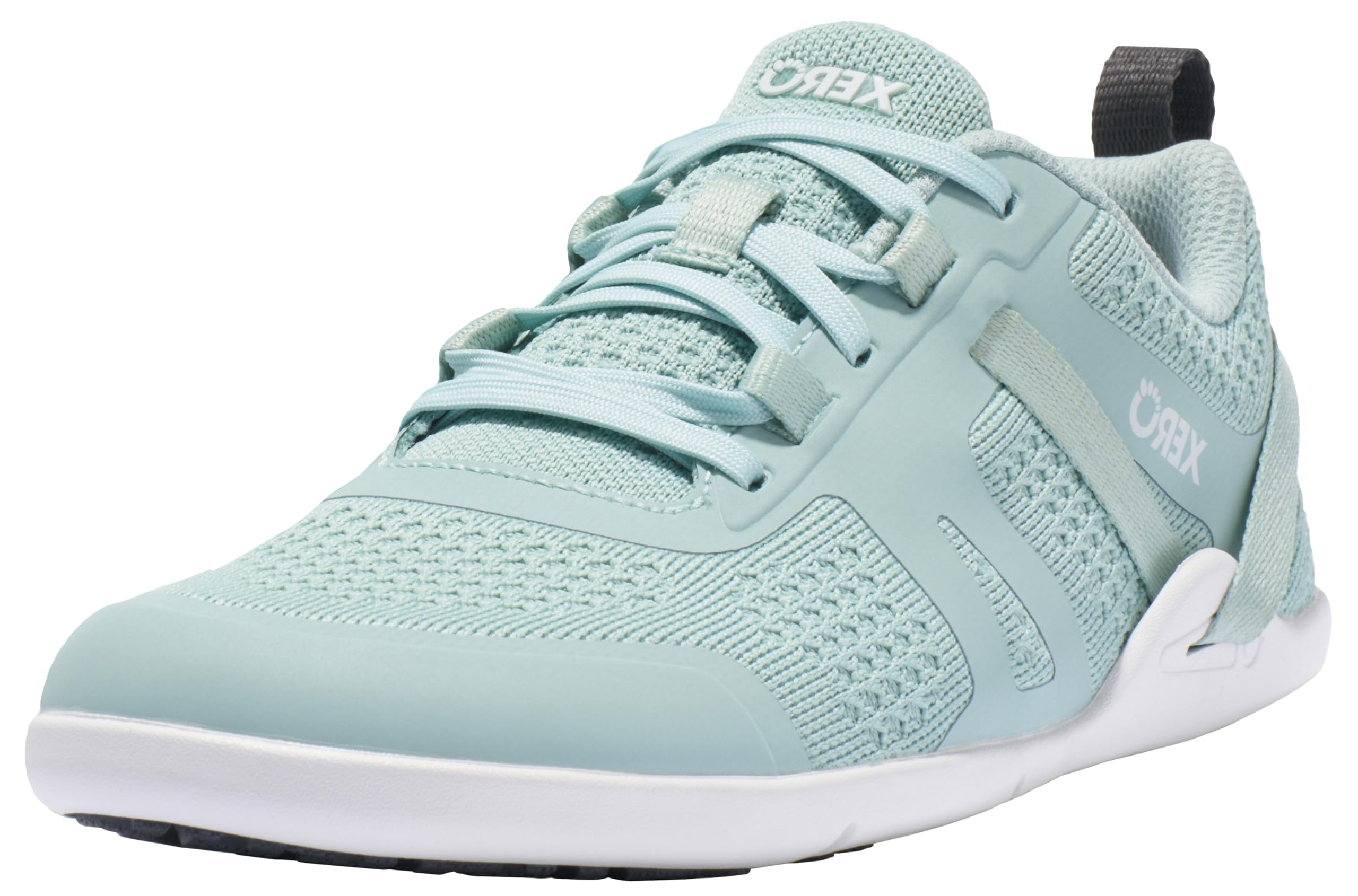
The Xero Prio Neo is designed specifically for people transitioning from traditional cushioned shoes to barefoot footwear. It includes a removable 2 mm insole that provides a slight cushioning buffer while your foot adapts — you can remove it later to increase ground feel as your foot strengthens. Users transitioning from Brooks Glycerine GTS 20 reported initial calf and knee soreness, which is expected when the foot is forced to stabilize without arch support. Most adapted within a few weeks and found the Prio Neo more stable, flexible, and comfortable than their previous shoes.
The wide toe box and stretchy upper accommodate Morton’s toe and hammer toes without pain. The shoe feels like a slipper with a rubber sole — extremely comfortable for indoor wear and dog walks. Some users noted that the hard plastic lace holder digs into the top of the foot during walking, which is a design issue that may bother people with higher insteps. The fix involves adjusting lacing tension or using lace locks.
Durability reports are positive for daily walking and light gym use. The Prio Neo is not built for heavy CrossFit or trail running, but for gym cardio, weight machines, and everyday wear, it is one of the most comfortable entry points into barefoot training. The smaller profile compared to traditional athletic shoes makes it easy to pack for travel.
Why it’s great
- Removable insole allows gradual transition to full barefoot feel
- Wide toe box and stretchy upper accommodate toe deformities
- Extremely comfortable for indoor wear and daily walking
Good to know
- Hard plastic lace holder can dig into top of foot while walking
- Not built for heavy trail running or CrossFit-level abuse
6. New Balance Men’s Minimus Tr V2

New Balance’s Minimus Tr V2 is a purpose-built gym trainer for lifting, P90x, and cross-training, offering a zero-drop platform with a wide, grippy outsole that provides excellent stability under load. Users consistently praise the shoe for being lightweight, comfortable, and flexible — exactly what you want for deadlifts, squats, and agility work. The neoprene tongue construction slides easily but some users found it shifts during intense lateral movement.
Sizing is the most discussed variable here. The consensus is that the Tr V2 runs small — most users recommend going up one full size and one width, especially if you are accustomed to barefoot shoes with wide toe boxes. One reviewer who normally wears 10.5 opted for 10.5 Wide and found it perfect. If you have a narrow foot, the regular width may work, but users with average or wide feet should order wide from the start.
A vocal minority of Minimus V1 loyalists were disappointed with the V2 changes, calling the new version beefier, stiffer, and more padded — the opposite of what the Minimus line historically stood for. If you are a purist looking for the slimmest profile, the V1 or other options may suit you better. But for most gym-goers who want a functional zero-drop trainer with good durability and traction, the Tr V2 is a solid mid-range pick.
Why it’s great
- Wide, grippy outsole provides excellent stability for lifting
- Lightweight and flexible for agility and dynamic gym movements
- Durable construction for regular gym training
Good to know
- Runs small — order one full size up and one width wider
- V2 is stiffer and more padded than V1; purists may prefer alternatives
7. Merrell Womens Vapor Glove 6 LTR
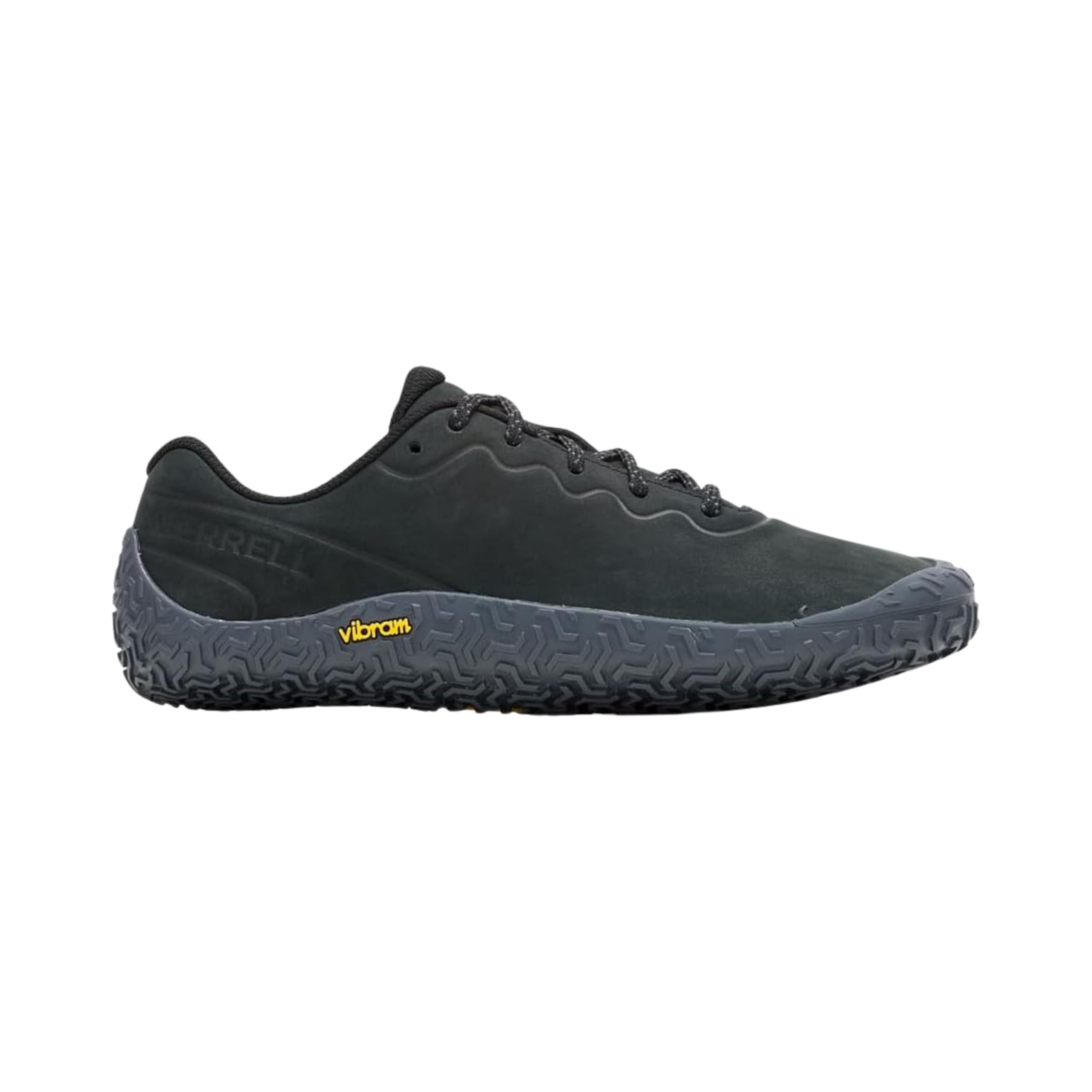
Merrell’s Vapor Glove 6 LTR is the most refined barefoot option for people with narrow to medium-width feet who want a leather upper that molds to the foot over time. The thin suede leather wraps the foot closely and provides a snug, glove-like fit once broken in. Users with Ehlers-Danlos syndrome reported that the Vapor Glove eliminated back pain by allowing natural foot mechanics, which is a strong endorsement for anyone needing a truly flexible, zero-drop platform.
The stack height is approximately 6 mm, offering moderate protection for walking and light running while maintaining good ground feel. The shoe is washable, which is a practical advantage for daily wear. Sizing is the primary friction point: the Vapor Glove 6 runs slightly narrow and a half-size small compared to previous generations. Reviewers recommend ordering a half-size up, especially if you have wider feet or need space for toe splay. The leather should stretch with wear, but initial tightness in the great toe area was noted.
This is not the shoe for heavy lifting or CrossFit — the sole is flexible but thin, and the upper lacks the structure needed for lateral stability under heavy loads. It excels as a walking shoe, a runaround shoe, and a comfortable option for people with foot conditions that require minimal interference. If you have wide feet or need maximum toe splay, the narrower cut of this model may be limiting.
Why it’s great
- Thin leather upper molds to foot for a personalized, glove-like fit
- Washable construction for easy maintenance
- Excellent for people with Ehlers-Danlos or back pain conditions
Good to know
- Runs narrow and half-size small; order up for toe room
- Not built for heavy lifting or lateral gym movements
FAQ
How long does it take to transition to barefoot workout shoes?
Can I lift heavy weights in barefoot workout shoes?
Should I buy barefoot shoes with or without arch support?
Final Thoughts: The Verdict
For most users, the best barefoot workout shoes winner is the Altra Solstice XT 3 because it combines a genuinely wide toe box with a zero-drop platform and enough structure for CrossFit, HIIT, and heavy lifting without sacrificing durability. If you want the purest ground feel for strength and balance work, grab the Vivobarefoot Motus Flex. And for all-day comfort and exceptional longevity in a barefoot shoe, nothing beats the FLUX FOOTWEAR Adapt Runners.

Mo Maruf
I created WellFizz to bridge the gap between vague wellness advice and actionable solutions. My mission is simple: to decode the research and give you practical tools you can actually use.
Beyond the data, I am a passionate traveler. I believe that stepping away from the screen to explore new environments is essential for mental clarity and physical vitality.