Our readers keep the lights on and my smoothie glass nicely filled. As an Amazon Associate, I earn from qualifying purchases.
The line between a budget phone and a flagship camera has all but disappeared. Three years ago, a phone delivered grainy night shots and slow autofocus; today, that same price point packs 200MP sensors, optical image stabilization, and computational photography that rivals devices costing three times as much. The challenge is not finding a phone with a decent camera—it is cutting through the spec-sheet hype to identify which models actually deliver consistent, vibrant images in the real world, not just in a marketing studio.
I’m Mohammad Maruf — the founder and writer behind WellFizz. I dissect hardware specifications across dozens of smartphone lineups each quarter, comparing sensor sizes, aperture values, pixel-binning algorithms, and image-processing pipelines to separate genuine photographic value from inflated marketing claims.
After analyzing nine contenders across multiple price tiers, one device consistently outperforms its peers in color science, low-light capability, and overall image versatility. This guide breaks down every meaningful camera spec, processor influence, and real-world trade-off so you can confidently pick the best budget smartphone with best camera for your specific priorities.
How To Choose The Best Budget Smartphone With Best Camera
Selecting a budget camera phone requires shifting your focus from marketing megapixels to the trio of hardware that actually determines image quality: the sensor size and pixel architecture, the presence of optical image stabilization, and the image signal processor within the chipset. Ignore any of these three pillars, and even a 200MP sensor will produce soft, noisy photos.
Sensor Size, Pixel Binning & Aperture
Sensor size—measured diagonally, often expressed as 1/1.4-inch or 1/2-inch—dictates how much light the camera can capture. A larger sensor with a wide aperture (f/1.6 to f/1.8) collects more photons, directly improving low-light performance. High-megapixel sensors (108MP, 200MP) use Quad Bayer or Tetra² pixel-binning: groups of four or sixteen pixels merge into one larger pixel (2.24µm equivalent), effectively simulating a large-pixel sensor for brighter nighttime shots. Without binning, those tiny 0.56µm individual pixels would produce extreme noise. Always check the binned pixel size, not just the raw megapixel count.
Image Signal Processor & Computational Photography
The ISP inside the phone’s processor—Google Tensor G2’s ISP, Qualcomm Snapdragon’s Spectra ISP, or MediaTek’s Imagiq—handles all post-processing: white balance, noise reduction, dynamic range stacking, and color mapping. Google’s computational photography, driven by its ISP and HDR+ algorithms, often makes a 12MP Pixel 7 outshine phones with larger sensors but weaker processing pipelines. A flagship-tier ISP in a mid-range chipset can salvage details that a cheap ISP would crush into artifacts. Prioritize devices with proven ISP track records (Google, Samsung Exynos/Snapdragon flagship ISPs) for the most natural-looking output.
Optical vs Electronic Stabilization
Optical image stabilization (OIS) physically shifts the lens module to counteract hand shake, preserving sharpness during exposures up to 1/4 second. Electronic image stabilization (EIS) crops the frame and uses gyroscope data to stabilize footage digitally, which can introduce jello-warping in video and reduces the effective field of view. For still photography in moderate light, OIS is vastly superior—it allows longer shutter speeds without blur and directly boosts low-light clarity. When comparing budget models, check the camera specs for “OIS” on the primary sensor; many budget phones omit it, relying solely on EIS, which limits handheld night shots.
Quick Comparison
On smaller screens, swipe sideways to see the full table.
| Model | Category | Best For | Key Spec | Amazon |
|---|---|---|---|---|
| Xiaomi Redmi Note 14 Pro+ Plus | Premium Mid-Range | High-resolution zoom & color accuracy | 200MP OIS, Snapdragon 7s Gen 3 | Amazon |
| Samsung Galaxy S25+ (Renewed) | Flagship Value | Best dynamic range & video stabilization | 50MP OIS + 10MP telephoto, Snapdragon 8 Elite | Amazon |
| Google Pixel 7 | Best Overall | Computational photography & consistent color science | 50MP OIS, Tensor G2 ISP | Amazon |
| Samsung Galaxy A37 5G | Mid-Range Reliable | Nightography & long software support | 50MP HDR OIS, Exynos 1480 ISP | Amazon |
| Xiaomi Redmi Note 15 Pro | Performance Leader | Raw image detail & fast burst shooting | 200MP OIS, Dimensity 7400-Ultra ISP | Amazon |
| BLU Bold N4 5G | Value Flagship | Large storage & decent dual cameras | 50MP main + 16MP selfie, 5G band support | Amazon |
| MMY Rugged Armor | Extreme Battery | Night vision & underwater photography | 108MP + 68MP, 22000mAh battery, IP68 | Amazon |
| Minolta MN40Z | Bridge Camera | Optical zoom without changing lenses | 40X optical zoom, 20MP 1/2.3″ sensor | Amazon |
In‑Depth Reviews
1. Google Pixel 7 (128GB)

The Pixel 7 remains the gold standard for computational photography at a budget price. Its 50MP primary sensor, backed by optical image stabilization and Google’s Tensor G2 ISP, delivers HDR+ and Night Sight that produce natural, well-exposed images in conditions where most budget phones either blow out highlights or crush shadows. The wide and ultrawide lenses capture a 114-degree field of view, and Super Res Zoom up to 8x yields surprisingly usable telephoto shots through multi-frame processing rather than optical glass.
In real-world use, the camera app is snappy, with near-zero shutter lag. Face Unlock is fast, and the fingerprint reader—while slightly inconsistent—works reliably after a proper finger scan. The 6.3-inch 90Hz OLED display is sharp and vibrant, making photo review a pleasure. Battery life averages about 8 to 10 hours of mixed use, which falls short of the 24-hour claim but still gets most users through a full day, though heavy photographers may need a midday top‑up.
Where the Pixel 7 truly shines is its software support: guaranteed updates through 2026 and a clean Android experience with zero bloatware. Gamers should note that the Tensor G2 lags behind Snapdragon 8-series in sustained GPU performance, but for camera-first buyers, the Pixel 7 delivers the most consistent, film-like image quality at this price point.
Why it’s great
- Best-in-class computational photography with accurate white balance and dynamic range
- OIS on the main sensor enables sharp handheld night shots
- No bloatware; fast software updates until 2026
Good to know
- Battery life averages 8–10 hours; does not always reach full-day on heavy camera use
- Fingerprint reader can be inconsistent, especially with dry fingers
- Gaming performance is weaker than Snapdragon alternatives in the same tier
2. Xiaomi Redmi Note 14 Pro+ Plus 5G (512GB)

The Redmi Note 14 Pro+ Plus redefines what a mid-range camera phone can achieve. Its 200MP main sensor (1/1.4-inch) with OIS uses 16-in-1 pixel binning to produce 12.5MP images with 2.24µm equivalent pixels—matching the low-light light-gathering of many flagship devices. The Snapdragon 7s Gen 3’s ISP handles the huge data pipeline gracefully, maintaining fast burst shooting and 4K video at 30fps without overheating. The 8MP ultrawide and 2MP macro sensors are less impressive, but the primary lens alone justifies the price.
The 6.67-inch CrystalRes AMOLED display (1.5K, 120Hz) with 3000nits peak brightness is superb for reviewing photos in sunlight. The 5110mAh battery easily lasts a full day of heavy camera use, and the included 120W HyperCharge can refill from 0 to 100% in well under 30 minutes. Build quality feels flagship-grade with Gorilla Glass Victus 2 protection and IP68 water resistance, a rare find in this tier.
One caveat: the phone is GSM-only, working best on T-Mobile, Mint, and Tello in the US. The curved display edges can cause accidental touches, and the charger plug may be loose after months of use. The camera app includes AI modes (AI Film, AI Subtitles) that can oversharpen in automatic mode, so purists may prefer shooting in Pro mode to retain natural detail. For sheer hardware firepower at this price, however, the Note 14 Pro+ Plus is unmatched.
Why it’s great
- 200MP sensor with OIS delivers exceptional low-light detail after pixel binning
- 1.5K 120Hz AMOLED display with 3000nits peak brightness for outdoor viewing
- 120W fast charging fully charges in under 30 minutes
Good to know
- GSM-only; does not support Verizon or AT&T networks reliably
- Curved display edges may cause accidental touches during one-handed use
- Charger plug quality can degrade over time for some units
3. Samsung Galaxy A37 5G (128GB)
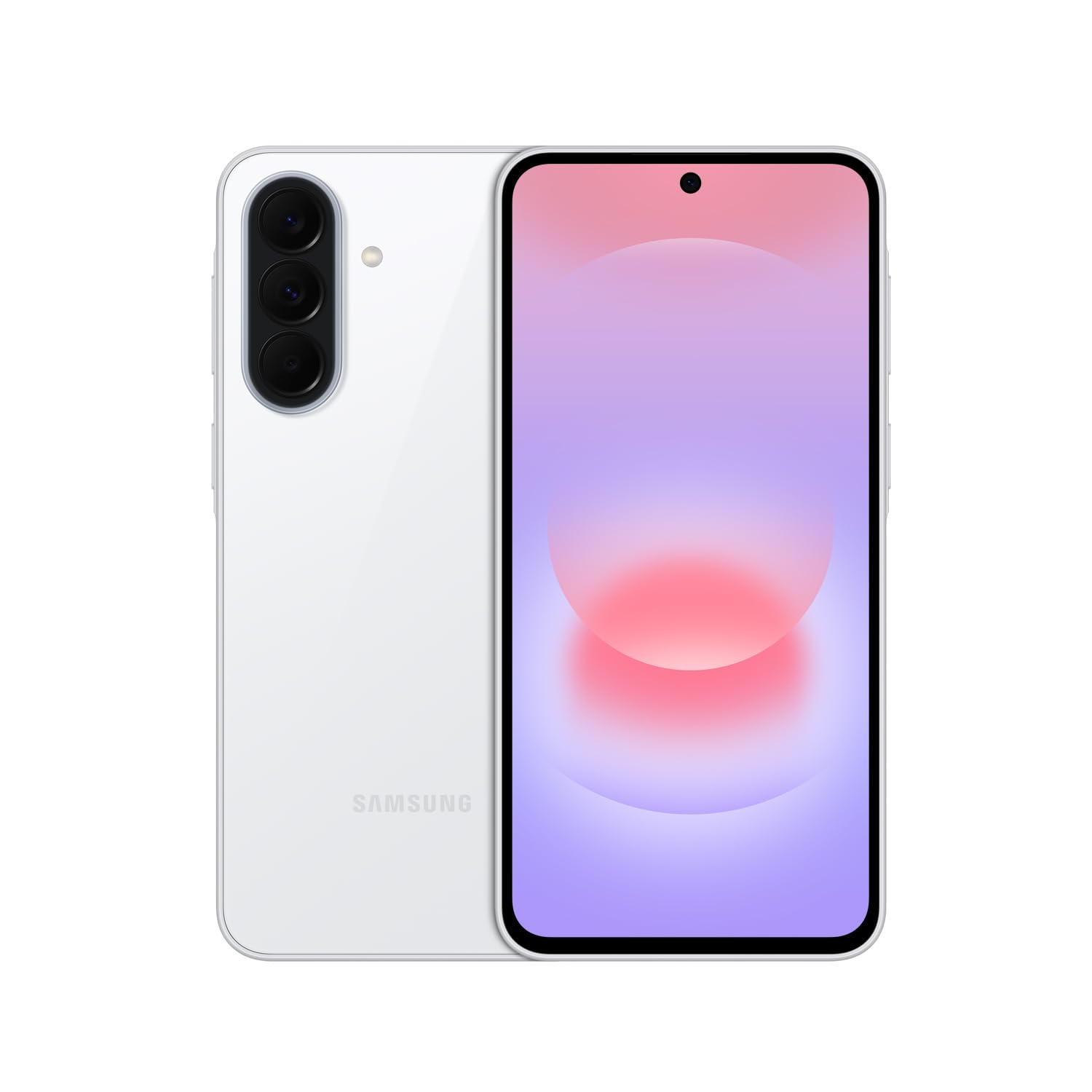
The Galaxy A37 represents Samsung’s strongest budget camera offering in years. Its 50MP HDR main camera with OIS is paired with an Exynos 1480 ISP that provides excellent automatic Nightography—meaning you can point and shoot in low light without adjusting manual settings, and the phone consistently delivers noise-free, color-accurate night shots. The triple-lens system includes a depth lens and a macro lens, though the workhorse is clearly the primary sensor. The 6.7-inch Super AMOLED display is bright and supports Full HD+ resolution, providing a sharp viewfinder.
Battery life is a standout feature: the 5000mAh cell comfortably lasts over a day even with moderate camera use, and Super Fast Charging 2.0 brings it back up quickly. Samsung’s promise of six OS upgrades and six years of security updates means this phone will continue to improve its camera algorithms long after purchase. The IP68 dust/water resistance adds durability that is rare in the sub- segment.
One trade-off is processing speed: the Exynos 1480 is not the fastest chip for gaming, and video recording maxes out at 4K 30fps without 60fps options. The camera app sometimes lags when switching between lenses. The single bottom-firing speaker is adequate but not immersive. For a reliable daily driver that will stay updated and capture excellent night photos for years, the A37 is a compelling choice.
Why it’s great
- Nightography mode delivers excellent low-light photos without manual adjustment
- IP68 water resistance and Gorilla Glass Victus 2 for durability
- Six OS upgrades and six years of security updates
Good to know
- Exynos 1480 chip is not ideal for high-end gaming
- Camera lens switching can cause brief lag
- Single speaker sounds small for media consumption
4. Samsung Galaxy S25+ 256GB (Renewed)

The Galaxy S25+ is a flagship phone available at a budget-savvy price through renewed listings. Its triple-camera system—50MP wide (OIS), 10MP telephoto (3X optical zoom), and 12MP ultrawide—is the most versatile setup in this lineup. The telephoto lens provides genuine optical zoom, giving you lossless zoom at 3X and excellent hybrid zoom up to 10X, something no other phone in this price range offers. The Snapdragon 8 Elite ISP processes images instantaneously, with zero shutter lag and excellent dynamic range even in challenging backlit conditions.
The 6.7-inch Dynamic LTPO AMOLED 2X display with 120Hz adaptive refresh rate is stunning for photo editing and media consumption. Battery life from the 5000mAh cell is solid, lasting a full day even with heavy use, and the 45W charging is fast. As a renewed device, condition varies—some buyers receive units in perfect shape, while others report minor cosmetic flaws. Carrier compatibility is GSM-only (T-Mobile, Mint, Tello), and some units may arrive carrier-locked, requiring a SIM swap or unlock request.
If you demand telephoto reach and premium video stabilization (the S25+ records 4K 60fps HDR10+ video across all lenses), and you are comfortable with the renewed market’s condition variance, this is the best camera value among the premium options. Add Samsung’s 7-year software commitment, and you have a device that will shoot competition-level photos for years.
Why it’s great
- True 3X optical telephoto lens for lossless zoom not found in budget phones
- Snapdragon 8 Elite ISP provides best-in-class dynamic range and zero-lag shooting
- 7 years of OS and security updates from Samsung
Good to know
- Renewed condition varies; small scratches or coating imperfections possible
- GSM-only compatibility limits carrier choice to T-Mobile and MVNOs
- No SD card slot; storage is fixed at 256GB
5. Xiaomi Redmi Note 15 Pro 5G (256GB)
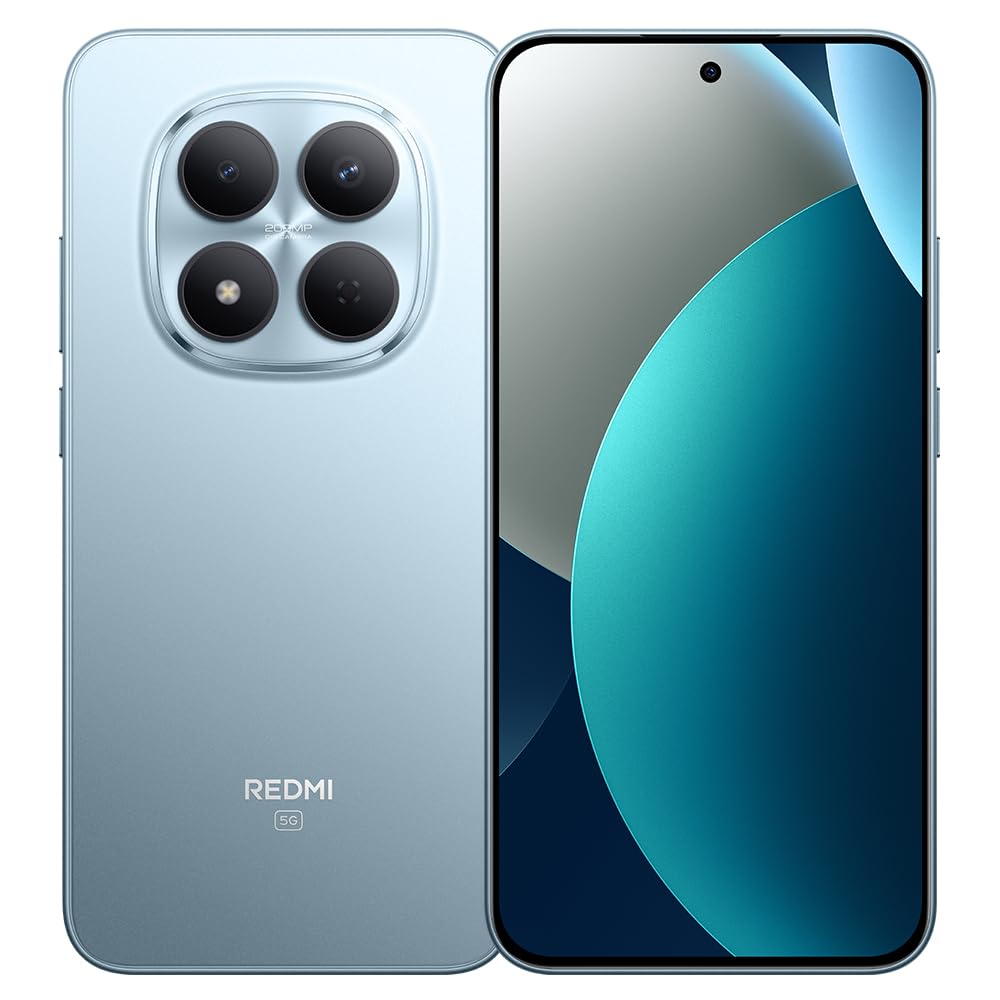
The Redmi Note 15 Pro pushes the budget camera envelope further than any device in this list with its 200MP sensor and the MediaTek Dimensity 7400-Ultra ISP. The 1/1.4-inch sensor captures enormous amounts of data, and the Ultra ISP processes the 200MP pipeline efficiently, enabling 4K 30fps video and burst shots. The 6580mAh battery is the largest here, offering two full days of mixed use even with heavy photography. The 6.83-inch AMOLED display (1.5K, 120Hz) with 3200nits peak brightness is fantastic for outdoor shooting.
Xiaomi’s AI image editing tools—AI Erase Pro, AI Remove Reflection, AI Image Expansion—are genuinely useful for correcting common photo mistakes in-camera, saving time in post-processing. The inclusion of Optical Image Stabilization ensures that the high-resolution sensor can do its job in less-than-ideal lighting. The phone also supports Circle to Search with Google, which is handy for identifying objects in your viewfinder.
The biggest compromise is network compatibility: it works reliably only on T-Mobile and its MVNOs (Mint, Tello) in the US. The no-MicroSD slot is a notable absence for a phone targeting high-resolution shooters. The camera software occasionally oversharpens in automatic mode, and the phone is bulky due to the massive battery. For raw sensor performance and battery endurance, the Note 15 Pro is a top-tier contender for detail-oriented photographers.
Why it’s great
- 200MP sensor with OIS captures exceptional detail for cropping and editing
- 6580mAh battery provides over two days of use, even with heavy camera work
- AI image editing tools (Erase Pro, Remove Reflection) are practical for daily use
Good to know
- GSM-only; not compatible with Verizon, AT&T, or CDMA networks
- No MicroSD slot despite large storage needs for 200MP RAW files
- Bulkier form factor due to the large battery; may feel heavy in hand
6. BLU Bold N4 5G (512GB)

The BLU Bold N4 offers a unique proposition: flagship-class internal specs (512GB storage, 8GB RAM, 5000mAh battery, 66W charging) paired with a 50MP triple-camera system that captures respectable daytime photos. The 6.78-inch curved AMOLED display with 120Hz refresh rate provides a premium viewing experience for photo review. The front camera (16MP) is better than most budget selfie shooters, delivering clear skin tones in good lighting.
Performance is smooth for everyday tasks and moderate gaming, but the camera lacks optical image stabilization, making handheld low-light shots prone to blur. The camera app includes telephoto and wide-angle modes that are functional but not outstanding—colors are slightly oversaturated, and dynamic range is narrower than the Pixel 7 or Redmi Note 14 Pro+. The secondary rear display is a gimmick that adds weight and battery drain, but some find it useful for notification previews.
The phone includes a case, charger, and wired earbuds in the box, adding tangible value. NFC works flawlessly for tap-to-pay. The lack of a MicroSD slot is a minor issue given the 512GB internal storage. For buyers who prioritize massive storage, fast charging, and a decent everyday camera over top-tier photographic sensitivity, the BLU Bold N4 is a compelling budget option.
Why it’s great
- Generous 512GB storage for media-heavy users
- 66W fast charging charges the 5000mAh battery fully in 20 minutes
- Includes case, charger, and earbuds in the box
Good to know
- No optical image stabilization; low-light handheld shots may blur
- Camera colors are slightly oversaturated; dynamic range is modest
- Rear display adds weight and consumes battery unnecessarily
7. MMY Rugged Armor 32+1TB
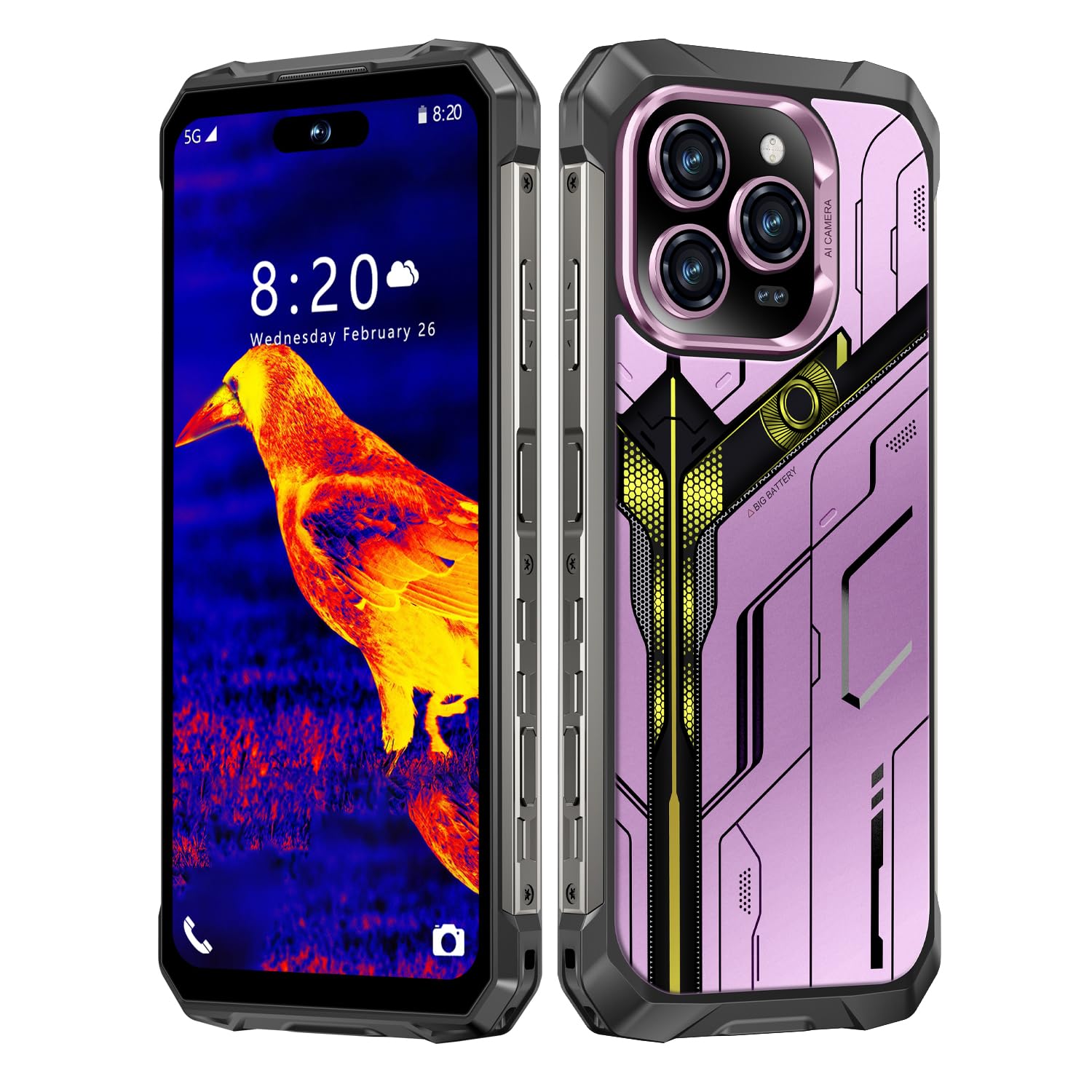
The MMY Rugged Armor is a niche device built for extreme conditions, featuring a massive 22000mAh battery that can power the phone for days and even charge other devices via USB-OTG. Its dual-camera system (108MP main, 68MP front) includes dedicated night vision and underwater photography modes, supported by IP68 dust/water resistance. The 6.99-inch HD+ display (1440×3040) is huge for framing shots, though the resolution is not quite 4K.
The claimed “Snapdragon 8s Gen4” processor is not a standard Qualcomm part, so real-world performance is likely closer to mid-range Snapdragon 6-series chips. Camera quality is average for daytime—oversharpening and color inaccuracy are common—but the night vision mode (infrared illumination) genuinely works in complete darkness, making it useful for wildlife spotting or security scenarios. The phone includes a rugged case, screen protector, and earbuds.
The main drawbacks are the phone’s sheer size and weight (well over 400g), the questionable processor branding, and the camera’s mediocre dynamic range in regular shooting modes. This is not a competitive camera phone for daily photography—it is a specialized tool for outdoor enthusiasts who need a massively battery-first device with passable photo capability in extreme environments.
Why it’s great
- 22000mAh battery lasts several days and can charge other devices
- IP68 waterproof and ruggedized for use in harsh environments
- Dedicated night vision mode works in complete darkness
Good to know
- Extremely heavy and bulky (over 400g); not pocket-friendly
- Processor branding is misleading; performance is mid-range at best
- Daytime camera quality is average with oversharpening and limited dynamic range
8. Minolta MN40Z 20MP Digital Camera
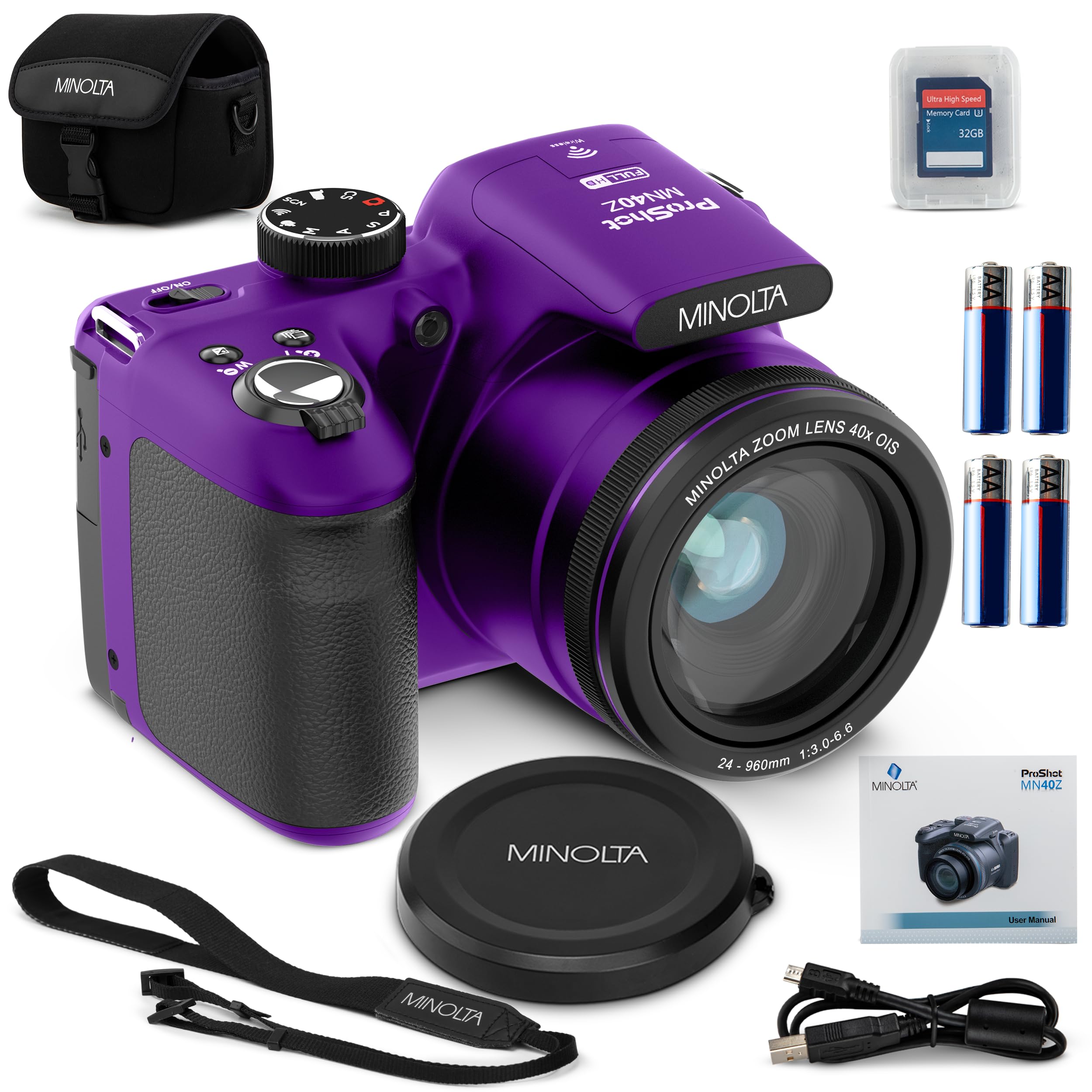
The Minolta MN40Z is a dedicated bridge camera, not a smartphone, but it earns a place in this guide for buyers who prioritize optical reach over phone integration. Its 40X optical zoom (equivalent to 24-960mm) can capture wildlife, moon craters, and sports action that no budget smartphone can touch. The 20MP sensor (1/2.3-inch) is smaller than smartphone sensors, but the optical zoom means you are not relying on digital cropping. The 3.0-inch LCD is bright enough for outdoor composition.
Wi-Fi sharing via the Smart App allows transferring photos to a phone for social posting, bridging the gap between dedicated hardware and daily connectivity. The camera supports Full HD 1080p video at 30fps, sufficient for casual recording, and includes face/smile/blink detection for group shots. Auto mode is straightforward for beginners, while manual mode offers full control over ISO, aperture, and shutter speed, appealing to hobbyists learning photography fundamentals.
The trade-offs are significant for pure image quality: the small sensor produces more noise even at moderate ISOs, and the autofocus is slower than modern smartphone phase-detection systems. It uses AA batteries (included in some packages), which are convenient but less energy-dense than lithium-ion packs. This camera is best for a dedicated hobbyist who wants to learn zoom photography without investing in an interchangeable-lens system, but it cannot match the versatility of a good budget smartphone camera for everyday use.
Why it’s great
- 40X optical zoom reaches distances impossible for any smartphone
- Manual mode helps beginners learn aperture, ISO, and shutter control
- Wi-Fi sharing enables quick photo transfer to phone for social posting
Good to know
- Small 1/2.3-inch sensor produces more noise than modern smartphone cameras
- Autofocus is slower than phase-detection systems on budget phones
- AA batteries (not included) require frequent replacement
FAQ
Does a 200MP sensor always take better photos than a 50MP sensor?
Should I buy a dedicated digital camera instead of a budget smartphone with a good camera?
What does “computational photography” mean for a budget phone?
Can I shoot professional-grade photos with a budget camera phone?
Final Thoughts: The Verdict
For most users, the best budget smartphone with best camera winner is the Google Pixel 7 because its Tensor G2 ISP and OIS deliver the most consistent, natural-looking images across all lighting conditions, paired with a clean Android experience and guaranteed updates. If you want highest raw sensor resolution and fastest charging, grab the Xiaomi Redmi Note 14 Pro+ Plus. And for a renewed flagship with true optical zoom and best-in-class video stabilization, nothing beats the Samsung Galaxy S25+.

Mo Maruf
I created WellFizz to bridge the gap between vague wellness advice and actionable solutions. My mission is simple: to decode the research and give you practical tools you can actually use.
Beyond the data, I am a passionate traveler. I believe that stepping away from the screen to explore new environments is essential for mental clarity and physical vitality.