Our readers keep the lights on and my smoothie glass nicely filled. As an Amazon Associate, I earn from qualifying purchases.
The phone market is a war between two very different ideas: the promise of absurd specs like 1TB of storage and 22,000mAh batteries from no-name brands, versus the proven, reliable performance of an established Pixel. The safest phone is one that delivers a great camera, regular security updates, and a smooth daily experience — something the no-name giants rarely deliver.
I’m Mohammad Maruf — the founder and writer behind WellFizz. I spend my time analyzing hardware specifications and real user reviews to separate marketing fiction from usable reality, especially in the high-risk budget smartphone category.
This guide cuts through the hype to help you find the actual best 300 dollar phone for your needs, whether you want a reliable daily driver, a safe phone for your kid, or just the best value you can get without stepping into scam territory.
How To Choose The Best 300 Dollar Phone
In the phone category, the biggest enemy is hype. A phone advertising 32GB of RAM and a 22,000mAh battery for is almost certainly lying about its specs. Your goal should be to find a phone with a reputable chipset, a genuine OS version, and a brand that will actually provide security updates. Let’s break down how to navigate this minefield.
The Chipset Rules Everything
The processor defines how your phone performs for years. A Google Tensor G2 or a Snapdragon 8s Gen 4 is a known quantity with real performance. In contrast, a generic “Snapdragon8s Gen4” from a brand you’ve never heard of is often a low-end chip with a hijacked name. Look for the processor first — if you can’t find independent benchmarks or reviews, it’s a major red flag.
Camera Megapixels Are a Trap
A 108MP or 200MP camera in a phone from an off-brand is almost useless without good image processing. Google’s Pixel line, with its computational photography, routinely outperforms phones with much higher megapixel counts. The camera’s sensor size, lens quality, and the phone’s image signal processor (ISP) are far more important than the headline megapixel number. At this price, a reliable 50MP or 64MP camera with a good ISP beats a fake 108MP sensor every time.
Battery Capacity vs. Trustworthy Chemistry
A 7,000mAh or even 22,000mAh battery sounds incredible, but these enormous capacities in unknown phones are often a source of risk. They are frequently unregulated, can degrade quickly, and may not match real-world performance. A 4,300mAh or 5,000mAh battery from a brand like Google or Nothing is far more likely to be safe, efficient, and hold its capacity over two years. The charging standard (e.g., USB-PD or proprietary fast charging) also matters — a phone with TurboPower or wired USB-PD charging is much more convenient than a generic slow charger.
Software Updates and Support
This is the single most overlooked spec in the budget tier. A phone from a no-name brand might never get a single security update, leaving your data vulnerable after the first year. A Pixel 7 or Pixel 10a promises years of guaranteed updates. For a phone you plan to keep for 2-3 years, a brand that commits to updates is worth a premium over any “spec boost” from a less reputable seller.
Quick Comparison
On smaller screens, swipe sideways to see the full table.
| Model | Category | Best For | Key Spec | Amazon |
|---|---|---|---|---|
| Google Pixel 7 | Mainstream | Camera and Clean Android | Tensor G2 Chipset | Amazon |
| Bark Phone A16 | Kids Phone | Parental Control and Safety | Tamper-Proof Software | Amazon |
| Nothing Phone (3) | Premium Design | Unique Aesthetic and Performance | Snapdragon 8s Gen 4 | Amazon |
| Huness I25 Ultra | Budget Spec Beast | High Listed Specs on a Budget | “16+1TB” Storage | Amazon |
| MMY Rugged Armor | Rugged Outdoor | Extreme Battery and Durability | 22,000mAh Battery | Amazon |
| Google Pixel 10a | Mainstream | Latest Features and Updates | 7 Years of Updates | Amazon |
| Motorola Razr+ (2023) | Folding Phone | Compact Innovation and Style | 3.6″ External Display | Amazon |
In‑Depth Reviews
1. Google Pixel 7

The Google Pixel 7 is the clear winner in this category because it delivers a flagship-level experience where it counts most: the camera. The 50MP main sensor, combined with Google’s computational photography, takes photos that consistently outperform phones costing twice as much. The Tensor G2 chip provides smooth, snappy performance for daily tasks and gaming, and the 6.3-inch 90Hz OLED display is vibrant and responsive. You get a clean, bloat-free Android experience that is refreshing in a sea of cluttered budget phones.
Battery life is a solid full day with its 4,355mAh cell, and the IP68 water and dust resistance adds a layer of durability you rarely see in this price bracket. The Pixel 7 also supports wireless charging, a premium feature that is hard to find in the tier. It works seamlessly on all major U.S. carriers including T-Mobile, Verizon, and AT&T, making it a truly versatile unlocked phone. This is the phone for anyone who values a reliable, fast, and secure daily driver.
The main trade-off is the in-display fingerprint sensor, which many users find inconsistent, especially compared to a physical capacitive reader. The lack of a microSD card slot and the 128GB base storage might feel limiting for heavy media users, though cloud backup helps. While some users report average battery life after a year, the overall value and performance of the Pixel 7 remain unmatched in this tier. For a budget, this is the phone that will age the best.
Why it’s great
- Exceptional camera with computational photography that handles low light beautifully
- Clean, bloat-free Android 13 with guaranteed updates and a fluid UI
- IP68 water and dust resistance and wireless charging at this price is rare
Good to know
- In-display fingerprint sensor can be slow and unreliable at times
- Battery life is solid but not class-leading; heavy users may need a top-up by evening
- No expandable storage means you are locked into the 128GB base model
2. Bark Phone A16
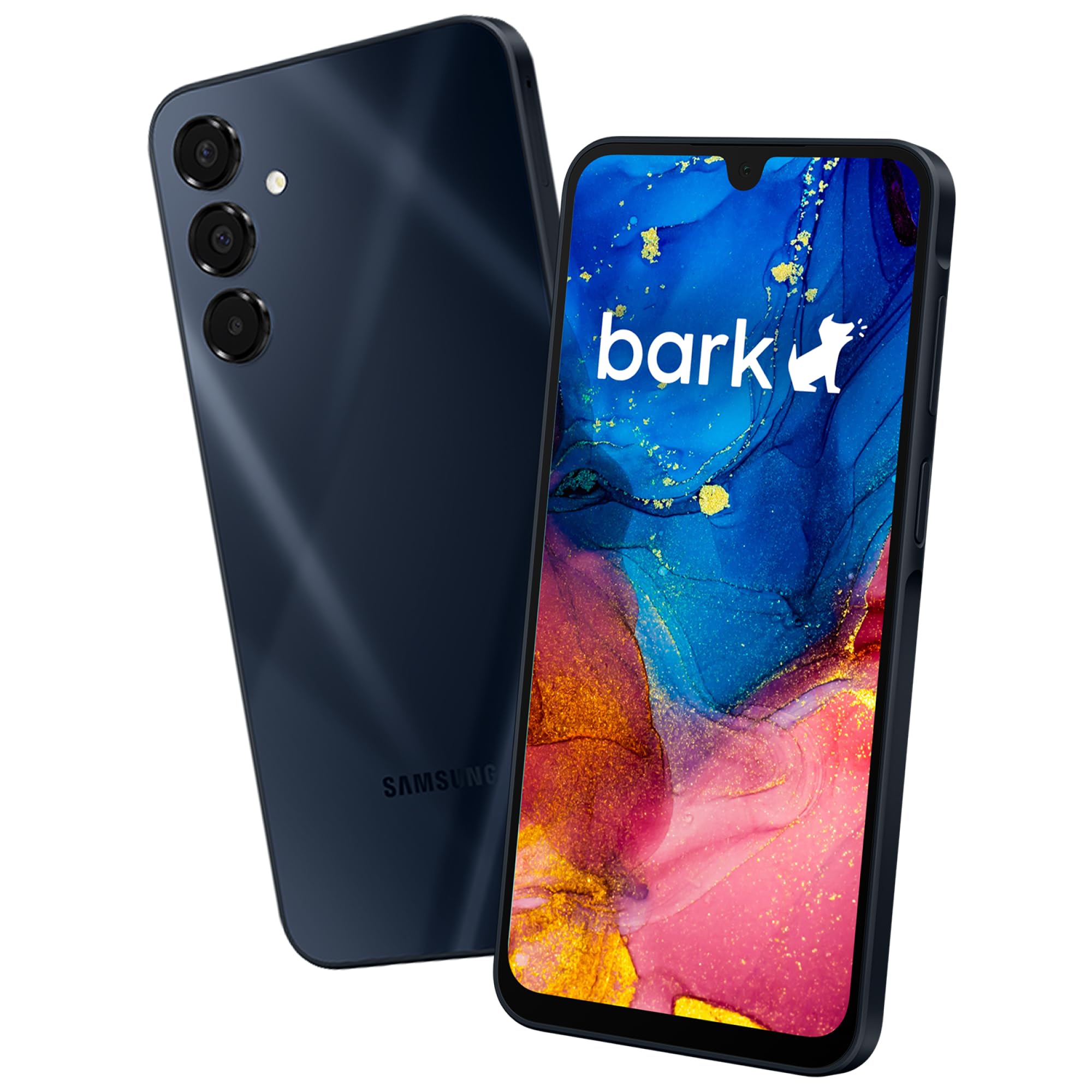
The Bark Phone is not just a phone; it’s a complete parental control ecosystem wrapped in a Samsung A16. It comes with tamper-proof software that gives parents real-time alerts on texts, social media, and web browsing for potential issues like bullying, sexting, and suicidal ideation. The parental controls are the most robust in the industry, allowing you to approve every app and contact, set screen time limits, and filter web content. The GPS tracking features three modes including a real-time map and check-ins, giving you peace of mind about your child’s location.
The 6.5-inch AMOLED display and good 1080×2400 resolution mean your child gets a decent viewing experience, and the 5,000mAh battery provides excellent longevity. The phone itself is a practical, durable device that can handle daily use. The service requires a separate activation and monthly data plan starting at /month for unlimited talk and text with Wi-Fi only, up to /month for unlimited data. This is an ongoing cost that adds to the price tag but gives continuous monitoring.
It’s important to know that the Bark Phone is not a premium performance device. The processor and RAM are entry-level, so heavy gaming or multitasking might feel sluggish. The phone also has a locked-down interface that teens might find restrictive. Many reviews praise the peace of mind it offers, while noting that it is essential to purchase a case and screen protector. If your primary goal is your child’s safety over raw performance, this is the best choice.
Why it’s great
- Unmatched tamper-proof parental controls that scan texts, social media, and web activity
- Three-mode GPS tracking (real-time map, custom alerts, check-ins) for constant location awareness
- Long-lasting 5,000mAh battery that easily lasts through a school day
Good to know
- Requires a monthly subscription plan (–/mo), significantly raising the long-term cost
- Entry-level processor and RAM limit gaming and multitasking performance
- Locked-down interface may not be accepted well by older teens who want more freedom
3. Nothing Phone (3)

The Nothing Phone (3) is a refreshing entry into the smartphone market, offering a unique transparent design with the iconic Glyph Matrix LED interface that turns notifications into a light show. Under the hood, the Snapdragon 8s Gen 4 chip delivers flagship-level performance that outruns everything else in this roundup, handling intensive gaming and multitasking with ease. The 6.67-inch 1.5K AMOLED display with a 120Hz adaptive refresh rate is incredibly bright at 4,500 nits, making it usable even in direct sunlight.
The four 50MP camera system is versatile and impressive, covering main, ultrawide, and periscope zoom, with AI enhancements for portrait and night modes. The Nothing OS is one of the cleanest, most customizable versions of Android available, with a unique dot-matrix aesthetic and very minimal bloatware. It also supports up to 24GB of LPDDR5X RAM (virtual), ensuring it will feel fast for years. The 5,150mAh battery is large enough for a full day of heavy use.
The main drawback for a budget is the price. It is a premium device that sits at the top of the market, not a value option. Its limited Verizon compatibility, requiring a manual IMEI whitelist, is a deal-breaker for some users. The unique design also makes finding cases and screen protectors difficult. While it offers an unmatched combination of style and performance, it comes with a higher upfront cost and some carrier restrictions that the Pixel 7 does not have.
Why it’s great
- Unique Glyph Matrix design with smart LED notifications that is unlike any other phone
- Flagship-level Snapdragon 8s Gen 4 performance for gaming and heavy apps
- Clean, customizable Nothing OS with minimal bloatware and a beautiful aesthetic
Good to know
- Limited Verizon compatibility; requires manual IMEI whitelist to work on the network
- Premium price tag puts it above the strict budget sweet spot for many
- Hard to find third-party cases and screen protectors due to unique design
4. Huness I25 Ultra
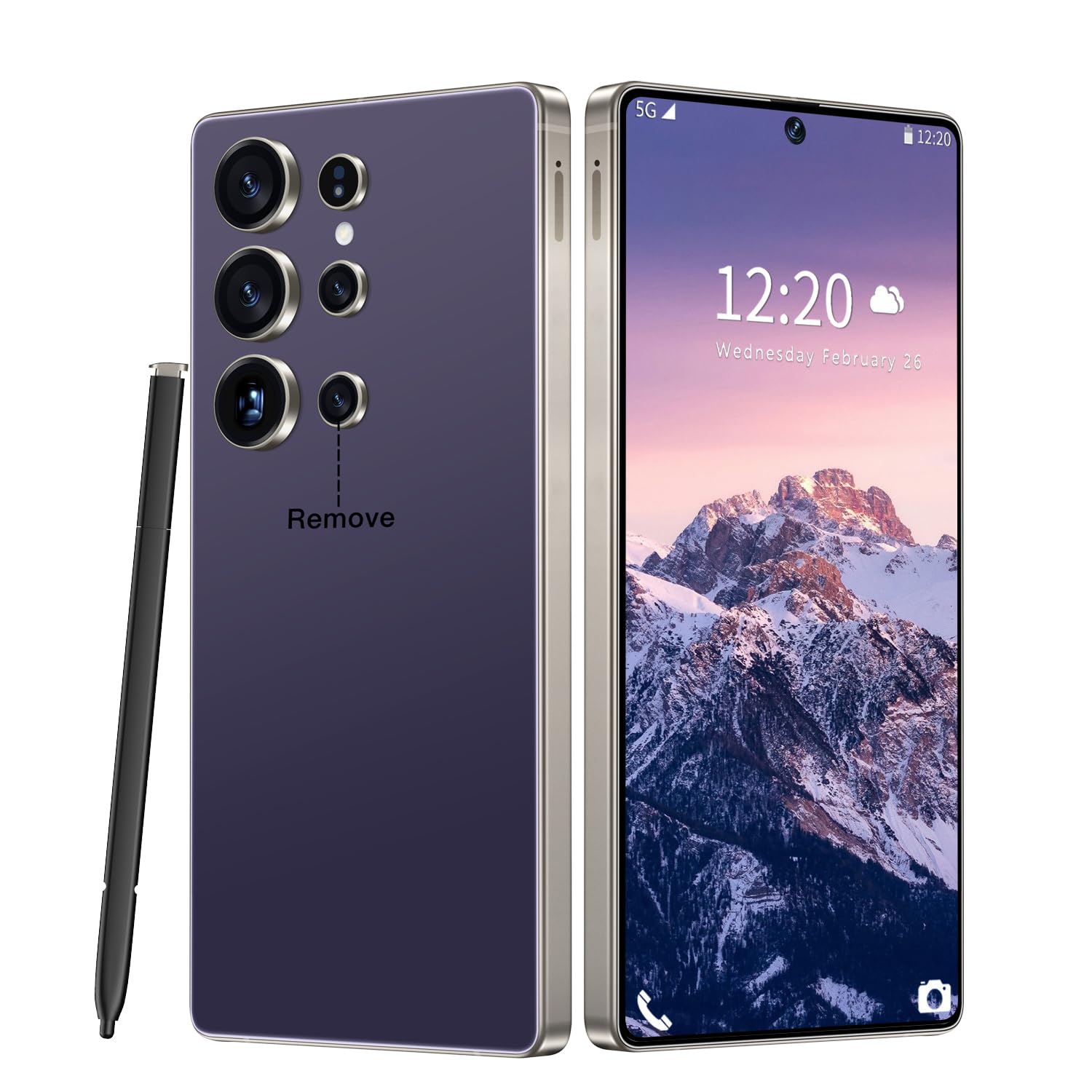
The Huness I25 Ultra is a textbook example of the “spec inflation” strategy used by many budget off-brands. It advertises a Snapdragon 8 Gen 3 chip, 16GB of RAM, and 1TB of storage for a price that undercuts almost every mainstream phone. The 108MP main camera and 68MP front shooter look good on paper, and the 7,000mAh battery promises multi-day endurance. On paper, this looks like an unbeatable value.
However, the reality is far more complicated. Detailed user reviews reveal that the phone’s listed memory and storage are misleading. A trusted reviewer found the 1TB storage was actually 64GB, and the 16GB RAM performed like 4GB. The software is likely an unverified version of Android, which means no security updates and potential compatibility issues with banking apps and services. The camera performance is described as basic, with poor low-light results and no front flash.
The dual SIM card slot also shares space with the microSD card, meaning you cannot use two SIMs and expandable storage at the same time. The call volume is reported as very low, and the battery, while large, appears to drain quickly under real-world use. If you are a careful buyer who understands the risks, this phone might serve as a temporary device. For anyone wanting a reliable daily driver without the risk of counterfeit specs, it is best to stick with a mainstream brand like the Pixel 7.
Why it’s great
- Incredibly low price for the astronomical specs listed on the box
- Massive 7,000mAh battery promises long run times on paper
- Includes a built-in pen and a case, screen protector, and earphones in the box
Good to know
- High risk of fake specs: reported 64GB storage instead of the advertised 1TB
- Unverified Android OS means no security updates and potential app compatibility issues
- Poor camera, low call volume, and questionable battery performance in real-world use
5. MMY Rugged Armor 16PROMA X
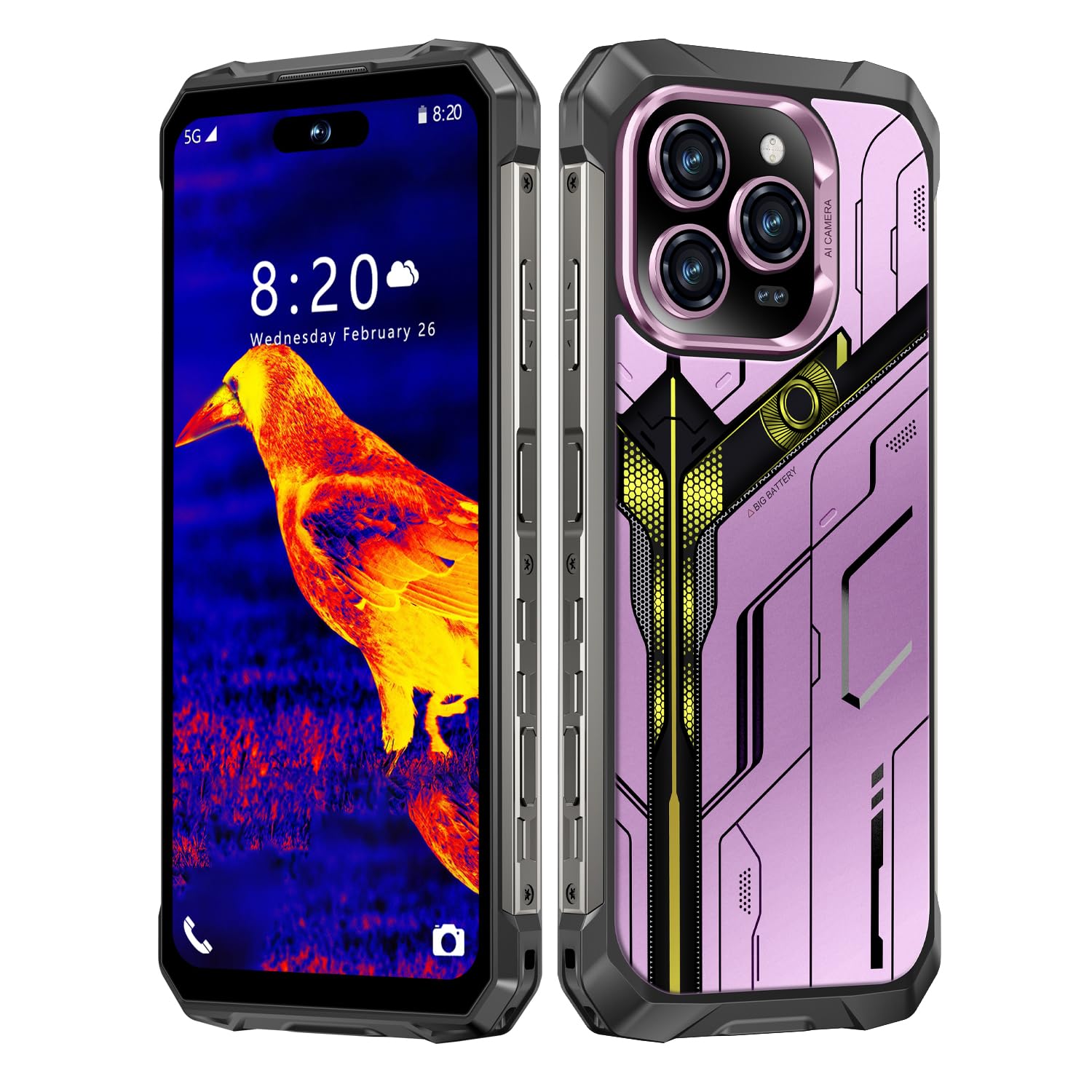
The MMY Rugged Armor 16PROMA X is designed for one specific use case: outdoor adventure where battery life and durability are the top priorities. The headline feature is a 22,000mAh battery, which is a monumental capacity that can theoretically last for days on a single charge. It also boasts IP68 waterproofing and high-altitude drop resistance, making it a true tank for construction, hiking, or any harsh environment. It also claims a Snapdragon 8s Gen 4 chip and 32GB+1TB of memory.
The phone includes a 108MP main camera and a 68MP front camera, with features like underwater photography and night vision, which are genuinely useful for its target audience. It runs Android 15 and includes NFC, infrared, and dual SIM support. The 6.99-inch HD+ OLED display is large and bright. For a buyer who needs a phone that can survive being dropped in a puddle and still be used for a week without charging, the raw specs here are compelling.
However, like many rugged off-brands, the biggest risk is the authenticity of its core components. The chipset and storage claims need to be taken with a massive grain of salt, as independent verification is nonexistent. The phone is also bulky and heavy, not suitable for everyday pocket carry. The software is likely a low-quality fork of Android with no support. For outdoor enthusiasts who understand the risks of counterfeit specs, this could be a fun tool. But for a primary phone, its reliability is questionable, and a mainstream phone with a battery case might be a safer bet.
Why it’s great
- Monstrous 22,000mAh battery that can last multiple days on a single charge
- IP68 waterproof, dustproof, and high-altitude drop resistance for extreme conditions
- Includes niche features like underwater photography and night vision mode
Good to know
- Extremely bulky and heavy; impractical for everyday pocket carry
- Very high risk of counterfeit chipset, RAM, and storage specs with no independent verification
- Unverified OS with no security update support makes it a security risk
6. Google Pixel 10a
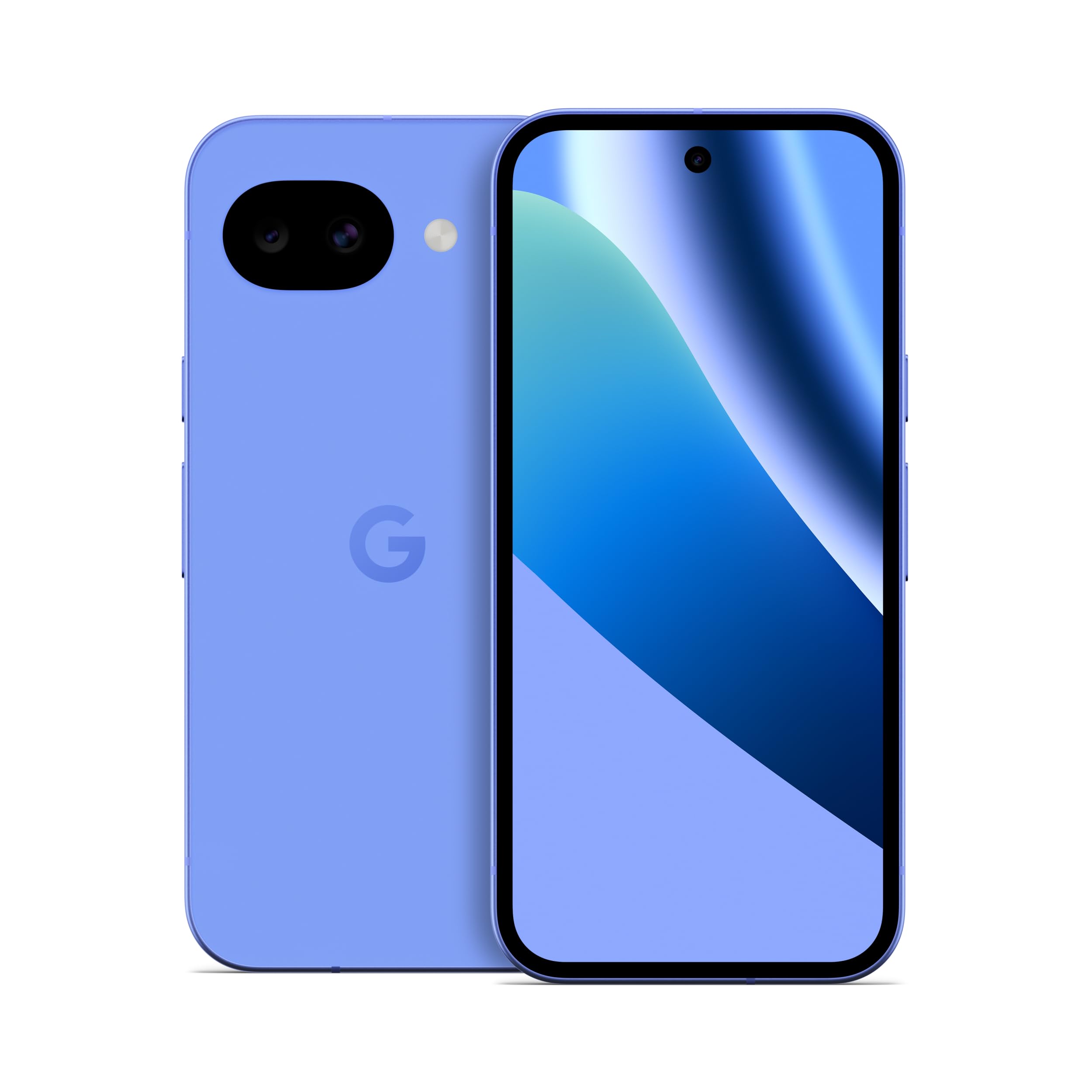
The Google Pixel 10a is the most forward-looking phone on this list, offering 7 years of guaranteed Pixel Drops for security and feature updates. This alone makes it a smarter investment than any other phone here, as it will remain supported and secure well into the 2030s. The new Actua display with 3,000-nit peak brightness is visible even in direct sunlight, and the Camera Coach feature uses AI to help you take professional-looking photos. The Gemini AI assistant is built-in for hands-free help and brainstorming.
The phone’s camera system is best-in-class for its tier, featuring computational photography tricks like Add Me and Auto Best Take for group photos. The battery life is rated at 30+ hours, a significant improvement over previous Pixels, and is supported by fast charging and wireless charging. The IP68 water and dust protection and Corning Gorilla Glass 7i make it durable for daily use. It works with all major carriers including Google Fi, Verizon, T-Mobile, and AT&T, making it a truly hassle-free unlocked phone.
The main consideration is its higher price. It is a premium mid-ranger, not a budget option. The processor is not a top-tier flagship chip but is more than capable for years of smooth performance. The AI features, while helpful, can feel like bloatware if you prefer a minimalist interface. Some users also found the default power button mapping to Gemini annoying, though it can be changed in settings. For long-term value and guaranteed updates, this is the most intelligent buy in the lineup if your budget stretches a bit.
Why it’s great
- Unmatched 7-year software and security update guarantee for excellent longevity
- Best-in-class camera with AI features like Camera Coach, Add Me, and Auto Best Take
- 30+ hour battery life with wireless charging and a bright 3,000-nit display
Good to know
- Premium price tag is higher than the strict budget, but offers the best long-term value
- AI features (Gemini) are pushed heavily out of the box and may need to be disabled
- No microSD slot or headphone jack; relies on cloud storage and USB-C accessories
7. Motorola Razr+ (2023)

The Motorola Razr+ (2023) is the entry-level into the world of folding phones, offering the iconic flip design that makes it incredibly compact when closed. The star of the show is the 3.6-inch external display, which is the largest and most functional on any flip phone when this was released. You can run any app, reply to messages, and take selfies without ever opening the phone. Inside, the 6.9-inch pOLED screen is vibrant and smooth with a 165Hz refresh rate for fluid scrolling.
The phone is powered by a Snapdragon 8+ Gen 1 chip, which is more than capable for daily tasks and gaming. The camera system is flexible, allowing you to use the powerful rear cameras for selfies using the external screen as a viewfinder. It supports wireless charging and fast 30W TurboPower charging via USB-C. The design is premium and feels solid in the hand, making it a great conversation starter and a very practical pocket companion.
The biggest concern with the Razr+ is long-term durability. Folding phones have a known weakness at the crease, and multiple user reviews report developing visible lines after a few months of use. The 3,800mAh battery is small compared to slab phones, meaning you will likely need to charge it before the end of a heavy day. The camera, while good, does not compete with the Pixel 7 in low-light conditions. It is also a premium device in price, not a true budget option. For the novelty of a folding phone that fits in any pocket, it’s unmatched, but you must accept the trade-offs in battery and potential screen longevity.
Why it’s great
- Unique iconic flip design that folds into a compact square for ultimate pocketability
- Best-in-class 3.6-inch external display that runs any app without opening the phone
- Solid Snapdragon 8+ Gen 1 performance with a smooth 165Hz main display
Good to know
- Folding screens are prone to developing visible crease damage over months of use
- Below-average 3,800mAh battery may require a mid-day top-up for heavy users
- Premium price tag is not a budget option; best for those who prioritize form factor
FAQ
Can I trust the 1TB storage and 16GB RAM claims on a budget smartphone?
Does the number of megapixels (MP) on a camera actually determine photo quality?
Is a 7,000mAh battery always better than a 4,300mAh battery?
How important are software updates for a phone?
Final Thoughts: The Verdict
For most users, the 300 dollar phone winner is the Google Pixel 7 because it delivers a premium camera, smooth performance, guaranteed updates, and all-day battery in a clean, bloat-free package that will stay reliable for years. If you want ultimate long-term value and security, grab the Google Pixel 10a. And for a child’s first phone where safety and monitoring are paramount, nothing beats the Bark Phone A16.

Mo Maruf
I created WellFizz to bridge the gap between vague wellness advice and actionable solutions. My mission is simple: to decode the research and give you practical tools you can actually use.
Beyond the data, I am a passionate traveler. I believe that stepping away from the screen to explore new environments is essential for mental clarity and physical vitality.