Our readers keep the lights on and my smoothie glass nicely filled. As an Amazon Associate, I earn from qualifying purchases.
A pair of boots that can’t hold a trail on packed powder or slick ice is a liability, not gear. The difference between a confident winter hike and a miserable, cold, slip-prone slog comes down to three things: the lug pattern on the outsole, the quality of the waterproof membrane, and the type of insulation keeping your toes alive in sub-freezing temps.
I’m Mohammad Maruf — the founder and writer behind WellFizz. I’ve spent years analyzing waterproof membranes, insulation gram weights, rubber compound durometers, and outsole lug depths to help hikers match boots to real winter conditions rather than marketing promises.
After evaluating dozens of options against traction, waterproofing, insulation, and durability metrics, I’ve narrowed the field to the nine models that define reliable performance for the best boots for hiking in snow.
How To Choose The Best Boots For Hiking In Snow
Snow hiking boots are a specialized piece of kit. A standard three-season hiking boot lacks the insulation to keep your feet warm in sub-zero conditions, and a casual winter boot lacks the aggressive outsole and ankle support needed for uneven, snow-covered terrain. Selecting the right pair requires weighing four specs that directly affect performance in snow.
Insulation weight must match your activity level
Manufacturers list insulation in grams—200g, 400g, or 1000g are common. The 200g insulation is appropriate for high-exertion hikes where your body generates significant heat. The 400g insulation works well for moderate-paced hikes and standing around in temperatures down to about -10°F. The 1000g insulation is best for low-activity use like ice fishing or stand hunting in extreme cold, but it can cause overheating during a strenuous hike.
Outsole lug depth and rubber compound determine traction
Snow requires lugs that are at least 4mm deep with wide spacing so packed snow can release rather than clog. Softer rubber compounds (like Vibram Arctic Grip) excel on wet ice, while harder compounds bite better on packed snow. A boot with a flat, shallow tread pattern is dangerous on any incline covered in snow.
Waterproof membrane construction
A boot that lets moisture in—either sweat from inside or snow melt from outside—will quickly become dangerous in cold weather. Look for a fully lined waterproof membrane such as Danner Dry, KEEN.DRY, B-Dry, or a proprietary waterproof breathable membrane. Pay attention to the height of the membrane relative to the boot shaft. Some boots are only waterproof to the ankle collar, which limits how deep you can step into snow before water seeps in over the top.
Quick Comparison
On smaller screens, swipe sideways to see the full table.
| Model | Category | Best For | Key Spec | Amazon |
|---|---|---|---|---|
| Helly Hansen V3 | Premium Winter Boot | Sub-zero temps and deep snow | Waterproof leather, -11°F rated | Amazon |
| Oboz Bridger 10″ Insulated | Mid Premium Insulated | Rugged winter trail hikes | 400g Thinsulate insulation | Amazon |
| Merrell Coldpack 3 Thermo | Mid-Range Winter Hiker | Active insulated winter hikes | M Select Dry membrane | Amazon |
| KEEN Revel III Mid | Mid Premium Insulated | All-day winter walks | 200g KEEN.WARM insulation | Amazon |
| Columbia Men’s Expeditionist Shield | Mid-Range Insulated Hiker | Light winter hikes and daily wear | Omni-HEAT thermal reflective | Amazon |
| Danner Men’s Vital 8″ 400g | Mid Premium Insulated | Hunting and cold-weather hiking | 400g Thinsulate Ultra insulation | Amazon |
| Timberland White Ledge Mid | Entry-Level Waterproof Hiker | Mild snow and light trails | Seam-sealed waterproof construction | Amazon |
| Columbia Strata Trail Mid | Entry-Level Light Hiker | Dry snow and above-freezing hikes | Leather/suede upper, 5mm lugs | Amazon |
| Irish Setter Elk Tracker 12″ 1000g | Premium Extreme-Weather Boot | Sub-zero standing and deep snow | 1000g Thinsulate insulation | Amazon |
In‑Depth Reviews
1. Helly Hansen V3 Winter Boots
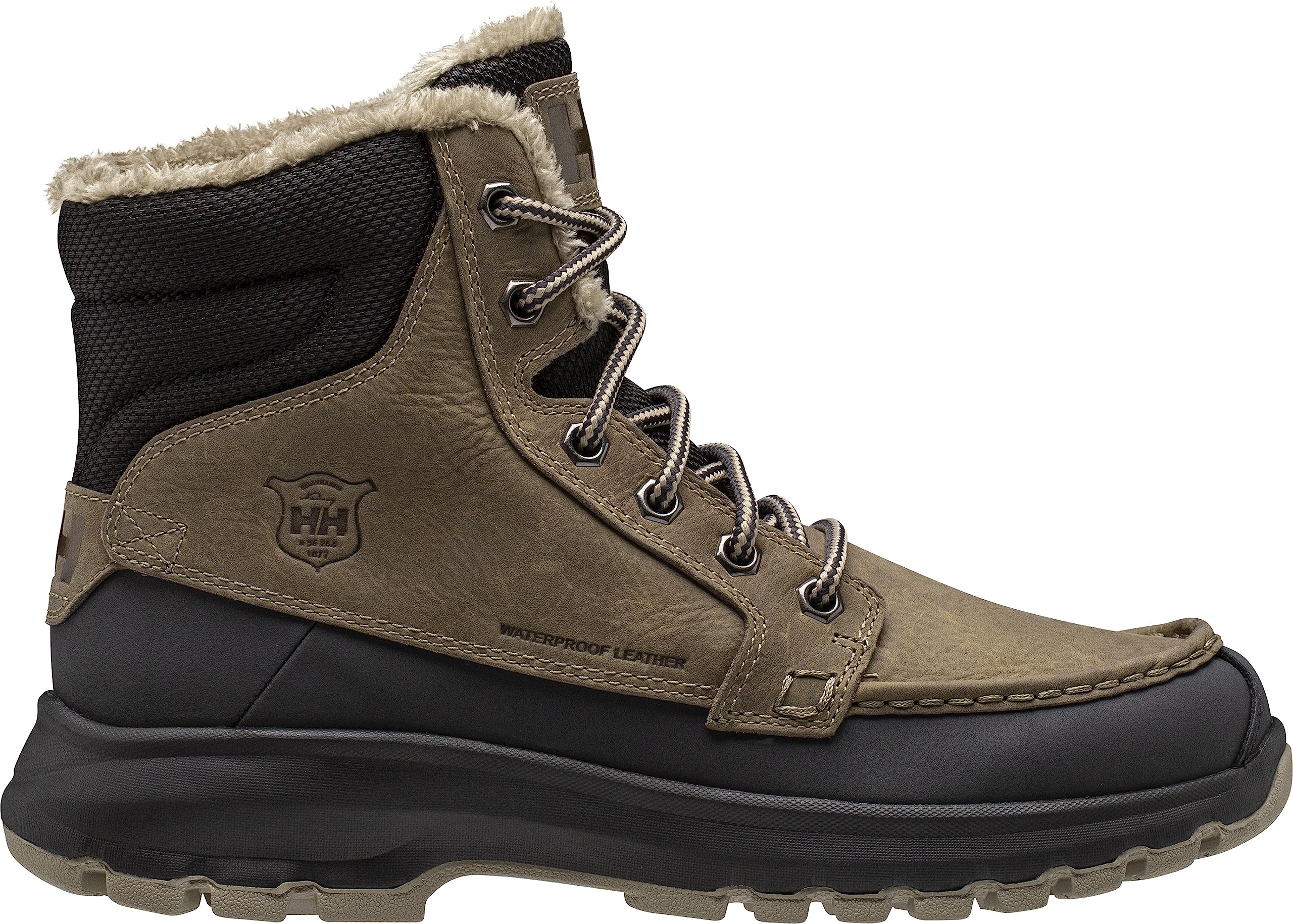
The Helly Hansen V3 earns its top spot by delivering reliable warmth to sub-zero temperatures without turning your feet into sweatboxes. Multiple verified buyers report comfort at -11°F, which is a realistic claim backed by the boot’s waterproof leather upper and sealed construction that blocks wind-driven snow. The rubber outsole uses a deep, multidirectional lug pattern that grips packed snow and loose powder equally well, making it a capable companion for Northern Michigan winters and high alpine terrain alike.
What sets the V3 apart is the combination of firm underfoot support and a lace-up closure that locks the heel in place. Hikers report that the boot does not come unlaced during a full day of movement, a small detail that matters when you are pulling your foot out of knee-deep snow repeatedly. The toe box offers enough room for a thick merino sock without feeling sloppy, and the collar height keeps deep powder from spilling over the top during normal stride depth.
Durability comes through clearly in long-term reviews. After a full winter season of daily use, owners report the stitching holds, the waterproofing remains intact without re-treatment, and the soles show minimal compression. The boot cleans up easily with a quick rinse, which matters when you are tracking slushy trail mix inside the car.
Why it’s great
- Confirmed warm and comfortable at -11°F without overheating
- Deep-lugged outsole provides reliable traction on packed snow and powder
- Waterproof leather maintains integrity without re-treatment for a full season
Good to know
- Shipping can be slower than standard Amazon Prime delivery windows
- Runs true to size, but the fit is snug for those with very wide feet
2. Oboz Men’s Bridger 10″ Insulated B-Dry Waterproof Hiking Boots

The Oboz Bridger 10″ Insulated is built for hikers who need serious ankle coverage and substantial insulation for winter trail days. The 400g Thinsulate insulation is the sweet spot for active hikers in temps ranging from 10°F to 30°F. The 10-inch shaft height keeps snow out during deeper steps, and the full-length B-Dry membrane provides a completely sealed barrier against melting snow. Owners report wearing them for daily 12,000-step walks on paved and unpaved surfaces without developing pressure points.
Traction is handled by a carbon rubber outsole with widely spaced, aggressive lugs that bite into packed snow and loose gravel. The boot’s midsole is firm without being stiff, providing enough torsional rigidity for uneven terrain while still allowing the foot to flex naturally during a long stride. The heel pocket is well-shaped; reviewers consistently note zero heel slip out of the box, which reduces the risk of blisters on long winter approaches.
The main caveat is sizing. Multiple owners report that the Bridger runs a full size small, so ordering up is essential even with standard-weight socks. The boot has been a staple in Oboz’s lineup for years because the build quality is consistent—stitching, eyelets, and sole bonding hold up beyond several seasons of hard use. The black colorway is a true deep black that looks sharp even after mud and snow exposure.
Why it’s great
- 400g Thinsulate delivers reliable warmth for active winter hikes down to 10°F
- 10-inch shaft provides complete snow coverage and robust ankle support
- Aggressive outsole lugs grip packed snow and loose debris with confidence
Good to know
- Runs roughly a full size small; order up significantly
- Uninsulated version would be welcome for milder winter days
3. Merrell Men’s Coldpack 3 Thermo Mid Waterproof

The Merrell Coldpack 3 Thermo delivers premium-level warmth and traction at a mid-range price point. The M Select Dry membrane blocks snowmelt and rain effectively, and owners confirm that the boot keeps feet dry even after standing in moderate rain and stepping through shallow snowmelt puddles. The insulation level is suited for active hiking in 20°F to 30°F conditions, and the boot’s cushioning—using Merrell’s Air Cushion in the heel—absorbs shock on frozen trails where the ground is rock-hard.
Traction is where the Coldpack 3 stands out among mid-range options. The outsole uses a rubber compound that grips well on ice, with several reviewers specifically noting they felt secure on slippery ice rink surfaces without crampons. The lug pattern is moderately aggressive, enough for packed snow and crusty snow but not as deep as dedicated mountaineering boots. For hikers spending most of their time on maintained winter trails, this grip profile is ideal.
Owners consistently report zero break-in period. The boot fits true to size, with a wider version available for those who need extra forefoot space. Arch support is noticeably better than the average insulated winter boot, and the insole provides decent cushioning out of the box. A handful of users report the boot runs slightly warm for fully aerobic hiking near freezing, which is the trade-off for its insulation level.
Why it’s great
- Excellent ice traction without needing add-on crampons for moderate surfaces
- No break-in period required; comfortable and supportive out of the box
- M Select Dry membrane provides solid waterproofing for snow and rain
Good to know
- Insulation may be too warm for high-exertion hikes near freezing temps
- Not ideal for deep, unpacked powder; shaft height is moderate
4. KEEN Men’s Revel III Mid Height Waterproof Insulated Hiking Boot
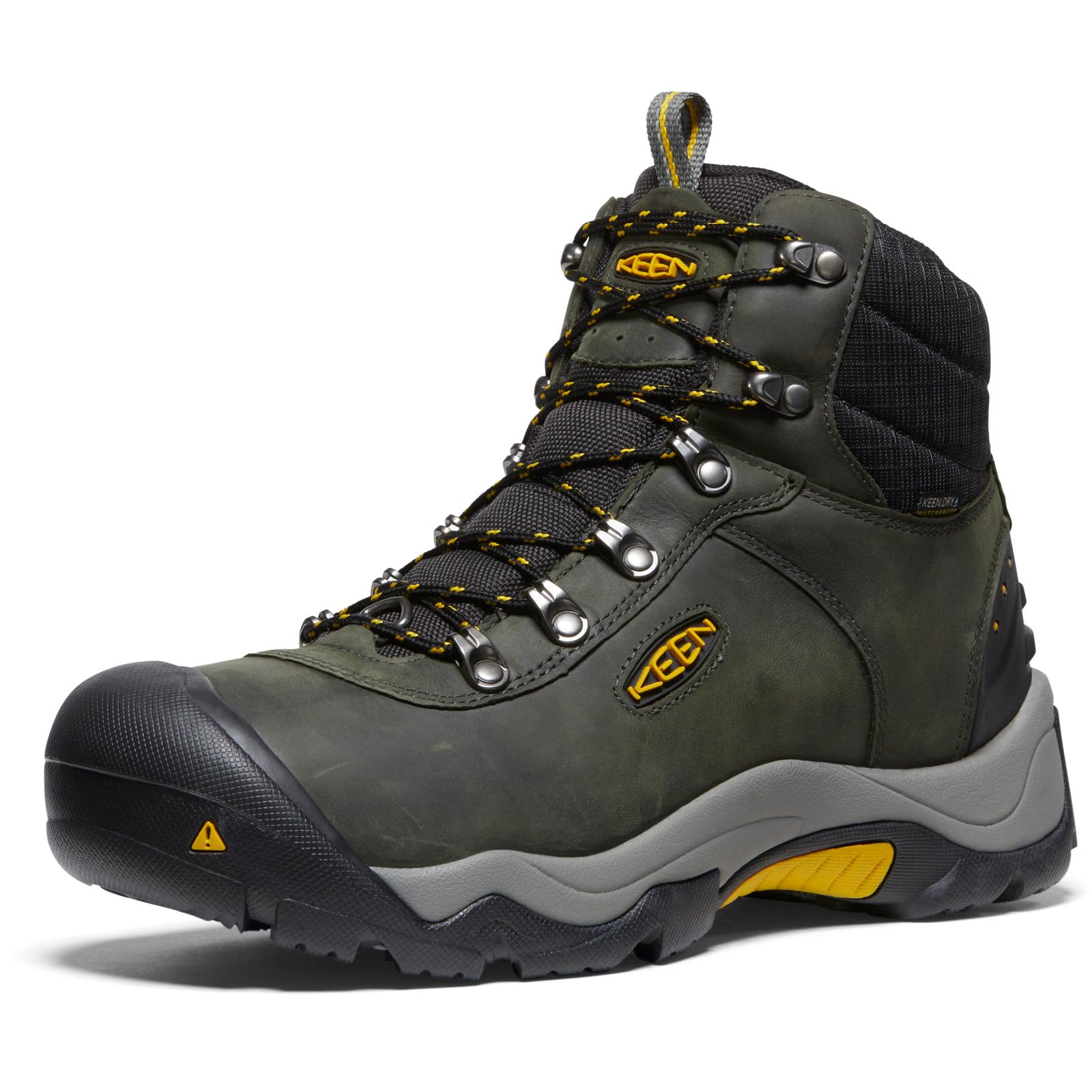
The KEEN Revel III Mid is built for hikers who prioritize a spacious toe box and underfoot support that rivals athletic sneakers. The 200g KEEN.WARM insulation is lightweight, making this boot best for active winter hiking where you generate constant body heat. The KEEN.DRY membrane is fully waterproof; owners report the boot holds up for over 10 months without needing any DWR treatment. The mid-height shaft offers enough coverage for typical snow depths without restricting ankle mobility.
One of the most lauded features is the rocker sole design, which helps with natural heel-to-toe transition and reduces fatigue during long days on packed snow. Owners with arthritis specifically mention this boot as a game-changer for winter walks because the rocker minimizes the need for aggressive ankle flexion. The outsole uses a rubber compound that provides dependable traction on packed snow and works well with add-on Stabilicers for icy conditions.
Durability is a standout. Verified buyers report 5-year lifespans and 12-hour daily shifts on concrete and snow without sole separation or upper tearing. The lace-up system was upgraded in later production runs; early models had fraying issues, but current versions use stronger laces. The boot does run slightly large, so trying half a size down may produce a better fit for medium-width feet.
Why it’s great
- Rocker sole reduces foot fatigue during long days on snow-packed trails
- Wide toe box accommodates thick socks and foot swelling during long hikes
- Exceptional build quality; many owners exceed 5 years of use
Good to know
- Runs slightly large; sizing down may be necessary for a locked-in fit
- Less ankle support than taller 8-inch or 10-inch boots
5. Columbia Men’s Expeditionist Shield
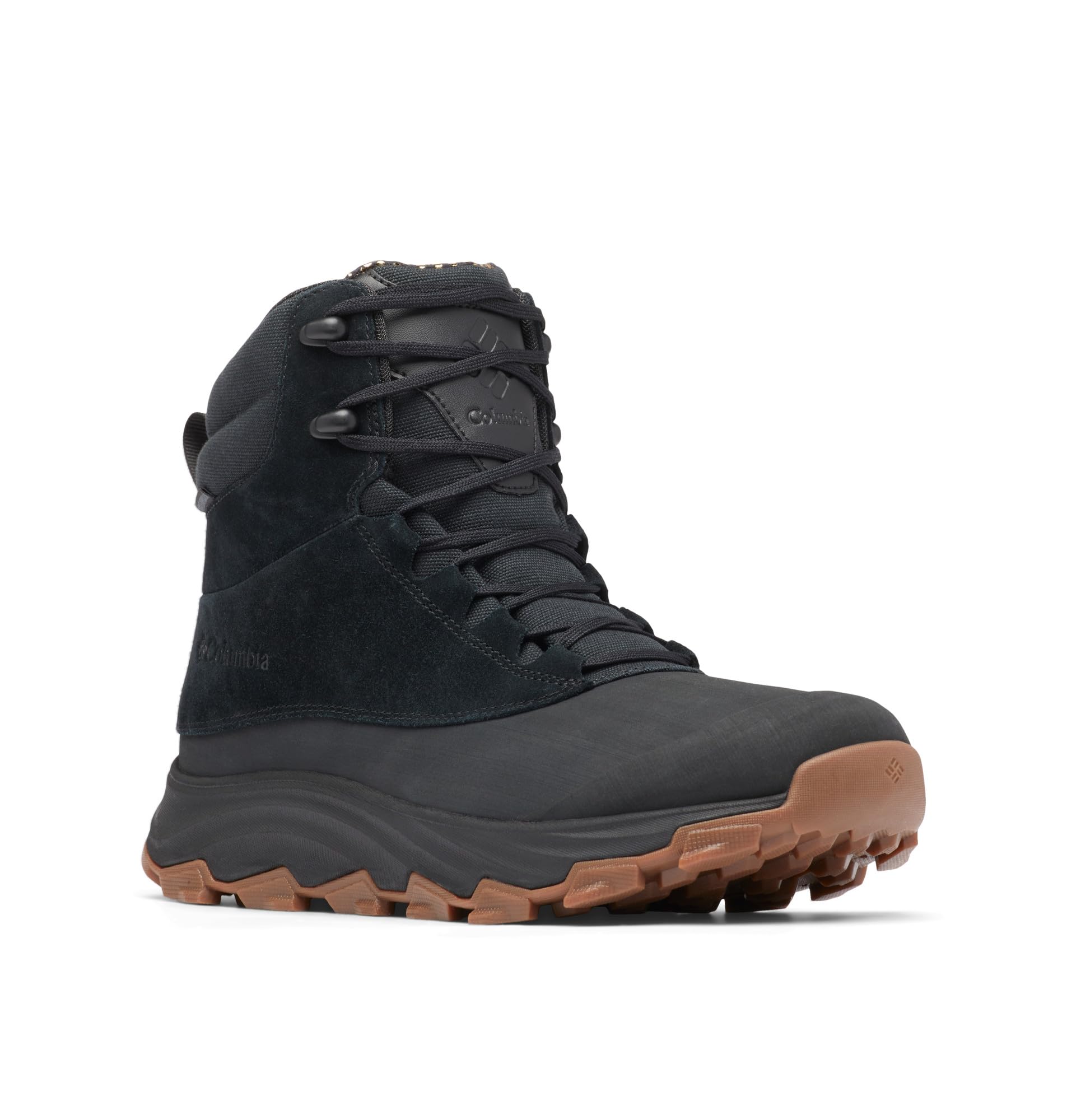
The Columbia Expeditionist Shield uses Omni-HEAT thermal reflective lining to retain body heat without adding heavy insulation bulk. This makes it a lightweight option that keeps feet warm down to about 10°F according to verified owners, though it is not fully waterproof in the traditional membrane sense. The boot resists water well enough for light snow and dry powder, and it dries quickly when the interior does get damp—an important trait for multi-day outings where boots cannot fully dry overnight.
The outsole features deep, aggressive lugs that track snow and mud effectively, but that same aggressive pattern tracks snow, sand, and salt indoors—a minor inconvenience for daily drivers. Owners who wear these as everyday winter boots note the lightweight feel compared to traditional insulated boots like Sorels, making them easier to pack and less fatiguing on long walks. The boot requires about a half-size up from standard Columbia sizing, as the toe box is slightly narrow for some users.
A common complaint is the gold inner lining fabric near the collar, which some owners find visually distracting. The included insole is thin and should be replaced with a quality aftermarket option for longer hikes. Despite these minor drawbacks, the Expeditionist Shield offers impressive warmth-to-weight ratio for the price, and the tread pattern provides reliable bite on packed snow.
Why it’s great
- Omni-HEAT lining keeps feet warm to 10°F without heavy insulation bulk
- Aggressive tread pattern provides solid bite on packed snow and mud
- Lightweight design reduces fatigue during all-day winter walks
Good to know
- Not fully waterproof; water-resistant only against light snow and rain
- Runs half a size small; order up for proper toe room
6. Danner Men’s Vital 8″ Mossy Oak Break-up Country 400g

The Danner Vital 8″ combines 900-denier polyester with sturdy leather in an abrasion-resistant package that handles marshy briars, rocky cliffs, and heavy brush. The 400g Thinsulate Ultra insulation hits the sweet spot for cold-weather hunting and hiking where you alternate between active movement and standing still. The Danner Dry membrane provides a complete waterproof barrier; owners report keeping feet dry after stomping through snow-covered marshes and shallow creek crossings.
The Lock & Load lacing system is a genuine innovation for winter use. It cinches down quickly and holds tight even with thick gloves on, and it stays secured through a full day of movement. The 8-inch shaft height offers more ankle coverage than standard mid boots, which helps when post-holing in snow or navigating uneven frozen ground. The multidirectional lug outsole grips mossy rocks and slick trails, though some owners note it can be slippery on wet polished rock surfaces.
Sizing requires attention. The boot runs about half a size small, and the wide option fits closer to a standard D-width than an actual EE. The open-cell footbed provides decent cushioning out of the box, and the lightweight midsole keeps the overall boot weight manageable for 10-mile days. After two years of hard use, owners report only cosmetic scuffs with no structural failures.
Why it’s great
- 400g Thinsulate Ultra provides reliable warmth without overheating during active hiking
- Danner Dry membrane stays fully waterproof through extended wet-snow exposure
- Lock & Load lacing system secures easily with gloves and stays locked all day
Good to know
- Runs half a size small; order up for comfortable sock fit
- Wide size runs closer to standard D width than true wide
7. Timberland Men’s White Ledge Mid Waterproof Hiking Boots

The Timberland White Ledge Mid is a classic entry-level waterproof hiking boot that handles mild snow conditions well. The seam-sealed construction keeps feet dry in moderate rain and shallow snow, but owners caution that the waterproofing degrades with heavy use and requires regular re-treatment with mink oil or a comparable conditioner. The rubber lug outsole provides good grip on hills, mud, and packed snow, though it struggles on slick ice without additional traction aids.
Comfort is a strong point for the White Ledge. The boot requires a short break-in period—about a week of casual wear—after which it conforms well to the foot. The toe box is generous, which helps when wearing thick wool socks. Owners report the boot performs well on varied terrain including streams, mud, hills, and light snow, and the mid-height collar is low enough to avoid rubbing the ankle bone during long strides.
Durability depends on maintenance. Owners who regularly apply mink oil and allow the boots to air dry between uses report several seasons of reliable performance. Those who neglect conditioning report the leather drying out and the waterproof layer failing within a year. The White Ledge is a value-oriented boot that rewards care; it is not a set-and-forget solution for harsh winter conditions.
Why it’s great
- Generous toe box accommodates thick winter socks comfortably
- Rubber outsole grips well on mud, packed snow, and rocky surfaces
- Lightweight feel makes it suitable for casual daily winter wear
Good to know
- Requires regular mink oil treatment to maintain waterproof performance
- Not effective on glare ice without crampons or microspikes
8. Columbia Men’s Strata Trail Mid Waterproof
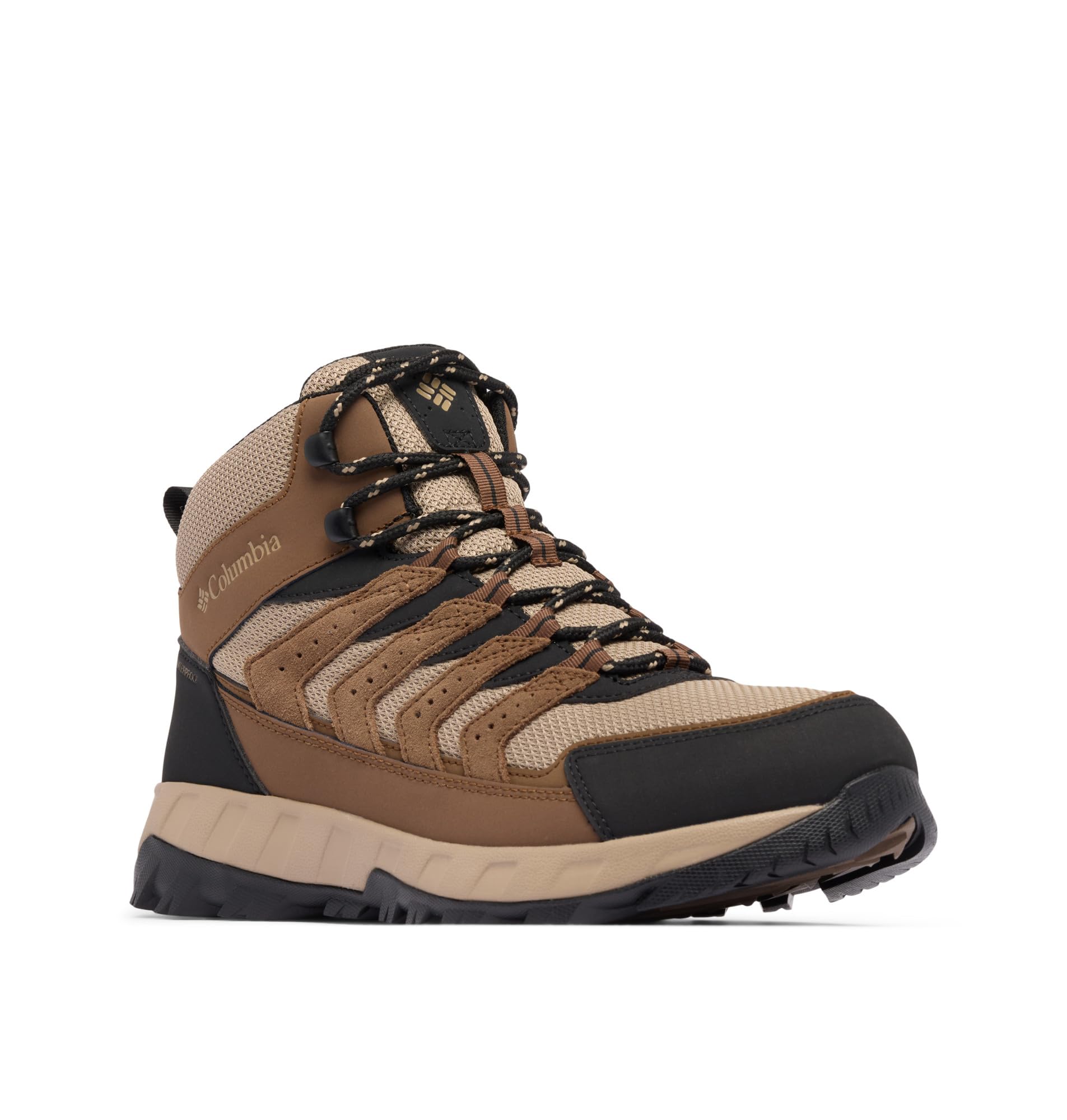
The Columbia Strata Trail Mid is a lightweight, comfortable hiker best suited for dry snow conditions and above-freezing winter hikes. It lacks significant insulation, so it is not appropriate for sub-zero temperatures or all-day standing in snow. The leather and suede upper provides water resistance that handles light snow and damp trails, but it is not a fully sealed membrane—prolonged exposure to melting snow will eventually soak through.
Where the Strata Trail excels is comfort. Owners consistently praise the “clouds for the feet” feel, noting that zero break-in is required and the boot is comfortable for 7-mile+ hikes right out of the box. The 5mm multidirectional lugs provide decent traction on packed snow and loose gravel, though the boot’s overall design prioritizes lightweight agility over deep-winter grip. The generous toe box allows for thick sock layering without crowding the toes.
Durability is moderate. The boot’s lightweight construction means the sole and upper will wear faster than heavier, full-leather boots. Owners report the boot performs well for fair-weather winter hiking and as a travel boot for trips where snow is intermittent rather than constant. Sizing up half a size is recommended to accommodate thick merino socks without compressing the toe box.
Why it’s great
- Exceptionally comfortable with zero break-in required for long hikes
- Lightweight design keeps foot fatigue low during all-day wear
- Generous toe box accommodates thick winter sock layering
Good to know
- Not insulated; unsuitable for sub-zero temperatures or deep snow
- Water resistance is limited; prolonged wet-snow exposure will soak through
9. Irish Setter Elk Tracker 12″ Waterproof Insulated 1000g Hunting Boot

The Irish Setter Elk Tracker 12″ is the extreme-weather option in this roundup, built for sub-zero temperatures and deep, unpacked snow. The 1000g Thinsulate insulation is overkill for active hiking but ideal for stand hunting, ice fishing, snow removal, and any scenario where you are stationary in bitter cold. Owners report the boot keeps feet warm from 75°F down to -10°F, which is a remarkable temperature range supported by the thick insulation and leather construction.
The 12-inch shaft height provides complete snow coverage; you can step into ankle-deep powder without any snow entering the boot. The outsole uses a stiff, multidirectional lug pattern that provides solid bite on packed snow and loose soil, though the stiffness means the boot has minimal ground feel. The boot is heavy—owners describe them as “Abrams tanks for the feet”—but that weight translates directly into durability and warmth. The leather upper is thick and overbuilt, requiring minimal break-in before becoming comfortable.
Maintenance is a consideration. The Elk Tracker benefits from regular treatment with a waterproofing sealant like Sno-seal to maintain its water resistance. The stiff tread can track snow and debris indoors. Sizing is reported as true to size for most users, though those with narrow feet may find the boot feels snug due to the insulation volume. This is a specialist boot for the coldest environments, not a general-purpose winter hiker.
Why it’s great
- 1000g Thinsulate delivers reliable warmth in extreme sub-zero conditions
- 12-inch shaft provides complete protection against deep snow entry
- Overbuilt leather construction lasts through years of heavy winter use
Good to know
- Very heavy; not suitable for fast-paced or long-distance winter hiking
- Requires regular waterproofing treatment to maintain seal integrity
FAQ
Do I need 400g or 200g insulation for winter hiking?
Can I wear three-season hiking boots in the snow?
How do I maintain the waterproofing on my snow boots?
Final Thoughts: The Verdict
For most users, the boots for hiking in snow winner is the Helly Hansen V3 Winter Boots because it delivers verified sub-zero warmth, reliable waterproofing, and deep-lug traction at a price that undercuts many premium options. If you want a 10-inch insulated boot for rugged winter trail hikes, grab the Oboz Bridger 10″ Insulated. And for extreme cold where you need 1000g insulation and a 12-inch shaft to keep snow out, nothing beats the Irish Setter Elk Tracker.

Mo Maruf
I created WellFizz to bridge the gap between vague wellness advice and actionable solutions. My mission is simple: to decode the research and give you practical tools you can actually use.
Beyond the data, I am a passionate traveler. I believe that stepping away from the screen to explore new environments is essential for mental clarity and physical vitality.