Our readers keep the lights on and my smoothie glass nicely filled. As an Amazon Associate, I earn from qualifying purchases.
Canned red salmon is a pantry workhorse, offering a quick, protein-rich meal that delivers the deep, savory flavor of wild sockeye without the hassle of fresh fish. The challenge is that not all cans are equal — some are packed with fillers, others with mushy meat, and many are simply pink salmon dyed to look like the real thing.
I’m Mohammad Maruf — the founder and writer behind WellFizz. I’ve spent years analyzing grocery data, reading through thousands of verified buyer reviews, and cross-referencing nutritional specs to separate premium tinned fish from the rest.
This guide cuts through the noise to help you confidently choose the best canned red salmon for your kitchen, whether you are stocking the pantry or making salmon patties for a family dinner.
How To Choose The Best Canned Red Salmon
Picking the right can of red salmon means looking beyond the label. The key factors are the species, the packing liquid, the inclusion of skin and bones, and the brand’s sourcing practices. Here is what to check before you buy.
Species: Sockeye vs. Pink
True red salmon comes from sockeye, a fish with a naturally deep red-orange flesh due to its diet of crustaceans. Pink salmon is paler, softer, and cheaper, and some brands label it misleadingly. For a firm texture and richer taste, always confirm the label says “sockeye” or “red salmon.”
Packing Liquid: Water, Oil, or None
The best canned red salmon is packed in its own natural juices with no added water or oil. This preserves the full flavor and keeps the meat firm. Cans that list water or vegetable oil as an ingredient often produce a softer, watered-down product.
Skin and Bones: To Keep or Remove?
Traditional pack-style cans include the skin and soft edible bones, which add calcium, omega-3s, and a slightly different texture. Boneless, skinless versions are available but cost more and often have less nutritional density. For salmon patties and salads, many chefs prefer the traditional pack for its moisture and flavor.
Sourcing and Certifications
Wild Alaskan red salmon is the gold standard. Look for “wild caught” on the label, ideally with Marine Stewardship Council (MSC) certification. This ensures the fish was sustainably harvested and not farmed, which affects both taste and environmental impact.
Quick Comparison
On smaller screens, swipe sideways to see the full table.
| Model | Category | Best For | Key Spec | Amazon |
|---|---|---|---|---|
| Rubinsteins Red Salmon (4 Pack) | Premium Bulk | Best Overall | 7.5 oz cans, no fillers, wild Alaskan | Amazon |
| Chicken of the Sea Sockeye (12 Pack) | Mid-Range Bulk | Stocking the Pantry | 14.75 oz cans, MSC certified, 19g protein | Amazon |
| Bumble Bee Red Sockeye (12 Pack) | Premium Bulk | Nutrition Powerhouse | 14.75 oz cans, 775mg Omega-3 per serving | Amazon |
| Rubinsteins Red Salmon (6 Pack) | Mid-Range Bulk | Flavor & Tradition | 7.5 oz cans, 3,500 mg Omega-3 per can | Amazon |
| Rubinsteins Red Salmon (24 Pack) | Budget Bulk | Long-Term Storage | 24 cans, 180 oz total, wild Alaskan | Amazon |
In‑Depth Reviews
1. Rubinsteins Red Salmon, 7.5-Ounce (4 Pack)
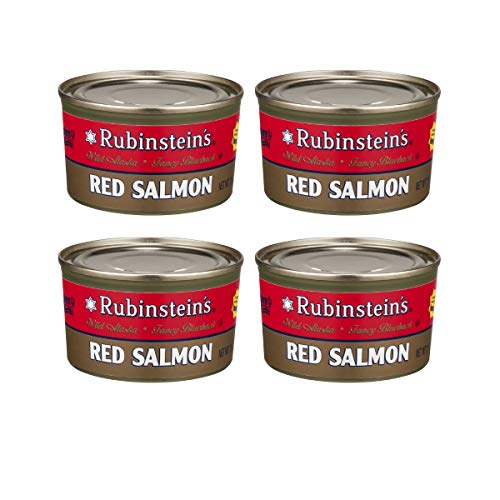
Rubinstein’s delivers exactly what you want from a premium can of red salmon: bright, firm sockeye with a deep, creamy red color and a full, rich flavor. Each 7.5-ounce can contains only the fish itself — no added water, oil, or fillers — which preserves the natural moisture and texture that cheaper brands lose.
The traditional pack includes the skin and soft, edible bones, adding calcium and a subtle crunch that works perfectly in salads, dips, or straight from the can. Reviewers consistently praise it as the best canned salmon they have found, citing its superior taste and firmness compared to pink or farmed alternatives.
It is worth noting that the four-pack ships in a cardboard box and some labels may peel off during transit, but this cosmetic issue does not affect the quality of the fish inside. For daily use and special recipes alike, this is the benchmark.
Why it’s great
- No water, oil, or fillers — pure sockeye.
- Firm, moist texture with a rich, creamy color.
- Includes skin and bones for extra nutrition.
Good to know
- Labels may detach during shipping.
- Smaller 7.5 oz cans require multiple for large batches.
2. Chicken of the Sea Red Sockeye Canned Salmon, 14.75 oz (12-Count)
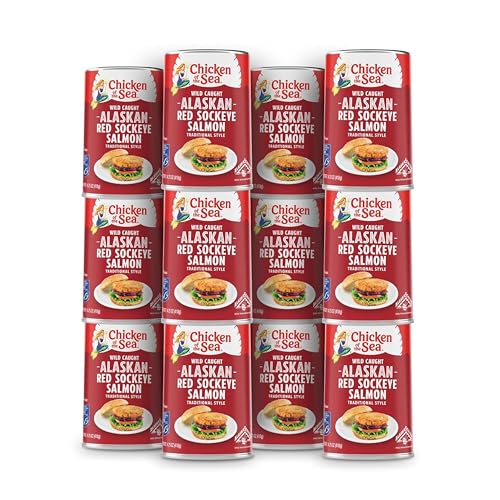
Chicken of the Sea’s red sockeye offers a compelling mix of quality and quantity. Each 14.75-ounce can delivers 19 grams of lean protein, 0 grams of carbs, and a meatier, richer flavor than the brand’s pink salmon line. The fish is wild caught and Marine Stewardship Council certified, ensuring sustainable sourcing.
Buyers consistently note that the color is a deep, vibrant red and the taste is fresh, not overly salty or fishy. The cans come with skin and bones left on, which some shoppers appreciate for the health benefits, while others find they need to pick through the meat before using. A few cans in a batch may contain skinless portions, adding slight inconsistency.
For families who cook salmon patties, chowder, or pasta dishes regularly, this 12-pack is a cost-effective way to keep premium red salmon stocked without paying a premium per can. When on sale, it often costs half the price of local grocery store alternatives.
Why it’s great
- Large 14.75 oz cans — great for big recipes.
- MSC certified sustainable and wild caught.
- Excellent value per ounce in bulk.
Good to know
- Some cans arrive with skin, others without — inconsistent.
- May need to remove bones before serving.
3. Bumble Bee Canned Red Sockeye Salmon, 14.75 oz (12-Count)
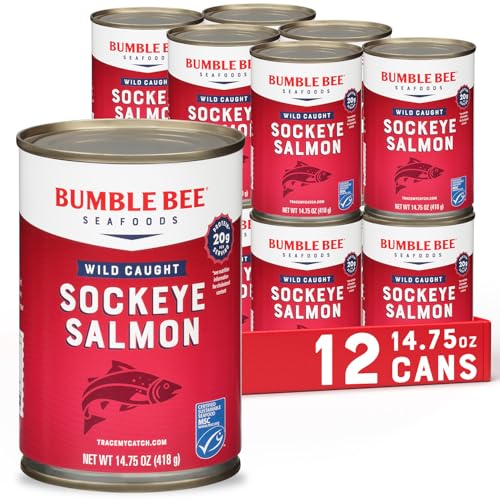
Bumble Bee’s red sockeye is a nutritional standout, with 775 milligrams of omega-3s per serving, 20 grams of protein, and significant amounts of Vitamin D, B12, and selenium. The fish is wild caught from Pacific waters, Non-GMO Project Verified, gluten-free, and kosher certified — making it a clean choice for restrictive diets.
The traditional pack uses skin and bones, which some reviewers love for the extra calcium and flavor, while others note the bones are soft and easy to mash into the meat. The texture is firm and not dry, with a savory, deep red appearance that works well in salmon burgers, dips, and salads. Each 14.75-ounce can provides roughly five servings.
A recurring concern is that cans often arrive dented due to the packaging method, though the product itself remains sealed and fresh. If you prioritize nutritional density and a clean ingredient list, this is the best option for your pantry.
Why it’s great
- High omega-3 content per serving.
- Non-GMO, gluten-free, and kosher certified.
- Firm, non-dry texture with rich flavor.
Good to know
- Frequent reports of dented cans during delivery.
- Traditional pack includes bones and skin.
4. Rubinsteins Salmon Red Sockeye, 7.5 Ounce (Pack of 6)
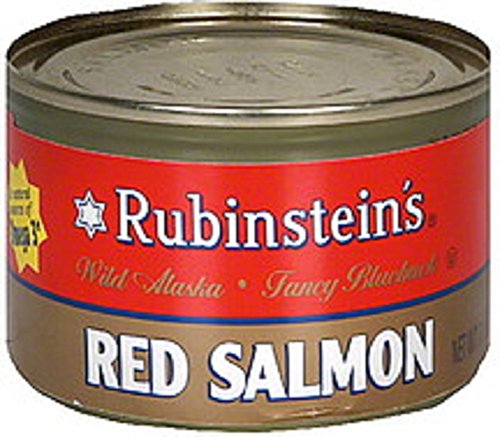
This six-pack of Rubinstein’s sockeye delivers the same premium quality as the four-pack but in a larger quantity for more frequent use. Each 7.5-ounce can packs roughly 3,500 milligrams of omega-3s, making it one of the most nutrient-dense options available. The flavor is consistently described as tasting as good as fresh salmon, with a soft, flaky texture that holds up well in recipes.
Reviewers note that the cans require a sturdy opener — there is no pull tab, which can be a challenge for those with arthritis or carpal tunnel. The fish includes soft bones and skin, adding crunch and nutritional value, but some shoppers prefer to pick through the meat before use.
It is worth mentioning that this product has been discontinued by the manufacturer, so availability may dwindle over time. If you find it in stock and love the traditional Rubinstein’s quality, this six-pack is a solid option for stocking a pantry with versatile, high-flavor salmon.
Why it’s great
- Very high omega-3 content per can.
- Rich, fresh-like flavor and soft texture.
- Sustainably caught Alaskan sockeye.
Good to know
- No pull tab — strong can opener required.
- Discontinued by manufacturer; limited availability.
5. Rubinstein’s Red Salmon (Case of 24)

For the serious red salmon enthusiast, Rubinstein’s 24-pack is the ultimate bulk purchase. Each 7.5-ounce can contains wild Alaskan sockeye with no added water, oil, or fillers — just pure, natural salmon. The meat is tightly packed without being crushed, and the color and taste remain consistent across every can in the case.
Buyers who have been loyal to Rubinstein’s for years confirm that this case saves roughly twenty dollars compared to buying individual cans locally. The salmon works beautifully for salmon patties, breakfast meals, and salads, and it is a staple for those who rely on high protein and omega-3s for heart health and energy.
One reviewer noted the case arrived promptly with no dented cans, and that the flavor and texture are indistinguishable from expensive fresh-filets. If you have the pantry space and eat red salmon regularly, this is the most economical way to secure a premium supply.
Why it’s great
- Best per-can price for long-term bulk storage.
- Consistent quality across all 24 cans.
- No fillers, just pure wild Alaskan sockeye.
Good to know
- Requires significant pantry space.
- Each can is 7.5 oz — smaller than 14.75 oz options.
FAQ
Is red sockeye salmon better than pink salmon?
Can I eat the bones and skin in canned red salmon?
Why does some canned salmon list “no salt added”?
Final Thoughts: The Verdict
For most users, the best canned red salmon winner is the Rubinsteins Red Salmon 4 Pack because it offers pure sockeye with no fillers, a firm texture, and a flavor that beats nearly every competitor. If you want the best bulk value for family meals, grab the Chicken of the Sea Red Sockeye 12 Pack. And for a nutritional powerhouse with high omega-3s and clean certifications, nothing beats the Bumble Bee Red Sockeye 12 Pack.

Mo Maruf
I created WellFizz to bridge the gap between vague wellness advice and actionable solutions. My mission is simple: to decode the research and give you practical tools you can actually use.
Beyond the data, I am a passionate traveler. I believe that stepping away from the screen to explore new environments is essential for mental clarity and physical vitality.