Our readers keep the lights on and my smoothie glass nicely filled. As an Amazon Associate, I earn from qualifying purchases.
Rucking transforms a simple walk into a full-body strength session, but the wrong backpack turns every mile into a battle against chafed shoulders, shifting plates, and a sore lower back. The market is flooded with tactical bags and hiking packs, yet only a handful are engineered to lock a weight plate high and tight against your spine while distributing the load across your hips. Choosing a purpose-built rucking pack means evaluating plate pocket design, frame sheet rigidity, and strap geometry—details that separate an efficient workout from a painful slog.
I’m Mohammad Maruf — the founder and writer behind WellFizz. I’ve spent years researching outdoor gear and analyzing the engineering behind load carriage systems, from military specifications to ultra-running hydration packs, to help you pick the right tool for your training.
Whether you are grinding through a 20-mile ruck or just starting with a 20-pound plate, your bag determines whether you finish strong or fight your gear the whole way. This guide breaks down the best options to keep your load stable, your posture tall, and your training on track. Read on to find the backpack for rucking that matches your goals.
How To Choose The Best Backpack For Rucking
Rucking demands a pack that keeps weight pinned high and tight against your back, preventing the load from swinging with each stride. Three core factors determine whether a bag works for weighted training.
Plate Pocket Elevation & Frame Sheet
A dedicated ruck plate pocket sewn high on the back panel stops weights from settling at the bottom of the bag. Without it, a 20-pound plate shifts downward, pulling your shoulders back and forcing your lower back to overcompensate. A rigid frame sheet (or internal frame) transfers that weight to your hips via the hip belt, turning your pelvis into the load-bearing foundation rather than your trapezius muscles.
Harness Geometry & Padding
Wide, padded shoulder straps with a sternum strap prevent the classic “pinched neck” sensation under load. Look for heat-laminated foam that won’t pack out after a few sessions. A hip belt is essential for loads above 30 pounds—it redistributes 60-70% of the weight off your shoulders. For deep-core engagement workouts, some ruckers prefer a minimalist hip belt or none at all; for long-distance endurance rucking, a padded, load-bearing belt is mandatory.
Volume & Organization
A 20L pack is ideal for pure fitness rucking: just enough room for a plate, water bladder, phone, and keys. For overnight missions or rucking with extra layers, food, and gear, look for 35L to 48L packs. Avoid bags with deep, unsecured main compartments—internal compression straps or multiple pockets keep your load from becoming a shifting mess.
Quick Comparison
On smaller screens, swipe sideways to see the full table.
| Model | Category | Best For | Key Spec | Amazon |
|---|---|---|---|---|
| GORUCK Rucker 4.0 20L | Fitness | Purpose-built ruck training, high stability | Elevated plate pocket, frame sheet | Amazon |
| Osprey Kestrel 48L | Hiking | Long-distance backpacking & ruck hybrid | 48L, AirScape backpanel, included rain cover | Amazon |
| Eberlestock Switchblade | Tactical EDC | Low-profile daily ruck, CCW compatibility | 5 lbs, hidden compartment, internal MOLLE | Amazon |
| Osprey Rook 65L | Backpacking | Multi-day expeditions with heavy loads | 65L, AirSpeed suspension, 3.7 lbs | Amazon |
| 5.11 RUSH 24 2.0 | Tactical | Modular heavy-duty ruck, 37L capacity | 1050D nylon, 37L, MOLLE platform | Amazon |
| MAXPEDITION Gyrfalcon | Tactical | Rugged missions, detachable waist pack | 1000D ballistic nylon, 36L | Amazon |
| 5.11 RUSH 12 2.0 | Tactical EDC | Compact daily fitness ruck, 24L size | 1050D nylon, 24L, hydration sleeve | Amazon |
In‑Depth Reviews
1. GORUCK Rucker 4.0 20L
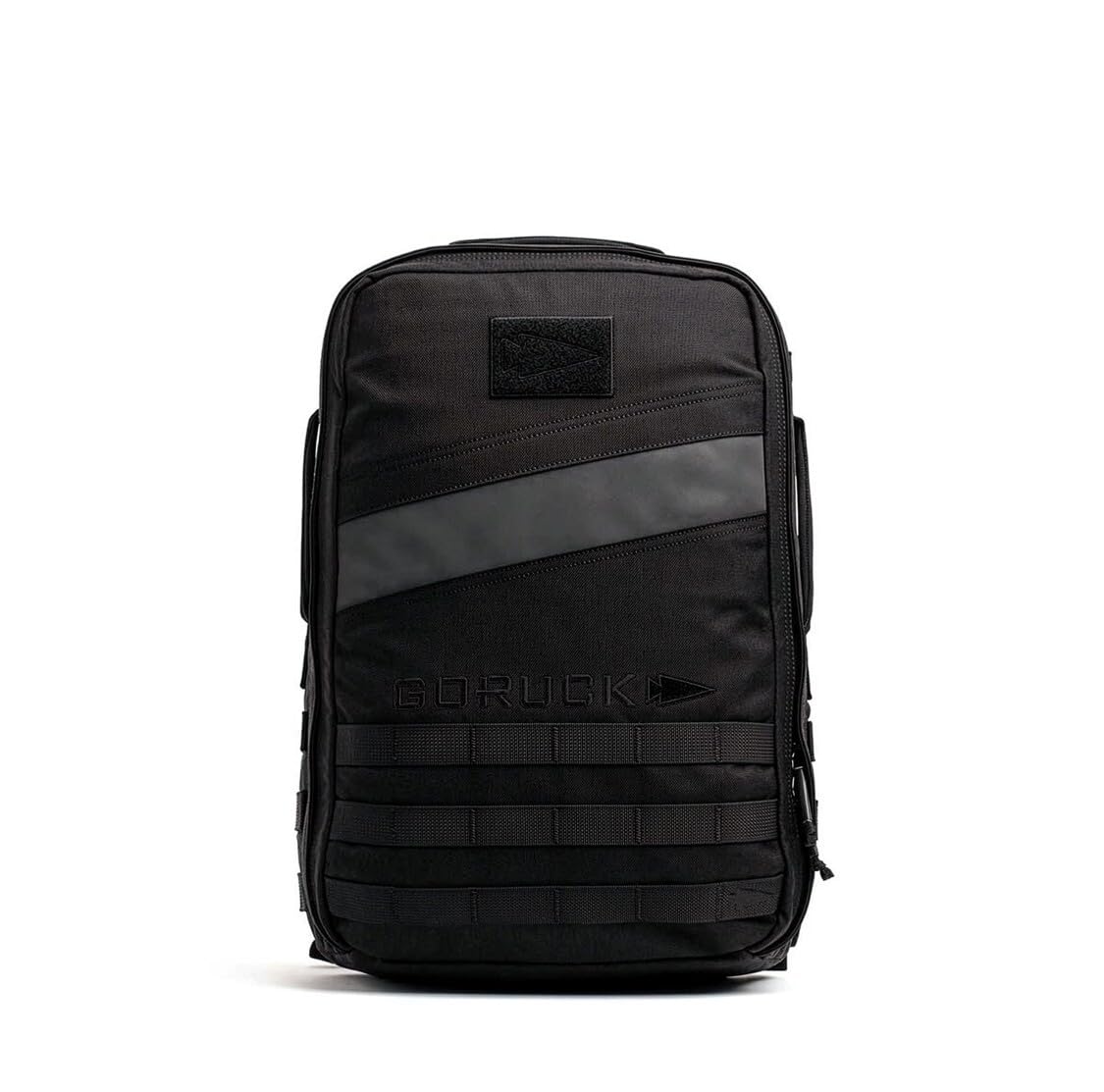
The GORUCK Rucker 4.0 is the gold standard for anyone who wants a bag engineered from the ground up for weighted movement. Its elevated ruck plate pocket locks the load high on your back, preventing the dreaded sag that causes shoulder strain. The built-in frame sheet adds structural rigidity, so even when you scale up to 75 pounds of plates, the pack holds its shape and transfers weight efficiently to your hips when paired with the optional belt.
The Super Straps use heat-laminated high-density polyethylene foam that won’t compress over time, a critical upgrade over standard foam that collapses after a few dozen miles. The 210D Cordura back panel fabric moves with your shirt instead of rubbing, and the closed-cell foam repels sweat and rain. At 20L, it is intentionally compact—it forces you to pack light and focus on the workout, not the gear.
This is not a do-everything travel bag. The limited volume means you cannot stuff in a weekend’s worth of clothes and a laptop. But as a dedicated fitness tool, it is unrivaled. The patent on its design reflects real innovation in load carriage, and the build quality is so robust that owners often hand them down after years of abuse.
Why it’s great
- Elevated plate pocket keeps weight high and stable, no bounce.
- Heat-laminated straps stay comfortable under heavy loads over time.
- Frame sheet and lumbar support protect your spine during long rucks.
Good to know
- 20L capacity is tight for carrying extra layers or gear beyond the plate.
- Hip belt sold separately, raising total cost for load-bearing setup.
2. Osprey Kestrel 48L
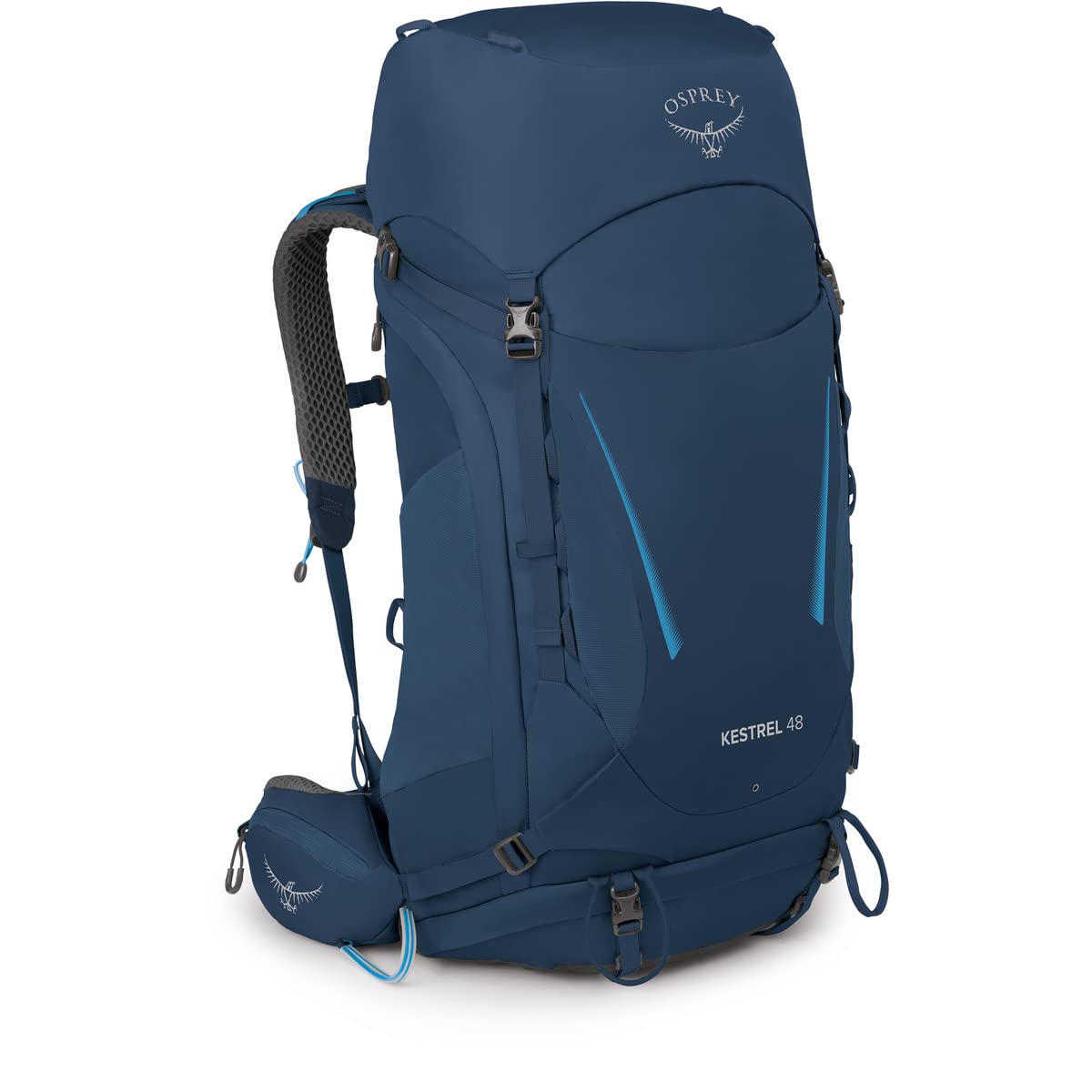
The Osprey Kestrel 48L bridges the gap between a backpacking pack and a rucking platform. Its injection-molded AirScape backpanel offers adjustable torso lengths, which is rare at this price tier and essential for dialing in load transfer. The fixed hip belt is padded and sculpted, capable of handling 40+ pounds comfortably over multi-day distances. The built-in rain cover and trekking pole attachments make it a practical choice for ruckers who also hit the trail.
The main compartment is deep but includes a removable sleeping bag divider that doubles as an internal compression system to keep your ruck plate from sliding into the bottom. The side elastic pockets are easy to access mid-stride for water bottles, and the daisy chains on the front allow you to lash extra gear. At 4.62 pounds, it is heavier than minimalist ruckers, but the weight pays off in harness comfort and features.
Some users note a formaldehyde coating smell out of the box, which dissipates with washing. The top-lid pocket and under-lid zippered mesh pocket with key clip keep small items organized. This is a strong choice for ruckers transitioning from pure fitness to backcountry overnight trips who want one pack that does both well.
Why it’s great
- Adjustable torso length for precise fit across different body types.
- Padded, load-bearing hip belt handles heavy weight without digging in.
- Included rain cover and trekking pole loops add trail-ready versatility.
Good to know
- Heavier than dedicated ruckers at 4.62 lbs base weight.
- No dedicated elevated ruck plate pocket; plate may shift without internal compression.
3. Eberlestock Switchblade Pack

The Eberlestock Switchblade is a low-profile tactical pack that rucks quietly. Its slim 20 x 12 x 8 inch silhouette fits under airplane seats and doesn’t scream “military,” yet the construction—reinforced stitching, water-resistant fabric, and smooth YKK zippers—holds up to real wilderness abuse. The hidden CCW compartment doubles as a secure ruck plate sleeve, keeping the weight close to your spine without external pouches.
The internal MOLLE panel allows you to organize gear with pouches, preventing items from becoming a jumbled mass that shifts unevenly. The padded tech sleeve fits a full-size gaming laptop or hydration bladder. Multiple testers report carrying it through Alaskan bush conditions—dragged, soaked, and overloaded—without a single failure. At 5 pounds empty, it is on the heavier side, but that mass comes from overbuilt materials that last.
The Switchblade excels as a daily carry that can handle an impromptu ruck session. The adjustable straps distribute weight well, and the sternum strap is critical for preventing shoulder fatigue. It is not purpose-built for rucking like the Rucker, but for those who need one pack for work, travel, and training, it is a versatile and durable compromise.
Why it’s great
- Hidden compartment works well as a ruck plate sleeve, keeping load stable.
- Proven durability in extreme conditions like Alaskan bush and downpours.
- Low-profile design fits office and trail without looking like a military pack.
Good to know
- Heavy empty weight (5 lbs) reduces your effective load capacity.
- No dedicated elevated plate pocket; plate positioning depends on internal organization.
4. Osprey Rook 65L

The Osprey Rook 65L is a lightweight backpacking pack (3.7 lbs) that adapts surprisingly well to rucking when you need multi-day capacity. Its AirSpeed tensioned mesh backpanel creates a gap between your back and the pack, reducing sweat buildup during high-effort movement. The LightWire frame transfers load directly to the hip belt, which is padded and contoured to handle 35 pounds or more comfortably, as confirmed by multiple week-long treks.
The zippered sleeping bag compartment with a floating divider is useful for separating a ruck plate from your gear, and the integrated rain cover stows neatly in its own pocket. Testers have carried this pack for hundreds of miles, including a 26-mile day under a 30-pound load, without hip pain or shoulder chafing. The angled water bottle pockets are easy to reach without removing the pack.
The trade-off is volume. At 65L, it is oversized for daily fitness rucking, and the lack of a dedicated plate pocket means you must use the divider or a stuff sack to keep weight from shifting. This is a pack for ruckers who also backpack, not for those who want a minimalist gym tool.
Why it’s great
- AirSpeed suspension keeps your back ventilated during long, sweaty rucks.
- Lightweight for its size (3.7 lbs) makes it easy to justify for multi-day trips.
- Integrated rain cover and floating divider increase versatility.
Good to know
- 65L is excessive for daily fitness rucking; large volume can encourage overpacking.
- No dedicated elevated plate pocket; plate needs creative positioning to stay high.
5. 5.11 Tactical RUSH 24 2.0

The 5.11 RUSH 24 2.0 is a 37L tactical pack built from high-strength, water-repellent 1050D nylon that shrugs off heavy use and harsh weather. The contoured yoke shoulder strap system with web MOLLE lets you attach pouches for custom load distribution, and the quick-detach sternum strap stabilizes the pack during dynamic movement. The rear hydration sleeve doubles as a makeshift ruck plate pocket, though it lacks the elevation of a dedicated fitness pack.
The admin panel and multiple internal mesh pockets keep gear organized—no more digging for keys or a knife mid-ruck. The hidden CCW compartment with loop panel offers secure storage for a plate or valuables. Testers report using this pack as a range bag, daily carry, and weekend rucksack, praising the heavy-duty zippers and reinforced stitching that show no wear after months of use.
The main limitation for rucking is the lack of a dedicated plate pocket. The 37L capacity is generous, so a plate can shift around if not secured with pouches or a bladder. The shoulder strap buckles are plastic, which some users found less confidence-inspiring than metal alternatives. It is a solid heavy-duty bag that adapts to rucking rather than being built for it.
Why it’s great
- 1050D nylon construction is nearly indestructible in rough terrain.
- Extensive MOLLE webbing allows modular attachment of pouches and gear.
- Organized admin panel and multiple pockets keep small items accessible.
Good to know
- No elevated plate pocket; weight can settle low without custom packing.
- Plastic shoulder strap buckles may not inspire confidence under very heavy loads.
6. MAXPEDITION Gyrfalcon Backpack

The MAXPEDITION Gyrfalcon is a 36L tactical rucksack built from 1000D ballistic nylon with a Teflon coating for water and abrasion resistance. Its stand-out feature is the detachable 6L lower pouch that clips onto the waist belt, converting into a fanny pack—useful for stashing snacks, a phone, or keys during a ruck without unpacking the main bag. Genuine YKK zippers run smoothly even after dust and grit exposure.
The internal frame sheet provides structure for load carriage, and the padded, contoured shoulder straps with a sternum strap distribute weight adequately for loads up to 60 pounds, as reported by long-term users. The hydration sleeve fits a 3L bladder, and the main compartment holds a ruck plate securely when paired with internal compression. The slim profile (10.5 x 9.8 x 21.5 inches) meets most airline carry-on restrictions.
One design quirk: the two sewn-together bottom pouches can be difficult to access when the main compartment is full. The lack of an adjustable harness means the fit favors larger torsos. It is a premium tactical pack that excels in durability and modularity, but ruckers seeking a dedicated fitness bag may find the organization over-engineered.
Why it’s great
- Detachable waist pack offers rare modularity for quick-access gear.
- 1000D ballistic nylon with Teflon coating is extremely tough and weather-resistant.
- Genuine YKK zippers provide smooth, reliable operation over time.
Good to know
- Bottom pouches can be hard to access when the main compartment is packed full.
- Fixed harness size may not fit shorter or smaller torsos well.
7. 5.11 Tactical RUSH 12 2.0

The 5.11 RUSH 12 2.0 packs the same 1050D nylon durability as its larger sibling into a compact 24L form factor. It is small enough to avoid overpacking but large enough to hold a 15-inch laptop, a hydration bladder, and a ruck plate. The contoured yoke shoulder strap system with web MOLLE allows customization for water bottle holders or accessory pouches, solving the lack of side pockets.
The rear hydration compartment doubles as a sleeve for a 20-pound ruck plate, though the lack of an elevated pocket means the weight will sit lower than ideal. The hidden CCW compartment with loop panel adds security for valuables. Testers praise the heavy-duty zippers and sturdy construction, with many using it as an everyday carry that transitions easily to a gym ruck session.
The downsides are clear: the 24L volume feels cramped when you add layers, a 32oz Nalgene, and binoculars. The plastic shoulder strap buckles are a weak point under repeated heavy loads. For a budget-friendly entry into rucking, it works, but dedicated ruckers will quickly outgrow its capacity and load stability limits.
Why it’s great
- Compact 24L size discourages overpacking, ideal for focused training sessions.
- Same rugged 1050D nylon construction as larger 5.11 packs.
- MOLLE webbing allows easy attachment of water bottle holders and pouches.
Good to know
- 24L capacity fills up quickly with gear beyond the ruck plate.
- Plastic strap buckles may wear or break under heavy, repeated use.
FAQ
Can I use a regular hiking backpack for rucking?
What size ruck plate should I start with?
How do I keep my ruck plate from shifting inside the pack?
Do I need a hip belt for rucking?
What is the difference between a tactical pack and a fitness ruck pack?
Final Thoughts: The Verdict
For most users, the backpack for rucking winner is the GORUCK Rucker 4.0 20L because its elevated plate pocket, heat-laminated straps, and rigid frame sheet are purpose-built for stable, comfortable weight carriage. If you want a pack that doubles as a trail-ready backpacking rig, grab the Osprey Kestrel 48L. And for a low-profile daily carry that rucks without looking tactical, nothing beats the Eberlestock Switchblade.

Mo Maruf
I created WellFizz to bridge the gap between vague wellness advice and actionable solutions. My mission is simple: to decode the research and give you practical tools you can actually use.
Beyond the data, I am a passionate traveler. I believe that stepping away from the screen to explore new environments is essential for mental clarity and physical vitality.