Our readers keep the lights on and my smoothie glass nicely filled. As an Amazon Associate, I earn from qualifying purchases.
The push for natural foot mechanics has collided with the iron game, producing a new standard: a shoe that offers no cushion, zero heel elevation, and a toe box wide enough for full splay under load. Conventional weightlifting shoes lift your heel to artificially shift your center of mass, but barefoot lifting shoes demand that your body does the work of stability itself. This category is not for everyone, but for the lifter who values proprioception over a crutch, it is the only real option.
I’m Mohammad Maruf — the founder and writer behind WellFizz. I’ve spent years analyzing biomechanics research and dissecting the structural differences between conventional lifters and minimalist alternatives to understand how ground feel translates into real-world lifting performance.
This guide breaks down the top contenders for the best barefoot lifting shoes, focusing on what separates a true zero-drop trainer from a mere fashion sneaker.
How To Choose The Best Barefoot Lifting Shoes
Choosing a barefoot lifting shoe is different from buying a typical gym trainer. The core attributes revolve around sole thickness, heel offset, toe-box geometry, and outsole traction. Ignore these, and you risk buying a shoe that looks minimalist but functions like a conventional sneaker.
Sole Thickness and Ground Feedback
A true barefoot lifting shoe should have a sole that is thin enough to feel the texture of the floor but thick enough to protect your foot from sharp debris in a gym setting. Most serious options sit around 4mm to 8mm of stack height. Thicker soles dampen proprioceptive feedback, making it harder to adjust your weight distribution during a heavy squat.
Toe-Box Shape and Splay
Your toes need room to spread laterally to create a stable base. The toe box should not taper aggressively from the pinky toe. Look for a shovel-shaped or foot-shaped last that allows each toe to lie flat and spread on contact with the ground. Constriction here reduces your stability footprint by up to thirty percent.
Heel Offset and Ankle Mobility
Zero-drop is the standard for barefoot lifting. A raised heel can mask limited ankle dorsiflexion, but it also shifts load away from the posterior chain. If you lack ankle mobility, a barefoot shoe will expose that weakness and force you to address it through mobility work rather than relying on the shoe’s geometry.
Outsole Grip and Durability
The outsole rubber must grip a smooth gym platform without being so sticky that it catches during dynamic movements. Look for vertical flex grooves and a tread pattern that offers multidirectional traction. Cheaper outsoles wear smooth within months, turning a stable training shoe into a liability on dusty floors.
Quick Comparison
On smaller screens, swipe sideways to see the full table.
| Model | Category | Best For | Key Spec | Amazon |
|---|---|---|---|---|
| INOV8 Bare-XF | Mid-Range | Versatile barefoot training | 3mm insole + 3mm outsole | Amazon |
| Xero Prio Neo (Mens) | Premium | All-day comfort & lifting | 5.5mm FeelTrue sole | Amazon |
| Xero Prio Neo (Womens) | Premium | Walking & light lifting | 5.5mm FeelTrue sole | Amazon |
| Vivobarefoot Primus Lite Knit | Premium | Minimalist everyday wear | 3mm outsole | Amazon |
| FLUX Adapt Runners | Premium | Longevity & daily wear | Knitted upper, 3mm outsole | Amazon |
| Under Armour Tribase 6 | Mid-Range | CrossFit & HIIT training | 4mm drop | Amazon |
| adidas Powerlift 5 | Mid-Range | Weightlifting with heel | Raised heel | Amazon |
In‑Depth Reviews
1. INOV8 Men’s Bare-XF – Barefoot Training Shoes
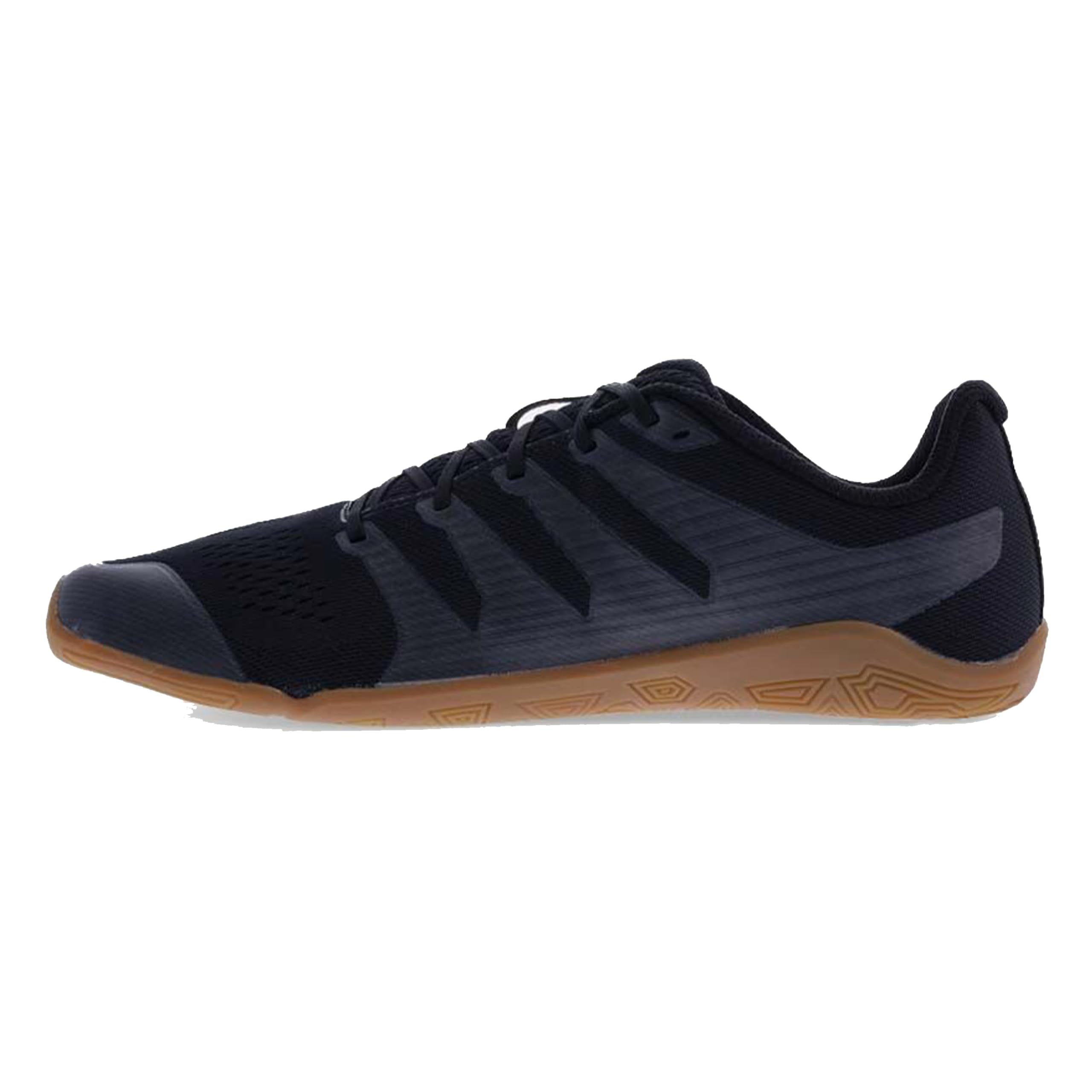
The INOV8 Bare-XF represents a rare combination in the barefoot lifting space: a shoe that is genuinely flexible yet durable enough to survive years of use. With a total stack height of just 6mm (3mm insole plus 3mm outsole), your foot sits almost directly on the platform. The wide toe box accommodates 2E to 3E foot shapes without pinching the pinky toe, which directly improves your base of support during deadlifts and squats.
Multiple user reports confirm that this shoe lasts six years with minimal wear, a testament to the thicker fabric and stiffer rubber used compared to the lighter Bare-XF Pro version. The rope grip outsole handles gym flooring, light hiking, and even occasional sprints without losing traction. It is one of the few barefoot training shoes that does not feel flimsy under 300-pound loads.
One minor caveat: the toe box is moderately wide rather than aggressively foot-shaped, so if you have very wide feet there are more accommodating options. Sizing is true to size, and the shoe transitions well from lifting to daily casual wear without looking like a technical shoe.
Why it’s great
- Exceptional build quality for extended durability
- Low 6mm stack height delivers precise ground feedback
- Versatile for lifting, light runs, and everyday use
Good to know
- Moderate toe box width not ideal for extremely wide feet
- Order true to size; half-size up is too long
2. Xero Shoes Men’s Prio Neo Barefoot Training Shoes
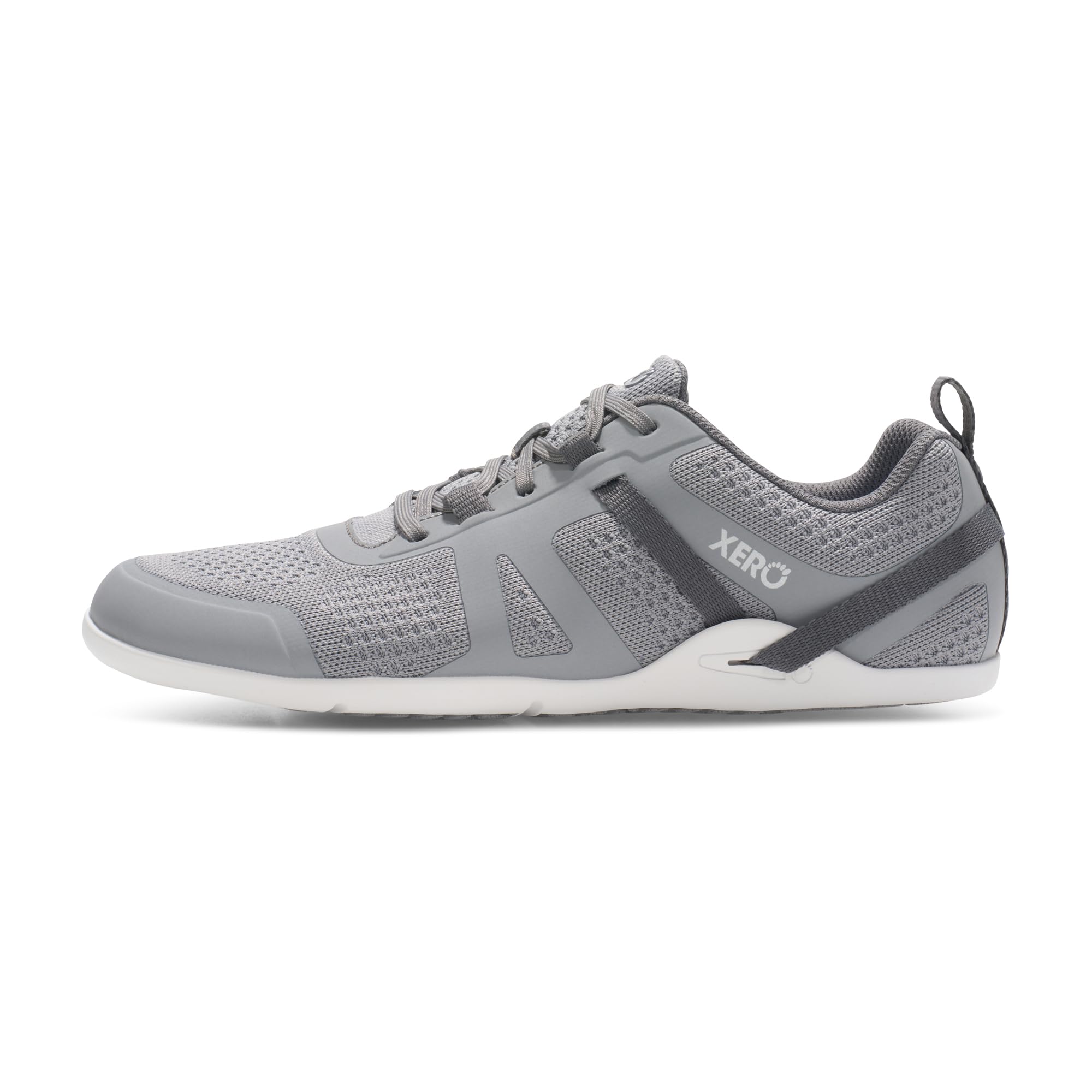
The Xero Prio Neo hits a sweet spot between true minimalism and daily practicality. Its 5.5mm FeelTrue outsole provides enough protection for pavement walking while still transmitting surface texture through to the foot. The upper is breathable mesh that wraps the foot without constriction, and the wide toe box allows full splay even during lateral movements like lunges and farmer carries.
Users note that the shoe activates the full foot and reduces lower back pain during prolonged standing, a benefit of the zero-drop platform that forces the posterior chain to engage naturally. The outsole rubber offers reliable grip on gym mats and concrete without being overly aggressive. Several reports mention that the shoe holds up well after hundreds of miles of mixed use, with the upper showing minimal signs of wear.
A common point is that the thin sole can cause foot soreness after a full day of wear if you are not accustomed to barefoot footwear. This is not a defect but a transition effect. For those starting their barefoot journey, the Prio Neo is an excellent entry point that does not sacrifice quality for price.
Why it’s great
- Breathable, durable upper that maintains shape
- Flexible sole with good traction and ground feel
- Reduces back pain by encouraging natural foot mechanics
Good to know
- Light gray color shows dirt easily
- Requires handwashing to preserve upper material
3. Xero Shoes Women’s Prio Neo Barefoot Training Shoe
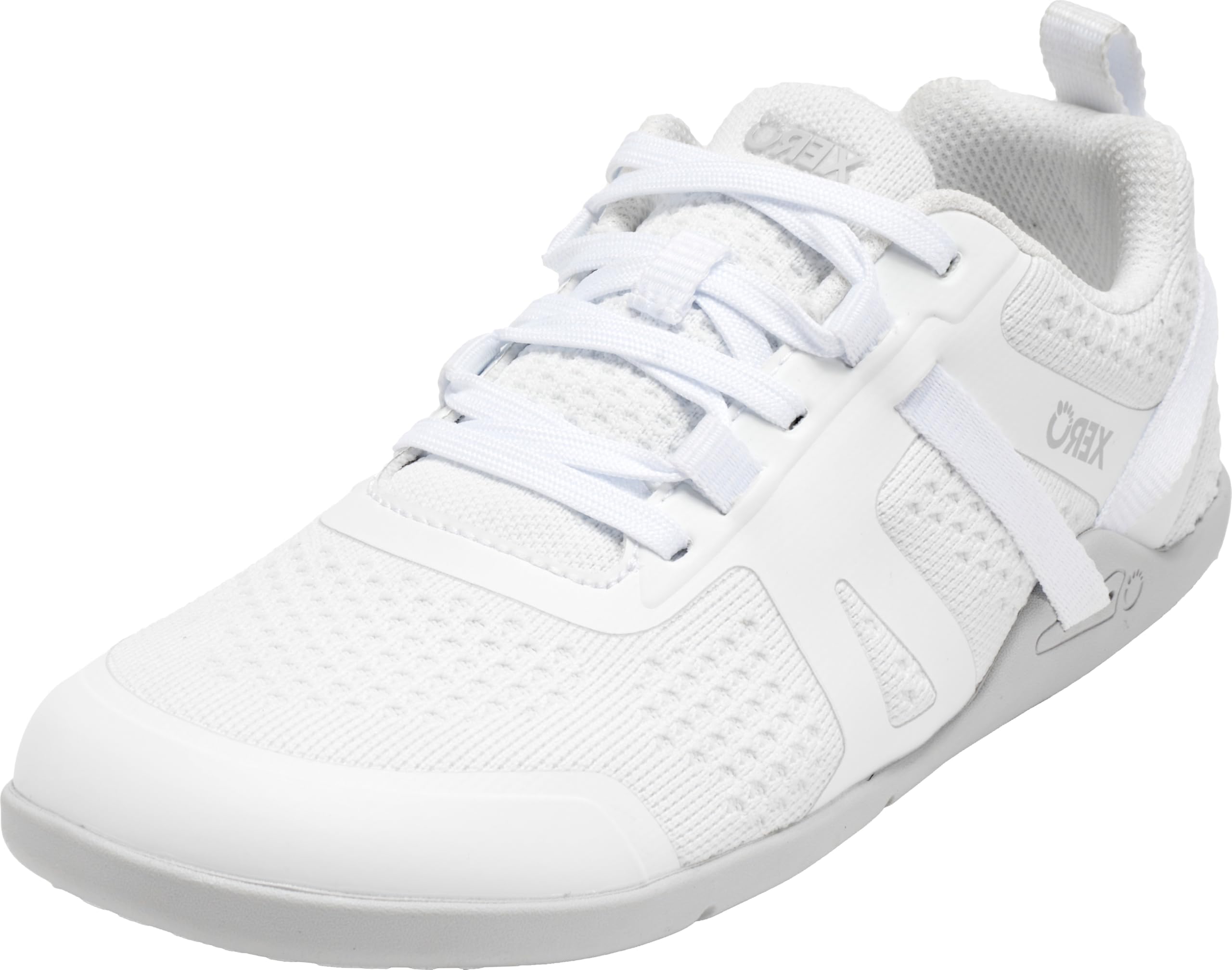
This version of the Prio Neo shares the same 5.5mm FeelTrue sole and wide toe box as the men’s model but is built on a women-specific last. The upper is stretchy and forgiving, creating what many describe as a slipper-like feel with a rubber outsole. The removable insole lets you choose between full ground feedback or a slightly cushioned ride depending on the day’s activity.
Transitioning from traditional running shoes like the Brooks Glycerine requires a gradual adaptation period. Some users experienced calf and knee pain during the first week as their gait mechanics shifted away from heel striking. Once adapted, the shoe provides a more stable platform that reduces foot, knee, and back discomfort during long days of walking or standing.
A specific issue noted by a few buyers is that the lace eyelet reinforcement digs into the top of the foot during the walking gait cycle. This is less noticeable during static lifting but can be irritating during extended walking. If you have a high instep, you may need to use thinner socks or adjust the lacing pattern.
Why it’s great
- Stretchy, comfortable upper that conforms without pressure
- Removable insole allows customizable ground feel
- Excellent for transitioning from traditional cushioned shoes
Good to know
- Lace area reinforcement may press into the top of the foot
- Requires a gradual transition period for gait adaptation
4. Vivobarefoot Men’s Primus Lite Knit Running Shoe

Vivobarefoot’s Primus Lite Knit is one of the most flexible shoes you can put on your feet. The 3mm outsole is virtually paper-thin, giving you unimpeded sensory feedback from the floor. The knit upper allows exceptional breathability and wraps the foot like a sock, making it ideal for gym sessions where you want as little interference as possible between your foot and the ground.
Users consistently report sizing down significantly. If you wear an 11.5 in standard athletic shoes, you may need a size 10 in the Primus Lite Knit. The foot-shaped toe box provides ample space for splay, and the zero-drop platform encourages a midfoot strike during dynamic movements. That said, this is not a shoe for heavy lateral work or explosive lifts out of the box, as the flexible sole can allow the foot to slide sideways under load.
Build quality is a point of contention. Several buyers experienced sole separation from the upper within months of purchase, and Vivobarefoot’s customer service was reportedly unresponsive to warranty claims. The knit material also tends to pinch the top of the toes during the walking gait for some users, requiring thicker socks or a break-in period to resolve.
Why it’s great
- Extremely flexible with maximum ground feel
- Breathable knit upper that molds to the foot
- Very lightweight for all-day wear
Good to know
- Reported sole separation issues with poor warranty support
- Knit may pinch the top of toes during walking
5. FLUX FOOTWEAR Adapt Runners
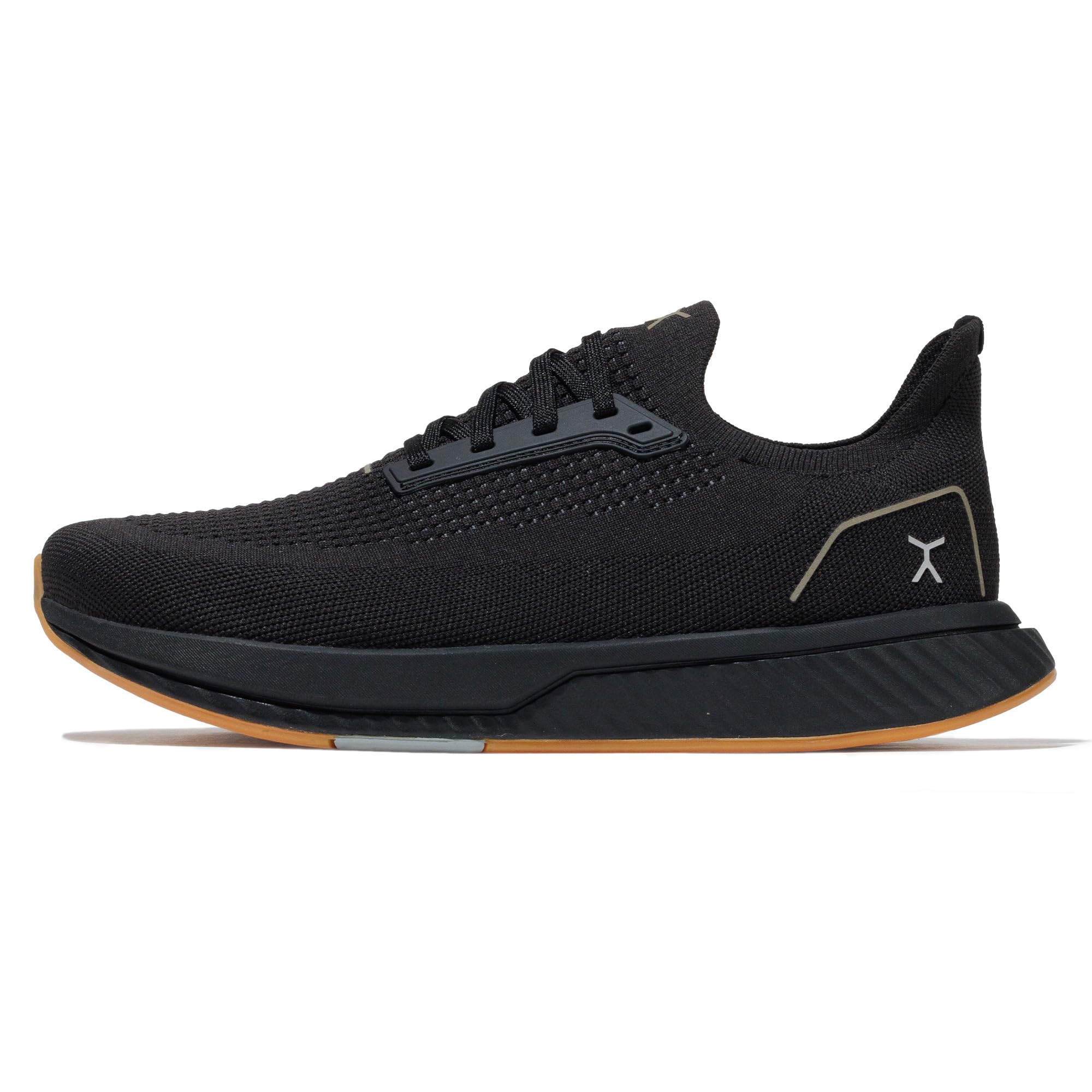
The FLUX Adapt Runners are built with longevity in mind. Buyers report that a single pair can last four years of daily wear, including walking 5 to 6 miles per day on hard surfaces, without the outsole wearing through. The knitted upper is dense and structured, providing a secure wrap that does not stretch out over time. The 3mm outsole is thin enough for solid ground feel but uses a proprietary rubber blend that resists abrasion better than most minimalist competitors.
Initial stiffness is the main hurdle. The shoe’s construction requires a break-in period of roughly two weeks before the materials relax around the foot. Some users noted ankle discomfort during the first few wears as their stabilizer muscles adapted to the zero-drop platform. Once broken in, the shoe becomes very comfortable, with the wide toe box offering ample room for toe splay without any pressure points.
One recurring complaint is tightness around the ankle opening. The collar sits relatively high and does not loosen as much as the rest of the shoe, which can be uncomfortable for users with thicker ankles or high insteps. Additionally, the lack of a traditional lace structure that fully loosens at the top can make the shoe difficult to get a perfect fit on the ankle. For those who fit well, however, the durability is exceptional.
Why it’s great
- Exceptional durability with reports of 4-year lifespan
- Dense knitted upper maintains shape after repeated wear
- Good traction and ground feel for daily use
Good to know
- Ankle collar runs tight and cannot be fully loosened
- Stiff out of the box requires a 2-week break-in period
6. Under Armour Men’s TriBase Reign 6 Trainer Shoes
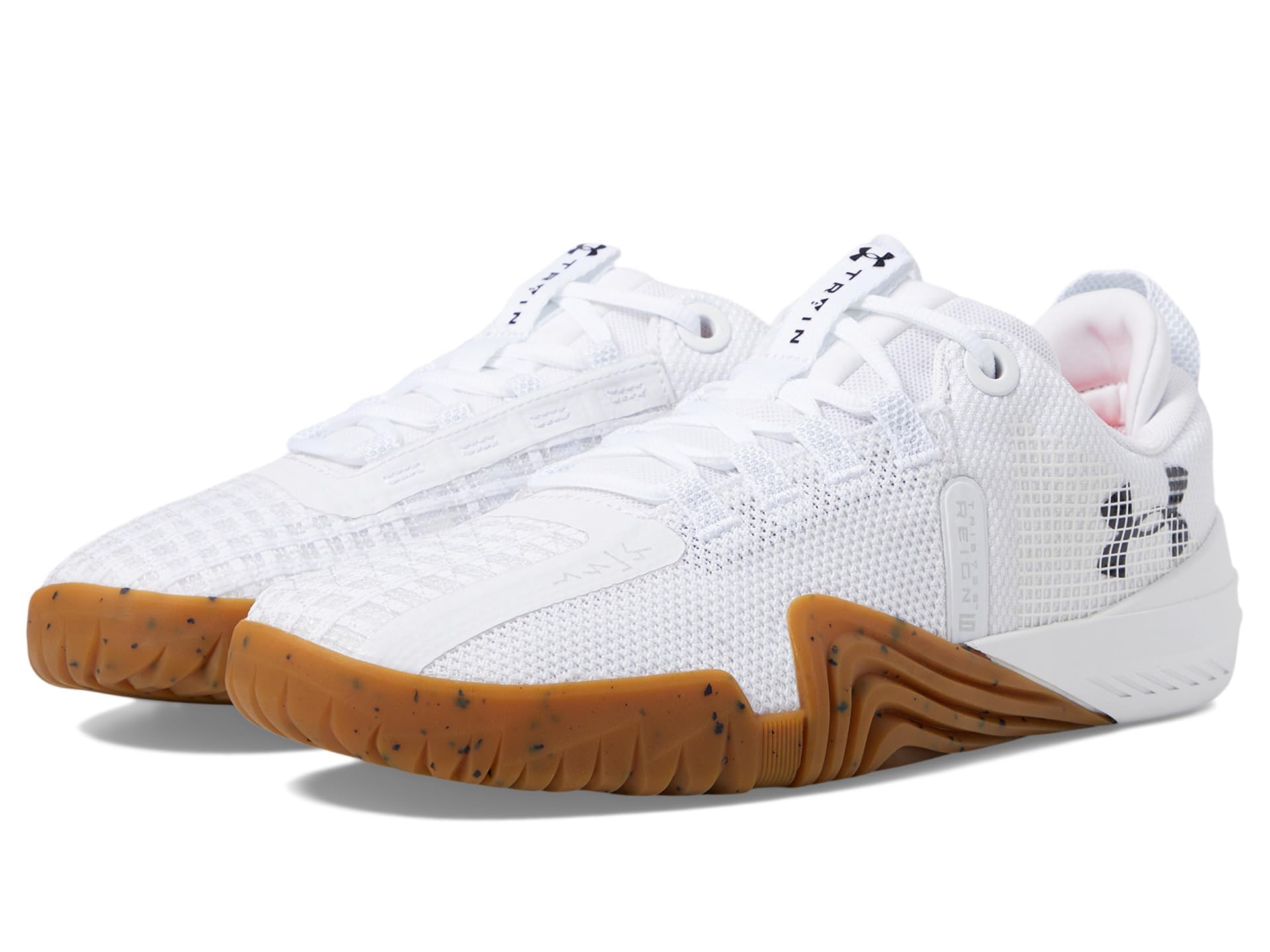
The TriBase Reign 6 sits at the edge of the barefoot category with a 4mm drop rather than true zero-drop. It offers a solid, stable platform for heavy squats and deadlifts while including enough forefoot flexibility to handle box jumps and sprint intervals. The outsole uses Under Armour’s TriBase technology, which is designed to maximize ground contact and improve stability during multi-directional movements.
One standout feature is the toe box width. Compared to Nanos and Metcons, the TriBase Reign 6 provides noticeably more room for the toes to spread. This makes it a great option for lifters who need a training shoe that performs in CrossFit settings—sprints, rope climbs, and Olympic lifts—without feeling like a traditional barefoot shoe. The cushioning is modest but present, making it more forgiving on hard gym floors than pure zero-drop shoes.
The main compromise is the 4mm drop, which means your heel sits slightly higher than your toes. For purists seeking true barefoot mechanics, this heel elevation alters squat depth and posterior chain engagement. The shoe runs slightly long, so sizing down half a size is recommended for a snug lifting fit. It is a strong hybrid option for those who want stability without committing to the full zero-drop experience.
Why it’s great
- Wide toe box compared to other CrossFit trainers
- Stable platform for heavy lifting with decent flexibility
- Versatile for sprints, jumps, and rope climbs
Good to know
- 4mm drop is not true zero drop
- Runs slightly long; order half size down
7. adidas Unisex Adult Powerlift 5 Weightlifting Shoes
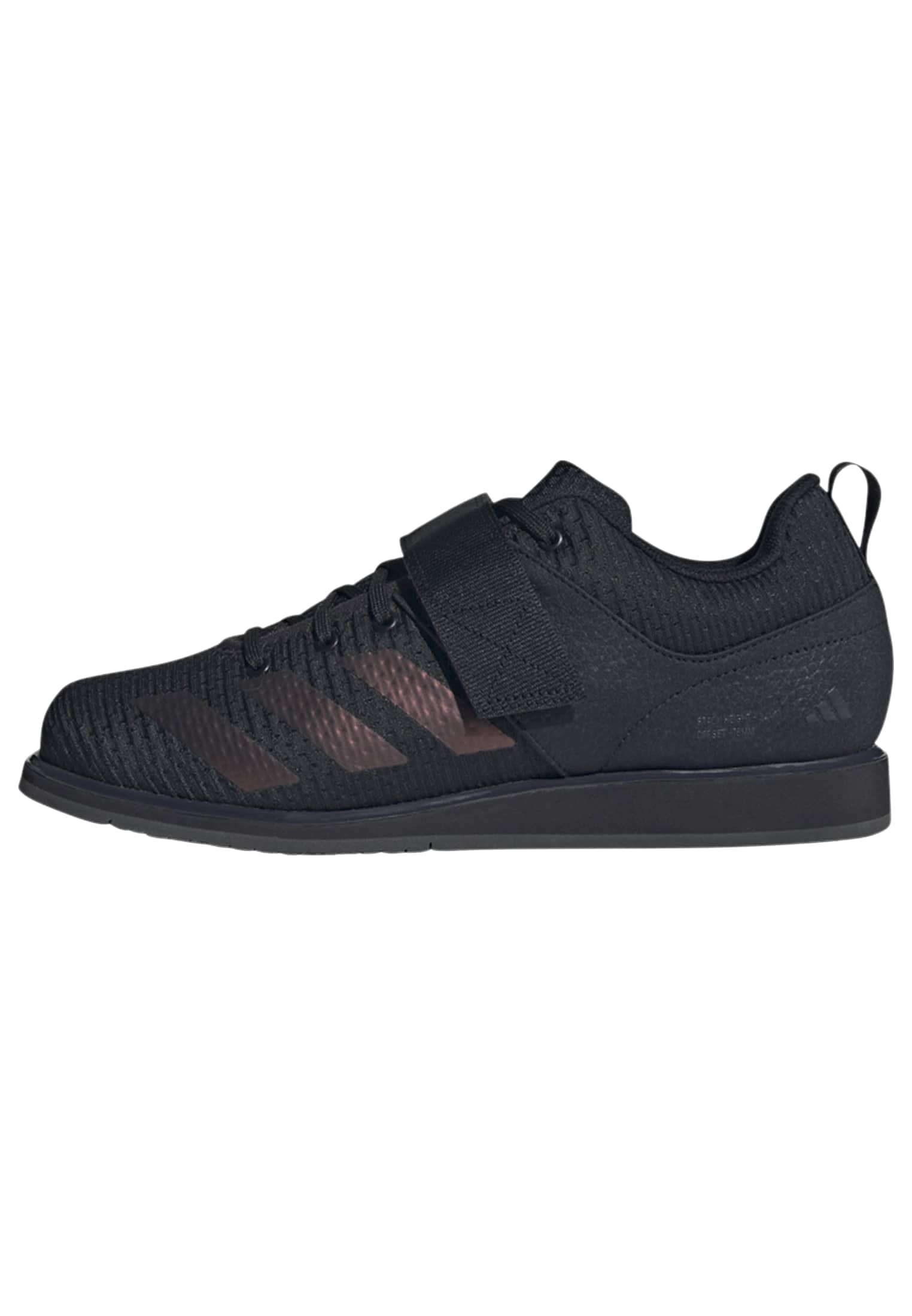
The adidas Powerlift 5 is a traditional weightlifting shoe, not a barefoot shoe. It features a raised heel made of a dense rubber wedge that provides the exact opposite of a zero-drop platform. However, it is included here because many lifters consider it before moving to minimalist footwear. The rigid, non-compressible sole delivers maximum stability for squats and overhead presses, and the velcro strap locks the midfoot down securely.
Users praise the shoe for dramatically improving squat form by reducing the ankle mobility required to hit depth. The heel lift shifts the torso forward, which can help with upright posture in Olympic lifts. However, the toe box is very narrow, and almost every review mentions that it runs tight across the metatarsals. Ordering half a size up is the most common advice for avoiding pinched toes.
For those with wide feet or any interest in natural foot mechanics, the Powerlift 5 is not the right call. It is a purpose-built tool for competitive lifters who want a raised heel, not for those seeking a barefoot experience. If your goal is to feel the ground through a thin, flexible sole, skip this model and go straight to the INOV8 or Xero options above.
Why it’s great
- Excellent stability for squats and overhead lifts
- Helps compensate for limited ankle mobility
- Affordable entry into weightlifting-specific footwear
Good to know
- Raised heel defeats the purpose of barefoot mechanics
- Very narrow toe box; not suitable for wide feet
FAQ
Can I squat heavy in zero-drop barefoot shoes?
How long does it take to transition to barefoot lifting shoes?
Will barefoot lifting shoes make me stronger?
Are raised heel lifting shoes better for beginners than barefoot shoes?
Final Thoughts: The Verdict
For most users, the best barefoot lifting shoes winner is the INOV8 Men’s Bare-XF because it offers the best balance of durability, ground feel, and everyday comfort at a reasonable investment. If you want a versatile shoe that transitions seamlessly from heavy sets to casual wear, grab the Xero Shoes Men’s Prio Neo. And for those seeking maximum durability and a structured fit that will outlast multiple training cycles, nothing beats the FLUX FOOTWEAR Adapt Runners.

Mo Maruf
I created WellFizz to bridge the gap between vague wellness advice and actionable solutions. My mission is simple: to decode the research and give you practical tools you can actually use.
Beyond the data, I am a passionate traveler. I believe that stepping away from the screen to explore new environments is essential for mental clarity and physical vitality.