Our readers keep the lights on and my smoothie glass nicely filled. As an Amazon Associate, I earn from qualifying purchases.
Ankle instability while running isn’t just uncomfortable—it’s a fast track to rolled ankles, ligament strain, and lost training days. The right shoe doesn’t just cushion your stride; it actively guides your foot through a safer, more efficient gait cycle using structured midsoles and heel counters that lock you in.
I’m Mohammad Maruf — the founder and writer behind WellFizz. I spend my days parsing biomechanics research and poring over midsole geometry, heel counter rigidity, and outsole traction patterns to separate genuine stability features from marketing fluff.
Whether you’re recovering from a sprain or simply want to stay injury-free, selecting from the best ankle support running shoes means prioritizing dynamic arch support and a secure heel fit over raw cushioning height.
How To Choose The Best Ankle Support Running Shoes
Ankle support in a running shoe is built from the ground up. It’s not about a high-top silhouette; it’s about how the midsole, outsole width, and heel cup work together to resist excessive inward or outward roll. Three factors separate a stable platform from a wobbly one.
Midsole Stability Technology
Look for a medial post—a firmer wedge of foam on the arch side of the shoe—or a guide rail system that braces the heel without feeling intrusive. Shoes like the Brooks GTS line use GuideRails to support your natural motion path, while ASICS relies on a denser foam block under the arch. The goal is a gentle correction, not a rigid bar.
Heel Counter Rigidity
Pinch the back of the shoe just above the sole. If the heel counter collapses easily, you’re likely to experience heel slip and loss of control on uneven terrain. A stiff, molded external heel counter—often reinforced with TPU—is non-negotiable for runners with a history of ankle sprains.
Platform Width and Stack Height
A wider base under the heel and forefoot provides a more stable landing platform, reducing the lever arm that can twist your ankle. Lower stack heights (under 30mm) keep your foot closer to the ground, giving you better proprioceptive feedback and less leverage for a roll.
Quick Comparison
On smaller screens, swipe sideways to see the full table.
| Model | Category | Best For | Key Spec | Amazon |
|---|---|---|---|---|
| Brooks Women’s Glycerin GTS 23 | Stability | High-mileage plush support | 12mm heel-toe drop | Amazon |
| Brooks Men’s Beast GTS 26 | Motion Control | Heavy overpronators & wide feet | Wide 4E toe box | Amazon |
| Hoka Mens Arahi 8 | Stability | Lightweight stability on long runs | J-Frame support | Amazon |
| ASICS Women’s GT-2000 14 | Stability | Daily training with moderate support | LITETRUSS medial support | Amazon |
| Brooks Men’s Glycerin GTS 23 | Stability | Cushioned training for neutral to mild overpronation | GuideRails technology | Amazon |
| New Balance Fresh Foam X Vongo V6 | Stability | Flexible support for wide feet | Fresh Foam X midsole | Amazon |
| ASICS Women’s GT-1000 13 | Entry Stability | Budget-friendly structured support | 1.44 lbs per shoe | Amazon |
| Saucony Hurricane 24 | Max Stability | Recovery runs & flat feet | 2.25 lbs weight | Amazon |
| ASICS Men’s GT-1000 14 | Entry Stability | Versatile value for overpronators | LITETRUSS technology | Amazon |
In‑Depth Reviews
1. Brooks Women’s Glycerin GTS 23 Supportive Running Shoe
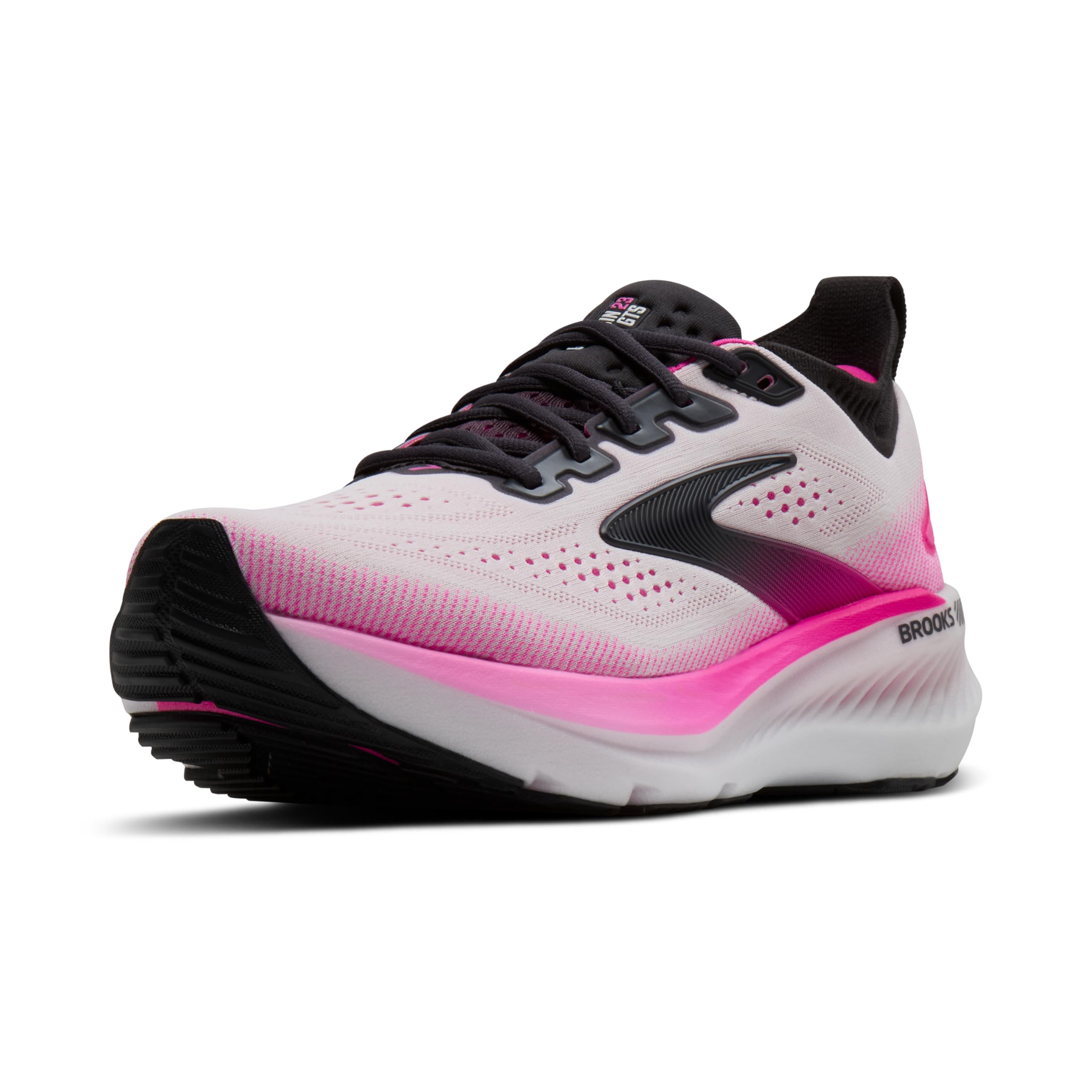
The Glycerin GTS 23 pairs Brooks’ plushest cushioning with GuideRails holistic support, making it a standout for women who need ankle stability without sacrificing step-in softness. The DNA LOFT v3 midsole delivers a bouncy, cloud-like feel that doesn’t bottom out, even on 10-mile runs.
Wearers with plantar fasciitis and a history of ankle rolling report immediate relief, thanks to the rigid external heel counter that locks the calcaneus in place. The 12mm heel-to-toe drop shifts weight forward, reducing strain on the Achilles while still encouraging a natural gait.
Wide-width options are available in limited colors, but the fit is true to size for most foot shapes. The engineered mesh upper breathes well, though darker colorways hide dirt better for daily training. This is a premium stability shoe that earns its reputation through consistent, non-intrusive support.
Why it’s great
- Plush cushioning paired with effective GuideRails for gentle pronation correction.
- Excellent heel lock reduces slip and improves ankle confidence on uneven terrain.
- Durable outsole holds up well past 400 miles for regular trainers.
Good to know
- Higher price point may feel steep for casual walkers.
- Wide-width color selection is narrower than standard sizes.
2. Brooks Men’s Beast GTS 26 Supportive Running & Walking Shoe
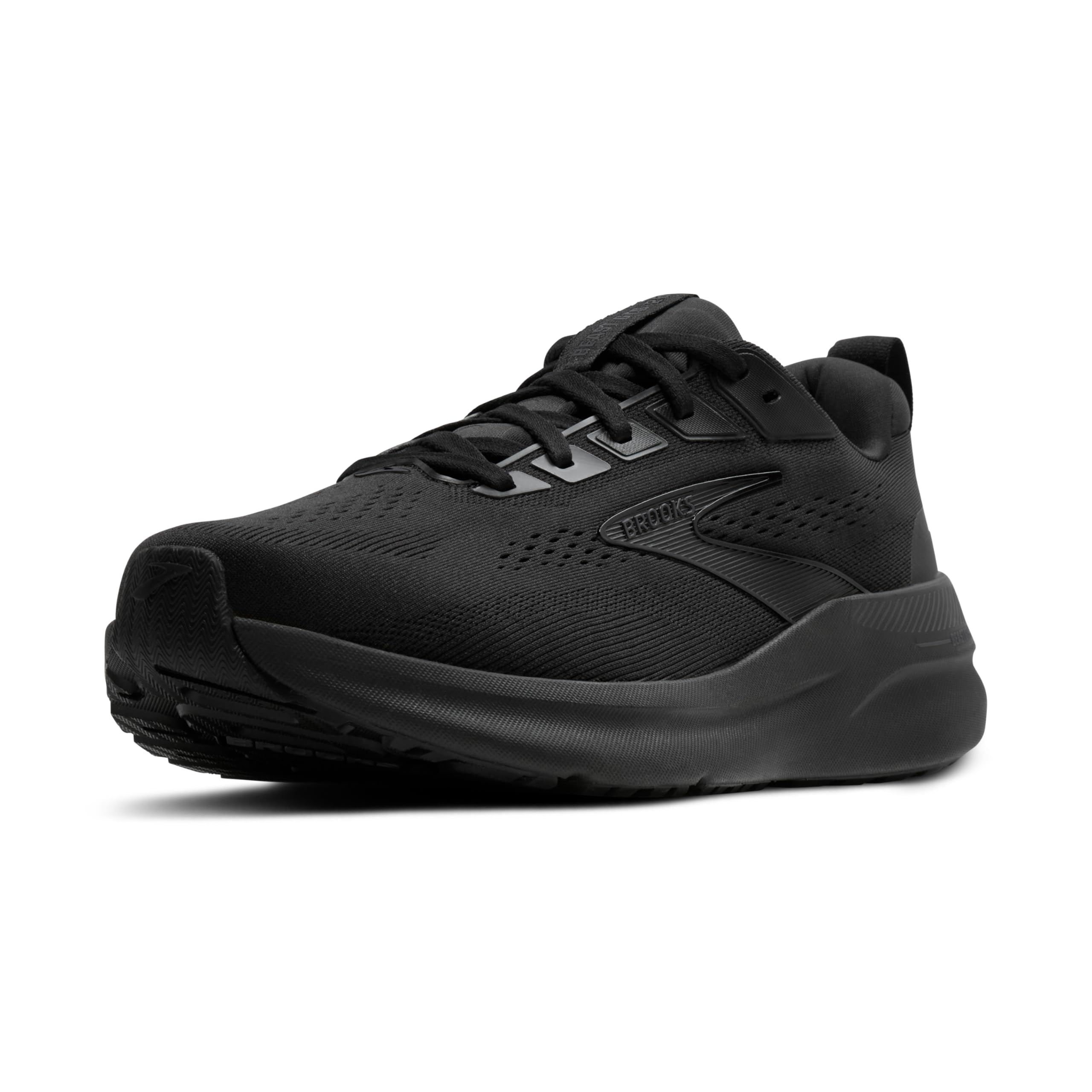
The Beast GTS 26 is built for heavy overpronators and runners with wide, flat feet who need maximum motion control. The GuideRails system wraps the heel and midfoot, providing a stable cradle that resists inward roll without forcing your foot into an unnatural position.
Users with bunions and extra-wide feet (up to 4E) find the toe box spacious enough to splay naturally, while the firm, durable insole supports heavier runners (upwards of 225 lbs) without collapsing. The thick one-piece outsole delivers excellent traction and longevity on pavement.
One common note: the stock laces are 48 inches, which can be too short for a heel-lock tie on the widest sizes. Swapping to 57-inch laces solves the issue. If you have severe overpronation and need a shoe that won’t break down under high mileage, this is a top contender.
Why it’s great
- Exceptional motion control for severe overpronation and flat feet.
- Generous 4E width options accommodate bunions and wide forefeet.
- Durable construction holds up to daily high-mileage training.
Good to know
- Heavier build not ideal for speed work or racing.
- Stock laces too short for heel-lock in extra-wide sizes.
3. Hoka Mens Arahi 8
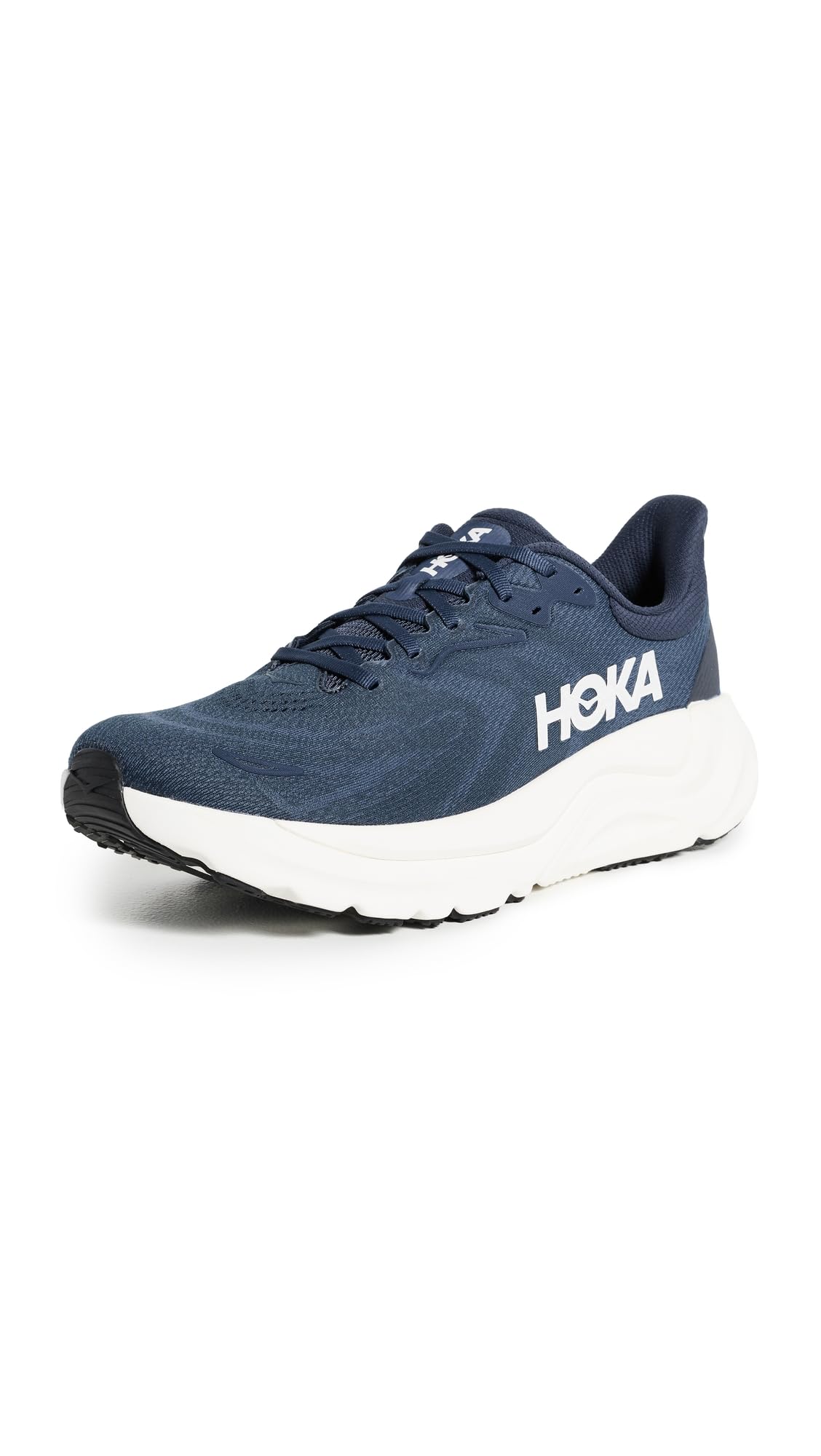
The Arahi 8 is Hoka’s answer to runners who want stability without the weight of a traditional motion-control shoe. The J-Frame technology uses a firmer foam density on the medial side to guide the foot, while the rest of the midsole stays soft and responsive.
Wearers recovering from sciatica or foot pain praise the prominent yet soft arch support and the roomy toe box that doesn’t cramp the toes. The wide sole platform provides excellent lateral stability, and the heel bevel encourages a smooth heel-to-toe transition that reduces ankle strain.
The engineered mesh upper is breathable and flexible, making the Arahi 8 a solid choice for long-distance training. Some runners note a slight adjustment period to Hoka’s unique geometry, but once adapted, the lightweight feel and stability make it a daily-driver favorite.
Why it’s great
- Lightweight stability without the bulk of traditional motion-control shoes.
- J-Frame support provides gentle pronation correction without feeling stiff.
- Roomy toe box and wide platform boost lateral stability.
Good to know
- Unique Hoka geometry requires a short adaptation period.
- Not the best choice for narrow feet due to wider fit.
4. ASICS Women’s GT-2000 14 Running Shoes
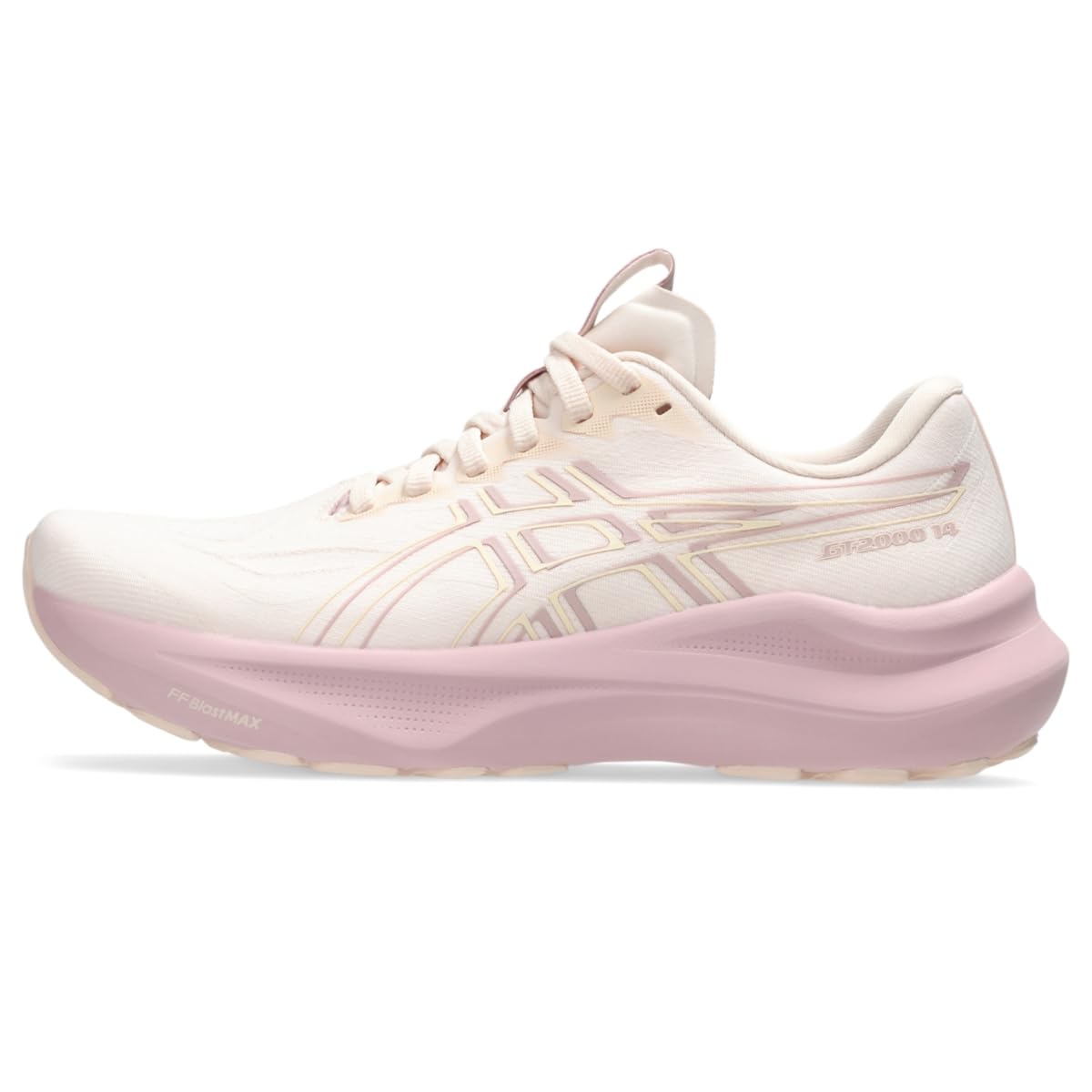
The GT-2000 14 refines ASICS’ trusted stability formula with a LITETRUSS medial support system that feels less intrusive than previous generations. The result is a shoe that supports overpronation without the rigid feel that some runners find uncomfortable on easy days.
Runners logging daily 10k to half-marathon distances report a perfect blend of comfort and structure—the heel counter locks securely without causing irritation, and the toe box offers enough room to avoid pinching. The outsole grip is reliable on wet pavement, adding confidence during recovery runs.
The 1.44-pound weight keeps it competitive in the stability category, though some testers wish for more color options. For women who need reliable ankle and arch support during long runs, the GT-2000 14 delivers consistent performance without breaking the bank.
Why it’s great
- LITETRUSS provides effective pronation support without feeling overly stiff.
- Heel counter delivers secure lockdown, reducing ankle fatigue.
- Durable outsole performs well on wet pavement.
Good to know
- Limited color options compared to rivals.
- Midsole may feel firm for runners seeking max plushness.
5. Brooks Men’s Glycerin GTS 23 Supportive Running Shoe
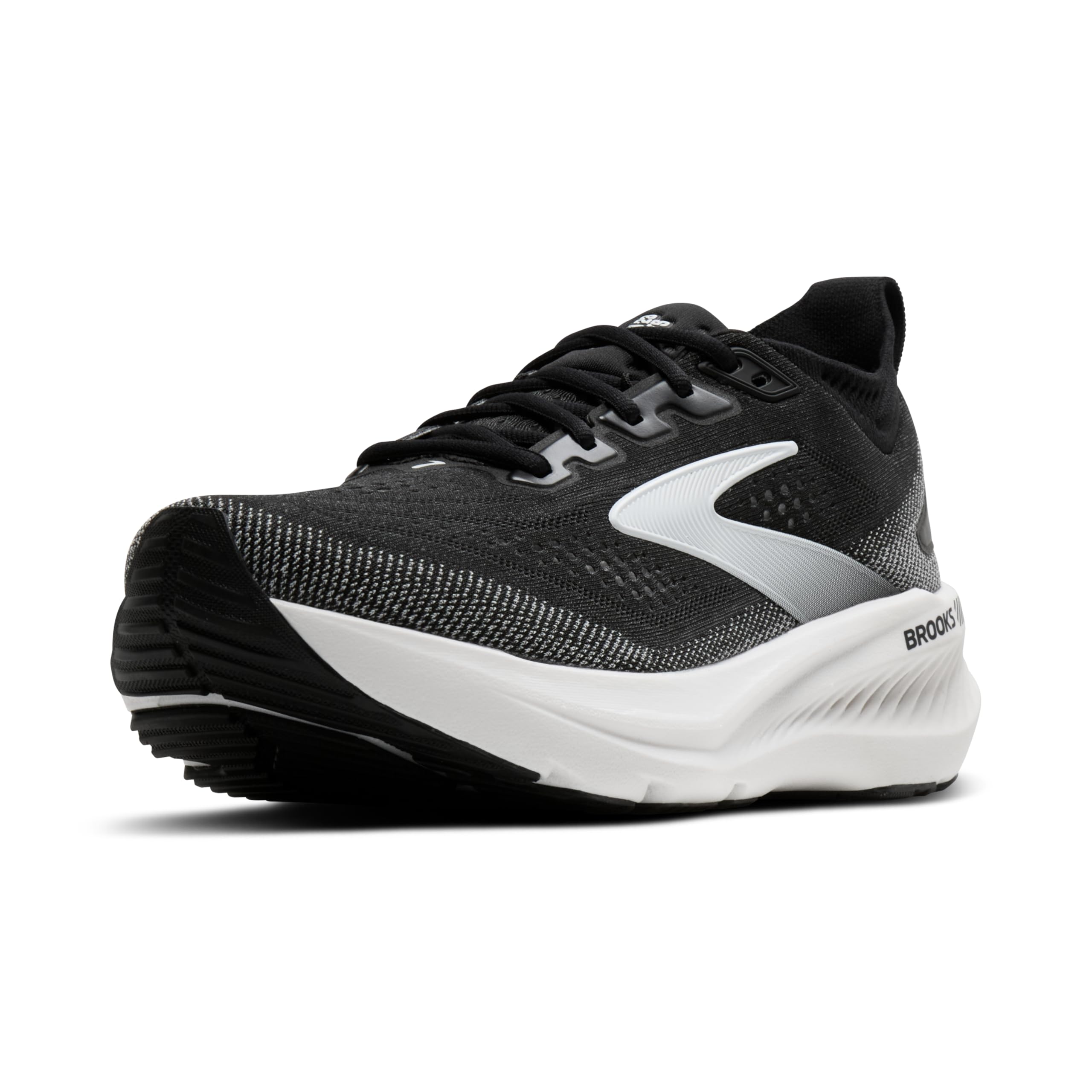
The men’s Glycerin GTS 23 mirrors the women’s version in its GuideRails stability and DNA LOFT v3 cushioning, but it carves its own niche with a slightly lower heel-to-toe drop that some male runners find more natural for forefoot striking. The shoe feels reactive yet stable.
Weighted vest trainers and ruckers appreciate how the GuideRails keep momentum steady without forcing compensation, and the snappy toe-off helps maintain pace under load. The engineered mesh upper stretches appropriately for swelling feet during long sessions.
Some wide-foot users note that the standard width runs tight, but the extra-wide option can cause heel slip if not laced carefully. The Glycerin 23 is a refined stability shoe that balances plush comfort with the guiding structure needed for ankle support.
Why it’s great
- Plush DNA LOFT v3 cushioning with effective GuideRails for ankle security.
- Lower drop benefits forefoot strikers and reduces Achilles strain.
- Durable for high-mileage training and weighted workouts.
Good to know
- Standard width may feel snug for wider feet.
- Extra-wide option can cause heel slip without tight lacing.
6. New Balance Men’s Fresh Foam X Vongo V6
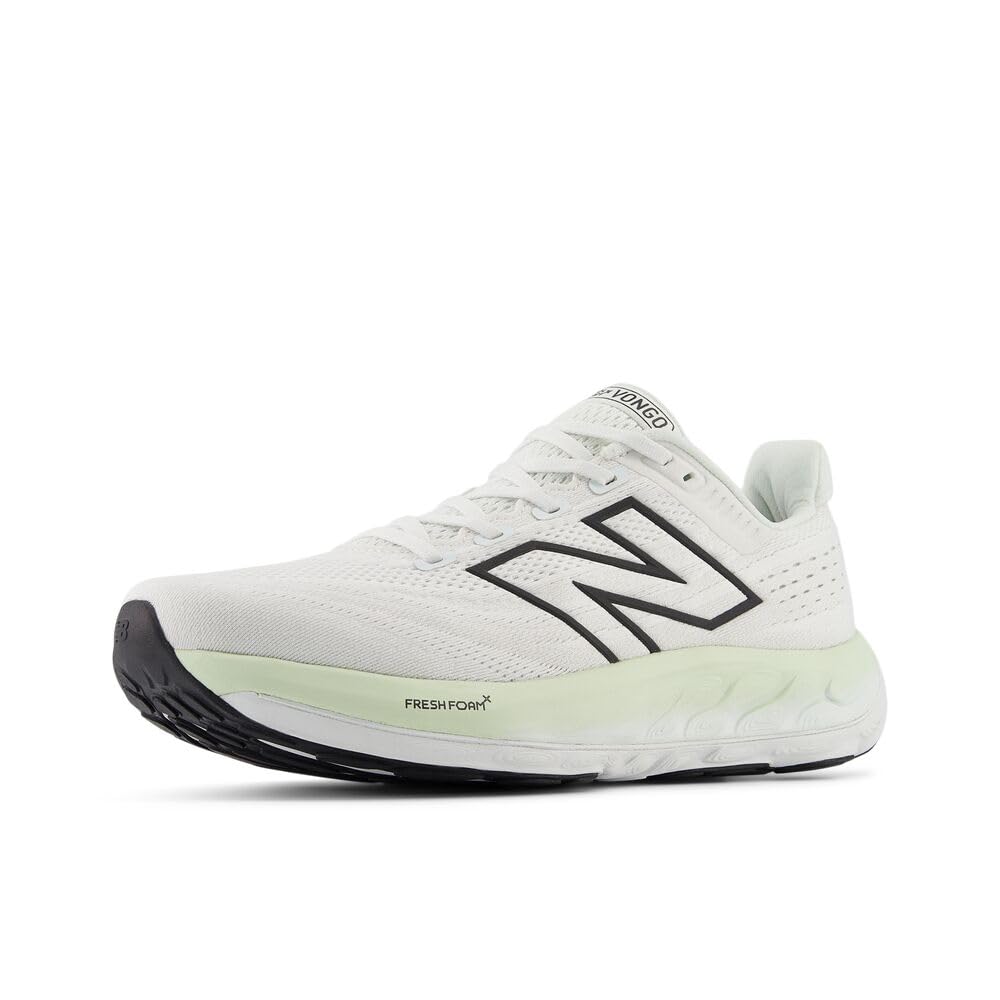
The Vongo V6 takes a flexible approach to stability. Instead of a rigid medial post, it uses a broader Fresh Foam X platform that naturally cradles the foot, making it an excellent option for runners with wide feet or high arches who need a gentler support structure.
Podiatrists often recommend it for plantar fasciitis because the removable insole accommodates custom orthotics without raising the heel too high. The generous toe box allows toes to splay naturally, and the 2.1-pound weight provides a solid, planted feel without being clunky.
Heel slip is a minor complaint for some users, especially if they have narrow heels. Lacing tightly or using a runner’s knot solves the issue. For runners who want stability without a pronounced medial wedge, the Vongo V6 offers a smooth, adaptive ride.
Why it’s great
- Flexible Fresh Foam X platform adapts to natural foot motion.
- Removable insole is orthotic-friendly for custom arch support.
- Roomy toe box ideal for wide feet and toe splay.
Good to know
- Heel slip can occur for narrow-heeled runners without tight lacing.
- Not as structured as traditional medial-post stability shoes.
7. ASICS Women’s GT-1000 13 Running Shoes
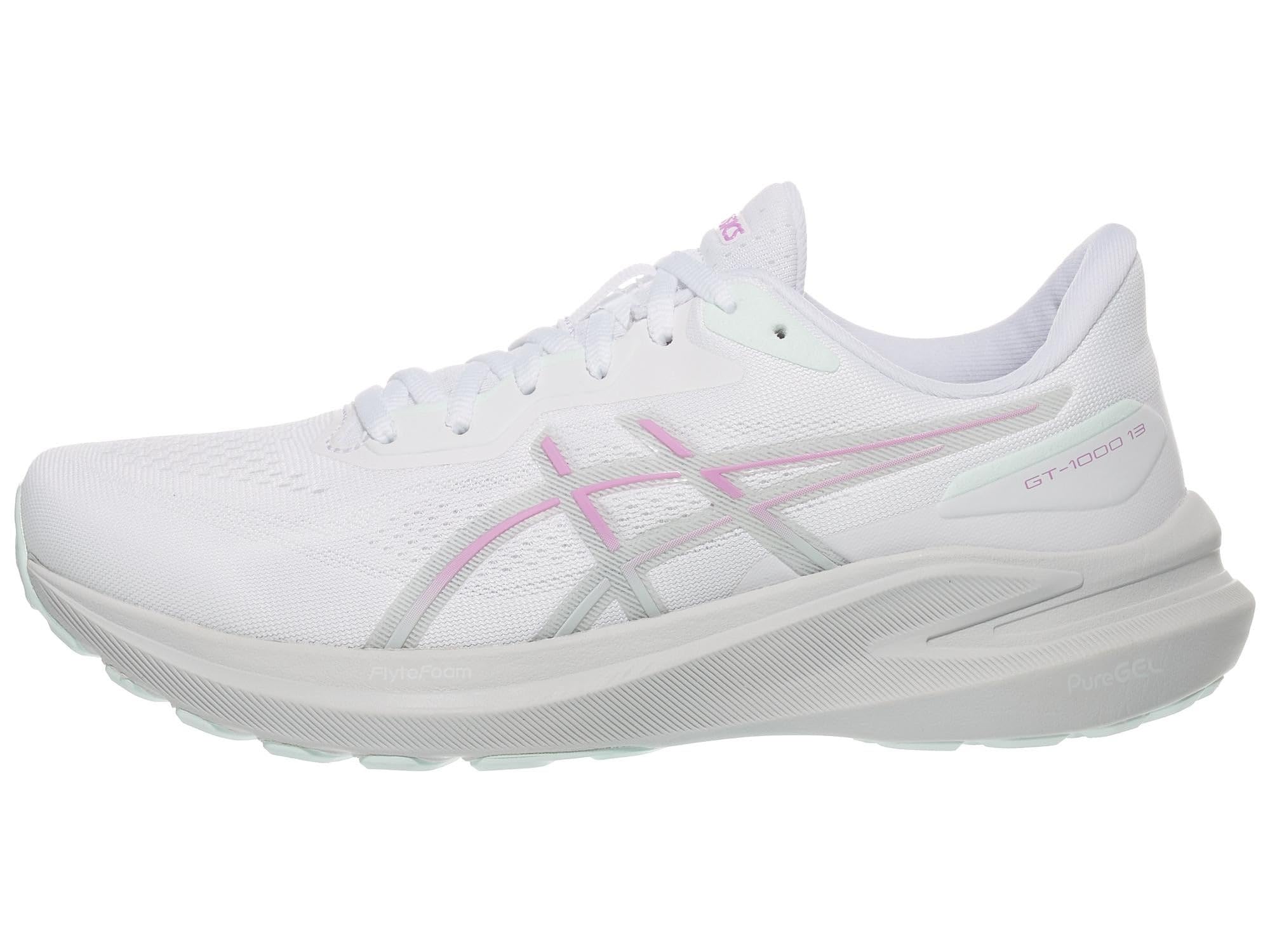
The GT-1000 13 is the entry point into ASICS’ stability lineup, but it punches well above its tier. It features LITETRUSS medial support—a less dense version than the GT-2000—that still provides meaningful pronation guidance, especially for runners who don’t need maximum correction.
Users recovering from ankle fractures report that the supportive mesh upper accommodates swelling without squeezing, and the lightweight construction makes it wearable for full workdays as a PE teacher or on long walks. The toe box is roomy enough for wide feet without going up a size.
The sole feels cushioned but not mushy, and the outsole shows good durability over 2-3 years of heavy daily use. While the LITETRUSS is gentler than the firmer post in the GT-2000, it’s still effective for mild to moderate overpronation. A reliable all-day stability shoe.
Why it’s great
- Effective LITETRUSS support at a more accessible price point.
- Accommodates swelling feet and fits wide sizes comfortably.
- Lightweight and durable for daily wear and casual running.
Good to know
- LITETRUSS is less firm than the GT-2000 for severe overpronation.
- Laces are short for some users; may need longer replacements.
8. Saucony Men’s Hurricane 24 Sneaker
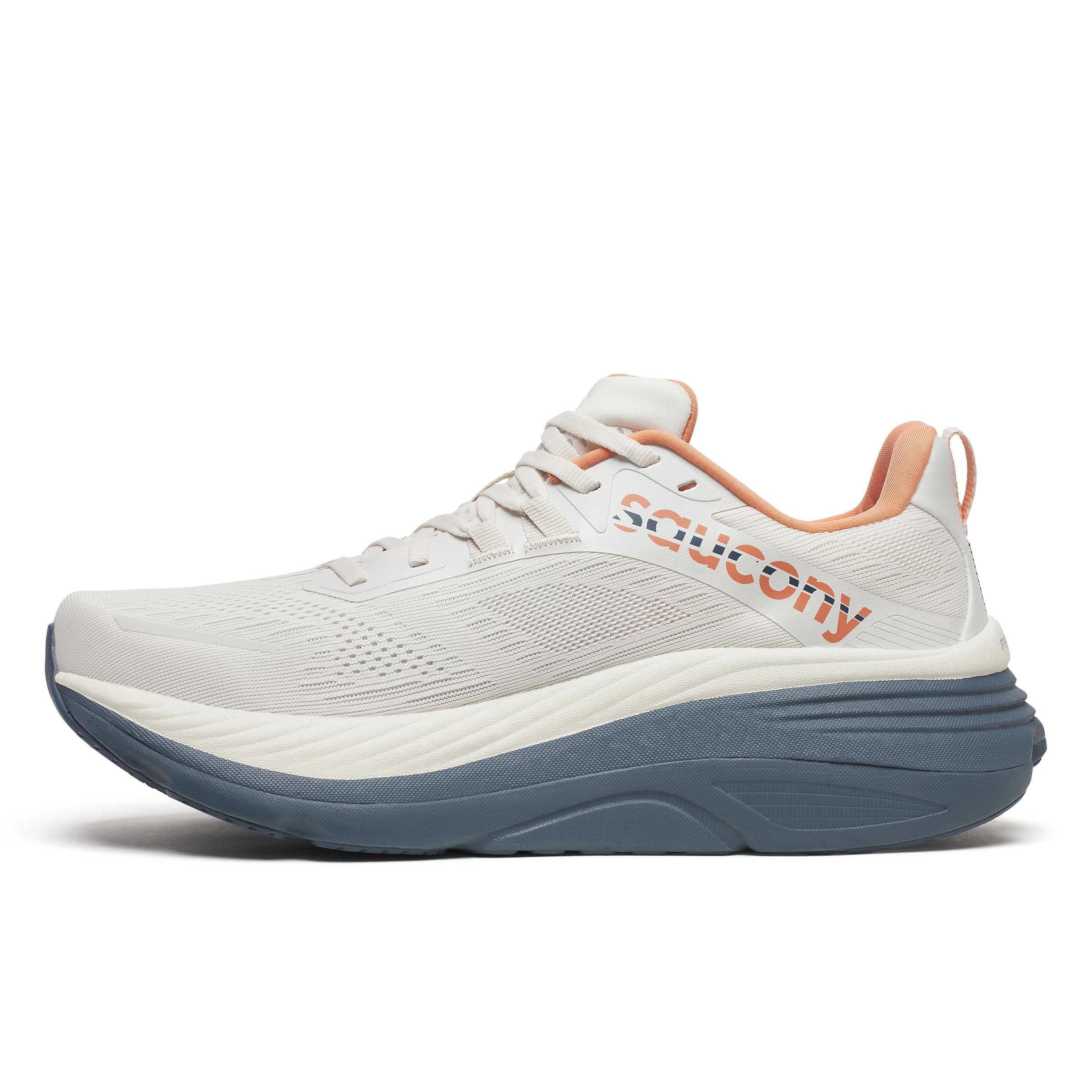
The Hurricane 24 is Saucony’s max-stability offering, designed for runners who want a plush, forgiving ride without sacrificing pronation control. The bathtub-like foam structure wraps the heel and midfoot, creating a concave platform that gently guides the foot without a harsh edge.
It’s heavier than typical daily trainers at 2.25 pounds, but that weight translates to incredible durability and a smooth, ground-hugging feel. Runners with patellar tendonitis and flat feet find the cloud-like cushioning relieves knee and ankle pain on long recovery runs.
Inconsistent build quality between production runs is worth noting—some pairs feel wider and firmer than others. Despite this, the Hurricane 24 remains a solid choice for those who need non-intrusive stability and are willing to trade a bit of speed for all-day comfort.
Why it’s great
- Bathtub-style foam cradle provides gentle, non-intrusive stability.
- Plush cushioning is excellent for recovery runs and flat feet.
- Durable construction holds up over a year of regular use.
Good to know
- Heavier build not ideal for speed training or racing.
- Inconsistent fit between different production runs.
9. ASICS Men’s GT-1000 14 Running Shoes
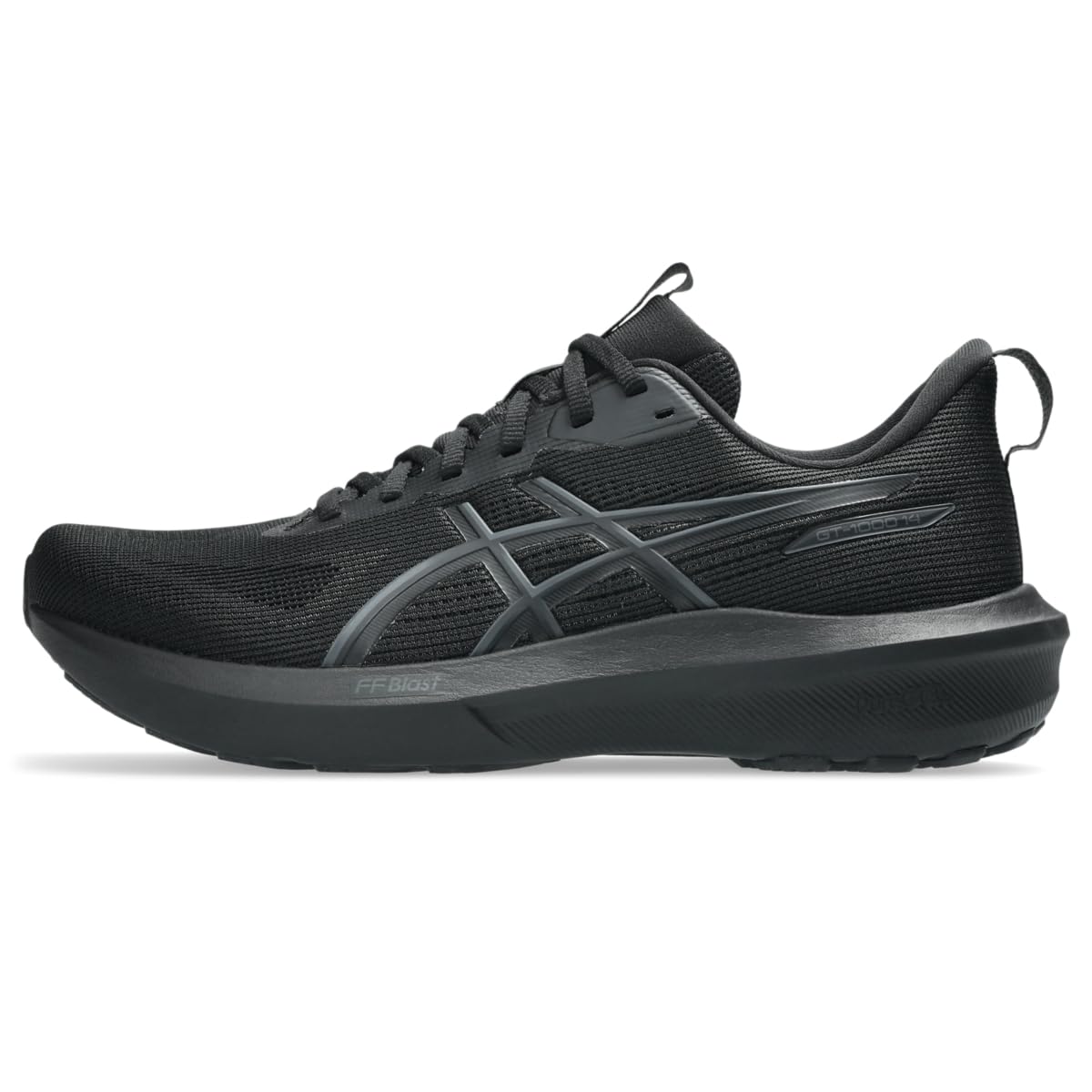
The GT-1000 14 continues the legacy of ASICS’ entry-level stability shoe, offering LITETRUSS support that feels more cushioned than its predecessor. For runners with overpronation who don’t need the top-tier rigidity of the GT-2000 or Kayano, this shoe provides a balanced ride.
It’s versatile enough for cross-country, track, and daily wear, with a breathable mesh upper and a lightweight 1.44-pound profile. Users switching from the GT-2000 report little difference in support, and many prefer the GT-1000’s softer cushioning for walking and everyday use.
The outsole may feel less durable after a year of heavy running, but at this price point, it’s a reasonable trade-off. For budget-conscious runners seeking ankle support without sacrificing performance, the GT-1000 14 is a smart entry into the stability category.
Why it’s great
- Affordable entry into ASICS’ stability lineup with effective pronation support.
- Lightweight and breathable for versatile use across running and daily wear.
- Cushioned feel comparable to higher-tier GT-2000 for many runners.
Good to know
- Outsole may show wear faster than premium models.
- LITETRUSS is less rigid than the GT-2000 for severe overpronation.
FAQ
What is the difference between stability shoes and motion control shoes?
Can a stability shoe prevent ankle sprains during trail running?
How do I know if my running shoes have adequate heel counter rigidity?
Final Thoughts: The Verdict
For most runners seeking reliable ankle support, the winner is the Brooks Women’s Glycerin GTS 23 because it pairs plush cushioning with GuideRails technology that gently corrects overpronation without feeling rigid. If you need maximum motion control for severe overpronation and wide feet, grab the Brooks Men’s Beast GTS 26. And for a lightweight stability option that disappears on your foot, nothing beats the Hoka Arahi 8.

Mo Maruf
I created WellFizz to bridge the gap between vague wellness advice and actionable solutions. My mission is simple: to decode the research and give you practical tools you can actually use.
Beyond the data, I am a passionate traveler. I believe that stepping away from the screen to explore new environments is essential for mental clarity and physical vitality.