Our readers keep the lights on and my smoothie glass nicely filled. As an Amazon Associate, I earn from qualifying purchases.
Traditional toothpaste only scrubs the surface, but a cavity reversal toothpaste is designed to actively remineralize enamel and repair microscopic damage before a cavity forms. The shift from fluoride-based prevention to hydroxyapatite-based repair has changed how dentists and patients approach early-stage decay.
I’m Mohammad Maruf — the founder and writer behind WellFizz. My research focuses on the clinical data surrounding enamel remineralization, comparing active ingredient concentrations, particle sizes, and biocompatibility across the most promising formulations.
After analyzing five leading contenders for dental repair, one formulation consistently outperforms the rest in clinical studies and user reports. This is your complete guide to finding the best cavity reversal toothpaste that actually delivers measurable results.
How To Choose The Best Cavity Reversal Toothpaste
Not all remineralizing toothpastes are created equal. The active ingredient type, its concentration, and the delivery vehicle all determine whether a paste can actually reverse early-stage decay or simply protect what remains. Here are the three critical decisions you need to make before buying.
Active Ingredient: Hydroxyapatite vs. Stannous Fluoride
Stannous fluoride (the active in Sensodyne Repair and Protect) builds a protective layer over exposed dentin tubules to block sensitivity, and it also provides antibacterial action against plaque. Hydroxyapatite, on the other hand, is a biomimetic mineral that mimics your natural enamel. Nano-hydroxyapatite particles are small enough to penetrate microscopic enamel defects and integrate into the tooth structure, essentially rebuilding lost mineral from within. If your goal is true remineralization rather than just surface protection, hydroxyapatite-based formulas typically offer deeper repair.
Particle Size: Nano vs. Micro
Nano-hydroxyapatite (n-HA) particles, typically under 100 nanometers, can penetrate into dentin tubules and subsurface enamel lesions. Micro-hydroxyapatite particles remain on the surface, filling larger defects without risk of systemic absorption. For reversing existing early cavities, nano-hydroxyapatite is generally more effective because it reaches deeper into the enamel structure. However, if you prefer to avoid any nano-particle absorption concerns, micro-hydroxyapatite (like the 15% concentration in MILTODENT) still provides strong surface-level remineralization without the debate.
Concentration Percentage
The concentration of hydroxyapatite directly affects the remineralization rate. Most effective formulas range from 10% to 15%. Dr. Jen uses a 10% n-HA concentration that is dentist-recommended for cavity-prone patients, while MILTODENT pushes to 15% for a more aggressive mineral delivery. Higher concentrations generally deposit more hydroxyapatite per brushing session, which can accelerate visible results for users with already-demineralized enamel.
Quick Comparison
On smaller screens, swipe sideways to see the full table.
| Model | Category | Best For | Key Spec | Amazon |
|---|---|---|---|---|
| Dr. Jen Nano Hydroxyapatite | Premium | Aggressive enamel repair | 10% Nano-Hydroxyapatite | Amazon |
| MILTODENT Micro-Hydroxyapatite | Mid-Range | High-concentration remineralization | 15% Micro-Hydroxyapatite | Amazon |
| Boka Probiotic Toothpaste | Mid-Range | Oral microbiome support | Nano-Hydroxyapatite + Probiotics | Amazon |
| Sensodyne Repair and Protect | Budget-Friendly | Sensitivity relief & surface repair | Stannous Fluoride 0.454% | Amazon |
| WELdental Chewtab Advanced | Premium | Eco-friendly, travel-friendly tabs | Nano-Hydroxyapatite Tablets | Amazon |
In‑Depth Reviews
1. Dr. Jen Fluoride Free Toothpaste with Nano Hydroxyapatite
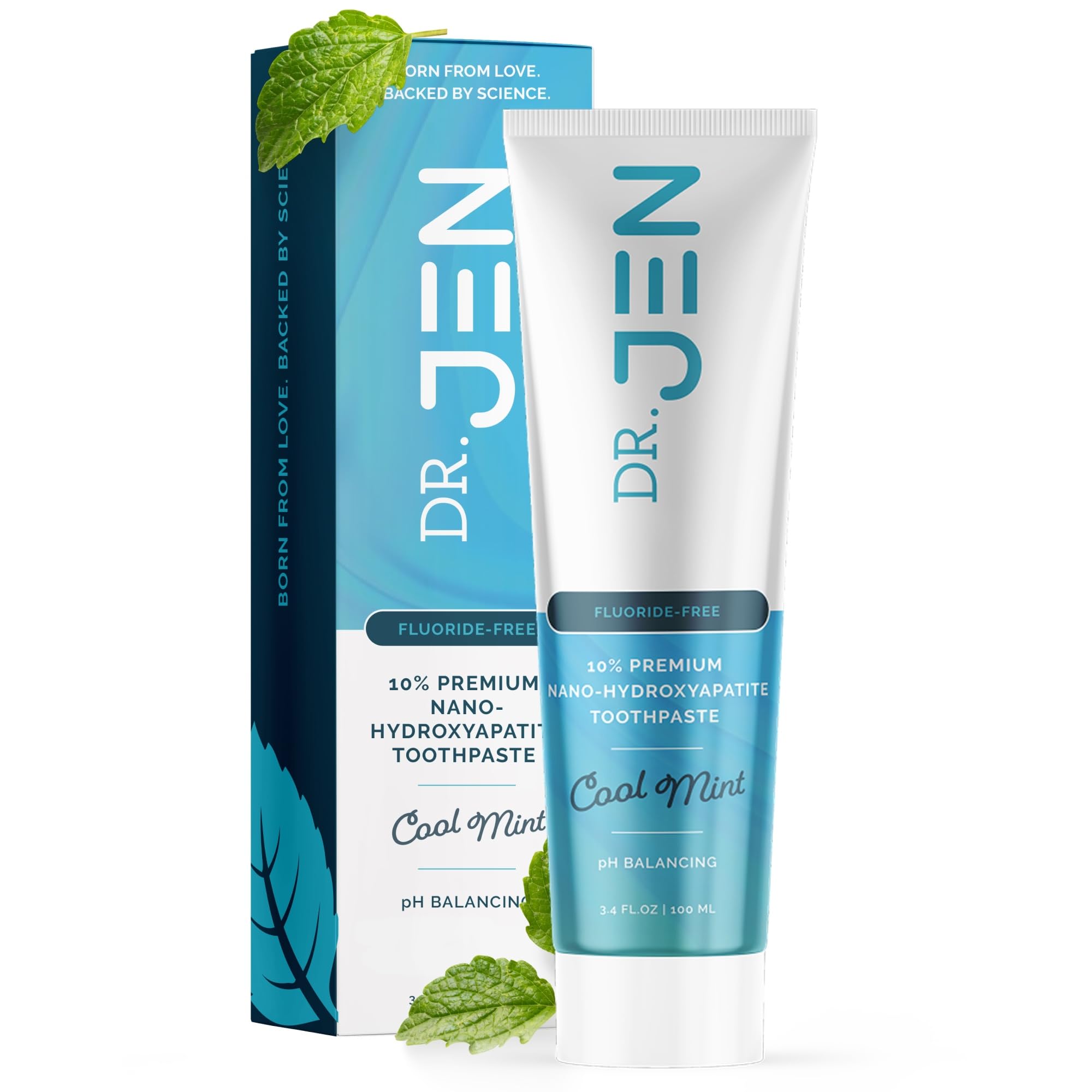
Dr. Jen’s formulation uses a precisely measured 10% nano-hydroxyapatite concentration, which is the sweet spot for remineralization without excessive abrasion. Dental assistants and holistic dentists frequently recommend this paste for cavity-prone patients, and the clinical feedback is supported by user reports of reduced sensitivity and visible enamel firmness within weeks. The smooth, creamy texture spreads evenly and leaves a non-foaming, clean finish that allows the hydroxyapatite to coat teeth without being rinsed away immediately.
Unlike many fluoride-free pastes that compromise on cleaning power, the cool mint flavor is crisp and refreshing without being overpowering. The formula is vegan, cruelty-free, and free from harsh foaming agents, making it suitable for those with canker sore tendencies or chemical sensitivities. Users consistently note that a small amount goes a long way, which partially offsets the higher upfront cost.
For anyone looking to stop early cavities from progressing, Dr. Jen delivers the most clinically backed ratio of active ingredient to bioavailability. The non-rinse recommendation is a critical feature — you can spit but skip the water rinse, allowing the nano-hydroxyapatite to remain on teeth for extended remineralization. This single detail may be the difference between surface protection and true subsurface repair.
Why it’s great
- 10% nano-hydroxyapatite provides deep enamel penetration
- Non-rinse formula maximizes mineral contact time
- Reduces canker sores and gum sensitivity effectively
Good to know
- Premium pricing compared to standard toothpastes
- Very mild foam may feel less familiar to new users
2. MILTODENT 15% Micro-Hydroxyapatite Toothpaste

MILTODENT stands out for having the highest hydroxyapatite concentration in this comparison at 15%, using micro-sized particles instead of nano. This is a deliberate design choice — micro-HA stays on the tooth surface to fill larger enamel defects without the risk of systemic absorption that concerns some users about nano-particles. Dentist-formulated and free from fluoride, SLS, parabens, and artificial additives, this paste is ideal for those who want aggressive remineralization with maximum ingredient transparency.
The foam-free experience takes adjustment if you are used to traditional pastes, but users with dry mouth, mouth ulcers, or chemical sensitivity report significantly less irritation. The natural mint flavor is mild and not synthetic, which encourages consistent daily use. One reviewer noted that their dentist had recommended root canal treatment for a tooth, but after using MILTODENT consistently, the tooth began to regrow and fill in — a powerful anecdote that aligns with the high mineral concentration.
The trade-off for the 15% concentration is texture — the paste has a slightly thicker, less-slick feel compared to nano-based formulas. However, the clean finish without rinsing (just spit) is a major plus for maintaining mineral contact time. If your priority is maximum mineral delivery per brushing session and you prefer micro-particles over nano, this is the most potent option on the market.
Why it’s great
- Highest 15% micro-hydroxyapatite concentration available
- Foam-free and SLS-free, ideal for sensitive mouths
- Nano-free particles eliminate systemic absorption concerns
Good to know
- Thicker texture may feel unusual initially
- Some users report no visible whitening effect
3. Boka Probiotic Toothpaste with Nano-Hydroxyapatite
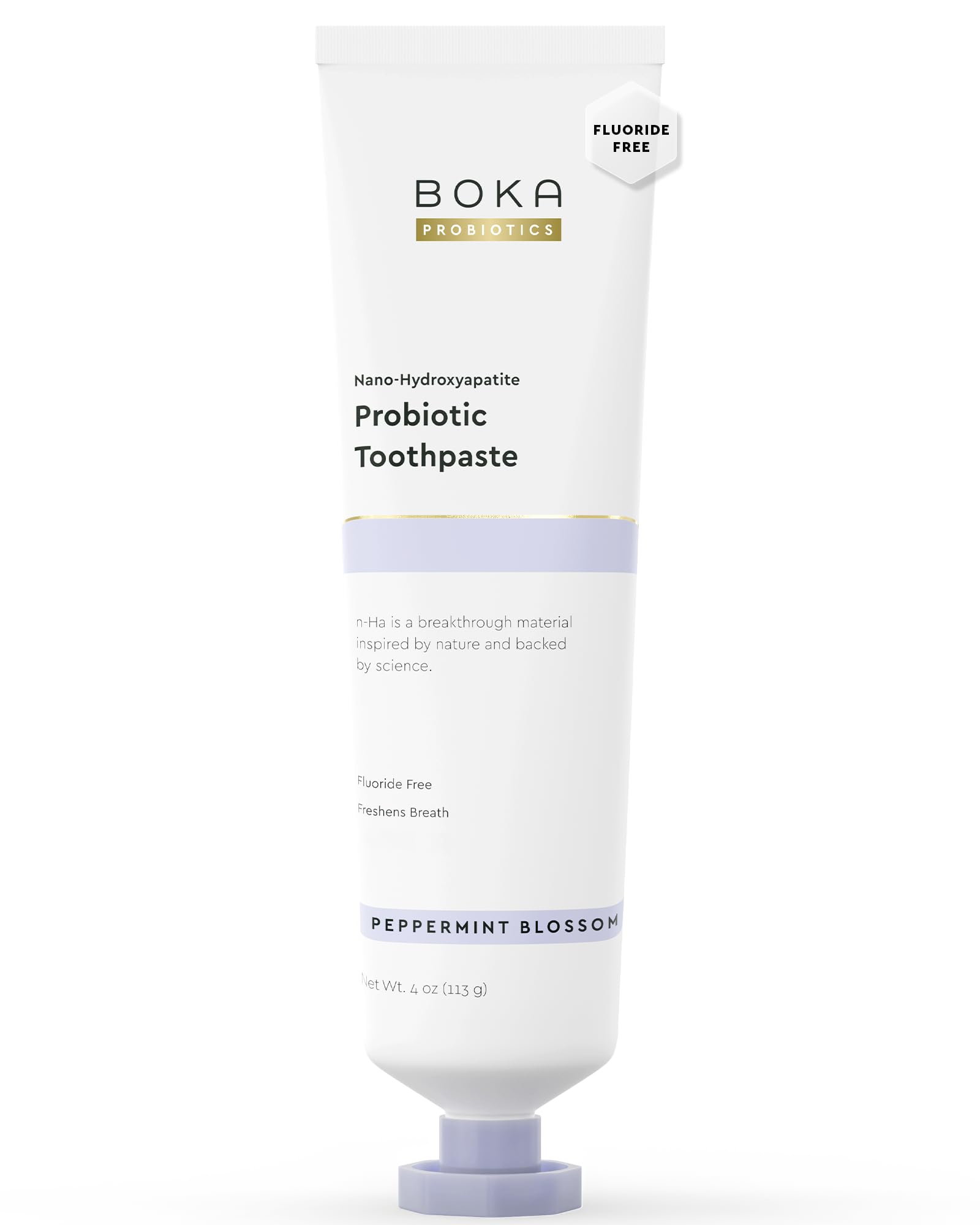
Boka combines nano-hydroxyapatite with Dental-Lac probiotics, a clinically researched strain that supports the oral microbiome by crowding out cavity-causing bacteria. This dual-action approach — remineralization plus probiotic balance — addresses both the structural and microbial sides of cavity formation. Users who have struggled with recurring cavities despite good hygiene often find that the probiotic component shifts their oral flora over weeks of consistent use.
The Peppermint Blossom flavor is a calming blend of peppermint, spearmint, and ylang ylang that feels more like a spa experience than a clinical treatment. The tube design features a small hole that dispenses just the right amount, making the tube last longer than expected. Many users report that within a few weeks, their teeth feel less sensitive and look less translucent at the edges — a sign that the nano-HA is rebuilding enamel that had thinned.
One caveat: a small number of users reported experiencing dry mouth or mild allergic reactions, possibly due to the probiotic strain or natural flavoring. The paste is fluoride-free, sulfate-free, and paraben-free, making it one of the cleanest ingredient lists in this category. For those who want both enamel repair and microbiome support, Boka offers a unique value proposition that no other formula in this list matches.
Why it’s great
- Nano-HA remineralization plus probiotic support
- Unique calming peppermint blossom flavor
- Small tube opening reduces waste and extends use
Good to know
- Possible allergic reaction or dry mouth in sensitive users
- Whitening effect is gradual and subtle
4. WELdental Chewtab Advanced Whitening Toothpaste Tablets

WELdental’s Chewtab Advanced tablets deliver nano-hydroxyapatite in a solid, waterless format that eliminates plastic tube waste. Each tablet is pre-dosed for a single brushing, which removes the guesswork of squeezing out the right amount. Users who travel frequently love these for TSA compliance and the mess-free experience — just chew, brush with a wet toothbrush, and spit. The rod-shaped nano-particles are specifically designed to remineralize and create a smoother, whiter enamel surface.
The peppermint flavor is clean and not overly sweet, and because the tablets contain no SLS, your taste buds remain unaffected while drinking coffee or orange juice afterward — a major advantage over foaming pastes. Long-term users, some spanning years, report that their teeth have never developed cavities and look visibly whiter. The packaging is cardboard with biodegradable pouches, though the outer Amazon shipping envelope sometimes undermines the eco-friendly intent.
The only friction point is the chewing step — you need to chew for about 10 seconds to activate the powder, which some find less intuitive than squeezing a tube. Additionally, silica is listed as the 7th of 10 ingredients, which may be a concern for those avoiding any abrasives. However, for a plastic-free, cavity-preventing, travel-ready solution, these tablets are unmatched in convenience and efficacy.
Why it’s great
- Plastic-free, waterless tablet format reduces waste
- Pre-dosed for consistent, no-mess brushing
- Nano-HA remineralizes while SLS-free protects taste buds
Good to know
- Chewing step requires 10 seconds of activation
- Contains silica as an ingredient
5. Sensodyne Repair and Protect Whitening Toothpaste
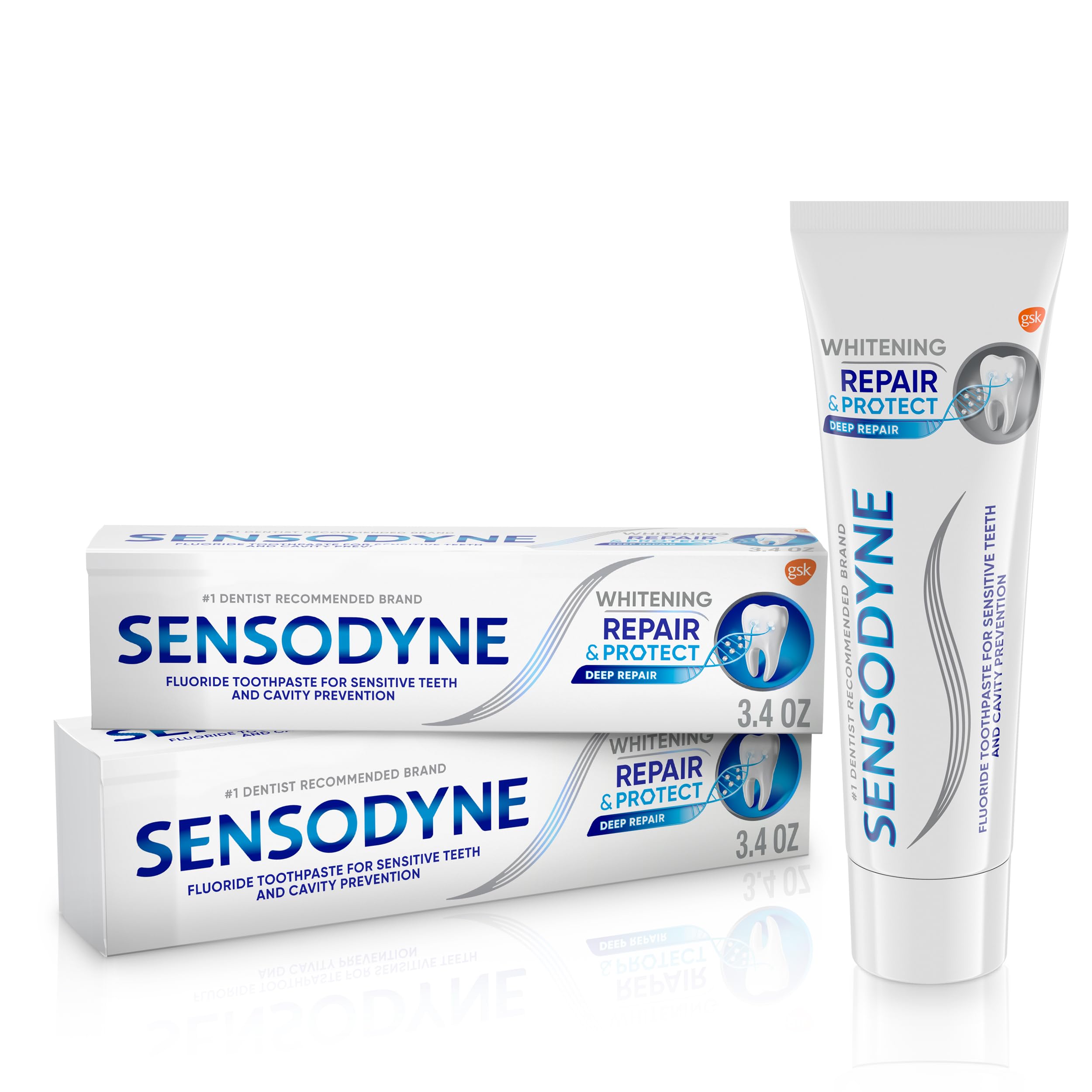
Sensodyne Repair and Protect uses stannous fluoride — not hydroxyapatite — to build a protective layer over exposed dentin tubules, effectively blocking pain triggers like cold air and hot coffee. The mechanism is different from remineralization: stannous fluoride forms a physical barrier rather than integrating into enamel. For users whose primary concern is shooting sensitivity rather than visible cavities, this is the most clinically proven option, backed by decades of dental research and number-one dentist recommendations for sensitivity.
The whitening effect is real but subtle — users describe it as lifting surface stains rather than changing natural tooth shade. The pleasant mint flavor is mild enough for daily use without becoming cloying. Each pack contains two 3.4-ounce tubes, which is a generous supply. Users with sensitive gums report that this formula never causes irritation, even when mixed with other natural pastes.
The limitation is clear: stannous fluoride builds a barrier on the surface rather than rebuilding enamel from within. If you have demineralized spots or white spot lesions that indicate early cavities, this paste will protect them from further damage but cannot reverse the mineral loss. Sensodyne is the best choice for managing pain while you transition to a true remineralizing protocol, but it is not a cavity reversal agent in the same sense as hydroxyapatite-based formulas.
Why it’s great
- Clinically proven sensitivity relief in just days
- Number one dentist-recommended brand for sensitive teeth
- Gentle whitening that lifts surface stains
Good to know
- Stannous fluoride creates a barrier, not true remineralization
- Whitening is gradual and cannot change natural tooth shade
FAQ
Can nano-hydroxyapatite toothpaste really reverse a cavity?
Why would I choose micro-hydroxyapatite over nano-hydroxyapatite?
How long does it take for cavity reversal toothpaste to show results?
Final Thoughts: The Verdict
For most users, the best cavity reversal toothpaste winner is the Dr. Jen Fluoride Free Toothpaste because its 10% nano-hydroxyapatite concentration, non-rinse formula, and dentist backing provide the most reliable path to subsurface enamel repair. If you want the highest mineral concentration with nano-free peace of mind, grab the MILTODENT 15% Micro-Hydroxyapatite Toothpaste. And for eco-conscious travelers who need cavity protection on the go, nothing beats the WELdental Chewtab Advanced Tablets.

Mo Maruf
I created WellFizz to bridge the gap between vague wellness advice and actionable solutions. My mission is simple: to decode the research and give you practical tools you can actually use.
Beyond the data, I am a passionate traveler. I believe that stepping away from the screen to explore new environments is essential for mental clarity and physical vitality.