Our readers keep the lights on and my smoothie glass nicely filled. As an Amazon Associate, I earn from qualifying purchases.
A 5K is a unique beast—short enough to demand raw speed, long enough to punish a shoe that doesn’t fit or feels a half-ounce too heavy. You need a racing flat or a super-shoe that delivers propulsive energy return without shredding your feet on the final kilometer. The wrong choice means blisters, hot spots, or a sluggish turnover that costs you seconds per mile.
I’m Mohammad Maruf — the founder and writer behind WellFizz. I’ve spent years dissecting running shoe data, from foam compound chemistry to outsole wear patterns, so I can tell you exactly which models deliver on their speed promises and which ones just look fast.
Whether you’re chasing a new PR or just want to feel light on your feet on race day, finding the right pair matters. This guide breaks down the top contenders for the best 5k racing shoes to help you choose your next pair.
How To Choose The Best 5K Racing Shoes
A 5K is an anaerobic threshold effort, so your shoe needs to balance aggressive energy return with enough stability to handle sharp turns. Here’s what to prioritize.
Foam Technology and Energy Return
Look for supercritical foams (PEBA or TPEE-based) found in premium models. They offer a higher energy return rate (often 85%+) compared to standard EVA, directly translating to more bounce per stride—critical for maintaining pace in the final mile.
Plate Construction
Carbon-fiber plates are now common in race shoes. They create a stiff, propulsive lever. Nylon plates offer a slightly less aggressive, more flexible feel that some runners prefer for pacing precision over raw snap. For a 5K, a carbon plate usually wins if your form is solid.
Weight and Stack Height
You want a shoe under 8 ounces (around 225 grams) for a true race feel. Stack height (the foam underfoot) for modern super-shoes ranges from 30mm to 45mm. More stack offers more cushioning, but a lower stack (30-36mm) often gives better ground feel and cornering stability for shorter distances.
Quick Comparison
On smaller screens, swipe sideways to see the full table.
| Model | Category | Best For | Key Spec | Amazon |
|---|---|---|---|---|
| ASICS Superblast 2 | Premium | Versatile training & racing | Turbocharged FF Blast Plus Eco / 45mm stack | Amazon |
| Saucony Endorphin Pro 4 | Premium | Aggressive racers & PR attempts | Carbon plate / PWRRUN HG / 39.5mm stack | Amazon |
| Hoka Mach 6 | Mid-Range | Natural feel & daily speed work | SCF EVA foam / 41mm stack | Amazon |
| Saucony Endorphin Speed 3 | Mid-Range | Versatile speed work & racing | Nylon plate / PWRRUN PB / 36mm stack | Amazon |
| New Balance FuelCell SC Trainer V3 | Premium | High-mileage speed training | Energy Arc plate / 47mm stack | Amazon |
| Brooks Hyperion 2 | Mid-Range | Lightweight neutral speedwork | DNA Flash v2 foam / 32mm stack | Amazon |
| New Balance FuelCell Rebel V5 | Mid-Range | Light and fast everyday runs | FuelCell PEBA foam / 36mm stack | Amazon |
| ASICS Dynablast 5 | Budget | Everyday training & gym work | FF Blast Plus foam / 34mm stack | Amazon |
| ASICS Gel-Cumulus 27 | Budget | Comfortable daily miles | PureGEL / FF Blast Plus / 36mm stack | Amazon |
In‑Depth Reviews
1. ASICS Unisex Superblast 2
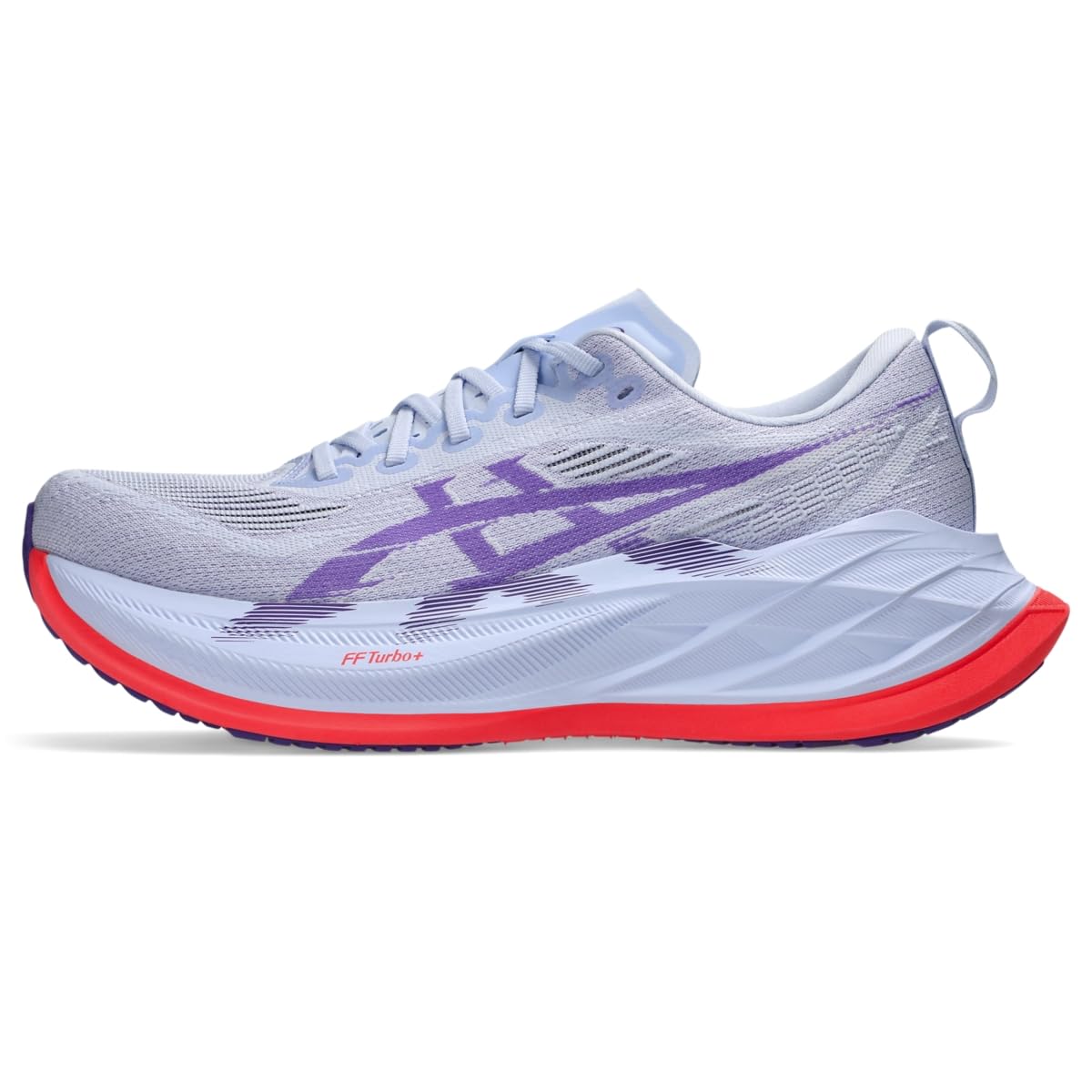
The Superblast 2 is a remarkable anomaly—a high-stack daily trainer that genuinely feels at home on race day. The Turbocharged FF Blast Plus Eco foam delivers an energy return that rivals carbon-plated shoes, yet the shoe remains incredibly stable for a 45mm platform. Runners report it works equally well for slow recovery jogs and aggressive 5K pacing, making it a one-shoe quiver for many.
At 8.1 ounces for a men’s size 9, it’s not the lightest racer, but the foam density and rocker geometry make it feel faster than its weight suggests. The upper is plush but breathable, with a gusseted tongue that stays in place. For non-elite runners who want joint protection without sacrificing speed, this is the gold standard.
Heavier runners (up to 240+ lbs) report excellent stability and energy return, and the shoe fits true to size with a generous toe box. The only caveat is the price point, but the durability of the outsole and foam justifies the investment for high-mileage runners.
Why it’s great
- Exceptional energy return without a carbon plate.
- Incredibly versatile from easy runs to racing.
- Durable outsole and foam; lasts 400+ miles.
Good to know
- Price point is high.
- Slightly heavier than dedicated race-day shoes.
2. Saucony Men’s Endorphin Pro 4
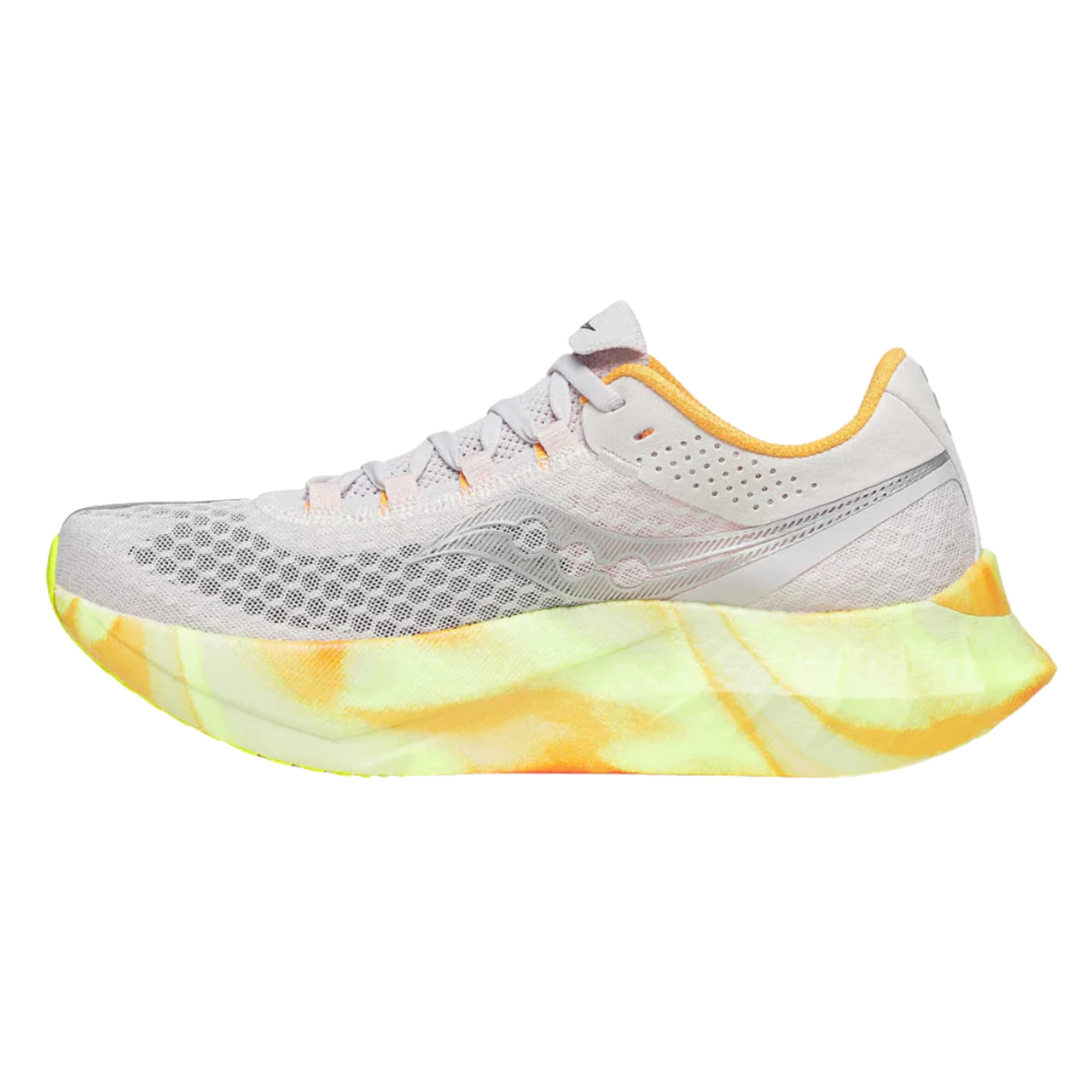
The Endorphin Pro 4 is a purpose-built race weapon. Its full-length carbon plate is paired with a new PWRRUN HG (High Grade) foam that feels snappy and responsive—less mushy than some competitors. The 39.5mm stack height is legal for competition and provides enough cushioning for the 5K distance while maintaining excellent ground feel for cornering at speed.
The upper is a lightweight, structured mesh that holds the foot securely with zero slippage. Runners praise the fit for being true to size and the heel lock as exceptional. The SpeedRoll rocker geometry is less aggressive than the Speed 3, offering a smoother heel-to-toe transition that feels natural at faster paces.
Durability reports are solid, with testers logging 300-400 miles before noticeable foam degradation. The outsole rubber is thin but strategically placed to save weight. The only complaint is cosmetic—the heel wing tips can erode over time—but this doesn’t affect performance.
Why it’s great
- Snappy, responsive carbon plate for maximum speed.
- Excellent heel lock and upper security.
- Durable enough for training and racing.
Good to know
- Less bouncy than the Endorphin Elite.
- Color options are limited and flashy.
3. Hoka Mens Mach 6
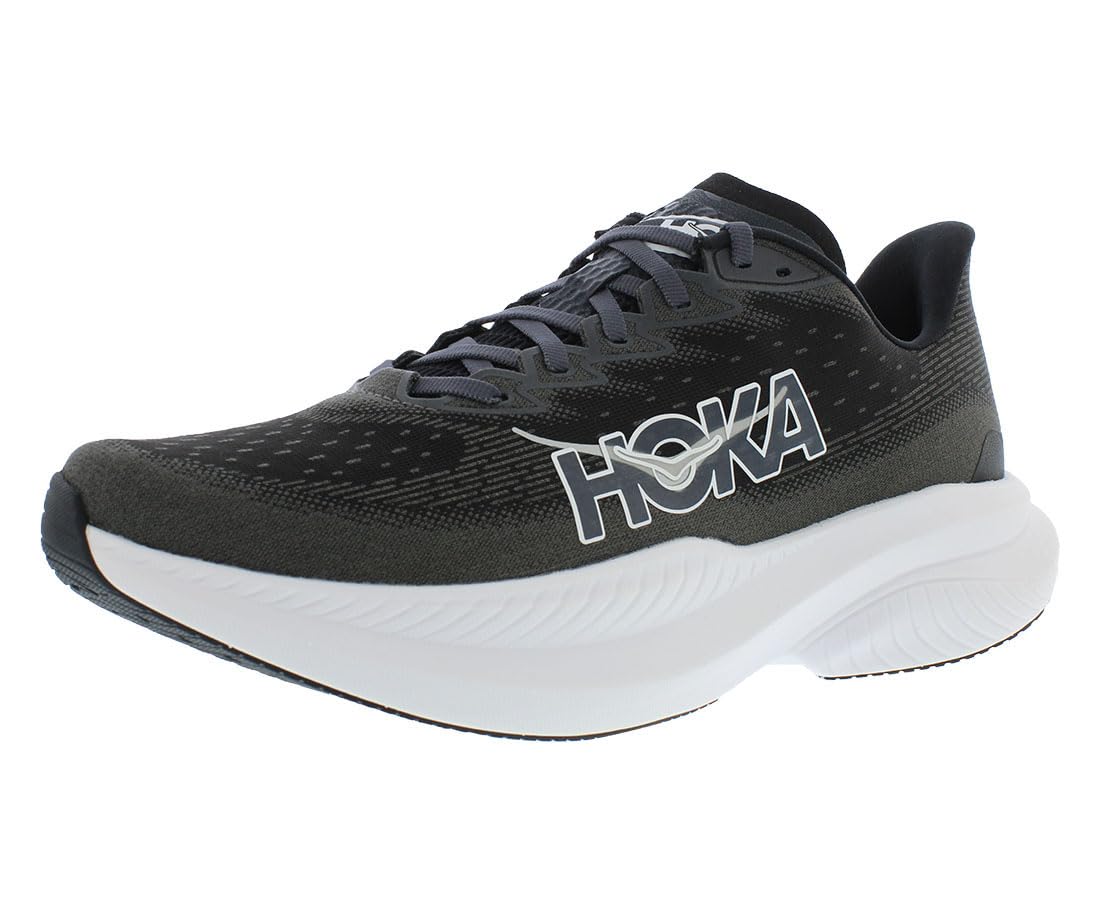
The Mach 6 is a departure from Hoka’s usual maximalist identity—it feels light, natural, and incredibly smooth underfoot. The super-critical foam (SCF EVA) provides a plush but responsive ride that absorbs impact without feeling dead. Runners consistently describe it as feeling like a slipper that propels you forward, with zero hot spots or break-in period.
At around 8.5 ounces, it’s not the lightest racer, but the rocker geometry makes the shoe feel effortless at 5K pace. The upper is a lightweight, breathable mesh with a comfortable heel collar that stays locked without rubbing. The tongue is gusseted and doesn’t dig in, a common pain point in other models.
Durability is excellent—the outsole rubber is placed in high-wear areas and holds up well. The shoe is versatile enough for easy runs and speed work, making it a great option for runners who want a single shoe for their 5K training and race day. The only trade-off is a slightly less aggressive snap than a carbon-plated shoe.
Why it’s great
- Natural, smooth rocker ride that feels fast.
- Zero break-in; comfortable straight out of the box.
- Breathable, locked-in upper with no heel slip.
Good to know
- Price is a bit high for a non-plated shoe.
- Less aggressive than carbon-plated competitors.
4. Saucony Mens Endorphin Speed 3
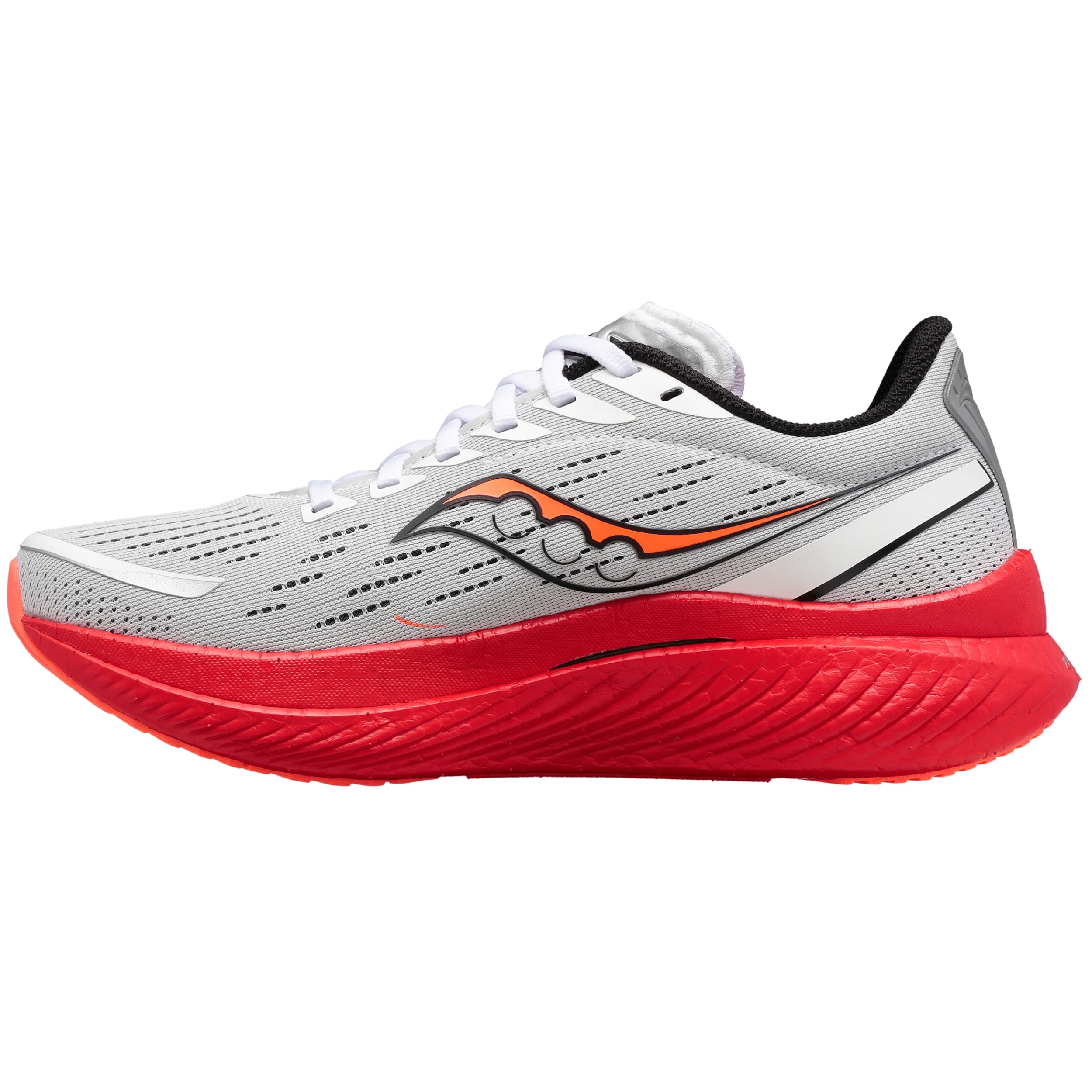
The Endorphin Speed 3 is arguably the best value for a 5K shoe that doubles as a daily trainer. Its nylon plate provides a snappy yet flexible feel at paces between 5K and 10K, offering more versatility than a full-carbon shoe. The PWRRUN PB foam (PEBA-based) is incredibly energetic, giving you that spring-loaded sensation with every stride.
At 7.7 ounces, it’s genuinely lightweight and feels fast. Runners with 100+ miles report impressive durability, with only slight wear on the heel outer edge. The upper is a soft, stretchy knit that adapts to foot shape, reducing the need for lace tension adjustments. It’s also more stable in corners than earlier versions.
The shoe excels on pavement and gravel roads. It’s not as slippery on wet surfaces as some carbon-plated models. Some runners note the foam feels a bit unstable initially, but once you adapt your stride, it becomes natural. It’s a fantastic shoe for runners who want speed without a high price tag.
Why it’s great
- Excellent energy return from PEBA foam.
- Versatile for racing and training.
- Lightweight at 7.7 ounces.
Good to know
- Slippery on wet pavement.
- Upper can feel loose for narrow feet.
5. New Balance Men’s FuelCell Supercomp Trainer V3
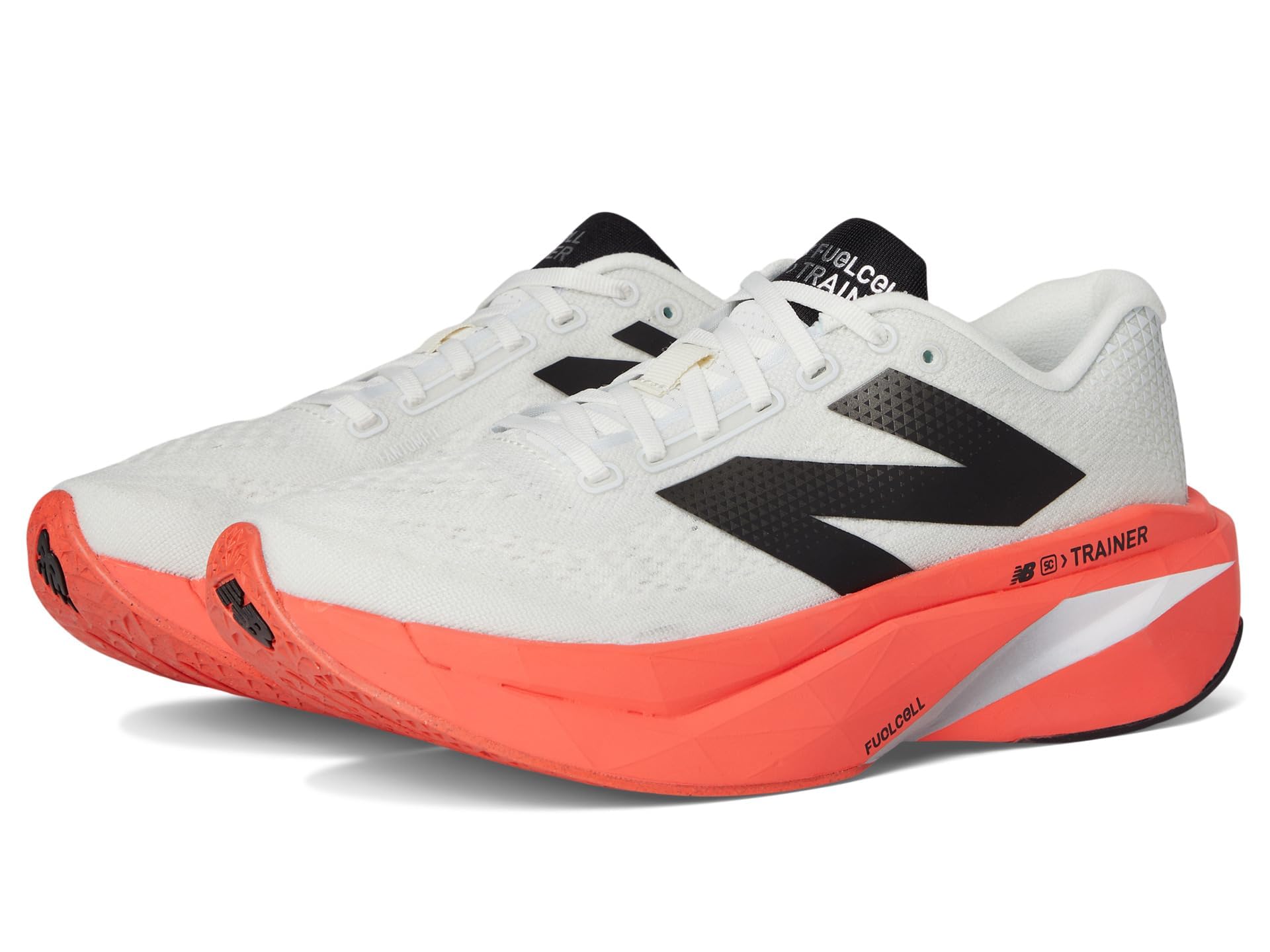
The FuelCell Supercomp Trainer V3 is a super-shoe built for high-mileage runners who want a plush, protective ride that doesn’t sacrifice speed. The 47mm stack is massive, but New Balance’s Energy Arc plate technology creates a smooth, propulsive rocker that feels surprisingly agile. The FuelCell foam is both soft and responsive, making it ideal for long tempo runs or 5K races where you want leg protection.
Weighing in close to 9 ounces, it’s heavier than a dedicated racer, but the energy return from the full-length plate and dense foam makes it feel faster. The upper is breathable and fits true to size, though some runners with wide feet note it runs slightly large. The stability is impressive for a high-stack platform.
Durability is top-tier, with testers logging 300+ miles with minimal outsole wear. It’s not the best choice for sharp turns on a 5K course, but for straight-line speed or a slightly flatter course, it’s a great option. Runners over 200 lbs will appreciate the support and cushioning.
Why it’s great
- Incredible cushioning and joint protection.
- Smooth transition from the Energy Arc plate.
- Excellent for heavy runners seeking speed.
Good to know
- Heavier than true race-day shoes.
- Runs half size large for some.
6. Brooks Women’s Hyperion 2 Neutral Running Shoe
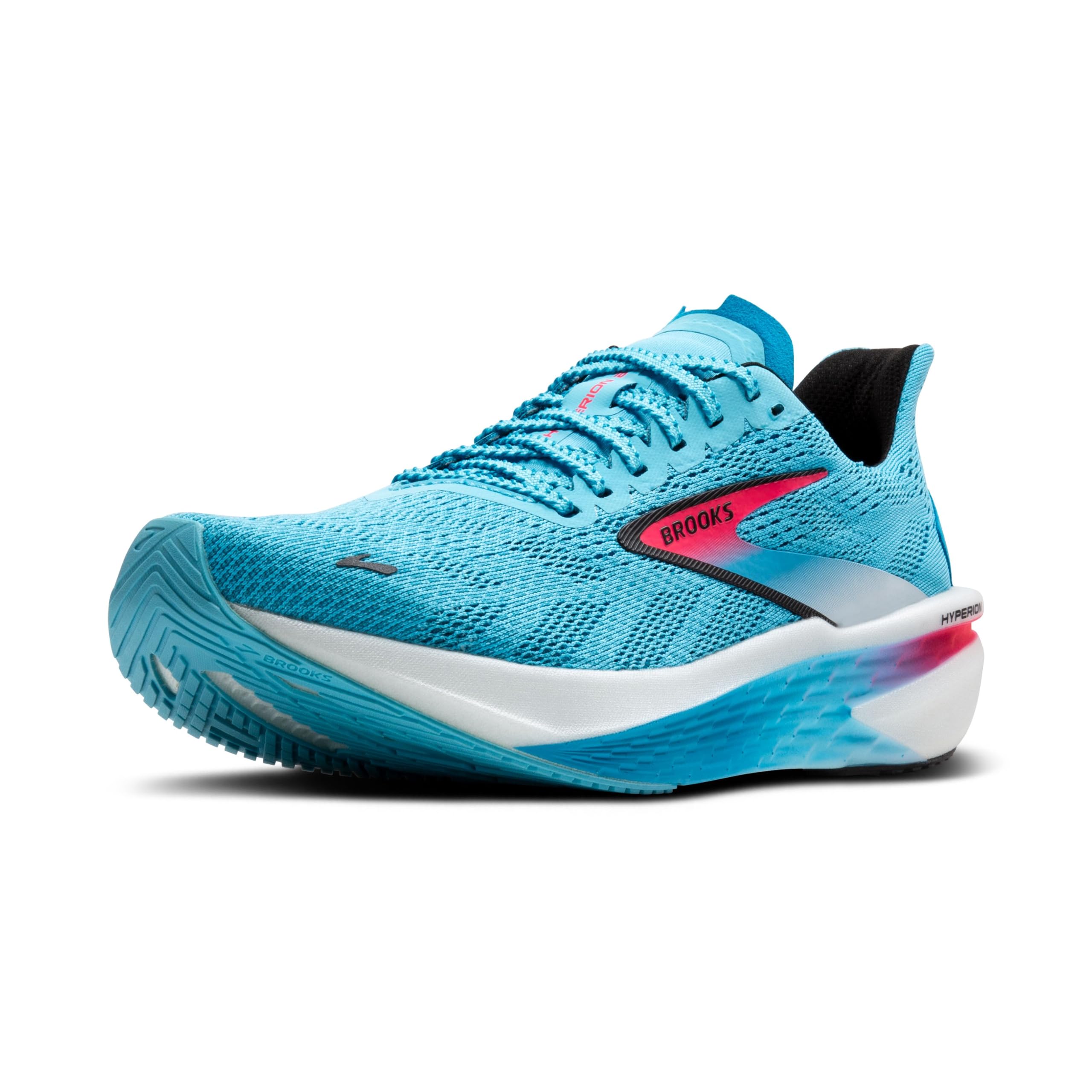
The Hyperion 2 is a natural, lightweight speed shoe that excels at shorter distances. The DNA Flash v2 foam is responsive without being overly soft, providing a snappy feel that’s perfect for 5K racing. The 32mm stack height is lower than most modern super-shoes, offering excellent ground feel and stability for cornering at speed.
Runners love the upper for its breathability and secure fit. The tongue is gusseted and stays in place, and the laces have a unique textured design that prevents them from coming untied. The shoe is incredibly light, making it feel like an extension of your foot rather than a separate piece of equipment.
Tests show excellent durability—the outsole rubber holds up well on pavement. It’s machine washable, which is a plus for any runner. The shoe is best for neutral runners who want a fast, natural feel without a plate. Some may find the foam less energetic than a PEBA-based competitor, but the weight and fit make it a top choice.
Why it’s great
- Extremely lightweight and breathable.
- Snappy, responsive foam for speed.
- Stable platform for sharp 5K turns.
Good to know
- Less cushioned than high-stack racers.
- Foam energy return is moderate.
7. New Balance Men’s FuelCell Rebel V5
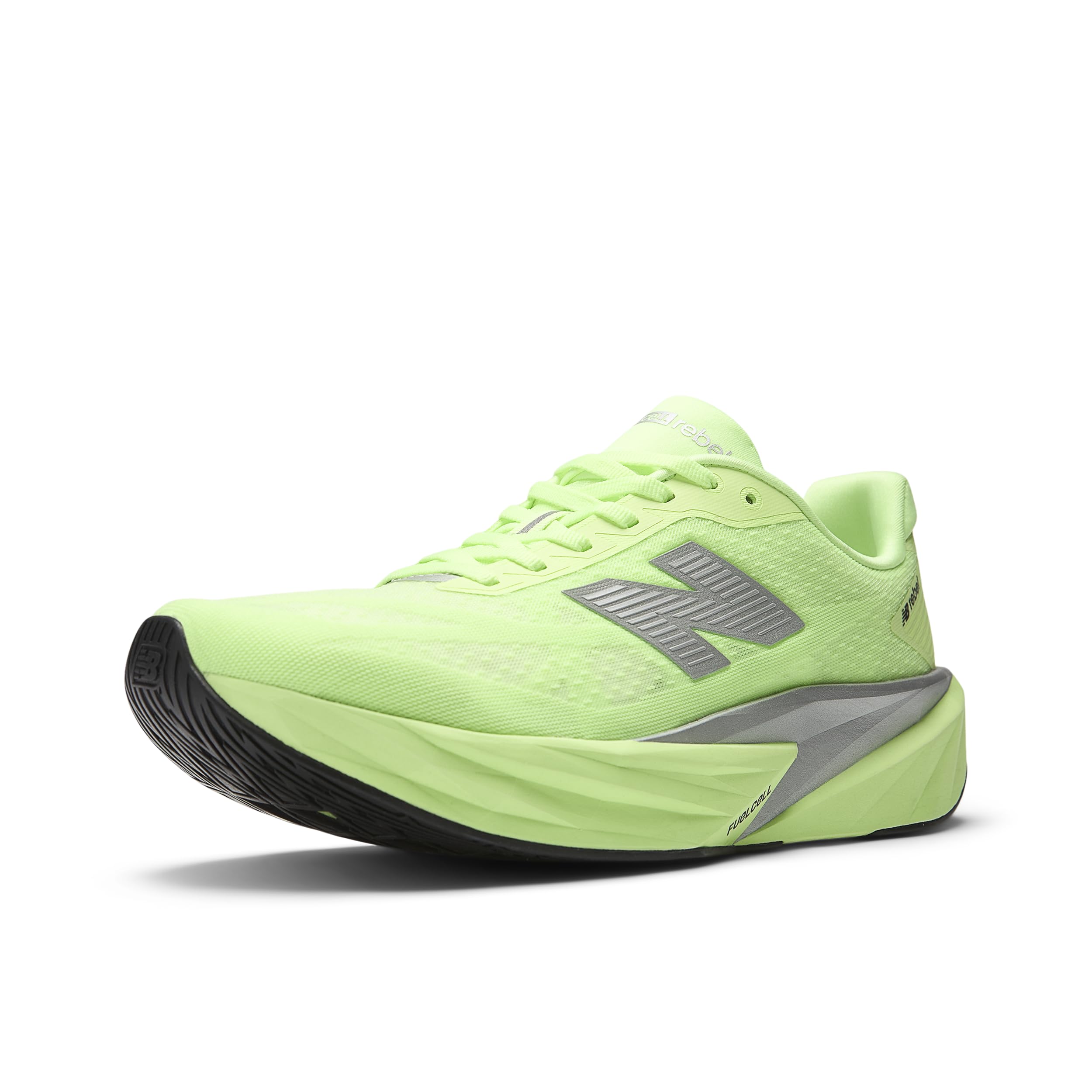
The FuelCell Rebel V5 is a fantastic mid-range option that prioritizes a lightweight, springy ride. The FuelCell PEBA foam delivers a solid energy return—though it’s more about shock absorption than aggressive snap. It’s a max-cushion shoe that still maintains ground feel, making it suitable for 5K racing where you want comfort underfoot.
Weighing around 7.7 ounces, it’s light enough for speed work. The upper is breathable and fits true to size, with enough volume to accommodate orthotics. Runners praise the comfortable lockdown and the shoe’s stability on both pavement and light trail. The design is sleek and understated.
Durability is a question mark—some testers note the outsole rubber is thin, and the foam can show wear after 200 miles. It’s best considered a secondary shoe for race day or specific speed sessions. For the price, it offers a great balance of weight, comfort, and energy return.
Why it’s great
- Lightweight and springy for its comfort level.
- Great fit for medium to wide feet.
- Comfortable for long speed sessions.
Good to know
- Foam prioritizes shock absorption over energy return.
- Longer break-in than some competitors.
8. ASICS Men’s DYNABLAST 5
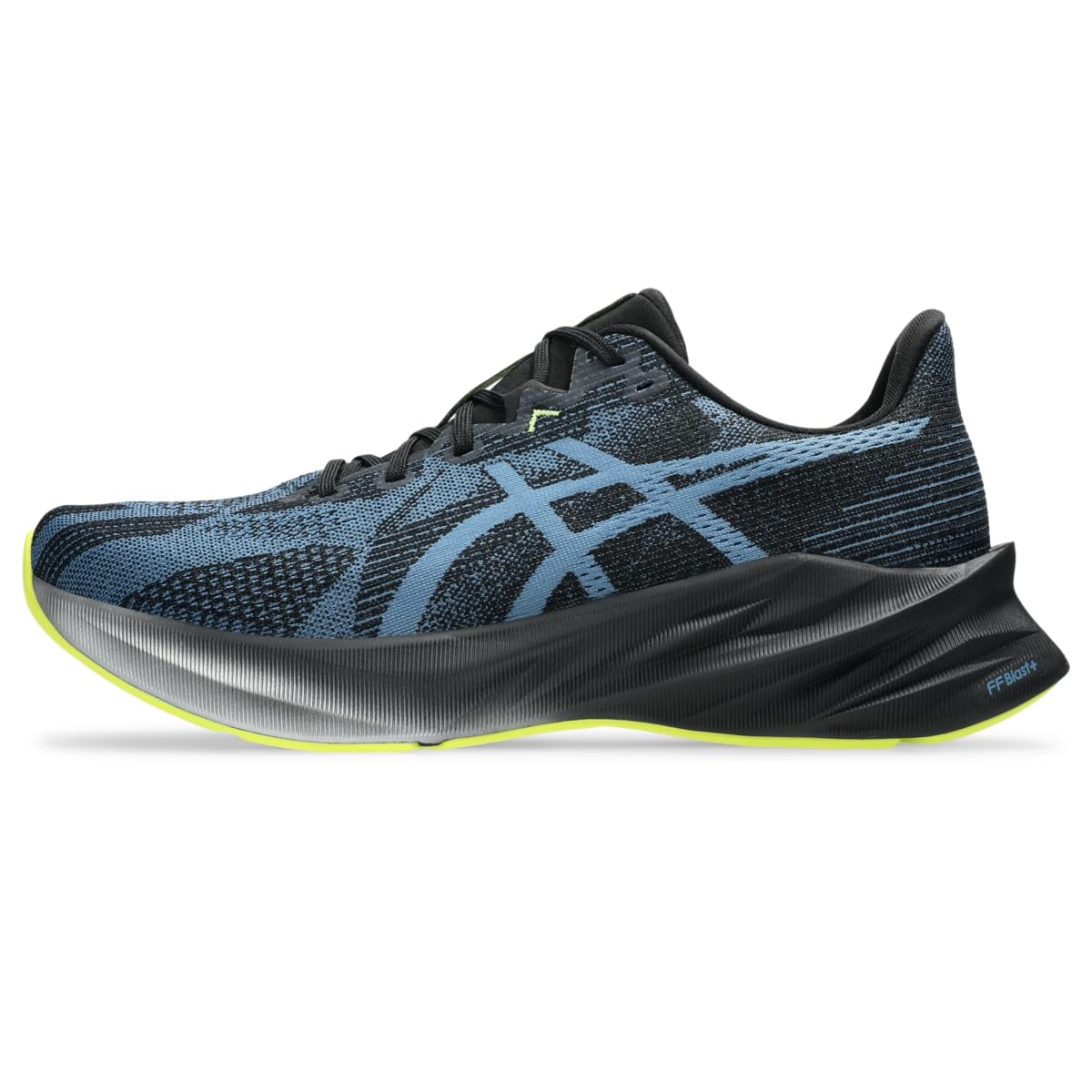
The Dynablast 5 is a budget-friendly option that doesn’t feel cheap. Its FF Blast Plus foam provides a responsive, energetic ride that’s perfect for everyday training and casual 5K racing. The stack is moderate at 34mm, offering a good balance of cushioning and ground feel. Runners praise the shoe for being comfortable straight out of the box.
Weighing around 9 ounces, it’s not a weight-optimized racer, but the foam density and outsole traction make it a durable trainer. The upper is a breathable knit that fits true to size, with a slightly longer toe box that allows for foot swelling during runs. It’s a great first shoe for a new 5K runner.
Customer reviews are overwhelmingly positive, with many runners switching from more expensive ASICS models like the Kayano or GT-1000. The Dynablast 5 offers better cushioning and energy return than those premium daily trainers. It’s a fantastic entry point into the world of ASICS road shoes.
Why it’s great
- Excellent value for the foam quality.
- Comfortable and supportive for daily miles.
- Breathable upper with a generous toe box.
Good to know
- Heavier than dedicated race-day shoes.
- Not as responsive as PEBA-based foam.
9. ASICS Men’s Gel-Cumulus 27
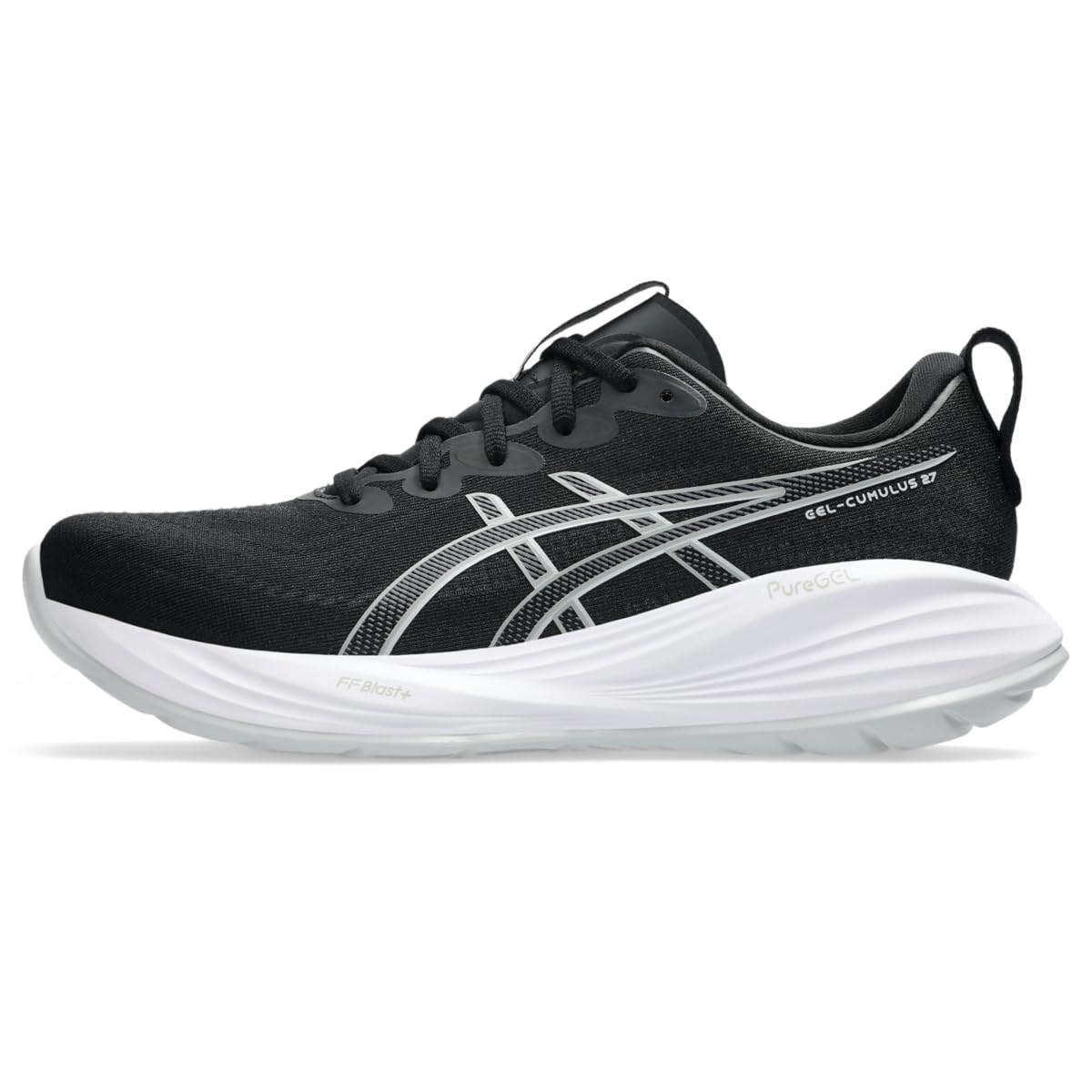
The Gel-Cumulus 27 is a classic, well-cushioned daily trainer that can handle an occasional 5K with surprising capability. The combination of PureGEL heel pads and FF Blast Plus foam creates a plush, impact-absorbing ride that’s kind to joints. It won’t win any speed awards, but for a comfortable, no-drama race, it’s a solid choice.
At 9.6 ounces, it’s the heaviest option here, but the cushioning-to-weight ratio is excellent. The upper is a jacquard mesh that provides great ventilation and a comfortable, structured fit. Runners note that the toe box is slightly larger than expected, which prevents toe mashing during longer distances.
Durability is a strong point—the outsole is thick and wears slowly. The Gel-Cumulus 27 is best for runners who prioritize comfort and joint protection over raw speed. It’s a fantastic shoe for training, and it can certainly carry you through a 5K without issue, especially if you’re a beginner or returning from injury.
Why it’s great
- Excellent cushioning and impact protection.
- Durable outsole for long-term use.
- Comfortable, breathable upper.
Good to know
- Heavier than race-specific shoes.
- Not ideal for aggressive speed work.
FAQ
What stack height is ideal for a 5K racing shoe?
Do I need a carbon-plated shoe for a 5K?
How much should a 5K racing shoe weigh?
Final Thoughts: The Verdict
For most runners, the best 5k racing shoes winner is the ASICS Superblast 2 because it combines incredible energy return with enough versatility for training and racing. If you want a dedicated race-day weapon with a carbon plate, grab the Saucony Endorphin Pro 4. And for a natural, comfortable speed shoe that’s easier on the wallet, nothing beats the Saucony Endorphin Speed 3.

Mo Maruf
I created WellFizz to bridge the gap between vague wellness advice and actionable solutions. My mission is simple: to decode the research and give you practical tools you can actually use.
Beyond the data, I am a passionate traveler. I believe that stepping away from the screen to explore new environments is essential for mental clarity and physical vitality.