Our readers keep the lights on and my smoothie glass nicely filled. As an Amazon Associate, I earn from qualifying purchases.
A pair of hiking boots that fail on wet rocks or leave you with blisters after a few miles isn’t a bargain—it’s a liability. You need a boot that grips reliably on wet granite, keeps moisture out during stream crossings, and offers enough cushioning to keep your feet happy all day—all without pushing past a reasonable spend.
I’m Mohammad Maruf — the founder and writer behind WellFizz. I’ve spent years combing through technical specs, user durability reports, and real-world traction tests to identify the hiking boots that deliver genuine performance without the premium price.
After evaluating dozens of models on rubber compound composition, waterproof membrane effectiveness, out-of-box comfort, and long-term sole adhesion, I’ve narrowed the field to the seven that actually earn their place on your next hike. This guide breaks down the best budget hiking boots that prove you don’t need to spend a fortune for reliable trail performance.
How To Choose The Best Budget Hiking Boots
A budget-friendly hiking boot can’t sacrifice the fundamentals—good traction, reliable waterproofing, and a comfortable fit—just to hit a lower price point. The best value boots use smart construction choices that keep costs down without compromising the features that matter most on the trail. Here’s what to look for.
Outsole Compound and Lug Pattern
The rubber compound determines how well the boot grips wet rocks, loose gravel, and muddy trail. Omni-Grip from Columbia and the rubber compounds found on mid-tier Timberlands offer reliable traction at a lower price than full Vibram outsoles. Look for lugs that are at least four millimeters deep and spaced widely enough to shed mud rather than pack up and turn into slicks.
Waterproof Membrane and Breathability
A sealed membrane like Columbia’s Omni-Tech or a full Gore-Tex lining keeps your feet dry during stream crossings and rain. Budget boots sometimes use a coated upper that resists water initially but fails under sustained exposure. Check whether the boot uses a fully gusseted tongue and a membrane liner rather than just a DWR spray—the difference shows up after thirty minutes of wet grass or a sudden downpour.
Midsole Density and Cushioning
EVA foam midsoles provide the cushioning that absorbs shock on rocky descents. Higher density foam lasts longer before packing out, while softer foam feels plusher initially but compresses faster. Budget boots often use a single-density EVA; look for at least moderate density that won’t bottom out after a few hundred miles. Replaceable insoles can also extend the life of a budget boot by adding arch support that the stock footbed lacks.
Sizing and Fit for Long Days
Hiking boots almost always benefit from sizing up half to a full size to accommodate thick wool socks and prevent toes from jamming the front on downhills. A boot that fits snugly in the heel with a thumb’s width of space at the toe reduces blister risk. Many budget options run small—reading reviews for sizing guidance before buying saves return hassles.
Quick Comparison
On smaller screens, swipe sideways to see the full table.
| Model | Category | Best For | Key Spec | Amazon |
|---|---|---|---|---|
| Columbia Men’s Strata Trail Low | Mid-Range | Fast day hikes and wet trails | Omni-Grip outsole, 10hr comfort | Amazon |
| ROCKY Men’s Outback Gore-Tex | Premium | Wet conditions and all-day wear | Gore-Tex membrane, 4.5 lbs | Amazon |
| Timberland White Ledge Mid | Premium | Rocky terrain and hunting | Waterproof leather, 1.1 lbs | Amazon |
| Columbia Newton Ridge Mid Nubuck | Mid-Range | Cold weather and ankle protection | Nubuck upper, 4 hook closures | Amazon |
| Columbia Women’s Newton Ridge Plus Amped | Premium | Rocky venues and everyday wear | Omni-Grip, 10x15x6 inch dimensions | Amazon |
| Columbia Women’s Crestwood Mid | Mid-Range | Light hikes and daily walking | 14 oz weight, Omni-Tech | Amazon |
| HI-TEC Yosemite WP Mid | Budget | Entry hiking and standing all day | Cushioned insole, arch support | Amazon |
In‑Depth Reviews
1. Columbia Men’s Strata Trail Low Waterproof Hiking Shoes
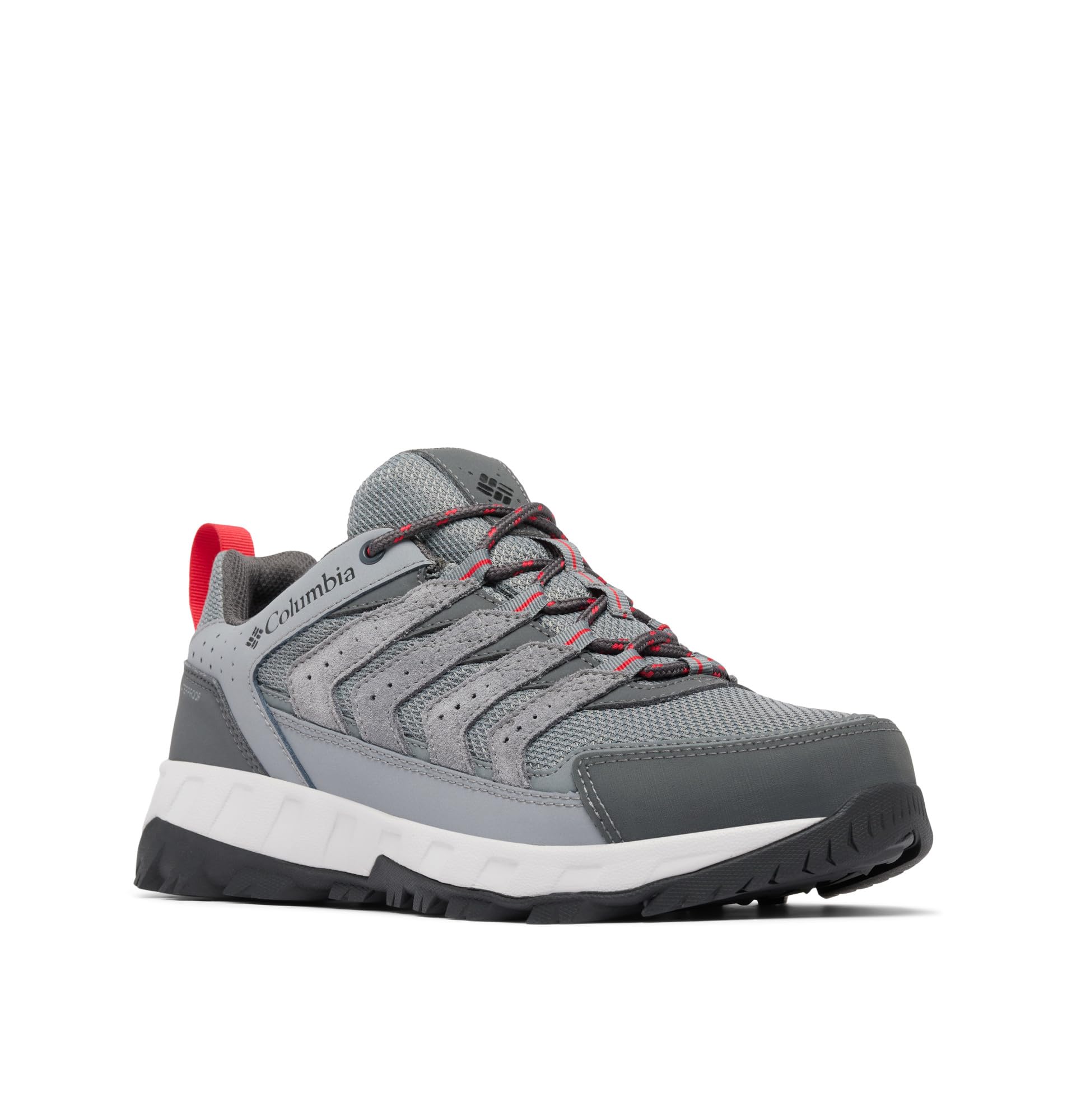
The Strata Trail Low earns the top spot because it delivers genuine waterproof protection and a confidence-inspiring outsole at a price point that rivals many entry-level boots. The aggressive Omni-Grip tread pattern bites into loose gravel and wet rock equally well, and the mesh upper keeps the shoe light enough—under a pound per shoe—for fast day hikes without feeling flimsy. Multiple reviewers confirmed the boot stays comfortable for ten-plus hours straight, with enough arch support to satisfy flat-footed hikers who usually need aftermarket insoles.
The waterproofing is real: feedback from winter walkers reports warm, dry feet after hours in rain and slush. The sole is intentionally stiff, which provides solid protection against sharp cobbles and roots but does require a mile or two of walking before the flex point softens. A few users noted the rigid tread can feel overly firm on pavement, but the trade-off is excellent durability on technical terrain.
Sizing runs true to length, though hikers with wide feet may want to consider a half-size up. The low-cut collar trades ankle coverage for unrestricted mobility, making these a better choice for established trails rather than scree fields or loose talus. If you prioritize traction, breathability, and all-day comfort without ankle support, this is the best-value boot in the entire group.
Why it’s great
- Aggressive Omni-Grip tread grips wet rock and loose soil exceptionally well
- Lightweight mesh upper keeps feet cool on warm days
- Waterproof membrane performs reliably in slush and puddles
- Comfortable for ten-hour days with minimal break-in
Good to know
- Stiff sole feels less flexible on pavement
- Low-cut collar provides no ankle support
- Narrow fit may squeeze wider feet
2. ROCKY Men’s Outback GORE-TEX Waterproof Hiking Boots

When you need a full Gore-Tex membrane at a price that undercuts most competitors by fifty dollars or more, the ROCKY Outback is the obvious choice. The leather moc-toe upper gives these boots a rugged look that transitions easily from trail to casual work wear—several users report wearing them for factory shifts without complaints about foot fatigue. The out-of-box comfort stands out even among this list; reviews consistently mention zero break-in period with comfortable all-day wear right from the first hike.
The Gore-Tex lining performs as advertised for stream crossings and wet terrain, though the leather toe itself can let moisture through if you’re walking through tall grass or heavy dew for extended periods. The boot weighs about 4.5 pounds per pair, which is heavier than the Columbia options, but the added heft comes from a thicker leather build that holds up to repeated abuse. Hikers who prioritize durability over weight savings will appreciate the construction quality.
One caveat: the boot runs slightly large, so sizing down half a number may improve heel lock. The mid-height collar offers moderate ankle support but not the rigid stability of a full mountaineering boot. For anyone who needs a tough, waterproof boot that can double as light work footwear, the Outback delivers exceptional value.
Why it’s great
- Authentic Gore-Tex membrane provides reliable waterproofing
- Leather upper holds up to heavy use and rugged terrain
- No break-in period required
- Versatile style works for work and trail
Good to know
- Heavier than most options on this list
- Leather toe may seep moisture in wet grass
- Sizing runs large; consider a half size down
3. Timberland Men’s White Ledge Mid Waterproof Hiking Boots

The full-grain leather upper is thicker than anything else at this tier, providing genuine protection against rock scrapes and branch scratches. The sole pattern is designed for mixed terrain—reviewers praise its grip on hills, gravel, snow, and even light ice conditions, noting that it only struggles on slick algae-covered surfaces.
The waterproofing is effective for stream crossings and rain, though longevity depends on regular mink oil treatment to keep the leather from drying out and cracking. Some long-term users reported that after a year of heavy use, the boots need full drying after soaking—they’re water-resistant but not sealed against prolonged submersion. The large toe box is a major plus for hikers with wide feet who struggle with cramped budget boots.
The mid-height collar provides good ankle coverage for rocky terrain, though it’s more flexible than a stiff leather shaft—good for comfort, less ideal for severe ankle instability. Sizing runs a bit large; many users recommend going half a size down. Despite requiring a short break-in period, the White Ledge boots remain a top choice for budget-conscious hikers who want real leather construction.
Why it’s great
- Thick full-grain leather upper resists abrasion and scrapes
- Generous toe box fits wide feet comfortably
- Traction performs well on mixed surfaces including snow
- Proven durability over years of use
Good to know
- Requires regular leather conditioning to maintain waterproofing
- Needs a brief break-in period
- Not fully submersible over time
4. Columbia Newton Ridge Mid Nubuck

The Columbia Newton Ridge Mid Nubuck stands out for its exceptional ankle support, thanks to four top hooks that let you lock the cuff securely around the ankle. This design earned particular praise from a reviewer who used the boots after ankle surgery—a testament to how much lateral stability the boot provides. The nubuck upper adds a premium texture and color finish that fits equally well on trail and in casual winter settings.
Comfort is exceptional out of the box: multiple users reported zero break-in required even for multi-day trips of several miles each day. The boot performs well in cold weather—feet stay warm and dry in snow and freezing temperatures. The Omni-Grip outsole handles wooded hills and packed trail with confidence, though it’s not as aggressive as the Strata Trail’s tread for loose, steep terrain.
Sizing opinions vary: some find it true to size with thick socks, while others suggest going up half a size for a perfect fit. The boot’s weight is moderate—lighter than the Timberlands but heavier than the Strata Trail Low. If ankle support is your top priority and you want a mid-cut boot that requires no break-in, the Newton Ridge is an outstanding choice in the budget space.
Why it’s great
- Excellent ankle support with 4-hook lacing system
- Nubuck upper looks and feels more premium than price suggests
- No break-in needed for multi-mile days
- Warm and dry in cold, snowy conditions
Good to know
- Outsole traction is moderate, not aggressive
- Sizing can be inconsistent between pairs
- Not ideal for wet stream crossings
5. Columbia Women’s Newton Ridge Plus Waterproof Amped
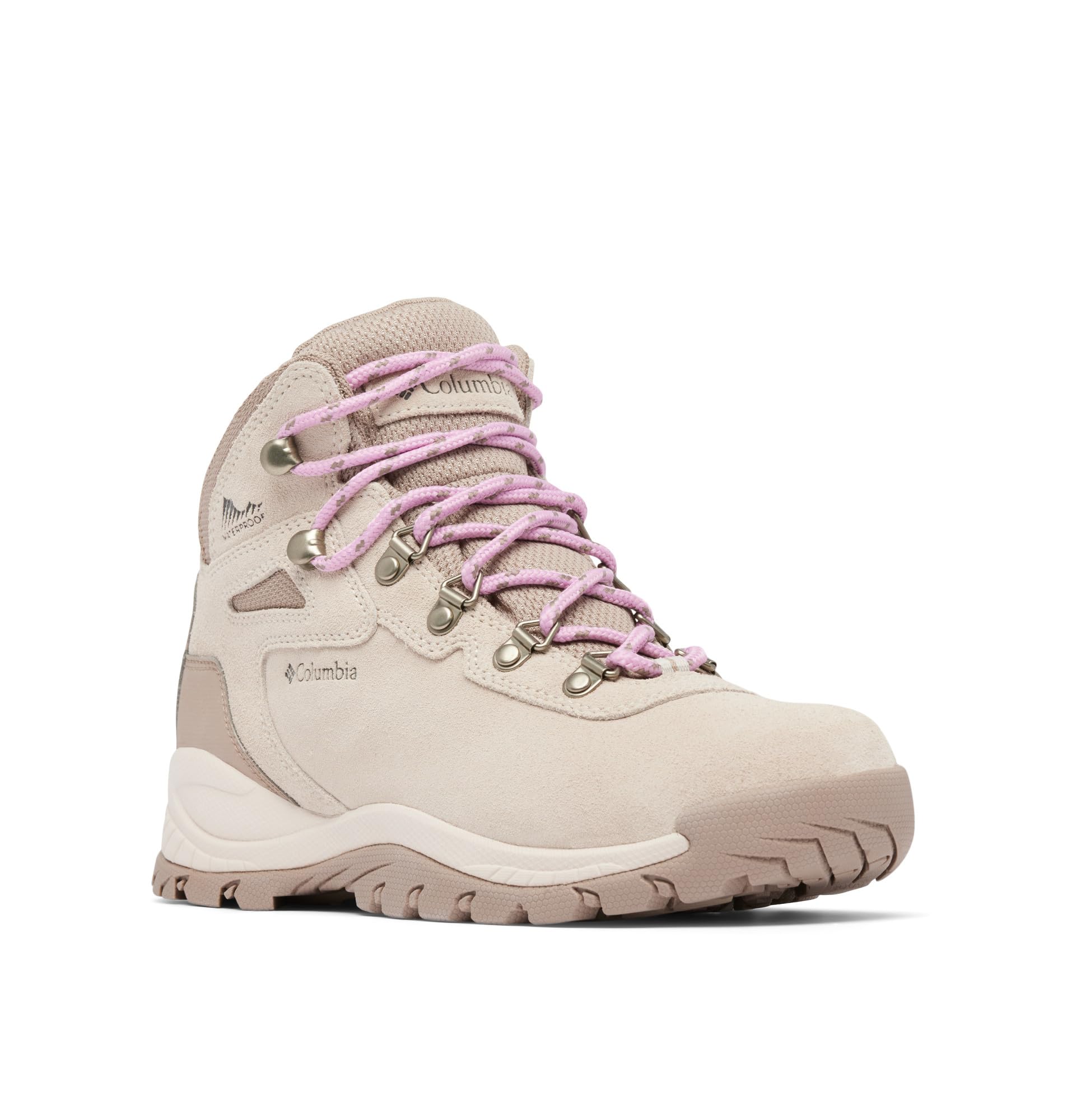
The women’s version of Columbia’s Newton Ridge Plus shares the same supportive DNA as the men’s nubuck boot but with a fit and build tuned for female feet. Testers consistently describe the fit as true to size with room for thin or thick wool socks in the 7.5-to-8 range, and the cushioning draws immediate praise for being plush without feeling unsupportive. The boot handles rocky, uneven venues like Red Rocks Amphitheater with excellent stability and grip, according to verified reviews.
The waterproofing performs well for light rain and puddle hopping, and the Omni-Grip outsole provides reliable traction on varied surfaces—loose rock, packed dirt, and wet pavement all get solid bite. Several users noted the boot held up to years of regular use, outlasting other Columbia models they’d owned previously. The mid-cut height offers genuine ankle support without restricting movement, ideal for day hikes on technical trails.
The boot’s styling—available in a range of earthy and muted tones—makes it a popular choice for hikers who want a boot that looks good both on and off the trail. The only common complaint is that the ankle area can feel slightly stiff before it fully breaks in, though most users report this resolves within a few miles. For women seeking a durable, comfortable mid-cut boot with a proven traction system, this is a top-tier budget option.
Why it’s great
- Excellent cushioning with supportive midsole
- Omni-Grip outsole handles diverse terrain well
- True-to-size fit accommodates various sock thicknesses
- Durable build with years of reported use
Good to know
- Ankle area may feel stiff initially
- Not designed for heavy mountaineering or deep water
- Some color options run out of stock quickly
6. Columbia Women’s Crestwood Mid Waterproof Hiking Boots

At just 14 ounces per shoe, the Crestwood Mid is the lightest boot in this lineup—a meaningful advantage for hikers who prioritize quick, nimble days on well-maintained trails. The Omni-Tech membrane delivers legitimate waterproofing; one reviewer reported completely dry socks after two hours of continuous hiking on wet terrain. Out-of-box comfort is a recurring theme among feedback, with multiple users noting the boot feels broken-in from the first step without any hotspots.
The cushioning is notably bouncier than typical budget boots, thanks to a softer EVA midsole that absorbs shock well on moderate descents. The outsole grip earned high marks from a professional window washer who wore these daily on rooftops and ladders—a punishing real-world test of traction and durability. However, the softer build does come with a durability caveat: several long-term users observed that the toe area can separate from the upper after extended use, suggesting this boot is best suited for lighter hiking volumes rather than intense backcountry abuse.
Sizing runs small—most reviewers recommend going up a full size, especially if you plan to wear thick socks. The mid-height collar provides decent ankle support without feeling restrictive. If you want a featherlight waterproof boot that’s comfortable right away and you’re willing to replace them after a season or two of heavy use, the Crestwood Mid is a compelling pick.
Why it’s great
- Remarkably lightweight at 14 ounces per boot
- Omni-Tech membrane keeps feet dry in wet conditions
- Bouncy, comfortable cushioning with no break-in
- Excellent grip on varied surfaces
Good to know
- Toe area may separate from upper over time
- Runs small; consider ordering a full size up
- Best for light to moderate hiking use
7. HI-TEC Yosemite WP Mid Waterproof Hiking Boots for Men

HI-TEC occupies a unique spot in the budget boot world—longtime outdoor enthusiasts know the brand as a reliable entry point, and the Yosemite WP Mid reinforces that reputation. The boot offers genuine arch support and a cushioned insole that many all-day standers (retail workers, event staff) have adopted as their daily go-to footwear. The traction system handles rocks and slippery surfaces competently, with verified reports of zero blisters even on first use with no break-in period.
Waterproofing is effective for rain and puddles, though a few users noted that the boot is more water-resistant than fully waterproof after several months of use. The build quality is solid for the tier—multiple purchasers reported being on their second or third pair over the years, suggesting consistent manufacturing. The aesthetics are clean and stylish enough to wear in casual settings, which adds versatility for the budget buyer who wants one shoe for both trail and town.
Durability is the main compromise at this level: while the boot holds up well for a season of moderate hiking, heavy daily use may require replacement within a year. The fit runs true to size, which simplifies ordering. For someone getting into hiking for the first time or needing a reliable spare pair for rainy commutes, the Yosemite WP Mid is a smart, low-risk starting point.
Why it’s great
- Built-in arch support and cushioned insole for all-day comfort
- Zero break-in required with no blister reports
- Stylish design works for casual wear
- Trusted brand with consistent build quality
Good to know
- Waterproofing degrades with extended heavy use
- Best suited for moderate hiking, not technical terrain
- May need replacement after a year of daily wear
FAQ
How much should I expect to spend on a quality pair of budget hiking boots?
Do I need to break in budget hiking boots?
Can budget hiking boots be resoled or recrafted?
Are waterproof budget boots less breathable than non-waterproof ones?
How do I know if a budget boot will fit my wide feet?
Final Thoughts: The Verdict
For most hikers looking to maximize value without sacrificing on-trail performance, the budget hiking boots winner is the Columbia Men’s Strata Trail Low Waterproof Hiking Shoes because it combines a top-tier Omni-Grip outsole, genuine waterproofing, and ten-hour comfort at an entry-friendly price point. If you need superior ankle support and a rugged leather build, grab the Columbia Newton Ridge Mid Nubuck. And for women seeking a lightweight, cushioned boot that handles rocky terrain and everyday wear with equal ease, nothing beats the Columbia Women’s Newton Ridge Plus Waterproof Amped.

Mo Maruf
I created WellFizz to bridge the gap between vague wellness advice and actionable solutions. My mission is simple: to decode the research and give you practical tools you can actually use.
Beyond the data, I am a passionate traveler. I believe that stepping away from the screen to explore new environments is essential for mental clarity and physical vitality.