Our readers keep the lights on and my smoothie glass nicely filled. As an Amazon Associate, I earn from qualifying purchases.
The first few weeks of breastfeeding can turn tender skin into a raw, cracked landscape that makes every latch feel like sandpaper. The wrong nipple cream—synthetic, greasy, or full of mystery ingredients—can actually worsen the friction or upset your baby’s stomach, and the constant cycle of applying and wiping off adds another chore to an already exhausting day. You need a balm that locks in moisture, reduces shear forces during pumping, and stays put without requiring a wash-off ritual before every feeding.
I’m Mohammad Maruf — the founder and writer behind WellFizz. I’ve spent years analyzing the formulation chemistry behind postpartum skin-barrier products, cross-referencing ingredient safety databases with real-world usage reports to separate the genuinely effective from the overpriced oils in a pretty jar.
Your nursing journey deserves a formula that works as hard as you do. Whether you’re dealing with early-latch tenderness or persistent chapping from a hospital-grade pump, the right best breastfeeding cream will soothe on contact, protect between feeds, and never make you choose between your comfort and your baby’s safety.
How To Choose The Best Breastfeeding Cream
Not all nipple balms are created equal. A formula that works beautifully for one mother can cause stinging, peeling, or clogged ducts in another. When you’re shopping for a cream to apply multiple times daily on skin that’s stretched, chapped, or cracked, three factors separate the winners from the also-rans.
Base Ingredient Profile: Lanolin vs. Plant Butter
Lanolin is the traditional workhorse—thick, occlusive, and widely available at a low cost. However, up to one in three women report sensitivity or allergic reactions to lanolin, and its heavy texture can trap heat against already-irritated skin. Modern plant-based balms use shea butter, cocoa butter, or coconut oil as the base, which absorb more readily and rarely trigger reactions. Look for USDA Organic certification on plant-based formulas to confirm the oils were grown without synthetic pesticides that could leach into the cream.
No-Wipe-Off Safety and Food-Grade Standards
The single biggest convenience upgrade in this category is a formula you do not have to wash off before nursing. A truly no-wipe cream uses ingredients that are safe for oral ingestion by an infant. Check for specific claims like “food-grade” or “100-percent edible ingredients.” If a brand lists artificial fragrances, parabens, or synthetic preservatives, skip it—those compounds are not safe for internal contact, even in trace amounts.
Texture, Absorption, and Pump Compatibility
The best breastfeeding cream should feel silky, not tacky, and should melt at body temperature so you do not have to rub hard over sore tissue. For mothers who pump, a cream that stays slightly slick on the skin reduces the friction of the flange and makes each session less painful. Avoid anything that leaves a greasy residue that transfers to clothing; a formula that absorbs within 60 seconds is ideal for daytime wear between feedings.
Quick Comparison
On smaller screens, swipe sideways to see the full table.
| Model | Category | Best For | Key Spec | Amazon |
|---|---|---|---|---|
| Earth Mama Organic Nipple Butter | Balm | Gentle organic relief | 2.4 oz — Oregon Tilth Certified | Amazon |
| Mommyz Love Nipple Cream | Butter | Overnight crack healing | 2.4 oz — No odor, quick absorb | Amazon |
| Era Organics Nipple Butter | Butter | Non-greasy, pump-friendly | 3.8 oz — Apricot & chamomile | Amazon |
| Mother’s Promise Nipple Butter | Butter | All-day moisture lock | 2 oz — Tube dispenser format | Amazon |
| Motherlove Everyday Baby Balm | Balm | Baby-mom multi-use | 2 oz — Solar-powered facility | Amazon |
In‑Depth Reviews
1. Earth Mama Organic Nipple Butter
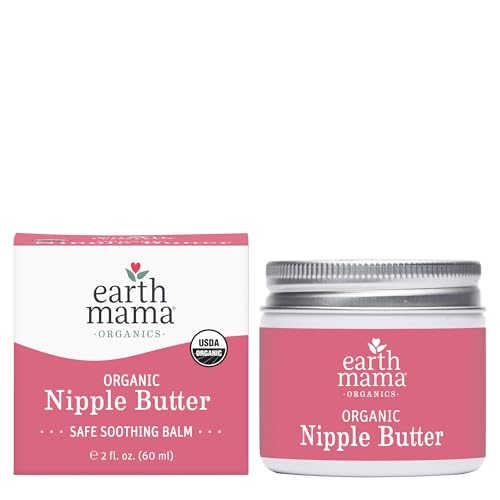
Earth Mama’s Organic Nipple Butter was the first lanolin-free nipple cream sold in the U.S., and it remains a standard for mothers who want certified organic ingredients that are safe enough to skip the wash-off step. The formula uses a blend of organic olive oil, beeswax, and calendula extract—traditional herbal soothers—rather than synthetic emollients. The texture is slightly waxy at room temperature but melts quickly against skin, and the subtle cocoa-and-herb scent is naturally derived from the oils themselves, not added fragrance.
What sets this balm apart from copycat organic blends is its consistency under pressure: it stays put during long nursing sessions instead of sliding off, yet it does not ball up or leave a sticky film. Mothers who pumped reported that the residual slickness on the nipple reduced flange friction noticeably. The 2.4-ounce tin lasts most users through the first eight to ten weeks of exclusive breastfeeding with daily application.
A small fraction of users noted a slightly grainy feel when first applying—this is the natural beeswax crystallizing at cooler temperatures. Warming the tin in your pocket for a minute before use eliminates that texture entirely. Overall, this is the most balanced formula for the mother who wants simplicity, organic integrity, and a proven track record without irritation.
Why it’s great
- First lanolin-free organic nipple cream in the U.S. — trusted for over a decade.
- Certified organic by Oregon Tilth with no synthetic preservatives or pesticides.
- Safe for baby to ingest; no need to wipe off before nursing.
Good to know
- Can feel grainy if stored in cool conditions; needs a few seconds of body heat to smooth out.
- Beeswax base may be slightly sticky for some users in very dry climates.
2. Mommyz Love Nipple Cream

Mommyz Love built its reputation on a single claim: healing cracked, bleeding nipples in as little as twenty-four hours. The formula is coconut-oil based with organic calendula and beeswax, and it is completely odorless—a detail that matters more than most mothers realize because babies can be sensitive to any new smell near the breast. The balm has a slightly thicker body than Earth Mama’s, which means a pea-sized amount covers both nipples, and it absorbs fully within about ninety seconds without feeling greasy.
Several reviews from pumping mothers specifically credit this cream with making sessions bearable again. The coconut oil base provides a light slip that reduces the suction drag of a pump flange, and because the formula is lanolin-free and fragrance-free, it does not trigger allergic reactions in sensitive skin. Pediatrician tested and USDA Certified Organic, it also contains no gluten, dyes, or synthetic fragrances.
The one trade-off is that the coconut-oil base can feel slightly waxy if you squeeze out too much at once. Dispense small amounts and let it melt between your fingers before applying. The brand also offers a generous refund policy that honors “anytime” dissatisfaction, which reduces the risk for first-time buyers unsure about a new formula.
Why it’s great
- Odorless and tasteless — baby won’t detect it during feeding.
- User reports indicate bleeding cracks often heal fully within one week.
- Excellent for pre-pump lubrication; reduces flange friction significantly.
Good to know
- Coconut oil base can solidify and feel waxy in cooler rooms; warm in fingers first.
- Thicker texture may require more deliberate spreading than thinner balms.
3. Era Organics Nipple Butter
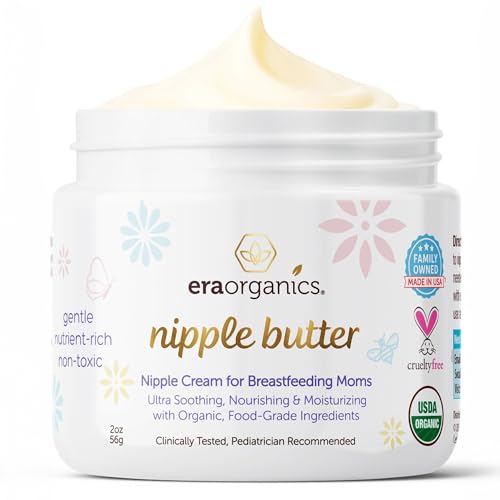
Era Organics comes in the largest container on this list at 3.8 ounces, and it was created by a breastfeeding mother who wanted a cream that would not stain her nursing bras. The formula uses apricot kernel oil and evening primrose oil as the primary carriers—ingredients with a molecular structure that absorbs almost instantly rather than sitting on top of the skin. Chamomile and calendula extracts add anti-inflammatory support, while vitamin E (from sunflower oil) provides antioxidant protection for healing tissue.
What makes this product stand out for pump users is the non-greasy finish. You can apply it, wait thirty seconds, and put on a nursing bra or pumping bra without leaving oil marks on the fabric. Several reviewers who switched to Era Organics after using Earth Mama reported that it eliminated the “sticky” feeling they disliked. The formula is also 3rd-party tested by an independent lab, which is a higher bar than standard manufacturer self-reporting.
The balm is soft at room temperature—almost the consistency of room-temperature butter—so it squeezes out of the tube easily without needing to warm it. A few users wished the tube were slightly smaller for a diaper-bag kit, but the large size translates to excellent per-ounce value. If you dislike the waxy feel of beeswax-heavy balms, this shea-based formula is your best bet for smooth, fast absorption.
Why it’s great
Non-greasy formula absorbs in under sixty seconds without leaving residue on clothing.
- Largest container (3.8 oz) offers the best per-use value in this category.
- Contains evening primrose oil and chamomile for targeted anti-inflammatory relief.
Good to know
- Very soft texture; may leak from the tube if stored in a hot diaper bag.
- Some mothers prefer a thicker balm for overnight wear—this is better for daytime use.
4. Mother’s Promise Nipple Butter
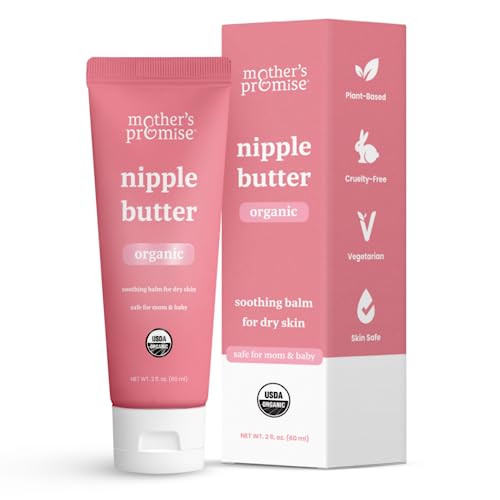
Mother’s Promise delivers a USDA Certified Organic formula in a tube format that feels more hygienic than a jar or tin—you never dip fingers directly into the product. The base is a blend of organic shea butter and mango seed butter, which gives it a rich, creamy feel that melts at body temperature without feeling greasy. It contains no added fragrance and is completely tasteless, so even a sensitive baby will not reject the breast after application.
Mothers who used this cream for both nursing and pumping noted its versatility: it smoothed onto dry nipples before a pump session to reduce friction, and it also doubled as a quick diaper-rash spot treatment in a pinch. The tube format also makes it easier to control dosage—a quarter-inch ribbon is enough for both sides. The formula is designed to be left on between feedings without feeling tacky or attracting lint from clothing.
One practical drawback is that the thick shea-butter consistency can be difficult to squeeze out when the tube is half-empty and the weather is cool. Rolling the tube from the bottom or storing it in a warm pocket for a few minutes before use solves this. If you prioritize hygiene and portability, the Mother’s Promise tube is the most practical daily carrier in this lineup.
Why it’s great
- Tube dispenser keeps the product clean and free from fingertip contamination.
- Shea and mango butter blend provides deep moisture without a greasy after-feel.
- Odorless and tasteless—ideal for babies who reject creams with any scent.
Good to know
- Thick formula can be hard to squeeze out of the tube when half-full in cold temperatures.
- Small 2 oz container; heavy users may reorder more frequently.
5. Motherlove Everyday Baby Balm
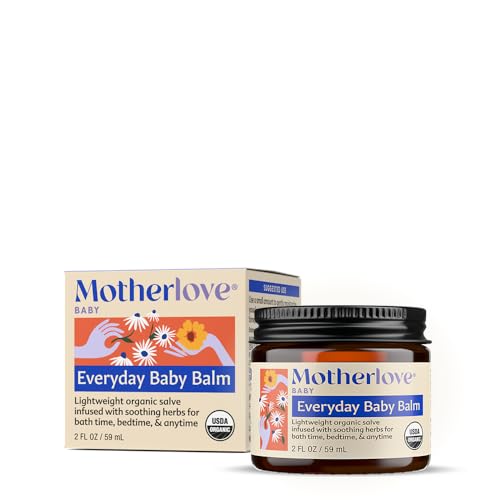
Motherlove’s Everyday Baby Balm is technically marketed as a baby moisturizer, but its ingredient profile—organic sunflower oil, beeswax, shea butter, chamomile, calendula, and marshmallow root—makes it functionally identical to a high-end nipple cream for a fraction of the price. The key difference is the absence of any targeted “nursing” marketing, which means this balm skips the heavy nut oils that sometimes sting open cracks. Instead, marshmallow root provides a gentle mucilaginous barrier that calms inflammation on contact.
Breastfeeding mothers who used this balm reported that it healed their own cracked nipples within two to four days, and they also used it on their baby’s chapped cheeks and dry knees, making it a true two-for-one product. The balm is fragrance-free and absorbs nicely without leaving a slick film, although it is slightly stickier than a straight shea-butter formula. Motherlove manufactures in a solar-powered, zero-waste facility and holds B-Corp certification, which appeals to environmentally conscious buyers.
The 2-ounce tin is small, but a little goes a long way—a dab the size of a grain of rice covers one nipple. Because it is labeled as a baby product rather than a nursing cream, some mothers hesitate to trust it for no-wipe feeding. However, the ingredients are all food-grade organic oils, and the brand is transparent about its sourcing. If you want one balm for the whole family, this is the most honest value proposition on the list.
Why it’s great
- Multi-use formula for nursing nipples, baby cheeks, and dry patches on both mom and child.
- Marshmallow root provides a gentle, inflammation-calming barrier that is safe to ingest.
- Manufactured in a solar-powered, zero-waste facility with B-Corp certification.
Good to know
- Not specifically marketed as a nipple cream, so some users may feel unsure about using it for no-wipe nursing.
- Slightly stickier texture than pure shea or coconut-oil balms; best for overnight use.
FAQ
Can I use a breastfeeding cream while pumping without affecting suction or flange fit?
How do I know if my baby is reacting to an ingredient in my nipple cream?
Final Thoughts: The Verdict
For most users, the best breastfeeding cream winner is the Earth Mama Organic Nipple Butter because it combines fifteen years of market trust, certified organic ingredients, and a no-wipe formula that works for both nursing and pumping without irritation. If you want a non-greasy formula that absorbs instantly and won’t stain your nursing bras, grab the Era Organics Nipple Butter. And for a single product that serves the whole family—healing mom’s cracked nipples while moisturizing baby’s chapped cheeks—nothing beats the Motherlove Everyday Baby Balm.

Mo Maruf
I created WellFizz to bridge the gap between vague wellness advice and actionable solutions. My mission is simple: to decode the research and give you practical tools you can actually use.
Beyond the data, I am a passionate traveler. I believe that stepping away from the screen to explore new environments is essential for mental clarity and physical vitality.