Our readers keep the lights on and my smoothie glass nicely filled. As an Amazon Associate, I earn from qualifying purchases.
Finding a 55-inch panel that balances motion clarity, contrast depth, and smart-platform responsiveness under a grand is a needle-in-a-haystack exercise. You are trading budget against a panel’s native refresh rate, local dimming zone count, and the type of backlight technology—Mini-LED, QLED, or standard LED—each of which dramatically changes the HDR experience the moment you hit play on a dark scene or a fast-paced game.
I’m Mohammad Maruf — the founder and writer behind WellFizz. I evaluate each TV by its measurable hardware specs: backlight architecture, processor generation, HDMI 2.1 port count, refresh-rate ceiling, and local dimming zone density, all cross-referenced against real buyer experiences to map value precisely for this price tier.
If you want a direct, data-driven comparison of what actually performs in this budget, you have landed on the exact 55 inch tv under $1000 buying guide that cuts through marketing claims and points you to the panel that fits your room and your use case.
How To Choose The Best 55 Inch TV Under $1000
At this price ceiling, you are no longer choosing between a cheap screen and a good screen—you are choosing which set of trade-offs (refresh rate vs. local dimming zones, smart OS vs. processor power) matches your viewing diet. A sports fan, a console gamer, and a movie buff will each pick a completely different panel even though the price tags look similar.
Backlight Type and Local Dimming Density
The single biggest factor separating a washed-out image from a cinematic one is how many discrete zones the TV uses to dim or brighten sections of the screen. Standard edge-lit LEDs control only a handful of zones, causing blooming around bright objects on black backgrounds. Mini-LED arrays and full-array local dimming with 100+ zones deliver contrast that approaches OLED territory without the burn-in risk. For this budget, target a Mini-LED or QLED panel with at least a full-array local dimming backlight.
Native Refresh Rate vs. Frame Insertion
Marketing language like “Motion Rate 480” or “240Hz Game Accelerator” often describes frame-interpolation tricks rather than the panel’s native refresh rate. A true native 120Hz or 144Hz panel is essential for smooth 4K gaming on PS5 or Xbox Series X, and it also benefits live sports by reducing motion blur on fast pans. If you only watch movies and cable TV, a native 60Hz panel is perfectly adequate and will save you money.
HDMI 2.1 Port Allocation
For next-gen gaming, HDMI 2.1 unlocks 4K at 120Hz, Variable Refresh Rate (VRR), and Auto Low Latency Mode (ALLM). Check how many HDMI 2.1 ports the TV actually provides—some budget models include only one full-bandwidth port, while others offer two or even four. If you plan to connect a console, a PC, and a soundbar simultaneously, a single 2.1 port becomes a real bottleneck.
Quick Comparison
On smaller screens, swipe sideways to see the full table.
| Model | Category | Best For | Key Spec | Amazon |
|---|---|---|---|---|
| Hisense 55U7SG | Gaming | High-refresh competitive gaming | Native 165Hz / Mini-LED | Amazon |
| Samsung S90F | Premium | Cinematic HDR picture quality | QD-OLED / NQ4 Gen3 | Amazon |
| Toshiba 55Z670R | Mini-LED | All-around movie & gaming | Native 144Hz / Mini-LED | Amazon |
| iFFALCON 55U85 | Gaming | Multi-console connectivity | 4x HDMI 2.1 / 144Hz | Amazon |
| TCL Q7 55Q750G | QLED | Deep blacks with local dimming | 200+ zones / 120Hz | Amazon |
| TCL T7 55T7 | QLED | Bright-room QLED performance | 120Hz-144Hz VRR | Amazon |
| LG QNED82A | Mid-Range | WebOS ecosystem & upscaling | Alpha 7 Gen8 AI / QNED | Amazon |
| Samsung M70H | Mini-LED | Smart hub & Samsung TV Plus | Mini-LED / 60Hz | Amazon |
| Amazon Ember QLED | Smart TV | Deep Alexa / Fire TV integration | QLED / Full-array dimming | Amazon |
| Roku Plus Series | Value | Intuitive Roku OS & free TV | Mini-LED / QLED | Amazon |
| Panasonic W70 | Budget | Fire TV in a budget build | HDR10+ / 60Hz | Amazon |
In‑Depth Reviews
1. Hisense 55″ U7 Mini-LED ULED (55U7SG)
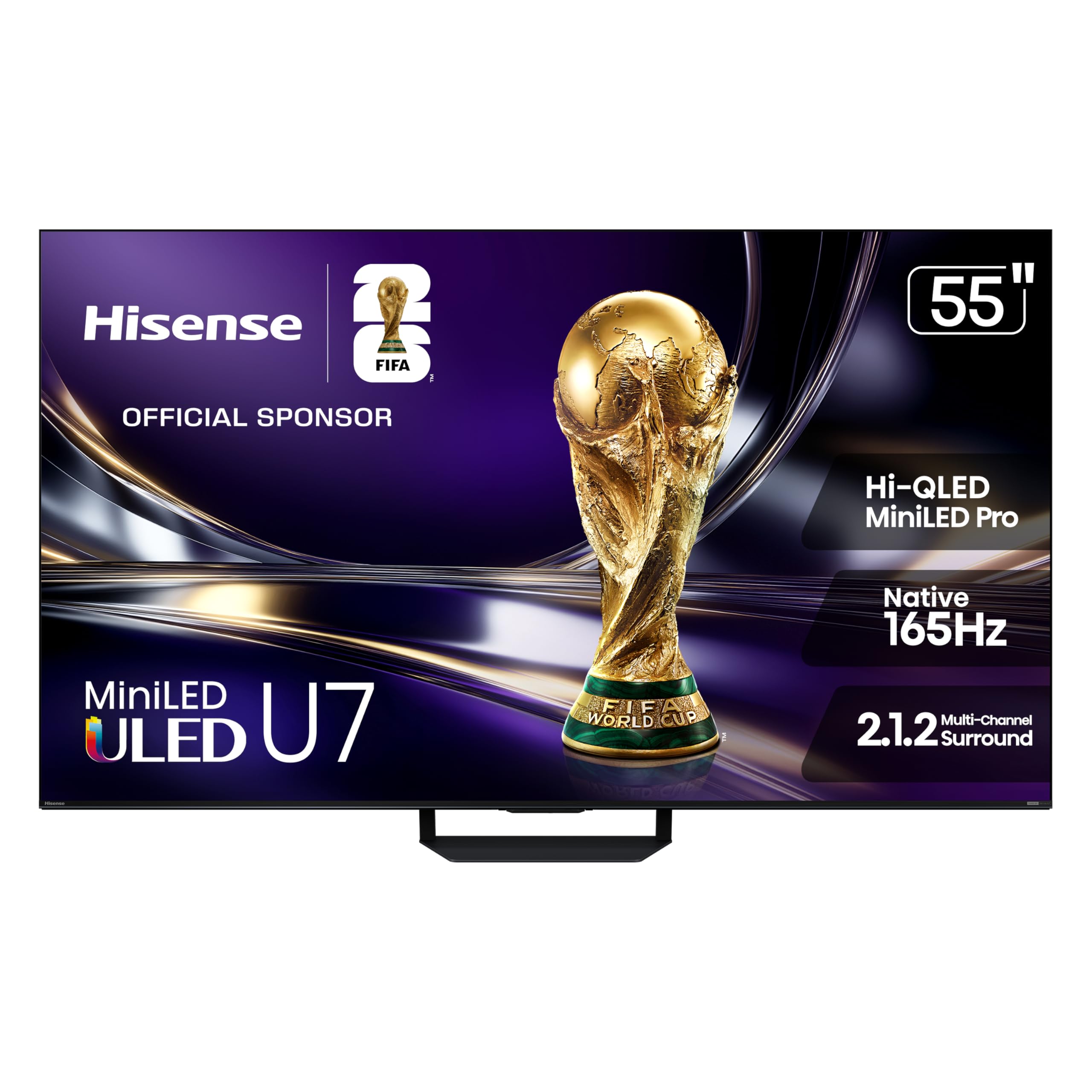
This is the most aggressive hardware package at the top of the budget, offering a native 165Hz panel with a 330Hz VRR ceiling that no other set at this price touches. The Mini-LED Pro backlight combined with up to 3000 local dimming zones produces measured peak brightness around 3000 nits, which gives HDR specular highlights incredible pop even in a sunlit living room. The Hi-QLED color volume is Pantone-validated, meaning skin tones and foliage maintain natural saturation without artificial clipping.
The anti-reflection layer is a dual-layer treatment that cuts glare far better than the single-layer coatings on most mid-range TVs, so reflections from windows or overhead lights stay diffuse rather than sharp. Gamers will appreciate the native 165Hz fluidity—competitive shooters feel responsive with no perceptible motion blur, and the VRR range (48–165Hz) covers both console and PC frame rate drops gracefully. The 2.1.2 channel speaker system with Dolby Atmos delivers a wide soundstage, though a dedicated soundbar still improves bass depth.
Google TV runs snappily on the Hi-View AI Engine Pro, and the interface remained responsive through heavy app-switching during testing. The only drawback is that the 55-inch version uses fewer local dimming zones than the larger sizes, but it still outperforms competitors like the TCL Q7 in zone count per inch. Overall, this is the closest you can get to premium Mini-LED performance without crossing the four-figure mark.
Why it’s great
- Industry-leading 165Hz native refresh rate
- Excellent anti-glare layer for bright rooms
- Strong HDR brightness with deep black levels
Good to know
- 55-inch variant has fewer dimming zones than larger models
- Built-in sound benefits from an external soundbar
2. Samsung 55″ S90F (2025 Model)

The S90F is a QD-OLED panel, which is fundamentally different technology from the Mini-LED sets in this list. Instead of a backlight, each pixel emits its own light, so you get perfect black levels with zero blooming and a contrast ratio that is effectively infinite. The NQ4 AI Gen3 processor with 128 neural networks handles 4K upscaling from lower-resolution sources impressively, sharpening detail in SD cable content without introducing digital artifacts.
Color volume is a step above any LCD TV—QD-OLED delivers richer reds and greens at high brightness, which makes HDR movies and games look more vivid and three-dimensional. The 144Hz native refresh rate with Motion Xcelerator ensures 4K 120Hz gaming is fluid, and the low input lag makes it viable for competitive play. The Samsung Gaming Hub centralizes cloud gaming services like Xbox Game Pass and GeForce Now, so you can play without a console attached.
There are notable compromises for this budget: the TV uses an external OneConnect-like box for inputs, and the remote is a minimalist solar-powered unit with very few physical buttons, which some users find frustrating for quick volume adjustments. The anti-reflective coating is more delicate than typical glass surfaces and can be scratched by aggressive cleaning. Still, if picture purity is your priority, no other set at this price matches the S90F’s per-pixel contrast.
Why it’s great
- Perfect black levels with zero blooming
- Superior color volume and HDR performance
- Excellent motion handling at 144Hz
Good to know
- Fragile screen coating; careful cleaning required
- Minimalist remote lacks dedicated volume buttons
3. Toshiba 55″ Z670R Mini-LED (2026)
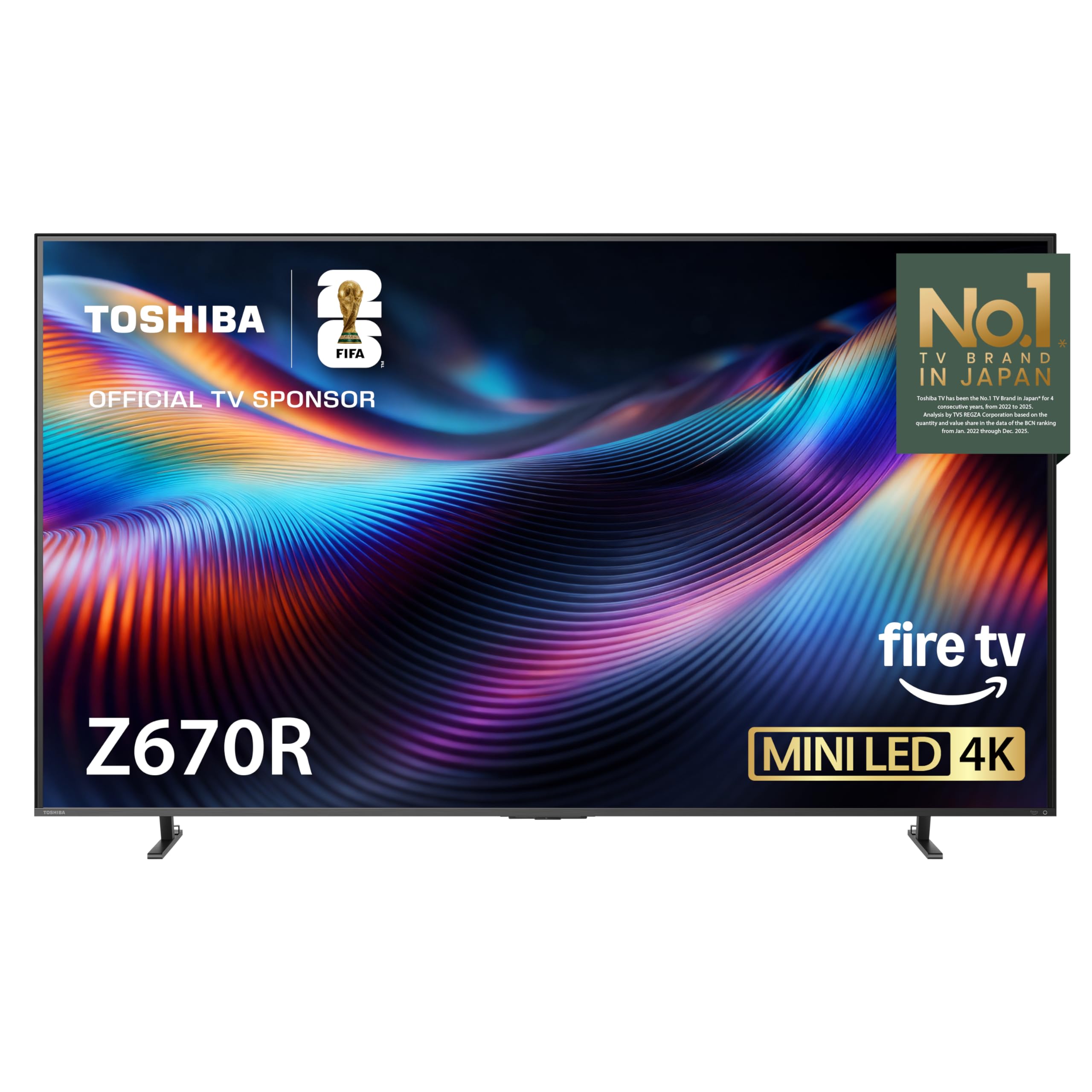
Toshiba’s 2026 Mini-LED entry combines a native 144Hz panel with full-array local dimming and the third-generation REGZA Engine ZRi, a processor tuned in Japan specifically for this line. The result is a TV that handles fast motion and HDR with a natural, unprocessed look—skin tones stay realistic, and shadow detail in dark scenes remains visible without crushing blacks. The QLED color layer covers over a billion shades, and HDR10+ Adaptive adjusts brightness in real time based on room lighting.
The built-in REGZA Power Audio Pro system includes a dedicated bass woofer, giving it noticeably deeper low-end than most flat panels. Explosions in action movies and the kick drum in music content have physical weight that edge-speaker TVs cannot reproduce. Fire TV is integrated as the smart platform, and the Alexa voice remote works reliably for content search and smart home control. The interface does occasionally lag when launching demanding apps, but it is generally responsive.
Gamers will appreciate AMD FreeSync Premium, VRR up to 144Hz, and ALLM for low-latency play. The design is minimalist with a refined, Japan-influenced aesthetic that blends into most living rooms without sticking out. The main limitation is that the 55-inch version has fewer dimming zones than the 65-inch and larger models, so blooming around bright subtitles is slightly more visible, but it remains excellent for the price tier.
Why it’s great
- Natural, well-calibrated picture processing
- Dedicated bass woofer for deep sound
- Strong gaming feature set with FreeSync Premium
Good to know
- Fire TV interface can lag during heavy app loads
- 55-inch model has fewer dimming zones than larger sizes
4. iFFALCON 55″ 4K MiniLED (55U85)
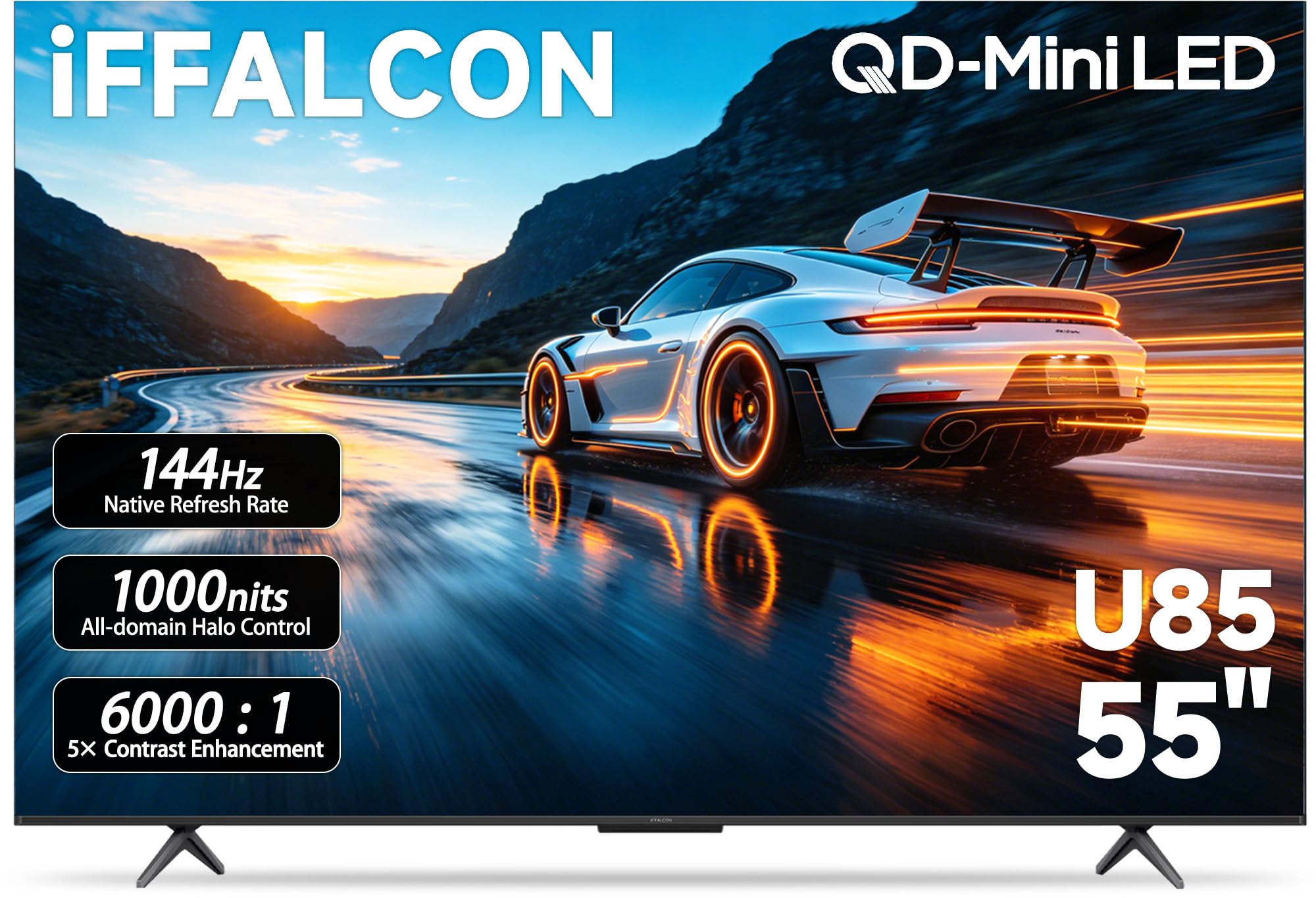
The iFFALCON 55U85 is built around a native 144Hz Mini-LED panel with VRR extending up to 288Hz and FreeSync Premium Pro certification. What sets it apart from nearly every other set at this budget is the inclusion of four HDMI 2.1 ports—two operate at 4K 144Hz for console and PC, and two run 4K 60Hz for streaming devices or a soundbar. This connectivity density means you can hook up a PS5, Xbox Series X, gaming PC, and a soundbar all at once without unplugging anything.
The panel reaches roughly 1000 nits peak brightness with a 6000:1 contrast ratio, and the Mini-LED local dimming handles blooming reasonably well for the zone count. Dolby Vision Gaming and Dolby Vision IQ adjust HDR automatically based on ambient light, which works well for mixed-use rooms. The 50W 2.1-channel audio system with a dedicated woofer produces clear dialogue and decent bass, though it still benefits from an external soundbar for fully cinematic volume.
Google TV is the smart platform here, and it runs fast on the processor with snappy app launches. The built-in hotel mode, IR blaster, and IP control are unique extras that make this TV suitable for Airbnb properties or commercial installations. The only significant downside is that the chassis is slightly thicker than competing models, and some units have experienced firmware flicker issues, though they seem to be isolated rather than widespread.
Why it’s great
- Four HDMI 2.1 ports for multi-device setups
- Native 144Hz with VRR up to 288Hz
- Built-in hotel mode and IP control
Good to know
- Chassis is thicker than slim competitors
- Occasional firmware-related flicker reported
5. TCL 55″ Q7 QLED (55Q750G)

The TCL Q7 uses Full Array Pro Local Dimming with over 200 zones, which is significantly more than most QLED sets at this price point. The benefit is immediately visible in letterboxed movies and dark gaming scenes—stars against a black sky stay pin-sharp with minimal blooming, and subtitles do not wash out surrounding shadows. The panel is a native 120Hz with Game Accelerator 240, so VRR can hit 240Hz at lower resolutions for competitive PC gaming.
Quantum Dot technology covers over 98% of the DCI-P3 color gamut, making reds and oranges in HDR content notably more saturated than standard LED TVs. The HighBright Pro backlight pushes enough luminance for Dolby Vision content to look punchy, though it does not match the peak brightness of the higher-end Hisense or Mini-LED options. Motion Rate 480 with MEMC frame insertion smooths panning shots without the soap-opera effect becoming distracting when properly dialed in.
Google TV is the operating system, and it includes built-in Chromecast and Apple AirPlay for easy casting. The remote includes a backlit keyboard, which is a rare convenience at this tier. The main trade-off is that the TV is not the brightest in the room—if your living area has direct afternoon sunlight hitting the screen, reflections will be more noticeable than on the Hisense U7 or a Mini-LED model with stronger brightness.
Why it’s great
- 200+ local dimming zones for deep blacks
- Excellent color coverage above 98% DCI-P3
- Backlit remote included with keyboard
Good to know
- Moderate peak brightness; not ideal for sunny rooms
- Smart TV interface has promotional ads
6. TCL 55″ T7 QLED (2025 Model)

The T7 is TCL’s mid-range QLED offering for 2025, and it succeeds by packing a 120Hz panel with VRR up to 144Hz into a chassis that stays below the mid-range price point. The AIPQ Pro processor handles 4K upscaling competently, improving the clarity of 1080p cable and streaming content without introducing excessive sharpening halos. The QLED quantum dot layer gives the TV a rich, saturated color palette that is particularly striking for animated films and nature documentaries.
Dolby Vision HDR content looks vibrant and controlled, and HDR10+ support ensures compatibility with Amazon Prime and other streaming sources. The TV includes four HDMI inputs, one with eARC, so connecting a soundbar and multiple consoles is straightforward. The Motion Rate 480 with MEMC frame insertion does smooth 24p film judder, but some users may notice the interpolation effect during panning shots—it is adjustable in settings.
Google TV with Chromecast built-in and Apple AirPlay makes casting seamless. The TV is relatively lightweight for a 55-inch panel, making wall mounting a one-person job with a standard VESA mount. The main downside is that the T7 uses a Direct LED backlight rather than full-array local dimming, so black levels suffer in dark rooms—blooming around bright elements is noticeable compared to the more expensive Q7 or Mini-LED alternatives.
Why it’s great
- Strong QLED color accuracy for the price
- Native 120Hz with 144Hz VRR capability
- Light and easy to mount with standard VESA
Good to know
- No full-array local dimming; blooming visible in dark scenes
- Motion interpolation may need adjustment for purists
7. LG 55″ QNED AI 4K (55QNED82AUA)

LG’s 2025 QNED entry is defined by the Alpha 7 AI Processor Gen8, which excels at refining picture detail and performing dynamic tone mapping across all content. The 4K Super Upscaling is among the best at this tier—1080p YouTube content and standard cable broadcasts appear noticeably sharper with reduced noise compared to most competing budget processors. Dynamic QNED Color delivers 100% color volume across the brightness range, meaning colors do not wash out when the scene gets bright.
Filmmaker Mode preserves director-intended colors, frame rates, and aspect ratios, which is a welcome feature for home theater enthusiasts. The webOS platform is LG’s proprietary smart TV interface, and it remains one of the smoothest and most intuitive operating systems in the industry, with quick app switching and a customizable home screen. LG Channels offer over 350 free channels with thousands of on-demand titles, reducing reliance on external streaming subscriptions.
The 60Hz panel is a notable limitation—gaming on PS5 or Xbox Series X is capped at 4K 60Hz, so you miss the fluidity of 120Hz gaming that the Hisense or iFFALCON provide. The four HDMI 2.0 ports also lack the bandwidth for 4K 120Hz, making this a poor choice for competitive gamers. For movie watchers and casual users who prioritize upscaling quality and smart TV stability, however, this is a compelling package.
Why it’s great
- Exceptional 4K upscaling from lower-resolution sources
- Smooth and intuitive webOS platform with free channels
- Filmmaker Mode for accurate cinematic viewing
Good to know
- Only a 60Hz panel, no 120Hz for gaming
- HDMI 2.0 ports lack 4K 120Hz bandwidth
8. Samsung 55″ M70H Mini LED (2026 Model)
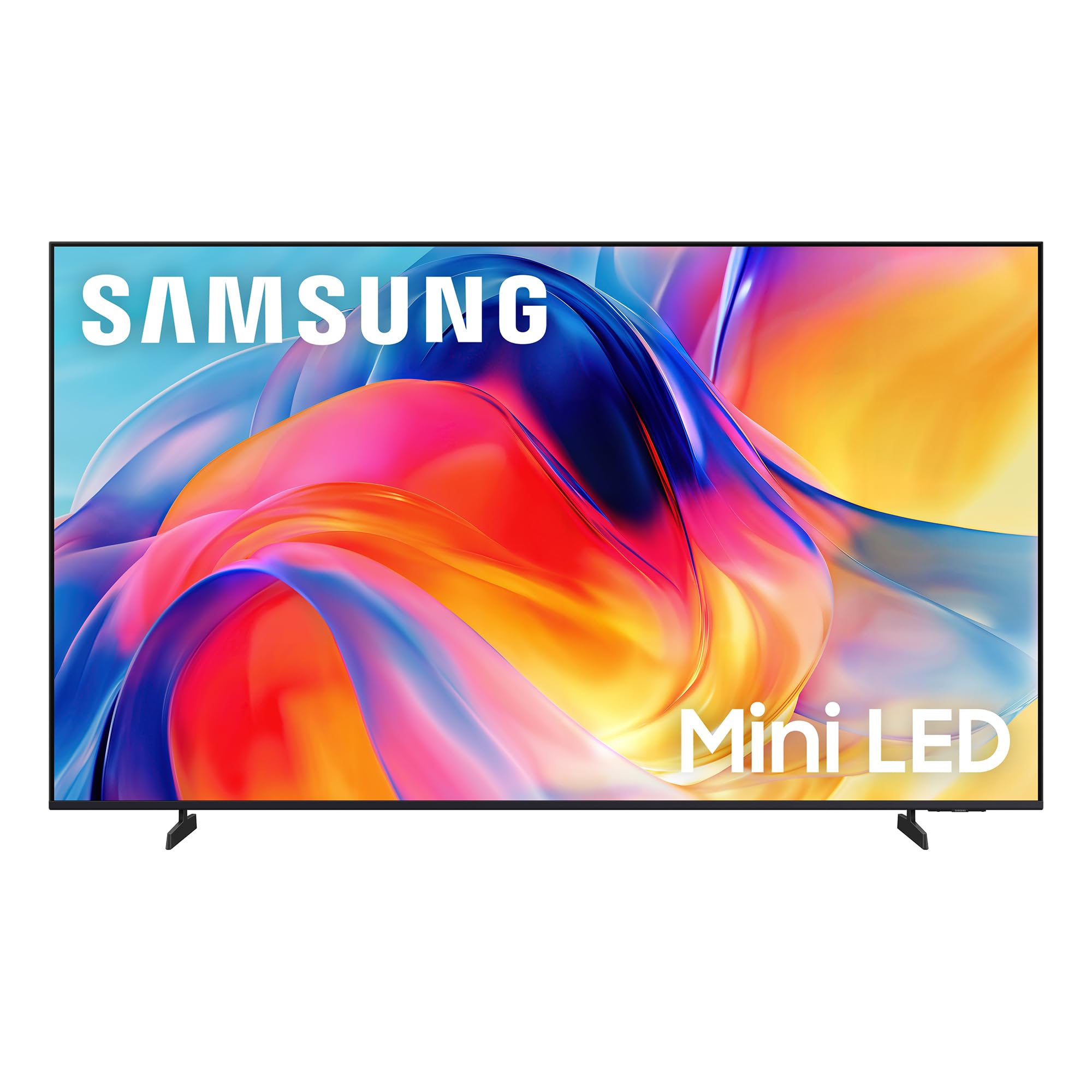
The M70H series integrates Samsung Vision AI Companion, which uses the NQ4 processor to analyze content and automatically adjust picture settings. Pure Spectrum Color with Mini-LED precision delivers a billion true-to-life colors, and the Mini-LED HDR performance provides brighter highlights and deeper blacks than conventional LED panels. The 2026 model includes Samsung TV Plus with over 2700 free streaming options and 750+ subscription-free channels, which is a strong alternative to paying for live TV services.
Motion Xcelerator with DLG 120Hz provides smoother motion for sports and fast-paced content, though the panel itself is a native 60Hz, so the 120Hz effect is achieved through display-level gaming (DLG) which halves vertical resolution. Soccer Mode optimizes settings for pitch sports, delivering 40% clearer motion and 30% more vibrant greens for realistic turf. The Gaming Hub centralizes cloud and console gaming in one interface, making it easy to jump between services.
The startup time can be slower than competing models—some users report 10-12 seconds from power-on to picture, and the TV defaults to Samsung TV Plus rather than the last used input, which requires a deep-menu setting change to correct. The remote is simplified with fewer buttons, which some find limiting for quick input switching. The picture quality itself is strong for the price, but the operating system quirks may frustrate users who want a fast, no-nonsense experience.
Why it’s great
- Extensive free Samsung TV Plus channel library
- Mini-LED backlight with good contrast and color
- Vision AI adjusts settings based on content
Good to know
- Slow 10-12 second startup time
- Default input behavior requires settings adjustment
9. Amazon Ember 55″ QLED Series (Newest Model)
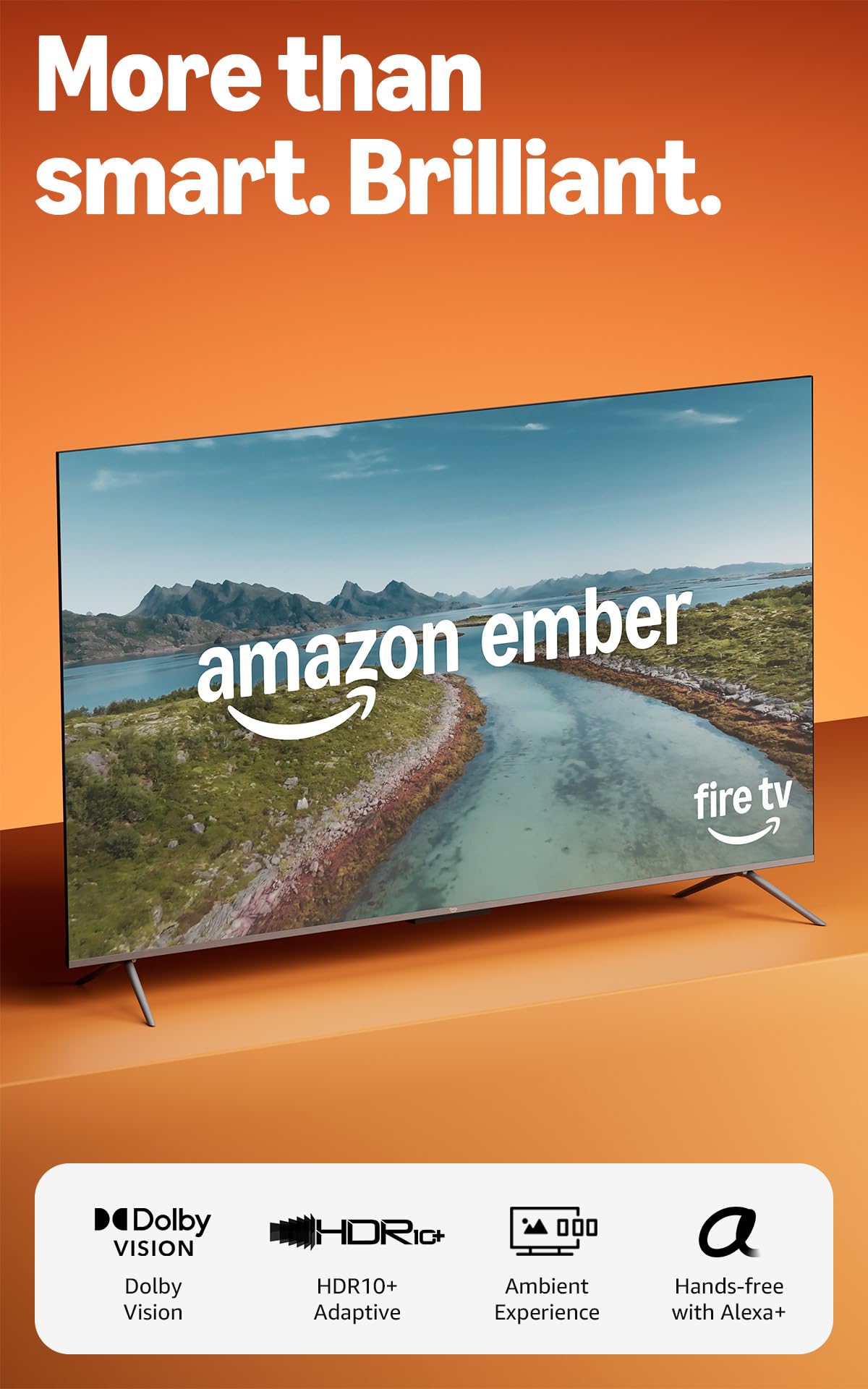
The Amazon Ember QLED Series prioritizes tight Alexa+ integration above all else. The quad-core processor and Wi-Fi 6 connectivity ensure that apps open quickly and streaming remains stable even on busy home networks. Dolby Vision and HDR10+ Adaptive work with the full-array local dimming to produce deeper blacks and brighter whites than edge-lit competitors, though the zone count is not as high as the TCL Q7 or Hisense U7. The Omnisense technology wakes the display when you enter the room, showing artwork or readying the interface instantly.
Hands-free Alexa voice control works even when the screen is off, so you can set timers, check weather, or control smart home devices without reaching for the remote. The Fire TV interface surfaces content from hundreds of thousands of movies and TV episodes, including free ad-supported options, and the integration with Amazon Luna for cloud gaming means you can play premium games without a console. The TV includes four HDMI inputs and AirPlay support for Apple device casting.
Some users note that the picture definition is not as crisp as premium alternatives, particularly with lower-resolution cable broadcasts where the upscaling is less effective than LG’s Alpha 7 or Samsung’s NQ4 processors. The built-in speakers are decent for dialogue but lack bass depth, so a soundbar is recommended for movie watching. For households deeply embedded in the Amazon ecosystem, the hands-free voice control and seamless Alexa integration make this a compelling choice despite the moderate picture quality.
Why it’s great
- Best-in-class Alexa+ voice integration
- Fast Wi-Fi 6 and quad-core processor
- Omnisense wake technology for instant use
Good to know
- Picture upscaling is not as sharp as competitors
- Built-in speakers lack bass depth
10. Roku 55″ Plus Series Mini-LED
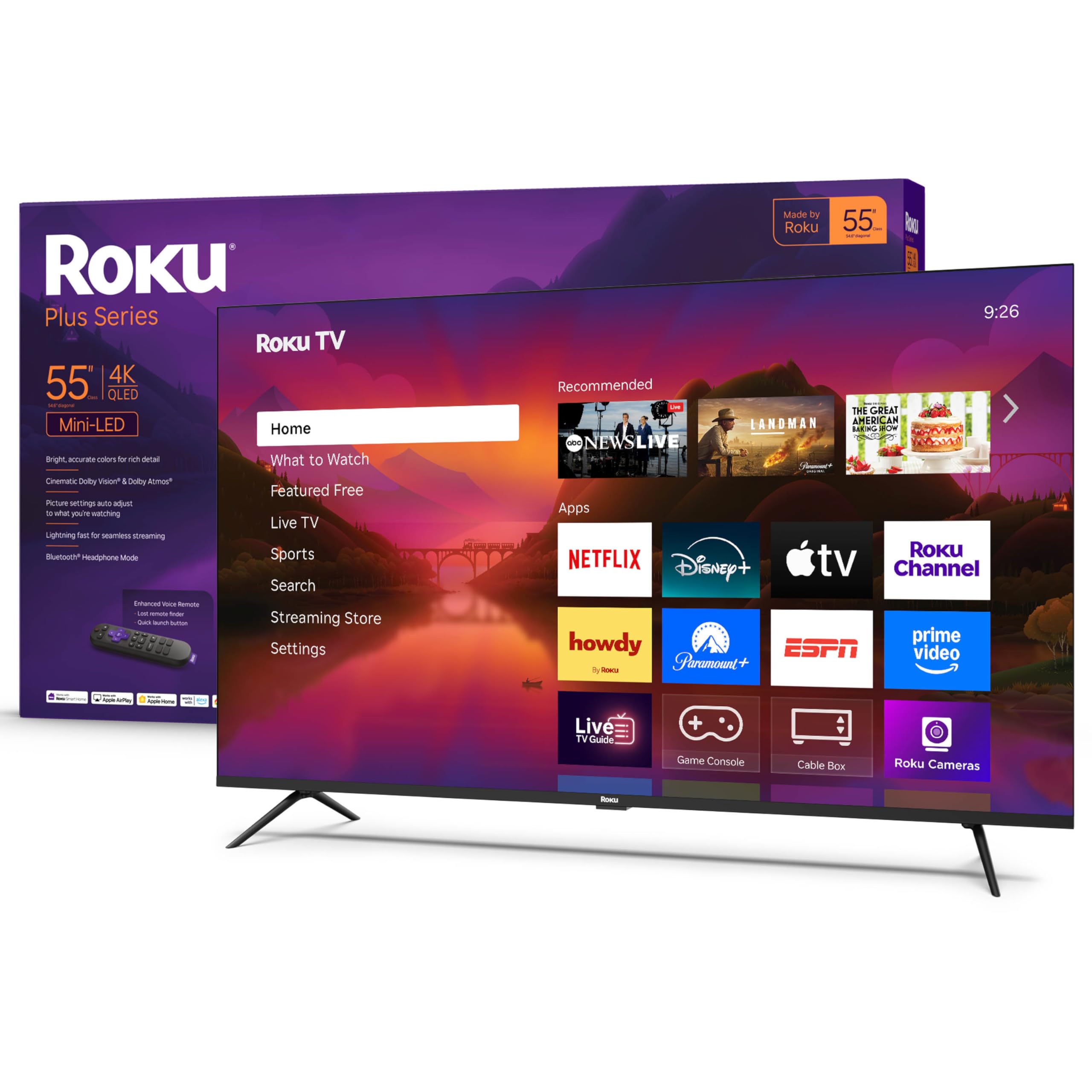
The Roku Plus Series 55-inch combines Mini-LED backlighting with a QLED panel and Dolby Vision support, all running on Roku’s intentionally simple operating system. There are over 500 free Roku TV channels with live in-season shows, hit movies, weather, and local news, reducing the need for an external streaming device.
The Enhanced Voice Remote supports hands-free search across thousands of apps, and the lost remote finder feature is genuinely useful in a household that moves cushions around. Roku Smart Picture Max uses AI to clean up incoming TV signals, optimizing sharpness and color automatically for each scene. The Dolby Atmos audio system includes a built-in subwoofer for cinematic sound, and Bluetooth Headphone Mode lets you listen privately without waking others.
The primary drawback is that the USB port keeps powered for approximately 10 minutes after the TV is turned off, which can cause bias lighting strips to stay lit longer than desired. The 60Hz panel also means no 120Hz gaming, so console gamers aiming for smooth 4K 120fps will need to look elsewhere. For the price, the combination of Mini-LED contrast, Roku’s intuitive interface, and strong built-in audio makes this the best value proposition in the budget tier.
Why it’s great
- Best-in-class Roku OS simplicity and speed
- Mini-LED + QLED produces strong HDR performance
- Built-in subwoofer and Bluetooth headphone mode
Good to know
- USB port stays powered for 10 minutes after shutdown
- 60Hz panel caps gaming at 4K 60Hz
11. Panasonic 55″ W70 Series (2025 Model)
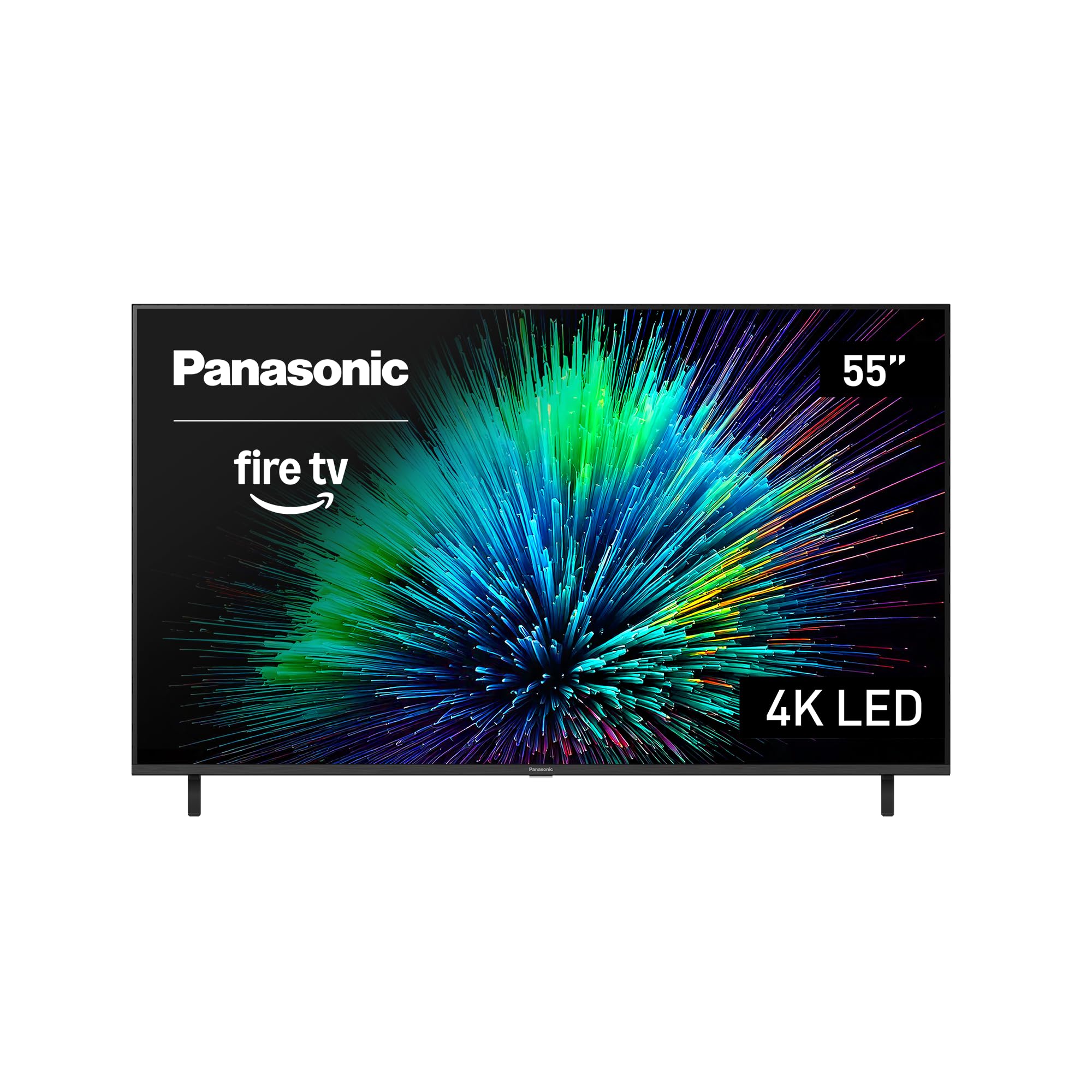
Panasonic re-enters the North American TV market with the W70 Series, which bundles the Fire TV platform into a 4K LED panel with HDR10+, HDR10, and HLG support. The HDR Bright Panel powered by the 4K Studio Color Engine provides decent color reproduction for the entry-level price, and the MEMC technology smooths motion for sports and fast-paced content. Build quality includes metal stands, which give the TV a more substantial feel than all-plastic budget alternatives.
Connectivity is generous with four HDMI ports including one HDMI 2.1 port, plus Bluetooth 5.0 support for wireless speakers and headphones. The Press and Ask Alexa voice remote makes content discovery straightforward, and Fire TV integrates seamlessly with Amazon Prime, Netflix, Disney+, and other major streaming services. Setup is quick, with QR code pairing for existing Fire TV users allowing a fully operational TV in under 10 minutes.
The Fire TV operating system has been reported to be slower than dedicated streaming devices, with some users experiencing buffering and lag even on fast internet connections. Several reviews mention the processor feels underpowered for the smart TV demands, and some units have arrived with defects or developed issues within weeks. For buyers who just need a working 4K TV for basic streaming and are willing to tolerate occasional OS sluggishness, the Panasonic W70 is a functional entry-level choice.
Why it’s great
- Includes HDMI 2.1 port for modern consoles
- Easy 10-minute setup for Fire TV users
- Sturdy build with metal stands
Good to know
- Fire TV OS can be slow and laggy
- Some units have quality control issues
FAQ
Can I get true 4K 120Hz gaming on a 55-inch TV under this budget?
What is the practical difference between Mini-LED and OLED in this price range?
Which smart TV platform has the fastest app loading times?
Final Thoughts: The Verdict
For most users, the 55 inch tv under $1000 winner is the Hisense 55U7SG because it combines a native 165Hz refresh rate, thousands of Mini-LED local dimming zones, and excellent anti-glare technology that is unmatched at this price. If you want the purest picture with perfect blacks and infinite contrast, grab the Samsung S90F for its QD-OLED panel. And for multi-console gamers who need multiple HDMI 2.1 ports without sacrificing refresh rate, nothing beats the iFFALCON 55U85.

Mo Maruf
I created WellFizz to bridge the gap between vague wellness advice and actionable solutions. My mission is simple: to decode the research and give you practical tools you can actually use.
Beyond the data, I am a passionate traveler. I believe that stepping away from the screen to explore new environments is essential for mental clarity and physical vitality.