Our readers keep the lights on and my smoothie glass nicely filled. As an Amazon Associate, I earn from qualifying purchases.
Keeping a container garden vibrant through shifting seasons demands plants that don’t just survive but actively bloom or hold structure across multiple months. You need specimens that transition gracefully from spring showers to summer heat and into autumn’s shorter days without the constant swapping that turns potting into a full-time chore.
I’m Mohammad Maruf — the founder and writer behind WellFizz. I’ve spent years analyzing plant hardiness data, pot compatibility, and seasonal performance metrics to identify which varieties deliver continuous visual payoff without high-maintenance routines.
This guide breaks down the top contenders that truly earn their spot in your containers. Whether you want pollinator-friendly flowers, fragrant foliage, or fast-growing privacy screens, you’ll find reliable options here. After careful evaluation, I’m confident this is the definitive resource for finding the best all year round plants for pots.
How To Choose The Best All Year Round Plants For Pots
Selecting plants that deliver continuous container interest requires more than just picking a pretty flower. You must evaluate hardiness zone tolerance, seasonal bloom windows, and the plant’s ability to thrive in confined root space. The wrong choice leaves you with a pot that peaks for two weeks and fades, forcing replanting cycles that drain time and money.
Evaluate Bloom Period and Reblooming Capacity
Look for varieties that flower across multiple seasons rather than a single short burst. Perennials like Black-Eyed Susan bloom from mid-summer into autumn, while Lantana produces flowers from spring through first frost in many zones. A long bloom window reduces the gaps where your pot sits bare.
Match USDA Hardiness Zone to Your Location
Your USDA zone determines whether a plant survives winter in the pot or needs to be treated as an annual. Pineapple Sage is perennial in zones 8-10 but becomes a tender annual in colder regions. Evergreen Thuja Green Giant thrives in zones 5-9, providing winter structure. Always verify the zone range before purchasing.
Assess Growth Habit and Mature Size
Container plants must stay proportionate to their pot. A Black-Eyed Susan that reaches 3 feet fits a large planter, while a 40-foot Thuja requires substantial root volume and eventual ground planting. Check the mature height and spread to avoid root-bound plants that underperform.
Check Pollinator and Pest Management Benefits
Lantana naturally deters mosquitoes while attracting hummingbirds and butterflies, offering dual utility. If you garden near seating areas, mosquito-repelling properties add practical value. Choose plants that support beneficial insects to improve your entire outdoor ecosystem.
Quick Comparison
On smaller screens, swipe sideways to see the full table.
| Model | Category | Best For | Key Spec | Amazon |
|---|---|---|---|---|
| Clovers Garden Lantana | Flowering Perennial | Long bloom season in pots | Bloom period spring to frost | Amazon |
| Bonnie Plants Pineapple Sage | Scented Herb | Fragrant foliage & tea garnish | Mature height 3-4 ft | Amazon |
| Great Big Roses Fertilizer | Soil Booster | Root development & bloom boost | Concentrate makes 8 gallons | Amazon |
| Greenwood Black-Eyed Susan | True Perennial | Returning color year after year | Hardy zones 4-9 | Amazon |
| Thuja Green Giant Arborvitae | Evergreen Screen | Fast privacy & winter structure | Grows 3 ft per year | Amazon |
In‑Depth Reviews
1. Clovers Garden Lantana Camara Flowers
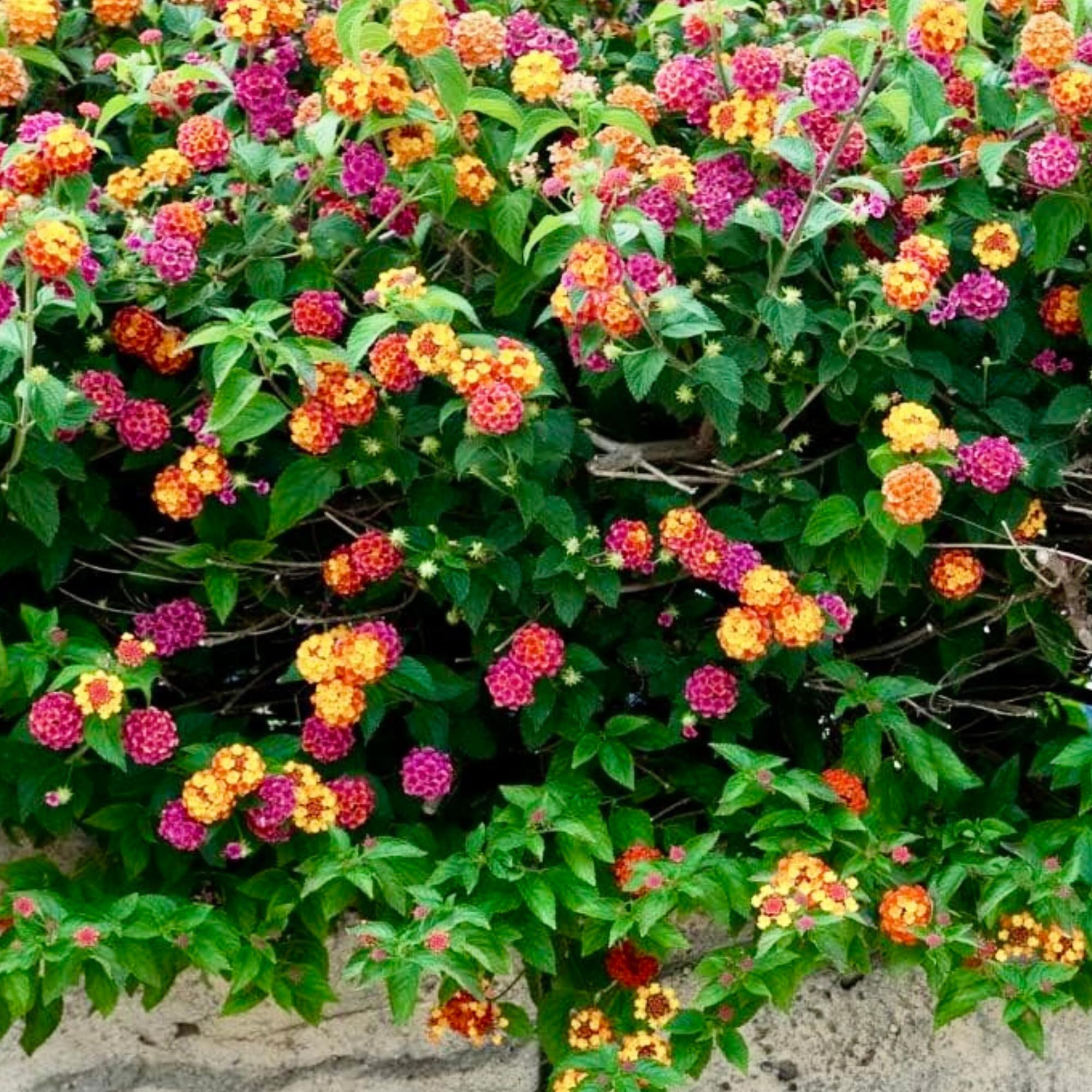
This Lantana delivers exactly what container gardeners need: a non-stop bloomer that keeps producing flowers from late spring straight through the first autumn frost. Each plant arrives 4 to 8 inches tall in a 4-inch pot, already established with a 10x root development system that gives it a strong head start. The assorted color mix means every pot feels like a surprise, and since Lantana thrives in full sun, it handles the hottest patio spots without wilting.
Beyond the visual appeal, this plant pulls double duty as a natural mosquito deterrent while attracting hummingbirds and butterflies. That combination makes it a smart choice for any seating area where you want both color and functional pest management. The Clovers Garden packaging uses eco-friendly materials, and the plants are grown in the Midwest without neonicotinoids, so you’re getting clean, resilient stock.
Gardeners across all US zones can grow Lantana — treat it as a tender annual in zones 9 and colder, and it will still flower through the entire warm season. The regular watering needs are easy to manage, and the plants respond quickly to deadheading, encouraging even denser blooms. For a pot that stays lively for months without fuss, this is the clear front-runner.
Why it’s great
- Blooms continuously from spring until frost
- Natural mosquito repellent that draws in pollinators
- Strong root system from day one
Good to know
- Regular watering required — don’t let it dry out completely
- Treat as annual in zones 9 and colder for full-season performance
2. Greenwood Nursery Black-Eyed Susan Rudbeckia
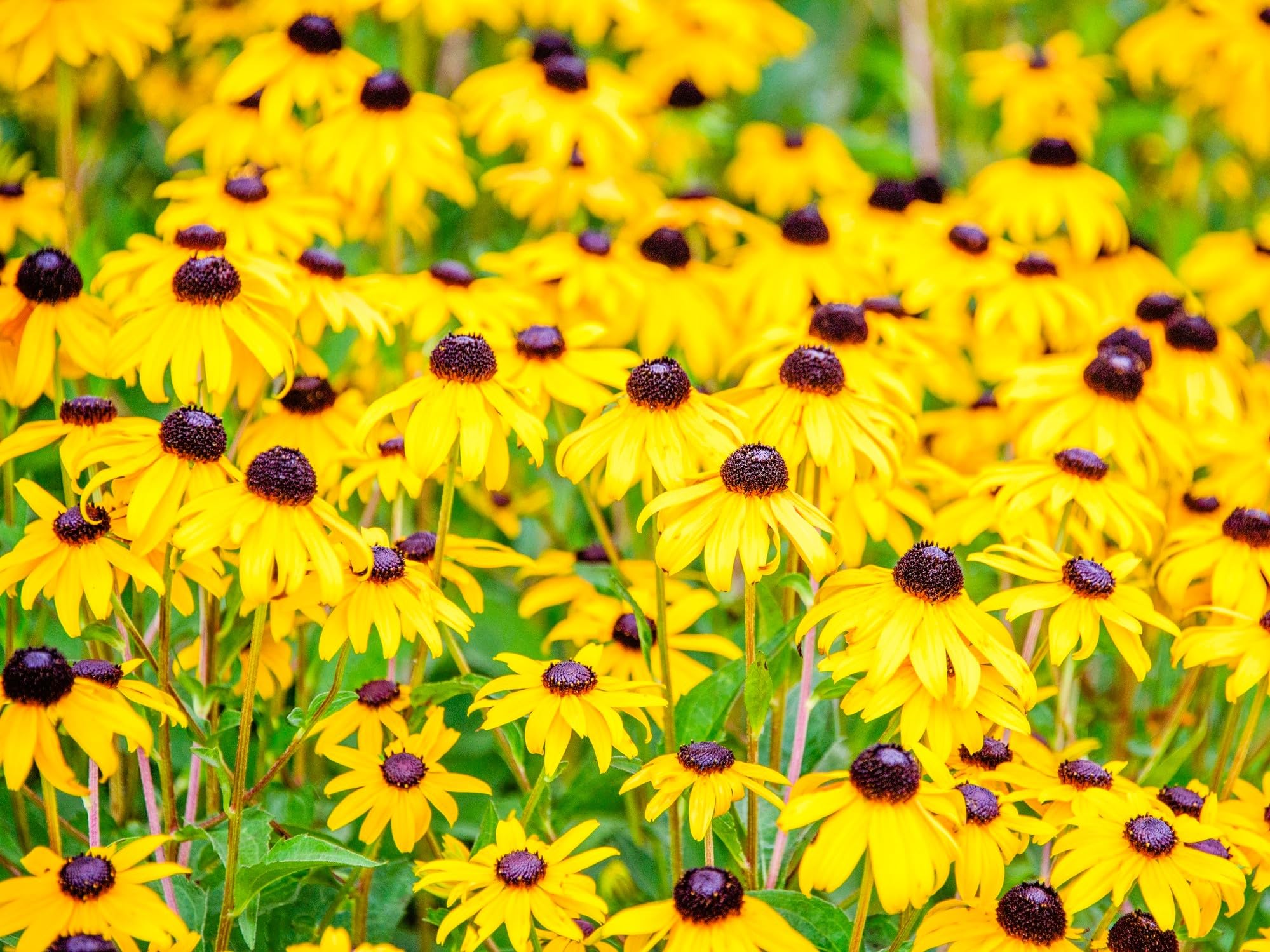
True perennials are rare in the container world, but this Black-Eyed Susan from Greenwood Nursery is the real deal — returning larger each year and delivering reliable golden-yellow blooms from mid-summer to autumn. Each 2-pack comes in pint pots with carefully maintained soil moisture, and the plants are inspected, trimmed, and sleeved in craft paper before shipping. The 2 to 3-foot mature height fits nicely into medium to large containers without overwhelming the pot.
This North American native is naturally deer-proof and rabbit-proof, which removes a major frustration for anyone who has watched ornamentals get demolished overnight. The flowers attract butterflies while resisting common garden pests, giving you color without constant defense. Greenwood Nursery backs the order with a 14-day guarantee, and their packing method — using corrugated boxes with crunched craft paper and air pillows — means the plants arrive with their structure intact.
Space them about 18 inches apart in full sun to partial shade, and deadhead regularly to stretch the bloom season into early fall. The peat-based soil mix holds moisture well, but moderate watering is key to avoid root rot. For a pot that comes back stronger every spring, this Rudbeckia is a long-term investment that pays off in sheer flower volume.
Why it’s great
- True perennial returns and expands each year
- Deer and rabbit resistant with butterfly appeal
- Expert packaging with 14-day nursery guarantee
Good to know
- Needs moderate watering — avoid soggy soil
- Deadheading required to maximize bloom window
3. Bonnie Plants Pineapple Sage 4-Pack

Pineapple Sage offers something most container plants don’t: intensely fragrant foliage that smells like fresh pineapple without any fruit on the plant. This 4-pack from Bonnie Plants ships as live starts, and each one reaches 3 to 4 feet tall in a single season, making it a substantial presence in any pot. The nectar-rich red flowers appear in late summer and early fall, perfectly timed to feed migrating hummingbirds and butterflies when other blooms are fading.
The culinary versatility sets it apart — you can snip leaves for tea garnish, use them in flower arrangements, or add them to salads for a tropical hint. It’s perennial in zones 8-10, and gardeners in zones 6-7 can grow it as a tender perennial that may return with winter protection. Customer reports note that the individual pot packaging keeps each plant secure during transit, and proper spacing prevents the rapid growth from becoming overcrowded.
The biggest learning curve is watering: the root cores are smaller than the top growth suggests, so heavy watering can drown them quickly. One reviewer lost all four plants to overwatering, so err on the dry side until you see active growth. For a pot that offers scent, edible leaves, and late-season pollinator support, this Sage is a unique addition.
Why it’s great
- Strong pineapple fragrance from foliage
- Edible leaves for teas and garnish
- Late-season red flowers feed migrating hummingbirds
Good to know
- Overwatering is a common cause of failure
- Tender perennial outside zones 8-10
4. Great Big Roses Soil & Rose Fertilizer Booster
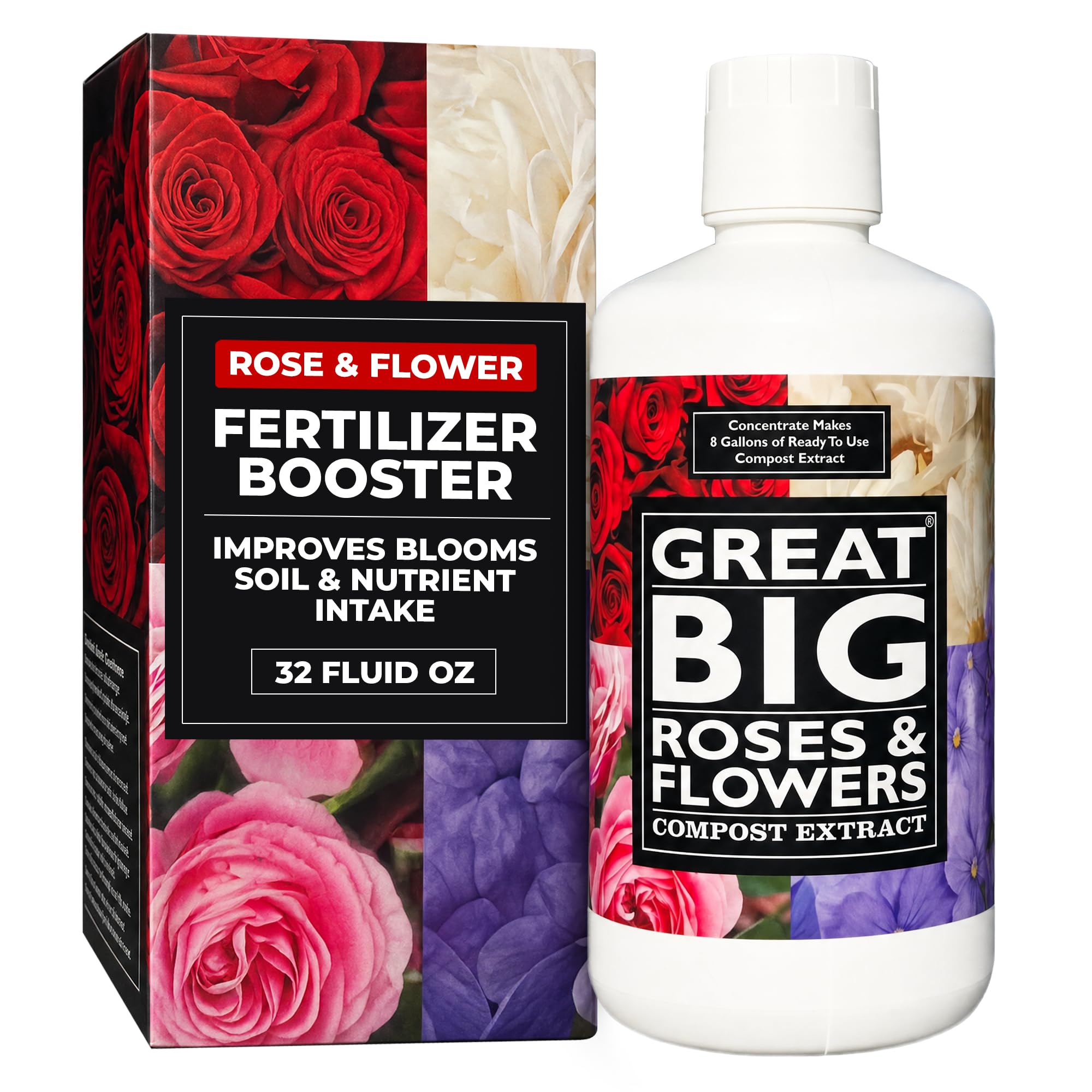
Your choice of plant is only half the equation — the soil it grows in determines whether that plant thrives through multiple seasons. This liquid concentrate from Great Big Plants works as a compost extract loaded with bioavailable humic acids, over 70 chelated trace minerals, and seaweed extract. Mix 4 ounces with a gallon of water and apply a pint around the base, and the formula immediately flows to the root zone to improve nutrient uptake and soil structure.
Users report dramatic increases in bud count, bloom size, and overall plant vigor within weeks of application, even after harsh winters or poor soil conditions. The concentrate yields 8 gallons of working solution, and each 32-ounce bottle covers a large container garden over several months. It’s designed specifically for roses and flowering plants, but gardeners report equally impressive results on hydrangeas and other heavy bloomers.
The one consistent complaint is the jug design — the wide mouth makes it easy to spill the viscous liquid when measuring, which stings given the premium price point. Pour slowly and use a funnel to avoid waste. For potted plants that need a boost to reach their full blooming potential, this booster delivers measurable results that justify the investment.
Why it’s great
- Significantly increases bud count and bloom size
- Contains humic acids, trace minerals, and seaweed
- Concentrate makes 8 gallons — long-lasting use
Good to know
- Jug mouth is wide and prone to spills
- Premium pricing; measure carefully to avoid waste
5. Thuja Green Giant Arborvitae (10-Pack)

For container gardeners who want evergreen structure that stays green through winter, this 10-pack of Thuja Green Giant delivers an incredible value. Each tree ships as a potted plant in its own soil and container, standing 7 to 10 inches tall at arrival. Once established, these arborvitaes grow a remarkable 3 feet per year, quickly creating a living privacy screen or a dense green anchor for large patio pots.
The hardiness range covers zones 5 through 9, making them viable for a huge portion of the country. Space them 6 to 7 feet apart if you’re planting for a screen, or cluster several in a single large container for an instant evergreen statement. Customers in northern Missouri reported that the trees survived winter and doubled in size their first year with consistent drip irrigation and occasional feeding.
The main risk is transplant shock — several customers reported total failure when the trees were planted in full sun without proper hardening-off. The seller provides a 5-day guarantee for plants that arrive damaged, but after that, survival depends on your planting technique and zone. For a low-cost evergreen option that provides year-round foliage and rapid vertical growth, these Thuja trees are hard to beat.
Why it’s great
- Grows 3 feet per year for fast privacy screens
- Evergreen foliage keeps containers green all winter
- 10-pack offers excellent per-tree value
Good to know
- Requires hardening-off before full-sun planting
- Some trees may fail if not properly acclimated
FAQ
Can I keep potted plants alive through winter without moving them indoors?
How often should I water perennial potted plants for year-round growth?
What is the best pot size for perennials that return year after year?
Final Thoughts: The Verdict
For most users, the all year round plants for pots winner is the Clovers Garden Lantana because it blooms from spring to frost in nearly any zone, attracts pollinators, and naturally repels mosquitoes. If you want a true perennial that returns larger each year, grab the Greenwood Black-Eyed Susan. And for evergreen winter structure and rapid privacy growth, nothing beats the Thuja Green Giant Arborvitae.

Mo Maruf
I created WellFizz to bridge the gap between vague wellness advice and actionable solutions. My mission is simple: to decode the research and give you practical tools you can actually use.
Beyond the data, I am a passionate traveler. I believe that stepping away from the screen to explore new environments is essential for mental clarity and physical vitality.