Our readers keep the lights on and my smoothie glass nicely filled. As an Amazon Associate, I earn from qualifying purchases.
Managing seasonal allergies when you have asthma means walking a tightrope. The wrong antihistamine can trigger bronchospasm or interact poorly with your rescue inhaler, while ignoring symptoms like post-nasal drip and sinus pressure can worsen airway inflammation. You need relief that clears head congestion without drying out your lungs or causing drowsiness.
I’m Mohammad Maruf — the founder and writer behind WellFizz. I’ve analyzed dozens of OTC allergy formulas, cross-referencing active ingredients against asthma medication guidelines to identify which options offer the safest, most effective symptom control for asthmatic patients.
After evaluating five leading contenders across clinical efficacy, side-effect profiles, and non-drowsy formulations, I’ve identified the best options for asthmatics seeking round-the-clock relief. This detailed guide shows you the allergy medicine for asthmatics that balances potent symptom suppression with respiratory safety.
How To Choose The Best Allergy Medicine For Asthmatics
Asthmatics need allergy medications that treat upper-respiratory symptoms without triggering lower-airway constriction. The wrong active ingredient or delivery method can turn seasonal sniffles into a wheezing episode. Focus on these three factors before buying.
Corticosteroid Nasal Sprays vs. Oral Antihistamines
Nasal corticosteroids like fluticasone propionate are often preferred for asthmatics because they act locally inside the nasal passages, reducing systemic absorption. Oral antihistamines carry a small risk of drying mucus membranes, which can thicken lung secretions. For patients on maintenance inhalers, the local delivery of nasal sprays generally poses fewer drug-interaction risks.
Non-Drowsy Verification
Drowsiness from first-generation antihistamines (diphenhydramine, chlorpheniramine) can blunt your respiratory drive, making it harder to recognize early asthma symptoms. Second-generation options like loratadine and cetirizine are classified as non-drowsy, but check for individual sensitivity — a handful of users still experience sedation with loratadine.
Excipients and Dye-Free Formulations
Many oral allergy liquids contain artificial colors, preservatives, or alcohol that can irritate sensitive airways. Dye-free, alcohol-free, and sugar-free formulas reduce the risk of cough triggers and are safer for children with asthma. Always scan the inactive ingredients list for known bronchial irritants.
Quick Comparison
On smaller screens, swipe sideways to see the full table.
| Model | Category | Best For | Key Spec | Amazon |
|---|---|---|---|---|
| Flonase Allergy Relief Nasal Spray | Mid-Range | Post-nasal drip & sinus pressure | Fluticasone Propionate 50mcg, 72 sprays | Amazon |
| Claritin 24 Hour Allergy Tablets | Premium | Systemic oral control, quick tablet | Loratadine 10mg per tablet, 70 count | Amazon |
| HealthA2Z Allergy Relief Nasal Spray | Mid-Range | Budget-friendly long supply | Fluticasone Propionate 50mcg, 240 sprays (2-pack) | Amazon |
| GoodSense Children’s Allergy Oral Solution | Mid-Range | Children with asthma, ages 2+ | Loratadine 5mg/5mL, 8 oz, dye-free | Amazon |
| Nature’s Sunshine Seasonal Allergy Liquid | Premium | Herbal, alcohol-free alternative | 5-herb formula, vegetable glycerin base | Amazon |
In‑Depth Reviews
1. Flonase Allergy Relief Nasal Spray
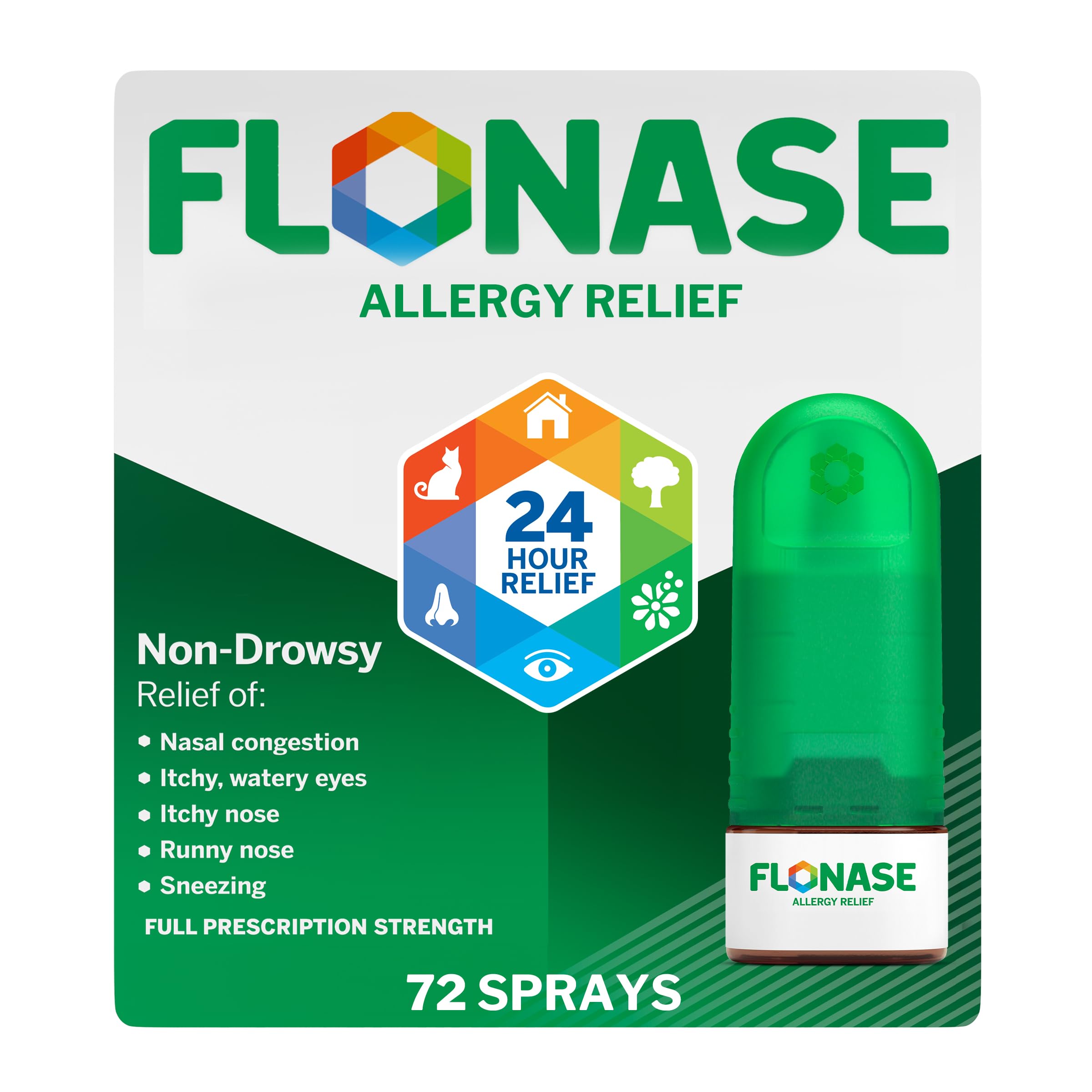
Flonase delivers 50mcg of fluticasone propionate per spray, the most prescribed allergy medication class in the US. For asthmatics, the key advantage is nasal-local action: the corticosteroid works directly on nasal mucosa to block the inflammatory cascade triggered by pollen, dust, and pet dander, without significant systemic absorption. This reduces the risk of oral corticosteroid side effects like adrenal suppression, which matters immensely if you already rely on inhaled steroids for asthma control.
Reviewers consistently report relief from post-nasal drip — a critical symptom for asthmatics, because untreated drip can irritate the throat and trigger reflex bronchospasm. One user noted that Flonase completely stopped a persistent cough that oral allergy pills had failed to touch. The fine mist mechanism coats the nasal passages without the drip sensation that some spray formulations cause, and the lilac-like scent is mild and non-irritating.
The 72-spray bottle lasts about 36 days if you follow the standard two-sprays-per-nostril-per-day loading dose. Users do report a roughly 20-minute onset window — this isn’t instant relief. For asthmatic patients, the delayed effect is manageable when you plan ahead of known allergen exposure. The metered dose system also delivers consistent actuation, avoiding clogs common with cheaper nozzles.
Why it’s great
- Localized corticosteroid action minimizes systemic side effects for asthmatics
- Effectively stops post-nasal drip that can worsen asthma symptoms
- Non-drowsy, metered-dose delivery with reliable spray volume
Good to know
- Requires daily use for about 5-7 days to reach full therapeutic effect
- Some users report mild taste in the back of the throat after spraying
2. Claritin 24 Hour Allergy Tablets

Claritin’s 10mg loratadine tablets represent the oral antihistamine gold standard for asthmatics. Loratadine is a second-generation antihistamine with minimal central nervous system penetration, meaning it very rarely causes drowsiness — a critical advantage for patients who need to maintain full awareness of their breathing. Unlike diphenhydramine, loratadine also does not significantly dry mucus membranes, so lung secretions stay mobile and easier to clear.
Clinical reviews highlight its coverage spectrum: Claritin suppresses sneezing, runny nose, itchy eyes, and throat irritation triggered by more than 200 allergens. For asthmatics, the throat and nose relief is particularly valuable because those symptoms often precede asthma exacerbations. The small tablet size makes it easy to swallow even during peak congestion, and the 70-count bottle provides a generous 70-day supply at one tablet per day.
One caveat: oral antihistamines address histamine-driven symptoms but do nothing for the nasal inflammation component that fluticasone targets. Asthmatics with significant nasal congestion may find better results pairing Claritin with a nasal spray. The loratadine onset is about 1-3 hours, slower than cetirizine but with a more reliable non-drowsy profile across users. Always confirm with your pulmonologist before combining with other oral medications.
Why it’s great
- Non-drowsy loratadine formulation with very low sedation rate
- Does not thicken lung secretions like first-generation antihistamines
- Compact tablets are easy to swallow; 70-tablet supply reduces refill frequency
Good to know
- Does not treat nasal congestion directly; pairs best with a corticosteroid spray
- Individual sensitivity may still produce mild drowsiness in some patients
3. HealthA2Z Allergy Relief Nasal Spray (2-Pack)
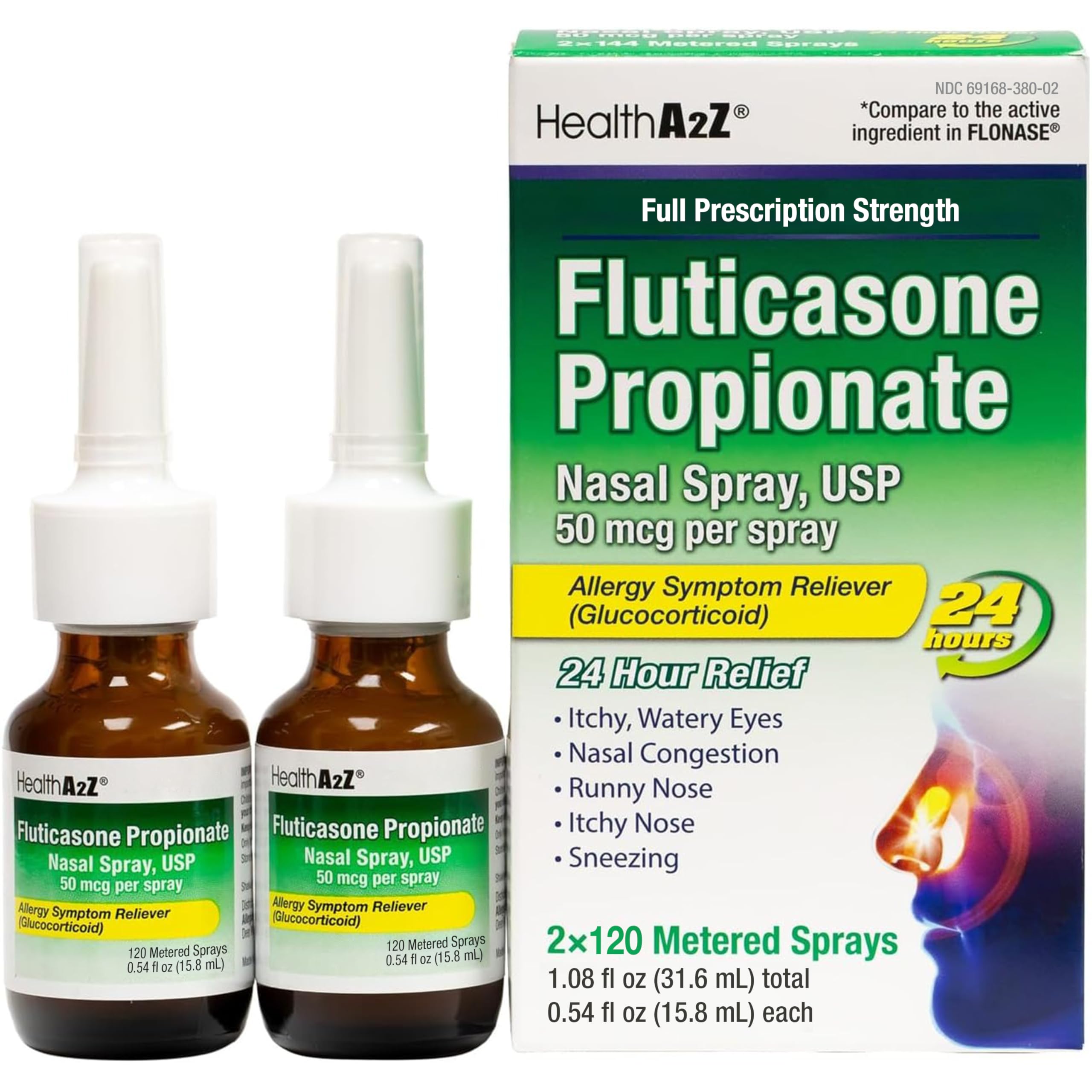
HealthA2Z delivers the identical active ingredient — fluticasone propionate 50mcg per spray — as the name-brand option, but in a two-pack totaling 240 sprays. For asthmatic patients who require continuous allergy suppression through high-pollen seasons, this supply eliminates the anxiety of running out mid-week. The dye-free formulation removes one variable that could theoretically irritate sensitive respiratory tissue, though the propellant mechanism itself is identical across brands.
Customer feedback directly compares its efficacy to prescription-strength nasal sprays, with one reviewer noting a 75% reduction in symptoms for both themselves and their child. The non-drowsy profile is a direct consequence of the local administration route — medication stays in the nasal passages rather than circulating systemically. This makes it safer for asthmatics on beta-agonist inhalers, as there is no known interaction between fluticasone nasal spray and albuterol.
The one operational difference from brand-name options: HealthA2Z’s loading protocol suggests two sprays in each nostril daily for the first week, then reducing to one to two sprays as needed. Some users report the spray nozzle produces a slightly wider mist than Flonase, which can feel different but not less effective. Store the bottle upright and clean the nozzle weekly to prevent clogging, which is the most common minor complaint across generic fluticasone sprays.
Why it’s great
- Two-pack provides 240 total sprays — excellent value for asthmatics needing daily coverage
- Dye-free and non-drowsy with no systemic drug interactions reported
- Clinically equivalent to name-brand fluticasone at a lower cost per dose
Good to know
- First week requires two sprays per nostril daily, which uses more product upfront
- Wider spray mist can cause slight dripping if nozzle isn’t angled correctly
4. GoodSense Children’s Allergy Medicine Oral Solution

GoodSense Children’s Oral Solution offers 5mg of loratadine per 5mL dose — half the adult dose — specifically formulated for children ages two and older. For parents of asthmatic kids, the dye-free, sugar-free, alcohol-free, and gluten-free formulation removes common airway irritants. The grape flavor is designed for compliance, though multiple reviewers note the taste leans medicinal rather than sweet, which is actually preferable for avoiding bronchospasm from strong artificial fruit essences.
The 8-ounce bottle contains about 48 doses at the standard 5mL measurement, using the included dosing cup. The active ingredient loratadine is the same non-drowsy antihistamine used in adult versions, making it safe for daytime use during school hours. One reviewer specifically mentions their child’s allergy symptoms were “eliminated completely” with daily use, highlighting the importance of consistent dosing rather than as-needed, especially for asthmatic children whose allergy triggers can provoke asthma attacks.
Storage matters for this liquid formulation: it should be kept at room temperature (around 68-77°F) and the dosing cup must be washed after each use to prevent bacterial growth in the mouthpiece. The loratadine concentration is exactly 1mg per mL, so a parent can adjust dosing precisely with a syringe if needed. For children under two, consult your pediatrician — the labeling does not cover infants, and asthma management in toddlers requires specialist oversight.
Why it’s great
- Dye-free, alcohol-free, and gluten-free — minimal airway irritants for asthmatic children
- Non-drowsy loratadine allows normal daytime activity and school attendance
- Clear dosing cup gives precise 5mL measurement for consistent administration
Good to know
- Grape flavor is chemical-tasting; some children may refuse it
- Requires refrigeration after opening? (check bottle — room temp storage specified)
5. Nature’s Sunshine Seasonal Allergy Liquid Herbal Supplement

Nature’s Sunshine Seasonal Allergy Liquid is a botanical approach using five herbs — boneset, fenugreek, horseradish, mullein, and fennel — in a vegetable glycerin base. For asthmatics seeking an alcohol-free, non-pharmaceutical option, the mucilage content in fenugreek and mullein provides a soothing coating effect on respiratory tissues that can calm irritation without the drying side effects of antihistamines. The liquid extract format allows fast sublingual absorption, bypassing first-pass liver metabolism.
The formulation targets nasal and respiratory system eliminative functions rather than blocking histamine directly. This mechanistic difference means it works best as a supportive supplement for mild seasonal symptoms rather than acute flare-ups. Long-time users praise the quality of the herbs — Nature’s Sunshine has operated since 1972 — and note it becomes more effective with consistent daily dosing before peak pollen counts arrive. The small 2-ounce bottle concentrates more than 50 doses per bottle at 15-30 drops per serving.
The vegetable glycerin base makes this safe for asthmatics who react to alcohol tinctures, which can trigger bronchospasm in sensitive individuals. However, the herbal taste is notably strong and bitter; mixing into water or juice is almost mandatory. This product is a dietary supplement, not an FDA-approved drug, so there is no standard dosing protocol for asthma-related allergy symptoms. Always inform your pulmonologist before adding herbal supplements to your regimen, as some botanicals can interact with cytochrome P450 drug metabolism pathways.
Why it’s great
- Alcohol-free vegetable glycerin base is safe for sensitive airways
- Mucilage from herbs provides soothing coating action on irritated respiratory tissue
- Sublingual absorption offers faster onset than capsules
Good to know
- Not a substitute for acute allergy relief during severe flare-ups
- Strong bitter taste requires mixing with juice or water
- FDA-regulated as a dietary supplement, not a drug
FAQ
Can asthmatics take antihistamines like Claritin without affecting their breathing?
Is a corticosteroid nasal spray safe to use alongside a steroid inhaler?
Final Thoughts: The Verdict
For most users, the allergy medicine for asthmatics winner is the Flonase Allergy Relief Nasal Spray because its fluticasone-based local action treats nasal congestion and post-nasal drip without systemic side effects. If you prefer an oral tablet for convenience, grab the Claritin 24 Hour Tablets. And for a budget-friendly bulk supply that matches Flonase’s active ingredient, nothing beats the HealthA2Z 2-Pack Nasal Spray.

Mo Maruf
I created WellFizz to bridge the gap between vague wellness advice and actionable solutions. My mission is simple: to decode the research and give you practical tools you can actually use.
Beyond the data, I am a passionate traveler. I believe that stepping away from the screen to explore new environments is essential for mental clarity and physical vitality.