Our readers keep the lights on and my smoothie glass nicely filled. As an Amazon Associate, I earn from qualifying purchases.
The bloating, the heaviness, the uncomfortable fullness that settles in right after a big meal — a good digestive tea is the daily reset most people overlook. Unlike sugary sodas or acidic coffee, a properly formulated herbal blend can ease cramping, reduce gas, and calm your stomach lining using ingredients your body actually recognizes.
I’m Mohammad Maruf — the founder and writer behind WellFizz. I’ve spent years analyzing the ingredient profiles of hundreds of herbal wellness products, cross-referencing clinical research on carminative herbs, and studying what makes a tea genuinely effective versus just a nice-smelling bag of hot water.
To help you cut through the noise, I’ve tested and compared the leading formulas on the market to find the best after meal tea. Every pick here has earned its spot based on real functional ingredients, verified user results, and quality certifications that matter when you’re drinking this every single day.
How To Choose The Best After Meal Tea
The market is flooded with “detox” and “digestive” teas that are really just flavored black tea with a fancy label. A true after meal tea earns its purpose through a specific blend of carminative herbs — plants that naturally relax the gastrointestinal tract and expel gas — plus the right preparation method to extract those compounds.
Check the Core Herb Profile
Look for at least two of these four foundational ingredients: peppermint (antispasmodic for cramping), ginger (stimulates digestive enzymes), fennel (reduces gas and bloating), and chamomile (calms inflammation in the gut lining). Blends that rely solely on one herb often lack the synergy needed for full relief.
Prefer Organic and Verified Certifications
Because you’re steeping these herbs directly into hot water, any pesticide residue or chemical treatment ends up in your cup. USDA Organic certification and NON-GMO verification are non-negotiable markers of a brand that respects the purity of its ingredients. Bags that list “natural flavors” without specifying the source should raise a red flag.
Match Format to Your Routine
Tea bags offer convenience and consistent dosing, but loose leaf teas generally deliver fresher, less processed herbs with a higher concentration of volatile oils — the very compounds that make these teas work. If you prioritize maximum potency, a loose leaf blend in a resealable pouch is the better long-term choice. If you need grab-and-go simplicity after every meal, stick with individually wrapped bags.
Watch the Steeping Instructions
A tea bag that recommends a steep time of 2 minutes will not extract the same depth of active compounds as one that says 7 to 15 minutes. Herbs like ginger and fennel require heat and time to break down their cell walls and release the oils that settle the stomach. If the box says “steep for 1-2 minutes,” you are drinking flavored water, not functional tea.
Quick Comparison
On smaller screens, swipe sideways to see the full table.
| Model | Category | Best For | Key Spec | Amazon |
|---|---|---|---|---|
| Yogi Tea Mango Ginger | Premium | Fruity digestion support, high volume | 96 bags per pack | Amazon |
| Rachel’s Digestive Relief | Premium | Severe bloating, IBS & diverticulitis | 8 wild-crafted herbs per bag | Amazon |
| Pukka Three Ginger | Mid-Range | Warming, anti-inflammatory daily brew | Three ginger types: galangal, turmeric, ginger root | Amazon |
| Yogi Tea Stomach Ease | Budget-Friendly | Gentle everyday stomach soothing | 64 bags, Ayurvedic spice blend | Amazon |
| Calming Blends Feel Better | Budget-Friendly | Loose leaf freshness for the purist | 2 oz loose leaf, up to 36 cups | Amazon |
In‑Depth Reviews
1. Yogi Tea Mango Ginger

This is the Yogi blend that strikes the hardest balance between flavor and function. Real mango pieces and a heavy dose of ginger root create a zesty, fruity brew that also delivers the digestive support ginger is famous for — stimulating stomach acid and bile production to break down heavy meals faster. The rooibos base adds a layer of antioxidants.
With 96 bags in the pack, this is also one of the highest-volume options in the premium tier, making it a practical choice for daily drinkers who want a consistent post-meal ritual without running out every week. Steep it for the full 7 minutes to get the full ginger compound extraction.
Users consistently report it as a “happy tea” that grounds them after eating, and the mango flavor keeps it from tasting medicinal — critical for anyone who struggles with the earthy taste of straight ginger tea. It holds up well iced, too, for warmer months.
Why it’s great
- Authentic mango pieces, not artificial flavoring
- 96-bag count offers excellent daily value
- USDA Organic, NON-GMO, and vegan certified
Good to know
- Sweetness from fruit may not suit ultra-dry palates
- 7-minute steep time requires patience
2. Rachel’s Digestive Relief Tea
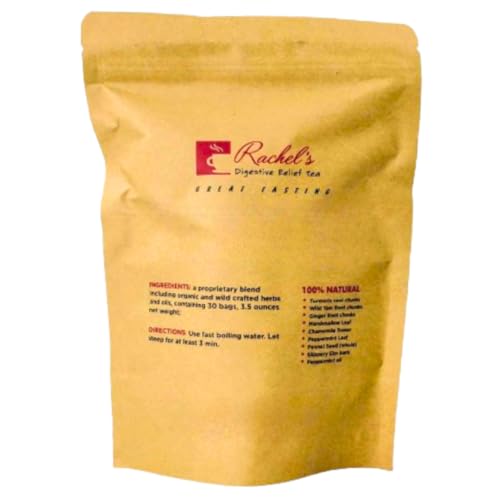
If your post-meal discomfort runs deeper than the occasional bloat — think diagnosed IBS, diverticulitis, or chronic cramping — this is the tea people with those conditions consistently turn to. The blend of eight wild-crafted herbs includes slippery elm and marshmallow root, two demulcent plants that coat the stomach lining with soothing mucilage.
Each bag yields two cups, so a single box gives you 60 servings. The 100% natural, chemical-free positioning is backed by dozens of verified reviews from users who report a significant reduction in flare-ups when using this daily. Expect a mild, grassy flavor with light peppermint and chamomile notes.
Be aware that the tea bags themselves have drawn a few complaints about tearing during the second steep. It is not a dealbreaker, but you may want to use a mug with a wide rim and avoid aggressive squeezing.
Why it’s great
- Proven relief for IBS and diverticulitis symptoms
- Wild-crafted herbs for maximum potency
- Two cups per bag extends the supply significantly
Good to know
- Bags can tear during a second steep
- Premium price point for the bag count
3. Pukka Three Ginger Herbal Tea

Pukka’s Three Ginger uses a layered approach to warming digestion by combining ginger root, turmeric, and galangal — a rhizome common in Southeast Asian cooking that offers a sharper, more peppery heat than standard ginger. The licorice root rounds out the spiciness with a natural sweet finish.
This is the best option for anyone who enjoys a bold, aromatic cup and wants anti-inflammatory support alongside digestive function. The turmeric provides curcumin, which has been clinically studied for reducing gut inflammation. Steep time ranges from two to fifteen minutes depending on your desired intensity.
A few buyers have noted that the tea bag seams occasionally leak grounds into the cup, especially if you push the steep time toward the longer end. The flavor consistency, however, remains strong across batches — unlike some mass-produced bagged teas that taste muddled.
Why it’s great
- Three distinct ginger sources for layered heat
- Turmeric adds anti-inflammatory benefits
- Organic, fragrant, and consistently high quality
Good to know
- Bag seams can leak loose herb particles
- Licorice taste not for every palate
4. Yogi Tea Stomach Ease

Yogi’s Stomach Ease is the entry-level workhorse of the digestive tea category. It combines fennel, licorice, and peppermint with Ayurvedic warming spices like cardamom and coriander — a solid, time-tested framework for settling an upset stomach after a heavy meal. The flavor is mildly sweet thanks to the licorice and fennel.
With 64 bags across four packs, this lands in the budget-friendly tier without sacrificing organic certification or ingredient transparency. The 7-minute steep instruction is a good sign that Yogi expects you to extract real herbal content, not just sip tinted water.
Multiple verified reviews mention this tea working quickly for bloating and general stomach discomfort, though users who dislike licorice should note that its flavor is present and noticeable in every cup.
Why it’s great
- Classic Ayurvedic formula with proven carminatives
- USDA Organic, NON-GMO, and vegan verified
- Excellent price point for the bag count
Good to know
- Licorice flavor may overpower sensitive drinkers
- Packs are not individually sealed
5. Calming Blends Feel Better Digestive Tea

For anyone who prioritizes freshness and control over convenience, Calming Blends delivers a loose leaf formula with chamomile, peppermint, marshmallow leaf, fennel, and lemon balm. Loose leaf teas undergo far less processing than bagged varieties, which means the volatile oils in the peppermint and lemon balm are better preserved.
The 2-ounce pouch yields approximately 36 cups, and the resealable bag keeps the herbs from going stale — a common issue with bulk loose leaf that sits in non-airtight containers. The flavor profile is gentle, leaning floral and minty, making it suitable for evening consumption after dinner.
One caveat: some pouches contain a noticeable number of stems from the herbs, which is a processing inconsistency rather than a quality issue but can be annoying if you are using a fine-mesh strainer that clogs quickly.
Why it’s great
- Unprocessed loose leaf retains higher herbal potency
- Resealable pouch maintains freshness over time
- Calming lemon balm and chamomile ideal for evening use
Good to know
- Occasional stems in the blend require careful straining
- Lower cup count per ounce than bagged alternatives
FAQ
Can I drink after meal tea every day with no negative side effects?
Why does my digestive tea recommend a 7-minute steep but others say 2 minutes?
Is loose leaf tea actually better for digestion than bagged tea?
Final Thoughts: The Verdict
For most users, the best after meal tea winner is the Yogi Tea Mango Ginger because it combines real fruit flavor with proven ginger and rooibos digestion support in a high-volume 96-bag pack that works for daily use. If you need serious therapeutic relief for chronic conditions like IBS, grab the Rachel’s Digestive Relief. And for anyone who loves a warming, spicy brew with anti-inflammatory benefits, nothing beats the Pukka Three Ginger.

Mo Maruf
I created WellFizz to bridge the gap between vague wellness advice and actionable solutions. My mission is simple: to decode the research and give you practical tools you can actually use.
Beyond the data, I am a passionate traveler. I believe that stepping away from the screen to explore new environments is essential for mental clarity and physical vitality.