Our readers keep the lights on and my smoothie glass nicely filled. As an Amazon Associate, I earn from qualifying purchases.
The running shoe aisle is flooded with triple-digit price tags, but the real engineering isn’t in the logo—it’s in the midsole compound, the outsole rubber layout, and the upper’s breathability-to-support ratio. Buyers chasing best budget running shoes often assume they have to sacrifice heel-to-toe drop consistency or forefoot cushioning. That assumption is wrong. The sub- tier now packs Lightmotion foam, Charged cushioning, and engineered mesh uppers that rival shoes costing double.
I’m Mohammad Maruf — the founder and writer behind WellFizz. I’ve spent the last 15 years dissecting the spec sheets, warranty terms, and real-user durability reports across this category to separate marketing fluff from measurable performance.
Whether you’re logging daily 5Ks, walking the hospital floor, or just need a reliable trainer that won’t blow out at the heel counter after three months, this guide isolates the models that deliver proper arch support, adequate stack height, and outsole grip without the premium markup. This is the definitive analysis of the best budget running shoes available right now.
How To Choose The Best Budget Running Shoes
Finding entry-level performance in a running shoe means prioritizing three interconnected systems: the midsole foam that absorbs impact, the outsole rubber that provides traction, and the upper mesh that manages breathability and hold. In the sub- segment, each of these systems is a compromise—your job is to pick the compromise that matches your foot shape and running context.
Midsole Foam and Compression Set
Cheap EVA foam compresses permanently after 200–300 miles, turning a cushioned shoe into a flat slab. Look for proprietary blends like adidas Lightmotion, Under Armour Charged, or ASICS Versablast foam. These formulations resist compression set longer, preserving the energy return that protects your knees and shins on pavement.
Outsole Rubber Coverage
Full-length rubber coverage adds weight but multiplies durability, especially in the heel strike zone. Partial rubber (exposed midsole foam) shaves ounces but wears quickly on asphalt. For daily training, favor shoes with blown rubber in the forefoot and high-abrasion carbon rubber under the heel. Check user reports for outsole wear timelines—some models in this tier show bald spots by month two.
Heel Counter Rigidity and Toe-Box Volume
A flimsy heel counter causes heel slip, leading to blisters and instability. Pinch the back of the shoe—if it collapses with light pressure, expect movement. Toe-box width matters more for long runs; narrow toeboxes can cause black toenails on descents. Wide-footed runners should prioritize brands like ASICS or Under Armour, which consistently offer better forefoot volume in this price range.
Quick Comparison
On smaller screens, swipe sideways to see the full table.
| Model | Category | Best For | Key Spec | Amazon |
|---|---|---|---|---|
| Under Armour Project Rock 5 | Premium Budget | Gym-to-street versatility | 2.09lb weight, UA TriBase outsole | Amazon |
| Under Armour Charged+ Assert 11 | Premium Budget | All-day wear + running | Charged Cushioning midsole | Amazon |
| ASICS VERSABLAST 4 | Mid-Range | Long-distance training | 1.44lb weight, Versablast foam | Amazon |
| adidas Duramo Speed 2 | Mid-Range | Speed workouts, track days | Lightmotion midsole foam | Amazon |
| Reebok Energen Run 4 | Mid-Range | Everyday lightweight jogging | Mesh upper, EVA midsole | Amazon |
| adidas Women’s Ultrarun 5 | Mid-Range | Gym cross-training | Thick lining, cushy arch | Amazon |
| Fila Axilus 2 Energized | Budget | Tennis/court use, wide feet | 3lb weight, 6-month outsole guarantee | Amazon |
In‑Depth Reviews
1. Under Armour Men’s Project Rock Blood Sweat Respect 5
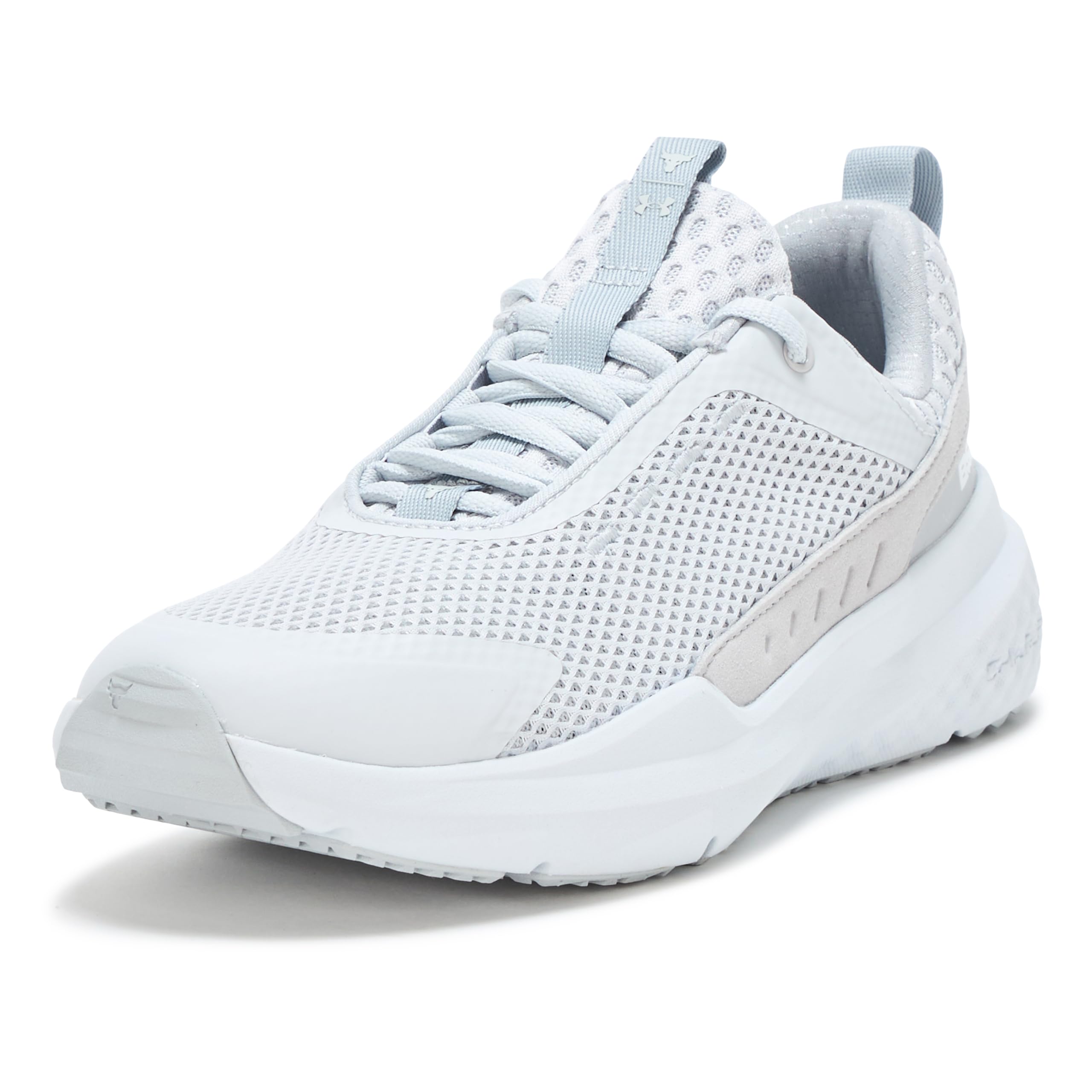
The Project Rock 5 bridges the gap between a premium trainer and a budget-friendly daily driver. Its lightweight build (just over two pounds) is achieved through a streamlined upper and a midsole that uses UA’s proprietary foam formulation rather than cheap slab EVA. Multiple reviewers confirmed the shoe holds up well past two years of rotation use—rare in this price tier where compression set typically kills cushioning by month six.
The TriBase outsole pattern extends across the full length of the shoe, providing stable grip on gym floors and pavement alike. The fit is intentionally snug through the midfoot, described as a “glove-like” hold, which works well for runners who dislike heel slip. The breathable mesh upper sheds heat effectively during warm-weather runs, though the snug toe box may feel restrictive for wide-footed runners who prefer extra splay room.
Cushioning depth is adequate for distances up to 10K, though some users noted that the foam feels slightly less plush than older Project Rock iterations. The sweet spot here is hybrid use: this shoe handles a 5-mile road run, transitions to a weightlifting session, and still looks sharp enough for casual wear. If you want one shoe that does multiple jobs without crossing into premium pricing, this is the candidate.
Why it’s great
- Full-length TriBase outsole resists uneven wear
- Lightweight build (2.09 lb) reduces leg fatigue
- Reported durability beyond two years of regular rotation
Good to know
- Snug toe box may not suit runners with wide forefeet
- Cushioning slightly firmer than previous Project Rock models
2. Under Armour Men’s Charged+ Assert 11 Running Shoes
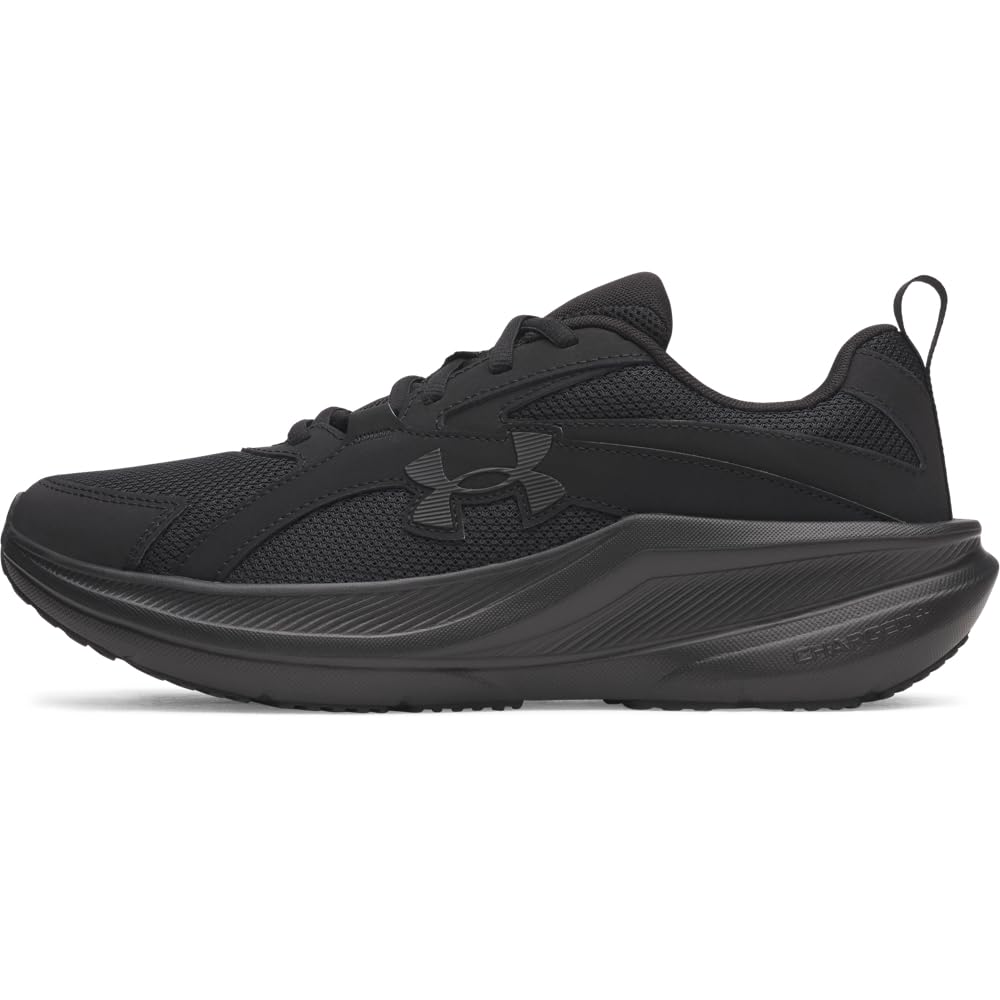
The Charged+ Assert 11 delivers the kind of midsole performance that often commands triple-digit MSRPs. The Charged Cushioning foam compresses noticeably under heel strike but rebounds quickly, providing a ride that multiple users compared favorably to Hoka—at roughly one-third the investment. The shoe accommodates wider feet without excessive volume, and the mesh upper offers solid ventilation for warm-weather mileage.
Outsole traction is another strong suit: the rubber layout covers high-wear zones under the heel and forefoot, and reviewers wearing these for hospital shifts reported no significant tread loss after months of daily use. The arch support is pronounced enough to satisfy runners with osteoarthritic knees, according to feedback, which is worth noting for older runners or those managing joint stress.
On the downside, the cushioning is less “bouncy” than premium TPU-based foams—it’s a responsive compression foam, not a springy super-foam. The weight (2.4 lb) is slightly higher than minimalist trainers, but the trade-off is a more planted, stable feel during runs. For anyone who needs a single shoe that handles 5K training, work shifts, and casual walking without compromising support, this is a top contender.
Why it’s great
- Charged foam provides Hoka-like cushioning at a fraction of the cost
- Generous toe box and arch support suit wider feet and knee issues
- Outsole rubber holds up to daily wear in demanding environments
Good to know
- Less energy return than premium TPU-based foams
- Heavier build (2.4 lb) compared to minimalist trainers
3. ASICS Men’s VERSABLAST 4 Running Shoes
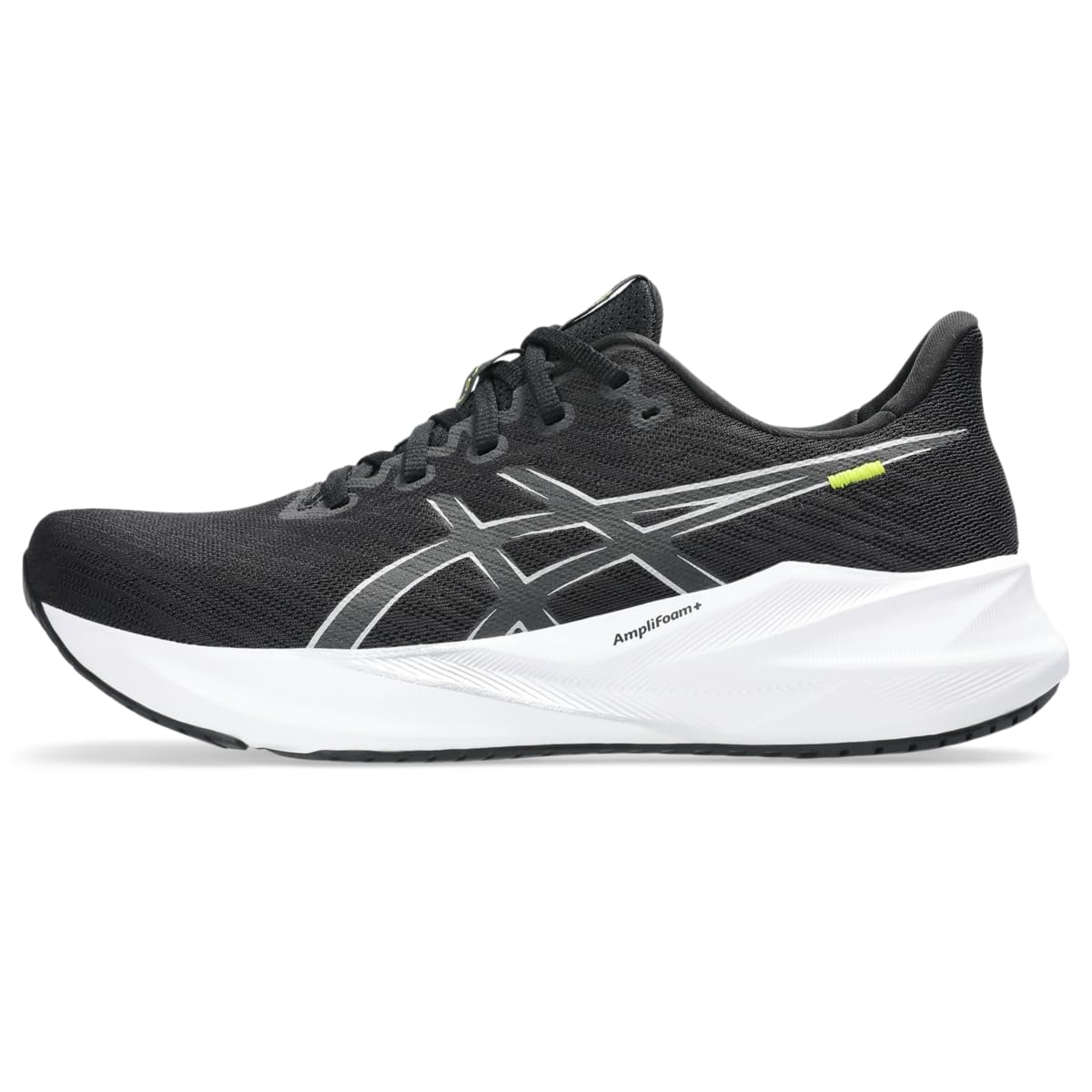
At just 1.44 pounds, the VERSABLAST 4 is the lightest shoe on this list, and that weight savings translates directly to reduced fatigue on longer runs. The Versablast foam midsole is ASICS’ entry-level compound, but it offers a noticeably softer landing than basic EVA, with a stack height that feels generous underfoot. One reviewer specifically called it suitable for an upcoming 5K, noting the thick sole absorbed road shock well over distance.
The shoe’s geometry includes a slight forward angle that can feel unfamiliar during the first few wears—some users reported a brief adjustment period where the shoe seemed to tip them forward. Once adapted, that rocker-like profile encourages a smoother heel-to-toe transition. The fit is ASICS-typical: a wider toe box that accommodates splay, combined with a secure heel wrap that prevents slip.
Long-term feedback is positive, with multiple users reporting the shoe still looks and feels great after months of daily wear. The outsole rubber coverage is modest—exposed foam in the arch area keeps weight down but may wear faster if you pronate heavily. This is the best pick for runners who prioritize low weight and a soft landing over maximum durability in the outsole.
Why it’s great
- Extremely light at 1.44 lb, ideal for distance work
- Thick midsole provides excellent shock absorption
- Wide toe box suits runners with broader forefeet
Good to know
- Slight forward rocker angle requires a short adaptation period
- Partial outsole rubber may wear faster for heavy pronators
4. adidas Mens Duramo Speed 2 Running Shoes
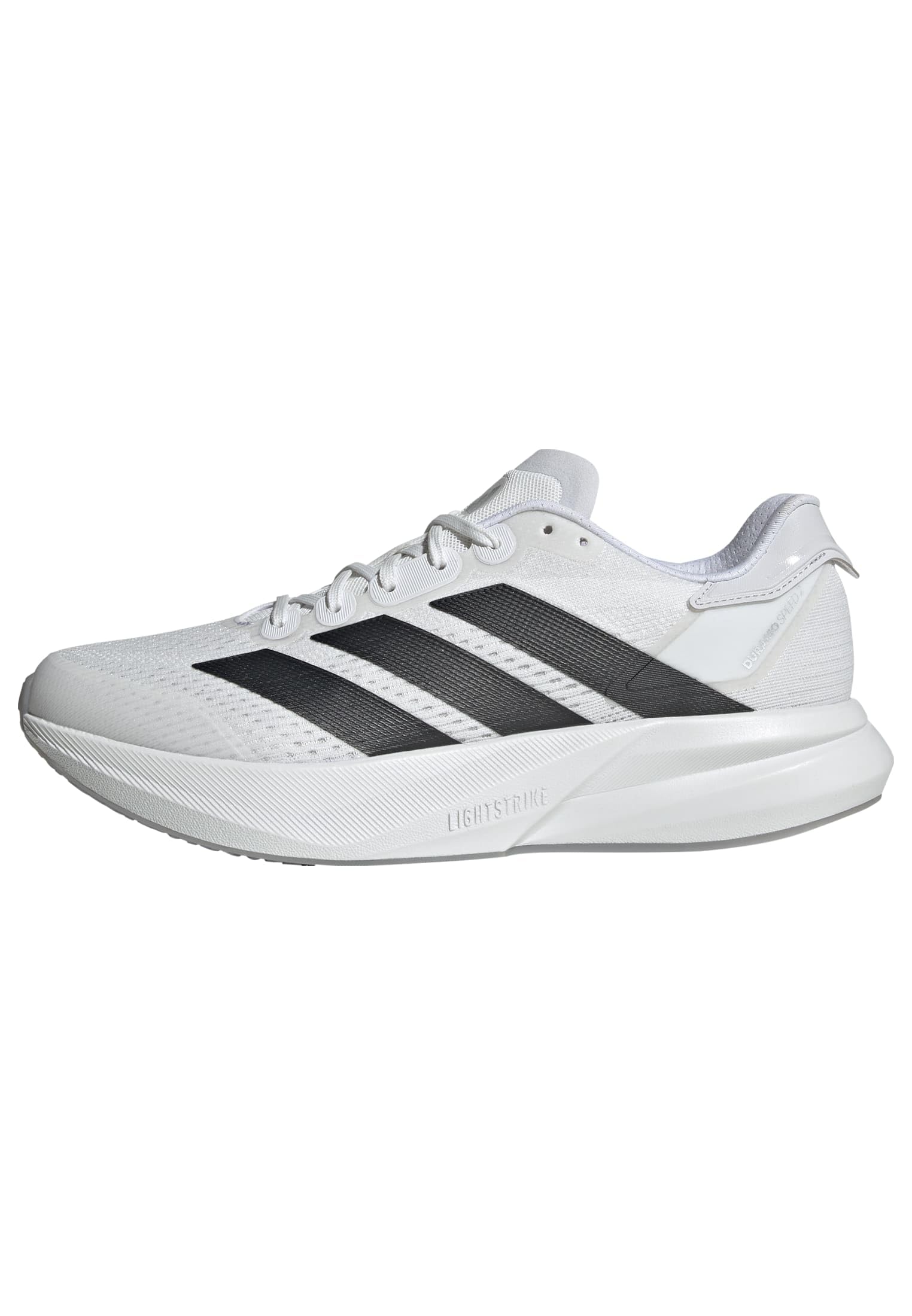
The Duramo Speed 2 is adidas’ answer to the demand for a responsive trainer that doesn’t anchor the foot in heavy cushioning. The Lightmotion midsole is springy rather than plush—it returns energy quickly on toe-off, making this shoe feel faster than its weight class suggests. Users described it as an “amazing running shoe” with zero break-in period, and parents buying for teenage track athletes noted the breathable mesh upper and secure midfoot hold worked well for speed workouts.
The toe box is noticeably wider than previous adidas models, a change that reviewers praised for allowing natural foot spread during acceleration. The outsole shows minimal tread wear after weeks of daily use, suggesting the rubber compound is harder-wearing than typical budget offerings. The fit runs true to size, with a heel counter that locks down without pinching the Achilles.
Where this shoe falls short is maximal cushioning—the Lightmotion foam is resilient, not cloud-like. Runners who prefer a deep, soft landing for slow recovery runs may find the ride too firm. Likewise, the modest stack height means it’s better suited to pavement or track than rocky trails. For tempo runs, intervals, and daily training in the 3–6 mile range, the Duramo Speed 2 hits a sweet spot that few budget shoes reach.
Why it’s great
- Lightmotion foam delivers springy, responsive toe-off
- Wider toe box than previous adidas generations
- Zero break-in period and secure midfoot hold
Good to know
- Firmer ride may not suit runners who prefer deep cushioning
- Modest stack height limits trail use
5. Reebok Energen Run 4 Running Shoes for Men
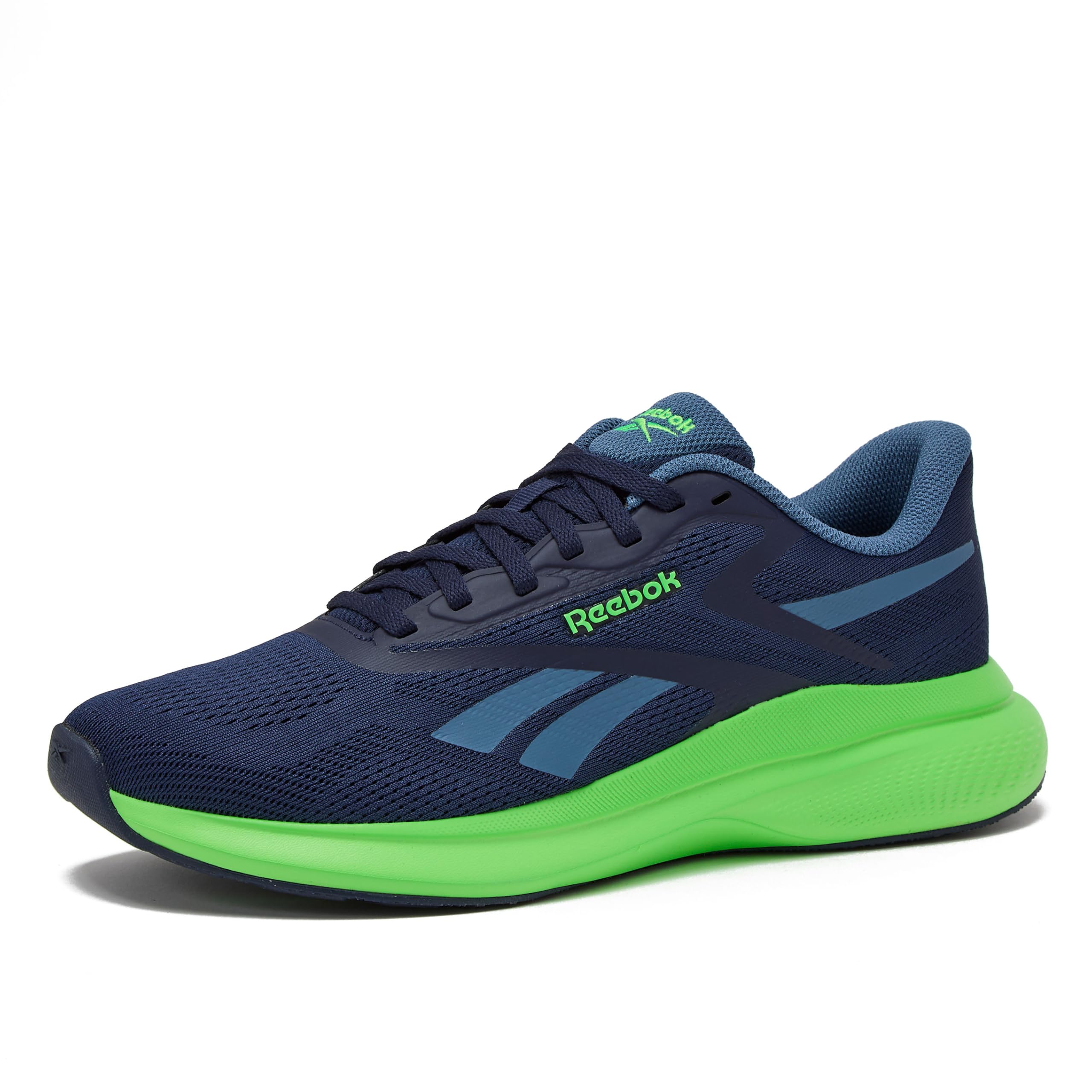
The Energen Run 4 is a straightforward, no-nonsense jogger that prioritizes low weight and immediate comfort over advanced foam technology. The EVA midsole is conventional but effective—it compresses predictably under heel strike and provides a consistent ride that one reviewer described as “excellent cushioning” after a month of everyday use. The mesh upper is highly breathable, making this a good warm-weather option for runners who don’t need maximum arch support.
The fit is true-to-size with a standard toe-box profile that accommodates most foot shapes without feeling sloppy. The outsole uses a tread pattern that grips well on dry pavement and gym floors, though the rubber coverage is less extensive than premium models. Reviewers consistently praised the build quality for the price point, calling it a “solid build” that holds up to daily wear.
The main limitation is the EVA foam itself: it will compress faster than the Lightmotion or Charged foams found in higher-tier budget shoes. For runners logging fewer than 15 miles per week, this won’t be an issue for months. For higher-volume training, the midsole may flatten noticeably by the 300-mile mark. The Energen Run 4 is best suited to casual joggers and walkers who want a light, comfortable shoe without spending extra on foam longevity.
Why it’s great
- Lightweight construction reduces leg fatigue on short runs
- Breathable mesh upper works well in warm weather
- Consistent cushioning out of the box with no break-in
Good to know
- Standard EVA foam compresses faster than proprietary blends
- Outsole rubber coverage is less extensive
6. adidas Women’s Ultrarun 5 Running Shoes

The Ultrarun 5 stands out for its plush internal environment: the lining is thick enough that multiple reviewers recommended ordering a half size up, and the arch support was described as “cushy” and accommodating for wider, taller feet. The shoe feels immediately comfortable for gym use, with a padded collar and tongue that reduce pressure across the instep. Several users bought second pairs as backups, citing the comfort level as their primary reason.
The midsole cushioning is ample for gym sessions and short outdoor runs, though the thick lining reduces breathability compared to the mesh-heavy designs on this list. The outsole pattern provides reliable grip on gym floors, and the overall build quality feels substantial for the price. One reviewer noted that adding a gel insole improved impact protection for back-sensitive users.
The main issue reported is heel slip: users with narrower heels found the shoe slid off the back of the foot during walking, despite the correct length. This suggests the heel counter is less rigid than competitors, which is worth testing if you have narrow heels or plan to wear thin socks. For gym-goers with wider feet who prioritize plush comfort over heel lockdown, the Ultrarun 5 is a solid budget-friendly pick.
Why it’s great
- Very cushy arch support and padded lining for comfort
- Accommodates wider, taller feet with ease
- High overall build quality for the price tier
Good to know
- Thick lining reduces breathability and may require half-size up
- Heel slip reported for narrower heels
7. Fila Mens Axilus 2 Energized

The Axilus 2 Energized is designed more for the tennis court than the running track, but its construction principles translate well to budget running—particularly for runners with wide feet. The shoe fits 3E widths with some stretching and sits low to the ground, offering a stable platform that works well with custom orthotics. The 6-month outsole guarantee is a standout feature in this price bracket, indicating Fila’s confidence in the rubber compound’s durability.
Reviewers praised the traction on gym floors and outdoor courts, and the lightweight mesh upper keeps the shoe from feeling clunky despite the 3-pound weight. The low ride height means less cushioning than dedicated running shoes, but the stability is excellent for lateral movements. Users switching from barefoot-style shoes will appreciate the firm ground connection.
The trade-offs are clear: the Axilus 2 lacks the plush midsole foam of the Under Armour or ASICS options, and the low-profile cushioning can feel harsh on extended pavement runs. Outsole wear is reported at roughly two months of heavy use, though the 6-month guarantee mitigates this for court sports. For runners who also play court sports and need a wide-friendly shoe that won’t break the bank, this is a unique hybrid to consider.
Why it’s great
- 6-month outsole guarantee protects against premature wear
- Accommodates 3E widths and custom orthotics
- Excellent traction on gym floors and courts
Good to know
- Low-profile cushioning lacks plushness for long runs
- Outsole may show wear within two months of daily use
FAQ
How many miles can I expect from budget running shoes before the midsole compresses?
Can budget running shoes handle daily training or are they only for casual use?
Should I buy budget running shoes a half size larger?
Are budget running shoes suitable for runners with wide feet?
Final Thoughts: The Verdict
For most users, the best budget running shoes winner is the Under Armour Project Rock 5 because it blends lightweight construction, full-length TriBase outsole durability, and gym-to-pavement versatility better than any other shoe in this test. If you want maximum cushioning for all-day wear and knee-friendly support, grab the Under Armour Charged+ Assert 11. And for runners who prioritize ultralight weight and a soft landing for long-distance training, nothing beats the ASICS VERSABLAST 4.

Mo Maruf
I created WellFizz to bridge the gap between vague wellness advice and actionable solutions. My mission is simple: to decode the research and give you practical tools you can actually use.
Beyond the data, I am a passionate traveler. I believe that stepping away from the screen to explore new environments is essential for mental clarity and physical vitality.