Our readers keep the lights on and my smoothie glass nicely filled. As an Amazon Associate, I earn from qualifying purchases.
Choosing a portable camera means trading size for image quality, stabilization, and lens versatility. The market is flooded with pocket-sized options, but the best ones balance a large sensor, reliable autofocus, and a gimbal or optical image stabilizer without sacrificing portability.
I’m Mohammad Maruf — the founder and writer behind WellFizz. I spend my time analyzing hardware specifications, comparing sensor sizes, stabilization mechanisms, and real-world usability metrics to separate genuinely capable cameras from clever marketing.
After reviewing dozens of models across price tiers, from point-and-shoot compacts to mirrorless systems, I’ve built this guide to help you find the right best portable camera for how you actually shoot.
How To Choose The Best Portable Camera
Finding the right portable camera requires matching your shooting style to the sensor, stabilization, and lens system. A vlogger needs face tracking and a gimbal; a travel photographer needs optical zoom and battery endurance; a diver needs waterproofing and macro capability.
Sensor Size and Low Light Performance
The 1-inch CMOS sensor found in the DJI Osmo Pocket 3, Canon PowerShot V10, and Xtra Muse delivers drastically better low-light performance and dynamic range than smaller smartphone sensors. Cameras with smaller 1/2.3-inch sensors, like the OM SYSTEM Tough TG-7, trade some image quality for extreme durability and underwater capability. If you shoot indoors or at dusk, prioritize a larger sensor.
Stabilization: Gimbal vs Optical vs Electronic
Mechanical 3-axis gimbal stabilization, used in the DJI Osmo Pocket 3 and Xtra Muse, smooths out walking and running entirely. Optical Image Stabilization (OIS) in the Panasonic LUMIX ZS99 and OM SYSTEM TG-7 reduces shake without adding bulk. Electronic stabilization crops the frame and works well only in bright light. For active shooting, a gimbal camera is the most reliable choice.
Autofocus and Subject Tracking
Phase-detection autofocus with face, eye, and object tracking — found in the Sony ZV-E10 and Canon PowerShot V1 — locks onto subjects instantly. Contrast detection systems in budget-friendly options like the Kodak PIXPRO AZ255 are slower and less reliable for moving subjects. If you record people or pets, prioritize cameras with reliable tracking.
Zoom Versatility vs Prime Lens Sharpness
Travel zoom cameras like the Panasonic LUMIX ZS99 (24-720mm Leica lens) cover wide landscapes to far concert stages without changing lenses. Fixed wide-angle lenses like the 19mm on the Canon PowerShot V10 offer sharper optics and brighter apertures but no reach. Decide whether your common shots are wide and close or distant and varied.
Quick Comparison
On smaller screens, swipe sideways to see the full table.
| Model | Category | Best For | Key Spec | Amazon |
|---|---|---|---|---|
| DJI Osmo Pocket 3 | Premium Gimbal | Vlogging & Active Shooting | 1-inch CMOS, 4K/120fps, 3-Axis Gimbal | Amazon |
| Canon PowerShot V1 | Hybrid Compact | Video & Stills Hybrid | 22.3MP, 4K, 16-50mm F2.8-4.5 Lens | Amazon |
| Sony ZV-E10 | Mirrorless Vlog | Interchangeable Lens Vlogging | 24.2MP APS-C, 4K from 6K Oversample | Amazon |
| Panasonic LUMIX G85 | Mirrorless Kit | Weather-Sealed Hybrid | 16MP MFT, 5-Axis IBIS, 4K | Amazon |
| Canon PowerShot V10 | Ultra-Compact | Pocket Vlogging | 15.2MP 1-inch, 4K, Built-in Stand | Amazon |
| Panasonic LUMIX ZS99 | Travel Zoom | Travel & Concerts | 30x Leica Zoom (24-720mm), 4K | Amazon |
| Xtra Muse | Budget Gimbal | Budget-Conscious Vloggers | 1-inch CMOS, 4K/120fps, 3-Axis Gimbal | Amazon |
| OM SYSTEM Tough TG-7 | Rugged Compact | Underwater & Adventures | Waterproof 15m, F2.0 Lens, 4K Video | Amazon |
| Kodak PIXPRO AZ255 | Budget Zoom | Beginners on a Budget | 16MP, 25x Optical Zoom, AA Batteries | Amazon |
In‑Depth Reviews
1. DJI Osmo Pocket 3
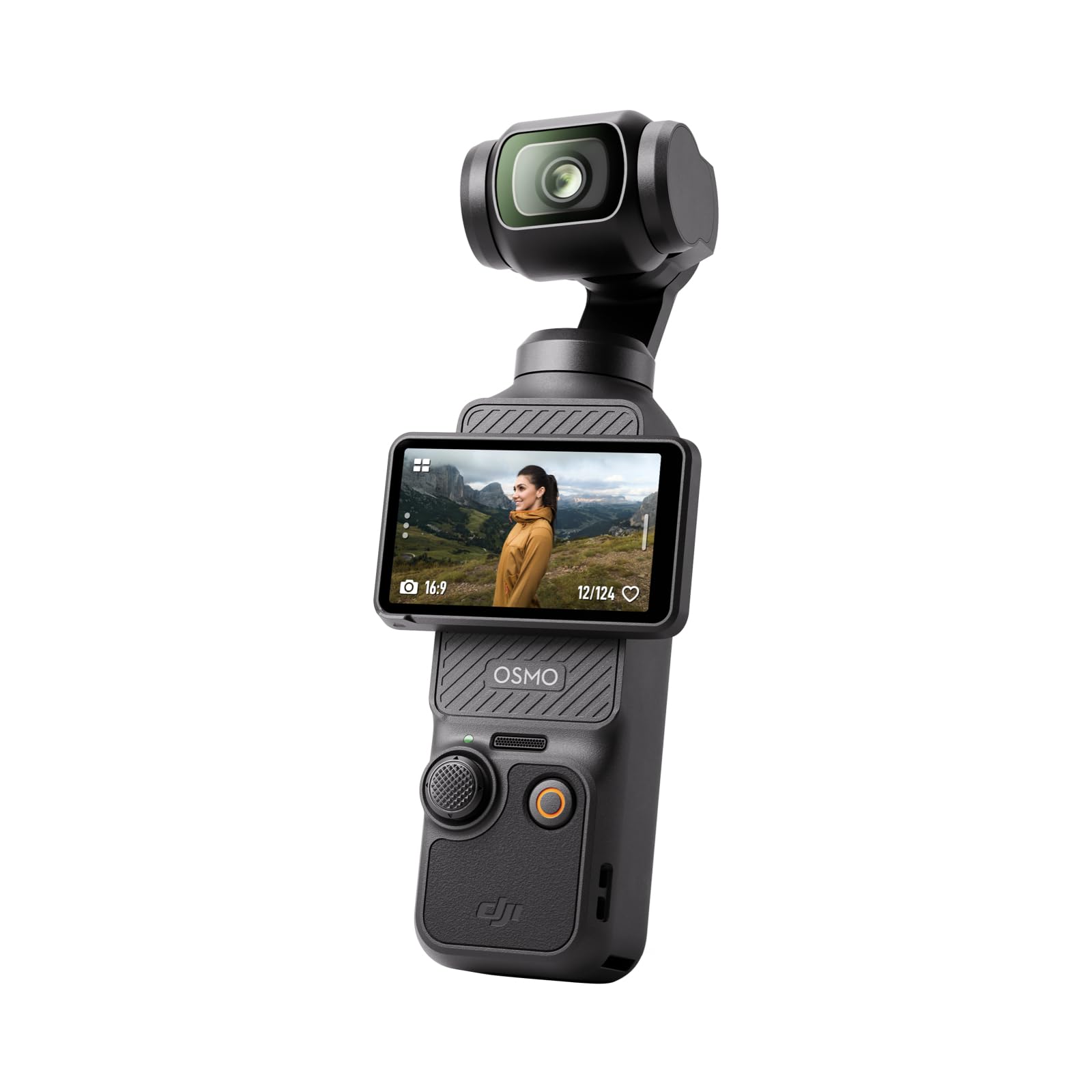
The DJI Osmo Pocket 3 pairs a 1-inch CMOS sensor with a motorized 3-axis gimbal to deliver gimbal-smooth 4K/120fps footage from a body that fits in a jacket pocket. Its 2-inch rotating touchscreen switches between horizontal and vertical shooting instantly, making it a favorite for social media creators who need both formats without rigging accessories.
Autofocus is fast and sticky, with ActiveTrack 6.0 keeping a subject centered even during quick movements. The 166-minute battery rating holds up through full sightseeing days, and fast USB-C charging tops off quickly between shoots. The built-in stereo mic captures usable audio, and the latest firmware adds direct connection to DJI Mic 2 transmitters for interviews.
Where it compromises is lens versatility: the wide-angle prime has no optical zoom, so distant subjects require cropping. The 9.4MP still resolution is adequate for social sharing but falls short for print. For pure video stabilization in a pocket-size body, nothing in this class matches its polish.
Why it’s great
- Outstanding 3-axis gimbal stabilization handles walking and running smoothly.
- Fast phase-detection autofocus with reliable face and object tracking.
- Rotating 2-inch touchscreen makes horizontal/vertical switching effortless.
Good to know
- Fixed wide-angle lens provides no optical zoom for distant subjects.
- Still photo resolution is limited to 9.4MP, not suitable for large prints.
- Battery is not user-replaceable, though fast charging mitigates this.
2. Canon PowerShot V1

The Canon PowerShot V1 bridges the gap between compact and mirrorless with a 1.4-type 22.3MP for stills and 18.7MP for video. Its built-in 16-50mm F2.8-4.5 wide-angle zoom lens covers a versatile range for vlogging and everyday photography, while the integrated cooling fan allows extended 4K recording without overheating, a factory first in this form factor.
Canon Log 3 and 10-bit color depth give editors serious grading flexibility, and the hybrid autofocus system with 100 points locks on reliably. The body is bulkier than true pocket cameras like the V10, but the larger sensor delivers noticeably better dynamic range and high-ISO performance up to ISO 6400. USB-C power delivery keeps studio sessions running indefinitely.
There is no optical image stabilization inside the lens, and the electronic stabilization is mediocre for walking footage. The SD slot is beneath the battery door, which conflicts with quick-release plates on tripods. For creators who want a single camera for both high-quality stills and professional video without changing lenses, this is the strongest candidate.
Why it’s great
- Large 1.4-type sensor captures excellent detail and performs well in low light.
- Built-in cooling fan enables unlimited 4K recording without thermal shutdown.
- Canon Log 3 and 10-bit color provide professional-grade grading flexibility.
Good to know
- No optical image stabilization, and electronic stabilization is weak for walking.
- SD card slot behind the battery door interferes with tripod plates.
- Body is noticeably bulkier than ultra-compact alternatives.
3. Sony ZV-E10
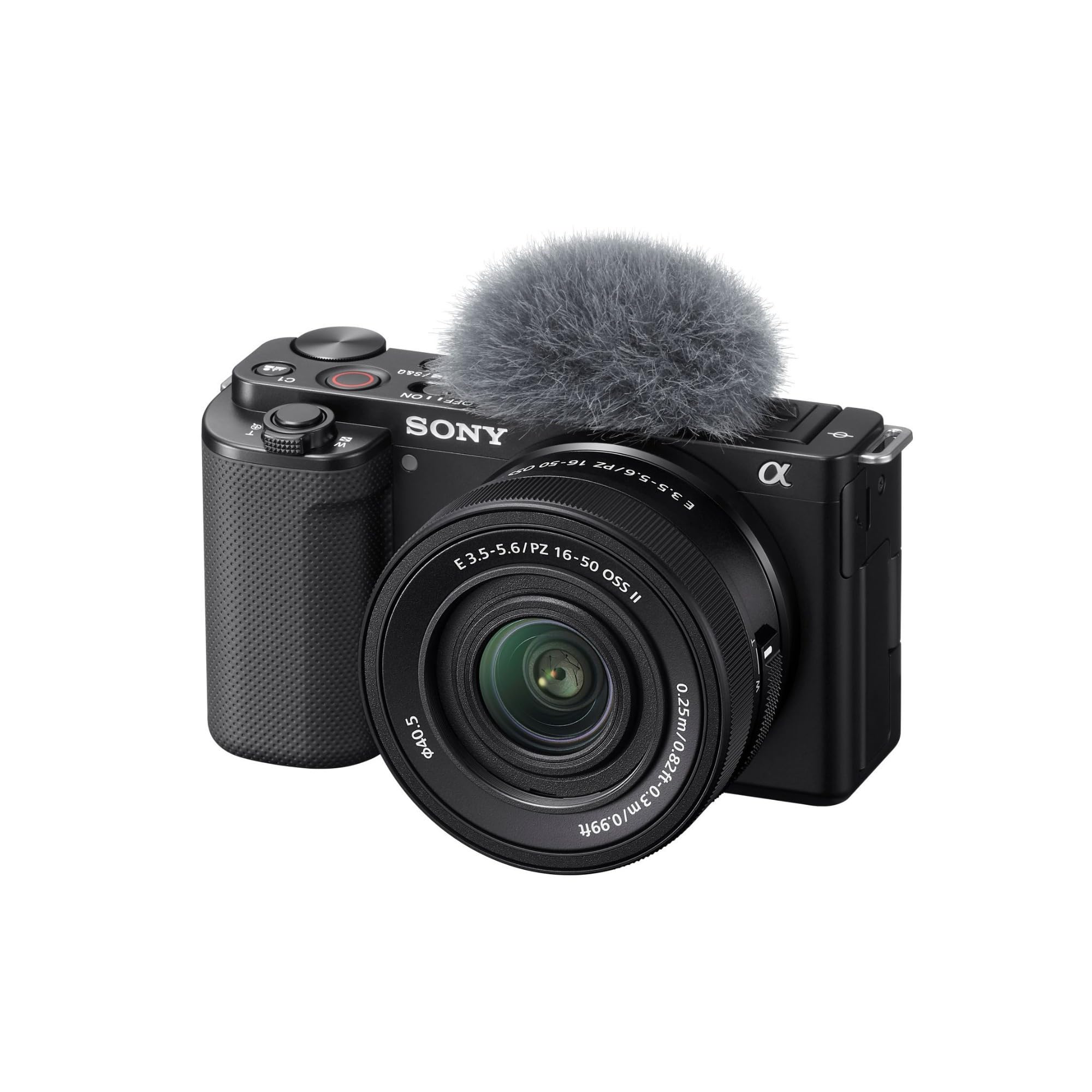
The Sony ZV-E10 packs a 24.2MP APS-C Exmor CMOS sensor into a mirrorless body designed explicitly for vloggers. The 4K oversampled from 6K with full pixel readout produces sharper video than most compact cameras in its tier. The Product Showcase Setting instantly racks focus from face to held object, a killer feature for review and tutorial creators.
The 425-point hybrid autofocus system with real-time eye tracking for both humans and animals is among the best in its class. The included 16-50mm power zoom lens collapses for portability, but the real advantage is the E-mount system — you can upgrade to wide-aperture primes or telephoto zooms as your needs grow. USB streaming without extra hardware simplifies live production setups.
The kit lens is slow at F3.5-5.6 and lacks image stabilization, so you will want a stabilized lens or gimbal for smooth walking shots. Battery life is average for mirrorless, and there is no in-body stabilization in this body. For creators who want a future-proof interchangeable lens system in a compact form factor, the ZV-E10 is a smart entry point.
Why it’s great
- Large APS-C sensor and 4K oversampled from 6K deliver superior video quality.
- 425-point phase-detection AF with real-time eye tracking is fast and reliable.
- E-mount system allows lens upgrades to match any shooting scenario.
Good to know
- Kit lens is slow and lacks optical stabilization, requiring a gimbal for smooth footage.
- No in-body image stabilization in this body.
- Battery life is average; carrying spares is recommended for full-day shoots.
4. Panasonic LUMIX G85

The Panasonic LUMIX G85 delivers class-leading 5-axis in-body image stabilization that works across both photos and 4K video. The magnesium alloy body is weather-sealed against dust and moisture, making it a durable companion for hiking and outdoor shooting. The 16MP Micro Four Thirds sensor uses no low-pass filter to extract extra sharpness from compatible lenses.
The 12-60mm Power O.I.S. kit lens includes its own stabilization, combining with the IBIS for smooth handheld footage. The 49-point autofocus system with DFD technology is fast in good light but hunts in dim conditions, and the lack of phase-detection pixels means continuous video AF is less reliable than Sony or Canon systems. The OLED viewfinder and articulating touchscreen provide excellent framing flexibility.
Battery life hovers around 320 shots per charge, and the body is heavier than most compact options, approaching some full-frame DSLR weights. The Micro Four Thirds system offers a vast lens library, from ultra-wide to super-tele, but the smaller sensor struggles with dynamic range compared to APS-C rivals. For video-first shooters who need robust stabilization in a sealed body, the G85 remains a strong contender.
Why it’s great
- 5-axis in-body stabilization works with all lenses for smooth photos and video.
- Weather-sealed magnesium body withstands rain and dust on outdoor shoots.
- Articulating touchscreen and OLED viewfinder offer versatile framing.
Good to know
- Continuous autofocus can hunt in low light compared to phase-detection systems.
- Battery life is average, requiring spares for full-day sessions.
- Micro Four Thirds sensor has less dynamic range than APS-C alternatives.
5. Canon PowerShot V10

The Canon PowerShot V10 prioritizes pure portability and ease of use with a 15.2MP 1-inch sensor and a fixed 19mm wide-angle lens. The retractable front-facing screen and built-in folding stand let you set it on a table and start vlogging within seconds, no tripod required. The stereo microphones with a third center mic effectively reduce background noise for clean audio.
The three image stabilization modes — Off, On, and Enhanced — cover everything from static tripod work to active handheld recording. The 4K video at 30fps and Full HD at 60fps are solid for vlogging, and the 14 color filters allow quick mood adjustments without post-processing. The USB-C charging and micro-HDMI output make it simple to transfer or monitor footage.
Battery life is limited to 1 to 2.5 hours of continuous use, and there is no included lens cap or windscreen. The fixed 19mm lens offers no zoom, so wide shots are excellent but reach is nonexistent. For absolute beginners or social media creators who want the simplest path from pocket to upload, the V10 removes nearly every barrier.
Why it’s great
- Built-in stand and front-facing screen enable hands-free vlogging anywhere.
- 1-inch sensor delivers better low-light and dynamic range than phone cameras.
- Three stabilization modes let you dial in the right balance of smooth and stable.
Good to know
- Battery lasts only 1 to 2.5 hours with continuous recording.
- Fixed 19mm wide-angle lens cannot zoom for distant subjects.
- No included lens cap or windscreen for outdoor use.
6. Panasonic LUMIX ZS99

The Panasonic LUMIX ZS99 packs a 30x optical zoom Leica DC Vario-Elmar lens with a 24-720mm equivalent range into a body that slides into a pocket. This is the definitive travel companion for concerts, safaris, and distant landmarks where you cannot move closer. The 20.3MP sensor and 4K video capture deliver sharp images for social media, and the hybrid autofocus with 171 points locks on reliably.
The 1,840k-dot tiltable touchscreen and Bluetooth 5.0 with a dedicated Send Image button make file transfer seamless. Stepped zoom and Lens Position Resume features remember your preferred focal lengths, saving time in fast-moving situations. The built-in USB-C charging means you do not need a proprietary charger.
Image quality at the long end of the zoom shows chromatic aberration in high-contrast scenes, and the F3.3-6.4 aperture requires good light for clean shots at full extension. The camera lacks a viewfinder, which can be problematic in bright sunlight. For travelers who prioritize zoom reach over everything else, the ZS99 is the most versatile pocket superzoom available.
Why it’s great
- 30x Leica optical zoom (24-720mm) covers landscapes to distant subjects.
- Bluetooth 5.0 and dedicated Send Image button simplify sharing to a phone.
- Stepped zoom and Lens Position Resume are smart travel-focused features.
Good to know
- Image quality shows color fringing at the long end of the zoom range.
- No viewfinder makes framing difficult in bright outdoor conditions.
- Slow aperture at telephoto length demands good lighting for clean results.
7. Xtra Muse
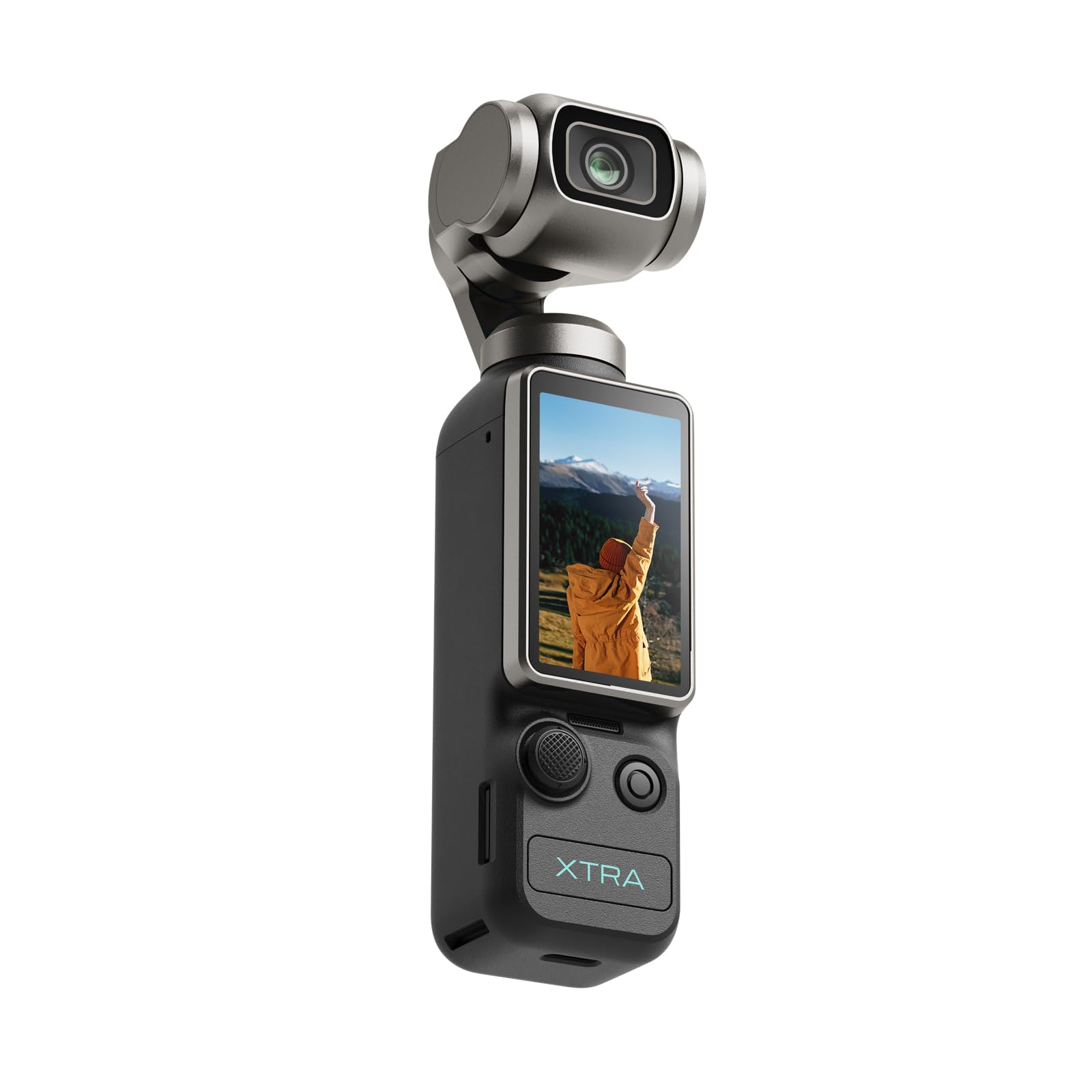
The Xtra Muse brings a 1-inch CMOS sensor and 3-axis gimbal stabilization at a entry-level price point, making it a strong alternative for creators who want DJI Pocket 3-like smoothness without the premium investment. The 4K/120fps recording produces fluid slow-motion, and the 2-inch touchscreen is responsive for changing settings and framing shots. Face and object tracking work reliably for vlogging and solo shooting.
The 10-bit X-Log color profile provides a surprising amount of grading latitude for the price, and the battery averages 161 minutes, enough for a solid day of casual shooting. The bundled carrying bag, wrist strap, and handle with a 1/4-inch thread cover the essentials for starting out. Firmware updates have improved DJI Mic compatibility for better audio.
The build quality does not match the metal construction of premium gimbals, and the microSD-only storage can be a bottleneck for long 4K clips. The autofocus is generally reliable but occasionally hunts in very dim scenes. For budget-conscious creators who want gimbal-smooth video without reaching for premium pricing, the Xtra Muse is a compelling entry point.
Why it’s great
- 1-inch sensor and 3-axis gimbal produce smooth, high-quality 4K footage.
- 10-bit X-Log color profile allows serious color grading in post-production.
- Battery life of 161 minutes covers a full day of casual shooting.
Good to know
- Build quality uses more plastic than premium gimbal competitors.
- MicroSD-only storage may bottleneck long 4K recording sessions.
- Autofocus can occasionally struggle in very low light.
8. OM SYSTEM Tough TG-7

The OM SYSTEM Tough TG-7 is purpose-built for extreme conditions with waterproofing to 15 meters, shockproofing to 2.1 meters, crushproofing to 100 kgf, and freezeproofing to -10° Celsius. The F2.0 lens and back-illuminated CMOS sensor deliver bright images underwater and in low light, and the variable macro system with four modes lets you focus as close as 1 centimeter from the lens.
Five underwater shooting modes including Underwater Microscope and Underwater HDR adapt the camera automatically for snorkeling and diving conditions. The 4K video at 30fps and 120fps high-speed recording capture action from the field to underwater. The Optical Image Stabilization helps reduce shake when shooting handheld, even in challenging environments.
The 12MP sensor is lower resolution than most competitors, and image quality in low light falls behind 1-inch sensor cameras. The controls are small and can be difficult to operate with gloves or underwater. For adventurers who need a camera that survives drops, submersion, and freezing temperatures, the TG-7 is the only reliable choice in this list.
Why it’s great
- Waterproof to 15 meters without a housing, shockproof and freezeproof.
- F2.0 lens and macro system can focus 1 cm from the subject.
- Five underwater modes optimize settings for diving and snorkeling.
Good to know
- 12MP sensor produces lower resolution than devices with 1-inch sensors.
- Low-light image quality degrades compared to larger sensor cameras.
- Small controls are difficult to operate with gloves or underwater.
9. Kodak PIXPRO AZ255

The Kodak PIXPRO AZ255 provides a 25x optical zoom and 24mm wide-angle lens at an entry-level price, making it an accessible option for beginners who want zoom reach without mirrorless complexity. The 16MP CMOS sensor captures clean images in good light, and the Optical Image Stabilization helps reduce blur at full zoom. The 3-inch LCD screen is functional for reviewing shots and composing.
The 1080p Full HD video recording is adequate for casual social sharing, and the camera runs on standard AA batteries — a double-edged feature that ensures you can power it anywhere but also means short battery life compared to lithium-ion packs. The included accessories like the lens cover, connection cord, and strap get you started immediately. The camera is intuitive enough for children and first-time users.
Autofocus is slow and contrast-based, making it unsuitable for fast action or low-light shooting. The build is largely plastic, and the camera will not fit in a pocket. Video quality lacks the sharpness and dynamic range of modern 4K vlogging cameras. For absolute beginners or families wanting an inexpensive zoom camera for daytime outings, the AZ255 covers the basics without financial risk.
Why it’s great
- 25x optical zoom covers a wide range from wide-angle to telephoto.
- AA battery power means you can find replacements anywhere globally.
- Very easy to use with automatic modes for beginners and kids.
Good to know
- Autofocus is slow and struggles in low light or with moving subjects.
- Only 1080p video, not 4K, and lacks advanced stabilization.
- Plastic build and AA battery system limit long-term performance and convenience.
FAQ
How does a 1-inch sensor camera compare to a modern smartphone camera?
Is a gimbal camera like the DJI Osmo Pocket 3 better than optical image stabilization?
Can a compact portable camera replace a mirrorless camera for professional use?
What does 4K/120fps mean for video quality?
How important is weather sealing for a portable camera?
Final Thoughts: The Verdict
For most users, the best portable camera winner is the DJI Osmo Pocket 3 because it combines a 1-inch sensor with gimbal-level stabilization and reliable autofocus in a genuinely pocket-sized body. If you want interchangeable lens capability and professional video features, grab the Canon PowerShot V1. And for underwater adventures and extreme environments, nothing beats the OM SYSTEM Tough TG-7.

Mo Maruf
I created WellFizz to bridge the gap between vague wellness advice and actionable solutions. My mission is simple: to decode the research and give you practical tools you can actually use.
Beyond the data, I am a passionate traveler. I believe that stepping away from the screen to explore new environments is essential for mental clarity and physical vitality.