Our readers keep the lights on and my smoothie glass nicely filled. As an Amazon Associate, I earn from qualifying purchases.
The difference between a great camping trip and a miserable one often starts at your feet. Wet socks, blistered heels, or a twisted ankle on loose gravel can end an adventure before it truly begins. Choosing the right pair of camping shoes is about securing your foundation for every mile of the trail and every moment around the campfire.
I’m Mohammad Maruf — the founder and writer behind WellFizz. I have spent years analyzing footwear specifications, reading through thousands of verified customer experiences, and comparing real-world wear patterns to understand what makes a camping shoe survive a season of abuse versus one that falls apart after a single weekend trip.
This guide breaks down the best models across every budget tier to help you find the most reliable best camping shoes for your specific foot shape, trail conditions, and weather demands.
How To Choose The Best Camping Shoes
Camping shoes are not a one-size-fits-all category. The shoe that works for a weekend car camper will fail a backpacker carrying forty pounds over a rocky ridgeline. Understanding three core factors will narrow your options immediately.
Sole Grip and Tread Depth
The outsole is the only thing between you and the trail. Look for lugs at least four millimeters deep made from a rubber compound like Vibram or Omni-Grip. A dense, multi-directional tread pattern grips loose dirt, wet roots, and slick rock surfaces better than a generic running shoe sole. Shallow tread is fine for gravel paths but becomes dangerous on steep descents or muddy sections.
Waterproofing vs Breathability Trade-Off
A waterproof membrane like Gore-Tex or Columbia’s Omni-Tech keeps your feet dry during stream crossings and rain, but it also traps heat. If you hike in warm weather or have naturally sweaty feet, a non-waterproof shoe with mesh uppers and quick-dry construction might be more comfortable. For wet climates or winter camping, waterproof wins every time.
Fit and Toe Box Room
Camping shoes need a wider toe box than street shoes because your feet swell after miles of walking. A shoe that fits snugly in the store will cause blisters by mile five. Leave half an inch of space between your longest toe and the front of the shoe. Also consider the shape of your arch — some shoe brands cater to narrow heels, while others offer generous space for high arches.
Quick Comparison
On smaller screens, swipe sideways to see the full table.
| Model | Category | Best For | Key Spec | Amazon |
|---|---|---|---|---|
| Columbia Strata Trail Mid Waterproof | Mid Waterproof | All-day hikes in wet conditions | 2.5mm Omni-Grip lugs | Amazon |
| Timberland White Ledge Mid Waterproof | Mid Waterproof | Rugged trails and all-terrain grip | 4mm multi-directional lugs | Amazon |
| Merrell Men’s Speed Strike 2 | Low Mesh | Lightweight everyday trail wear | 1.5 pounds per pair | Amazon |
| Columbia Women’s Transverse Hike Waterproof | Mid Waterproof | Wet hikes and snow play | Omni-Tech waterproof layer | Amazon |
| Columbia Strata Trail Low | Low Trail | Rocky terrain and steep climbs | Wider toe box design | Amazon |
| New Balance Dynasoft Tektrel V1 Suede | Low Suede | Casual walks and uneven terrain | 2.1 pounds per pair | Amazon |
| adidas Terrex Tracefinder Trail Running | Low Trail Run | Fast day hikes and light trails | 2.13 pounds per pair | Amazon |
In‑Depth Reviews
1. Columbia Men’s Strata Trail Mid Waterproof
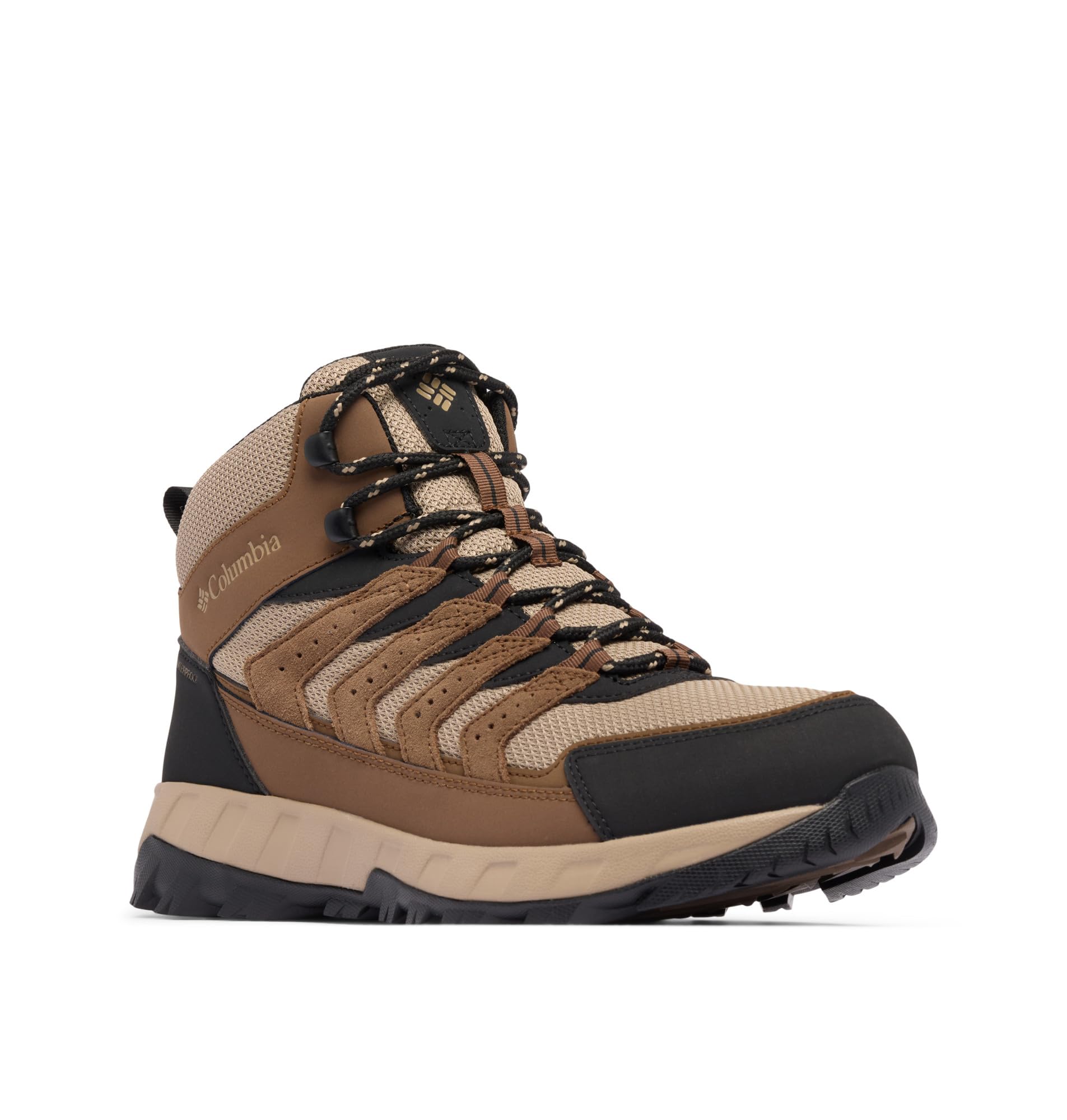
The Columbia Strata Trail Mid Waterproof earns the top spot because it balances real waterproofing with breathable construction that does not turn your feet into saunas. Customers consistently report wearing these for full-day hikes in the eighties without discomfort, which is rare for a membrane-lined shoe. The Omni-Grip outsole handles everything from wet glacier rock to loose gravel without slipping, and the generous toe box allows for thick socks without pinching toes.
Break-in time is minimal out of the box. Multiple users confirmed that they laced these up and immediately walked seven miles without hotspots or blisters. The design uses a combination of suede and mesh that keeps the upper lightweight while providing enough structure for moderate ankle support. The mid-height collar does not rub the Achilles tendon, a common pain point in stiffer boots.
The only recurring caution comes from wider-foot hikers. Some found the tongue stitching caused a pressure fold across the top of the foot, though cutting the tongue free resolved the issue. A thin break-in period is also noted for those with sensitive arches, but most users are comfortable within the first ten miles. At this price, the combination of waterproofing, grip, and all-day comfort is hard to beat.
Why it’s great
- Full waterproof membrane that remains breathable in warm conditions
- Exceptional traction across wet rock, mud, and loose gravel
- No break-in period required for most foot shapes
Good to know
- Some wide-foot users experience pressure from the tongue stitching
- May require a brief break-in for those with high arches
2. Timberland Men’s White Ledge Mid Waterproof Hiking Boots

Its full-grain leather upper and four-millimeter multi-directional lugs provide serious protection on the roughest terrain. Users report that the sole grips wet rocks with confidence — though algae-covered surfaces still require caution — and the mid-height cut delivers the ankle support that low-cut shoes simply cannot match on uneven ground.
Comfort is exceptional right out of the box. Several reviews mention that these are the most comfortable boots they have ever worn, with enough room in the toe box to accommodate custom orthotics. The leather conforms to the foot over time, and owners who size up a half size for thick socks find the fit perfect. The boot also breathes surprisingly well for a waterproof leather model, staying comfortable in both cold and warm conditions.
On the downside, the ankle support is not stiff enough for heavy backpacking loads — these work best for day hikes and moderate trails. Some users also note that the waterproofing requires regular mink oil treatment to stay effective, and the boots must be air-dried after submersion. Despite these trade-offs, the White Ledge remains a rugged, durable choice that delivers more grip and protection than most shoes in its class.
Why it’s great
- Deep four-millimeter lugs bite into loose dirt and wet rock
- Full-grain leather upper molds to the foot for personalized comfort
- Stable mid-height design reduces ankle roll risk on uneven trails
Good to know
- Leather requires regular conditioning to maintain waterproofing
- Ankle support is too soft for heavy backpacking loads
3. Merrell Men’s Speed Strike 2
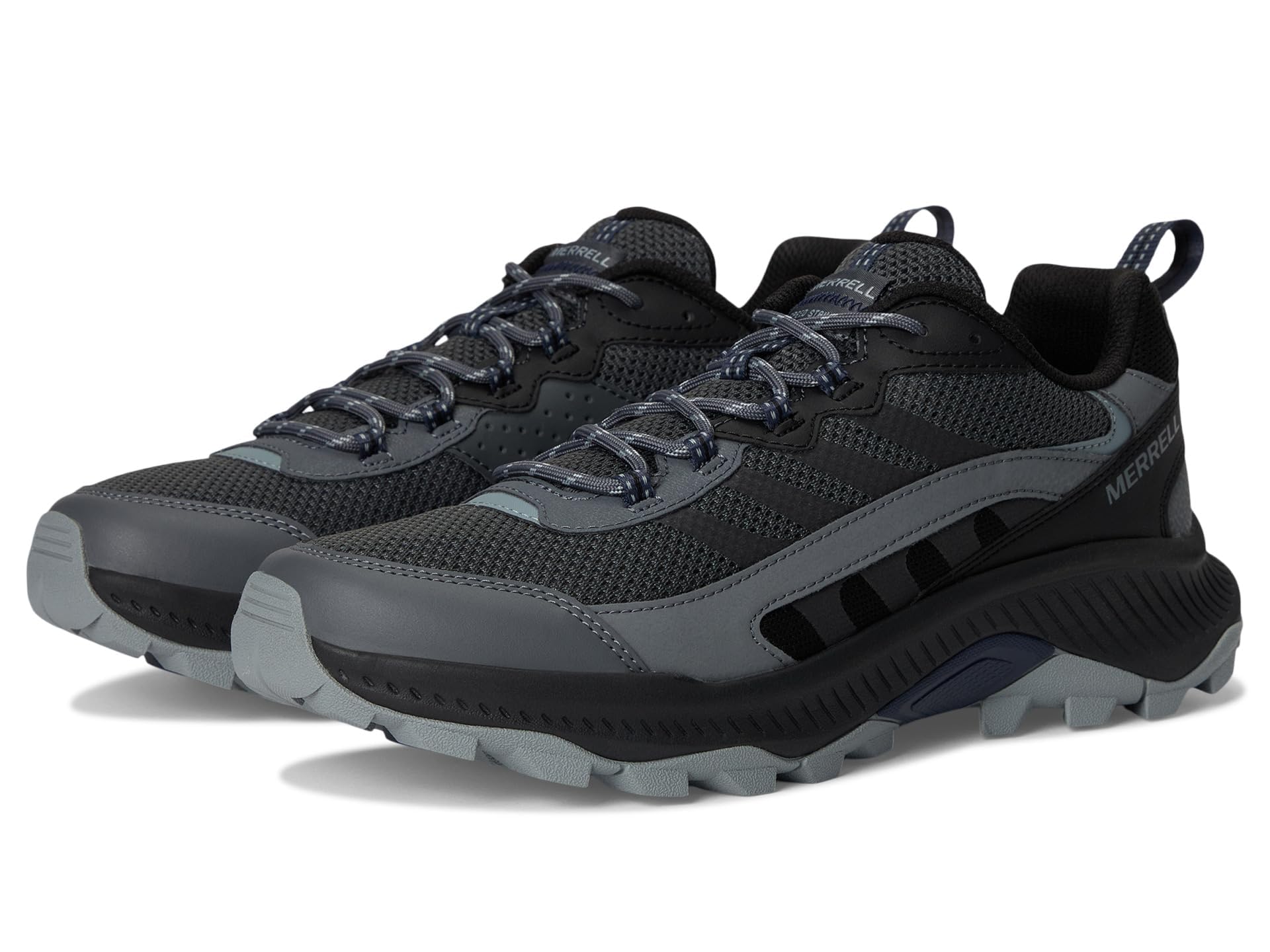
The Merrell Speed Strike 2 proves that a camping shoe does not need to be heavy to be capable. At just 1.5 pounds per pair, it feels like a running shoe but offers the grip and durability of a dedicated trail shoe. The breathable mesh upper keeps feet cool on warm days, and the wide fit provides ample toe room that prevents the blisters that plague narrow shoes on long hikes.
Durability is the standout feature here. Warehouse workers wearing these forty-plus hours a week report the sole holds up well after months of abuse on concrete and uneven floors alike. The Vibram outsole — though not labeled explicitly — provides reliable traction across dirt, gravel, and packed trails. The eco-friendly construction with recycled laces and mesh also appeals to conscious buyers who want a low-impact product without sacrificing performance.
Some users found the sole too stiff initially, requiring a short break-in before the shoe flexes naturally. A small number of buyers also mentioned that the left shoe felt like it was falling off the sole edge, requiring constant micro-adjustments. Those with extremely wide feet may want to stick with brands known for extra room. For the weight-conscious day hiker, however, the Speed Strike 2 is a fantastic middle-ground between a trail runner and a traditional hiking shoe.
Why it’s great
- Extremely lightweight at 1.5 pounds, ideal for fast day hikes
- Breathable mesh upper prevents overheating on warm trails
- Wide toe box accommodates thick socks and natural foot swelling
Good to know
- Stiff midsole requires a brief break-in period
- Some users report a lateral edge stability issue on the left foot
4. Columbia Women’s Transverse Hike Waterproof Hiking Boots
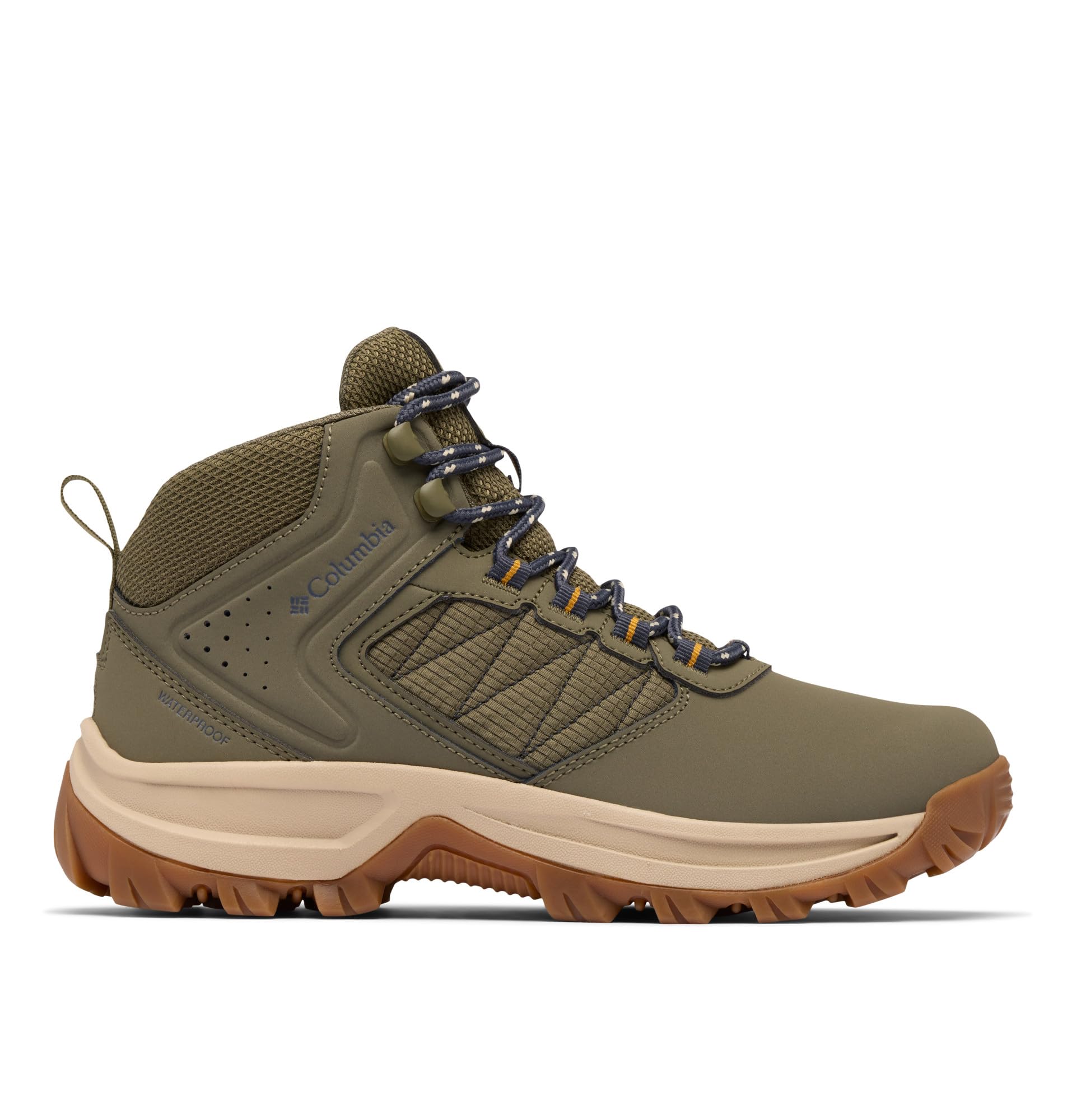
The Transverse Hike is Columbia’s answer to the demand for a women-specific boot that does not require a painful break-in period. Users consistently describe slipping these on and walking immediately — no blisters, no tight spots, no foot fatigue. The Omni-Tech waterproof lining keeps feet dry in snow, puddles, and rain while remaining flexible enough for all-day wear without the clunky feel of older waterproof boots.
Traction is excellent on both dry and wet surfaces, making it a solid choice for activities ranging from light hiking to snow play with kids. The boot is true to size for most foot shapes, though a few reviewers with narrow heels and high arches found the fit perfect without needing adjustments. The design is also notably non-clunky, offering a streamlined look that works for casual everyday wear as well as outdoor use.
One critical detail is that these boots run narrow. Several customers with naturally wide feet had to order up a full size to achieve comfortable width. Additionally, the ankle support is moderate — enough for day hikes and uneven terrain but not stiff enough for heavy loads or scrambling. If you have a narrow foot and want a waterproof boot that feels broken-in from the first step, this is one of the best options available.
Why it’s great
- Omni-Tech waterproofing is effective and breathable
- Zero break-in time for most foot shapes
- Streamlined design works for both trails and everyday wear
Good to know
- Runs narrow and may not fit wide feet without sizing up
- Ankle support is moderate, not suited for heavy backpacking
5. Columbia Strata Trail Low
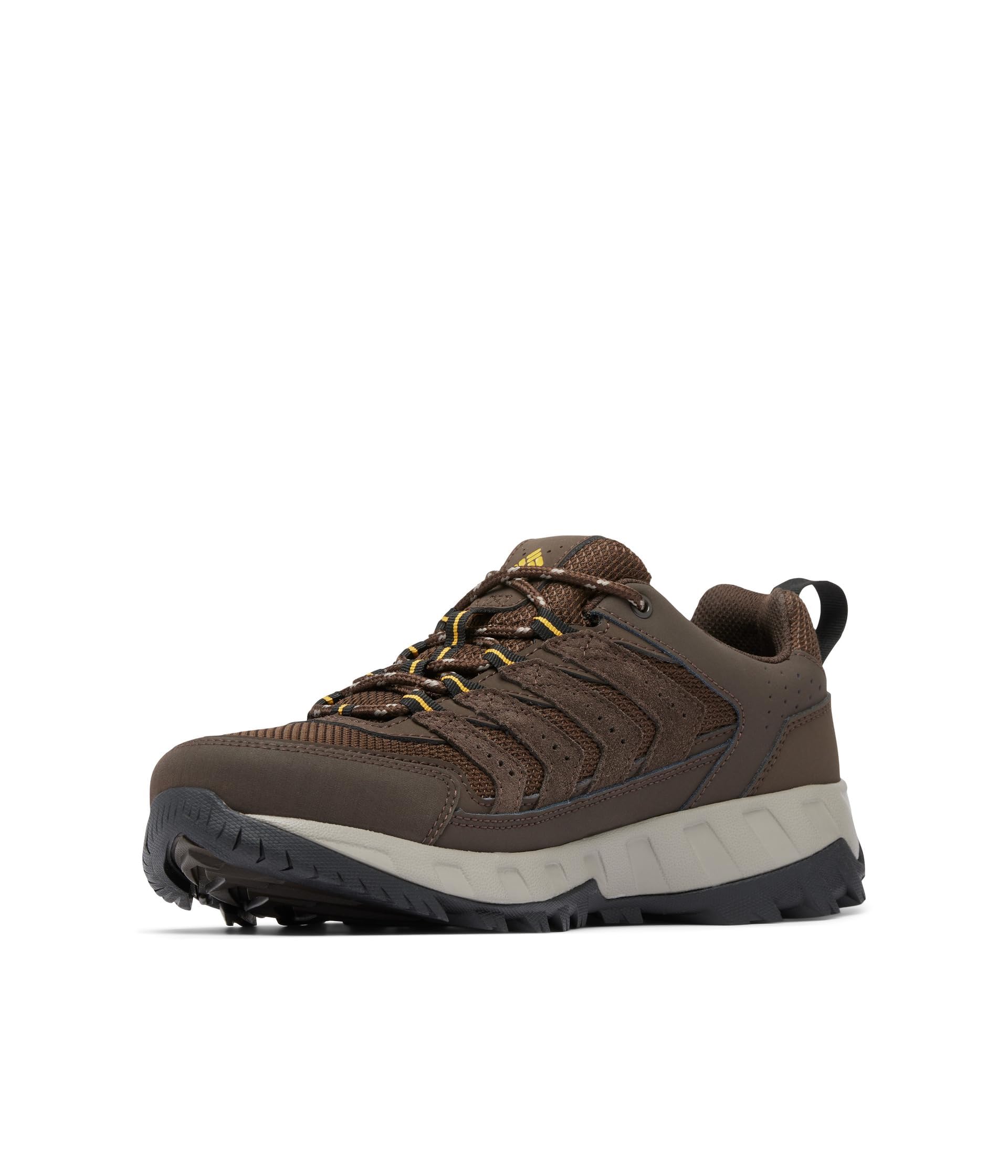
The Strata Trail Low is a low-cut shoe that punches above its weight in stability. Reviewers with ankle concerns specifically credit this shoe for preventing foot rolling on rocky and muddy terrain. The sole’s outstanding grip on steep grades and wet surfaces rivals many mid-height boots, making it a strong candidate for hikers who prefer the freedom of a low shoe but need reliable hold on unpredictable ground.
Comfort is a strong suit, thanks to a wider toe box than most trail shoes. Users with wide feet report that the fit accommodates them easily, and the cushioning reduces fatigue even on long days. The shoe is lightweight and breathable, and multiple owners confirm it fits true to size when wearing standard socks — though a half-size up is recommended if you plan to wear thick hiking socks.
The main caveat is that these run large. Several customers found that their usual size left excessive room in the toe, requiring a return for a smaller fit. Additionally, the low cut provides no ankle support, so if you need lateral stability, you will want a mid-height option. For hikers who prioritize traction and cushioning over ankle coverage, however, the Strata Trail Low delivers exceptional performance at a mid-range price.
Why it’s great
- Outstanding grip on rocky, muddy, and steep terrain
- Wider toe box fits wide feet comfortably
- Lightweight design reduces foot fatigue on long hikes
Good to know
- Runs large; sizing down a half size may be necessary
- Low cut offers no ankle support for lateral stability
6. New Balance Women’s Dynasoft Tektrel V1 Suede
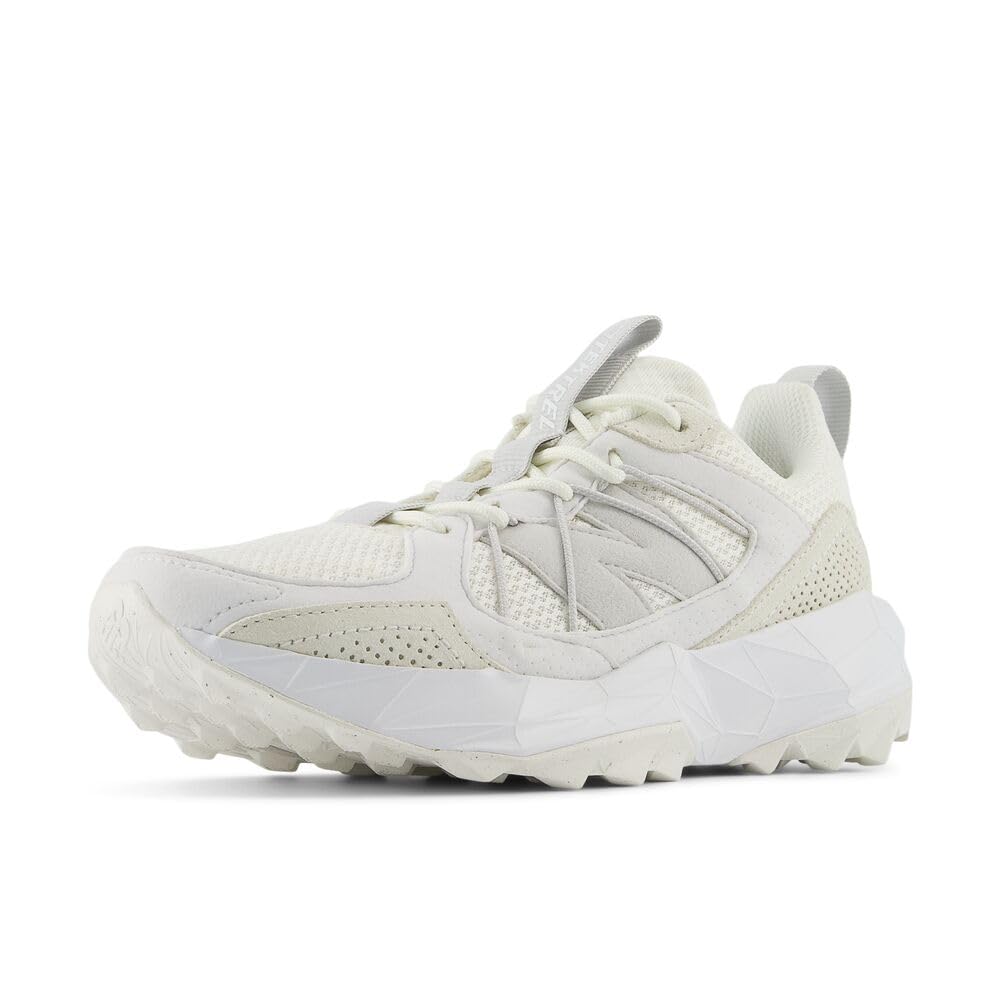
The Dynasoft Tektrel V1 is a style-forward shoe that does not sacrifice function. Its suede-and-mesh upper looks like a casual sneaker but the Dynasoft midsole and wide platform provide the support needed for uneven terrain. Owners rave about the grip on slippery surfaces, noting that the flexible sole and wide base inspire confidence on wet trails and loose dirt where regular sneakers would lose purchase.
Comfort is the headline here. The shoe is described as super comfortable for all-day wear, with enough cushioning for walks and light workouts. The design is true to size and flattering, and the lightweight construction makes it easy to pack for camping trips where you want one shoe for both hiking and casual camp wear. The suede upper also has a premium feel that sets it apart from purely synthetic competitors.
The biggest drawback is that the suede acts like a magnet for lint, hair, and dust, especially on the black colorway. Pet owners found themselves constantly brushing debris off the shoe. Additionally, the tongue is unusually narrow, which may cause discomfort for some wearers. Despite these quirks, the Tektrel V1 is an excellent choice for casual campers who value comfort and style without needing serious waterproofing or heavy-duty trail performance.
Why it’s great
- Excellent grip on wet and uneven surfaces
- Wide platform provides stable footing on trails
- Comfortable cushioning suitable for all-day wear
Good to know
- Suede upper attracts lint and pet hair easily
- Narrow tongue design may cause pressure on some feet
7. adidas Men’s Terrex Tracefinder Trail Running Shoes

The Terrex Tracefinder is a trail runner that blurs the line between running shoe and hiking shoe. Weighing just over two pounds, it feels virtually weightless on the foot and encourages a fast pace on light trails and gravel paths. The sole provides decent grip on uneven surfaces, and the breathable mesh upper keeps feet well-ventilated during warm-weather hikes. For shorter day trips where speed matters more than ankle protection, this is a solid pick.
Durability exceeds expectations for the price point. One owner reported putting over five hundred miles on a single pair with minimal wear beyond expected tread smoothing. The fit is true to size, and the light build makes it easy to pack as a backup camp shoe. The sporty look also works well for casual wear around the campsite, making it a versatile option for minimalist packers who want one shoe for multiple uses.
The insoles are the biggest weakness. Multiple reviews note that the factory insoles are poor quality and recommend swapping them for aftermarket inserts immediately. The shoe also runs large for some users, particularly those with narrower feet, so sizing down a half-size may be necessary. If you are willing to invest in better insoles, the Terrex Tracefinder offers a lightweight, budget-friendly entry into trail performance that punches well above its weight class in durability.
Why it’s great
- Very lightweight and breathable for fast day hikes
- Surprisingly durable for the budget-friendly tier
- Works well as both a hiking shoe and casual camp shoe
Good to know
- Factory insoles are poor and should be replaced
- Runs large for narrow-footed users
FAQ
Should I buy a low-cut shoe or a mid-height boot for camping?
How much toe room should I leave in camping shoes?
Do I need waterproof camping shoes if I only hike in dry weather?
Final Thoughts: The Verdict
For most users, the best camping shoes winner is the Columbia Men’s Strata Trail Mid Waterproof because it delivers reliable waterproofing, excellent all-terrain grip, and all-day comfort without a painful break-in period. If you want a lightweight, low-cut shoe for fast day hikes, grab the Merrell Speed Strike 2. And for rugged trails that demand maximum traction and ankle support, nothing beats the Timberland White Ledge Mid Waterproof.

Mo Maruf
I created WellFizz to bridge the gap between vague wellness advice and actionable solutions. My mission is simple: to decode the research and give you practical tools you can actually use.
Beyond the data, I am a passionate traveler. I believe that stepping away from the screen to explore new environments is essential for mental clarity and physical vitality.