Our readers keep the lights on and my smoothie glass nicely filled. As an Amazon Associate, I earn from qualifying purchases.
Transitioning to a minimalist shoe for the trail means re-learning how your foot interacts with the ground. The extra foam, arch support, and elevated heel found in conventional trainers can mask terrain feedback, leading to poor foot mechanics. A true barefoot trail shoe demands a wide toe box for splay, a zero-drop platform for a natural gait, and a flexible, grippy outsole that lets you feel the rock, root, and dirt beneath you.
I’m Mohammad Maruf — the founder and writer behind WellFizz. I’ve spent years analyzing foot biomechanics, outsole rubber compounds, and stack heights to help runners find the right platform for their stride.
Whether you’re a seasoned minimalist runner or making the switch to natural foot function, this guide cuts through the marketing fluff to help you find the best barefoot trail running shoes for your specific trail conditions and foot shape.
How To Choose The Best Barefoot Trail Running Shoes
Picking your first or next pair of barefoot trail shoes involves more than just picking a zero-drop model. The terrain you run on, your foot width, and your desired level of protection all dictate the right match. Here are the three most critical factors to consider.
Stack Height vs. Ground Feel
In the barefoot world, the stack height — the distance between your foot and the ground — is a battleground. A lower stack (under 10mm) delivers maximum sensory feedback, letting you feel small pebbles and trail textures. A slightly higher stack (15-20mm) adds a layer of protection against sharp rocks without muting the ground feel entirely. For technical trails, a bit more stack can save your soles without sacrificing the minimalist philosophy.
Toe Box Volume and Shape
Not all wide toe boxes are built the same. Some brands offer a “foot-shaped” fit that flares out dramatically at the metatarsals, while others provide a more rounded but still spacious front. If you have bunions, neuromas, or simply wide feet, look for a shoe that allows your toes to splay laterally. A cramped toe box in a zero-drop shoe can lead to bruised toes on downhills, so measure your foot width before buying.
Outsole Grip and Lug Depth
A flexible barefoot shoe requires an outsole that can conform to uneven surfaces while still biting into loose dirt. Lugs in the 3-5mm range are ideal for packed trails and hardpack, while deeper lugs (5mm+) are better for mud and loose scree. The rubber compound matters too: stickier compounds like Vibram Megagrip offer superior wet rock traction but may wear faster on asphalt approaches. Choose based on your primary running environment.
Quick Comparison
On smaller screens, swipe sideways to see the full table.
| Model | Category | Best For | Key Spec | Amazon |
|---|---|---|---|---|
| ALTRA Lone Peak 9 (M) | Premium | All-day trail & backpacking | Zero drop, MaxTrac outsole, 25mm stack | Amazon |
| FLUX FOOTWEAR Adapt Runner | Premium | Walking, tennis, daily wear | Zero drop, flexible sole, wide toe box | Amazon |
| Vivobarefoot Primus Trail II FG | Premium | Versatile off-road & gym | Puncture-resistant sole, 3mm lugs | Amazon |
| New Balance Minimus Tr V2 (M) | Premium | Gym training & short trail | Zero drop, Vibram outsole, 4mm lug | Amazon |
| ALTRA Lone Peak 8 (W) | Mid-Range | Wide feet, rocky terrain | Zero drop, MaxTrac outsole, 25mm stack | Amazon |
| Xero Shoes Mesa Trail II (M) | Mid-Range | Lightbarefoot trail runs | Zero drop, 10.5mm stack, 3.5mm lugs | Amazon |
| Xero Shoes HFS Original (W) | Mid-Range | Road-to-trail, bunions | Zero drop, flexible sole, 5.5mm stack | Amazon |
| ALTRA Experience Wild 2 (M) | Mid-Range | Transition shoe from traditional | 4mm drop, rocker, EVA midsole | Amazon |
| New Balance Minimus MT10V1 (M) | Budget | Smooth trails, lightweight runs | Zero drop, Vibram outsole, 4mm lugs | Amazon |
In‑Depth Reviews
1. ALTRA Men’s Lone Peak 9 Trail Running Shoe

The Lone Peak 9 continues ALTRA’s legacy as a staple in the barefoot-adjacent trail world. With a genuine zero-drop platform and a 25mm stack height, it strikes a rare balance: enough cushion for rock-strewn descents without the squish that deadens ground feel. The MaxTrac outsole handles mud and granite with authority, and the breathable mesh upper sheds water quickly — users report no blisters even after 60 miles of break-in.
Fit is the key differentiator here. The FootShape toe box allows natural toe splay, and several long-time hikers mention this shoe solved chronic foot pain from narrower models. The heel cup is stable without being restrictive, and the 1.5-pound weight feels light on the foot. That said, it runs slightly large — ordering half a size down is a common recommendation.
For runners who want a zero-drop shoe that can handle everything from day hikes to ultra-distance backpacking, the Lone Peak 9 delivers unmatched versatility. It’s not a true “barefoot” shoe in the ultra-thin sense, but for those transitioning or seeking a protective zero-drop platform, it’s the gold standard.
Why it’s great
- Wide toe box eliminates toe crowding on downhills.
- MaxTrac rubber provides excellent traction on wet rock and loose dirt.
- No break-in period; zero blisters reported after 60+ miles.
Good to know
- Runs half a size large; may require sizing down.
- Not suitable for purists seeking a sub-10mm stack height.
2. FLUX FOOTWEAR Adapt Runner
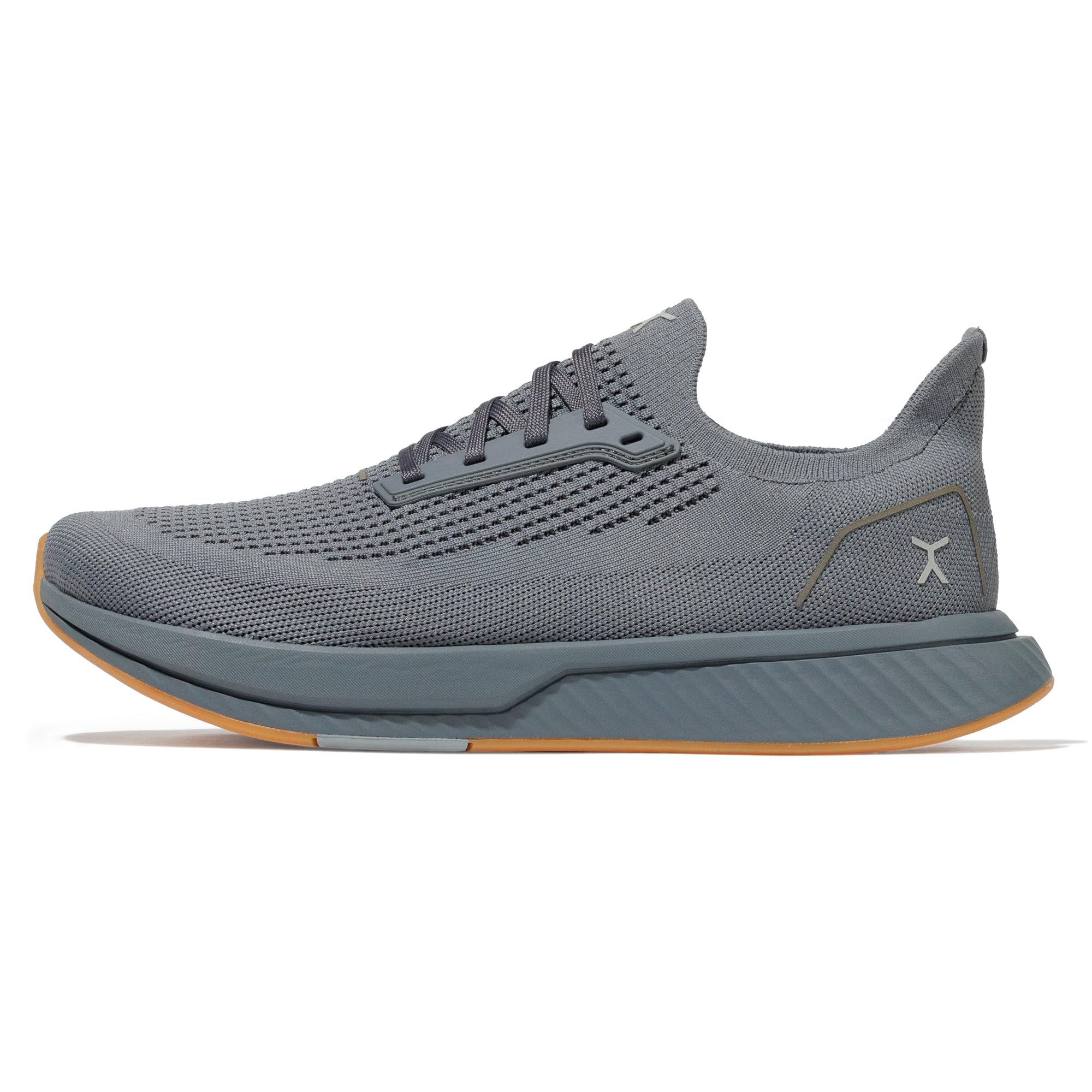
The FLUX FOOTWEAR Adapt Runner has carved out a loyal following for its blend of minimalist design and all-day wearability. Its wide toe box is spacious enough for bunions and arthritis sufferers, while the zero-drop sole encourages a natural gait. Users who spend 15,000 steps a day on concrete report significant reductions in knee and back pain compared to traditional running shoes.
Durability is a highlight: one user reported their first pair lasted four years of daily yard work, tennis, and walking. The upper is breathable, and the insole is removable for those who want an even closer-to-ground feel. Some reviewers note the ankle collar runs snug, and the lacing system doesn’t loosen fully — a potential issue for those with high insteps or neuropathy-related swelling.
This shoe excels as a do-everything minimalist option. It’s not specialized for technical singletrack, but for walking, light jogging, gym work, and everyday use, it offers premium comfort without a premium price tag. If you want one shoe for daily life and recreational trails, the Adapt Runner is hard to beat.
Why it’s great
- Extremely durable construction tested over years of daily use.
- Spacious toe box accommodates bunions and wide feet effectively.
- Reduces foot, knee, and back pain for high-mileage walkers.
Good to know
- Ankle collar can be too tight for some; laces don’t fully loosen.
- Initial stiffness requires a brief break-in period of about two weeks.
3. Vivobarefoot Primus Trail II FG

Vivobarefoot’s Primus Trail II FG is the go-to for runners who want true barefoot ground feel with enough protection for rocky terrain. The puncture-resistant outsole handles sharp stones, while the 3mm tread pattern provides grip on hardpack and loose dirt. Weighing just over a pound (depending on size), it’s one of the lightest trail-ready barefoot shoes available.
The fit is secure and slipper-like, with a wrap-around feel that prevents heel lift. Several users note the tongue tends to slide sideways during runs, and the heel collar can collapse without a shoehorn. The lack of half sizes is a limitation: some users report a minor toe blister that resolves after removing the insole. Those accustomed to barefoot shoes will love the ground feedback, but beginners may find sharp rocks uncomfortable.
This shoe shines on smooth-to-moderate technical trails, water crossings, and even gym deadlifts thanks to its stable, flat platform. It’s not the best for deep mud or long, rocky ultra runs, but for a lightweight, minimalist off-road shoe, the Primus Trail II FG is a benchmark.
Why it’s great
- Excellent ground feel and proprioception for technical terrain.
- Puncture-resistant sole protects against sharp rocks.
- Versatile for trail running, gym lifting, and everyday wear.
Good to know
- Tongue slides; heel collar collapses without a shoehorn.
- No half sizes available; sizing can be tricky.
4. New Balance Men’s Minimus Tr V2
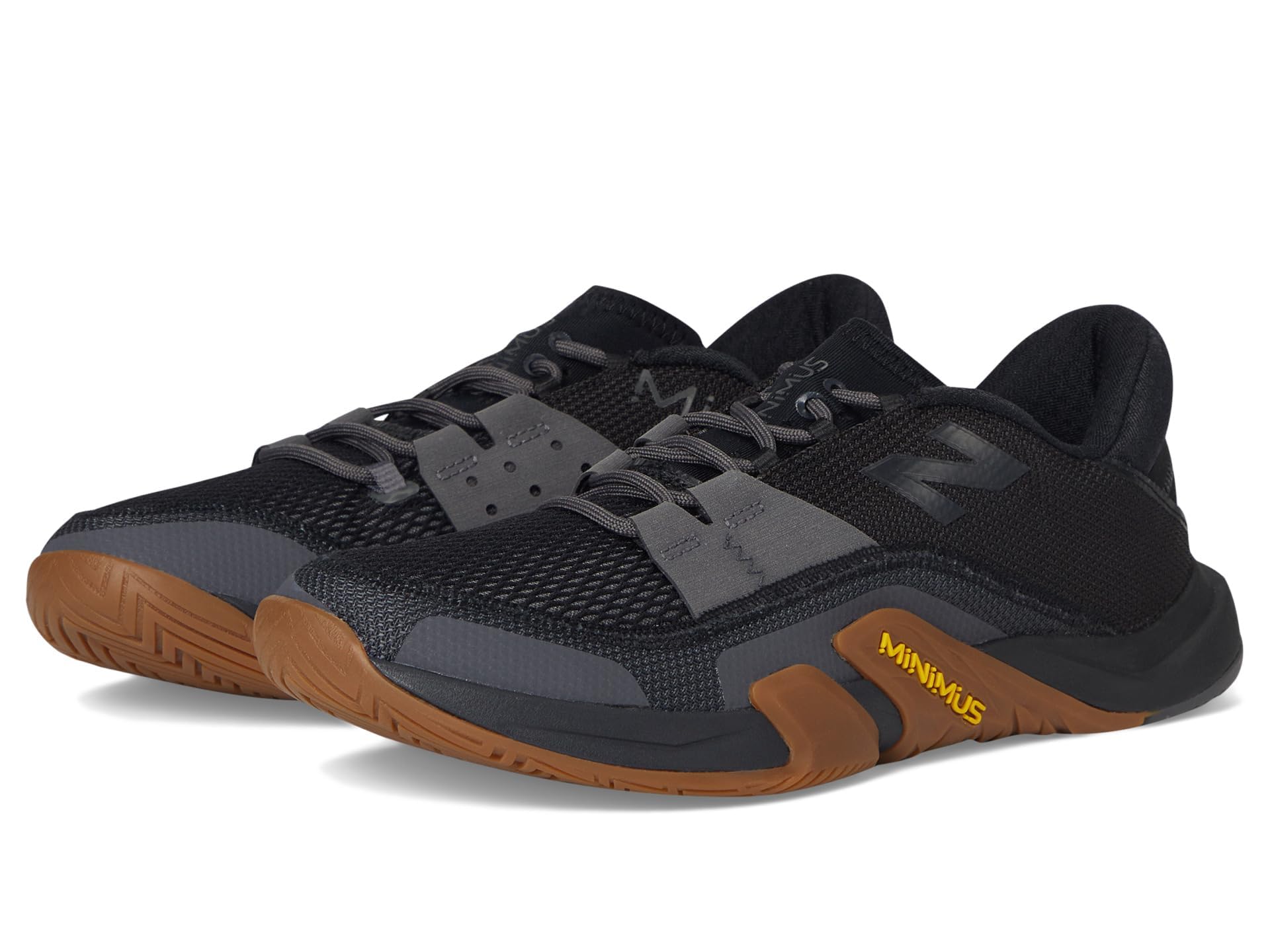
The New Balance Minimus Tr V2 is a versatile minimalist shoe designed for gym training and short trail runs. Its Vibram outsole delivers reliable traction on pavement, grass, and packed dirt, while the zero-drop platform keeps your foot flat for squats and deadlifts. The shoe is noticeably flexible, allowing natural foot movement during dynamic movements.
However, sizing is a major headache. Nearly every reviewer recommends going up a full size and one width — the stock fit runs extremely small. The neoprene tongue is prone to sliding, and several users who loved the V1 were disappointed by the V2’s added padding and stiffness. For serious long-distance trail running, this shoe falls short; it’s best suited for hybrid gym-and-short-trail use.
If you need a minimalist shoe that transitions from the weight room to a 5K trail loop, the Minimus Tr V2 works well. Just be prepared to order carefully and accept that it’s not a pure barefoot experience — it’s a lightweight hybrid trainer with a zero-drop foundation.
Why it’s great
- Vibram outsole offers excellent grip on varied surfaces.
- Flexible sole allows natural foot movement during lifts.
- Lightweight and comfortable for short runs and gym sessions.
Good to know
- Runs very small; size up a full size and one width.
- Not suitable for long-distance trail running.
5. ALTRA Women’s Lone Peak 8 Trail Running Shoe
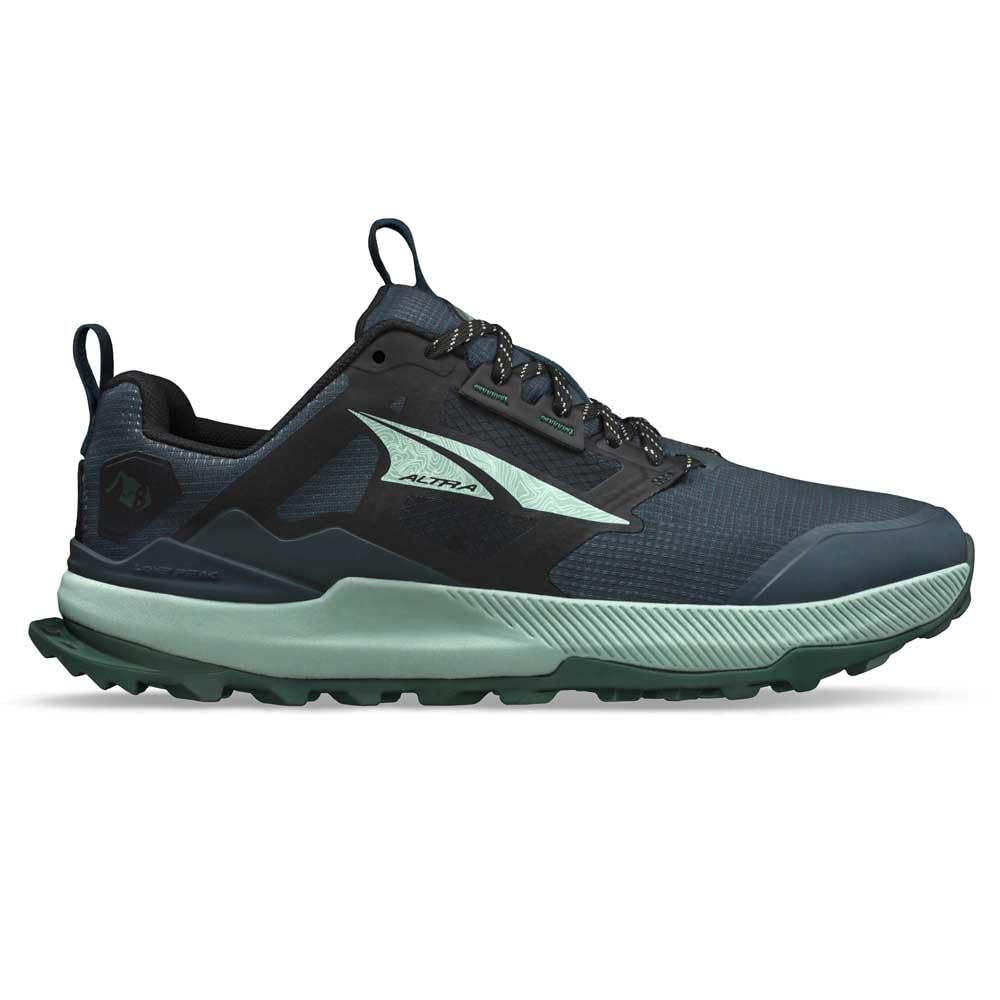
The ALTRA Lone Peak 8 for women is a direct predecessor to the Lone Peak 9, offering the same zero-drop geometry and roomy FootShape toe box at a slightly lower entry point. It’s a proven favorite among hikers and trail runners with wide feet — multiple users report it eliminated pain from bunions and toe crowding on steep, rocky terrain.
Grip is stellar on loose dirt and granite, and the shoe is light enough for running yet robust enough for a 5-mile hike. The toe guard protects the fabric from premature wear, and the Velcro gaiter attachment is a thoughtful touch for debris-heavy trails. Some users note the heel cup could be better, and the fabric shows wear around the toe box after extended use.
For runners who prioritize toe splay over a true barefoot sole feel, the Lone Peak 8 is a mid-range gem. It’s not as thin as a sandal, but its zero-drop platform and spacious front make it a reliable choice for long days on the trail without foot pain.
Why it’s great
- Wide toe box eliminates toe pain on rocky descents.
- MaxTrac outsole handles loose and wet terrain effectively.
- Compatible with gaiters for dusty trail conditions.
Good to know
- Toe box fabric may show premature wear.
- Heel cup could be more supportive for some runners.
6. Xero Shoes Men’s Mesa Trail II

The Xero Mesa Trail II is a dedicated barefoot trail shoe with a 10.5mm stack height and 3.5mm lugs — true minimalism that still offers a modicum of protection. Users who walk 2,500 miles annually praise its ground feel and grippy outsole, which handles packed trails and loose gravel with confidence. The shoe is extremely light, and its flexible sole allows your foot to cup rocks naturally.
Durability raises concerns. Some users report tread wear on the heels under 1,000 miles, along with fabric ripping and broken lacing straps. The insole can slip, and the shoe takes two days to dry after a wet run. Sizing is inconsistent across Xero models; the Mesa II runs long for some but short for others, requiring careful trial and error.
This shoe is ideal for experienced minimalists who want a genuine barefoot feel for daily trail runs. It’s not built for sharp, jagged terrain, but on smooth-to-moderate trails, its sensory feedback and flexibility are unmatched. If longevity is a priority, consider the level of wear acceptable for the price.
Why it’s great
- True barefoot feel with excellent ground feedback.
- Grippy outsole handles packed trails and loose gravel well.
- Extremely light and flexible for natural foot movement.
Good to know
- Durability concerns; tread and fabric may wear early.
- Sizing inconsistent between models; may need multiple tries.
7. Xero Shoes Women’s HFS Original Barefoot Running Shoes
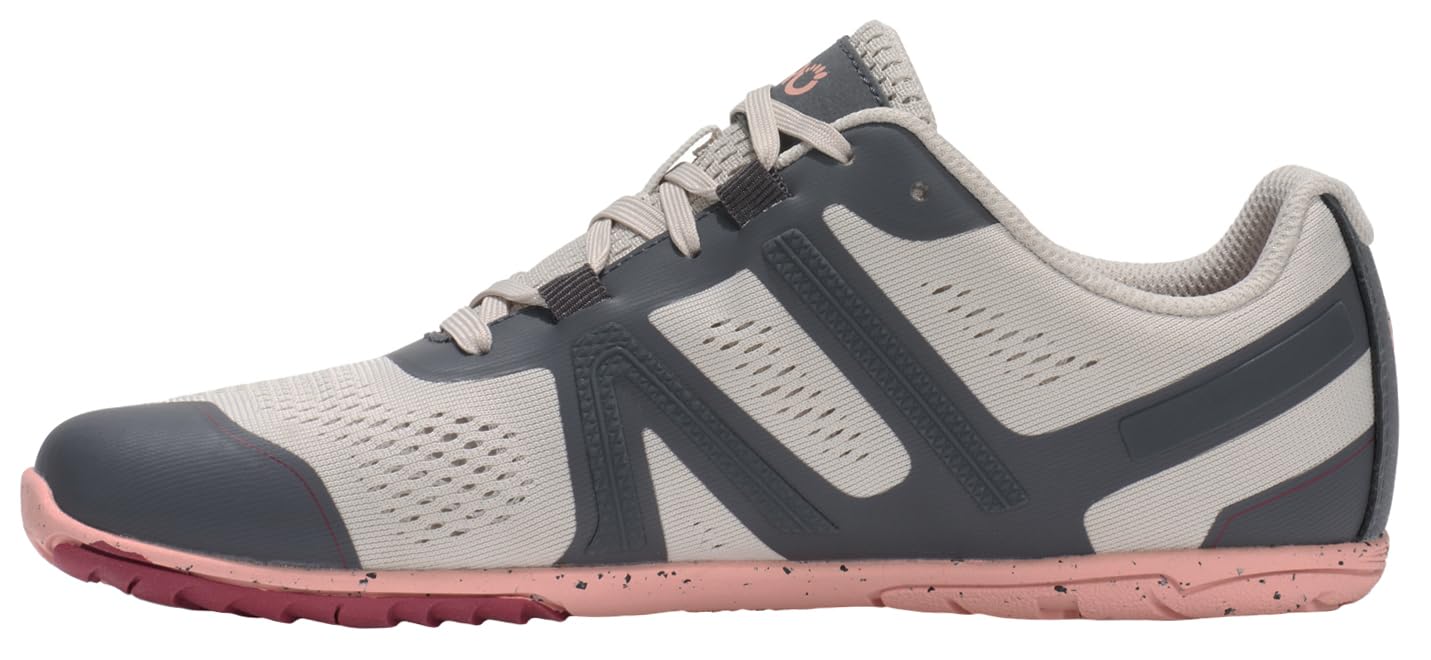
The Xero HFS Original is a road-to-trail barefoot shoe that stands out for its accommodating fit. The wide toe box and seamless mesh upper make it a top choice for runners with bunions or neuromas — users report zero pain after mile 3 compared to traditional shoes. The flexible sole allows the foot to bend naturally, and at just 5.5mm stack, it offers maximum ground feel.
This shoe runs small; ordering half a size up is the norm for a good fit. It’s not suited for long-distance daily running on pavement — one reviewer noted knee and Achilles pain during half-marathon training. The thin sole also makes sharp rocks noticeable, so it’s best on smoother trails and gravel paths. The letters on the side tend to wear off after a single run.
The HFS Original is a specialist’s tool for short, fast runs where sensory feedback is the priority. It’s not a daily trainer for distance, but for minimalists who want to feel every step and have sensitive feet, it’s a standout option.
Why it’s great
- Wide toe box provides relief for bunions and neuromas.
- Extremely flexible sole allows natural foot bending.
- Lightweight and breathable for warm-weather runs.
Good to know
- Runs small; order half a size larger.
- Not suitable for long distances on hard pavement.
8. ALTRA Experience Wild 2
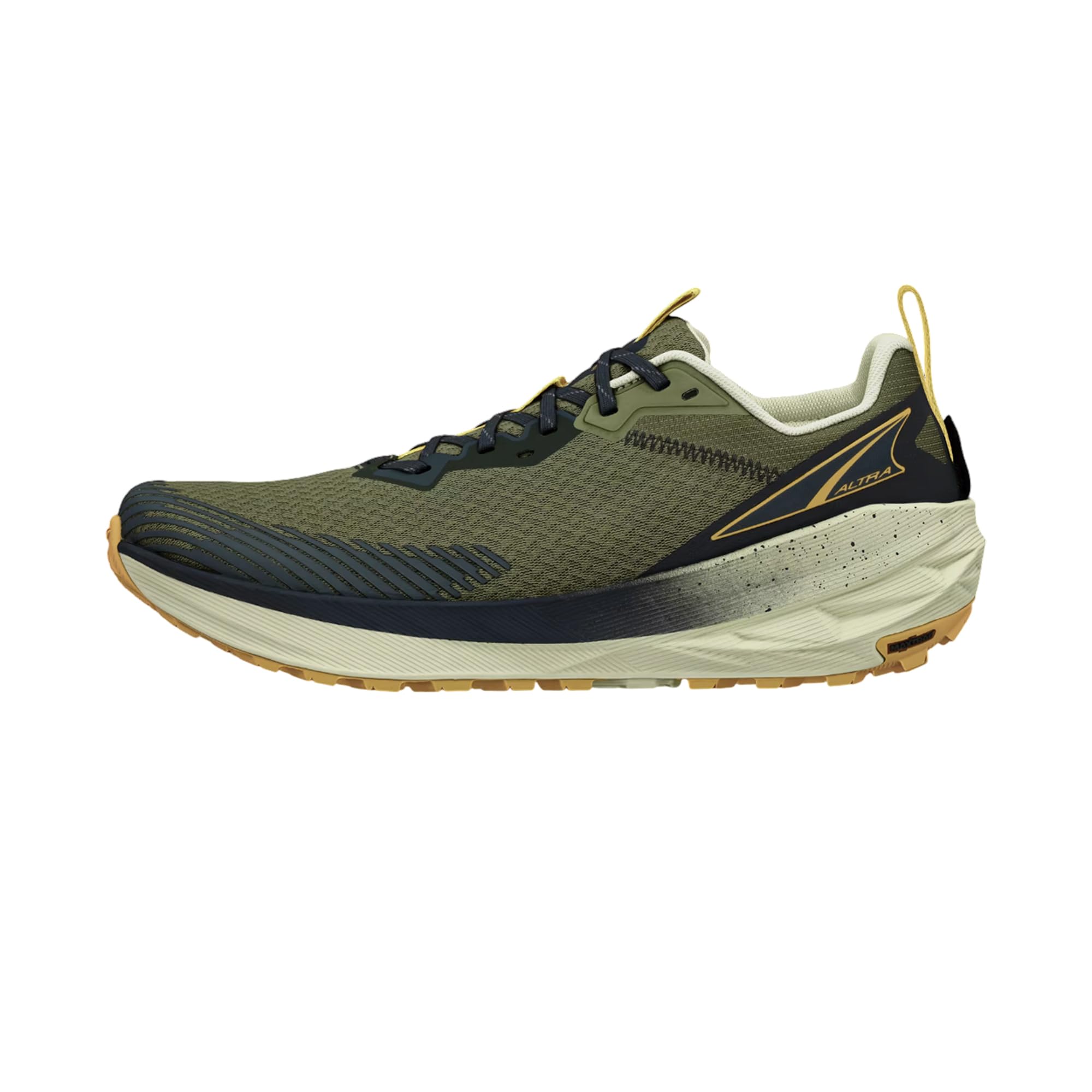
The ALTRA Experience Wild 2 is a transitional shoe for runners moving from traditional cushioning toward a more minimalist platform. It features a 4mm heel drop — a slight ramp compared to true zero-drop — and a rocker sole designed to smooth the gait cycle. Users with plantar fasciitis and chronic ankle pain report significant relief within a month, making it a strong option for rehabilitation.
The wide toe box offers good splay, though the toe box volume is slightly shallow top-to-bottom for some. Grip is excellent on loose soil and granite, and the shoe is durable — several reviews note it outlasts Hoka models by double the mileage. The raised heel may help those transitioning from conventional shoes, but it prevents this model from being a true barefoot experience.
If you’re not ready to go fully zero-drop but want the benefits of a roomy toe box and natural foot positioning, the Experience Wild 2 is a smart stepping stone. It’s not a minimalist shoe in the strict sense, but it’s a great bridge for runners easing into lower-drop footwear.
Why it’s great
- 4mm drop with rocker eases transition from traditional shoes.
- Excellent grip on loose soil and granite surfaces.
- Durable construction outlasts many competitor models.
Good to know
- Not a true barefoot shoe due to heel drop and cushioning.
- Toe box may feel shallow top-to-bottom for some runners.
9. New Balance Men’s MT10V1 Minimus Trail Running Shoe
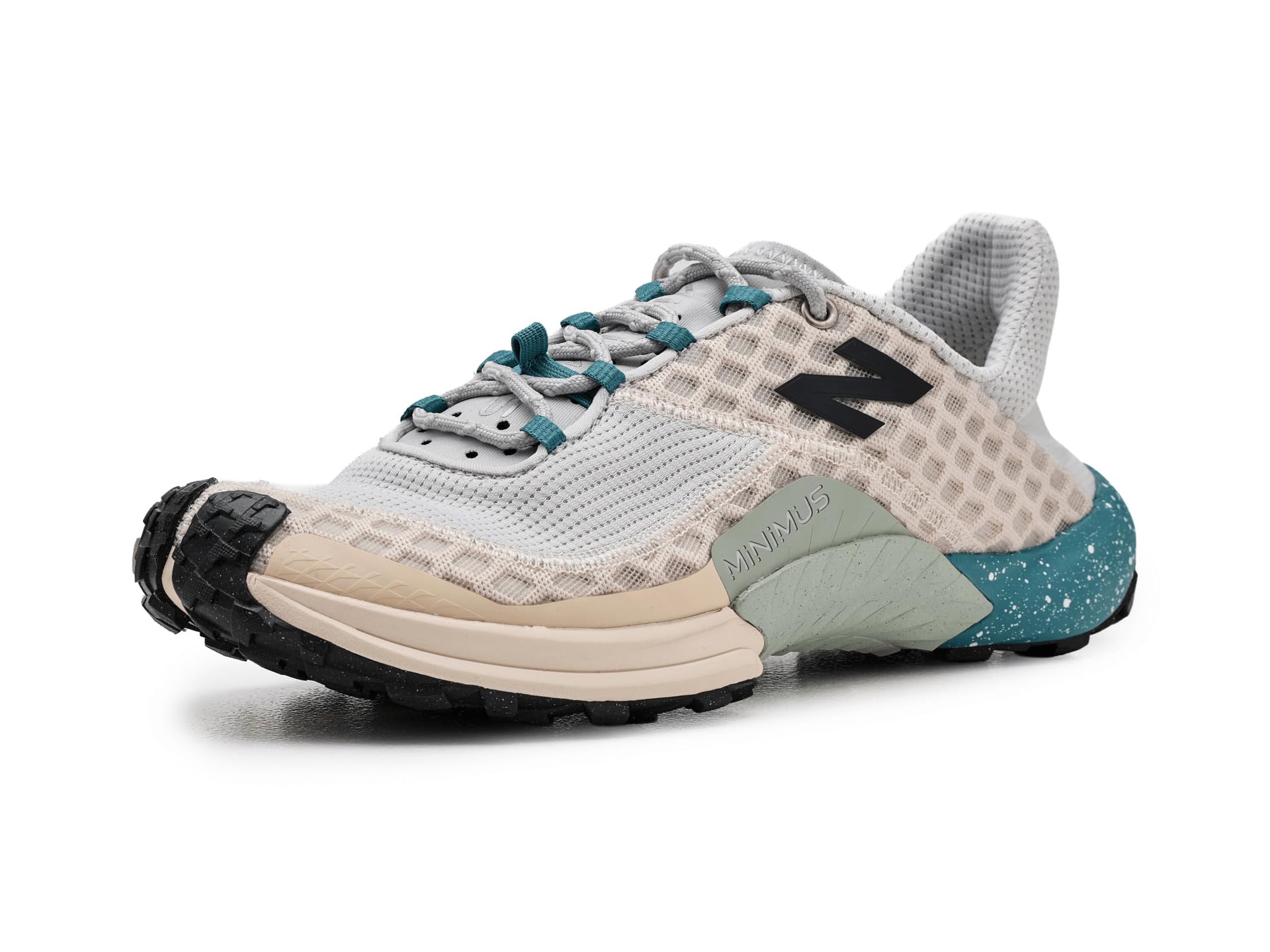
The New Balance MT10V1 Minimus is a classic entry-level barefoot shoe for those on a budget. At just 6.6 ounces, it’s remarkably light, and its Vibram outsole delivers reliable traction on smooth trails and pavement. The flexible sole provides good ground feel, and the shoe sheds water and heat quickly — ideal for summer and rainy runs.
This shoe is narrow inside, with minimal padding. Users with wide feet or sensitive soles will find it uncomfortable on sharp rocks. The tongue is thin, and the heel cup offers little structure. It’s not recommended for rough terrain or long distances, but for short, fast runs on packed dirt, it performs admirably.
The MT10V1 is a discontinued model, so availability may become limited. For budget-conscious minimalists who stick to smooth trails, it remains a solid, low-cost option that delivers the core barefoot experience without breaking the bank.
Why it’s great
- Extremely lightweight at 6.6 ounces.
- Vibram outsole provides excellent traction on smooth surfaces.
- Good value for entry-level barefoot runners.
Good to know
- Narrow fit; not suitable for wide feet.
- Minimal padding; feels sharp rocks easily.
FAQ
How long does it take to transition to barefoot trail shoes?
Can barefoot shoes prevent plantar fasciitis?
Are barefoot trail shoes good for wide feet?
Final Thoughts: The Verdict
For most runners, the best barefoot trail running shoes winner is the ALTRA Lone Peak 9 because it combines zero-drop geometry with enough stack height for technical terrain, making it the most versatile option for both beginners and seasoned minimalists. If you want a true barefoot ground feel with puncture protection, grab the Vivobarefoot Primus Trail II FG. And for all-day comfort at a great value, the FLUX FOOTWEAR Adapt Runner delivers durability and toe room for daily wear and trail use alike.

Mo Maruf
I created WellFizz to bridge the gap between vague wellness advice and actionable solutions. My mission is simple: to decode the research and give you practical tools you can actually use.
Beyond the data, I am a passionate traveler. I believe that stepping away from the screen to explore new environments is essential for mental clarity and physical vitality.