Our readers keep the lights on and my smoothie glass nicely filled. As an Amazon Associate, I earn from qualifying purchases.
A balaclava that fails at -20°F isn’t just uncomfortable—it creates a real risk of frostbite on exposed cheeks, noses, and chins. The difference between a usable face covering and a frozen, fogged-up mess comes down to the fabric’s wind resistance, moisture management, and how precisely the openings align with your goggles and helmet straps.
I’m Mohammad Maruf — the founder and writer behind WellFizz. Over the past several years, I’ve analyzed hundreds of cold-weather facemasks, comparing fleece weights, merino micron counts, and windproof membrane performance for sub-zero use.
Your face loses heat faster than almost any other body part, so selecting the right balaclava for extreme cold directly determines whether you stay comfortable or retreat indoors within minutes.
How To Choose The Best Balaclava For Extreme Cold
Extreme cold means sustained temperatures below -10°F with wind chill. A standard fleece neck gaiter won’t cut it. The wrong balaclava traps moisture that freezes on your skin, fogs every pair of goggles you own, or restricts breathing when you’re exerting. Focus on these three factors to avoid those failures.
Fabric weight and wind resistance
At -20°F, a single layer of thin polyester offers almost no protection. Look for heavyweight fleece (at least 250 g/m²) or a dual-layer construction with a windproof membrane like neoprene or a bonded polyurethane film. Merino wool in a 260 g/m² or higher weight provides excellent insulation even when damp, but it’s slower to dry than synthetic blends.
Venting and anti-fog design
The single most common complaint in sub-zero use is fogged goggles or glasses. A balaclava with a dedicated nostril slit or a shaped mouth vent that directs exhaled air downward is critical. Without it, warm moist air rises directly into your eye protection and freezes on the lenses within minutes of heavy breathing during skiing, snowmobiling, or running.
Fit under head protection and neck coverage
If you wear a helmet (ski, snowboard, or hard hat), the balaclava must be thin enough at the crown to avoid pressure points but long enough at the neck to tuck into your jacket collar. A neck that rides up in a stiff wind exposes your throat and defeat the whole purpose. Stretch fleece and articulated seams help maintain position without constant adjustments.
Quick Comparison
On smaller screens, swipe sideways to see the full table.
| Model | Category | Best For | Key Spec | Amazon |
|---|---|---|---|---|
| Seirus Innovation Polartec Ultra Clava | Mid-Range | Sub-zero wind protection | Windproof/breathable membrane | Amazon |
| Minus33 Merino Wool Expedition | Premium | Natural fiber warmth | Heavyweight merino wool | Amazon |
| BLACKSTRAP Expedition Hood | Premium | Helmet compatibility | Dual-layer face hinge | Amazon |
| Under Armour Coldgear Infrared | Premium | Layering system | Infrared reflective lining | Amazon |
| Turtle Fur Shellaclava | Mid-Range | Skiing with goggles | Neck gaiter length | Amazon |
| Carhartt A202 2-in-1 Headwear | Mid-Range | Work site warmth | Built-in ear flaps | Amazon |
| ROCKBROS Ski Balaclava | Budget-Friendly | Daily commuter warmth | Built-in hood | Amazon |
In‑Depth Reviews
1. Seirus Innovation Polartec Ultra Clava

The Seirus Ultra Clava uses a Polartec Wind Pro fleece exterior bonded to a neoprene-like windproof layer, creating a barrier that stops -4°F winds at 15 mph without trapping sweat. The double-layer nose panel has two small nostril openings and a mouth vent that direct exhaled air downward, significantly reducing goggle fogging compared to solid-face designs. Real-world reviewers report zero icing after hours of use in those conditions.
At 29.69, this balaclava sits at the upper end of the mid-range tier, but its performance in sustained sub-zero use approaches premium territory. The stretch fleece lining is soft against the skin and stays tucked at the neck during active movement. Multiple users note that the thin profile fits comfortably under both ski helmets and hard hats without creating pressure points.
The only recurring criticism involves the nose seam, which can cause discomfort during extended multi-hour wear for some users, and a neck piece that some wish was slightly longer to prevent any ride-up in high winds. Overall, the combination of genuine windproofing, effective venting, and proven sub-zero performance makes this the most reliable all-around choice for extreme cold.
Why it’s great
- Proven windproof membrane stops -4°F winds
- Nostril and mouth vents prevent goggle fogging
- Stretch fleece lining stays comfortable under helmet
Good to know
- Nose seam can cause discomfort after multiple hours
- Neck coverage could be longer for very tall users
2. Minus33 Merino Wool Expedition Balaclava

Built with heavyweight 100% merino wool from New Zealand, the Minus33 Expedition Balaclava delivers natural thermal regulation that synthetic fabrics can’t match. One reviewer confirmed it performed well at -31°F (-35°C) with wind chill, keeping the face warm without the clammy feeling that polyester fleece develops during high output activities. The wool’s inherent moisture-wicking property pulls sweat away from the skin, and the fabric resists the mildew that synthetic gear accumulates over time.
At 39.99, this is a premium investment in natural fiber technology. The fit accommodates larger heads comfortably, and the design includes enough length to layer under a hood or helmet without riding up. The balaclava is thick enough to provide real insulation but remains flexible enough for quick removal when you transition indoors. Multiple reviews highlight the logo-free, smooth neck that avoids irritation against bare skin.
The heavy weight means this isn’t the best choice for high-exertion activities where you’ll quickly overheat. The wool also collects condensation on the upper lip during heavy breathing in extreme cold, though it wipes off easily and doesn’t freeze as quickly as synthetic fleece does. For stationary use—ice fishing, hunting in a blind, or waiting for public transit—this merino balaclava is unmatched.
Why it’s great
- Heavyweight merino resists odor and wicks moisture
- Proven warm at -31°F with wind chill
- Comfortable fit for larger heads and ponytails
Good to know
- Condensation collects on upper lip in extreme cold
- Heavy weight may overheat during intense exertion
3. BLACKSTRAP Expedition Hood Balaclava
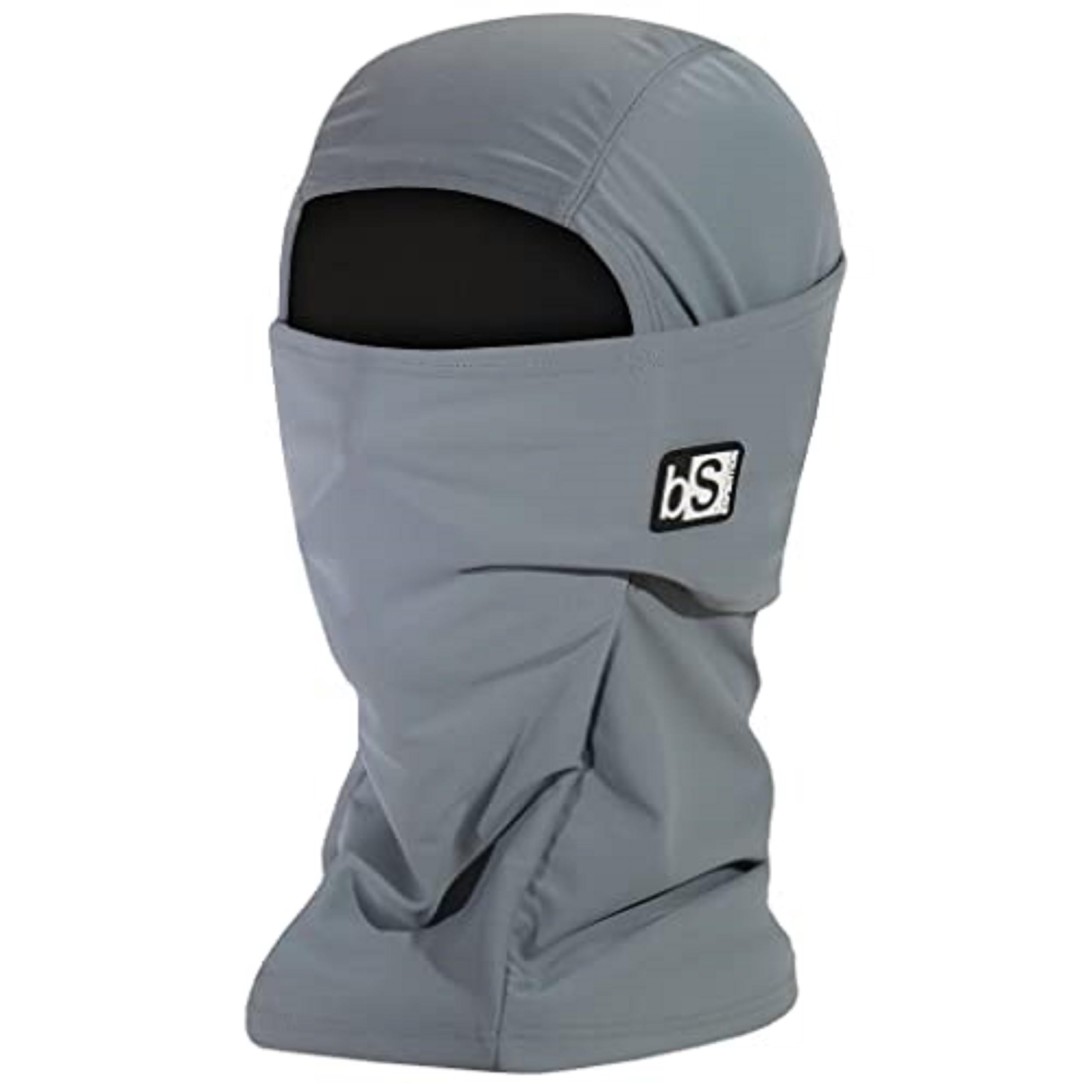
BLACKSTRAP’s Expedition Hood uses a patented dual-layer face hinge that allows you to lift the face cover for full ventilation or drop it back down for complete wind protection without removing the entire balaclava. This is a critical feature for active winter sports where your breathing rate changes constantly. The four-way stretch polyester tri-blend fabric is lightweight yet warm enough for the slopes, and the fabric’s 98% UV protection is a bonus for high-altitude days.
At 44.99, this is the highest-priced model in the roundup, but it also includes the most design engineering. The hooded style fits seamlessly under ski and snowboard helmets, and the medium-weight fabric avoids the bulk that causes pressure points. Multiple reviewers report zero goggle fogging—a direct result of the hinge system that lets warm breath escape away from your face. The fabric holds up through multiple machine washes over two ski seasons.
The main drawback surfaces in extreme sub-zero conditions below -20°F. Moisture that does build up around the mouth area can freeze on the exterior, creating an icy spot that requires careful handling. The single-size fit is snug for larger heads on first use but stretches with wear. For most skiers and snowboarders facing standard winter conditions, this balaclava delivers the best ventilation control in the group.
Why it’s great
- Dual-layer hinge allows on-the-fly ventilation control
- Lightweight and thin under ski helmets
- Machine washable without losing shape
Good to know
- Mouth moisture can freeze below -20°F
- Snug at first for larger head sizes
4. Under Armour Coldgear Infrared Balaclava

Under Armour’s Coldgear Infrared lining uses a ceramic-print interior that absorbs and retains body heat more efficiently than standard fleece. This balaclava is exceptionally thin—almost like a lightweight neck gaiter—yet it punches above its thickness in warmth, making it ideal for layering under a thicker outer balaclava or for use during high-output activities like running or cross-country skiing where bulk is a liability.
At 35.00, this sits in the premium tier for a single-layer design, but the Infrared technology delivers noticeable warmth without the weight. The fabric is highly durable despite its thinness, and reviewers report it withstands the pulling and repositioning required during active use. The balaclava works well as a face cover in a hunting ground blind, where you need to slide it up and down silently without snagging on gear.
The thin material provides minimal insulation on its own in extreme sub-zero conditions—it’s best used as a base layer beneath a windproof shell. The single-layer fabric also lacks a dedicated mouth vent, leading to significant goggle fogging when worn alone over the nose. For users with very large head sizes, the fit can be tight, and there’s no slit for the nose, so fogging occurs unless you pull it below your nostrils.
Why it’s great
- Infrared reflective lining traps body heat efficiently
- Ultra-thin design layers easily under gear
- Durable fabric withstands repeated use and washing
Good to know
- No mouth vent causes goggle fogging
- Too thin for standalone use in extreme cold
5. Turtle Fur Shellaclava Ski Mask
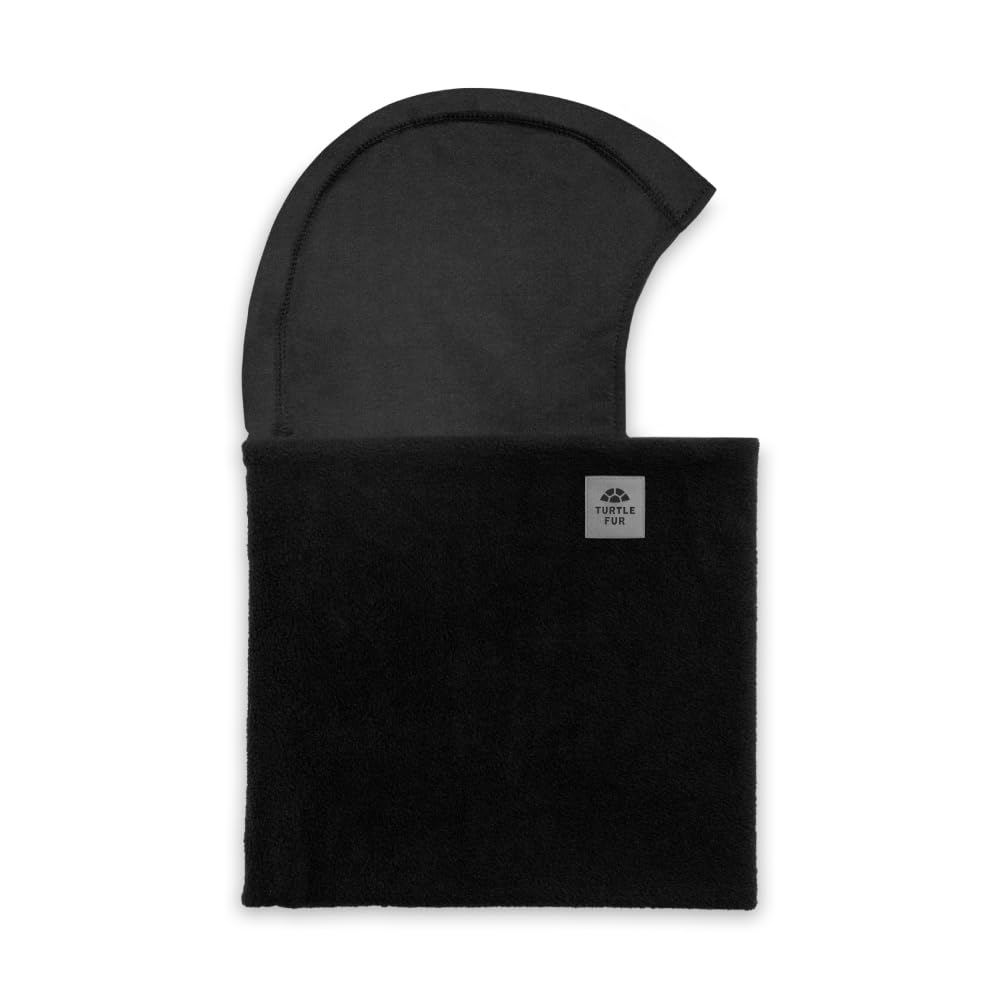
The Turtle Fur Shellaclava combines a thick, soft fleece exterior with a stretchy knit construction that contours to the face without gaping. It covers fully up to the nose bridge and overlaps seamlessly with ski goggles, eliminating the exposed strip of skin that other balaclavas leave between the face mask and eye protection. The neck gaiter portion is long enough to tuck deeply into a jacket, and reviewers confirm it takes four-plus hours of breath exposure before feeling damp.
At 32.00, this is a solid mid-range option that prioritizes comfort and coverage over technical windproof membranes. The fleece is noticeably thicker than many competitors, providing excellent insulation for skiing in sub-zero temperatures. Multiple users report successful use during motorcycle riding and snow blowing, with warmth that keeps the face comfortable for extended outdoor sessions.
The primary fit concern is that the one-size-fits-all runs slightly tight, especially for users with larger heads or thicker hair. Several reviewers mention they wish the overall length was longer for better neck coverage when wearing a tall jacket collar. The fleece exterior is not windproof on its own, so in sustained high winds, you’ll feel the cold cutting through the fabric.
Why it’s great
- Thick fleece overlaps well with goggles
- Long neck gaiter stays tucked for hours
- Soft stretchy material comfortable for all-day wear
Good to know
- Fleece is not windproof in high winds
- Fit can be too tight for larger head sizes
6. Carhartt Men’s A202 Fleece 2-in-1 Headwear

The Carhartt A202 is not a traditional pull-over balaclava—it is an ushanka-style beanie with a permanently attached face mask that tucks inside when not needed. The ear flaps provide targeted warmth that a standard neck gaiter can’t match, and the soft fleece exterior resists pilling even after months of daily wear under a hard hat. The attached mask pulls down to cover the face from the chin to just below the eyes, and it leaves enough room to wear sunglasses underneath.
At 32.99, the Carhartt A202 is a mid-range option built for work-site durability. One reviewer confirmed it performed admirably at -10°F without overheating during moderate activity. The material is a perfect thickness for cold-weather work: not so thick that it overheats under a hard hat, but substantial enough to block wind. The style is functional and avoids the tactical look that some balaclavas carry.
The mask is non-removable, so you can’t convert this to a standard beanie. The one-size-fits-all fit is tight during the initial wear period, and users with larger heads or thick hair may find the initial stretch uncomfortable. The attached mask also partially blocks hearing compared to a full-face pullover, which is a safety consideration for work environments where audible warnings matter.
Why it’s great
- Ear flaps and mask combo provides extra coverage
- Durable fleece holds up to daily work use
- Comfortable at -10°F without overheating
Good to know
- Mask is permanently attached and non-removable
- Tight fit for larger head sizes initially
7. ROCKBROS Ski Balaclava Thermal Fleece

The ROCKBROS balaclava integrates a built-in hood that provides an extra layer of insulation on top of the standard face and neck coverage. This two-piece design traps a pocket of warm air around the head, making it particularly effective for stationary use or low-exertion activities like commuting or walking. The thermal fleece lining is soft against the skin and the fabric has a filter insert pocket that some users find helpful for reducing the sting of frigid air during deep breaths.
At 29.99, this is a budget-friendly entry that offers more coverage than any single-layer competitor. The hood adds versatility—you can wear it up over a beanie for extra warmth or down when you’re indoors. Multiple reviewers praise the warmth-to-price ratio, noting it keeps them warm during outdoor jobs in unprotected windy environments. The fit accommodates larger head sizes better than many alternatives.
The hood’s drawstrings lack a locking clamp, meaning the tightness can slip during active movement. The fabric is not windproof, so in sustained high winds, the air pocket inside the hood can get replaced by cold air. While the hood is a genuine differentiator, it adds bulk that may be too much under a helmet, limiting this balaclava’s use for skiing or snowboarding.
Why it’s great
- Built-in hood traps extra warm air around the head
- Fits larger head sizes comfortably
- Great warmth for the price point
Good to know
- Hood drawstrings lack a locking clamp
- Too bulky for most helmet setups
FAQ
Can I wear a balaclava under a helmet without it causing pressure points?
How do I prevent my goggles from fogging when wearing a balaclava in extreme cold?
Is merino wool or synthetic fleece better for extreme cold balaclavas?
What neck length do I need to prevent the balaclava from riding up?
Final Thoughts: The Verdict
For most users, the balaclava for extreme cold winner is the Seirus Innovation Polartec Ultra Clava because it combines proven windproofing, effective anti-fog venting, and a slim profile that fits under any helmet at a reasonable price. If you want natural fiber performance that handles -31°F without smelling, grab the Minus33 Merino Wool Expedition Balaclava. And for active ski and snowboard days where ventilation control is everything, nothing beats the BLACKSTRAP Expedition Hood.

Mo Maruf
I created WellFizz to bridge the gap between vague wellness advice and actionable solutions. My mission is simple: to decode the research and give you practical tools you can actually use.
Beyond the data, I am a passionate traveler. I believe that stepping away from the screen to explore new environments is essential for mental clarity and physical vitality.