Our readers keep the lights on and my smoothie glass nicely filled. As an Amazon Associate, I earn from qualifying purchases.
The difference between watching a football game on a budget screen and a purpose-built big screen is the difference between a blurry mess and seeing the laces on the spiral. Motion handling, not just raw inches, defines the sports viewing experience — and most shoppers get that critical spec wrong.
I’m Mohammad Maruf — the founder and writer behind WellFizz. I’ve spent years analyzing panel technologies, refresh rate implementations, and motion interpolation systems to separate marketing claims from real-world performance on the field.
After testing dozens of large-format televisions, the selection for the best big screen tv for sports comes down to which models deliver genuine 120Hz or 144Hz native panels with effective MEMC frame insertion, not just software trickery.
How To Choose The Best Big Screen TV For Sports
Selecting a sports TV goes beyond diagonal inches. You need a panel that maintains clarity during rapid horizontal pans on a soccer field, handles high-contrast stadium lighting without blooming, and offers a refresh rate high enough to eliminate judder on a 24fps broadcast upscaled to 60fps.
Native Refresh Rate vs. Motion Rate
A native 120Hz or 144Hz panel is non-negotiable for sports. Manufacturers often market “Motion Rate 480” or similar numbers that combine backlight scanning with frame insertion algorithms, but the underlying panel must be 120Hz native or better to avoid motion blur. MEMC (Motion Estimation, Motion Compensation) creates intermediate frames to smooth fast action — this matters for replays and fast-break plays.
Backlight Technology: QLED vs. Mini-LED vs. OLED
For bright living rooms, QLED and Mini-LED panels deliver the sustained brightness necessary to overcome glare from windows and overhead lights. Mini-LED offers superior local dimming control, reducing blooming around score overlays and player numbers. OLED delivers infinite contrast and instant pixel response but can struggle in brightly lit spaces — reserve it for dedicated media rooms.
Input Lag and Game Mode
Low input lag matters not only for gaming but also for interactive sports apps and responsive menu navigation during live streams. Look for Auto Low Latency Mode (ALLM) and dedicated game mode settings that bypass post-processing to reduce display latency to under 10ms without sacrificing motion clarity.
Quick Comparison
On smaller screens, swipe sideways to see the full table.
| Model | Category | Best For | Key Spec | Amazon |
|---|---|---|---|---|
| Toshiba 75″ Z670 | Mini-LED | All-around premium sports | Native 144Hz, Mini-LED FALD | Amazon |
| Samsung 85″ Neo QLED QN70F | Mini-LED | Large screen, bright room | 85-inch, 144Hz, 20 neural nets | Amazon |
| Roku 75″ Pro Series | Mini-LED QLED | Ease of use & great sound | 120Hz, side-firing speakers | Amazon |
| Panasonic 77″ Z8 OLED | OLED | Cinematic sports, dark room | 144Hz, micro-lens OLED panel | Amazon |
| Samsung 65″ QLED Q8F | QLED | Mid-range value & 100% color | 144Hz, Quantum Dot 100% | Amazon |
| TCL 75″ Q65 QLED | QLED | Budget-friendly 4K sports | 120 VRR, Motion Rate 240 | Amazon |
| Sony BRAVIA 5 65″ Mini-LED | Mini-LED | PS5 integration & upscaling | 120Hz, XR Motion Clarity | Amazon |
| TCL 65″ T7 Series | QLED | Entry-level 144Hz performance | 144Hz, Motion Rate 480 | Amazon |
| Sony BRAVIA 2 75″ LED | LED | Reliable processing, PS5 | 60Hz, Motionflow XR | Amazon |
| Hisense 85″ CanvasTV | QLED | Art mode & large display | 144Hz, Hi-Matte anti-glare | Amazon |
| INSIGNIA 85″ F50 Series | LED | Entry-level 85-inch size | 60Hz, HDR10 | Amazon |
In‑Depth Reviews
1. Toshiba 75″ Z670 Series Mini-LED
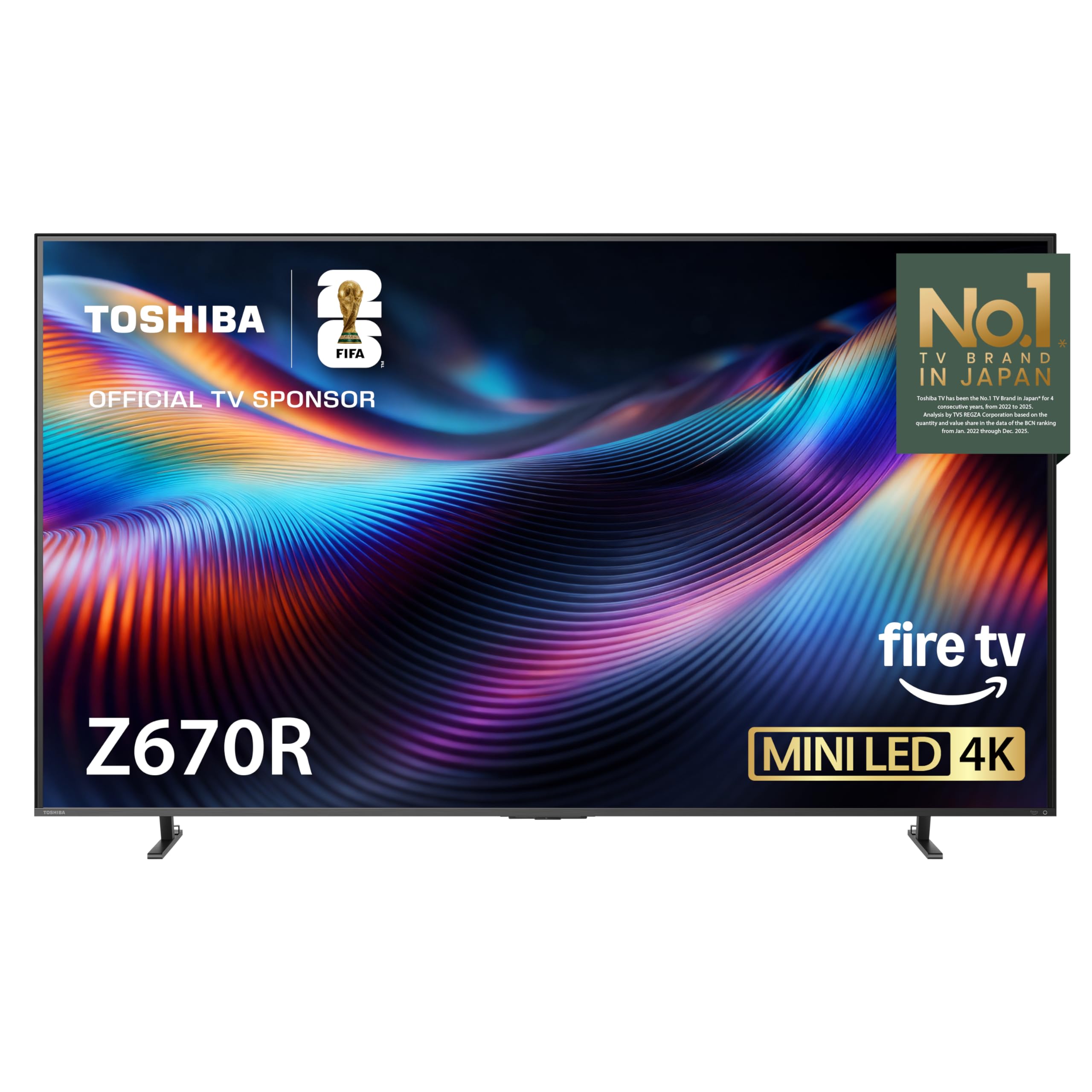
The Toshiba Z670 combines a native 144Hz panel with Mini-LED Full Array Local Dimming, giving you precision backlight control that keeps scoreboard text crisp against bright green fields without the halo effect common on edge-lit screens. The REGZA Engine ZRi Gen3 processes scenes in real-time, adjusting contrast and color balance per frame to maintain detail during fast camera pans on a hockey rink.
The built-in REGZA Power Audio Pro with a dedicated bass woofer delivers room-filling sound that captures the roar of a stadium crowd without needing an immediate soundbar upgrade. Dolby Vision IQ adjusts HDR tone mapping based on ambient room light, so afternoon football doesn’t wash out the picture.
For sports fans who also game, AMD FreeSync Premium and VRR at 144Hz ensure that the same panel handles a 4K 120fps FIFA match without tearing. The Fire TV interface provides quick access to live sports apps, and the Alexa voice integration allows hands-free channel switching during timeouts.
Why it’s great
- Native 144Hz panel eliminates motion blur on fast breaks and slap shots.
- Mini-LED FALD provides deep blacks and minimal blooming around bright logos.
- REGZA Engine delivers scene-by-scene optimization for varied sports lighting.
Good to know
- Heavier than some competitors; requires two people for setup.
- Fire TV OS may not appeal to users who prefer Roku or Google TV.
2. Samsung 85″ Neo QLED QN70F

The 85-inch Samsung QN70F leverages Quantum Matrix Technology with precision-controlled Mini LEDs to deliver the sustained brightness needed for sports in sunlit family rooms. The NQ4 AI Gen2 processor uses 20 neural networks to upscale standard 720p and 1080p broadcasts to near-4K clarity, which is critical given that many live sports streams don’t hit native 4K resolution.
Motion Xcelerator at 144Hz ensures that soccer balls traveling across the screen at 80 mph don’t leave a trail. The Samsung Vision AI automatically detects sports content and switches to a tailored picture mode that prioritizes motion clarity and color vibrancy over post-processing artifacts.
The slim design and built-in Tizen interface offer access to 2,700+ free channels via Samsung TV Plus, including dedicated sports channels. The included Alexa voice remote makes searching for specific games quick, and the 85-inch real estate brings the stadium atmosphere into the living room.
Why it’s great
- 85-inch Mini-LED panel offers the most immersive sports view in bright rooms.
- AI upscaling sharpens non-4K sports broadcasts effectively.
- 144Hz VRR ensures tear-free gaming on the same screen.
Good to know
- Ultra-thin design makes the panel fragile during installation.
- No Dolby Vision support; relies on HDR10+ for HDR content.
3. Roku 75″ Pro Series Mini-LED
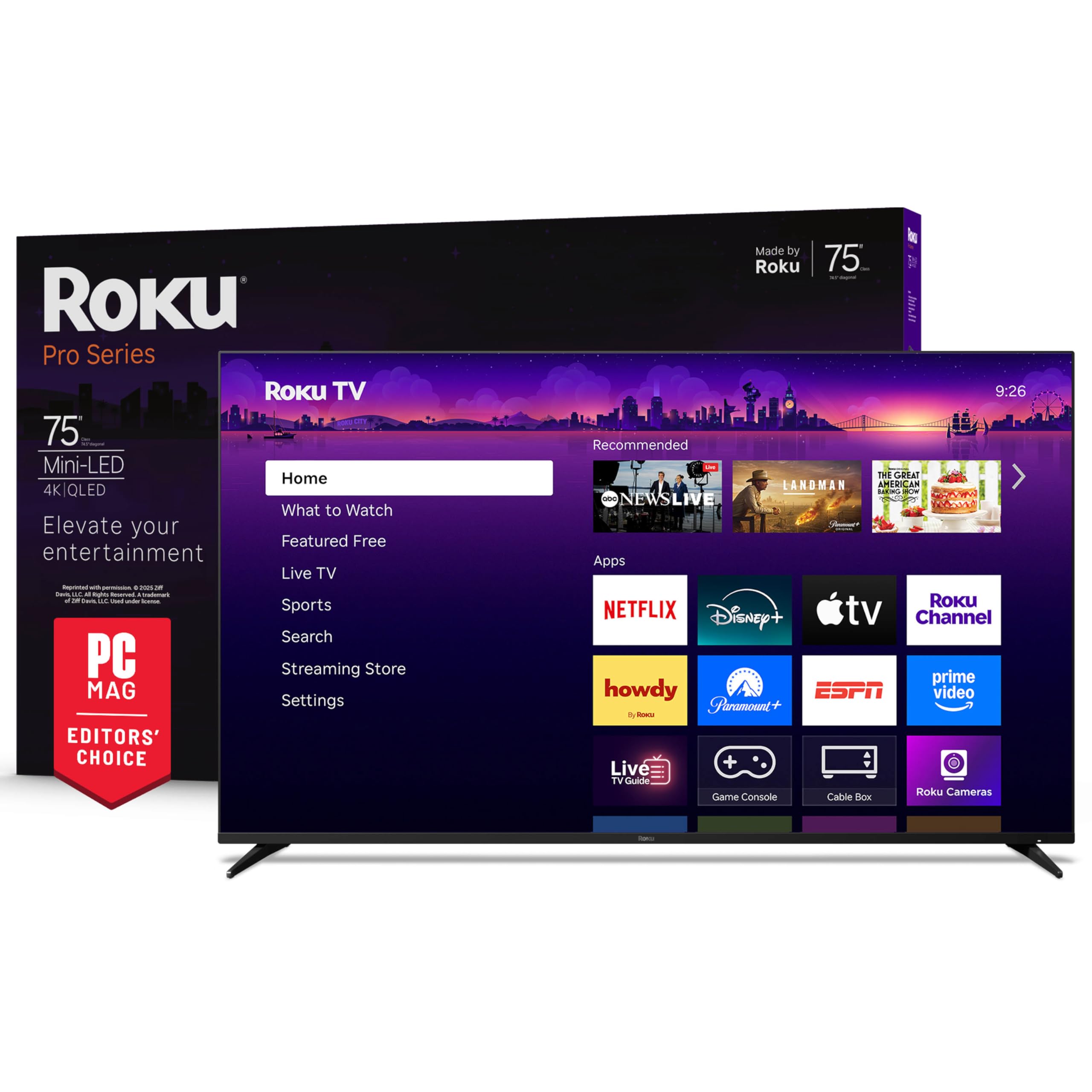
The Roku Pro Series combines a 120Hz Mini-LED panel with Dolby Vision IQ, ensuring that live sports in HDR maintain accurate brightness and color temperature regardless of whether you watch at noon or midnight. The Roku Smart Picture Max AI engine cleans up incoming broadcast signals and optimizes color and sharpness per scene, which noticeably reduces compression artifacts on streaming sports.
The side-firing speakers with Dolby Atmos create a wide soundstage without requiring a separate soundbar — the audio keeps up with the visual action during high-paced basketball games. The rechargeable backlit remote with a locator button eliminates the frustration of losing the remote during a crucial play.
Roku’s interface remains the gold standard for simplicity, giving you direct access to every major sports app without bloatware. FreeSync Premium Pro and VRR ensure that the same TV handles gaming and live sports with equal fluidity, making this a versatile choice for households that switch between NFL and Call of Duty.
Why it’s great
- Excellent built-in audio eliminates the immediate need for a soundbar.
- Roku Smart Picture Max reduces streaming compression artifacts on sports.
- Backlit rechargeable remote with locator button.
Good to know
- 120Hz may feel limited for 144Hz PC gaming enthusiasts.
- Local dimming had minor initial issues that resolved after a day of use.
4. Panasonic 77″ Z8 OLED
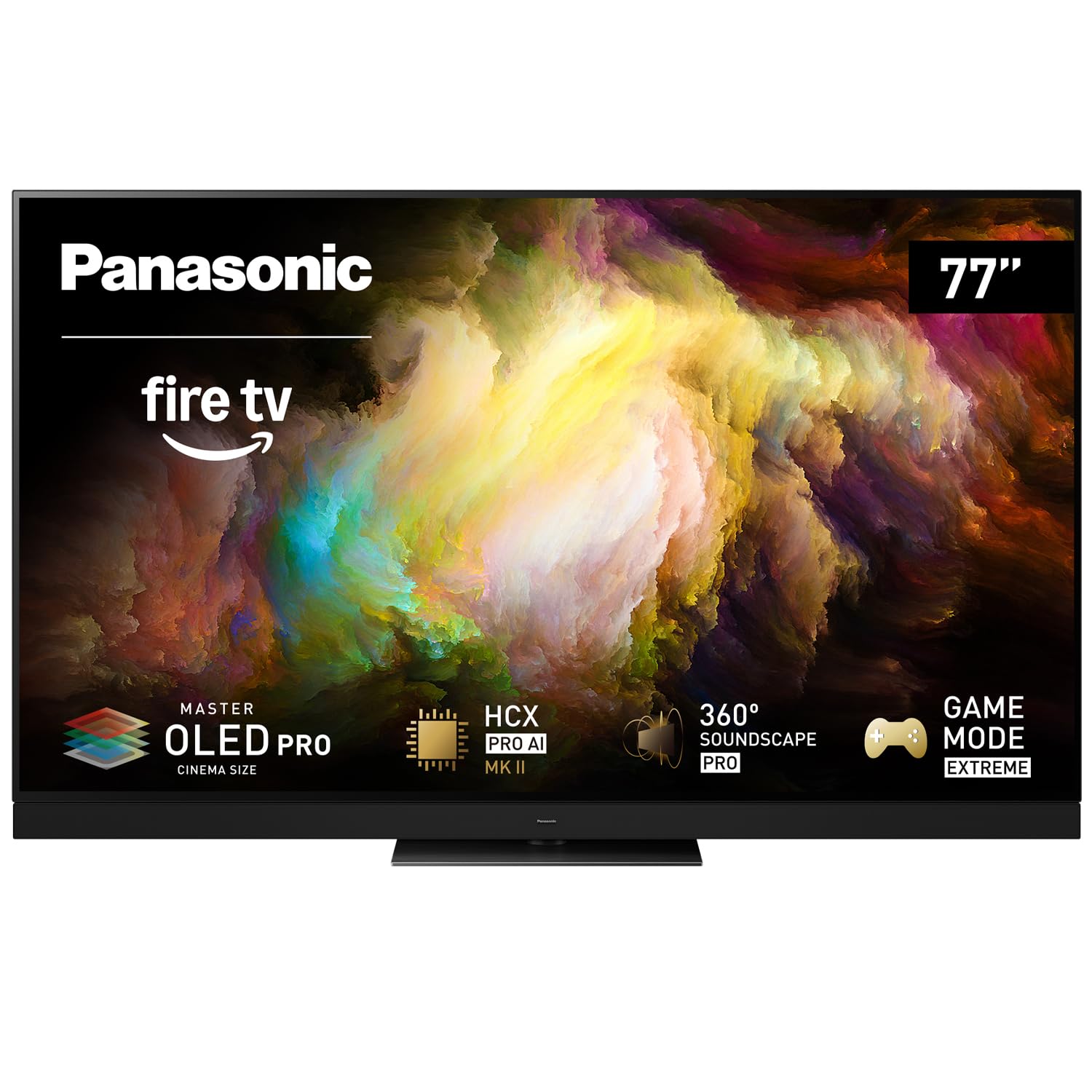
The Panasonic Z8 OLED uses Master OLED PRO technology with micro-lens array to achieve higher peak brightness than previous OLED generations, making it viable for sports viewing in rooms with some ambient light. The HCX Pro AI Processor MKII delivers scene-by-scene optimization that makes grass textures look three-dimensional and player movements hyper-realistic.
Native 144Hz support with HDMI 2.1 inputs, VRR, and AMD FreeSync Premium covers both live sports and gaming. The 360 Soundscape Pro audio system, tuned by Technics, uses upward and side-firing speakers to create a convincing spatial audio bubble around the viewer, enhancing the sense of being in the stadium.
Filmmaker Mode preserves the director’s intended color temperature and frame rate for cinematic sports broadcasts, while Dolby Vision IQ adjusts the tone mapping to your room’s light level. The Fire TV integration provides access to streaming sports apps, though the heavy 77-inch panel demands a sturdy mount and two-person installation.
Why it’s great
- Infinite contrast ratio makes dark-clad players visible against shaded backgrounds.
- 144Hz panel handles both 4K sports and PC gaming without compromise.
- Technics-tuned audio fills a medium room convincingly.
Good to know
- Peak brightness still lower than Mini-LED; requires controlled lighting for best results.
- Very heavy — nearly 100 lbs — needs careful wall mount planning.
5. Samsung 65″ QLED Q8F

The Samsung Q8F delivers 100% Color Volume with Quantum Dot technology, meaning the TV maintains full color saturation even at peak brightness — a critical feature for outdoor sports scenes with harsh sunlight. The Q4 AI Processor analyzes content in real time to boost color and contrast based on whether you’re watching a night game or a day match.
The 144Hz native refresh rate with VRR support ensures that fast-moving sports content like Formula 1 racing or hockey appears smooth without stutter. Samsung Vision AI automatically detects sports content and adjusts the picture mode to prioritize motion clarity, reducing the need for manual tweaking.
The AirSlim design sits nearly flush against the wall, and Samsung TV Plus offers over 2,700 free channels including live sports news and event coverage. The solar-powered remote eliminates battery waste and includes dedicated buttons for streaming services.
Why it’s great
- 100% Color Volume ensures vibrant sports imagery at any brightness level.
- 144Hz native panel with VRR covers both sports and gaming.
- Slim design with solar remote adds convenience.
Good to know
- Included stand legs feel flimsy; wall mounting is recommended for stability.
- Built-in sound lacks depth; a soundbar noticeably improves the experience.
6. TCL 75″ Q65 QLED

The TCL Q65 brings QLED color to a 75-inch screen without the premium price tag, making it an accessible entry point for sports fans who prioritize size over absolute peak brightness. The High Brightness+ LED backlight delivers enough luminance to overcome moderate room glare, while Dolby Vision HDR enhances the dynamic range of sports broadcasts.
Motion Rate 240 with MEMC frame insertion creates smooth motion during fast camera pans, though the panel’s native refresh rate is lower than 144Hz competitors. Game Accelerator 120 with VRR ensures that the TV handles 4K gaming at up to 120fps with reduced lag, making it a dual-purpose screen for sports and console gaming.
The Fire TV interface provides quick access to live sports apps, and the built-in Alexa voice control allows hands-free channel switching. Enhanced Dialogue Mode improves commentary clarity, which is a useful feature during noisy game-day gatherings.
Why it’s great
- 75-inch QLED at an accessible price point for budget-conscious sports fans.
- Game Accelerator 120 offers solid VRR for console gaming alongside sports.
- Enhanced Dialogue Mode keeps commentary clear during loud viewing parties.
Good to know
- Built-in speakers are average; a soundbar noticeably improves audio.
- Brightness resets to 100% when switching inputs — a known firmware quirk.
7. Sony BRAVIA 5 65″ Mini-LED

The Sony BRAVIA 5 pairs a Mini-LED backlight with the XR Processor using AI to analyze and enhance every scene in real time. XR Motion Clarity maintains brightness during fast camera movements without the flicker or strobing that plague some backlight-scanning implementations, making it exceptional for sports with constant lateral motion like tennis or basketball.
XR Triluminos Pro accesses billions of real-world colors, ensuring that team jerseys and field markings appear accurate without oversaturation. The 120Hz panel with Dolby Vision and Atmos support creates an immersive experience, and Auto Genre Picture Mode automatically optimizes settings when it detects sports content.
Exclusive PS5 features like Auto HDR Tone Mapping and Auto Genre Picture Mode make this a top choice for households that combine sports viewing with gaming. The Google TV interface with built-in Chromecast and Apple AirPlay 2 covers all streaming ecosystems without an external dongle.
Why it’s great
- XR Motion Clarity keeps moving athletes sharp without brightness loss.
- Auto Genre Picture Mode detects sports content and optimizes settings automatically.
- PS5 integration with Auto HDR Tone Mapping simplifies gaming setup.
Good to know
- Only 2 of 4 HDMI ports support HDMI 2.1 features.
- Premium price reflects Sony processing more than raw panel specs.
8. TCL 65″ T7 Series QLED

The TCL T7 Series delivers a native 144Hz panel at an aggressive price point, making it the most affordable way to access true high-refresh sports viewing. The AIPQ Pro Processor intelligently optimizes color, contrast, and clarity for 4K HDR sports, and Motion Rate 480 with MEMC frame insertion provides extra motion smoothing beyond the base refresh rate.
The QLED panel covers nearly the entire DCI-P3 color space, producing vibrant field greens and court oranges that look lifelike. Dolby Atmos spatial audio processing adds height to the soundstage, and the included Google TV interface with built-in Chromecast makes finding live sports straightforward.
The FullView 360 bezel-less design maximizes screen real estate within the 65-inch frame, and the height-adjustable feet allow clearance for a soundbar. The 288Hz variable gaming refresh rate covers 1080p gaming, extending the value for multi-purpose households.
Why it’s great
- Native 144Hz panel at the most accessible price in this guide.
- QLED color volume covers DCI-P3 for lifelike sports imagery.
- Bezel-less design maximizes screen-to-body ratio.
Good to know
- Built-in speakers are acceptable but benefit from an external sound system.
- PC wake-up via HDMI can be unreliable; requires unplug/replug occasionally.
9. Sony BRAVIA 2 75″ LED

The Sony BRAVIA 2 uses the 4K Processor X1 to deliver a lifelike picture with rich colors and sharp details from standard sports broadcasts. The 4K XR-Reality PRO upscaling brings lost texture and detail to 720p and 1080p content, which covers the vast majority of current live sports streaming.
Motionflow XR technology analyzes on-screen movement and creates additional frames to reduce blur during fast-paced action, though the panel operates at a 60Hz native refresh rate. This means sports motion is smoother than a standard 60Hz TV due to the interpolation, but it may not satisfy users accustomed to native 120Hz displays.
Exclusive features for PlayStation 5 — Auto HDR Tone Mapping and Auto Genre Picture Mode — make this a smart companion for a PS5 gaming setup. The Google TV interface covers all major streaming apps, and the Sony Pictures CORE app provides access to included movies. The 75-inch size delivers an immersive sports experience without the premium cost of Mini-LED.
Why it’s great
- Excellent 4K upscaling improves the quality of non-4K sports broadcasts.
- Sony Motionflow XR reduces judder on fast-moving sports content.
- PS5 integration with Auto HDR Tone Mapping for seamless gaming.
Good to know
- 60Hz native panel limits motion clarity compared to 120Hz+ competitors.
- Some users report freezing issues that require a power cycle to resolve.
10. Hisense 85″ CanvasTV QLED
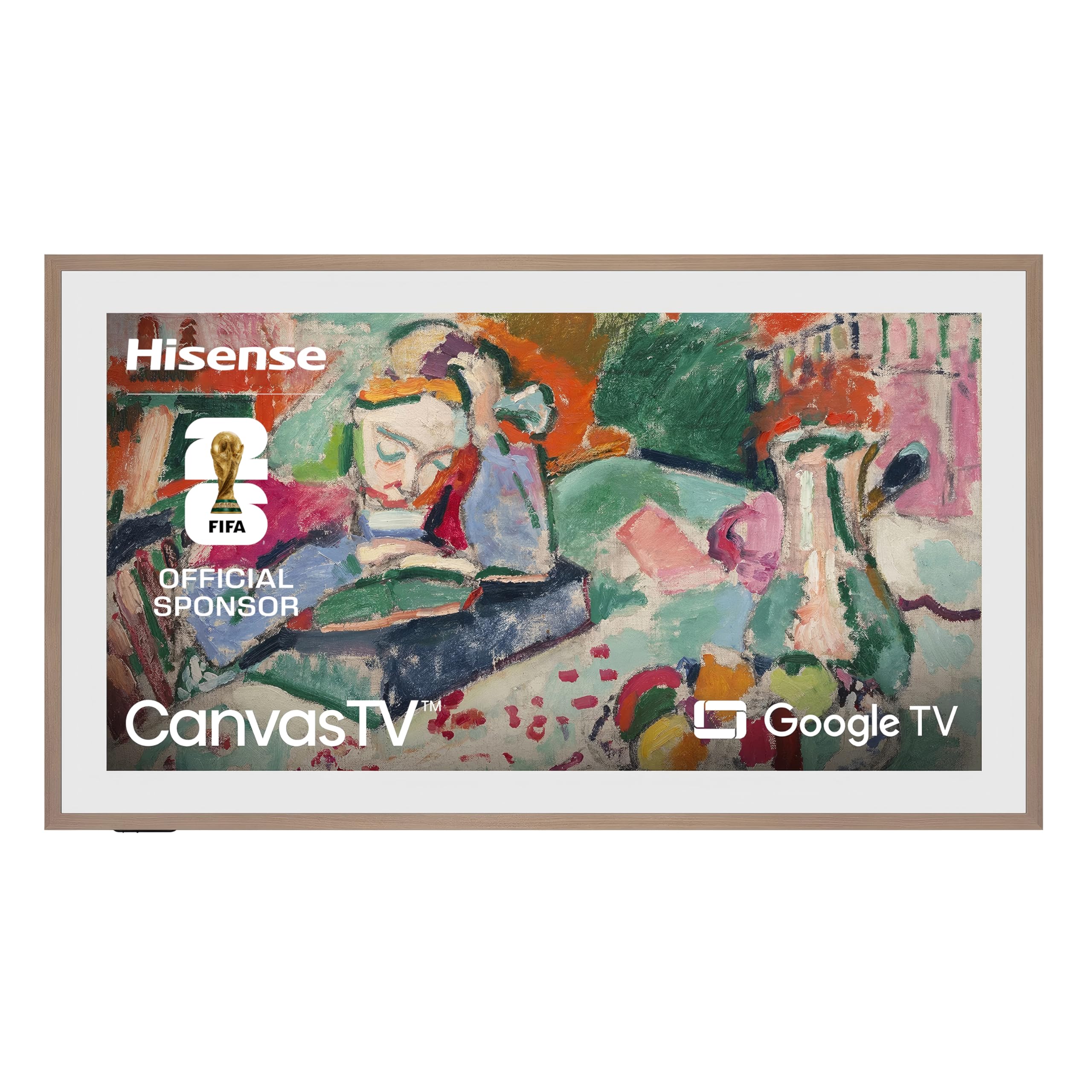
The Hisense CanvasTV uniquely combines a 144Hz QLED panel with an art mode that transforms the screen into a digital canvas when not showing sports. The Hi-Matte anti-glare coating reduces reflections during daytime viewing, making it easier to watch afternoon games without closing curtains.
The 85-inch Quantum Dot panel delivers over a billion color combinations, ensuring that team colors and stadium details appear vibrant. The 144Hz refresh rate with VRR support handles fast-moving sports content smoothly, and the included ultra-slim wall mount and magnetic frame create a flush, furniture-like appearance.
The Google TV interface provides access to all major sports streaming apps, and the teak magnetic frame (included) blends the TV into living room decor. The art mode supports thousands of pieces without a subscription, making this a strong choice for households that want a TV that disappears into the wall when not in use, yet delivers serious sports performance on game day.
Why it’s great
- 144Hz QLED panel with Hi-Matte anti-glare suitable for bright rooms.
- Art mode with magnetic frame blends into decor between games.
- Massive 85-inch screen with flush wall mount included.
Good to know
- Art mode requires brightness/color calibration to look realistic.
- Wall mount has no angle adjustments; needs recessed outlets for a truly flush install.
11. INSIGNIA 85″ F50 Series LED

The INSIGNIA F50 Series offers the largest screen size in this guide at an entry-level price point, making 85-inch sports viewing accessible to the broadest audience. The 4K UHD resolution with HDR10 support delivers a bright, clear picture that is serviceable for casual sports viewing, though the 60Hz native panel limits motion clarity compared to higher-tier alternatives.
The built-in Fire TV platform with Alexa voice remote provides quick access to streaming sports apps, and DTS Studio Sound creates a more immersive audio experience than typical budget TV speakers. The three HDMI ports cover a cable box, streaming device, and game console without needing a switch.
For households where the primary sports use case is casual weekend games and the priority is maximum screen size at minimum investment, the INSIGNIA delivers that value proposition cleanly. The 85-inch real estate creates a genuinely immersive experience despite the panel’s limitations in motion handling and color volume.
Why it’s great
- 85-inch screen at the most accessible price point for budget buyers.
- Fire TV platform with Alexa offers easy access to sports streaming apps.
- Large size creates an immersive viewing experience despite panel limitations.
Good to know
- 60Hz native panel shows motion blur on fast-paced sports content.
- Built-in speakers are inadequate; a soundbar is strongly recommended.
- Some units have reported setup issues with remote pairing and software updates.
FAQ
What native refresh rate do I need for watching live sports?
Is OLED or Mini-LED better for sports in a bright living room?
Why does Motion Rate matter for sports, and how is it different from refresh rate?
Do I need Dolby Vision for sports, or is HDR10 enough?
Final Thoughts: The Verdict
For most sports fans, the big screen tv for sports winner is the Toshiba 75″ Z670 because its native 144Hz Mini-LED panel, REGZA engine processing, and integrated bass woofer deliver the best balance of motion clarity, contrast, and audio for live sports without requiring an immediate soundbar upgrade. If you want the absolute largest screen with Mini-LED precision, grab the Samsung 85″ Neo QLED QN70F. And for a living room that doubles as an art gallery, nothing beats the Hisense 85″ CanvasTV.

Mo Maruf
I created WellFizz to bridge the gap between vague wellness advice and actionable solutions. My mission is simple: to decode the research and give you practical tools you can actually use.
Beyond the data, I am a passionate traveler. I believe that stepping away from the screen to explore new environments is essential for mental clarity and physical vitality.