Our readers keep the lights on and my smoothie glass nicely filled. As an Amazon Associate, I earn from qualifying purchases.
A backpacking bar isn’t a snack—it’s a calculated piece of gear. You need calorie density per gram, a texture that doesn’t shatter at 30°F, and a flavor profile you can actually stomach on day four. The wrong bar crumbles into dust in your pack or turns into a jaw-breaking brick in the cold.
I’m Mohammad Maruf — the founder and writer behind WellFizz. I’ve spent hundreds of hours analyzing backpacking nutrition, scrutinizing ingredient labels for melt points and protein ratios, and cross-referencing customer field data to separate true performance bars from marketing fluff.
Whether you’re shaving grams for a thru-hike or just want reliable calories on a weekend loop, finding the right bars for backpacking comes down to weight, macro balance, and real-world packability.
How To Choose The Best Bars For Backpacking
Backpacking bars sit at the intersection of survival gear and food science. You’re balancing weight, calorie output, texture, and shelf stability. Here’s what separates a trail-worthy bar from a gym bag disappointment.
Calorie Density vs. Palatability
The most calorie-dense bar means nothing if you can’t force yourself to eat it after 15 miles. Premium meal bars hit around 650 calories per 5-ounce serving, but they are dense and dry. Emergency rations pack 410 calories into a compact 1.6-pound package with a non-thirst-provoking formula—ideal for emergency kits where water is scarce. Daily energy bars like the 200-calorie standard are better for short loops where you can carry more variety.
Quick Comparison
On smaller screens, swipe sideways to see the full table.
| Model | Category | Best For | Key Spec | Amazon |
|---|---|---|---|---|
| Greenbelly Backpacking Meals Variety | Meal Bar | Thru-hikers wanting stoveless meals | 650 calories per pouch | Amazon |
| RXBAR Protein Bars Variety Pack | Protein Bar | Clean ingredients on day hikes | 12g protein per bar | Amazon |
| CLIF BAR Cool Mint Chocolate | Energy Bar | Pre-hike caffeine boost | 54 mg caffeine per bar | Amazon |
| Grizzly Gear Blueberry Emergency Rations | Emergency Ration | Emergency kits and bug-out bags | 400 calories per bar | Amazon |
| S.O.S. Rations 3600 Calorie Food Bar | Emergency Ration | Disaster prep kits | 5-year shelf life | Amazon |
In‑Depth Reviews
1. Greenbelly Backpacking Meals Variety

Greenbelly was purpose-built for stoveless backpacking. Each pouch packs 650 calories across two fluffy bars that sit at a 30/30/30 macro split—protein, fat, carbs—which prevents bonking and bloating on long slogs. The calorie-to-weight ratio is outstanding for a meal replacement that doesn’t require rehydrating.
The texture is dense and chewy, which holds up well in cold temps but can cause jaw fatigue after a few days. Dark Chocolate Banana is a popular flavor, though the banana is subtle. The re-sealable zip pouch doubles as a trash bag, a small but thoughtful trail detail.
Real field reports from a 40-mile desert trek and a 4-day canyon trip confirm the non-thirst-provoking formula works as advertised. Some users noted the packaging is tough to open without a knife, but the nutritional density and portability make this the best pick for long, unsupported trips.
Why it’s great
- Full meal replacement—no cooking or cleanup
- 650-calorie density packs huge energy per gram
- Re-sealable pouch doubles as trash storage
Good to know
- Dense texture can cause jaw fatigue on multi-day trips
- Packaging is tough to open without a knife
- Flavor is muted compared to gourmet bars
2. RXBAR Protein Bars Variety Pack
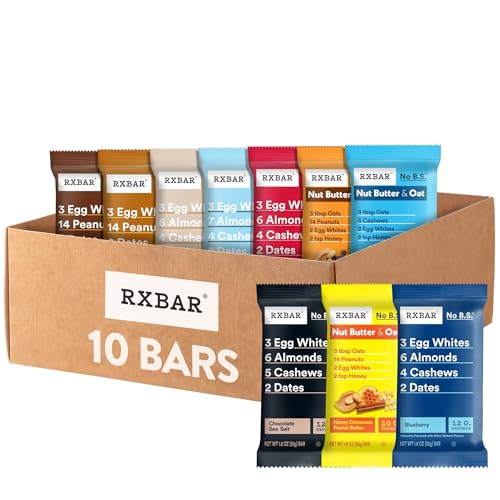
RXBAR uses a short ingredient list—egg whites, dates, nuts—which appeals to hikers who want to avoid processed additives. The variety pack includes flavors like Peanut Butter Chocolate and Blueberry, preventing flavor fatigue on longer trips. Each bar delivers 12 grams of protein for muscle repair after a climb.
The rich, chewy texture is universally praised for not being too sweet, making it a solid option for a quick breakfast or afternoon boost on the trail. Users report feeling full longer compared to standard protein bars, thanks to the fiber from dates.
While they aren’t as calorie-dense as dedicated backpacking meals (around 210 calories each), they shine as a between-meal snack or a lightweight addition to a larger resupply. For day hikes where you can pack more variety, these offer the cleanest ingredient profile in the lineup.
Why it’s great
- Short, recognizable ingredient list with no fillers
- 12g protein aids muscle recovery on multi-day treks
- Chewy texture doesn’t crumble in your pack
Good to know
- Only ~210 calories—not a meal replacement
- Dates can stick to teeth in cold weather
- Variety pack may contain flavors you dislike
3. CLIF BAR Cool Mint Chocolate (10 Pack)
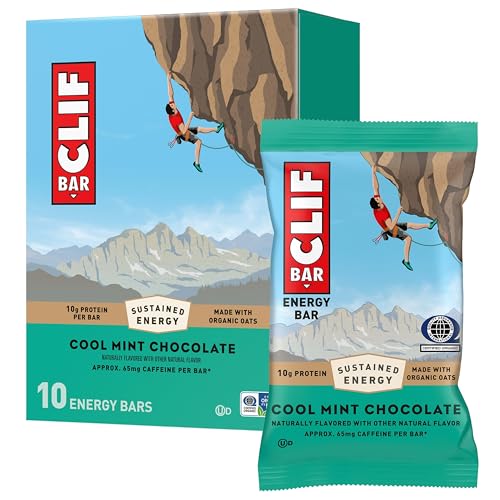
The Cool Mint Chocolate CLIF Bar is a targeted pick for hikers who want a caffeine boost without brewing coffee. Each bar packs 54 mg of caffeine from green tea extract, paired with 10 grams of plant-based protein and organic rolled oats for sustained energy. The mint-chocolate flavor is widely compared to a less-sweet York patty, with an icing drizzle that adds moisture.
Texture consistency varies significantly across flavors in the broader line—Cool Mint is reported as moist, while Chocolate Brownie is very dry and hard to swallow. Stick to the Cool Mint or Peanut Butter varieties for trail use. Recent batches have been criticized for being harder and drier than past formulations.
Despite the texture shift, these bars remain a staple for moderate-intensity activity like hiking and climbing. They pack easily, don’t require special storage, and provide a balanced carb-protein-fat mix that sustains energy without a crash. Best used as a pre-hike fuel or mid-morning snack rather than a full meal replacement.
Why it’s great
- 54mg caffeine provides a clean energy lift without coffee gear
- Plant-based ingredients with organic oats are trail-friendly
- Cool Mint flavor is moist and balanced, not overly sweet
Good to know
- Recent batches are noticeably drier and harder than before
- Not a meal replacement—only 10g protein, ~250 calories
- Other flavors (Brownie, Chocolate Chip) are very dry
4. Grizzly Gear Blueberry Emergency Rations (3600 Calorie)

Grizzly Gear’s blueberry emergency rations offer a flavor upgrade over standard bland survival bars. Each bar delivers 400 calories with a sweet blueberry cheesecake crust taste that multiple users say is enjoyable enough to eat outside of emergencies. The bars hold together well and are individually wrapped inside a durable mylar pouch.
The non-thirst-provoking formula is a key spec for water-rationed scenarios—something regular protein bars can’t claim. Kosher and Halal certification broadens the audience. The 5-year shelf life is standard for this category, but some units arrived with compromised airtight seals, likely from Amazon handling.
For backpacking, these are best kept in an emergency pod or bug-out bag rather than as a primary trail food. They’re heavier and less calorie-dense per gram than purpose-built backpacking meals. However, for a 72-hour emergency kit where taste actually matters, this is the best-tasting ration bar on the market.
Why it’s great
- Blueberry flavor is genuinely good—not bland survival food
- Non-thirst provoking formula for water-limited scenarios
- Kosher and Halal certified for diverse dietary needs
Good to know
- Some units arrive with compromised airtight seals
- Heavier than dedicated backpacking meal bars
- Needs water to rinse residue from teeth
5. S.O.S. Rations 3600 Calorie Food Bar (3 Day)

The S.O.S. Rations pack is built for worst-case scenarios: US Coast Guard approved, with a mylar vacuum seal that survived a 4-story drop and 7 days in salt water. Each package contains 9 bars totaling 3600 calories. The flavor is a cinnamon-coconut cookie profile that reviewers compare to graham cracker crust—surprisingly pleasant for a survival ration.
The non-thirst-provoking formula is a standout for emergency kits where water is strictly rationed. Each bar delivers 410 calories with a compact footprint (4.75″x4.75″x2″) and 1.6 pounds for the entire 3-day supply. That’s lighter and cheaper than carrying three MREs.
However, the vacuum seal is fragile—multiple reports of puncture during normal backpacking storage, which compromises the 5-year shelf life. These are best for vehicle emergency kits or base camp caches rather than daily carry on the trail. For pure durability and shelf stability in a stationary bug-out bag, they’re unmatched.
Why it’s great
- Extremely durable mylar packaging for harsh storage conditions
- Non-thirst provoking formula for water-limited emergencies
- Excellent calorie-to-weight ratio for an emergency kit
Good to know
- Vacuum seal punctures easily inside a pack
- Not a daily trail food—best for emergency caches
- Coconut flavor may not appeal to everyone
FAQ
Are 200-calorie protein bars enough for a full day of backpacking?
Why do emergency rations taste like coconut or graham cracker?
Final Thoughts: The Verdict
For most users, the bars for backpacking winner is the Greenbelly Backpacking Meals because it replaces a full stoveless meal with 650 calories and balanced macros. If you want clean, simple ingredients for day hikes, grab the RXBAR Variety Pack. And for emergency preparedness kits where shelf life and non-thirst provoking specs are non-negotiable, nothing beats the S.O.S. Rations.

Mo Maruf
I created WellFizz to bridge the gap between vague wellness advice and actionable solutions. My mission is simple: to decode the research and give you practical tools you can actually use.
Beyond the data, I am a passionate traveler. I believe that stepping away from the screen to explore new environments is essential for mental clarity and physical vitality.