Our readers keep the lights on and my smoothie glass nicely filled. As an Amazon Associate, I earn from qualifying purchases.
A streaming stick that stutters, buffers during the climax of your show, or refuses to load a menu is not a smart TV upgrade—it’s a new source of daily irritation. The problem isn’t your internet speed as often as you think; it’s the processor and wireless receiver crammed into that tiny dongle behind your TV. Choosing the right one means matching silicon performance and codec support to the actual demands of modern 4K streaming, not just the box art on the packaging.
I’m Mohammad Maruf — the founder and writer behind WellFizz. I’ve spent hundreds of hours parsing SoC specifications, Wi-Fi protocol generations, and HDR format certifications across the streaming stick market to isolate the units that actually deliver on their Dolby Vision and Atmos promises without freezing mid-scene.
After evaluating frame rates, upscaling quality, and real-world app loading speeds, one unit consistently pulled ahead of the pack. The following guide breaks down exactly what you need to know before buying the best android tv stick for your home theater setup.
How To Choose The Best Android TV Stick
Every stick in this category uses the Android TV operating system or its Google TV overlay, but hardware varies wildly. The processor’s architecture (older 28nm vs. modern 6nm) directly affects thermal throttling and interface smoothness. Storage capacity (8GB vs. 16GB vs. 32GB) determines how many apps you can install before hitting the dreaded “Storage full” message. Pay close attention to the Wi-Fi generation: Wi-Fi 5 handles single-stream 4K fine, but if your household has multiple devices competing for bandwidth, Wi-Fi 6 or 6E keeps the stream buffer-free. HDR format support is also critical—Dolby Vision and HDR10+ are not the same, and a mismatch with your TV’s panel means you are watching SDR content in a fancy wrapper.
Processor Generation and Thermal Performance
The SoC (System on Chip) is the brain of the stick. Older chips like the Amlogic S905X run warm and can throttle performance during extended viewing sessions, causing micro-stutters. Newer 6nm or 12nm fab processors (like the Realtek RTD1319 or the quad-core in the Xiaomi 2nd Gen) run cooler and maintain peak clock speeds longer. If you plan on gaming via cloud services or using the stick as a Plex client for high-bitrate 4K remuxes, a cooler-running chip is a non-negotiable requirement. Look for references to “6nm” or “12nm” in the specs rather than generational marketing claims.
Audio Passthrough and Codec Support
For home theater enthusiasts running a soundbar or AVR, the ability to pass through Dolby TrueHD, DTS-HD Master Audio, or DTS:X without the stick processing the audio internally is essential. Most budget sticks transcode these high-bitrate audio formats to Dolby Digital Plus, stripping the object-based spatial information. The NVIDIA SHIELD TV Pro is the gold standard here, supporting lossless audio passthrough via HDMI. If you only use streaming apps (Netflix, Disney+, Apple TV+), the Dolby Digital Plus that most sticks output is sufficient, as that is what the apps natively deliver.
Storage Capacity and Expandability
Streaming sticks ship with 8GB, 16GB, or 32GB of internal storage. The operating system and pre-installed apps consume roughly 4GB to 6GB immediately. On an 8GB stick, you are left with only 2–4GB for your apps, games, and cache files. This fills up rapidly with just Netflix, Prime Video, Hulu, Disney+, and a few games. 16GB provides a comfortable buffer for most users. 32GB (found on the Google TV Streamer) or expandable storage via a USB port (NVIDIA SHIELD) are the only ways to future-proof your app library. If you sideload apps or use IPTV services, choose a stick with at least 16GB or USB expansion.
Quick Comparison
On smaller screens, swipe sideways to see the full table.
| Model | Category | Best For | Key Spec | Amazon |
|---|---|---|---|---|
| NVIDIA Shield TV Pro | Premium Box | Home Theater & Gaming | 3GB RAM, Tegra X1+, AI Upscaling | Amazon |
| Google TV Streamer 4K | Premium Stick | Google Ecosystem & Storage | 32GB Storage, Ethernet Port | Amazon |
| Xiaomi TV Stick 4K 2nd Gen | Mid-Range Stick | Compact Travel & Value | 6nm CPU, Wi-Fi 6, Google TV | Amazon |
| Amazon Fire TV Stick 4K Max | Mid-Range Stick | Wi-Fi 6E & Fast Apps | 16GB Storage, Wi-Fi 6E | Amazon |
| Amazon Fire TV Stick 4K Plus | Mid-Range Stick | Wi-Fi 6 & Alexa Voice Control | Wi-Fi 6, Dolby Vision/Atmos | Amazon |
| Roku Streaming Stick 4K | Entry-Level Stick | Simple Interface & Setup | Long-Range Wi-Fi, 16GB Storage | Amazon |
| TiVo Stream 4K | Entry-Level Stick | Live TV Integration Guide | Android TV 10, Live TV Guide | Amazon |
In‑Depth Reviews
1. NVIDIA Shield TV Pro

The NVIDIA Shield TV Pro is the undisputed performance champion in this category, powered by the Tegra X1+ chip and 3GB of RAM. Unlike every other stick on this list, this is a full TV box with a proper heat sink, meaning it never throttles during long Plex sessions or when upscaling live sports to 4K in real time. The AI-enhanced upscaling is genuinely impressive—720p and 1080p content gains noticeable texture and sharpness without the soap-opera effect you get from most TVs.
Audio passthrough sets it apart. The Shield Pro passes Dolby TrueHD and DTS-HD Master Audio losslessly to your AVR, making it the only Android TV device that works for audiophiles with local media libraries. The two USB 3.0 ports let you attach a hard drive for a personal Plex server or plug in a USB DAC for high-res music playback. The built-in Plex Media Server runs directly on the device, meaning your Shield can be both the server and the client.
Yes, the price is significantly higher than any stick, and the form factor is a box—not a hidden dongle. But if you have a serious home theater setup with an AVR or soundbar, this device delivers features no stick can match. The motion-activated backlit remote is also the most premium remote in the test group. It remains the top recommendation for anyone who prioritizes audio quality and local media playback over simple streaming.
Why it’s great
- Lossless Dolby TrueHD and DTS-HD passthrough for home theater
- AI-powered 4K upscaling improves all older content
- Two USB 3.0 ports for storage expansion or peripherals
Good to know
- Box form factor and higher price; not a budget-friendly option
- Remote has a learning curve with many buttons
- Some users report occasional remote disconnect issues
2. Google TV Streamer 4K

The Google TV Streamer 4K replaces the Chromecast with Google TV line, and it is a massive upgrade in terms of hardware and storage. With 32GB of internal memory—double what most sticks offer—you can install a large app library without constantly managing storage space. The boxy form factor includes a built-in Ethernet port, giving you a wired connection that eliminates Wi-Fi interference entirely, which is a rare feature in this category.
Google’s TV interface is the cleanest implementation of Android TV available. The home screen organizes content from all your subscriptions into personalized rows based on your watch history, and the “For You” tab surfaces shows you might actually want to watch rather than pushing promoted content. The remote includes a customizable button that you can map to launch any app or the home panel, and the remote locator feature (request it to ring) is a practical addition for anyone who has lost a remote in a couch cushion.
The 22% faster processor compared to the previous Chromecast generation results in snappy app launches and smooth navigation between menus. It supports Dolby Vision and Dolby Atmos for the streaming apps that use them natively. The main downside is that the HDMI 2.1 cable is sold separately, which adds a small hidden cost if you do not already have one. It is an excellent all-around pick for the Google ecosystem user.
Why it’s great
- 32GB of storage—much more space for apps and games
- Ethernet port provides stable wired network connection
- Clean Google TV interface with personalized recommendations
Good to know
- HDMI 2.1 cable sold separately
- Slightly higher price than comparable sticks
- Occasional Gemini pop-up glitch blocks app search for some users
3. Xiaomi TV Stick 4K 2nd Gen
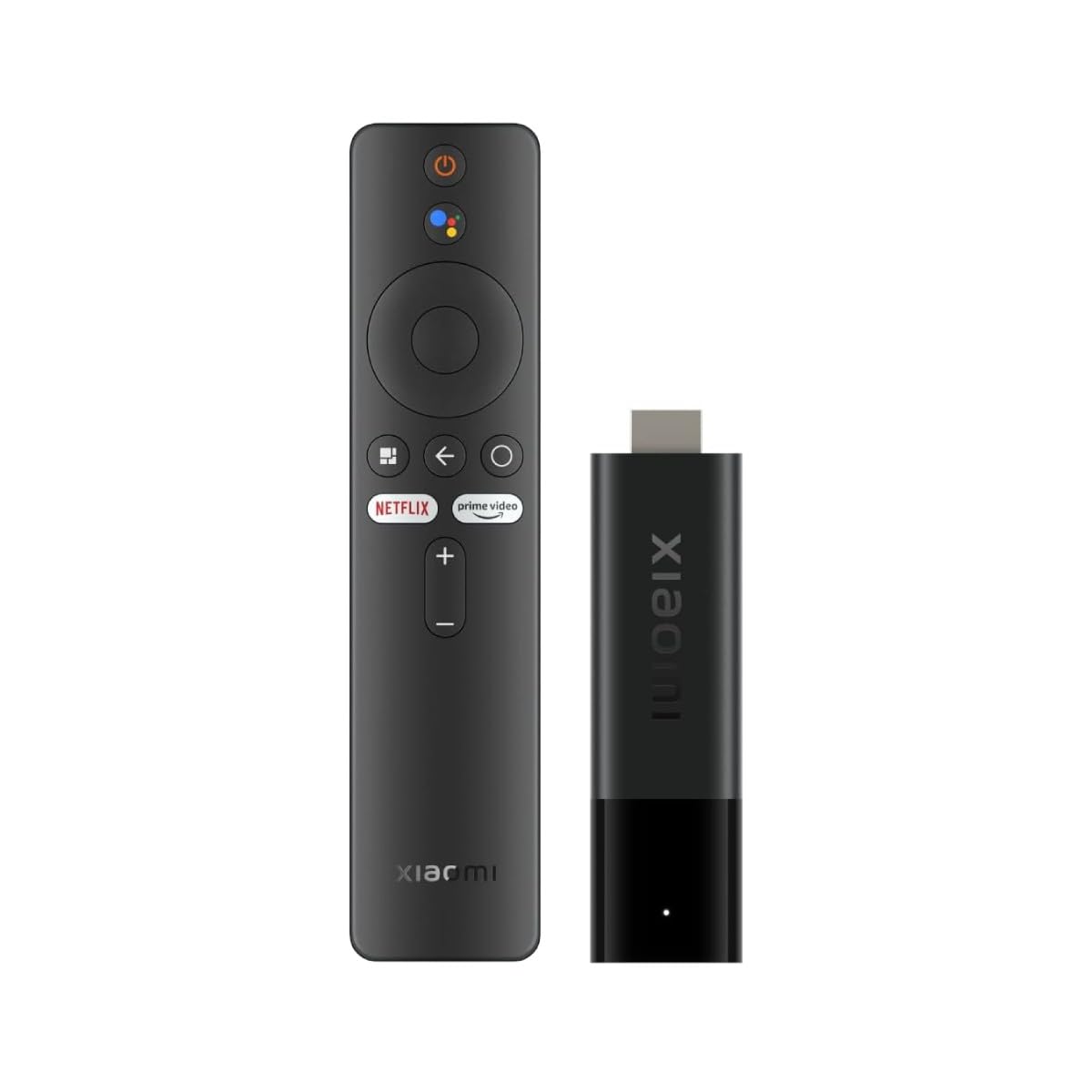
The Xiaomi TV Stick 4K 2nd Generation punches above its physical size by packing a 6nm quad-core 2.5GHz processor that keeps the stick cool even during extended streaming sessions. This chip efficiency makes a real difference in sustained 4K playback—other sticks in this price tier often start stuttering after thirty minutes as the SoC heats up. The Wi-Fi 6 support ensures the stick maintains a solid connection even when your household is streaming on multiple devices simultaneously.
The interface uses Google TV, which is the same polished experience you get on the Google TV Streamer but in a smaller dongle form factor. The Bluetooth voice remote is responsive and comfortable, and the Google Cast feature works seamlessly for flinging content from your phone. With Dolby Vision, HDR10+, Dolby Atmos, and DTS:X support, this stick covers all modern HDR and audio formats for streaming services. It weighs only 28 grams, making it the most travel-friendly option in the mid-range tier.
The 8GB of internal storage is the main limitation. After the OS and pre-installed apps take their cut, you are left with about 3–4GB for your own apps. That is enough for the major streaming services but not for games or sideloaded IPTV apps. It is an excellent choice for a secondary TV or hotel travel stick where you only need a core set of streaming apps. The value-to-performance ratio here is excellent.
Why it’s great
- Efficient 6nm processor runs cool and maintains performance
- Wi-Fi 6 for reliable 4K streaming in congested networks
- Supports Dolby Vision, HDR10+, Atmos, and DTS:X
Good to know
- Only 8GB of internal storage, very limited after OS overhead
- No Ethernet port; Wi-Fi only
- Package documentation and setup flow are not the most intuitive in English
4. Amazon Fire TV Stick 4K Max
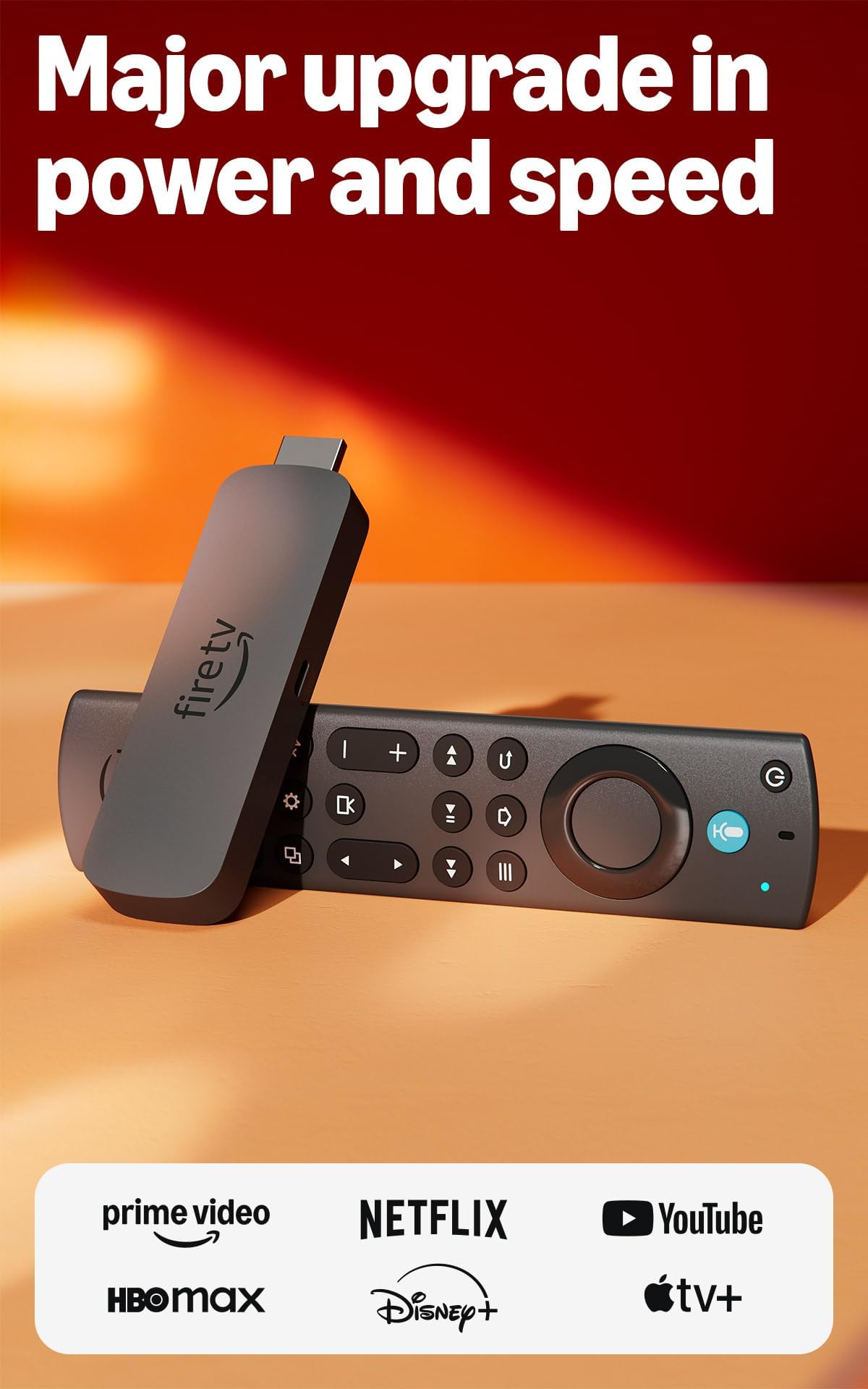
The Amazon Fire TV Stick 4K Max is the first streaming stick in the Fire lineup to support Wi-Fi 6E, giving it access to the 6GHz band for the least congested wireless connection available. For homes with many smart devices or multiple heavy streamers, this makes a tangible difference in 4K buffering times and app launch speeds. The processor is noticeably faster than the standard 4K Plus, leading to fluid navigation through the Fire TV interface.
Storage is double that of the cheaper Fire sticks at 16GB, which provides enough room for a healthy app library. The new Fire TV experience (from the 2026 release) includes a refreshed home screen with dedicated content categories and personalized recommendations from Alexa+. The ambient experience mode can display over 2,000 pieces of art or your own photos when the TV is idle. Xbox cloud gaming integration works smoothly with a compatible controller, letting you stream Call of Duty and other titles without a console.
The main caveat is the Amazon-centric interface. The home screen pushes Amazon content and ads, and you cannot fully remove the sponsored rows. The remote includes dedicated buttons for Prime Video, Netflix, Disney+, and Hulu, which is convenient for the big four apps but contributes to visual clutter. It is the best choice for Amazon ecosystem users who want the fastest possible Wi-Fi performance, but the ad-supported interface may frustrate users who prefer a clean home screen.
Why it’s great
- Wi-Fi 6E provides the fastest and most reliable wireless streaming
- 16GB storage offers more space than typical 8GB sticks
- Fluid performance and fast app launches even with heavy use
Good to know
- Amazon ad-supported home screen with promoted content rows
- Cannot uninstall some pre-installed Amazon apps from the task bar
- Power cable is short for some TV placements
5. Amazon Fire TV Stick 4K Plus
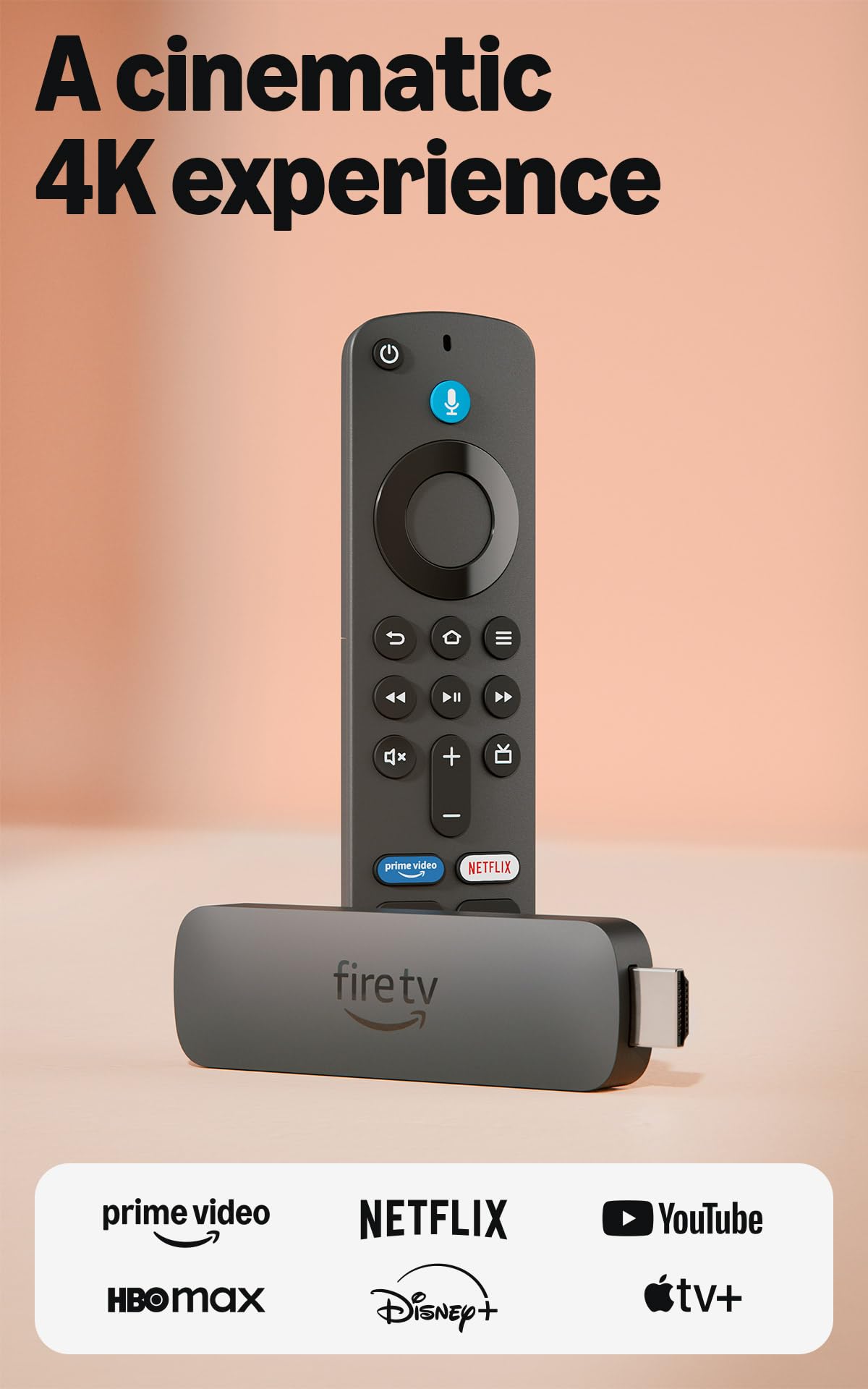
The Fire TV Stick 4K Plus (newest model) upgrades to Wi-Fi 6 support, which stabilizes streaming in homes with multiple Wi-Fi devices competing for bandwidth. The new processor is optimized for 4K streaming performance, and the AI-powered Fire TV Search feature (powered by Alexa+) can find shows by actor, plot detail, or even iconic quotes. The search is genuinely more accurate than standard text searches when you remember a scene but not the title.
It supports Dolby Vision, HDR10+, and Dolby Atmos, covering all the common HDR and audio standards used by Netflix, Disney+, and Prime Video. The Alexa Voice Remote includes dedicated app buttons and can control your TV’s power and volume, eliminating the need for a second remote. Microsoft Xbox cloud gaming integration means you can play Call of Duty: Black Ops 7 and other Game Pass titles directly on the stick with a compatible controller.
The main limitation is the 8GB of storage, which leaves about 3–4GB usable after the OS load. This fills up quickly if you install multiple games or sideload apps. Some users also report overheating and cutouts when streaming high-bitrate Plex content for extended periods. It remains a strong mid-range pick for users who want 4K and Wi-Fi 6 but do not need the extra storage or Wi-Fi 6E of the Max. Perfect for the living room of an Amazon Prime household.
Why it’s great
- Wi-Fi 6 support for stable 4K streaming on busy networks
- Alexa+ AI search finds content by plot and quotes
- Xbox cloud gaming support without a console
Good to know
- Only 8GB of storage; limited room for apps and games
- May overheat and cut out during long Plex high-bitrate streams
- Amazon ad-heavy interface can feel cluttered
6. Roku Streaming Stick 4K

The Roku Streaming Stick 4K is the simplest device on this list for non-technical users. Setup takes less than five minutes, the home screen is a straightforward grid of app tiles with no promotional rows pushing specific content, and the remote controls TV power and volume right out of the box. The long-range Wi-Fi receiver makes it a great choice for bedrooms or basements that are far from the router—it holds a stable connection where many other sticks drop out.
It supports Dolby Vision and HDR10+ for sharp picture quality, and the interface is famously fast to navigate with no lag between menu selections. The voice remote works well for searching across channels, and the free live TV section aggregates over 500 channels of news, sports, and entertainment without requiring any subscriptions. Roku’s mobile app also lets you use your phone as a private listening device, which is handy for late-night viewing.
The trade-off is that Roku’s OS is not Android TV or Google TV, so you cannot install Android apps, sideload IPTV services, or use Google Cast natively. If you rely on casting from your phone or need access to niche Android apps, this is a dealbreaker. The interface is also purely app-based, with no content discovery engine pulling suggestions from across apps. It is a rock-solid streaming device for the user who just wants to watch Netflix and Hulu without any extra complexity.
Why it’s great
- Easy five-minute setup ideal for non-tech users
- Long-range Wi-Fi receiver works well far from the router
- Clean interface with no promotional ads cluttering the screen
Good to know
- Not Android TV; no sideloading or Google Cast support
- Interface can feel sluggish when switching between apps
- No content discovery engine across different streaming services
7. TiVo Stream 4K

The TiVo Stream 4K uses pure Android TV 10 with an overlay that integrates a live TV channel guide, aggregating content from services like Sling, Pluto TV, and Locast into one scrollable EPG. If you watch live news, sports, or linear channels alongside your streaming apps, this unified guide saves you from app-switching fatigue. The TiVo recommendations engine suggests content from across your subscribed services, which is a useful discovery feature that most stock Android TV launchers lack.
The remote is one of the most feature-packed in this group, with dedicated TiVo and Guide buttons that can be remapped using third-party apps for advanced users. It supports Dolby Vision, Dolby Atmos, and DTS passthrough, making it competitive on audio formats against more expensive sticks. The USB-C port enables external storage expansion, which is rare at this entry-level price point and allows you to attach a flash drive for Plex or Kodi libraries.
The main downsides are storage (8GB leaves little room after TiVo’s own interface loads) and the fact that some major apps like Apple TV and HBO Max required separate account setups in user feedback. The interface is also more complex than Roku’s due to the live TV simulation section, which can confuse users who only want on-demand streaming. It is a niche pick that excels specifically for live TV cord-cutters who want a single guide interface.
Why it’s great
- Integrated live TV guide for cord-cutters with Sling/Pluto TV
- USB-C port for external storage expansion
- Feature-packed remote with remappable TiVo and Guide buttons
Good to know
- Only 8GB of storage with heavy TiVo OS overhead
- Apple TV and some premium apps have setup complexities
- Interface is more cluttered than stock Android TV due to live TV overlay
FAQ
Can I use an Android TV stick with a non-smart TV?
Why does my streaming stick overheat and stop playing?
What is the difference between Android TV and Google TV?
Final Thoughts: The Verdict
For most users, the best android tv stick winner is the Google TV Streamer 4K because it delivers the largest app storage (32GB), a built-in Ethernet port for wired stability, and the cleanest Google TV interface without the promotional clutter of other platforms. If you prioritize absolute home theater audio performance and lossless passthrough, grab the NVIDIA Shield TV Pro. And for a compact travel companion that still supports Dolby Vision and Wi-Fi 6, nothing beats the Xiaomi TV Stick 4K 2nd Gen.

Mo Maruf
I created WellFizz to bridge the gap between vague wellness advice and actionable solutions. My mission is simple: to decode the research and give you practical tools you can actually use.
Beyond the data, I am a passionate traveler. I believe that stepping away from the screen to explore new environments is essential for mental clarity and physical vitality.