Our readers keep the lights on and my smoothie glass nicely filled. As an Amazon Associate, I earn from qualifying purchases.
Choosing footwear for supination means fighting against a rolling gait that dumps impact along the outside edge of your foot, stressing the ankle, peroneal tendons, and lateral knee. A boot needs a wide, stable platform, a rockered sole to guide the foot through a smoother transition, and cushioning that absorbs shock without letting the foot drift outward. Without those three design anchors, even the most comfortable-looking pair can aggravate the condition instead of correcting it.
I’m Mohammad Maruf — the founder and writer behind WellFizz. I’ve spent over a decade analyzing footwear biomechanics, focusing on how midsole geometry, outsole width, and heel-to-toe drop affect gait correction for both overpronation and supination.
After evaluating nine models across the – range for platform width, lateral stability, cushioning density, and outsole traction, this guide breaks down which designs actually counter supination. Shop with confidence knowing you are buying the best boots for supination that fit your specific foot volume and walking surface needs.
How To Choose The Best Boots For Supination
A boot that works for supination must deliver three things: a wide base to resist lateral roll, cushioning that doesn’t let the foot sink sideways, and a rockered outsole that guides the foot forward without forcing a neutral pronation path. Below are the critical specs to verify.
Platform Width and Heel Cup Stability
Supinators land on the outside of the heel. A narrow heel platform or a soft heel counter lets the foot continue rolling outward instead of stopping the motion. Look for boots with a visibly wide heel flare (often listed as “heel platform width” in reviews) and a firm external heel counter that locks the calcaneus in place. Brands like Brooks with their GuideRails system and Saucony’s wider heel platform on the Guide 18 and Hurricane 24 perform well here.
Midsole Foam Density vs. Softness
Extremely soft foams — the kind that feel like marshmallows — let the foot sink in unevenly, which can exaggerate supination. Supinators need a midsole that is cushioned but resilient, returning energy without collapsing laterally. PWRRUN PB (Saucony), FuelCell (New Balance), and ASICS’s FlyteFoam Blast+ maintain a firmer ride that resists deformation under the lateral edge of the foot.
Rockered Outsole for Gait Transition
A rockered sole (curved from heel to toe) helps the foot roll forward smoothly rather than slapping the ground and then twisting outward. This is especially helpful for supinators who have a stiff, high-arch foot that struggles with a natural heel-to-toe transition. The Saucony Hurricane 24 and Brooks Adrenaline GTS 23 both incorporate noticeable rocker profiles that reduce lateral stress during push-off.
Quick Comparison
On smaller screens, swipe sideways to see the full table.
| Model | Category | Best For | Key Spec | Amazon |
|---|---|---|---|---|
| Brooks Men’s Adrenaline GTS 23 | Stability | Heavy-duty daily training & long walks | GuideRails support system, 12mm drop | Amazon |
| Saucony Men’s Hurricane 24 | Max Cushion | Long distance & recovery runs | PWRRUN PB+ foam, 35mm stack | Amazon |
| Saucony Women’s Guide 17 | Stability | Post-injury gait & wide foot comfort | Wide heel platform, 17mm drop | Amazon |
| New Balance FuelCell Walker Elite V1 | Walking | All-day standing & walking on pavement | FuelCell foam, Walking Strike Path outsole | Amazon |
| Saucony Men’s Guide 18 | Stability | Flat-footed runners needing arch support | PWRRUN frame, 8mm drop | Amazon |
| Mizuno Men’s Wave Sky 8 | Neutral | Joint pain relief with orthotic pairing | Mizuno Wave plate, 34mm stack | Amazon |
| ASICS Men’s Gel-Cumulus 27 | Neutral Cushion | Daily training & walking with high arches | Rearfoot PureGEL, 10mm drop | Amazon |
| ASICS Women’s Gel-Cumulus 27 | Neutral Cushion | Narrow feet & Morton’s neuroma | Rearfoot PureGEL, narrow heel cup | Amazon |
| ASICS Men’s GT-1000 14 | Stability | Budget-friendly support for overpronators | LITETRUSS medial support, 8mm drop | Amazon |
In‑Depth Reviews
1. Brooks Men’s Adrenaline GTS 23 Supportive Running Shoe

The Adrenaline GTS 23 uses Brooks’ GuideRails holistic support system — a pair of dense foam pillars on the medial and lateral sides of the heel that actively resist both overpronation and supination. For supinators, the lateral rail prevents the foot from rolling outward during the stance phase, while the 12mm heel-to-toe drop encourages a quicker heel-to-toe transition that reduces lateral landing time.
Reviewers consistently report 500–600 miles before the midsole loses its resilience, and the DNA Loft v2 cushioning strikes a near-ideal balance: soft enough to absorb shock from hard pavement, firm enough to prevent the lateral edge of the foot from sinking through. The boot is also surprisingly waterproof in the Gore-Tex variant, making it viable for wet-weather walking.
The toe box runs slightly snug on first wear but breaks in after about 20 miles, and some users with very high-volume feet prefer a half-size up. The 10.9-ounce weight is moderate for a stability boot, though lighter than the Hurricane 24 or most max-cushion alternatives.
Why it’s great
- GuideRails actively block lateral roll for supinators
- Proven durability: holds support for 500+ miles
- Gore-Tex option offers true waterproofing
Good to know
- Snug toe box needs a break-in period
- Heavier than neutral trainers at 10.9 oz
2. Saucony Men’s Hurricane 24 Sneaker
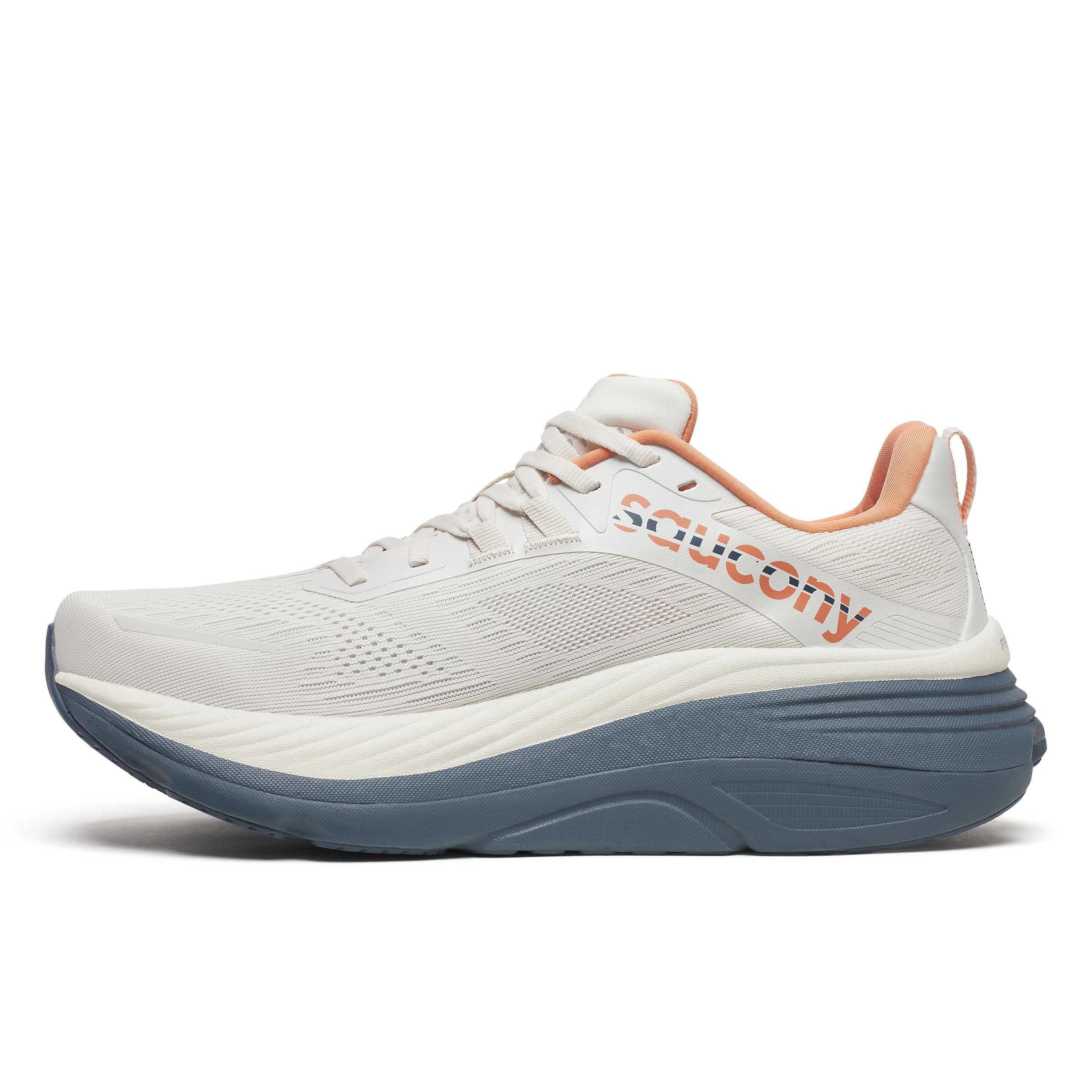
The Hurricane 24 is Saucony’s max-cushion stability boot, built around a “bathtub” foam frame that cradles the foot on both sides. The PWRRUN PB+ midsole is one of the most resilient foams on the market — it never feels marshmallowy, which is critical for supinators who need the lateral side of the boot to resist compression. The 35mm stack height provides serious impact protection for long road miles or heavy walking days.
Multiple reviewers describe the Hurricane 24 as comfortable for 20-mile runs and all-day standing, with the stability being “non-intrusive” — meaning it guides the foot without forcing a corrective angle. The boot runs heavy (approximately 11.5 ounces), but the trade-off is unmatched durability for a stability model. A few users noted inconsistent build quality between production runs, with Vietnam-made pairs feeling more snug and comfortable than China-made pairs.
The roomy forefoot and toe box accommodate orthotics well, which is important for supinators who often add custom insoles. The outsole traction is excellent on wet concrete and light gravel, though the exposed foam sidewalls can show wear quickly if you drag your foot.
Why it’s great
- Resilient PWRRUN PB+ foam resists lateral collapse
- Bathtub frame cradles the foot without forcing pronation
- Roomy forefoot fits orthotics easily
Good to know
- Heavy build (11.5+ oz) slows faster runs
- Inconsistent sizing between production batches
3. Saucony Women’s Guide 17
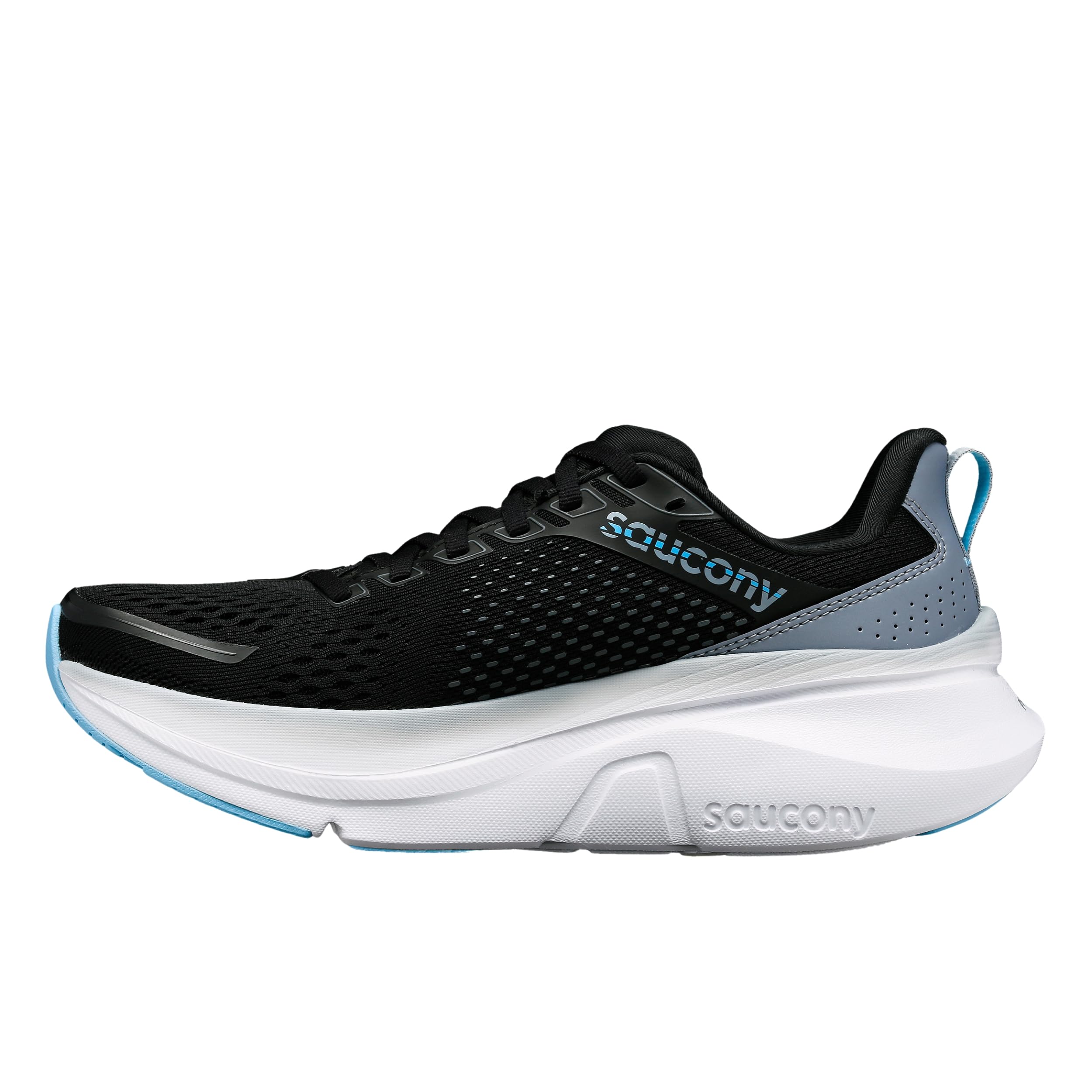
The Guide 17 is built on a notably wide heel platform that gives supinators a stable base to land on without requiring a medial post. The 17mm heel-to-toe drop is significantly higher than most stability shoes, which encourages a quicker heel-to-toe transition and reduces the time the foot spends in the lateral landing phase. The PWRRUN midsole is moderately firm — denser than the neutral Ride series — so the lateral edge doesn’t sag.
Reviewers with post-brain-injury gait issues, bunion recovery, and extra-wide feet consistently praise the Guide 17 for its stability and roomy toe box. One user described it as “greater stability for an unsteady gait” and noted it outperformed both New Balance and heavily cushioned competitors. The drop is high enough that some midfoot strikers may feel it, but for heel-striking supinators, it is a clear advantage.
The Guide 17 is also one of the lightest stability boots on this list, at roughly 9.5 ounces for women’s sizes, making it a strong candidate for supinators who want stability without feeling like they have a brick on their foot. The only common complaint is that the 17mm drop can feel aggressive for users transitioning from lower-drop shoes.
Why it’s great
- High 17mm drop reduces lateral ground contact time
- Wide heel platform provides a stable landing zone
- Lightweight for a stability boot at ~9.5 oz
Good to know
- High drop may feel abrupt for midfoot strikers
- Firmer ride than some max-cushion models
4. New Balance Women’s FuelCell Walker Elite V1 Walking Shoe
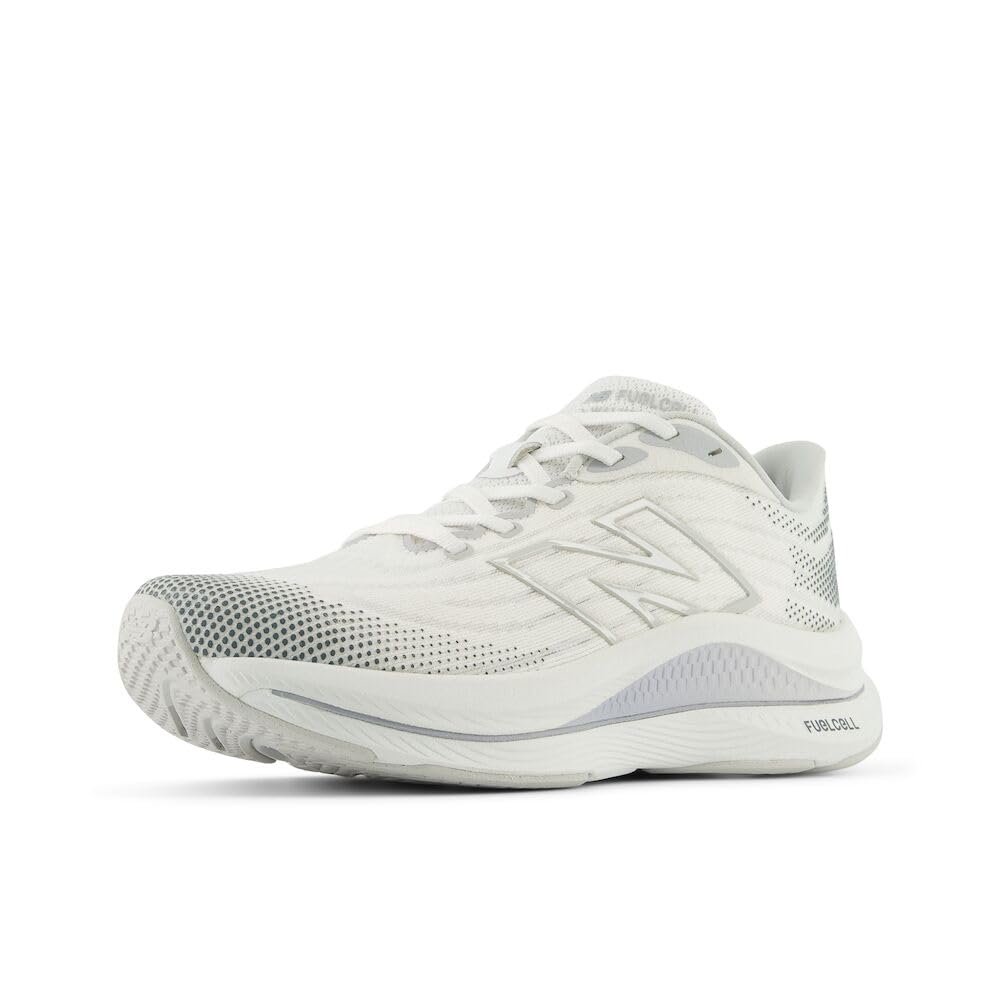
The FuelCell Walker Elite V1 is purpose-built for walking, not running, which makes it a niche but powerful option for supinators who stand or walk on pavement for hours. The FuelCell midsole is a nitrogen-infused foam that feels bouncy but maintains a firm lateral edge — it doesn’t collapse under the outside of the foot. The Walking Strike Path outsole is a grooved channel that guides the foot through a straight, efficient stride rather than allowing the lateral roll.
Reviewers frequently note the exceptional arch support and how the boot significantly reduced foot and back discomfort. One user described walking “pain-free for longer periods” after switching from other walking shoes. The boot is available in multiple widths, which is critical for supinators who often need a wider base to avoid lateral drift.
The FuelCell foam is less durable under heavy impact than PWRRUN PB or DNA Loft v2 — expect noticeable compression after 300–400 miles of walking. The boot also runs slightly snug in standard width, so the wide option is recommended for most supinators with normal foot volume. The sleek, low-profile design looks more like a sneaker than a walking boot, which is a plus for all-day wear in casual settings.
Why it’s great
- Walking Strike Path outsole actively straightens the stride
- FuelCell foam is bouncy but maintains lateral firmness
- Multiple width options accommodate orthotics
Good to know
- Foam compresses faster than max-cushion models (~300–400 miles)
- Standard width fits snugly; wide recommended
5. Saucony Men’s Guide 18 Sneaker
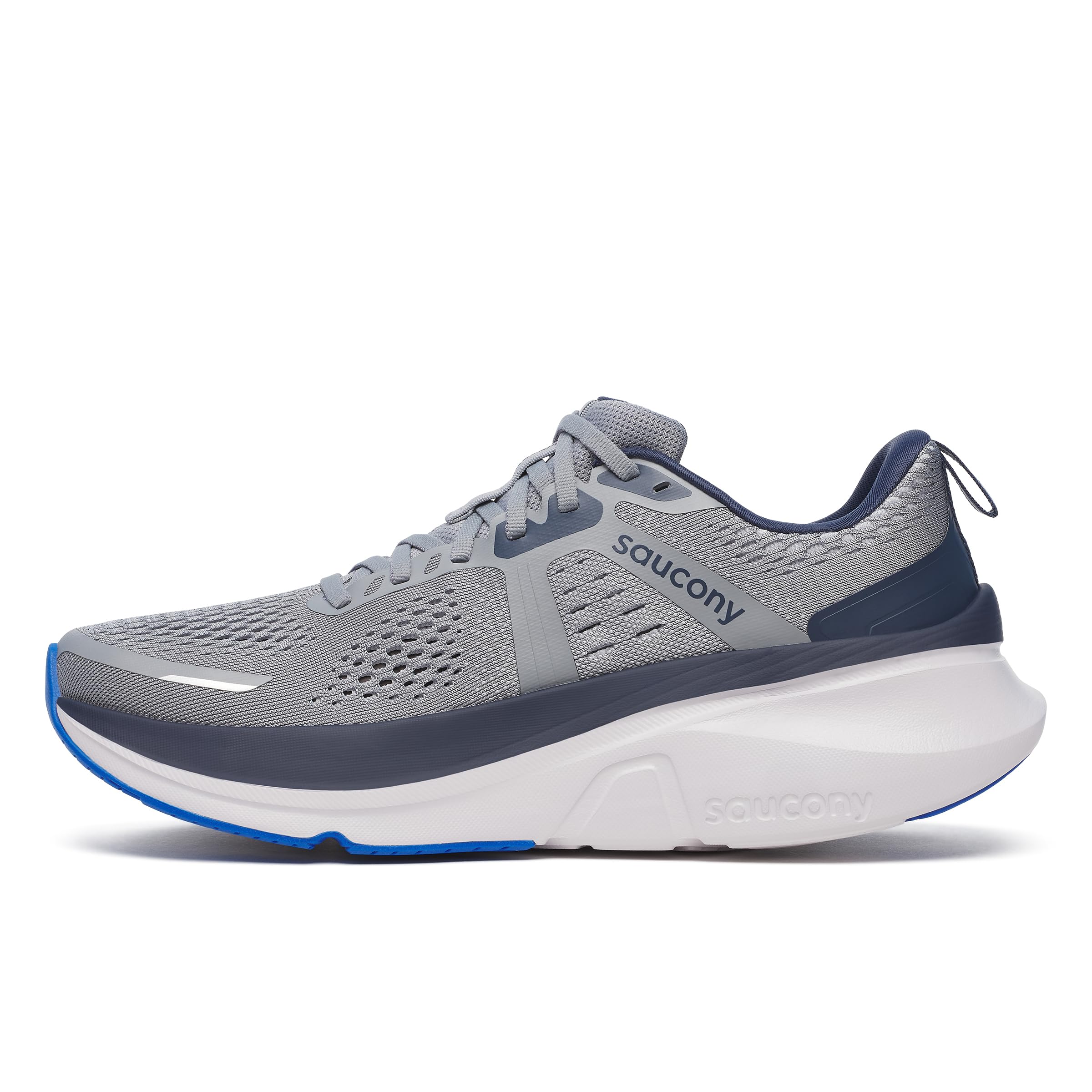
The Guide 18 is an evolution of Saucony’s long-running stability platform, using a PWRRUN frame that wraps the medial and lateral sides of the foot rather than a rigid plastic post. This approach creates a stable platform that doesn’t feel intrusive — it supports the foot without forcing it into a corrected pronation angle. The 8mm drop is moderate, making it a comfortable transition for runners coming from neutral shoes who still need lateral guidance.
Reviewers highlight the Guide 18 as a “comfortable daily driver” for all-day standing and walking on hard surfaces. The boot is noticeably lighter than the Hurricane 24 and provides a more flexible ride. However, several users noted the toe box is smaller than previous Guide versions (14/15), which can be an issue for supinators who prefer a roomy forefoot to spread the toes and improve lateral stability. The midsole shows dirt quickly due to the exposed foam, but traction remains solid.
The Guide 18 is a strong mid-range pick for supinators who don’t need max cushion but want reliable stability. The lack of a rigid plastic insert makes it feel less corrective than older stability models, which some supinators may prefer.
Why it’s great
- PWRRUN frame provides lateral support without plastic posts
- Lightweight for daily walking and light running
- Moderate 8mm drop suits most gaits
Good to know
- Smaller toe box than Guide 14/15
- Exposed midsole foam collects dirt quickly
6. Mizuno Men’s Wave Sky 8 Running Shoes
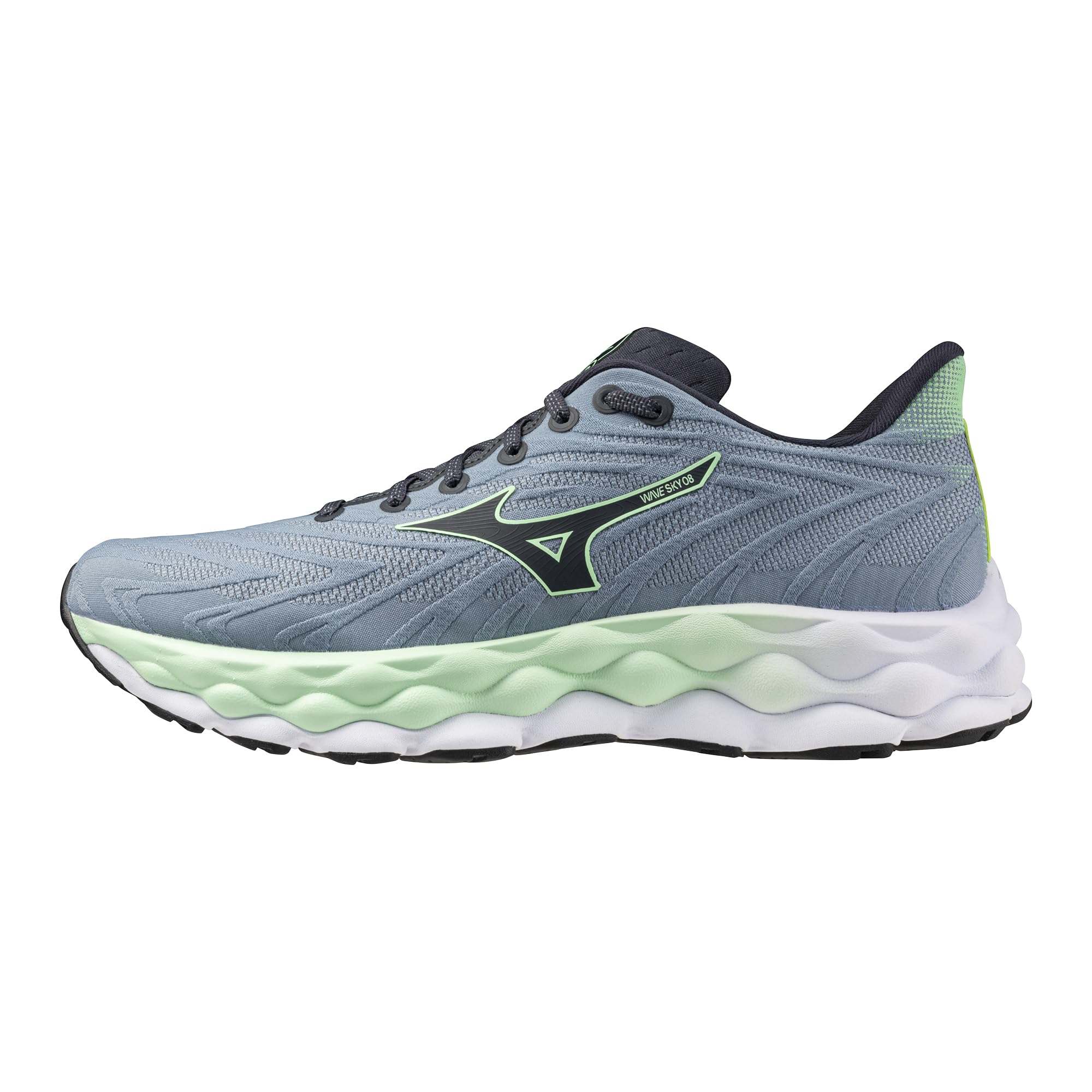
The Wave Sky 8 is a neutral-cushioned boot that relies on Mizuno’s Wave plate — a corrugated plastic piece embedded in the midsole that distributes impact across a wider area. For supinators, the Wave plate acts as a subtle lateral stabilizer: it prevents the foam from collapsing completely under the outside edge of the foot, even though the boot has no traditional medial post. The 34mm stack height provides maximum shock absorption for runners with sensitive joints.
Reviewers report life-changing reductions in joint pain (one user claimed a 90% decrease after one week), but the boot lacks the lateral frame of a dedicated stability shoe. It works best when paired with custom orthotics — several users mentioned solving stability issues by adding insoles. The Wave Sky 8 is also one of the lightest max-cushion boots at around 10 ounces, making it a good option for supinators who want cushioning without excess weight.
The outsole grip is adequate for roads and treadmills but bottoms out quickly on gravel or wet pavement for heavier runners. The boot has no significant pronation guidance, so it is best suited for supinators with mild conditions or those who use orthotics.
Why it’s great
- Wave plate disperses impact and reduces lateral foam collapse
- Lightweight for a 34mm stack boot at ~10 oz
- Orthotic-friendly design for custom support
Good to know
- Neutral design lacks built-in lateral guidance
- Outsole cushioning flattens on rough terrain for heavier users
7. ASICS Men’s Gel-Cumulus 27 Running Shoes
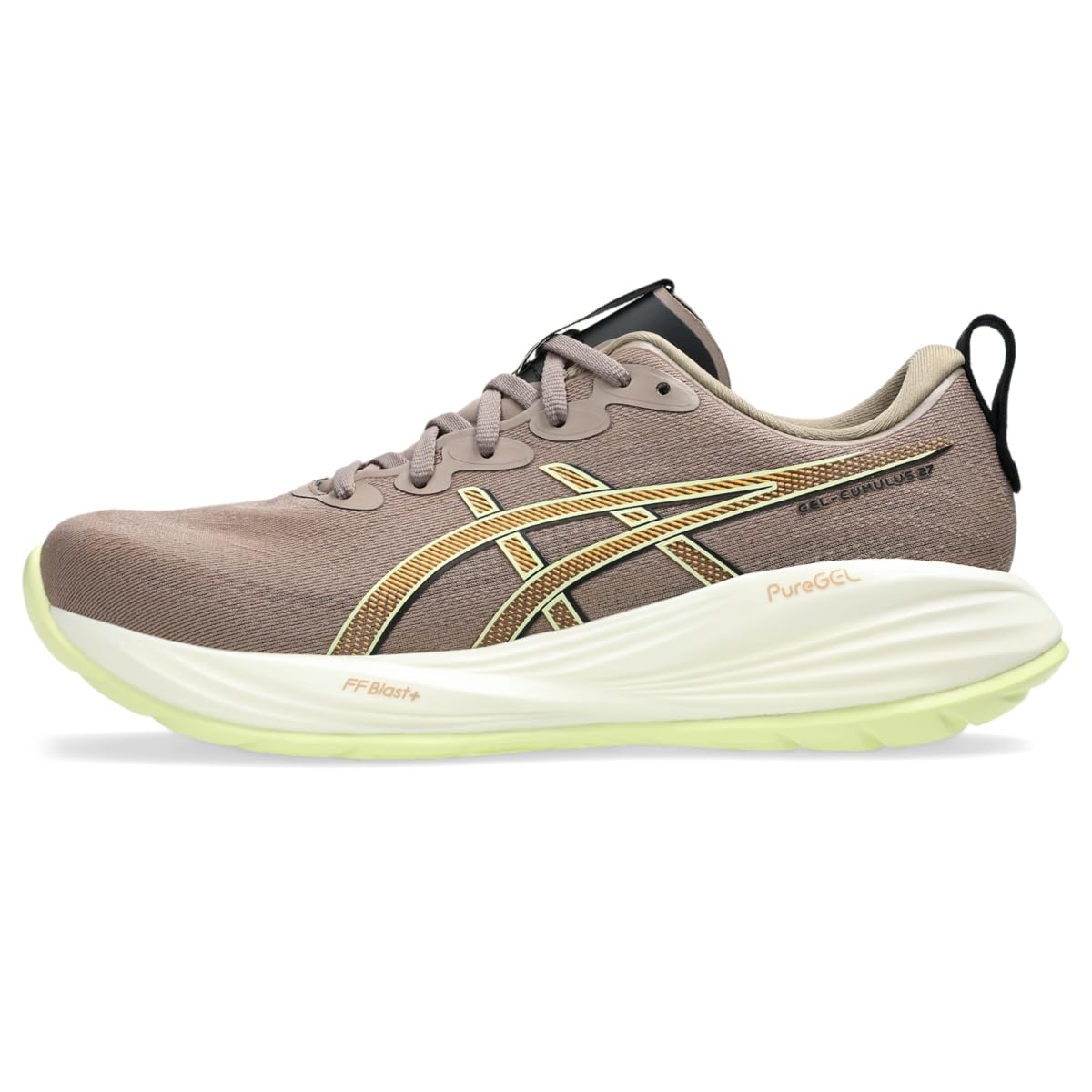
The Gel-Cumulus 27 is ASICS’s neutral-cushioned daily trainer, built around a Rearfoot PureGEL capsule embedded in the heel for targeted impact absorption. For supinators, the 10mm drop and relatively high heel-to-toe transition help reduce the time the foot spends on the lateral edge during landing. The FlyteFoam Blast+ midsole is moderately firm compared to the Nimbus, which helps resist lateral compression.
Reviewers praise the Cumulus 27 for its excellent comfort and breathability, noting it works well for high-arched runners who prefer a neutral platform. The boot is true to size and fits narrower than many competitors, which can be either a benefit (for narrow-footed supinators) or a drawback (for those who need a wide toe box to spread the foot). The orange colorway was a hit among gym-goers, but the sole unit lacks aggressive traction for loose surfaces.
The Cumulus 27 is not a stability boot — it has no medial or lateral post — but its firm midsole and high drop make it a viable option for supinators with high arches who don’t need active correction. The lack of lateral guidance means it is best for mild supination or as a walking boot.
Why it’s great
- Firm FlyteFoam Blast+ resists lateral sagging
- Rearfoot PureGEL absorbs heel-strike shock effectively
- Lightweight and breathable upper
Good to know
- Neutral platform offers no active lateral support
- Narrow toe box may not suit wide-footed supinators
8. ASICS Women’s Gel-Cumulus 27 Running Shoes
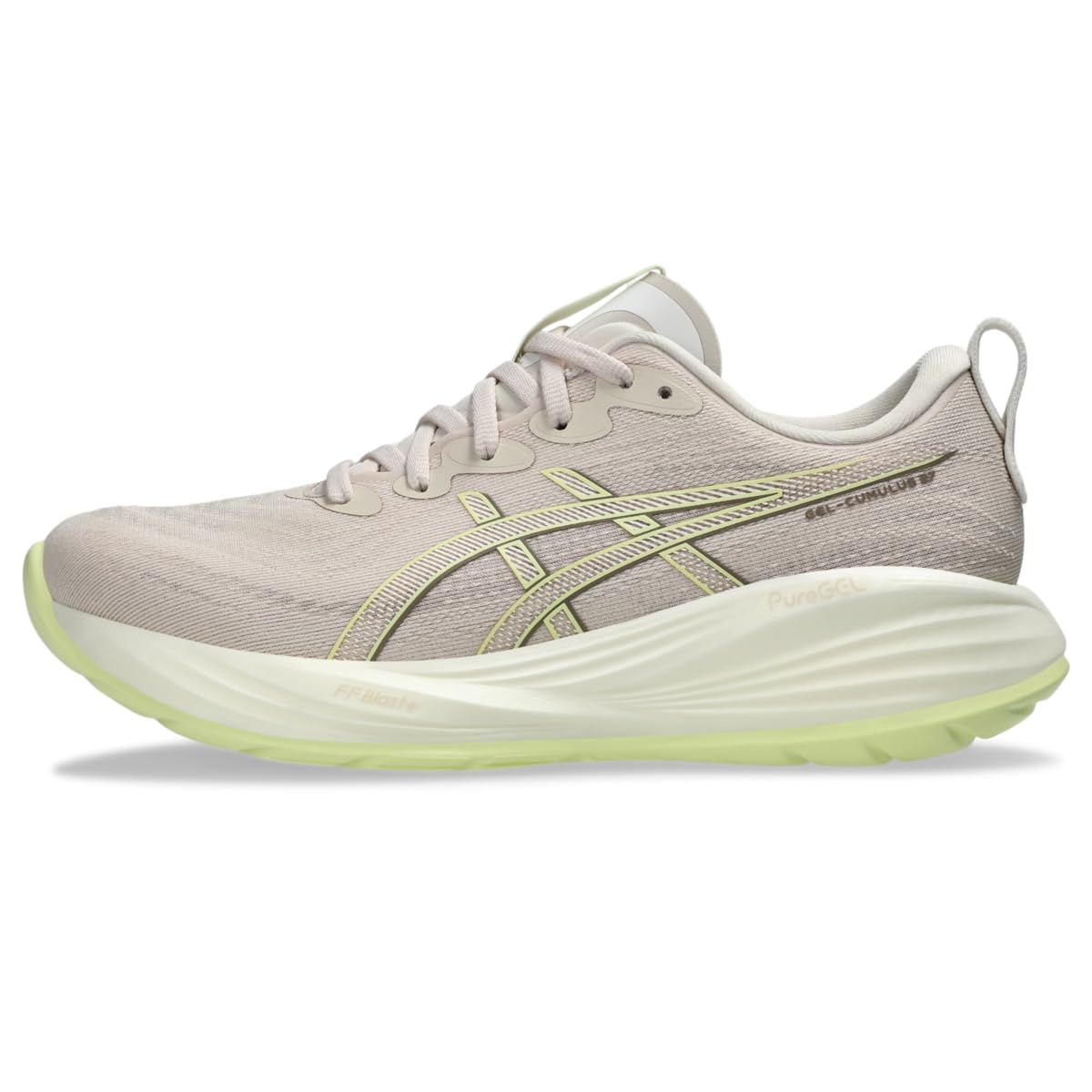
The women’s version of the Gel-Cumulus 27 shares the same Rearfoot PureGEL capsule and FlyteFoam Blast+ midsole as the men’s model, but with a narrower heel cup designed specifically for women’s foot morphology. For supinators with narrow heels, this design locks the calcaneus in place, reducing lateral heel slip that can worsen supination during the gait cycle. The 10mm drop remains the same, encouraging a quicker transition.
Reviewers with Morton’s neuroma and foot alignment issues specifically noted using this boot on doctor recommendation. While the comfort and support are praised, the toe box is described as slightly tight for long runs and for users with neuroma or wider forefeet. One reviewer with narrow feet (size 9.5) said the boot “fit like a glove” with no heel slip, which is ideal for supinators who struggle with lateral movement in loose-heeled boots.
This boot is a solid option for women with narrow feet and a supinated gait who want a neutral platform with firm cushioning. It is not suitable for those who need a wide toe box, active stability guidance, or max cushioning for heavy impact.
Why it’s great
- Narrow heel cup prevents lateral slip during landing
- Firm midsole resists compression under the lateral foot
- Doctor-recommended for Morton’s neuroma and alignment
Good to know
- Toe box is small for long runs and wider forefeet
- Neutral design lacks active lateral support
9. ASICS Men’s GT-1000 14 Running Shoes
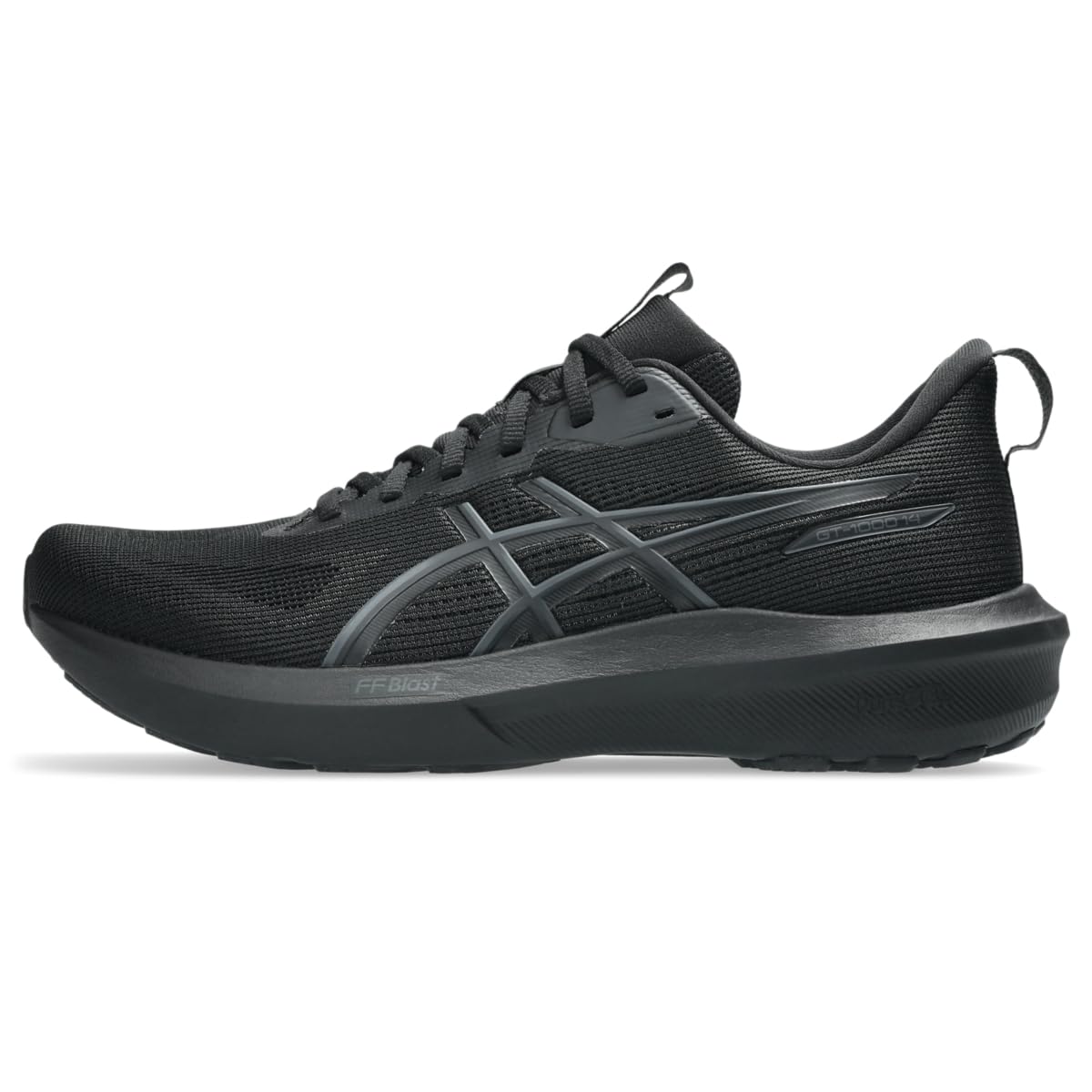
The GT-1000 14 is ASICS’s entry-level stability boot, using a LITETRUSS medial post to reduce overpronation. For supinators, the LITETRUSS post provides unintended lateral stability — because the medial side is firmer, the foot is less likely to tilt laterally in search of a softer landing. The 8mm drop is standard for a stability shoe, and the FlyteFoam midsole is dense enough to avoid lateral mushiness.
Reviewers consistently note the GT-1000 14 has better arch support and cushioning than the previous version, making it a comfortable daily driver for walking and light running. One user with overpronation switched from the GT-2000 after 15 years and found the GT-1000 “more cushioned” at a lower price point. The boot is available in extra-wide widths, which is essential for supinators who need a broad platform to resist lateral drift.
The main trade-off is longevity — the midsole can feel “dead” within about a year of heavy use, which is common in budget-tier stability shoes. The GT-1000 is a great entry-level option for supinators on a budget who want basic lateral stability without spending premium-tier money.
Why it’s great
- LITETRUSS post reduces lateral tilt for underpronators
- Available in extra-wide widths for a stable base
- Budget-friendly alternative to GT-2000
Good to know
- Midsole resilience fades faster than premium models (~1 year heavy use)
- Stability design is focused on overpronation, not supination
FAQ
Can a boot designed for overpronation help with supination?
What shoe drop is best for a supinated foot?
Should I pair orthotics with a stability boot for supination?
Final Thoughts: The Verdict
For most users, the best boots for supination winner is the Brooks Men’s Adrenaline GTS 23 because the dual-sided GuideRails system provides real lateral support without forcing a corrective angle, and the 12mm drop accelerates the transition out of the lateral landing phase. If you want the most cushioning and a roomy fit for orthotics, grab the Saucony Men’s Hurricane 24. And for all-day walking on pavement with a straight-striding outsole, nothing beats the New Balance Women’s FuelCell Walker Elite V1.

Mo Maruf
I created WellFizz to bridge the gap between vague wellness advice and actionable solutions. My mission is simple: to decode the research and give you practical tools you can actually use.
Beyond the data, I am a passionate traveler. I believe that stepping away from the screen to explore new environments is essential for mental clarity and physical vitality.