Our readers keep the lights on and my smoothie glass nicely filled. As an Amazon Associate, I earn from qualifying purchases.
The wrong pair of backpacking footwear turns a mountain traverse into a misery of hot spots, rolling ankles, and blistered heels. The difference between a triumphant summit and a limp back to the trailhead often comes down to a single variable: how well your boot or shoe matches the specific demands of your foot shape, pack weight, and terrain gradient. This is not a category where style points matter much — the performance gap between a poorly chosen shoe and one dialed to your gait is measured in miles of pain avoided.
I’m Mohammad Maruf — the founder and writer behind WellFizz. For years I’ve analyzed footwear construction specs, outsole compounds, last shapes, and waterproof membrane performance across hundreds of trail-going products to understand which design choices actually hold up under real-world loads.
After combing through durability reports and fit feedback from long-distance hikers, I’ve narrowed the market to nine standout models that define the current standard for quality. Whether you prioritize a wide toe box for downhill braking or a stiff shank for hauling a heavy pack, this guide to the best backpacking footwear will help you match your foot to the right build.
How To Choose The Best Backpacking Footwear
The ideal backpacking shoe or boot balances weight, support, traction, and durability in a way that matches your typical load and terrain. A weekend warrior carrying 20 pounds on well-groomed singletrack needs something very different from a thru-hiker packing 40 pounds over talus fields.
Drop and Stack Height — The Stability Foundation
The drop is the difference in height between the heel and forefoot. Zero-drop shoes (like the Altra Lone Peak) encourage a natural midfoot strike and strengthen the Achilles over time, but they demand stronger calves and ankles. A higher drop of 8–12 mm shifts pressure to the heel, which some hikers prefer for steep descents. Stack height — the amount of cushion between your foot and the ground — affects ground feel versus impact protection. A low stack (sub-20 mm) gives better proprioception on technical terrain; a higher stack (25–30 mm) absorbs shock on long, hard-packed miles.
Shank Stiffness and Load Capacity
For day hikes or lightweight backpacking, a flexible shoe with a nylon shank provides enough support and lets your foot move naturally. Once your pack exceeds 30 pounds or you cross sharp, uneven talus, a full-length shank — often made of steel or stiff plastic — prevents the boot from folding under the load. The Asolo TPS 535 LTH V Evo and Scarpa Kinesis Pro GTX both use a stiff shank design that transfers weight efficiently and protects the foot sole from rock bruising. The trade-off is a longer break-in period and reduced flexibility at the toe-off phase of your stride.
Traction: Lug Pattern and Rubber Compound
Lug depth is the most visible traction spec — 4 mm works well for packed dirt and gravel, while 5–6 mm lugs bite into loose scree and mud. However, the rubber compound matters just as much. Vibram Megagrip and MaxTrac both deliver high friction on wet surfaces, while standard Vibram or proprietary rubber blends tend to excel on dry rock. For mixed terrain where you encounter wet slabs after rain, a shoe with a Megagrip or Gore-Tex outsole (like the New Balance Fresh Foam X Hierro V9) provides a noticeable edge in confidence.
Quick Comparison
On smaller screens, swipe sideways to see the full table.
| Model | Category | Best For | Key Spec | Amazon |
|---|---|---|---|---|
| Altra Lone Peak 8 | Trail Shoe | Wide feet, zero-drop fans | Zero drop, 25mm stack | Amazon |
| Merrell Moab 3 | Hiking Boot | All-purpose value, wide sizes | Vibram TC5+ outsole | Amazon |
| Altra Lone Peak 9 | Trail Shoe | Natural stride, max comfort | MaxTrac rubber outsole | Amazon |
| The North Face Hedgehog 3 | Hiking Boot | Mixed terrain, dry conditions | 5mm lugs, water-resistant | Amazon |
| New Balance Hierro V9 | Trail Shoe | Plush cushion, road-to-trail | Fresh Foam X, Vibram Megagrip | Amazon |
| TNF Ultra 112 | Hiking Shoe | Lightweight, firm-sole comfort | Dryvent membrane | Amazon |
| Danner Trail 2650 | Hiking Shoe | Daily trail wear, suede style | Ortholite footbed | Amazon |
| Asolo TPS 535 LTH V Evo | Leather Boot | Heavy loads, rugged terrain | Full-length steel shank | Amazon |
| Scarpa Kinesis Pro GTX | Leather Boot | Narrow feet, technical terrain | Gore-Tex, Vibram outsole | Amazon |
In‑Depth Reviews
1. Danner Trail 2650 Hiking Shoes

The Danner Trail 2650 hits an impressive sweet spot between cushion and stability. The Ortholite footbed uses open-cell polyurethane that resists compression better than standard EVA, retaining its shape well past the 100-mile mark. The PlyoGo EVA midsole provides shock absorption without making the platform feel marshmallowy, which matters when crossing alternating stretches of hardpan and rock.
This shoe uses a Vibram 460 outsole with self-adapting lugs and a Megagrip compound that delivers noticeable traction on wet granite and slick mud. The suede-and-textile upper breathes reasonably well for a shoe in this weight class, though reviewers note the fit runs slightly small for wide feet and the heel cup may require longer laces for a locked-down feel. After a short break-in period, owners report blister-free performance on 20-mile days.
The EXO Heel System and Danner Trailguard TPU shank provide enough torsional rigidity for a 30-pound pack without making the shoe feel board-like. This is a confident choice for hikers who want one pair that handles both weekend trips and casual daily wear without compromise.
Why it’s great
- Compression-resistant Ortholite footbed
- Excellent wet traction with Vibram Megagrip
- Minimal break-in required
Good to know
- Runs small for wider feet
- Heel cup may need lacing adjustment
2. Asolo TPS 535 LTH V Evo Boots
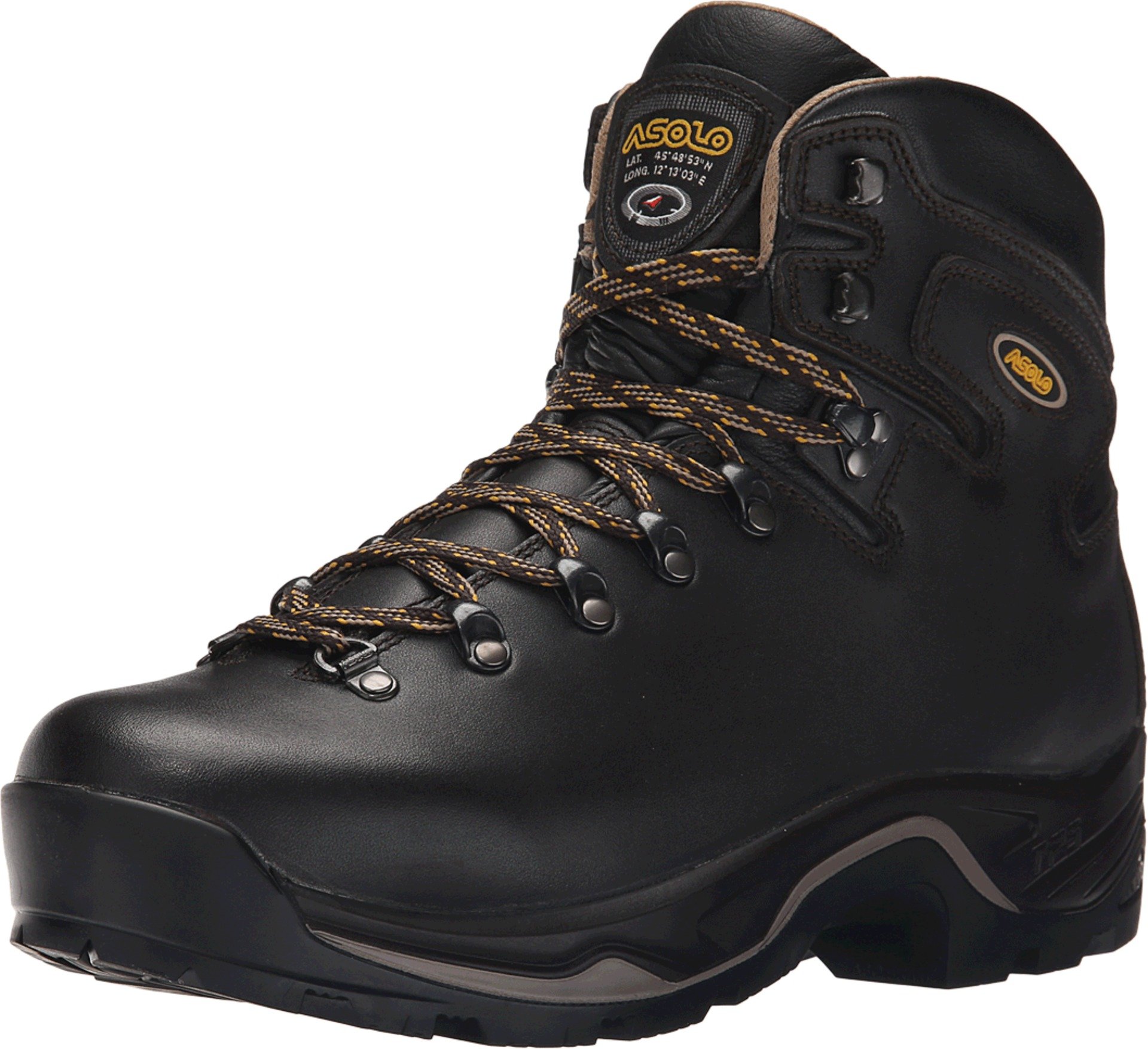
When your pack weight pushes past 40 pounds and the trail turns into a talus field, the Asolo TPS 535 LTH V Evo justifies its premium build. The full-length steel shank provides a rigid platform that transfers load efficiently and protects your foot from sharp edges, while the self-cleaning lug pattern sheds mud rather than caking up. Seasoned owners report an outsole life of 1,000 to 1,500 miles, and the boot is resolable by a competent cobbler — a rare feature in modern footwear.
The leather upper achieves excellent waterproofing without a Gore-Tex liner, using a proprietary treatment that allows better breathability than membrane-equipped boots. This makes a real difference on multi-day trips where your feet are active for hours without rest. The downside is a significant break-in period — some users need 30–50 miles before the leather molds to their foot. Once broken in, the boot offers unmatched ankle support for off-trail scrambling and heavy loads.
Reviews consistently mention that the TPS 535 cured or alleviated plantar fasciitis symptoms thanks to the stiff sole and supportive heel cup. This is not a boot for fast-and-light hikers; it is a technical tool for those who need maximum durability and support in the harshest environments.
Why it’s great
- 1,500-mile outsole lifespan
- Resolable construction reduces long-term cost
- Breathable leather waterproofing
Good to know
- Long break-in period (30–50 miles)
- Heavy compared to trail shoes
3. SCARPA Men’s Kinesis Pro GTX
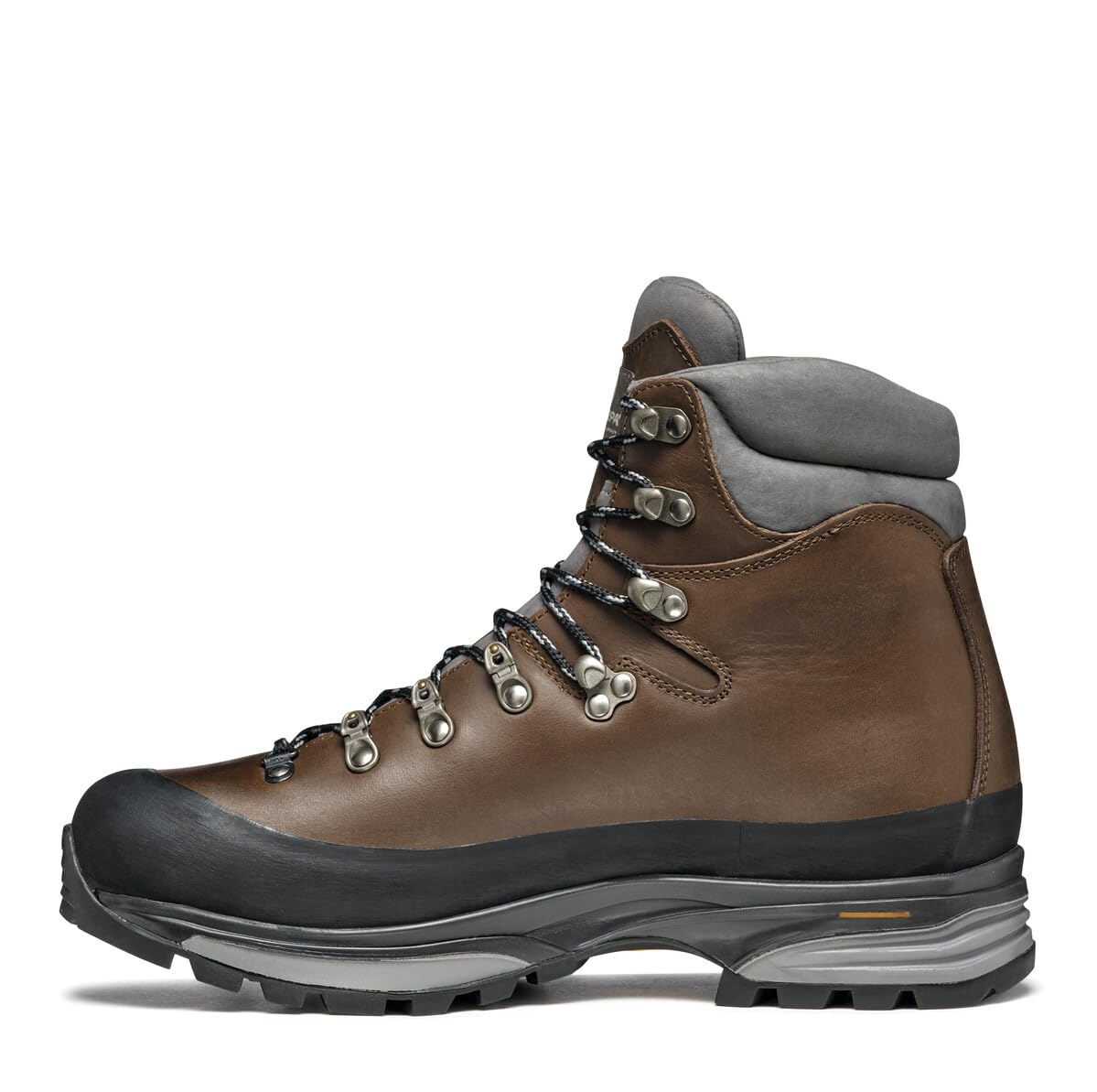
The Scarpa Kinesis Pro GTX is engineered for narrow-to-medium feet that struggle to find off-the-shelf boots with a secure heel lock. The pulley eyelets allow precise tension adjustment across the instep, creating a glove-like fit once dialed in. The Gore-Tex membrane provides reliable waterproofing without excessive bulk, and the Vibram outsole uses a compound that performs well on mixed alpine terrain, though some owners note it can feel slick on wet slabs.
This boot uses a stiff shank and a high ankle collar that limits dorsiflexion — a feature that prevents ankle rolling on uneven ground but takes some getting used to. Reviewers who wear it for extended trips report that the boot requires a significant break-in period, often 200–220 kilometers, before the tongue and heel area fully conform. Once broken in, users praise the durability and expect 1,000–2,000+ kilometers of service life.
The removable insole makes it easy to swap in custom orthotics, and the unique tongue design reduces lace pressure across the top of the foot. For hikers with narrow heels and a high instep who need a bombproof boot for technical terrain, the Kinesis Pro GTX is a top-tier contender that rewards patience.
Why it’s great
- Excellent heel lock for narrow feet
- Durable Gore-Tex waterproofing
- Custom orthotic compatible
Good to know
- Very long break-in (~220 km)
- Not suitable for wide feet
4. THE NORTH FACE Men’s Ultra 112
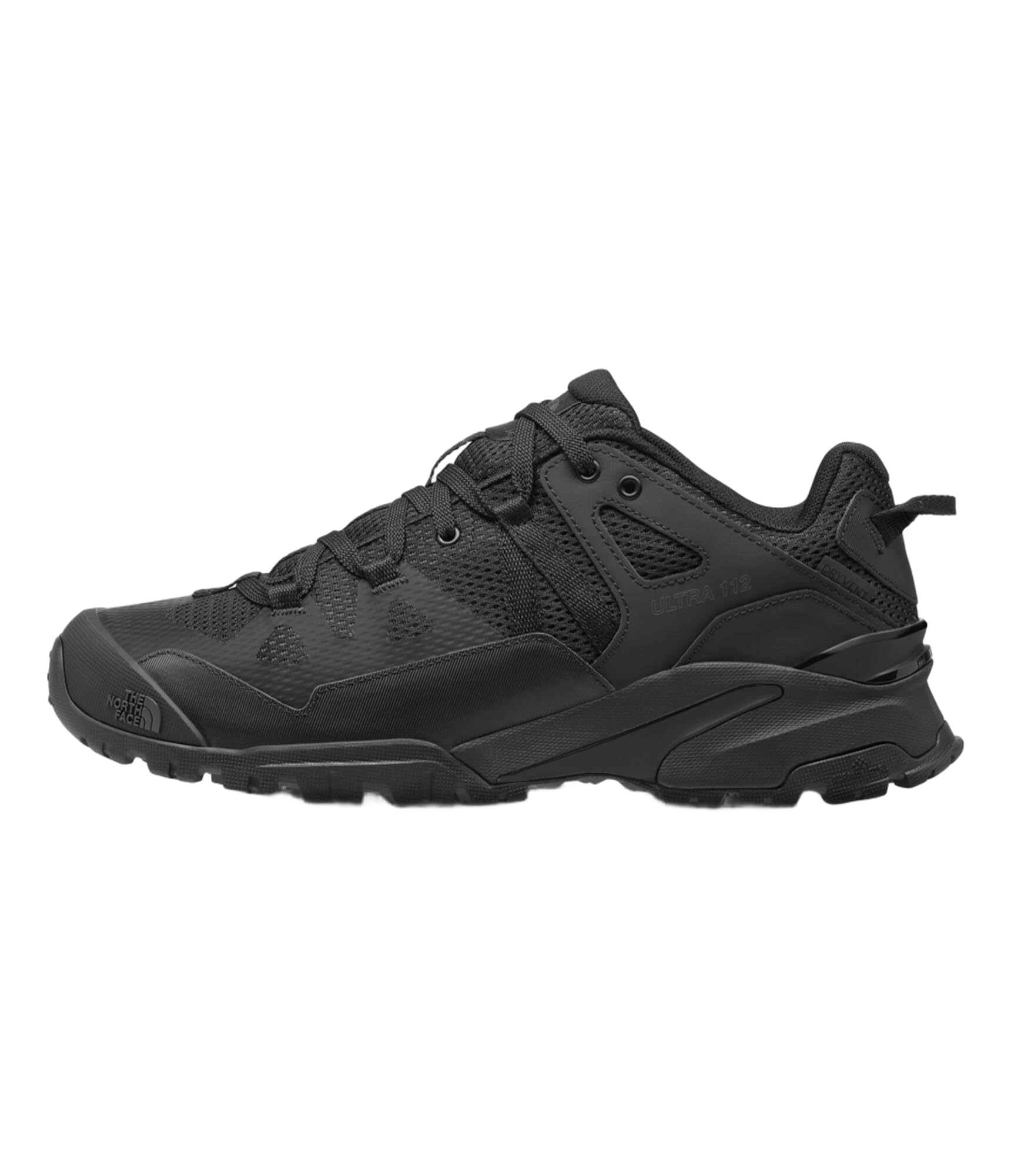
The North Face Ultra 112 delivers a firm sole platform that provides consistent all-day comfort without the spongy feeling that can destabilize your step on uneven ground. The Dryvent membrane offers reliable water resistance for crossing wet grass and shallow streams, though it does not breathe as freely as a non-membrane shoe. Seven-year repeat buyers note that the material quality has held steady, and the shoe still looks sharp after a year of constant wear.
Where the Ultra 112 excels is in its out-of-box comfort and low maintenance. The upper is easy to clean and dries quickly, and the 5mm lugs provide solid traction on gravel, dirt, and grass. One notable quirk: the heel padding tends to compress and loosen after the first week, causing the shoe to effectively grow half a size. Buyers should consider sizing down half a length from their usual measurement.
This shoe is not designed for running or fast scrambling — the heel is too low to lock you in during dynamic lateral moves. But for extended stretches of walking with a moderate load, the Ultra 112 is a comfortable, durable choice that requires zero break-in.
Why it’s great
- Firm, supportive sole for all-day wear
- Quick-drying, easy-to-clean upper
- Proven long-term durability
Good to know
- Heel loosens after break-in; size down
- Dryvent less breathable than Gore-Tex
5. ALTRA Men’s Lone Peak 9
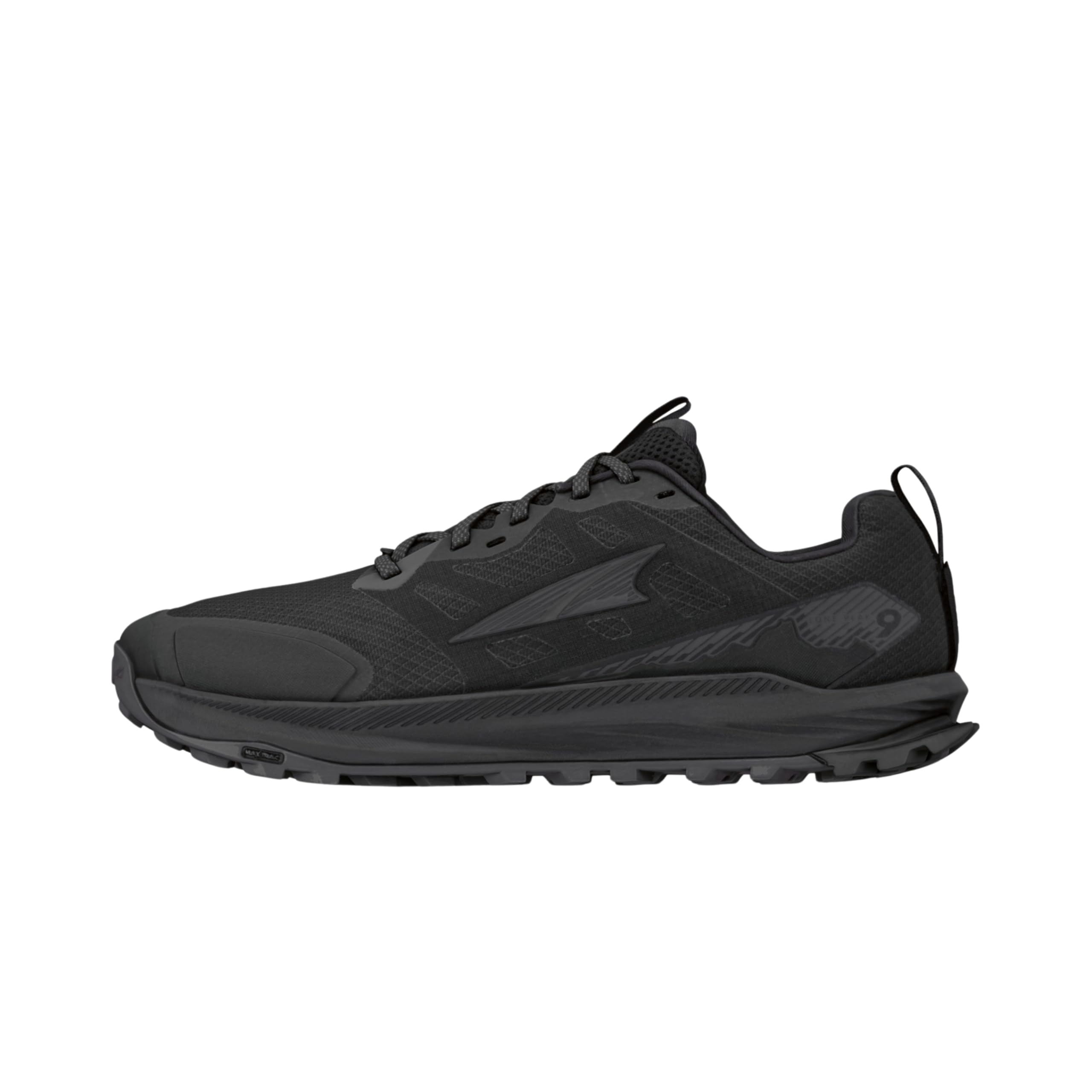
Altra’s Lone Peak 9 refines the zero-drop, wide-toe-box formula that made the series a cult favorite among thru-hikers. The balanced cushioning stack — 25 mm at both heel and forefoot — encourages a natural midfoot strike and gives the foot room to splay under load, significantly reducing the black toenail risk on long descents. The MaxTrac rubber outsole delivers reliable grip on loose dirt and mud, and the shoe breathes well enough for warm-weather trips.
One major improvement in the 9 is the updated upper mesh, which is both more breathable and faster draining than the Lone Peak 8. Reviewers report blister-free performance on 60-mile hikes with zero break-in, and the shoe shows minimal wear after 100 miles. The fit runs slightly large — owners with medium-width feet should consider sizing down half a length, while those with truly wide feet will appreciate the standard width alone.
The Lone Peak 9 is versatile enough for hiking, backpacking with a light-to-moderate pack, and even casual daily wear. It is not suitable for heavy loads above 35 pounds or sharp talus fields, but for the vast majority of trail miles, it delivers exceptional comfort.
Why it’s great
- Zero-drop platform strengthens natural gait
- Spacious toe box eliminates toe pain
- No break-in required
Good to know
- Not for heavy packs or sharp rock
- Runs large; consider half-size down
6. ALTRA Women’s Lone Peak 8
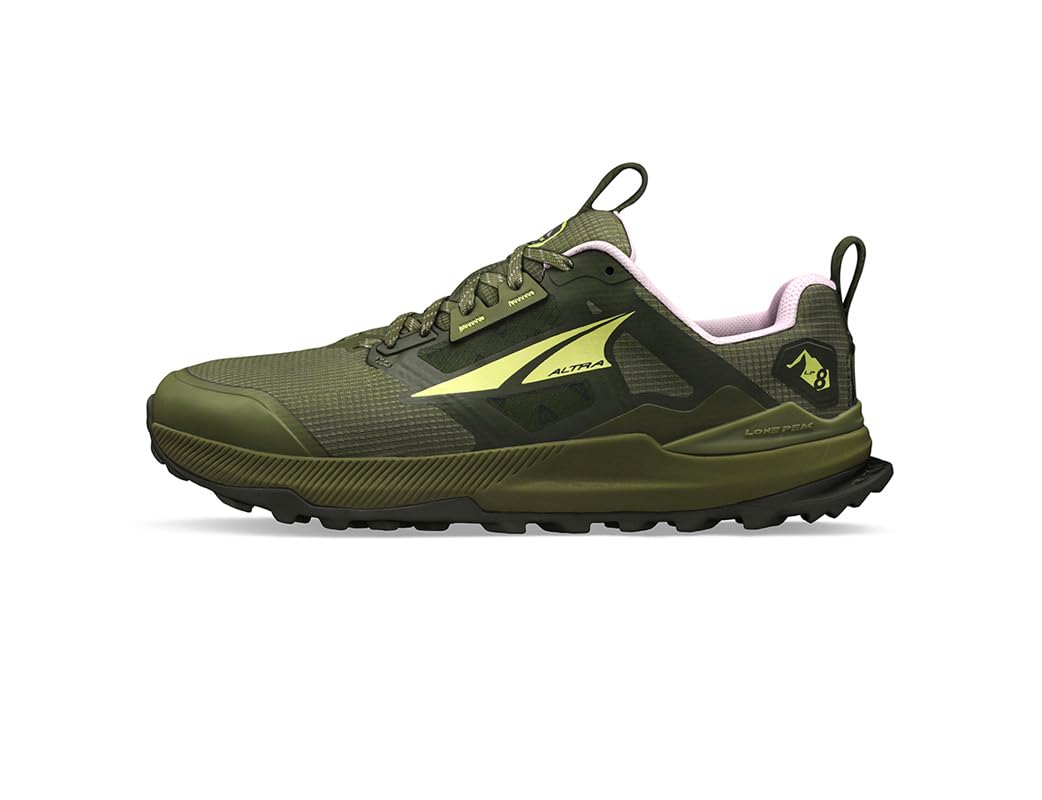
The Lone Peak 8 in women’s sizing shares the same zero-drop, wide-toe-box DNA as the men’s version, offering a roomy forefoot that prevents the lateral toe crowding common on steep traverses. The stack height sits at 25 mm with minimal heel-toe offset, encouraging a natural stride that reduces impact stress on knees and hips over long miles. The MaxTrac outsole provides strong grip on loose dirt and scree, and multiple long-term owners report going through six or more pairs due to the unmatched fit.
A major point of praise in reviews is the elimination of hiker’s toe pain — the kind that comes from toenails jamming into the front of a tight toebox on descents. The Lone Peak 8’s FootShape toe box allows the toes to splay naturally, reducing pressure points. The shoe also features a durable toe guard and gaiter compatibility, making it trail-ready right out of the box.
One trade-off: the Lone Peak 8 is not as cushioned as maximalist shoes, so hikers used to plush foam may find the ground feel too direct on rocky terrain. It also lacks the waterproof membrane options of some competitors, though the trade is better breathability and faster drying after stream crossings.
Why it’s great
- Wide toe box eliminates downhill jamming
- Gaiter-compatible and lightweight
- Proven track record with repeat buyers
Good to know
- Minimal cushion for rocky terrain
- No waterproof membrane option
7. New Balance Fresh Foam X Hierro V9
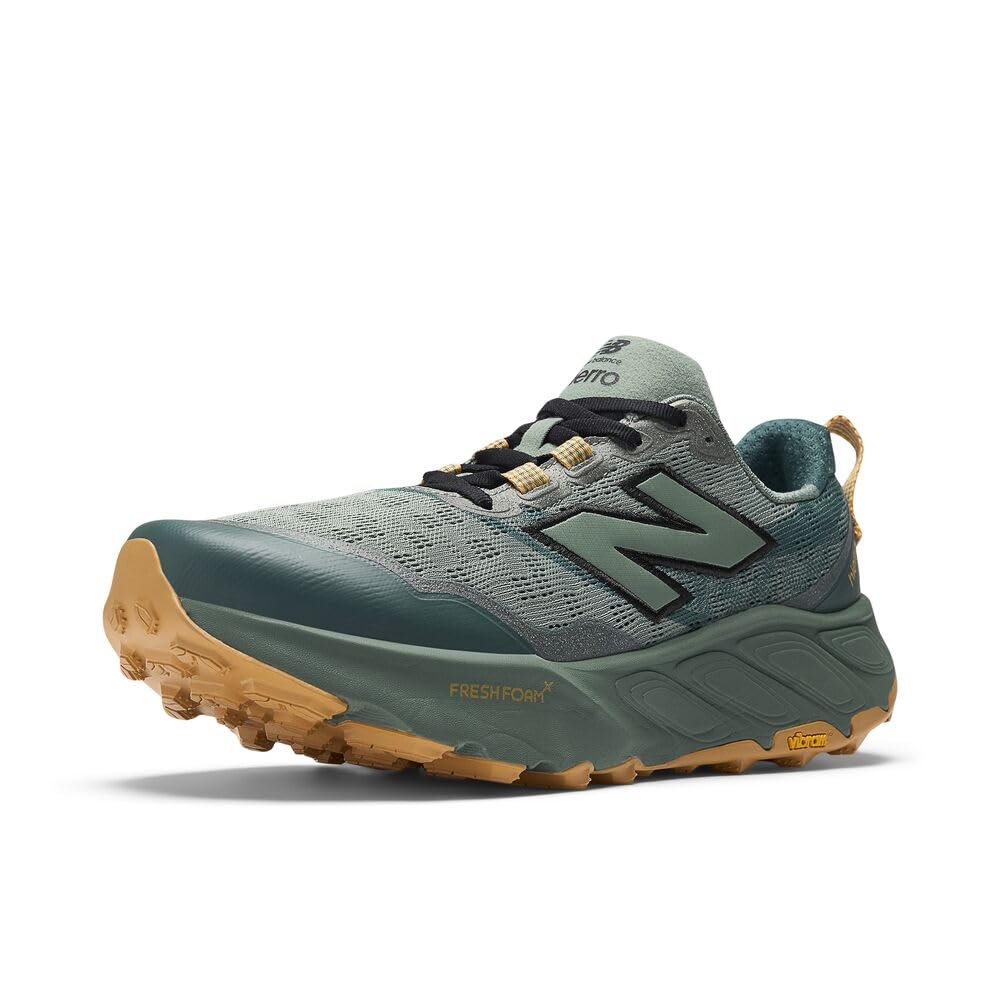
New Balance’s Hierro V9 is a road-to-trail crossover built on the Fresh Foam X midsole, offering a plush, forgiving ride that appeals to hikers who spend significant time on hard-packed fire roads or gravel paths before hitting singletrack. The Vibram Megagrip outsole provides confidence on wet rock and loose surfaces, making the transition between surfaces seamless. The upper features a secure, supportive fit that accommodates wide feet well in sizes 10.5W with narrow heels.
Reviewers consistently praise the cushioning for protecting knees and ankles during 450-mile stretches, but some note that the heel wear accelerates faster than expected with a heavy gait. The toe box runs tight; most hikers recommend sizing up half a length to avoid pressure on the pinky toe during long descents. This is a shoe best suited for moderate loads and well-maintained trails rather than rugged off-trail use.
For hikers who prioritize impact protection and need a shoe that doubles as a daily walker, the Hierro V9 is a standout. Just be aware that the soft foam platform sacrifices some ground feel and stability on sharp, uneven terrain compared to stiffer alternatives.
Why it’s great
- Plush cushioning reduces joint impact
- Excellent wet traction with Megagrip
- Wide width available for narrow heels
Good to know
- Heel durability can be weak
- Size up half for tight toe box
8. Merrell Womens Moab 3
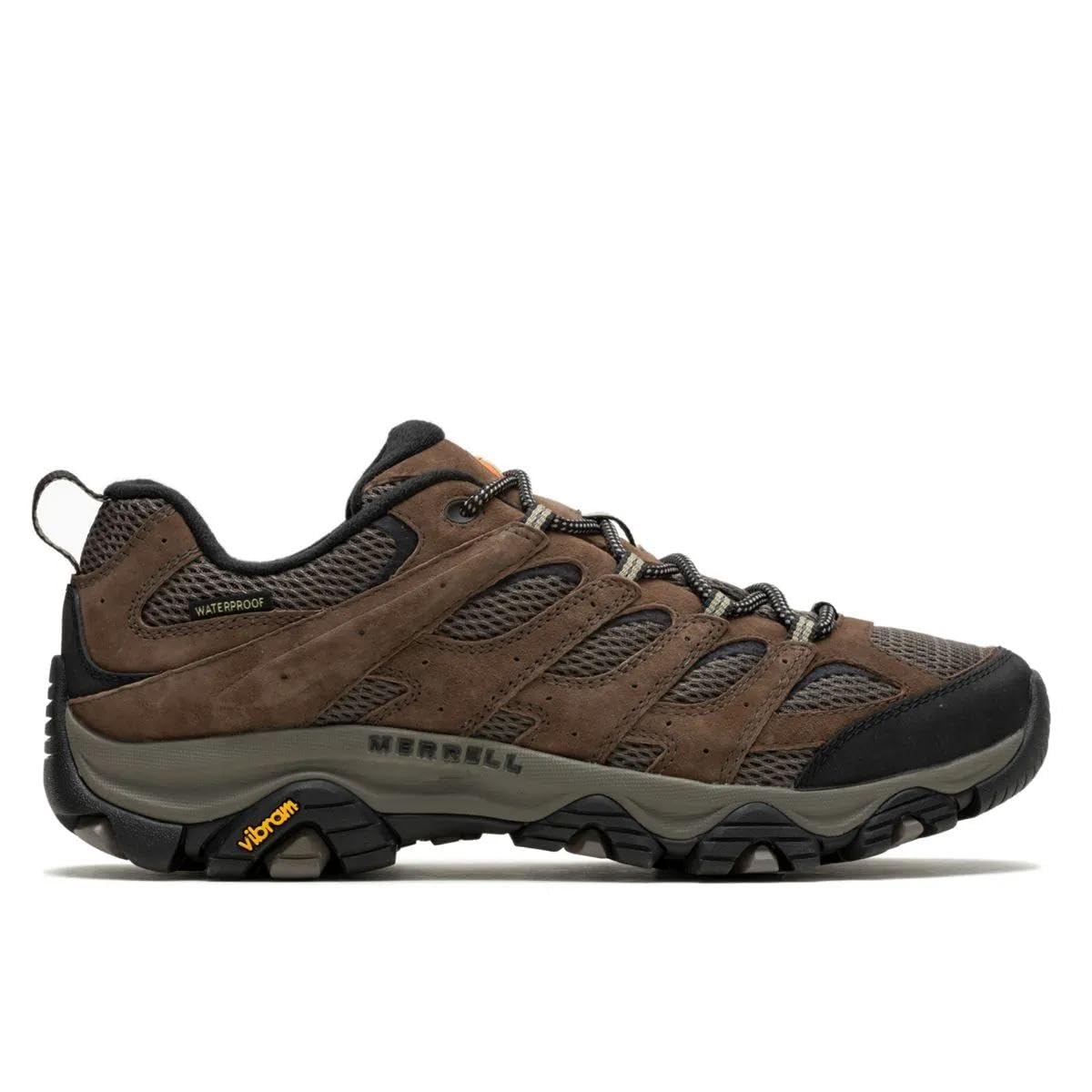
The Merrell Moab 3 has been a benchmark in the budget-conscious hiker’s arsenal for years, and the latest version keeps the formula intact: a Vibram TC5+ outsole with aggressive lugs, a padded tongue and collar, and a comfortable fit that requires virtually no break-in. The Gore-Tex version provides reliable waterproofing for wet conditions — reviewers specifically advise spending the extra amount for the GTX model, as the non-Gore-Tex membrane version has been reported to leak.
This boot offers excellent stability for moderate loads and performs well on a variety of terrain including gravel, grass, and rocky climbs. The fit runs small — several owners report needing to order half to a full size larger than their usual street shoe. Wide-footed hikers (4E) find the Moab 3 accommodates their width without pinching, though the standard width is snug for medium-volume feet.
While the Moab 3 lacks the premium materials of higher-priced competitors, it delivers consistent performance at an accessible price point. The thick tongue padding provides comfort across the instep, and the Vibram tread maintains solid grip through hundreds of miles. For entry-level backpackers or those on a tight budget, this boot represents a reliable starting point.
Why it’s great
- Comfortable out of the box
- Aggressive Vibram tread for loose terrain
- Available in wide (4E) sizing
Good to know
- Runs small; size up half to full
- Non-GTX model may leak in wet conditions
9. THE NORTH FACE Hedgehog 3

The North Face Hedgehog 3 offers a no-frills approach to hiking boots with a ripstop leather upper and a moderately cushioned midsole that balances comfort with ground feel. The outsole provides solid traction on gravel, grass, and rock, performing well enough for 17+ mile days on mixed terrain. The boot is lightweight for its category, making it a sensible choice for day hikers and weekend backpackers.
Where the Hedgehog 3 falls short is in long-term durability — several repeat buyers who owned earlier versions report that the new model leaks after as little as 10 days of heavy use, losing the waterproofing that earlier Hedgehog generations held for two to three years. The toe box also runs slightly narrow compared to the roomy fit of the Altra Lone Peak series, so hikers with wide feet should consider sizing up.
For hikers who prioritize affordability and plan to use the boot primarily in dry conditions, the Hedgehog 3 delivers acceptable performance. But those who need reliable waterproofing for sustained wet weather should look at the Gore-Tex-equipped options in this guide.
Why it’s great
- Lightweight for a leather boot
- Good traction on mixed terrain
- Comfortable moderate cushion
Good to know
- Waterproofing may fail early
- Narrower toe box than competitors
FAQ
Should I buy a zero-drop shoe for backpacking or stick with a traditional drop?
How much break-in time should I expect for a full leather backpacking boot?
Is a waterproof membrane necessary or just extra weight?
How do I know if I need a wide or extra-wide shoe for backpacking?
Final Thoughts: The Verdict
For most users, the best backpacking footwear winner is the Danner Trail 2650 because it combines a supportive Ortholite footbed, reliable Vibram Megagrip traction, and a short break-in period that works for both trail days and daily wear. If you need maximum support for heavy loads and rugged terrain, grab the Asolo TPS 535 LTH V Evo. And for a natural, zero-drop stride with a spacious toe box that eliminates downhill toe pain, nothing beats the Altra Lone Peak 9.

Mo Maruf
I created WellFizz to bridge the gap between vague wellness advice and actionable solutions. My mission is simple: to decode the research and give you practical tools you can actually use.
Beyond the data, I am a passionate traveler. I believe that stepping away from the screen to explore new environments is essential for mental clarity and physical vitality.