Our readers keep the lights on and my smoothie glass nicely filled. As an Amazon Associate, I earn from qualifying purchases.
Choosing a big screen for gaming is less about diagonal inches and more about how many frames that panel can actually resolve without tearing. Native 120Hz support, variable refresh rates, and HDMI 2.1 bandwidth separate a truly responsive gaming display from a living room TV that just happens to be large.
I’m Mohammad Maruf — the founder and writer behind WellFizz. My research focuses on panel technology, HDMI 2.1 certification, and real-world latency testing to separate marketing specs from actual gaming performance.
This guide digs into the specific refresh rate tiers, HDR formats, and connectivity standards that make or break the experience, helping you find the best big screen tv for gaming that matches both your console and your room.
How To Choose The Best Big Screen TV For Gaming
Screen size is the first filter, but the real decision points are refresh rate, HDMI 2.1 port count, and the type of HDR implementation. Sorting through marketing terms like “Motion Rate 480” versus a genuine native 120Hz panel is essential before you buy.
Native Refresh Rate vs. Effective Motion Rate
A true 120Hz native panel can accept a 120fps signal from a PS5 or Xbox Series X. “Motion Rate” or “Clear Motion” numbers are typically frame interpolation or backlight scanning — they do not increase the panel’s actual refresh rate. Check the specifications for “Native Refresh Rate” (120Hz or 144Hz) rather than any multiplied marketing number.
HDMI 2.1 Port Count and Bandwidth
Full-bandwidth HDMI 2.1 (48Gbps) is required for 4K at 120Hz with 10-bit color and HDR. Two inputs are the practical minimum if you own both a console and a soundbar or streaming box. Some TVs label ports as 2.1 but cap bandwidth at 24Gbps, limiting them to 4K at 60Hz — verify the port specs for each model.
Variable Refresh Rate (VRR) Support
VRR synchronizes the TV’s refresh rate to the console’s frame rate, eliminating screen tearing without adding latency. FreeSync Premium Pro is AMD’s standard, and HDMI Forum VRR is the generic version. Both work with modern consoles, though FreeSync Premium Pro adds HDR support during VRR operation.
HDR Format Compatibility
Dolby Vision Gaming dynamically adjusts brightness and contrast scene-by-scene up to 120Hz, while HDR10+ offers similar frame-by-frame metadata without Dolby’s licensing fee. Standard HDR10 is static and applies one brightness curve to the entire show. For console gaming, Dolby Vision Gaming provides the most responsive HDR experience.
Quick Comparison
On smaller screens, swipe sideways to see the full table.
| Model | Category | Best For | Key Spec | Amazon |
|---|---|---|---|---|
| Samsung Neo QLED QN70F 85″ | Premium Mini-LED | Bright room, 4K 144Hz PC gaming | 144Hz native, NQ4 AI Gen2 | Amazon |
| LG OLED evo G4 65″ | Premium OLED | Cinematic contrast, dark-room gaming | 120Hz native, a11 AI, G-Sync | Amazon |
| Amazon Ember Mini-LED 75″ | Mid-Range Mini-LED | Fire TV ecosystem, 144Hz gaming | 144Hz, 512 dimming zones | Amazon |
| Roku Pro Series 75″ | Mid-Range QLED | Streaming simplicity, 120Hz console | 120Hz native, FreeSync Premium Pro | Amazon |
| Sony BRAVIA 8 II 65″ | Premium QD-OLED | PS5 integration, reference picture | 120Hz, XR Processor, QD-OLED | Amazon |
| Samsung QLED Q8F 85″ | Premium QLED | Massive screen, 4K 144Hz family room | 144Hz, Quantum Dot, AirSlim | Amazon |
| LG G3 OLED evo 77″ | High-End OLED | Flagship 77-inch, best blacks | 120Hz, a9 AI Gen6, MLA | Amazon |
| Sony BRAVIA 2 II 75″ | Mid-Range LED | PS5 auto HDR, 60Hz budget console | 60Hz, 4K X1 Processor | Amazon |
| Hisense U6 65″ | Budget Mini-LED | 144Hz value, Fire TV, bright HDR | 144Hz, 600 zone dimming | Amazon |
| TCL T7 Series 65″ | Budget QLED | 144Hz gaming, Google TV, low cost | 144Hz, QLED, 4x HDMI | Amazon |
| iFFALCON 65U85 | Budget Mini-LED | 144Hz, Mini-LED, entry-level price | 144Hz, Mini-LED, FreeSync Premium Pro | Amazon |
In‑Depth Reviews
1. Samsung Neo QLED QN70F 85″

The QN70F combines an 85-inch screen with a native 144Hz panel and Mini-LED backlight for exceptional brightness and contrast in any room lighting. The NQ4 AI Gen2 processor with 20 neural networks upscales 1080p and 1440p content to near-4K clarity, which matters for PC gaming where native 4K at 144fps is still demanding.
VRR support at 144Hz over HDMI 2.1 eliminates screen tearing during fast camera pans in competitive shooters. The Quantum Matrix Technology with precision-controlled Mini LEDs produces high contrast in dark game scenes without the blooming visible on edge-lit LCDs. Black levels are deep, though not as absolute as OLED.
Built-in audio is adequate for casual use, but the surround output mode works best with an external soundbar. The slim design mounts flush against the wall, and the Tizen smart platform includes Samsung TV Plus free channels. For a large family room where both PC and console gamers share the screen, this is a balanced premium option.
Why it’s great
- True 144Hz native panel with VRR for tear-free gameplay
- Mini-LED backlight delivers high brightness and strong contrast
- AI upscaling improves lower-resolution game content
Good to know
- Requires careful handling during setup to avoid panel torque damage
- Built-in sound benefits from a dedicated soundbar
2. LG OLED evo G4 65″

The G4 uses over 8 million self-lit OLED pixels to achieve infinite contrast — black pixels are completely off, producing zero light bleed. This makes dark horror games and high-contrast HDR scenes look dramatically more dimensional than any LCD-based TV. Brightness Booster Max pushes the evo panel brighter than previous generations, though it still falls short of high-end Mini-LED for bright-room viewing.
AMD FreeSync and NVIDIA G-Sync compatibility cover both console and PC VRR needs at 120Hz. The a11 AI processor handles motion interpolation and upscaling smoothly. The One Wall Design leaves virtually no gap when mounted, and the flush mount is included in the box.
WebOS interface with the Magic Remote is functional but less intuitive than Google TV or Roku. For gamers who prioritize contrast ratio and response time above all else, and who game in controlled lighting, the G4 delivers a visual fidelity that LCDs cannot match.
Why it’s great
- Perfect black levels with infinite contrast ratio
- G-Sync and FreeSync both supported for universal VRR
- Brightness Booster Max improves daytime usability
Good to know
- OLED burn-in risk with static HUD elements over years of use
- Wall-mount only — stand not included
3. Amazon Ember Mini-LED 75″
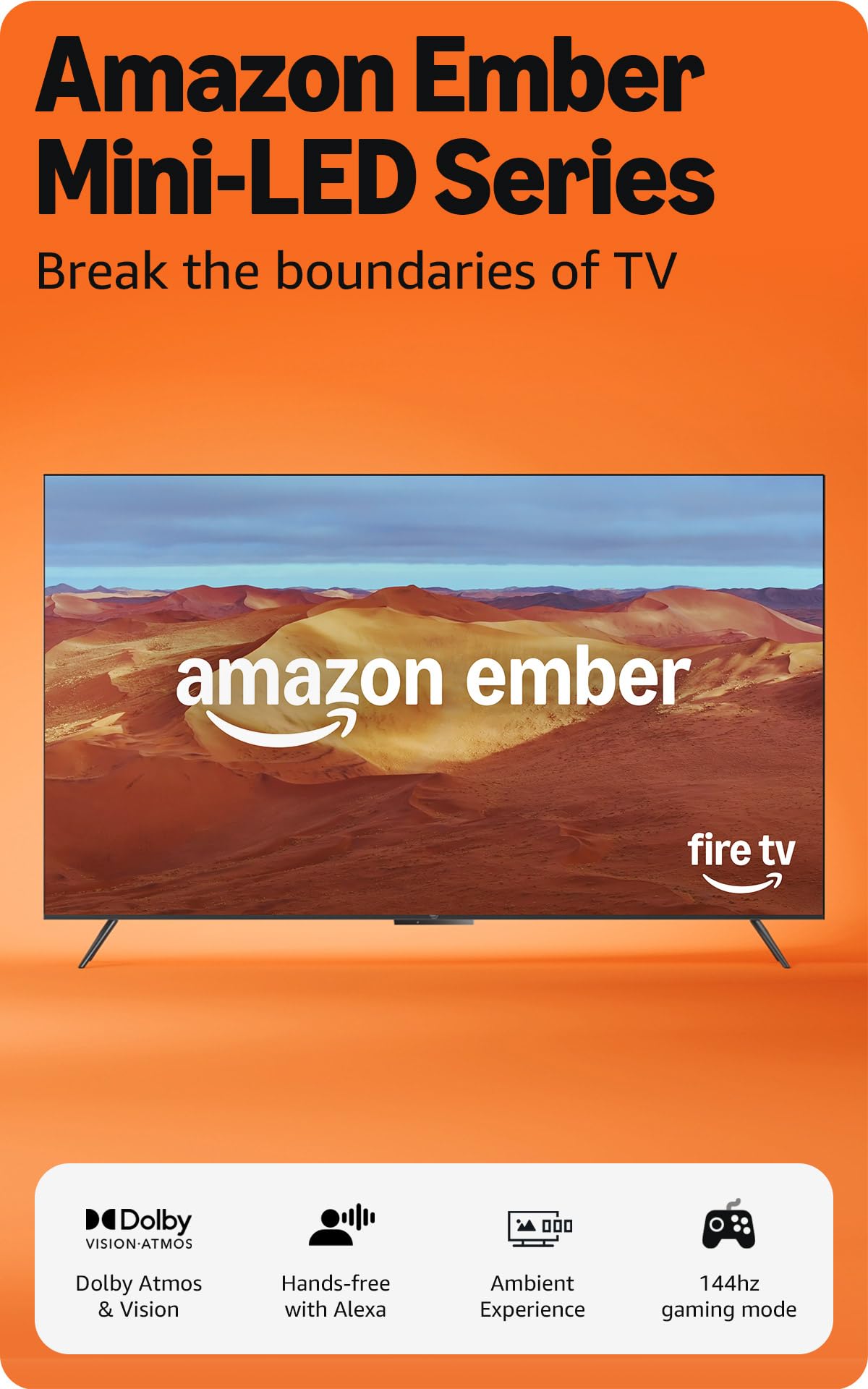
The Amazon Ember Mini-LED Series delivers a 144Hz panel with 512 local dimming zones and AMD FreeSync Premium Pro certification, making it a strong mid-range contender for 4K gaming. Peak brightness reaches up to 1,400 nits, which is sufficient for HDR highlights in bright rooms. The QLED quantum dot layer covers over a billion colors, though the Mini-LED zone count is lower than premium competitors.
Dolby Vision IQ and HDR10+ Adaptive both adjust to ambient room light, preserving shadow detail during daytime gaming. The built-in 2.1-channel Dolby Atmos audio includes a subwoofer, delivering fuller bass than most flat TVs. The Fire TV interface with Alexa+ provides hands-free voice control and fast app navigation, though the home screen includes ad placements.
The Omnisense technology wakes the display when you enter the room, which is convenient for frequent gaming sessions. Over time some users report software lag after updates, but the overall value for a 75-inch 144Hz gaming display is strong when purchased at sale pricing.
Why it’s great
- 144Hz native panel with FreeSync Premium Pro
- High peak brightness for HDR in bright rooms
- Built-in subwoofer improves audio depth
Good to know
- Software can become laggy after major updates
- Interface includes Amazon ad placements
4. Roku Pro Series 75″
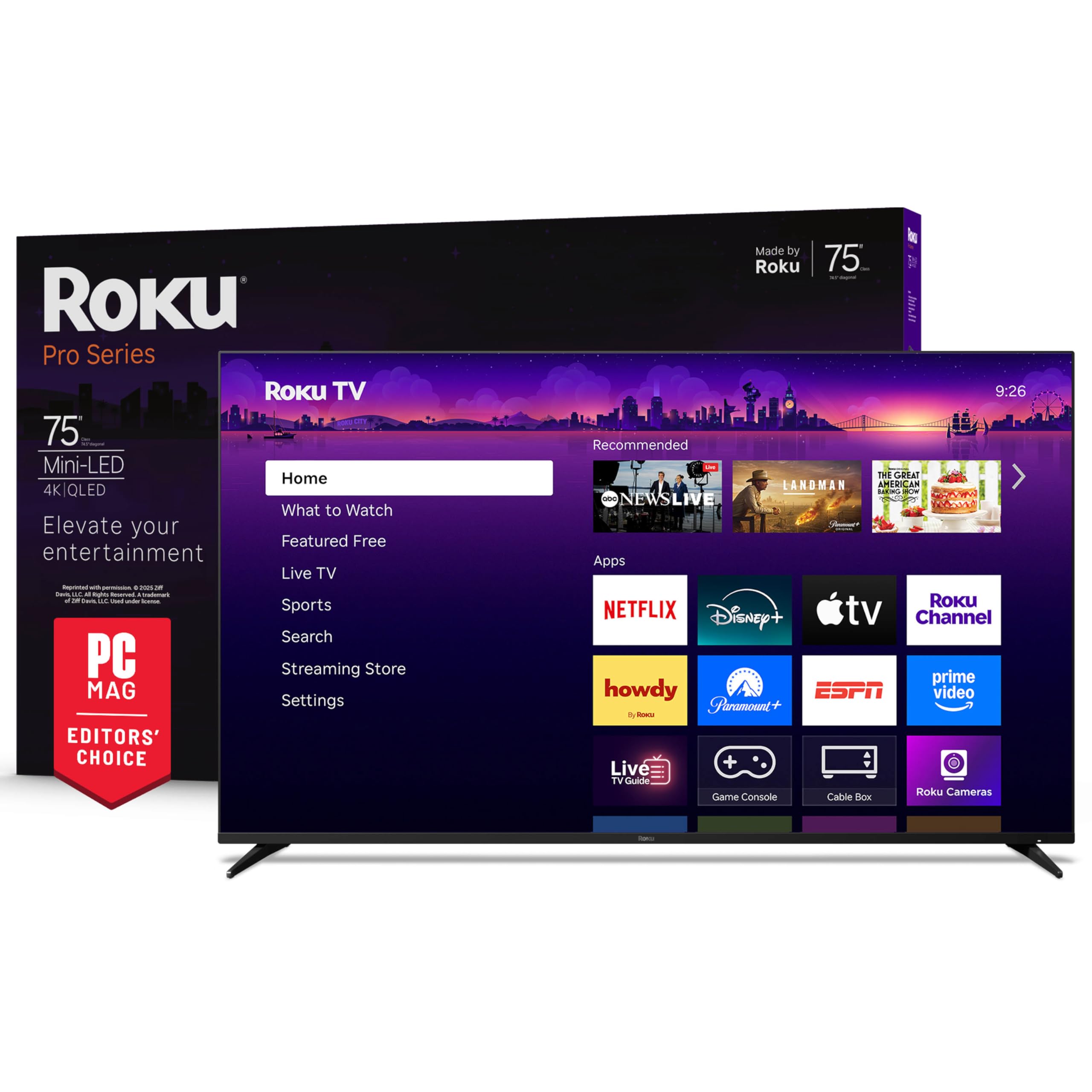
The Roku Pro Series pairs a native 120Hz QLED panel with Mini-LED backlight for a clean, responsive gaming experience. Automatic game mode, FreeSync Premium Pro, and HDMI VRR support ensure tear-free motion on both PlayStation and Xbox consoles. The 120Hz refresh rate matches the maximum output of current-gen consoles, so there is no wasted headroom.
Dolby Vision IQ adjusts picture settings based on room light, and Roku Soundstage Audio with side-firing speakers delivers room-filling sound without an external system. The backlit Voice Remote Pro includes a remote finder button on the TV itself, a practical feature for households where the controller is often misplaced.
The Roku interface is the most straightforward smart TV platform, with zero bloatware and fast app switching. Tool-less stand feet offer two height adjustments to accommodate a soundbar underneath. For gamers who prioritize ease of use and a clutter-free interface alongside solid 120Hz performance, this is a clean pick.
Why it’s great
- Clean Roku interface with no bloatware
- 120Hz with FreeSync Premium Pro for console VRR
- Side-firing speakers provide wide soundstage
Good to know
- No native 144Hz support for high-end PC gaming
- Mini-LED zone count is not specified
5. Sony BRAVIA 8 II 65″ QD-OLED

The BRAVIA 8 II combines a QD-OLED panel with Sony’s XR Processor for what is arguably the most accurate picture out of the box for gaming. Over 8 million self-lit pixels with a quantum dot layer produce pure blacks alongside the highest OLED brightness available from Sony. Auto HDR Tone Mapping and Auto Genre Picture Mode are exclusive features that optimize PS5 content automatically — the console and TV handshake to adjust HDR curves without manual calibration.
Dolby Vision and Dolby Atmos are both supported, and the XR Clear Image upscaling brings 1080p games closer to 4K without the soap-opera effect. The Google TV interface provides access to all major streaming services, and Apple AirPlay 2 is built in. The ultra-slim design sits flush against the wall when mounted.
Built-in audio is decent for a slim OLED, but Audiophiles will still prefer an external soundbar for spatial depth. For PlayStation 5 owners who want the most optimized picture quality with zero configuration, this Sony delivers a reference-grade experience.
Why it’s great
- PS5 auto HDR and genre picture mode for zero-setup optimization
- QD-OLED combines infinite black with high brightness
- XR Processor upscales lower-res games effectively
Good to know
- Premium pricing places it above mid-range alternatives
- Built-in sound benefits from external audio upgrade
6. Samsung QLED Q8F 85″

The Q8F delivers an 85-inch Quantum Dot panel with 100% color volume, meaning the billion-plus colors remain accurate even at peak brightness levels. Native 144Hz with VRR provides the headroom for PC gaming at high frame rates, and the Q4 AI processor handles upscaling for lower-resolution content. The AirSlim design keeps the profile shallow for wall mounting.
Samsung Vision AI adjusts picture and sound automatically based on content type, and the built-in Tizen platform includes 2,700+ free channels via Samsung TV Plus. The solar-powered remote eliminates battery changes, though some users find the minimalist remote too small for comfortable use.
The included stand feet feel less sturdy than the TV’s build quality suggests, and the built-in speakers lack the richness of a dedicated system. For buyers who want the largest screen size in the premium tier without moving to a projector, the Q8F offers strong gaming performance at a competitive price point.
Why it’s great
- 100% color volume maintains accuracy at any brightness level
- Native 144Hz with VRR for high-framerate PC gaming
- Slim AirSlim design for flush wall mounting
Good to know
- Included stand feet feel less robust than expected
- Built-in audio is adequate but not immersive
7. LG G3 OLED evo 77″
The G3 uses Micro Lens Array (MLA) technology to boost brightness by up to 70% compared to standard OLED panels, making it the brightest OLED evo in the G-series before the G4. At 77 inches, this is a massive canvas for HDR gaming, with infinite contrast and per-pixel lighting that produces no blooming around bright game elements. The a9 AI Processor Gen6 handles motion and upscaling with minimal artifacts.
Dolby Vision and Filmmaker Mode provide calibrated picture options, and the included flush mount bracket allows zero-gap wall installation. The Gallery Edition design means it looks like a framed art piece when not displaying content. The 5-year panel warranty offers peace of mind for a long-term investment.
Quality control has been inconsistent — some users report dead pixels or units that fail within days. The lack of an included stand means wall mounting is mandatory, adding to setup complexity. If you want the largest OLED screen available and the picture quality justifies the price, the G3 is a statement piece for your gaming room.
Why it’s great
- MLA technology delivers best-in-class OLED brightness
- 77-inch screen with infinite contrast for immersive HDR
- 5-year panel warranty included
Good to know
- No stand included — wall mount required
- Quality control reports of early failures
8. Sony BRAVIA 2 II 75″

The BRAVIA 2 II is a 60Hz LED panel with Sony’s 4K Processor X1, designed primarily for PS5 users who want automatic HDR and genre picture optimization without the 120Hz price premium. The Auto HDR Tone Mapping feature, exclusive to Sony TVs with PlayStation 5, adjusts the HDR curve to match the TV’s luminance cap automatically, ensuring highlights never clip.
Motionflow XR provides blur reduction for fast-moving sports and action games, but the 60Hz refresh rate limits the smoothness available on Xbox Series X or PS5 titles that support 120fps. The Google TV interface is clean and responsive, and the Sony Pictures Core app includes free movies.
Some users report software freezing requiring power cycles, though this may be unit-specific. For a family room where the primary gaming console is a PS5 and 120Hz is not a priority, the BRAVIA 2 II delivers Sony’s processing strengths at a accessible price point.
Why it’s great
- PS5 auto HDR and genre picture mode work seamlessly
- 4K Processor X1 provides good upscaling
- Large 75-inch screen at a lower entry price
Good to know
- 60Hz panel limits smoothness for 120fps-capable games
- Some units have reported software stability issues
9. Hisense U6 65″
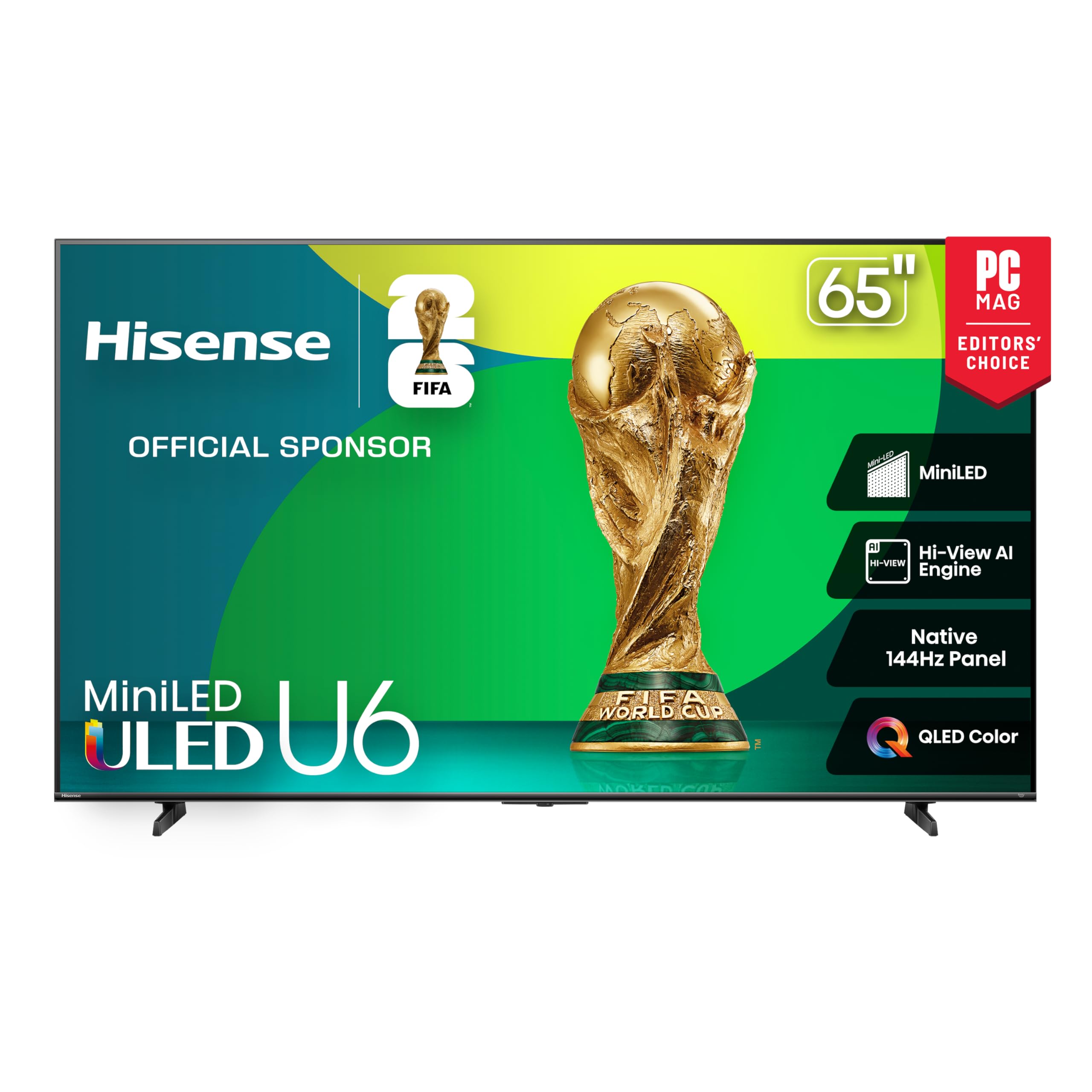
The Hisense U6 offers a native 144Hz panel with Mini-LED backlight and up to 600 local dimming zones, a spec combination typically found at higher price tiers. Peak brightness reaches 1,000 nits, which is sufficient for HDR gaming in moderately lit rooms. QLED quantum dot color covers over a billion shades, and the Hi-View AI Engine adjusts picture settings automatically based on content and ambient light.
Game Mode Pro with AMD FreeSync Premium provides VRR between 48Hz and 144Hz, eliminating screen tearing during fast-paced gameplay. The built-in subwoofer delivers deeper bass than typical TV speakers, though purists will still prefer a separate soundbar. Only two of the four HDMI ports support full HDMI 2.1 bandwidth at 144Hz, so check port labels before connecting multiple high-bandwidth devices.
The Fire TV interface is snappy and includes Alexa built-in for voice commands. For budget-conscious gamers who want genuine 144Hz performance and Mini-LED contrast without paying mid-range prices, the U6 is the strongest value proposition in its class.
Why it’s great
- Native 144Hz with FreeSync Premium for console VRR
- 600-zone Mini-LED delivers strong contrast for the price
- Built-in subwoofer improves audio depth
Good to know
- Only two HDMI ports support full 144Hz bandwidth
- Headphone jack is non-functional on some units
10. TCL T7 Series 65″
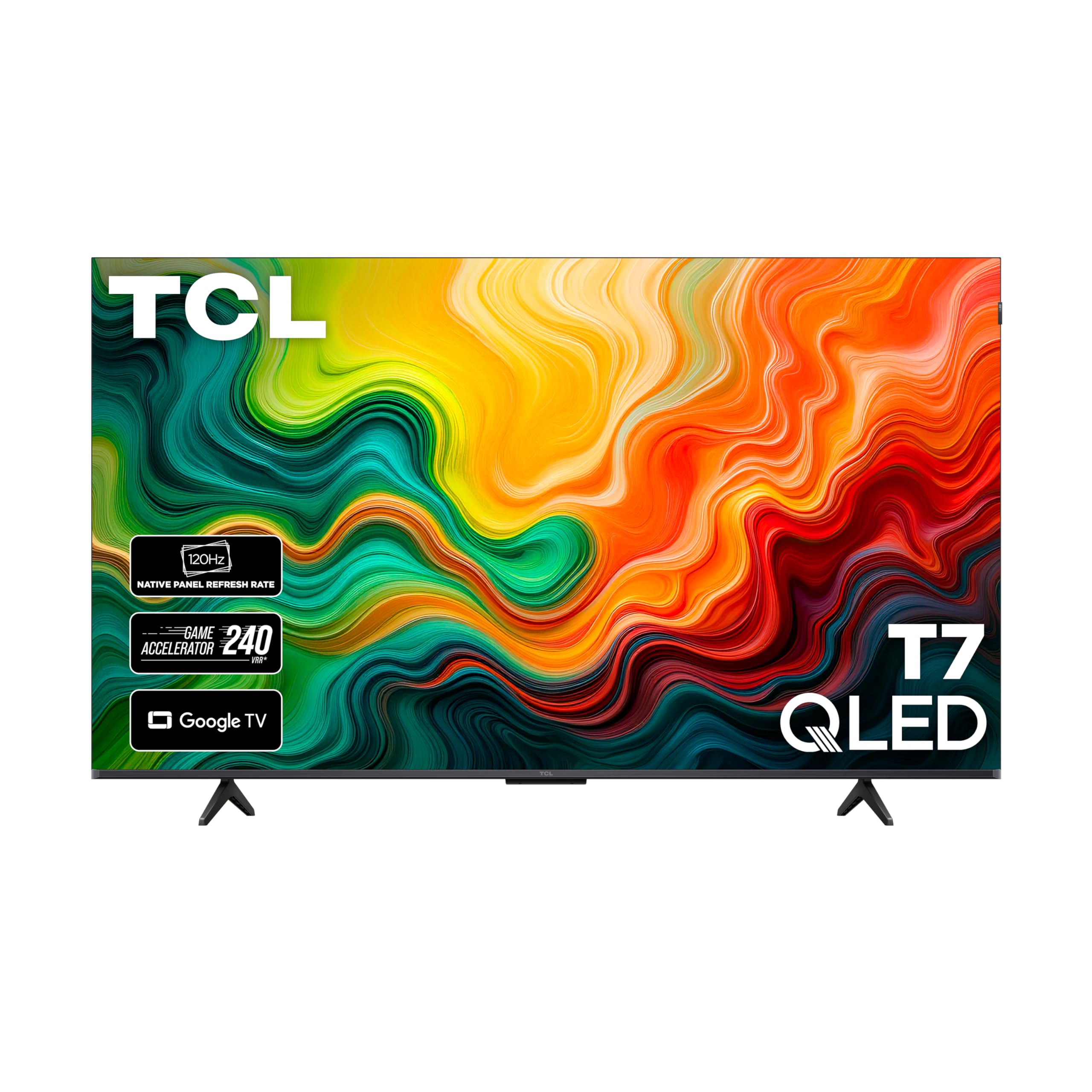
The TCL T7 Series brings a native 144Hz QLED panel with 288Hz variable gaming refresh rate and Motion Rate 480 with MEMC frame insertion. The TCL AIPQ Pro processor optimizes color, contrast, and clarity for HDR content, and the QLED quantum dot layer covers nearly the entire DCI-P3 color space for vibrant saturation. Four HDMI inputs include one with eARC, providing flexibility for multiple gaming consoles.
Google TV with built-in Chromecast and Apple AirPlay 2 covers all major streaming platforms. The FullView 360 metal bezel-less design with height-adjustable feet allows clearance for a soundbar underneath. PC gaming at 4K 120Hz works well after enabling Game Mode in the settings to reduce input lag.
Some PC users report HDMI handshake issues where the TV fails to wake from power save, requiring a cable reseat. The built-in speakers are adequate for casual use but lack bass. For a budget-friendly entry into 144Hz QLED gaming, the T7 delivers solid performance with a few software quirks.
Why it’s great
- Native 144Hz QLED panel at an accessible price point
- Four HDMI inputs including eARC
- Height-adjustable feet for soundbar clearance
Good to know
- PC HDMI handshake issues reported for wake-from-sleep
- Built-in speakers lack bass depth
11. iFFALCON 65U85
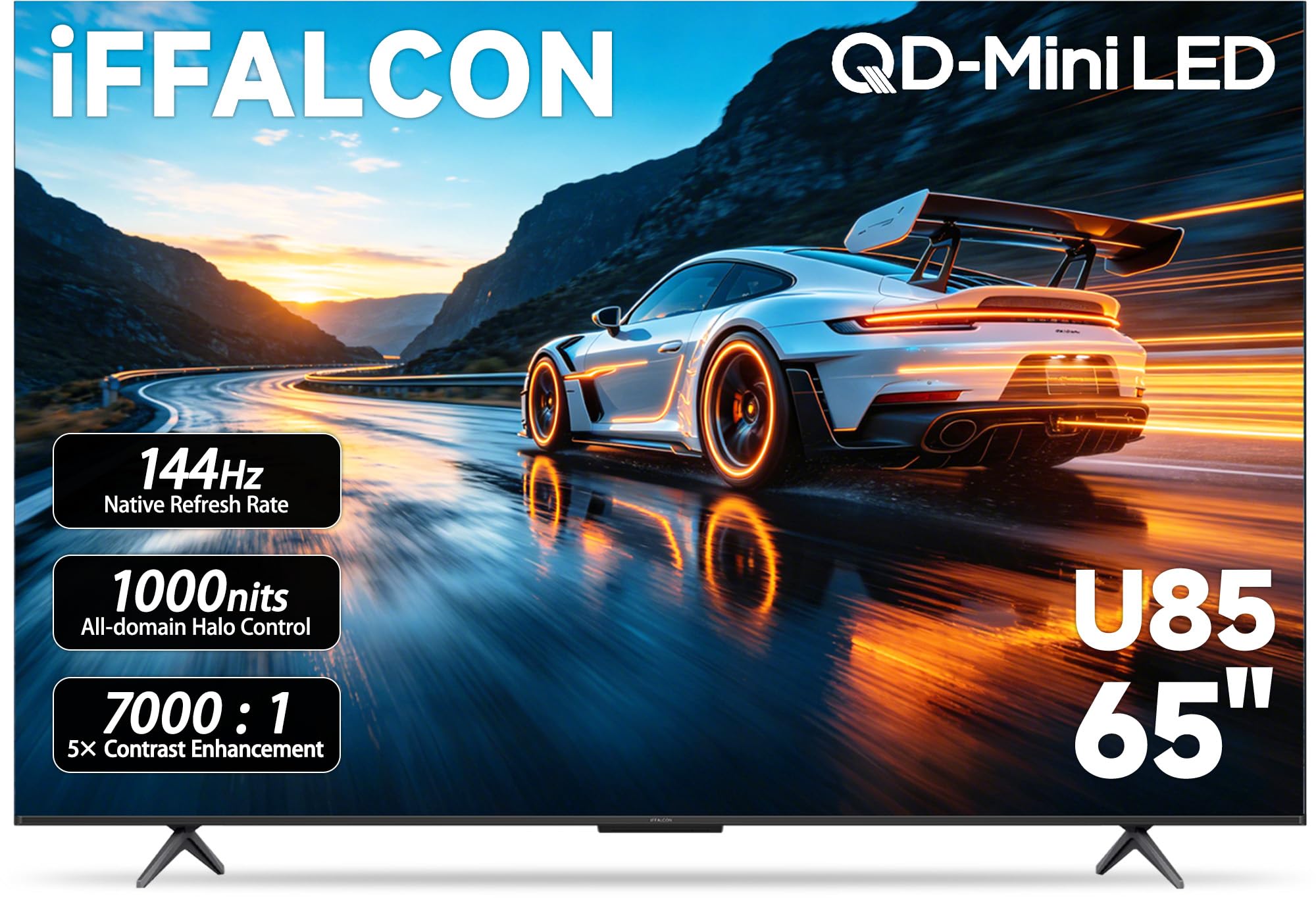
The iFFALCON 65U85 is a Mini-LED TV with a native 144Hz panel, variable refresh rate up to 288Hz, and FreeSync Premium Pro certification — specs that compete with TVs costing significantly more. The 144Hz panel ensures smooth motion in fast-paced shooters, and the local dimming with 7,000:1 contrast ratio provides black levels deeper than standard LED. Up to 1,000 nits peak brightness handles HDR highlights in moderately lit rooms.
All four HDMI ports are HDMI 2.1, with two supporting 4K at 144Hz for next-gen consoles and two handling 4K at 60Hz for streaming devices. Dolby Vision IQ, Dolby Vision Gaming, HDR10+, and IMAX Enhanced cover every major HDR format. The 50W 2.1-channel audio system with Dolby Atmos passthrough and DTS Virtual:X delivers room-filling sound without an external system.
Google TV with built-in Alexa and Google Assistant provides voice control, and AirPlay 2 and Chromecast support casting from any device. The built-in hotel mode and IP/IR control make it suitable for commercial installations, though most home users will appreciate the flexibility. For the price, the iFFALCON offers an exceptional feature set for gaming.
Why it’s great
- All four HDMI 2.1 ports with two at 144Hz
- FreeSync Premium Pro for tear-free VRR gaming
- 50W audio system with Dolby Atmos and DTS Virtual:X
Good to know
- Slightly thicker chassis than ultra-slim competitors
- Some users report 60Hz-only detection in certain modes
FAQ
Do I need 120Hz or 144Hz for console gaming?
How many HDMI 2.1 ports do I really need for gaming?
Does VRR matter for console gaming or just PC?
Final Thoughts: The Verdict
For most gamers, the best big screen tv for gaming winner is the Samsung Neo QLED QN70F 85″ because it balances 144Hz native refresh, Mini-LED brightness, and AI upscaling in a massive screen size. If you want perfect black levels and infinite contrast, grab the LG OLED evo G4 65″. And for the strongest 144Hz value on a budget, nothing beats the Hisense U6 65″.

Mo Maruf
I created WellFizz to bridge the gap between vague wellness advice and actionable solutions. My mission is simple: to decode the research and give you practical tools you can actually use.
Beyond the data, I am a passionate traveler. I believe that stepping away from the screen to explore new environments is essential for mental clarity and physical vitality.