Our readers keep the lights on and my smoothie glass nicely filled. As an Amazon Associate, I earn from qualifying purchases.
Gaps between your baseboard and the floor or wall aren’t just an eyesore; they are open invitations for drafts, dust bunnies, insects, and moisture to sneak into your living space. Caulking these seams is the definitive fix, but choosing between a paintable latex, a 100% silicone sealant, or a peel-and-stick molding trim can be confusing. Each material behaves differently on wood, drywall, tile, and uneven surfaces.
I’m Mohammad Maruf — the founder and writer behind WellFizz. I’ve spent over a decade analyzing construction chemicals and interior trim materials, from polymer chemistry to adhesive shear strength, to separate marketing fluff from lasting results.
This guide breaks down the strongest performers in the category to help you seal gaps efficiently and cleanly. Finding the best baseboard caulking depends on matching the right material to your specific surface and skill level.
How To Choose The Best Baseboard Caulking
The right product for your baseboards depends on three things: the gap size, the surface material, and whether you plan to paint over it. Here is what to look for.
Material Type: Silicone vs. Acrylic Latex vs. Vinyl Trim
100% silicone caulk is waterproof, flexible, and won’t shrink, but it cannot be painted. Acrylic latex caulk is paintable, low-odor, and cleans up with water, but it offers less flexibility and moisture resistance than silicone. Peel-and-stick vinyl trim is a tool-free alternative that covers large gaps and uneven edges without any caulk at all. Choose based on your need for paintability versus permanent waterproofing.
Flexibility and Adhesion Rating
A caulk or trim that can’t flex will crack as your house settles or as temperatures change. For baseboards, look for products that advertise “flexible” or “won’t crack or shrink” in their specs. The adhesive backing on peel-and-stick trims matters just as much — a weak adhesive will fail after a few seasons. Reviews mentioning “strong hold” or “no peeling after a year” are good indicators.
Ease of Application and Cleanup
If you are a weekend DIYer, ease of use is a deal-breaker. Look for caulks that don’t require a gun (like squeeze tubes or aerosol cans) or those labeled “low odor” for indoor work. Acrylic latex caulks clean up with soap and water, while silicone requires solvents. Peel-and-stick trims require zero cleanup but need a clean, smooth surface to adhere to.
Quick Comparison
On smaller screens, swipe sideways to see the full table.
| Model | Category | Best For | Key Spec | Amazon |
|---|---|---|---|---|
| COUKIU Flexible Baseboard Molding Trim | Peel & Stick | Large uneven gaps | 0.08-inch thickness | Amazon |
| DAP Alex Painter’s Acrylic Latex Caulk (12-Pack) | Acrylic Latex | Painting over caulk | 10.1 oz tubes | Amazon |
| Flex Caulk, Silicone (White) | 100% Silicone | Wet areas & bathrooms | 6.5 oz tube | Amazon |
| Kikerike Vinyl Baseboard Molding Trim | Peel & Stick | Quick budget fix | 20 feet length | Amazon |
| Duzzy Flexible Baseboard Molding Trim | Peel & Stick | DIY friendly install | 0.1-inch thickness | Amazon |
In‑Depth Reviews
1. COUKIU Flexible Baseboard Molding Trim

The COUKIU peel-and-stick vinyl trim earns the top spot because it covers gaps from 1/8-inch to 3/4-inch without a single drop of caulk. Its 0.08-inch thickness provides enough rigidity to hide uneven floor edges while remaining flexible enough to bend around curved walls without cracking. Users report that the double-sided tape holds strong on clean surfaces, even after months of foot traffic and bathroom humidity.
Installation takes under 15 minutes per room — measure, cut with scissors, peel, and press. The included scraper helps you apply even pressure along the entire length. Unlike caulk, there is no drying time, no odor, and no cleanup. The vinyl surface is also wipeable, so dust and scuffs don’t become permanent stains.
This trim works best on smooth walls (painted drywall, tile, glass, or lacquered wood). For rough or textured walls, the adhesive may need a primer or a stronger bond. The product includes a 12-month warranty and a 30-day return window, which reduces risk for first-time users.
Why it’s great
- Covers large uneven gaps that caulk cannot
- Fast, tool-free installation with no drying time
- Flexible enough for curved walls and corners
Good to know
- Requires a perfectly clean and smooth surface for best adhesion
- Cannot be painted; limited to white finish only
2. DAP Alex Painter’s Acrylic Latex Caulk (12-Pack)
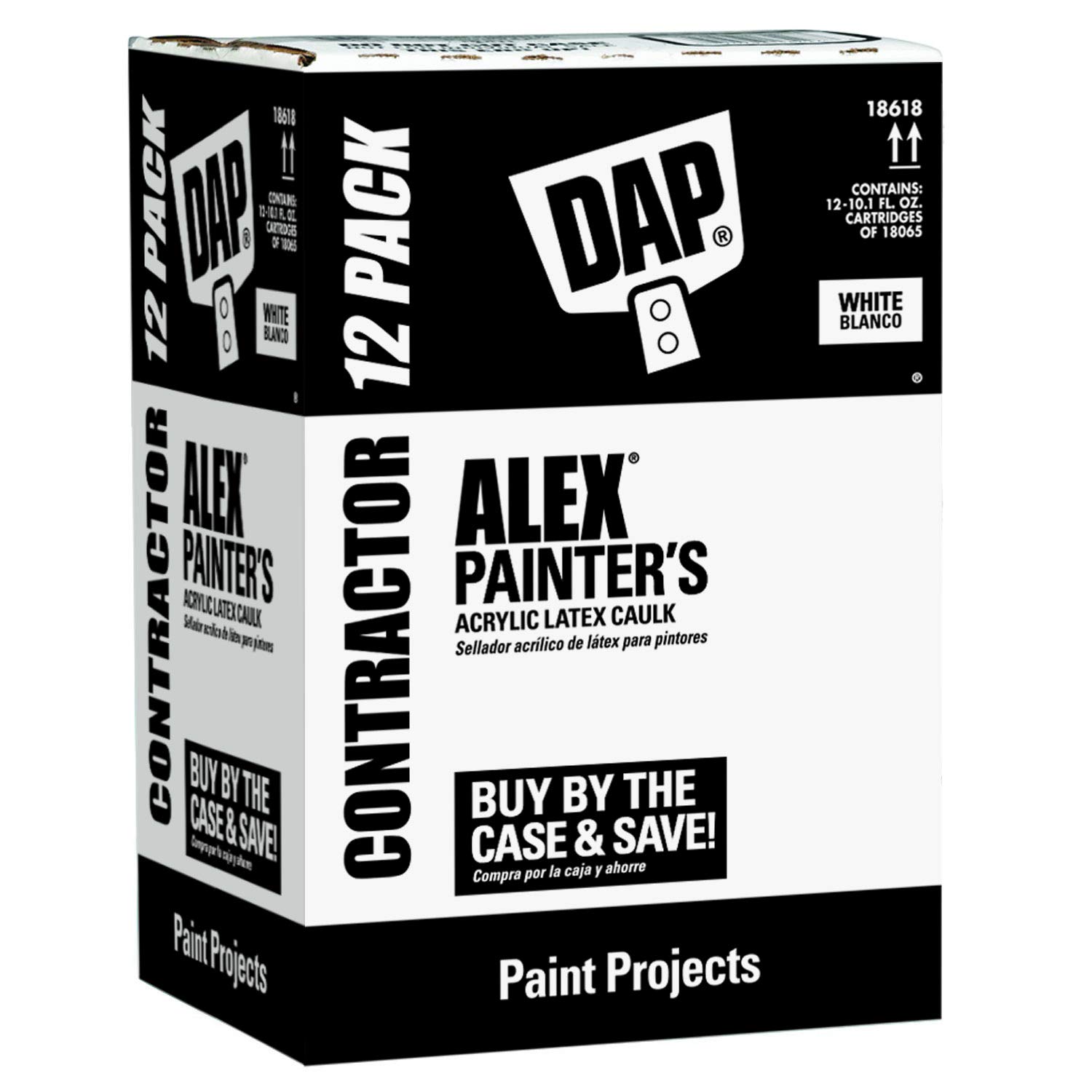
The DAP Alex Painter’s Caulk is the go-to choice for anyone who wants a paintable, low-odor sealant for baseboards and crown molding. This 12-pack contractor box gives professional painters and serious DIYers enough material to seal an entire house. The acrylic latex formula skips the strong vinegar smell of silicone, and cleanup only requires water and a paper towel.
It bonds well to wood, drywall, plaster, and masonry, filling gaps up to 0.38 inches. The caulk becomes ready for paint in just two hours, which keeps your project moving fast. For indoor trim work where you plan to match the wall color, this product is the standard. It also works for exterior applications, though it is less water-resistant than pure silicone.
One trade-off is that acrylic latex caulk can shrink slightly as it cures, so you may need a second pass on very wide gaps. It also lacks the extreme flexibility of silicone, so it is less ideal for areas with heavy movement or constant moisture. But for general baseboard sealing where paint will follow, this bulk pack delivers unbeatable value per tube.
Why it’s great
- Paint-ready in just 2 hours for fast project completion
- Low odor and easy water cleanup
- Bulk 12-pack is highly economical for large jobs
Good to know
- May shrink slightly in wide gaps
- Less flexible than 100% silicone for high-movement areas
3. Flex Caulk, Silicone (White)

The Flex Caulk from Flex Seal is a 100% silicone sealant that comes in a unique aerosol-style tube with an adjustable trigger-flow nozzle. This design eliminates the need for a caulk gun, making it one of the most beginner-friendly silicone options available. Simply point, squeeze, and release — the nozzle controls the bead size, reducing mess and over-application.
It cures to a waterproof, weatherproof seal that won’t shrink, crack, or become brittle over time. The silicone formula is UV and chemical resistant, so it holds up in sun-exposed areas and around cleaning chemicals. Users note that the sealant has a strong vinegar odor during curing, but it cleans up easily with water and a paper towel if you wipe spills immediately.
The 6.5-ounce tube covers small to medium baseboard gaps and is also excellent for windows, doors, tubs, and sinks. The Snap & Save cap prevents the tip from clogging between uses. However, because it is 100% silicone, it cannot be painted — use it only where the white color matches your trim or where you don’t plan to paint.
Why it’s great
- No caulk gun required — trigger nozzle for easy control
- 100% waterproof and weatherproof once cured
- Won’t shrink or crack over time
Good to know
- Strong vinegar odor during curing (fumes dissipate in 24 hours)
- Cannot be painted; limited to white color only
4. Kikerike Vinyl Baseboard Molding Trim
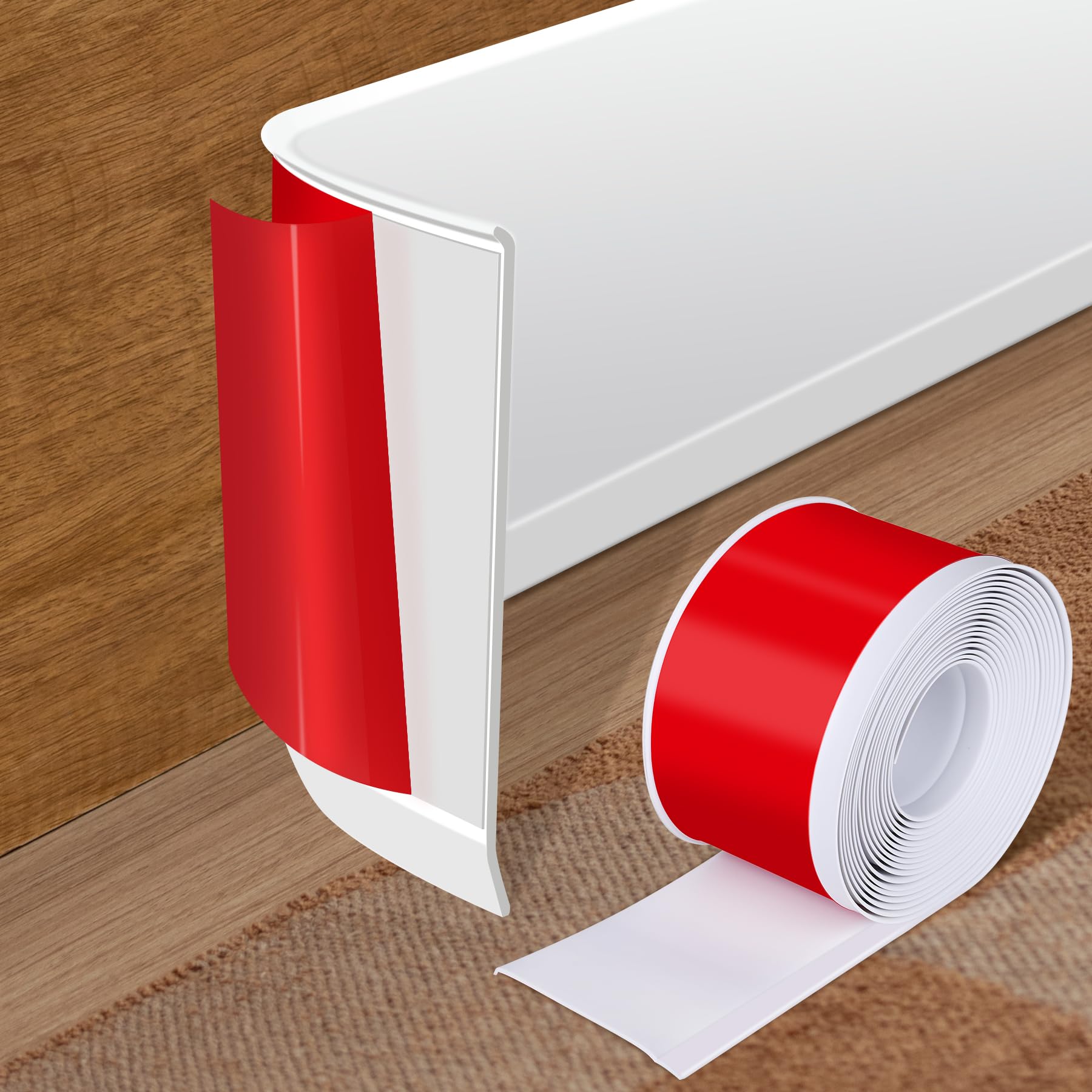
The Kikerike vinyl baseboard trim offers a budget-friendly peel-and-stick alternative to traditional caulk. Made from flexible PVC, it bridges the gap between wall and floor without requiring any tools beyond scissors. The 20-foot length covers a standard room, and the 3-inch height is tall enough to hide most uneven floor edges.
Installation is straightforward: clean the surface, peel the backing, and press firmly. Users emphasize that a heat gun or hair dryer helps the adhesive bond better in cooler rooms. The material is waterproof and moisture-resistant, making it suitable for damp areas like bathrooms and kitchens. Its smooth surface resists scuffs and repels dust, keeping your baseboards cleaner longer.
One common note from buyers is that the adhesive, while strong initially, may loosen over time on poorly prepared or dusty surfaces. A few users reported detachment after a year in high-moisture environments without proper surface prep. For a quick cosmetic fix or a temporary solution, this trim works well — just ensure your wall is spotless before applying.
Why it’s great
- Very affordable entry-level peel-and-stick solution
- Waterproof and moisture-resistant for bathrooms
- Easy to cut and install with no tools
Good to know
- Adhesion may weaken over time without heat activation
- Less durable than thicker trims for heavy traffic areas
5. Duzzy Flexible Baseboard Molding Trim
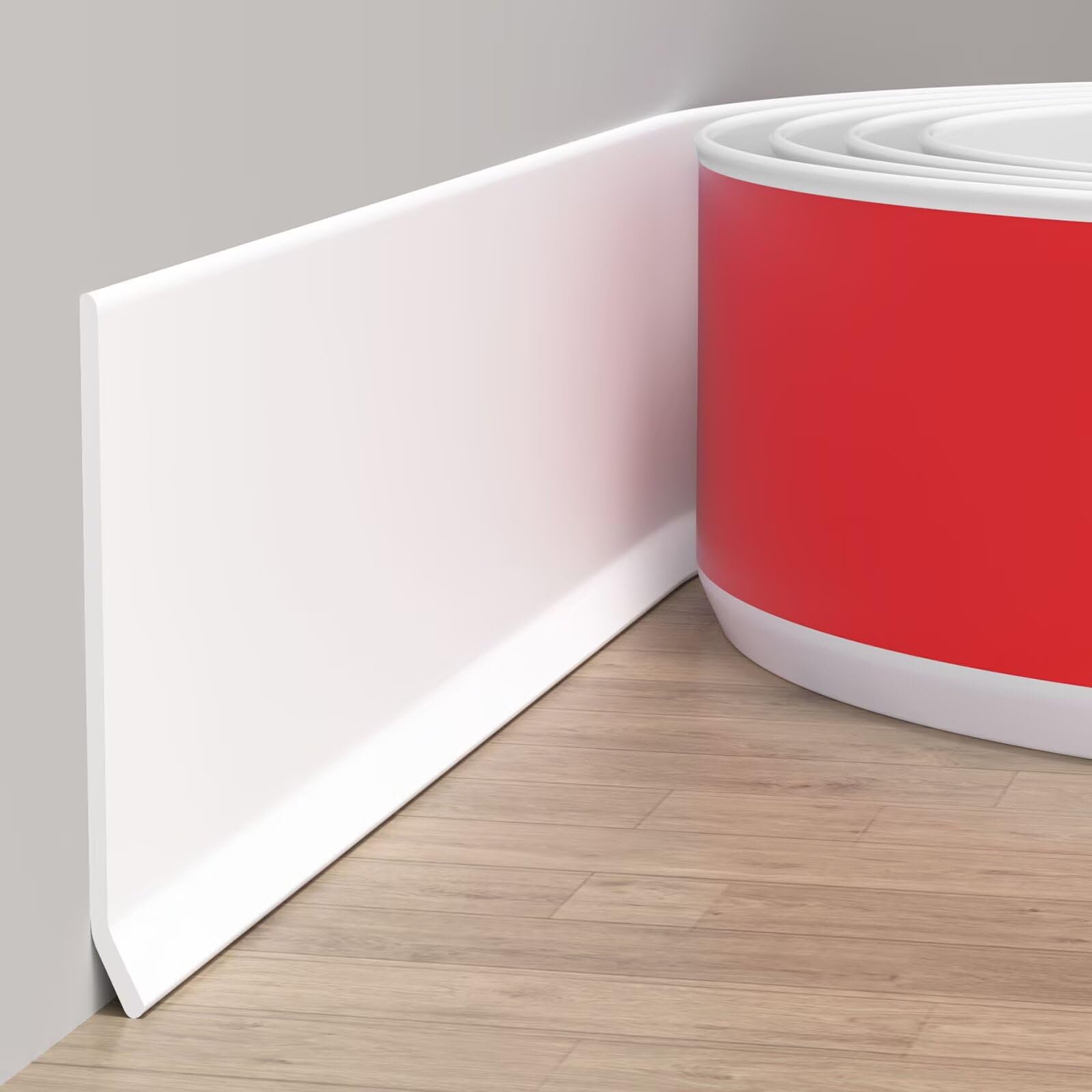
The Duzzy flexible baseboard trim is made from upgraded vinyl rubber with a thickness of 0.1 inches, giving it a bit more body and durability than most peel-and-stick competitors. This extra thickness helps it resist scratches and foot-traffic wear better than thinner trims. It comes in a 20-foot roll with a 4-inch height, covering gaps between walls and floors with a professional matte finish.
Users love that the trim bends easily around corners without cracking, and the self-adhesive backing sticks firmly to clean, smooth surfaces. The toe design hugs the floor edge, hiding imperfections and preventing dust buildup in hard-to-reach gaps. If you need to remove or reposition the trim, a hair dryer softens the adhesive, allowing clean removal without damaging the wall paint.
The main feedback from long-term users is that the adhesive may fail after a year in damp or high-humidity environments if the surface wasn’t perfectly dry during installation. Some buyers recommend adding a thin bead of construction adhesive along the top edge for extra security in bathrooms. Overall, it is an excellent choice for quick, no-mess trim updates in living rooms, bedrooms, and offices.
Why it’s great
- Thicker vinyl rubber resists scratches and wear
- Flexible around corners without cracking
- Removable with heat without damaging paint
Good to know
- Adhesive may weaken in high-humidity environments
- Requires perfectly clean, dry surface for long-term hold
FAQ
Can I paint over silicone baseboard caulk?
What is the best caulk for large gaps between floor and baseboard?
Does peel-and-stick baseboard trim work on textured walls?
Final Thoughts: The Verdict
For most users, the best baseboard caulking winner is the COUKIU Flexible Baseboard Molding Trim because it covers large uneven gaps without drying time, odor, or cleanup. If you need a paintable sealant for a paint-matched finish, grab the DAP Alex Painter’s Acrylic Latex Caulk (12-Pack). And for quick watertight repairs in bathrooms without a caulk gun, nothing beats the Flex Caulk, Silicone.

Mo Maruf
I created WellFizz to bridge the gap between vague wellness advice and actionable solutions. My mission is simple: to decode the research and give you practical tools you can actually use.
Beyond the data, I am a passionate traveler. I believe that stepping away from the screen to explore new environments is essential for mental clarity and physical vitality.