Choosing the right shoe for overpronation isn’t just about comfort—it’s about protecting your knees, hips, and lower back from the repetitive stress that comes with every step. A stability or motion‑control shoe can realign your gait and make miles feel effortless.
I’m Mohammad Maruf — the founder and writer behind WellFizz. I’ve spent years analyzing customer feedback, biomechanical specs, and industry data to identify which pronation shoes consistently deliver the support they promise.
After combing through hundreds of reviews and technical specifications, I’ve zeroed in on the models that truly keep your foot aligned. This guide reveals the best athletic shoes for pronation that combine proven stability with everyday comfort.
How To Choose The Best Athletic Shoes For Pronation
Overpronation means your foot rolls inward too much when you land. The right shoe uses structured midsole technologies to guide your foot back to a neutral position. Here’s what to look for.
Stability vs. Motion Control
Stability shoes (like the Brooks Adrenaline) offer moderate support for mild to moderate overpronation. Motion‑control shoes (like the New Balance 847) use firmer medial posts for severe pronation and heavier runners. Choose based on how much inward roll you experience.
Midsole Technology
Brands use different systems: Brooks’ GuideRails, ASICS’ 4D Guidance, Saucony’s Center Path Technology, and Hoka’s H‑Frame. These structures cradle the heel and prevent excessive inward collapse without feeling overly rigid.
Fit and Width Options
Pronation shoes often run narrow. Many models (New Balance, ASICS) offer wide and extra‑wide sizes. A proper fit prevents slipping and allows the support system to work correctly. Always go half a size up if you plan to use orthotics.
Quick Comparison
On smaller screens, swipe sideways to see the full table.
| Model | Type | Best For | Key Feature | Amazon |
|---|---|---|---|---|
| Brooks Adrenaline GTS 24 | Stability | Daily running & walking | GuideRails holistic support | Amazon |
| Saucony Guide 18 | Stability | Overpronation with cushion | Center Path Technology | Amazon |
| New Balance 860 V14 | Stability | High‑mileage training | Fresh Foam X + medial post | Amazon |
| Saucony Endorphin Shift 3 | Stability | Tempo runs & racing | Lightweight SPEEDROLL | Amazon |
| ALTRA Torin 7 | Neutral (wide toe box) | Flat feet & toe splay | Zero drop + FootShape | Amazon |
| ASICS GT-4000 4 | Stability | All‑day standing & walking | DUOMAX support system | Amazon |
| Hoka Arahi 7 | Stability | Plush ride with support | J‑Frame technology | Amazon |
| Hoka Arahi 8 (Women) | Stability | Plantar fasciitis relief | Enhanced H‑Frame | Amazon |
| ASICS Gel‑Kayano 32 | Stability | Fallen arches & flat feet | 4D Guidance System | Amazon |
| Saucony Tempus 2 | Light Stability | Tempo days & mild pronation | PWRRUN PB + stability frame | Amazon |
| New Balance 847 V3 | Motion Control | Severe overpronation | Rollbar stability post | Amazon |
In‑Depth Reviews
1. Brooks Men’s Adrenaline GTS 24 Supportive Running Shoe

The Adrenaline GTS 24 is the benchmark stability shoe for good reason. Reviewers consistently praise its balanced support that doesn’t feel intrusive—it keeps your stride aligned without making the shoe feel like a tank. The cushioning is plush yet responsive, making it suitable for both long runs and daily walks.
Several users with arthritic conditions and orthotics found the fit accommodating straight out of the box. The breathable upper and solid traction add to its everyday appeal. One reviewer noted that the shoe effectively controls supination as well, providing a stable platform for various foot mechanics.
If there’s a downside, a few customers experienced sizing inconsistencies—ordering half a size up is recommended for the best fit. Also, some vendors (like Charm City Run) caused dissatisfaction, so buying directly from Brooks or a trusted Amazon seller is wise.
Why it’s great
- Excellent all‑day stability without stiffness
- Great for orthotics and sensitive feet
- Breathable and well‑made
Good to know
- May run slightly small; go half a size up
- Vendor quality varies; choose seller carefully
2. Saucony Women’s Guide 18 Sneaker
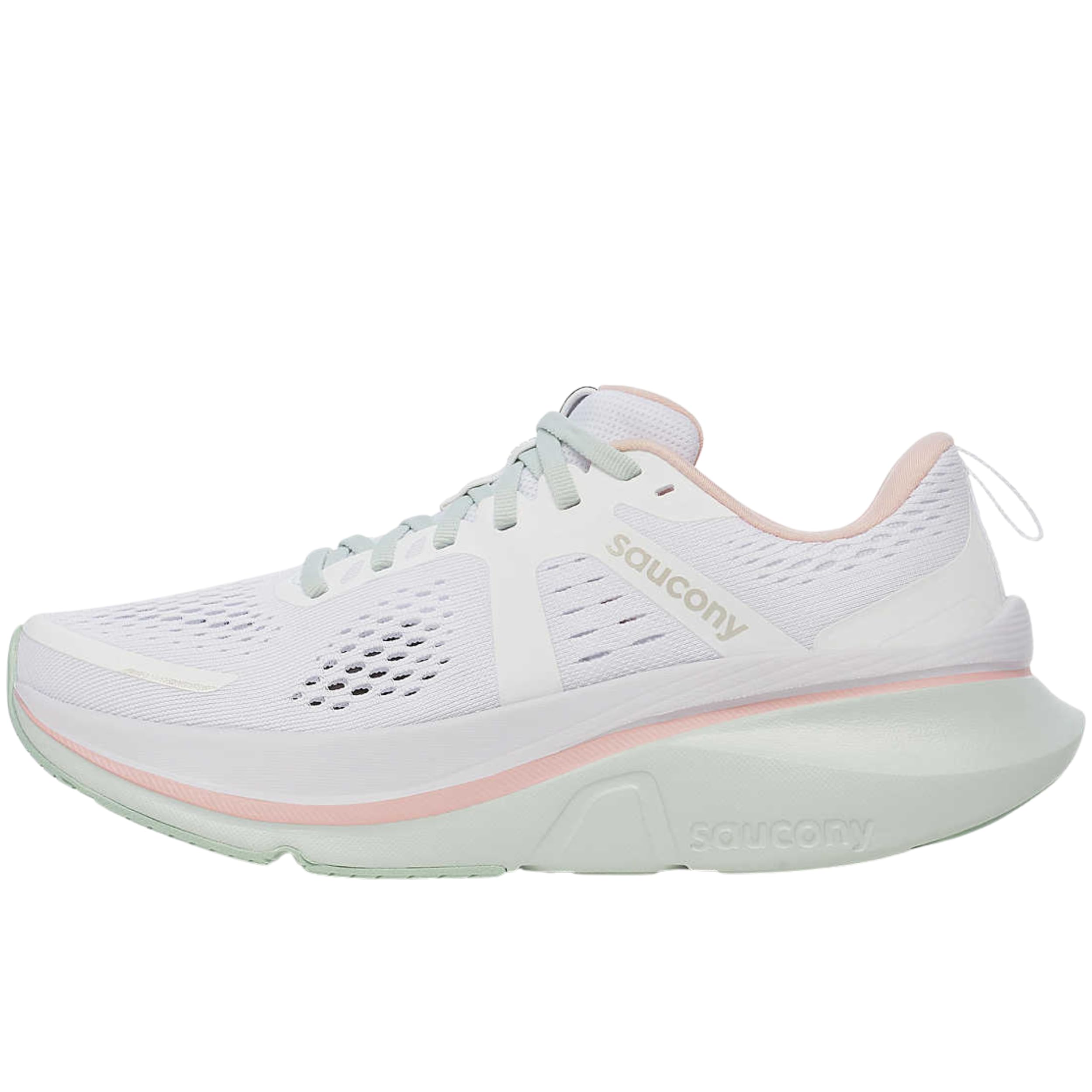
The Guide 18 earns rave reviews for its cloud‑like feel combined with reliable overpronation control. Healthcare professionals who stand 12‑hour shifts say these keep them comfortable all day. The Center Path Technology guides the foot without being overly corrective, allowing a natural gait.
Users with moderate overpronation and plantar fasciitis report immediate relief, describing the feel as walking on clouds. The fit is accurate for most, but a few found the Guide 18 runs small compared to previous versions—ordering half a size up is a common tip.
Some reviewers mention the shoe is slightly heavier than neutral trainers, but the comfort trade‑off is worth it for stability seekers. The cushiony tongue and padded collar add to the plush experience.
Why it’s great
- Superb cushion for long hours on feet
- Supportive but not rigid
- Great value for the price
Good to know
- Runs small for some; consider half size up
- Heavier than lightweight trainers
3. New Balance Men’s Fresh Foam X 860 V14
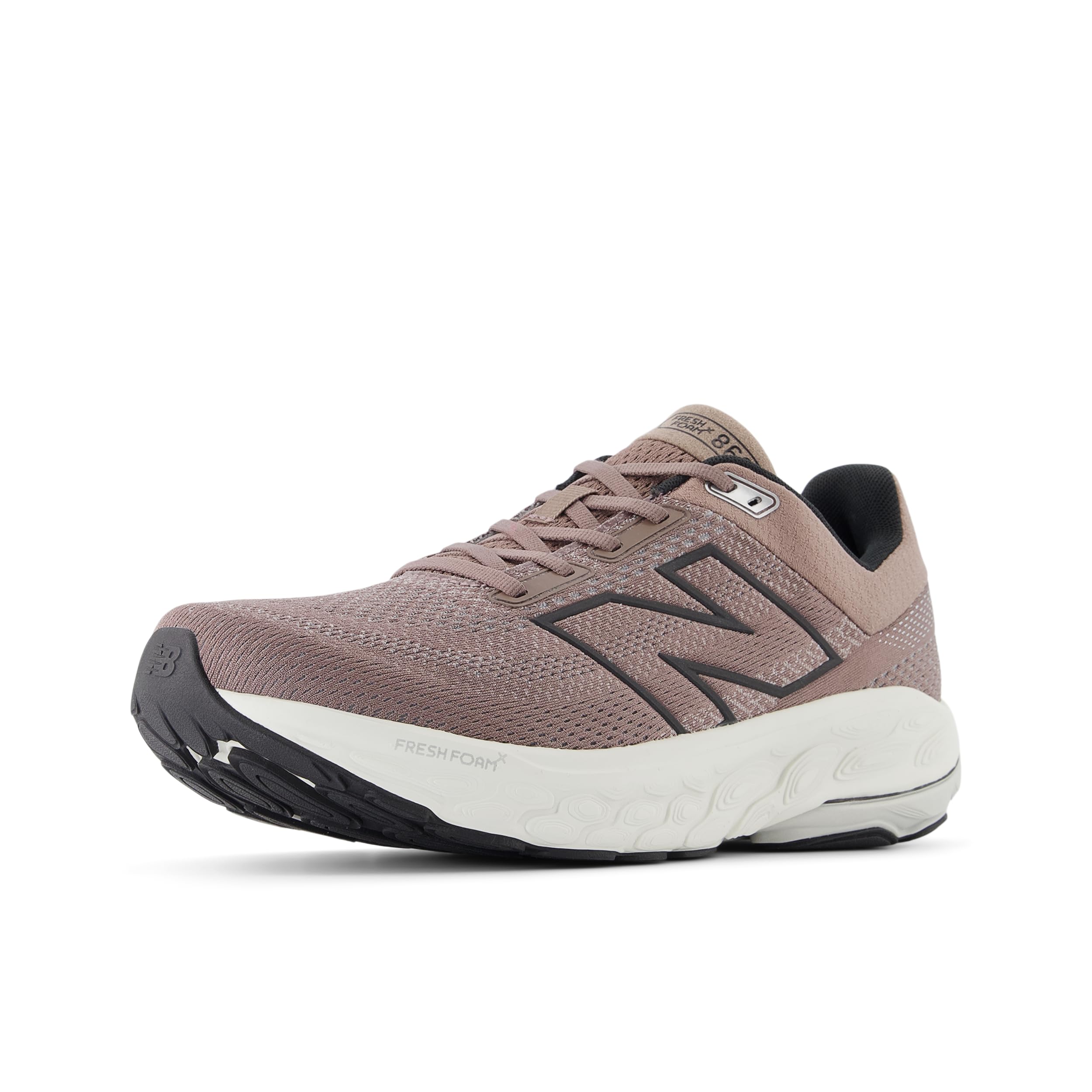
The 860 V14 is a favorite among serious runners logging 50+ miles per week. The Fresh Foam X cushioning offers a soft yet stable ride, and the medial post provides reliable pronation control without excessive stiffness. Podiatrists recommend it for plantar fasciitis and heel pain.
Users with wide toes and narrow heels appreciate the fit options—especially the wide sizes. The shoe feels great right out of the box with no break‑in period. Many reviewers note it works well for both jogging and walking, though standing all day might be better served by a different model like Hoka Bondi.
A few critics mention that arch and heel support could be more pronounced, and the thick midsole feels slightly squishy for some. But for daily training and moderate overpronation, it’s a durable, reliable choice.
Why it’s great
- Exceptional cushion for high mileage
- Great for wide feet and orthotics
- Durable construction
Good to know
- Arch support could be stronger
- Not ideal for all‑day standing
4. Saucony Men’s Endorphin Shift
In‑Depth Reviews
Understanding the Specs
Stability Technologies
Brands use different methods to control overpronation. GuideRails (Brooks) allow natural motion while limiting excess. J‑Frame (Hoka) uses a firmer foam on the medial side. 4D Guidance (ASICS) adapts in real time. Dual‑density medial posts (New Balance, Saucony) provide a firm barrier. The goal is always the same: keep your foot aligned without forcing it.
Cushioning and Drop
Cushioning affects how the shoe feels underfoot. More cushion (Hoka, Fresh Foam X) softens impact but may reduce ground feel. Heel‑toe drop—the height difference between heel and forefoot—influences your stride. Most stability shoes have 8–12mm drops to encourage heel‑striking, while zero‑drop (ALTRA) promotes a midfoot strike. Choose based on your natural gait.
FAQ
What is overpronation and how do I know if I have it?
Overpronation is when your foot rolls inward excessively upon landing. Signs include worn‑out soles on the inner edge, flat arches, and frequent shin splints or knee pain. A gait analysis at a running store can confirm it.
Can I use stability shoes for walking?
Yes, many stability shoes are excellent for walking. Models like the New Balance 847 V3 and ASICS GT‑4000 are specifically designed for walking. The extra support can reduce fatigue and discomfort during long periods on your feet.
How long do stability shoes last?
Most stability shoes last 300–500 miles, depending on your weight, running surface, and frequency. The midsole foam compresses over time, reducing support. If you notice increased pain or uneven wear, it’s time for a new pair.
Do I need a motion‑control or stability shoe?
Stability shoes are for mild to moderate overpronation. Motion‑control shoes (like the New Balance 847) are firmer and best for severe overpronation or heavier runners. If your feet roll in significantly, go with motion control.
Final Thoughts: The Verdict
For most people, the best athletic shoes for pronation winner is the Brooks Adrenaline GTS 24 because it offers the perfect balance of support, cushioning, and durability for daily wear. If you want maximum plushness, grab the Hoka Arahi 7. And for severe overpronation, nothing beats the New Balance 847 V3.
In‑Depth Reviews
Understanding the Specs
Stability Technologies
Brands use different methods to control overpronation. GuideRails (Brooks) allow natural motion while limiting excess. J‑Frame (Hoka) uses a firmer foam on the medial side. 4D Guidance (ASICS) adapts in real time. Dual‑density medial posts (New Balance, Saucony) provide a firm barrier. The goal is always the same: keep your foot aligned without forcing it.
Cushioning and Drop
Cushioning affects how the shoe feels underfoot. More cushion (Hoka, Fresh Foam X) softens impact but may reduce ground feel. Heel‑toe drop—the height difference between heel and forefoot—influences your stride. Most stability shoes have 8–12mm drops to encourage heel‑striking, while zero‑drop (ALTRA) promotes a midfoot strike. Choose based on your natural gait.
FAQ
What is overpronation and how do I know if I have it?
Can I use stability shoes for walking?
How long do stability shoes last?
Do I need a motion‑control or stability shoe?
Final Thoughts: The Verdict
For most people, the best athletic shoes for pronation winner is the Brooks Adrenaline GTS 24 because it offers the perfect balance of support, cushioning, and durability for daily wear. If you want maximum plushness, grab the Hoka Arahi 7. And for severe overpronation, nothing beats the New Balance 847 V3.
4. Saucony Men’s Endorphin Shift 3 Running Shoes
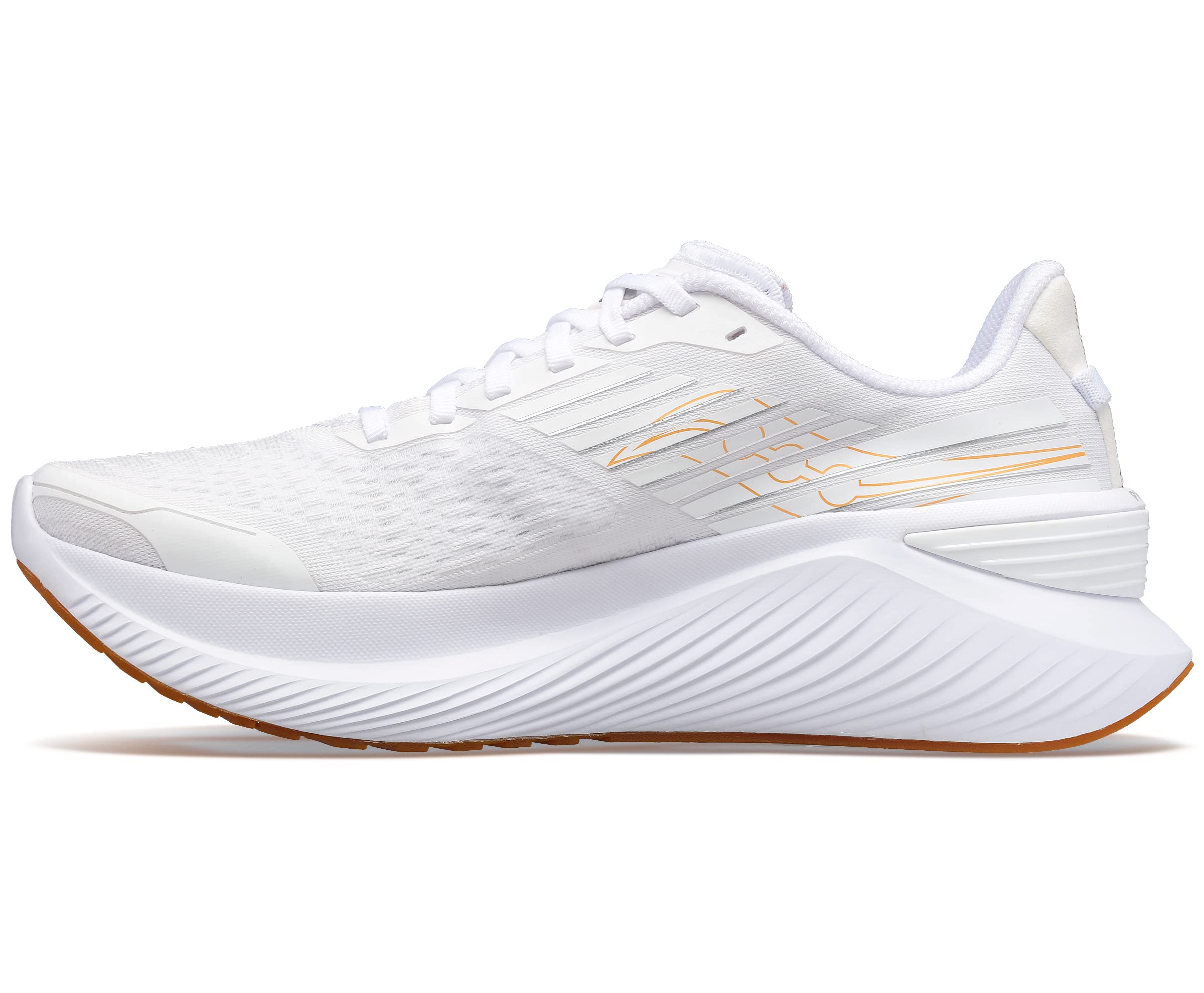
The Endorphin Shift 3 is a surprisingly stable shoe that doesn’t feel heavy. Its SPEEDROLL technology encourages a smooth, efficient stride, and reviewers who wear it for track work and daily training praise its lightweight feel. The cushioning is ample but firm enough to maintain responsiveness.
Users with wider feet (4E) found the wide version accommodates them when sized up. Strong arch support and a comfortable fit for long hours make it suitable for half marathons and beyond. The shoe also works as a budget‑friendly walking option with good lateral stability on uneven ground.
Some runners note that the Shift 3 is not as highly corrective as traditional stability shoes, so it’s best for mild to moderate overpronation. The breathable mesh and stylish design make it easy to wear casually as well.
Why it’s great
- Lightweight with smooth roll‑through
- Good for tempo runs and races
- Wide sizes available
Good to know
- Not for severe overpronation
- Some find arch support too firm
5. ALTRA Men’s Torin 7 Road Running Shoe
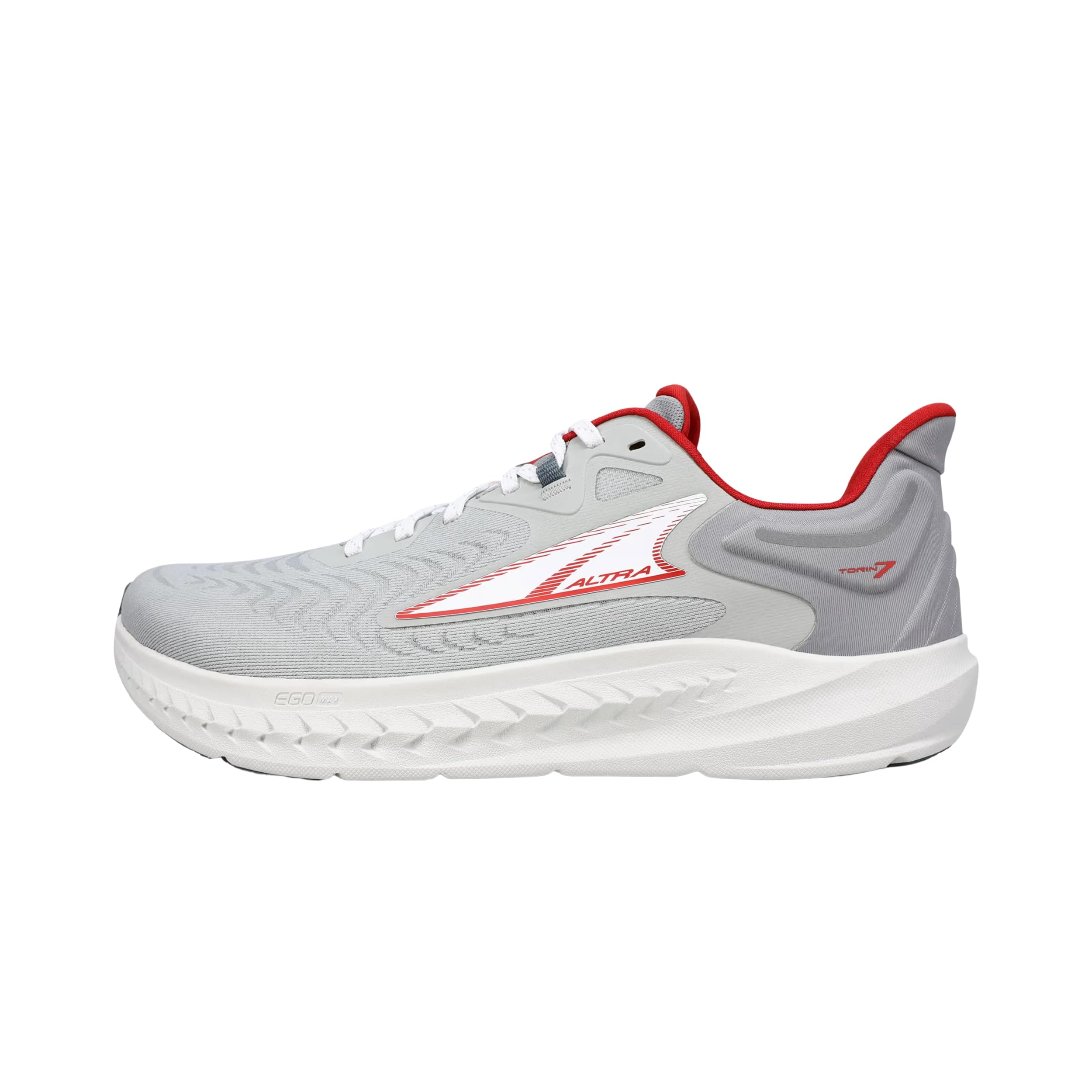
The Torin 7 is unique because it’s a neutral shoe that many overpronators love due to its wide, foot‑shaped toe box that allows toes to splay naturally. The zero‑drop platform encourages a midfoot strike, which can reduce excessive inward roll for some runners. The Altra EGO MAX foam provides a soft, responsive ride.
Reviewers with wide, flat feet report that these are the most comfortable shoes they’ve tried. The roomy toe box accommodates orthotics easily, and the balanced cushioning reduces joint impact. Users appreciate the versatility for work, walking, and running.
However, the zero‑drop design requires an adjustment period, and a few long‑time users noted degradation of the upper after about a year. For those seeking a natural foot position with stability benefits, the Torin 7 is a compelling option.
Why it’s great
- Wide toe box for natural splay
- Zero drop promotes better gait
- Excellent for flat feet
Good to know
- Upper durability concerns over time
- Not traditional stability shoe
6. ASICS Men’s GT-4000 4 Running Shoes
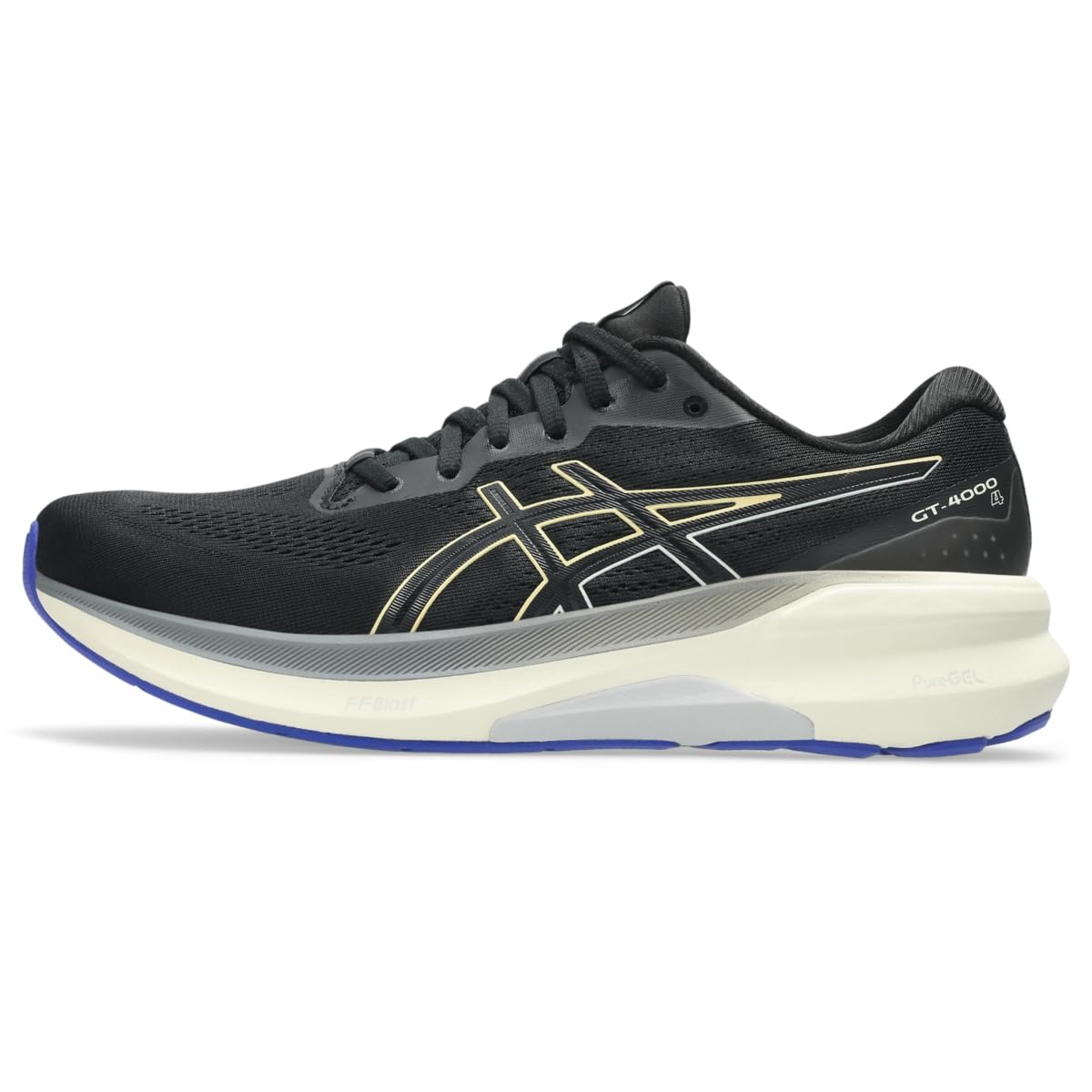
The GT-4000 4 is a solid, no‑nonsense stability shoe from ASICS. Reviewers consistently mention its great arch support and comfortable fit right out of the box. The DUOMAX support system helps correct overpronation without feeling overly intrusive, making it suitable for all‑day wear.
Users with wide feet and those who work on their feet for hours (multiple part‑time jobs) find these shoes provide the support they need. The length is true to size, and the quality is typical ASICS—durable and reliable. Several customers have bought multiple pairs.
Why it’s great
- Great arch support for all-day wear
- True to size, wide feet friendly
- Durable construction
Good to know
- Not as plush as premium models
- Limited color options
7. Hoka Men’s Arahi 7
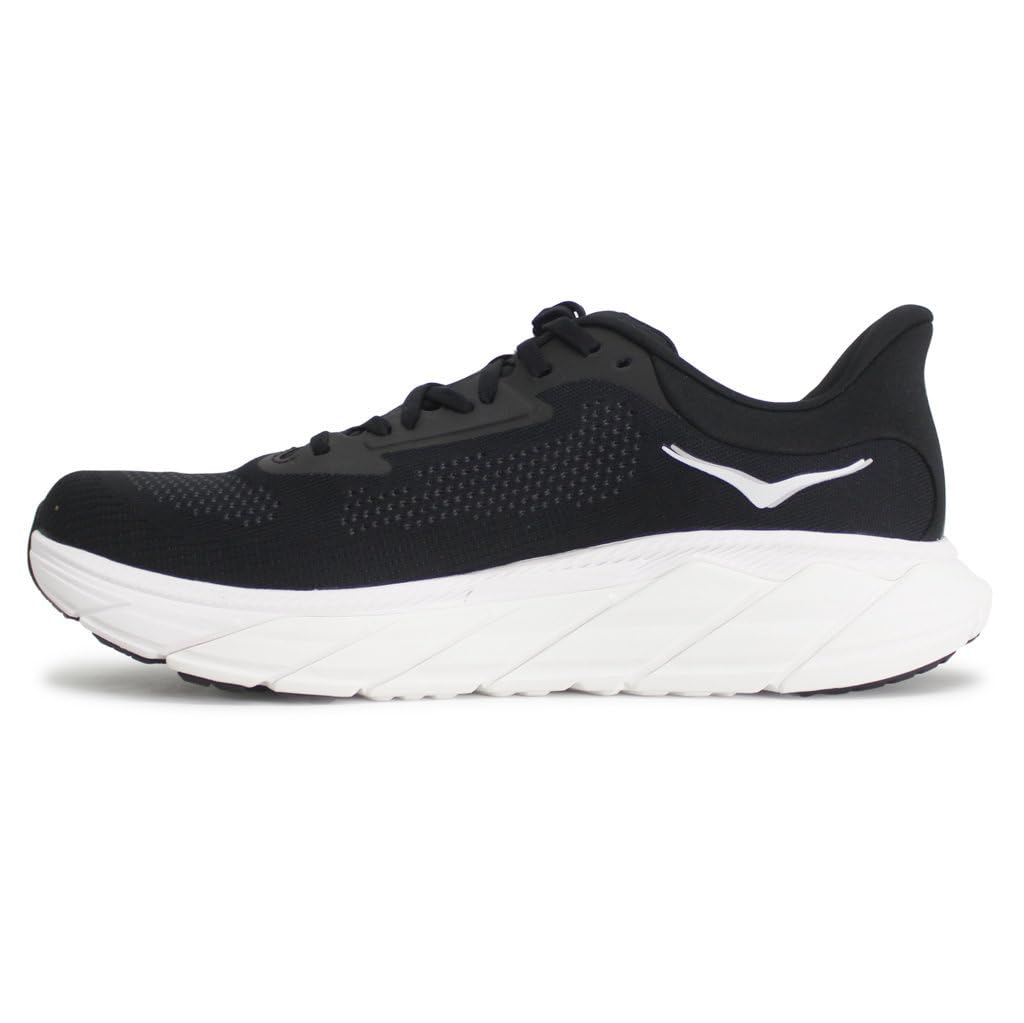
The Arahi 7 delivers Hoka’s signature plush cushioning with a stability twist. The J‑Frame technology provides support by cradling the foot, reducing overpronation without a rigid medial post. Reviewers say these are comfortable straight out of the box and require zero break‑in time.
Users who walk 10K steps daily report significantly less foot fatigue. The cushioning is cloud‑like yet supportive, and the shoe feels lighter than its stack height suggests. It’s a popular choice for those with knee and lower back pain linked to overpronation.
However, the heel counter has a hard backing that can be uncomfortable when seated, and the shoe is not ideal for wide feet—narrower feet fit best. The price is higher than average, but many say the comfort justifies the cost.
Why it’s great
- Exceptional cushion with stable ride
- No break‑in needed
- Reduces foot and back fatigue
Good to know
- Hard heel counter can irritate
- Not for wide feet
8. Hoka Women’s Arahi 8
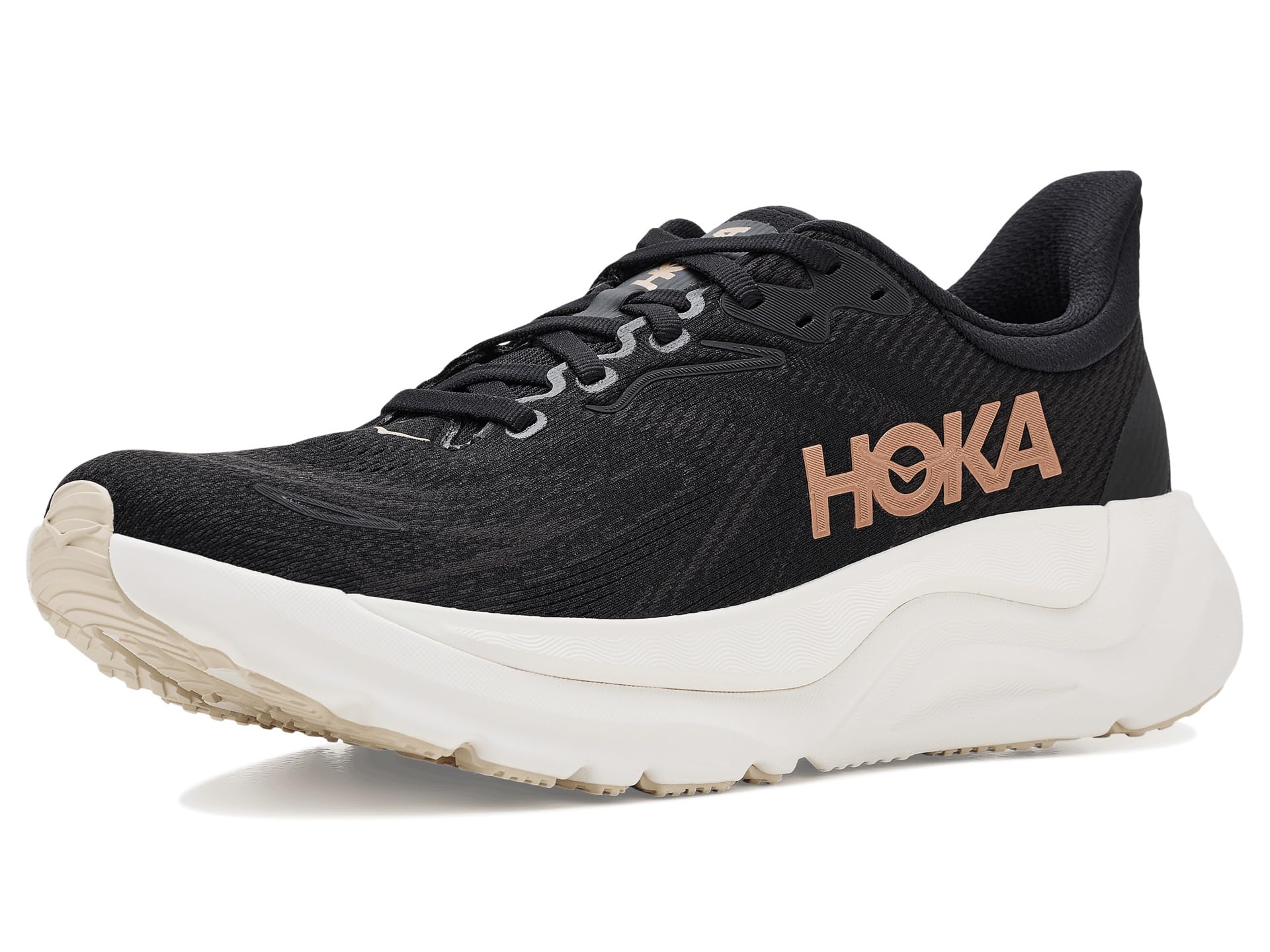
The Arahi 8 improves on its predecessor with a wider toe box and a softer upper, making it more accommodating for various foot shapes. The enhanced H‑Frame technology offers robust overpronation control while maintaining a lightweight feel. Users love it for Zumba, strength classes, and walking.
Reviewers with plantar fasciitis found the Arahi 8 helped heal their condition, especially when sized up to a wide. The shoe is described as spongy for impact reduction yet stable enough for dynamic movements. The color options (like Black/Rose Gold) are stylish.
One drawback: some customers received a different color than pictured due to listing inaccuracies. Also, the shoe may not be ideal for very high arches. Overall, it’s a top choice for women needing stability with a touch of flair.
Why it’s great
- Improved fit with wider toe box
- Great for plantar fasciitis relief
- Lightweight and responsive
Good to know
- Color may differ from listing image
- Not ideal for very high arches
9. ASICS Men’s Gel‑Kayano 32 Running Shoes
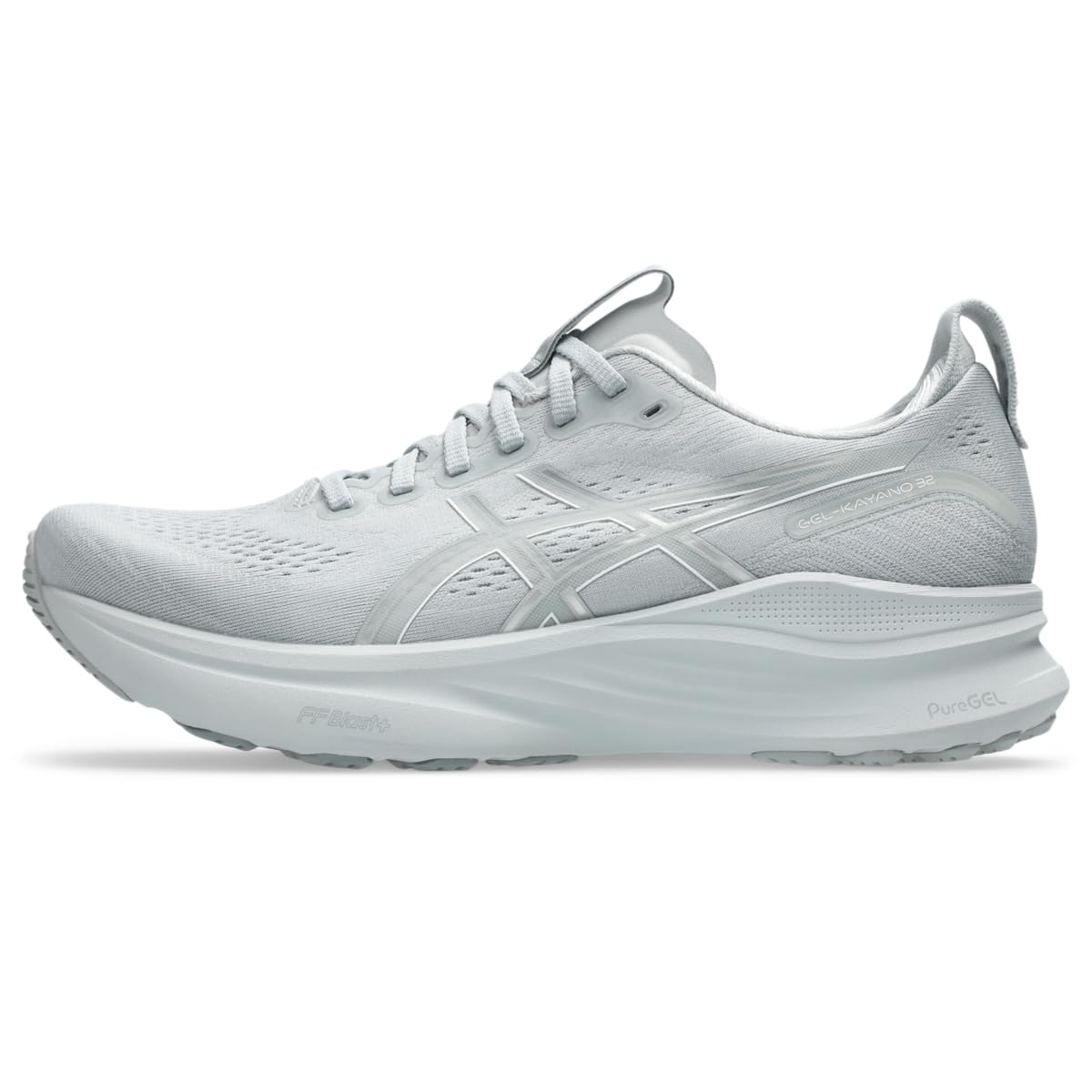
The Gel‑Kayano 32 is the gold standard for stability, especially for those with fallen arches and flat feet. The 4D Guidance System adapts to your gait, reducing ankle overpronation and hip stabilizer stress. Reviewers with diabetic issues and heavier body weights find these shoes provide exceptional support and cushioning.
The shoe features an improved tongue with a large pull loop for easy entry, and the heel loop is convenient. The wider toe box reduces hotspots, and the forefoot foam adds comfort. Many users say it feels like walking on pillows, even after several months of daily use.
Some critics mention the tongue is thin and stretchy, and the oversized top loop can be bothersome on high insteps. However, for serious overpronation, this is a top‑tier choice that delivers lasting durability.
Why it’s great
- Excellent for fallen arches and flat feet
- Adaptive stability without stiffness
- Great for heavier runners
Good to know
- Tongue can be thin and stretchy
- May feel bulky to some
10. Saucony Men’s Tempus 2 Sneaker
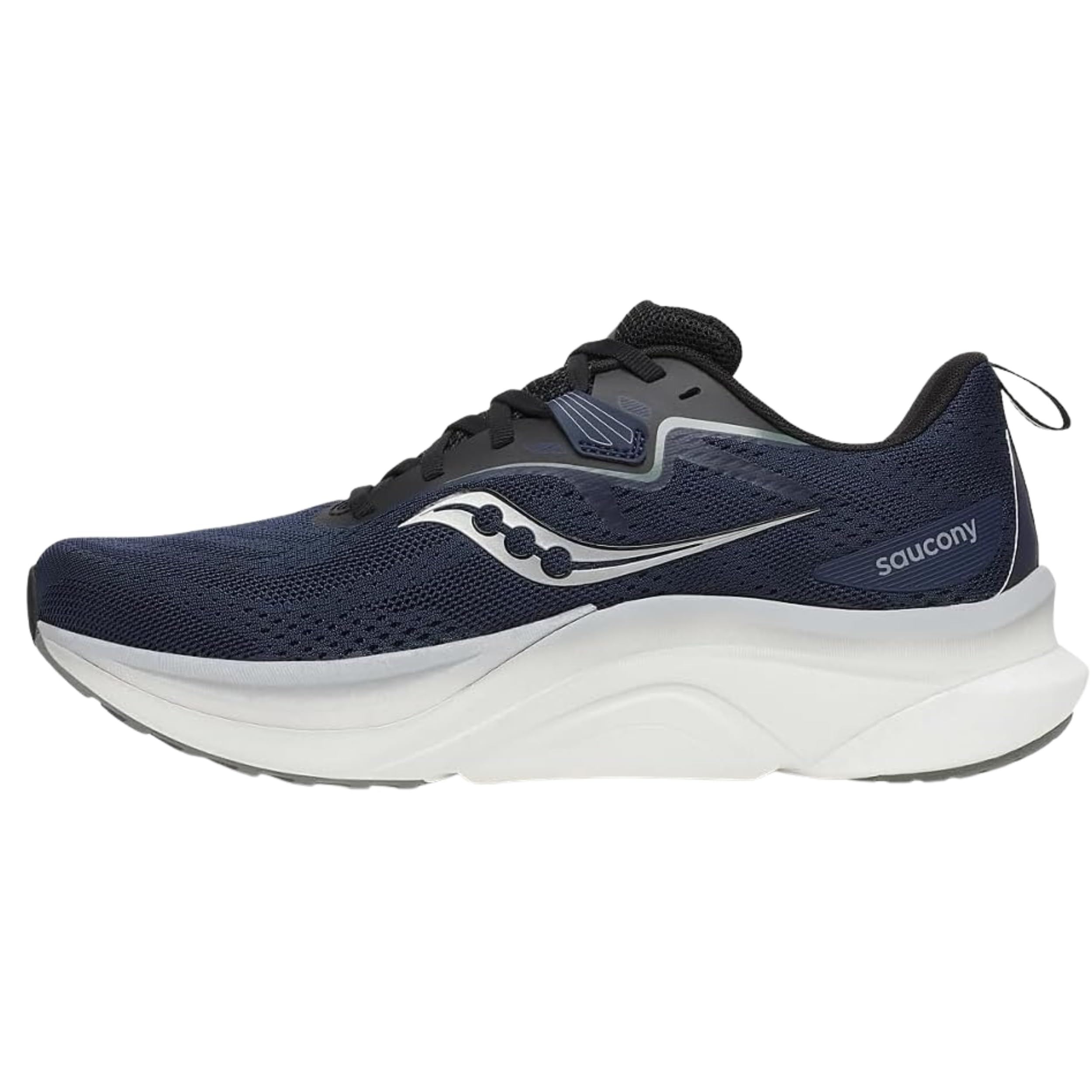
The Tempus 2 is a unique light‑stability shoe that bridges the gap between neutral and traditional stability. It uses a PWRRUN PB core with a stability frame, offering a bouncy, responsive ride while still controlling mild to moderate overpronation. Reviewers say it’s easier on the knees than the Kayano 31.
Runners appreciate the balance of stability and comfort for tempo days and fast training. The shoe is lightweight and has good energy return. It fits true to size for most, though wider feet may find it snug. The break‑in period is brief—once past that, it becomes very comfortable.
One drawback is the missing tongue eyelet, which can cause the tongue to slip under laces and restrict circulation. Wearing socks helps. For those with slight pronation who want a lighter shoe, the Tempus 2 is an excellent choice.
Why it’s great
- Lightweight with good energy return
- Balanced stability for mild pronation
- Knee‑friendly ride
Good to know
- Missing tongue eyelet can cause slipping
- Snug fit for wider feet
11. New Balance Men’s 847 V3 Walking Shoe
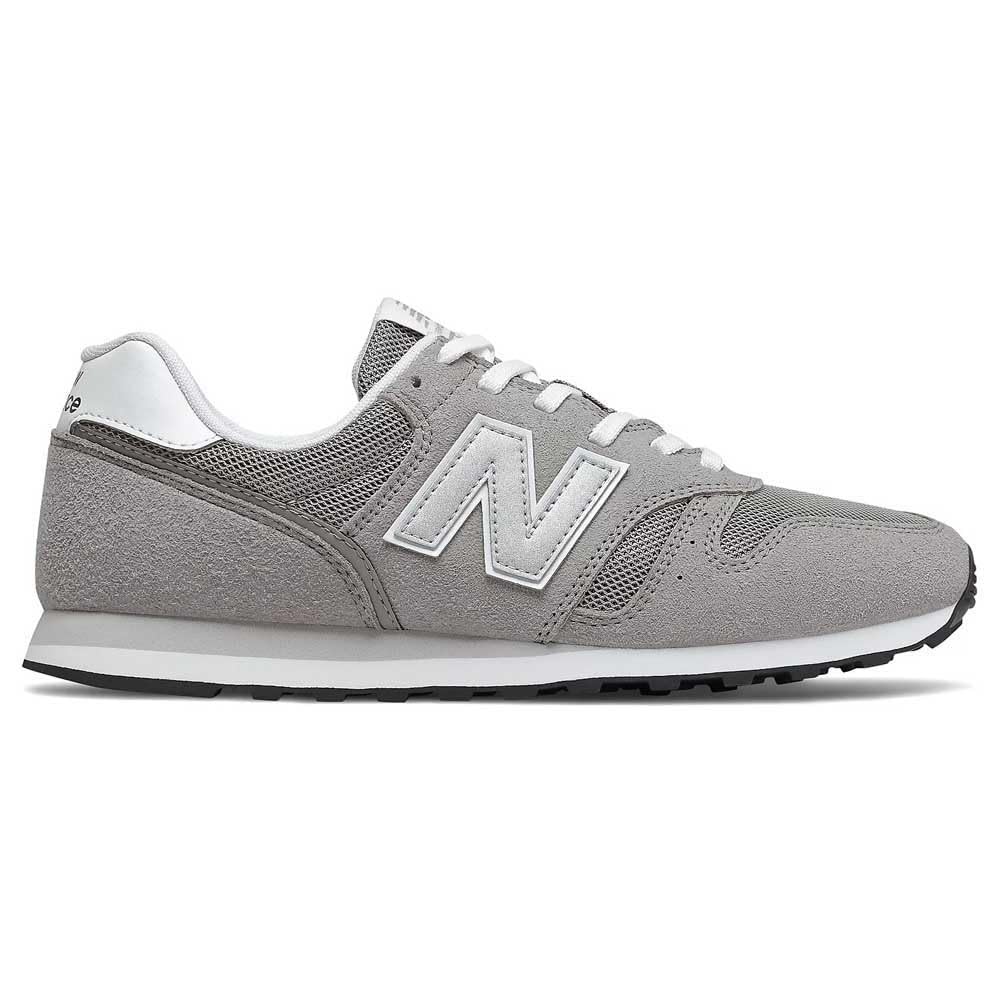
The 847 V3 is a motion‑control walking shoe designed for severe overpronation. It features a Rollbar stability post that provides maximum support, making it ideal for those who need firm guidance. Reviewers with extensor tendinitis found relief after switching to these.
Users praise the comfort and stability for long pavement walks. The shoe is lightweight for its category and offers good arch support. Wide and narrow widths are available, though sizing can be inconsistent across New Balance models—careful measurement is advised.
Some critics note that the shoe lacks padding and arch support compared to other New Balance models like the 990s. The fit can be tricky: one reviewer needed to size up significantly. For those who find the right size, it’s a reliable, supportive walking companion.
Why it’s great
- Maximum motion control for severe pronation
- Helps with extensor tendinitis
- Lightweight for a stability shoe
Good to know
- Sizing inconsistent; try before buying
- Less padding than some competitors

Mo Maruf
I created WellFizz to bridge the gap between vague wellness advice and actionable solutions. My mission is simple: to decode the research and give you practical tools you can actually use.
Beyond the data, I am a passionate traveler. I believe that stepping away from the screen to explore new environments is essential for mental clarity and physical vitality.