If you’re loading up on beans to hit your protein goals, the variety and preparation method matter far more than most shoppers realize. A single cup of some beans delivers nearly 15 grams of protein, while others fall short—and the difference often comes down to how they’re grown, processed, and packed.
I’m Mohammad Maruf — the founder and writer behind WellFizz. After analyzing hundreds of product labels, customer reviews, and nutritional databases, I’ve pinpointed the beans that actually deliver on their protein promise without the fillers.
Whether you’re meal-prepping for the week or building a plant-based pantry, choosing the right legume makes or breaks your macros. This guide cuts through the marketing to reveal the best beans for protein that your body can actually use.
How To Choose The Best Beans For Protein
Not all beans are created equal when it comes to protein density. Soybeans lead the pack, but chickpeas, black beans, and navy beans offer excellent alternatives. The key is looking beyond the front label—check the grams of protein per serving and compare it to the total calories. A bean that delivers 8 grams of protein for 110 calories is a better choice than one offering 6 grams for 130 calories.
Protein Per Serving vs. Total Calories
The protein-to-calorie ratio is your most reliable metric. A serving with 8 grams of protein and 110 calories has a ratio of ~7%, which is solid for a plant food. Anything below 5% is a poor choice for protein seekers. Avoid beans that add sugar or heavy sauces, as those dilute the protein density.
Processing: Canned vs. Dried
Canned beans are convenient but often contain added salt and preservatives that can affect texture and nutrient absorption. Dried beans give you full control over sodium and cooking time, plus they typically have a slightly higher protein concentration per gram because they aren’t diluted by water. If you have time, dried beans are the superior choice for protein content.
Organic vs. Conventional
Organic beans are grown without synthetic pesticides, which can affect the soil microbiome and, in turn, the bean’s amino acid profile. Some studies suggest organic legumes have a more complete protein profile. Non-GMO certification is also important—many conventional beans are genetically modified for yield, not nutrition.
Quick Comparison
On smaller screens, swipe sideways to see the full table.
| Model | Type | Best For | Key Feature | Amazon |
|---|---|---|---|---|
| Camellia Brand Garbanzo | Dried | Best Overall | High protein, non-GMO, USA grown | Amazon |
| Yupik Organic Black Turtle | Dried | Meal Prep | High fiber & iron, consistent cook | Amazon |
| Jovial Organic Chickpeas | Jarred | Best Taste | Glass jar, sprouted-like texture | Amazon |
| Goya Organic Chick Peas | Canned | Best Value | Low sodium, organic, bulk pack | Amazon |
| BUSH’S Organic Black Beans | Canned | Soups & Stews | 8g protein, organic, dairy free | Amazon |
| Ortega Black Beans | Canned | Flavor | Seasoned, cumin aroma, versatile | Amazon |
| Eden Organic Garbanzo | Canned | Vegan Diet | No salt, aquafaba for recipes | Amazon |
| BUSH’S Reduced Sodium Garbanzo | Canned | Low Sodium | 50% less sodium, great hummus | Amazon |
| Amazon Fresh Navy Beans | Dried | Budget | Excellent value, high fiber | Amazon |
| Westbrae Organic Garbanzo | Canned | Organic Convenience | Certified organic, non-GMO | Amazon |
| Yupik Organic Raw Chickpeas | Dried | Sprouting | Raw, bulk, high protein potential | Amazon |
In‑Depth Reviews
1. Camellia Brand Dried Garbanzo Beans
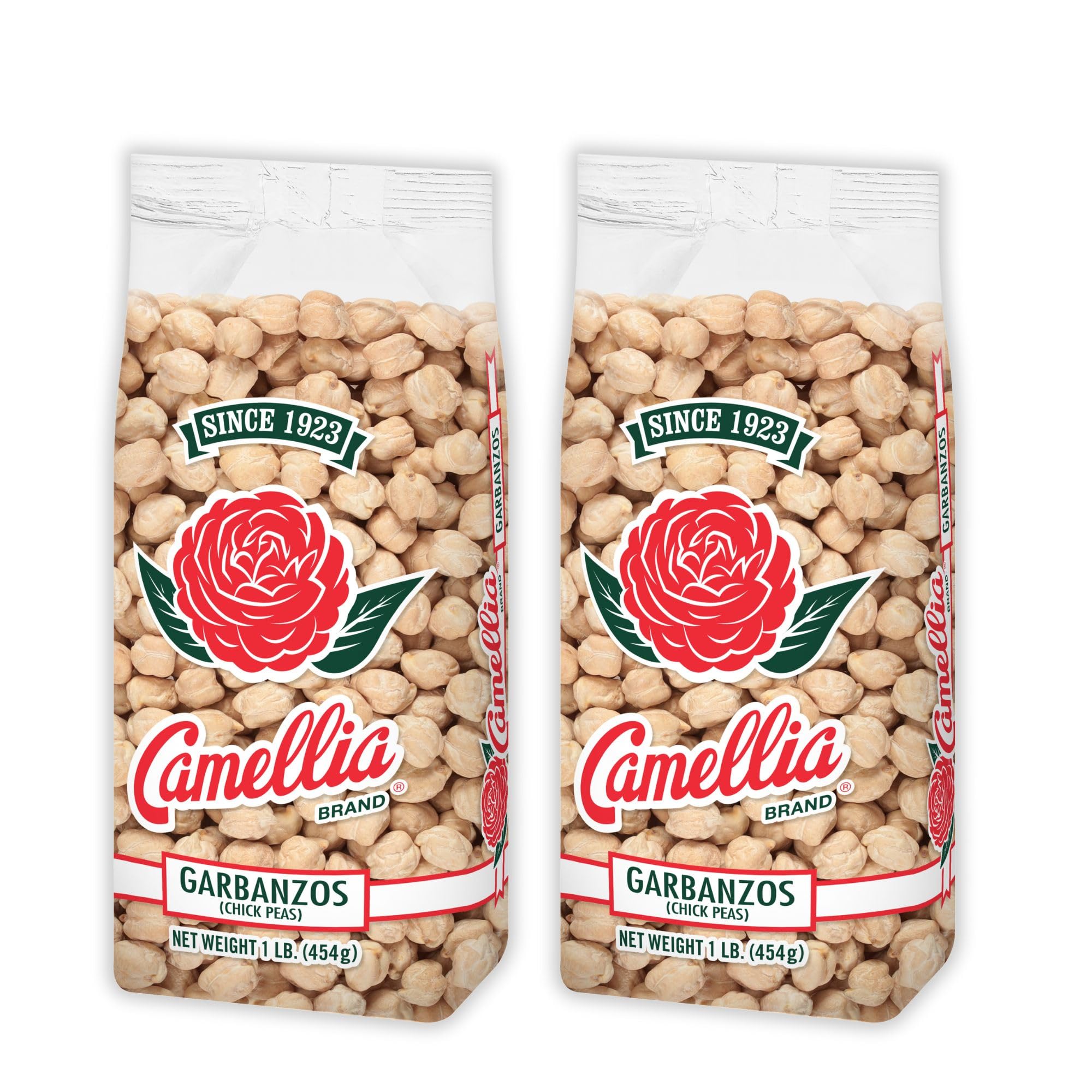
Camellia Brand has been a southern staple for generations, and their dried garbanzo beans hold up to that legacy. With a protein content that consistently lands around 7–8 grams per cooked half-cup, these beans deliver a dense, nutty flavor that canned versions rarely match. The packaging is simple but effective—resealable bags that keep beans fresh for months.
Customer reviews highlight the consistent quality: cooks report even texture with no broken pieces, making them ideal for falafel, hummus, or roasted snacks. The non-GMO certification and absence of added salt mean you control the final sodium level. These beans require overnight soaking but reward you with a firm yet creamy bite.
If you prioritize protein density and want a reliable base for weekly meal prep, Camellia’s garbanzos are hard to beat. They hold their shape well under pressure cooking and absorb spices beautifully. The only downside is that they are dried, so you’ll need to plan ahead—but the nutritional payoff is worth it.
Why it’s great
- High protein per serving
- Non-GMO, no additives
- Consistent texture for recipes
Good to know
- Requires soaking and long cooking
- Limited to one variety
2. Yupik Organic Black Turtle Beans

Yupik’s black turtle beans are a powerhouse for plant-based protein and fiber. Each serving offers around 7 grams of protein plus 5 grams of fiber, making them a satiating addition to soups, stews, and rice bowls. The organic certification ensures no synthetic pesticides, and customers report clean, uniform beans with minimal dust.
Reviewers consistently mention that these beans cook evenly and hold their shape well—crucial for meal prep where texture matters. The 2.2-lb bag fits neatly into airtight storage, and the resealable top keeps them fresh. Some users note they take a bit longer to soften than conventional black beans, but the earthier flavor compensates.
For anyone looking to batch-cook high-protein meals on a budget, Yupik Black Turtles are a solid choice. They pair excellently with rice, lentils, or roasted vegetables. The only minor complaint is that some bags have slightly smaller beans, but overall quality is consistent.
Why it’s great
- High fiber & iron
- Organic and non-GMO
- Consistent cooking results
Good to know
- Requires long soaking
- Some beans may be small
3. Jovial Organic Chickpeas in Glass Jar

Jovial’s chickpeas in a glass jar are a premium option that prioritizes flavor and texture. Cooked with only Sicilian sea salt, they deliver a sprouted-like crunch that canned beans simply cannot replicate. The protein content sits around 8–9 grams per half-cup, making them a strong contender for protein seekers who also care about taste.
Customer reviews rave about the fresh, nutty flavor and the versatility of the aquafaba (bean liquid) for vegan cooking. The glass jar packaging is BPA-free and keeps the beans tasting just-cooked for months. Some reviewers note the price is higher than canned alternatives, but the quality difference is noticeable.
These are ideal for salads, pasta, or eating straight from the jar as a snack. The only real downside is the cost per ounce—they’re not the most budget-friendly option. But if you want the best-tasting chickpeas with a protein punch, Jovial delivers.
Why it’s great
- Superior taste and texture
- BPA-free glass jar
- High protein for canned beans
Good to know
- More expensive per serving
- Smaller jar size
4. Goya Organic Chick Peas (Pack of 8)
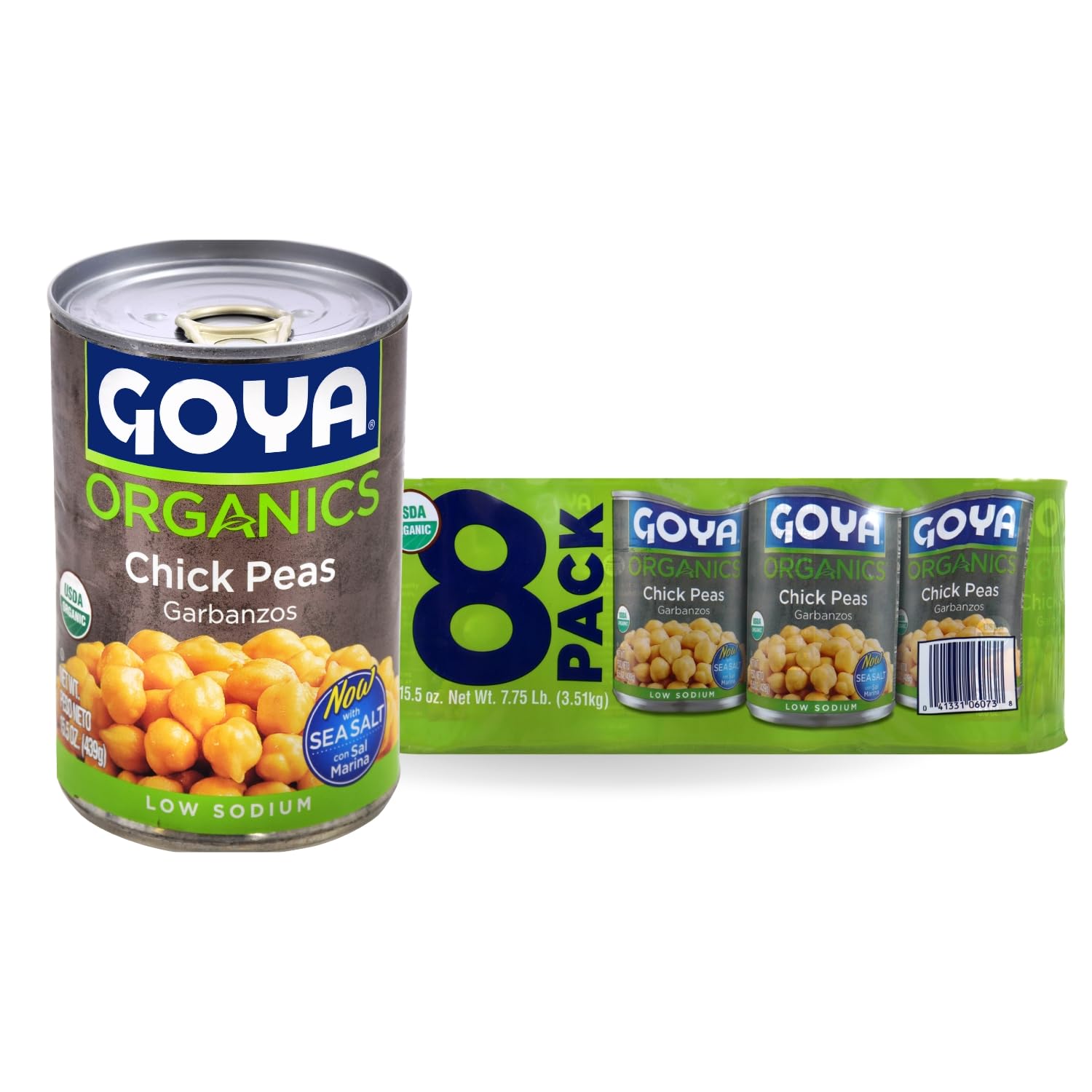
Goya’s organic chickpeas offer an unbeatable balance of price and nutrition. With 6 grams of protein per serving, they’re slightly lower than some premium brands, but the low sodium content (seasoned with sea salt) and USDA organic certification make them a pantry staple. The 8-pack provides great value for families or meal preppers.
Customer reviews praise the plump, creamy texture and the easy-open lid. Many use them for quick hummus or salads without needing to rinse. The flavor is mild but not bland—perfect for absorbing seasonings. Some users wish the protein content were higher, but for the price point, it’s competitive.
If you’re looking for an organic canned bean that doesn’t break the bank, Goya is a reliable choice. Just note that the sodium, while reduced, is still present—rinse if you’re strictly watching your intake.
Why it’s great
- Affordable organic option
- Low sodium with sea salt
- Convenient bulk pack
Good to know
- Only 6g protein per serving
- Some cans may vary in firmness
5. BUSH’S BEST Organic Black Beans (Pack of 12)
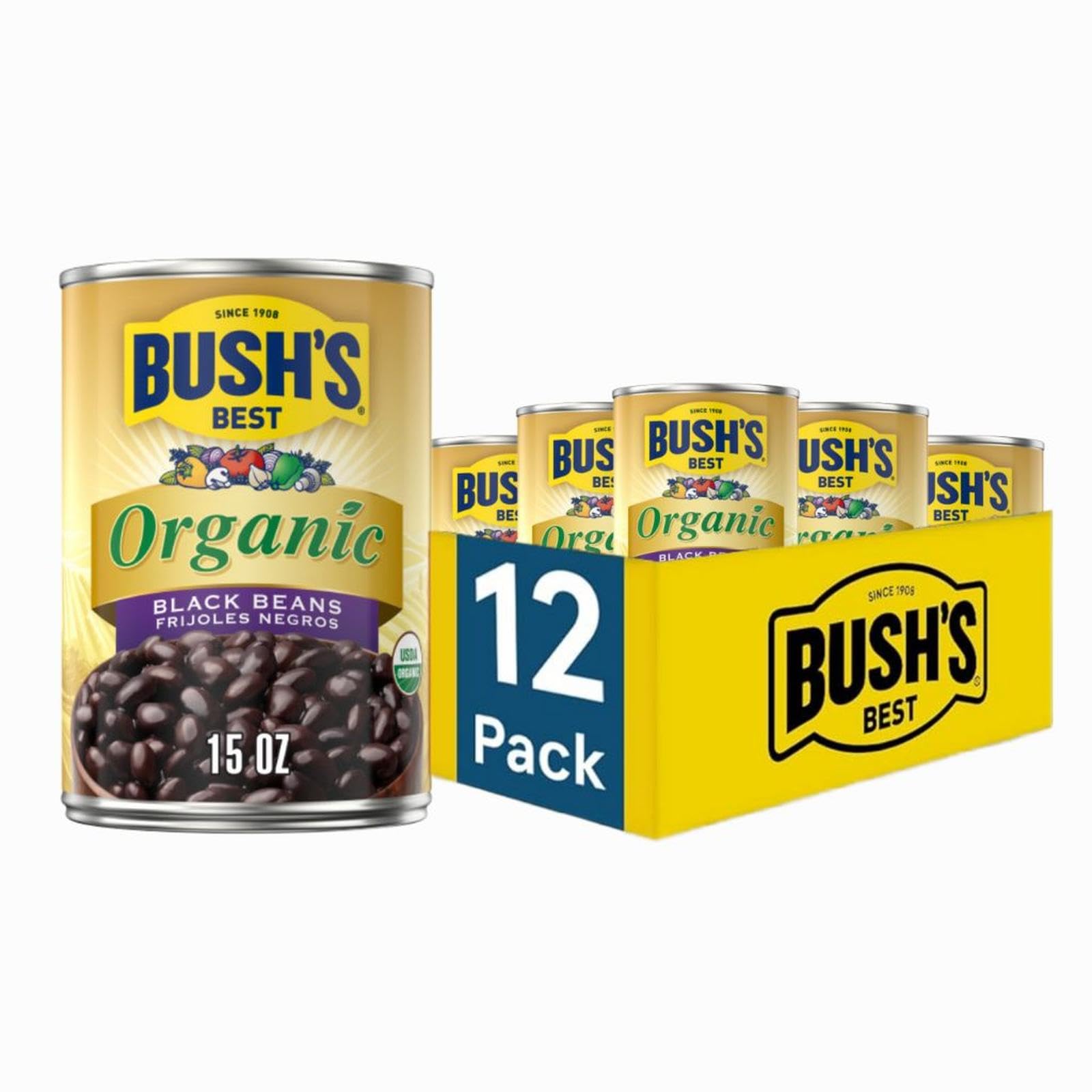
BUSH’S BEST brings their trusted quality to organic black beans with this 12-pack. Each half-cup serving delivers 8 grams of plant-based protein and 5 grams of fiber, making it a top pick for those who want both macros. The beans are gluten-free, dairy-free, and certified organic, aligning with most dietary restrictions.
Customers consistently note that these cans are packed full of beans—less liquid than many competitors—so you get more protein per can. The texture is firm yet tender, holding up well in soups and stews without turning mushy. The flavor is clean, with no metallic aftertaste.
This pack is ideal for stocking your pantry for quick meals. The only drawback is the price per can when bought in bulk online compared to in-store sales. But for consistent quality and protein density, BUSH’S organic black beans are hard to fault.
Why it’s great
- High protein (8g) and fiber
- Organic and gluten-free
- Minimal liquid in can
Good to know
- Bulk price may vary
- Some cans dent during shipping
6. Ortega Black Beans (Pack of 12)

Ortega black beans come pre-seasoned with cumin and a mild jalapeño kick, offering a ready-to-eat protein source that’s perfect for Mexican-inspired meals. Each serving provides 7 grams of protein, and the flavor is robust enough to stand alone as a side dish. They’re vegan and gluten-free, fitting most plant-based diets.
Reviews highlight the well-balanced seasoning—not too spicy, but with a noticeable warmth that complements rice, tacos, or huevos rancheros. The 12-pack is great for busy households, though some customers find the sodium level a bit high compared to plain canned beans. Rinsing can reduce sodium but also removes some seasoning.
If you value convenience and flavor over absolute control over ingredients, Ortega is a solid choice. The protein content is decent, and the taste is consistently praised. Just be aware that the seasoning adds calories and sodium.
Why it’s great
- Delicious pre-seasoned flavor
- Convenient ready-to-heat
- Good protein per serving
Good to know
- Higher sodium content
- Seasoning may not suit all dishes
7. Eden Organic Garbanzo Beans (No Salt)

Eden Foods has been a principled natural food company since 1968, and their no-salt-added garbanzo beans reflect that commitment. With 6–7 grams of protein per serving, they’re not the highest, but the zero sodium makes them ideal for those on strict low-sodium diets. The aquafaba liquid is a bonus for vegan baking—it whips into meringue easily.
Customers appreciate the clean, mild flavor and the versatility in salads, soups, and hummus. The cans are BPA-free, and the beans are sourced from U.S. organic farms. Some reviews note that the texture can vary from can to can—occasionally mushy, occasionally firm—but overall quality is good.
If you need a completely unsalted bean for heart health or want to use the aquafaba, Eden is a top choice. The protein content is adequate, and the brand’s ethical sourcing adds value. Just be prepared for occasional inconsistency in bean texture.
Why it’s great
- Zero added salt
- Aquafaba for vegan recipes
- Organic and non-GMO
Good to know
- Texture can vary
- Protein slightly lower than some
8. BUSH’S Reduced Sodium Garbanzo Chickpeas
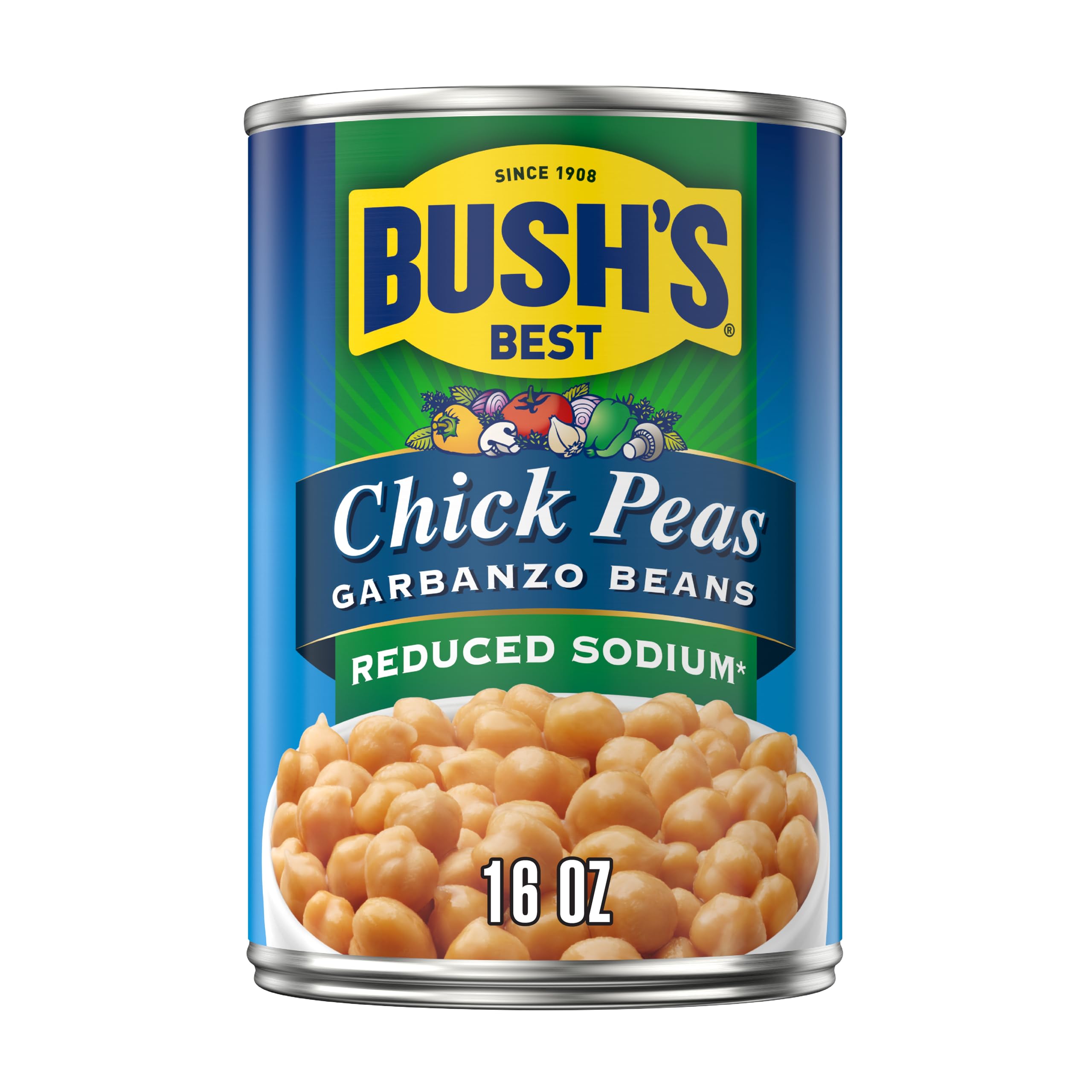
BUSH’S reduced sodium garbanzo beans offer 50% less sodium than their regular version, making them a heart-friendly choice without sacrificing flavor. Each serving contains 6 grams of protein and a creamy texture that works beautifully in hummus or salads. The nutty flavor is mild but satisfying.
Customers consistently rate these highly for homemade hummus, noting that the beans are tender and blend smoothly. Some compare them to premium brands and find them nearly as good at a lower price. A few reviewers mention that the beans are slightly smaller than other brands, but the quality is consistent.
If you’re looking to cut sodium but still want the convenience of canned chickpeas, Bush’s reduced sodium is a smart option. The protein content is modest, but for everyday use, it’s a balanced choice.
Why it’s great
- Significantly reduced sodium
- Great for hummus
- Reliable Bush’s quality
Good to know
- Only 6g protein
- Beans can be small
9. Amazon Fresh Navy Beans (Pack of 3)
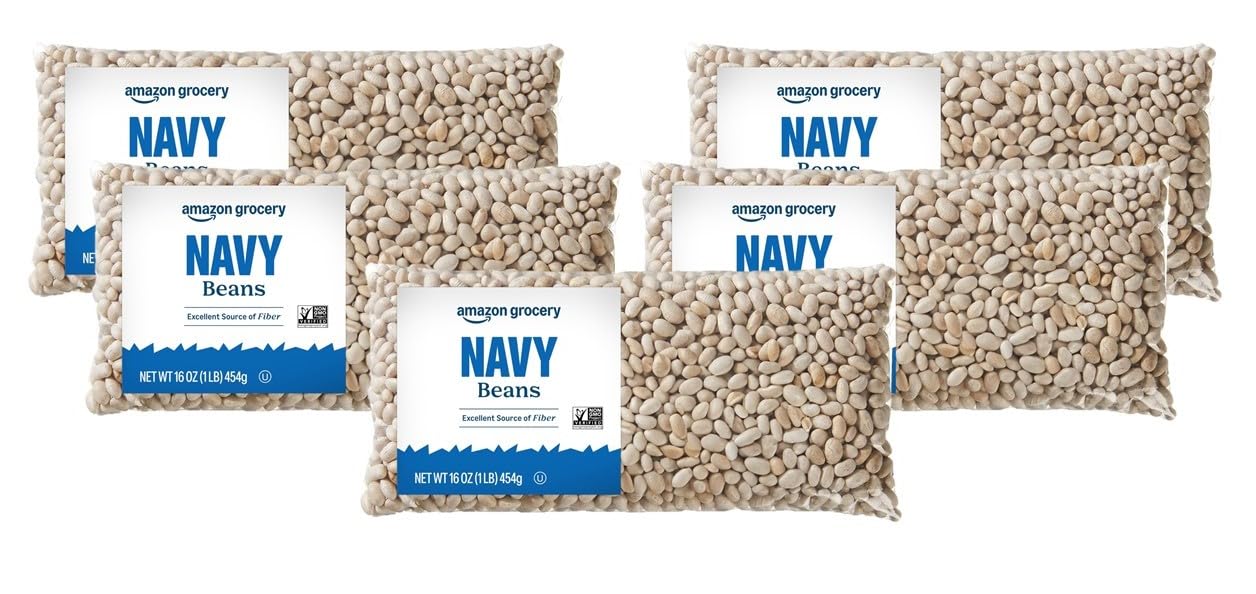
Amazon Fresh Navy Beans are a budget-friendly dried option that delivers 7 grams of protein per cooked serving, plus substantial fiber. They’re a great choice for soups, baked beans, or simply as a side dish. The 3-pack provides good value, especially for those who cook beans frequently.
Customer reviews rave about the quality relative to the price—many say they taste as good as premium brands. The beans cook evenly and hold their shape, though some note they can become mushy if overcooked. The packaging is straightforward, no-frills, but effective.
If you’re on a tight budget and want a reliable dried bean for protein, these navy beans are hard to beat. Just plan for soaking and longer cooking times. The only downside is that navy beans are naturally lower in protein than chickpeas or black beans, but the value is excellent.
Why it’s great
- Very affordable per pound
- Good protein and fiber
- Consistent quality
Good to know
- Requires soaking
- Lower protein than chickpeas
10. Westbrae Natural Organic Garbanzo Beans
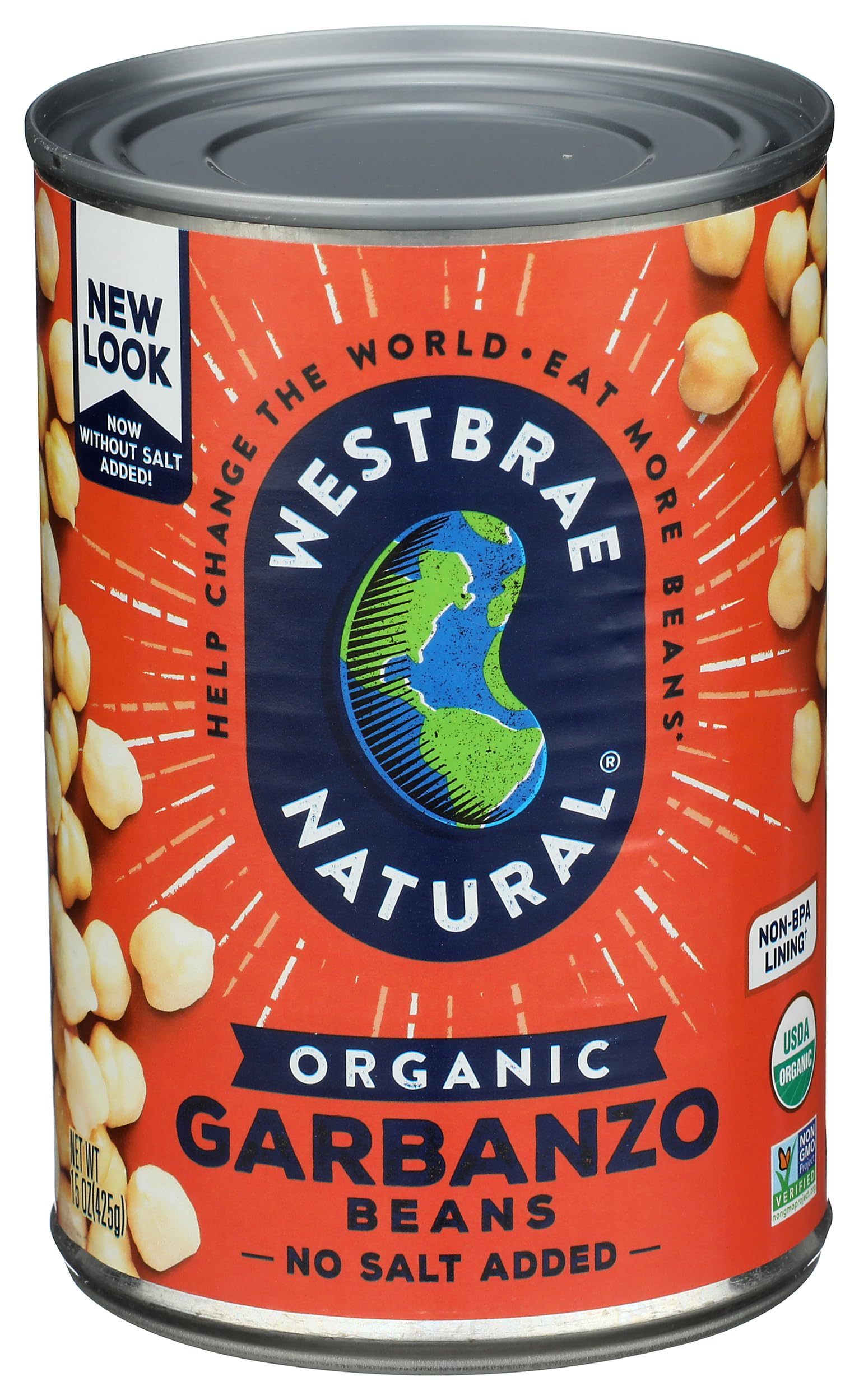
Westbrae Natural offers a straightforward organic canned garbanzo bean with no added salt or preservatives. Each serving provides 6 grams of protein, and the beans are certified non-GMO and gluten-free. The flavor is mild and clean, making them a versatile base for many dishes.
Reviews are mixed: some customers love the perfect tenderness, while others find the beans undercooked or too firm. Consistency seems to vary by batch. The packaging is standard, but the organic certification adds peace of mind for those avoiding pesticides.
If you need a reliable organic canned bean for quick meals, Westbrae is a decent choice, but be prepared for occasional texture issues. The protein content is modest, so pair with other protein sources for a complete meal.
Why it’s great
- Certified organic
- Non-GMO and gluten-free
- No added salt
Good to know
- Inconsistent texture
- Only 6g protein
11. Yupik Organic Raw Chickpeas (2.2 lb)

Yupik’s raw organic chickpeas are a versatile dried option for those who want complete control over their protein source. With 7 grams of protein per serving, they’re perfect for sprouting, roasting, or cooking from scratch. The 2.2-lb bag is resealable and keeps beans fresh for months.
Customer reviews praise the clean, uniform beans that cook evenly, though some note they require longer soaking than conventional chickpeas. The organic certification ensures no synthetic pesticides. Many users enjoy sprouting them for a protein-packed snack or using them in Indian-style curries.
If you’re willing to invest time in soaking and cooking, these raw chickpeas offer excellent protein value. The only downside is the preparation time, but for those who prioritize nutrition, it’s a worthwhile trade-off.
Why it’s great
- Organic and non-GMO
- Versatile for sprouting or cooking
- Resealable bag for storage
Good to know
- Requires long soaking
- Some find beans too firm
Understanding the Specs
Protein Density
Protein density refers to the grams of protein per calorie. A bean with 8g protein and 110 calories has a density of ~7%, which is excellent for a plant food. Look for beans that offer at least 6g protein per 100 calories to maximize your intake without excess calories.
Sodium Content
Canned beans often contain added salt for preservation. Reduced sodium options typically have 50% less salt, but still contain some. Rinsing canned beans can reduce sodium by up to 40%. Dried beans give you full control over sodium, but require more preparation time.
FAQ
Which bean has the highest protein content per cup?
Are canned beans as nutritious as dried beans?
How can I reduce gas from eating beans?
Final Thoughts: The Verdict
For most people, the best beans for protein winner is the Camellia Brand Dried Garbanzo Beans because they offer consistent high protein, non-GMO quality, and versatile texture. If you want convenience without sacrificing flavor, grab the Jovial Organic Chickpeas in Glass Jar. And for budget-friendly meal prep, nothing beats the Amazon Fresh Navy Beans for value and reliability.

Mo Maruf
I created WellFizz to bridge the gap between vague wellness advice and actionable solutions. My mission is simple: to decode the research and give you practical tools you can actually use.
Beyond the data, I am a passionate traveler. I believe that stepping away from the screen to explore new environments is essential for mental clarity and physical vitality.