Our readers keep the lights on and my smoothie glass nicely filled. As an Amazon Associate, I earn from qualifying purchases.
Finding a television that delivers genuine HDR performance without stretching your finances can feel like searching for a mirage. Many entry-level models claim HDR support but lack the brightness and contrast needed to make the format truly shine, leaving you with a washed-out image that misses the mark entirely.
I’m Mohammad Maruf — the founder and writer behind WellFizz.. I’ve spent years dissecting display specifications and consumer feedback to separate marketing hype from genuine performance, especially for HDR on a budget.
This guide cuts through the noise to help you find a best budget hdr tv that delivers vibrant colors, solid contrast, and real HDR impact without breaking the bank.
How To Choose The Best Budget HDR TV
HDR (High Dynamic Range) is more than a checkbox. To enjoy real HDR – brighter highlights, deeper blacks, and a wider color gamut – you need a TV with sufficient hardware. Budget models often use low‑nit panels that can’t produce the punch HDR demands. Focus on these three areas to make a smart choice.
Peak Brightness – The HDR Gatekeeper
A TV’s peak brightness in nits determines how well it can render HDR highlights. Look for at least 400–500 nits for a decent HDR experience. Models with 600+ nits (like many Mini‑LEDs) will give you noticeably better specular highlights. Avoid TVs that advertise HDR but only reach 200–300 nits – they’ll look flat.
Local Dimming and Contrast
Full‑array local dimming (FALD) allows the TV to dim specific zones of the backlight, improving black levels and contrast. On a budget, you may get fewer zones, but even a modest FALD system beats an edge‑lit or global dimming design. Mini‑LED TVs pack many tiny LEDs for finer control, often found in the higher end of the budget spectrum.
Panel Type and Color Volume
QLED (quantum dot) panels offer better color volume and brightness than standard LED/LCD TVs. They can display over a billion colors and maintain vibrancy even in bright rooms. Mini‑LED further enhances contrast. If HDR color is a priority, QLED or Mini‑LED is worth the small premium.
Quick Comparison
On smaller screens, swipe sideways to see the full table.
| Model | Type | Best For | Key Feature | Amazon |
|---|---|---|---|---|
| Hisense R6 50” | LED | Entry‑level HDR value | Dolby Vision + Roku OS | Amazon |
| VIZIO V‑Series 55” | LED | Smart features & connectivity | Wi‑Fi 6E + Dolby Vision HDR | Amazon |
| TCL 4‑Series 55” | LED | Cord‑cutters & simplicity | Roku TV + 4K upscaling | Amazon |
| Amazon Ember 43” | LED | Fire TV ecosystem fans | HDR10+ + Alexa Remote | Amazon |
| Samsung M70H 43” | Mini‑LED | Compact premium HDR | Mini‑LED + Samsung Vision AI | Amazon |
| Samsung Q8F 43” | QLED | Vibrant colors in bright rooms | 100% Color Volume + AI processing | Amazon |
| Hisense U6 55” | Mini‑LED/QLED | Gaming & HDR performance | 144Hz + Dolby Vision IQ | Amazon |
| Sony BRAVIA 2 43” | LED | PS5 gaming & upscaling | 4K Processor X1 + PS5 features | Amazon |
| iFFALCON U85 65” | QD‑Mini LED | Large‑screen cinema experience | 224 dimming zones + Dolby Vision IQ | Amazon |
| TCL QM8K 65” | QD‑Mini LED | Premium HDR & gaming | Anti‑reflective + 288Hz VRR | Amazon |
| TCL Q65 98” | QLED | Giant screen on a budget | 144Hz VRR + Built‑in subwoofer | Amazon |
In‑Depth Reviews
1. Hisense 50-Inch R6 Series
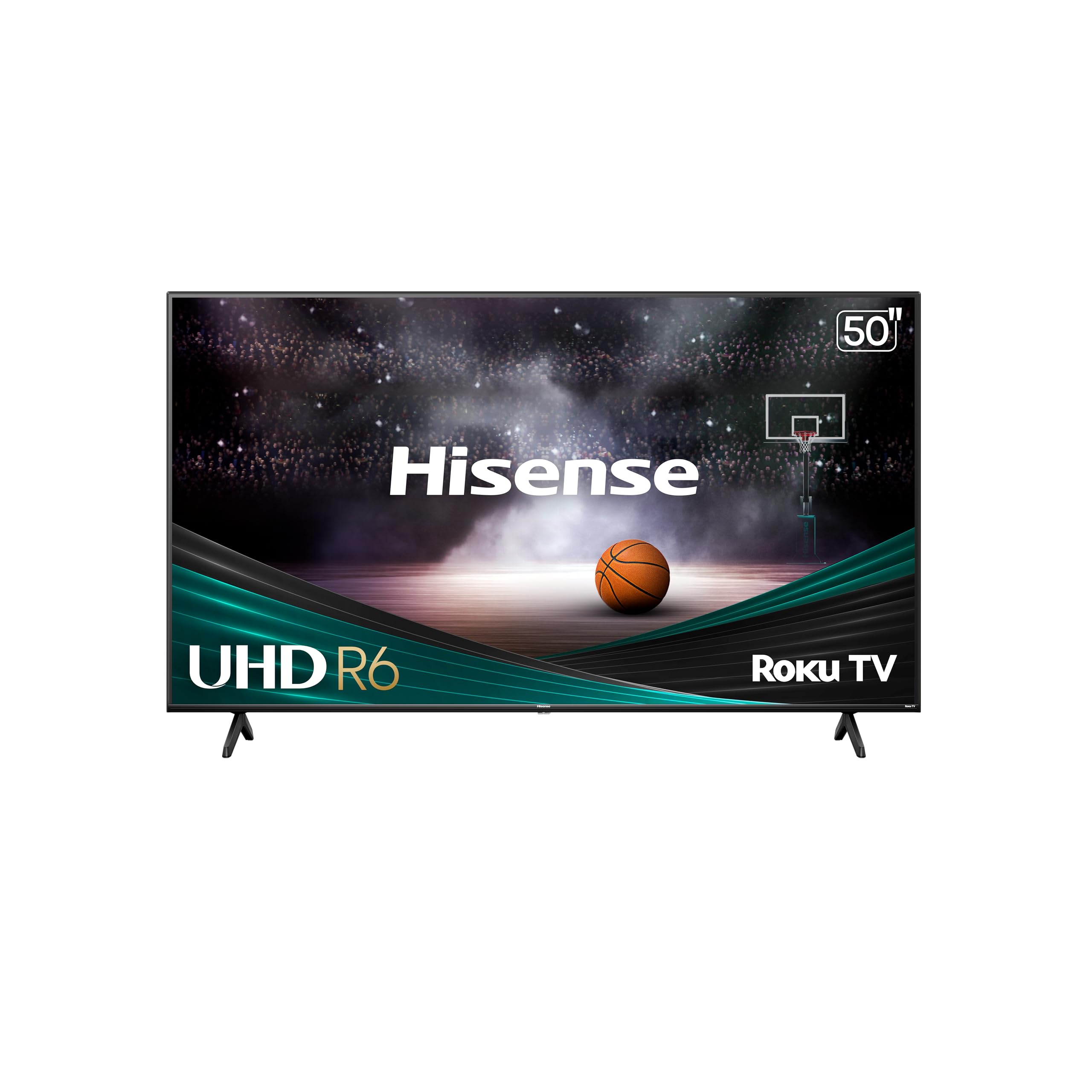
The Hisense R6 delivers remarkable HDR performance for its price point, thanks to Dolby Vision and HDR10 support. The 4K resolution combined with full‑array LED backlighting produces a sharp, colorful picture that easily outperforms many similarly priced competitors. Roku OS makes navigation a breeze, with thousands of streaming channels available out of the box.
Users consistently praise the picture quality for the cost, noting that tweaking the backlight and contrast settings unlocks even better HDR results. The motion rate 120 handling keeps fast‑paced sports and action movies smooth. While the built‑in speakers are adequate, adding a soundbar significantly improves the audio experience.
The remote lacks Bluetooth, which limits voice control options, but the TV works well with Alexa and Google Assistant devices. Overall, this is an excellent entry point into 4K HDR without overspending.
Why it’s great
- Excellent value with Dolby Vision
- Simple Roku interface
- Good motion handling for the price
Good to know
- Sound can be hollow
- Remote lacks Bluetooth
- Customer service could improve
2. VIZIO 55-Inch V‑Series (2023)

The VIZIO V‑Series strikes a brilliant balance between HDR quality, smart features, and price. Dolby Vision and HDR10+ support, combined with Active Pixel Tuning and the IQ Active Processor, deliver vibrant colors and solid contrast. The addition of Wi‑Fi 6E ensures smooth 4K streaming even in busy homes.
Gamers will appreciate the V‑Gaming Engine for low input lag and customizable settings. Users report excellent picture quality out of the box, with easy access to over 250 free channels via WatchFree+. The TV is also Bluetooth headphone capable, a rare feature at this price.
One notable omission: there is no Ethernet port, so a strong Wi‑Fi connection is essential. Setup can be slightly involved, but the performance more than compensates. This is a versatile choice for mixed use – streaming, gaming, and live TV.
Why it’s great
- Dolby Vision + HDR10+
- Wi‑Fi 6E for reliable streaming
- Great for gaming
Good to know
- No Ethernet jack
- Setup can be tricky
- Wi‑Fi only – must have strong signal
3. TCL 55” 4‑Series (55S455)

TCL’s 4‑Series is a proven workhorse for budget‑minded viewers who want HDR without complexity. The 4K UHD panel with HDR delivers decent brightness and color, and the advanced 4K upscaling makes HD content look surprisingly good. Roku OS remains one of the fastest and most intuitive smart TV platforms available.
Owners love the ease of setup and the lightweight design. The TV works well as a PC monitor and offers four HDMI ports for plenty of connectivity. Motion handling is solid for sports thanks to the 120 motion rate, and the free live TV guide via Roku is a major plus for cord‑cutters.
The built‑in speakers are weak, especially since they fire downward. A soundbar is highly recommended. Some users report occasional Wi‑Fi disconnection that requires a network check. For the price, this is a reliable entry‑level HDR TV.
Why it’s great
- Excellent Roku interface
- Great upscaling for HD content
- Lightweight and easy to mount
Good to know
- Weak built‑in sound
- Wi‑Fi can be flaky
- No local dimming
4. Amazon Ember 43” 4‑Series
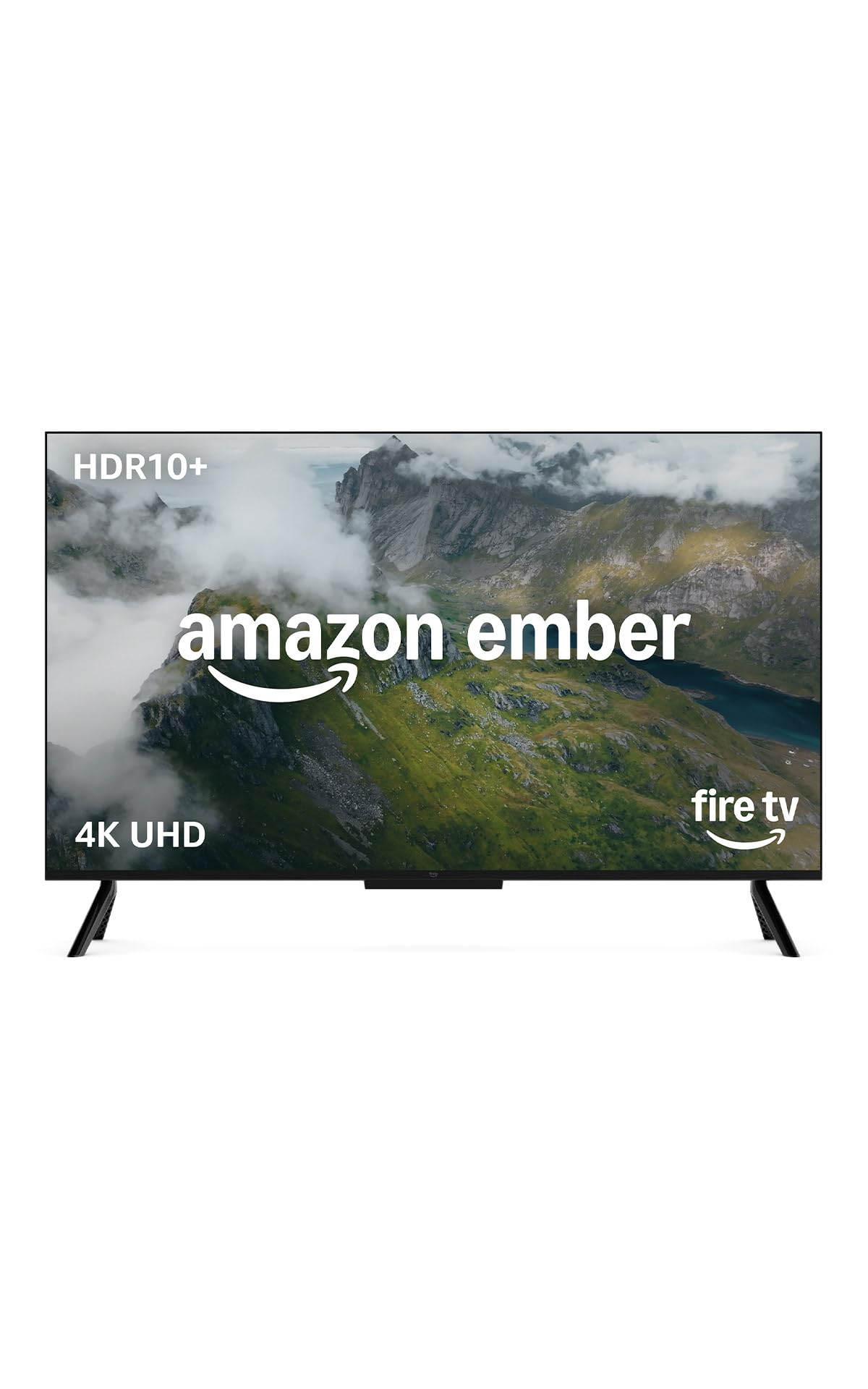
The Amazon Ember 4‑Series is a strong contender for anyone invested in the Alexa/Fire TV ecosystem. It offers 4K Ultra HD with HDR10+ for improved contrast, a fast quad‑core processor, and Wi‑Fi 6 for snappy app loading. The Omnisense technology wakes the display as you enter, adding a touch of convenience.
Picture quality is crisp and bright, with wide viewing angles that hold up well. The built‑in Dolby Audio provides clear sound that’s adequate for casual viewing, though a soundbar will still elevate the experience. The Alexa Voice Remote Enhanced includes preset buttons for popular apps.
Some users note a slight delay when turning off the TV, and the interface includes ads on the home screen, which may bother some. For the price, it’s a very capable HDR TV with a polished smart experience.
Why it’s great
- Fast Fire TV interface
- HDR10+ support
- Great value for the price
Good to know
- Interface has ads
- Minor power‑off delay
- Sound could be fuller
5. Samsung M70H 43” Mini LED
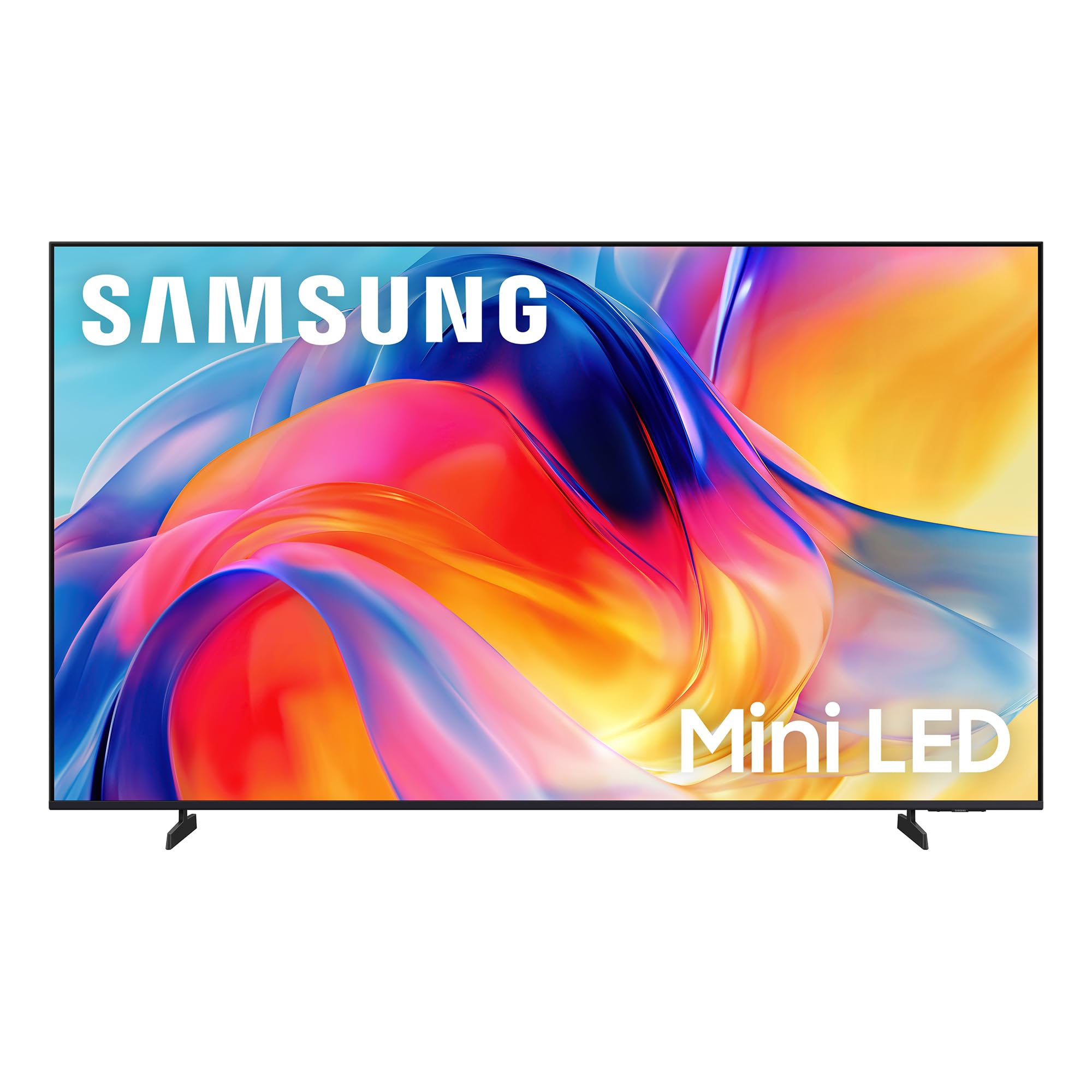
Samsung’s M70H brings Mini‑LED technology to a compact 43‑inch size, offering impressive brightness and contrast that far exceeds typical budget LED TVs. The 4K Processor 4K with Pure Color Spectrum delivers over a billion colors, and the Mini‑LED HDR produces brighter highlights and deeper blacks than traditional HDR.
Motion Xcelerator with DLG 120Hz ensures smooth visuals for sports and gaming, while the Gaming Hub consolidates your cloud and console games. The Samsung TV Plus service provides thousands of free channels, adding value. Color Booster and Soccer Mode enhance specific content types.
Some users find the Samsung Tizen interface less intuitive than Google TV or Roku, and the 20W speakers are underwhelming – external audio is recommended. The remote has received mixed reviews for reliability. For those wanting Mini‑LED quality in a smaller screen, this is a unique option.
Why it’s great
- Mini‑LED contrast and brightness
- Excellent color accuracy
- Great for gaming with 120Hz
Good to know
- Weak built‑in sound
- Interface could be better
- Remote reliability issues reported
6. Samsung 43” QLED Q8F

The Samsung Q8F delivers stunning color performance with its QLED panel and 100% Color Volume, ensuring that over a billion shades remain vivid even in bright scenes. The 4K AI Processor optimizes picture and sound based on content type, while the AirSlim design makes it a sleek addition to any room.
Users rave about the sharp, crisp picture with vibrant colors and deep blacks. The Samsung TV Plus service provides over 2,700 free channels, and the built‑in Alexa adds convenience. Gaming is smooth with VRR support up to 4K 144Hz, making it suitable for next‑gen consoles.
The ultra‑slim remote is difficult to read in low light and can be hypersensitive. The built‑in sound is adequate but a soundbar is recommended for a fuller experience. Wall mounting can be awkward due to the slim profile. Overall, this is a premium QLED experience at a mid‑range price.
Why it’s great
- Superb color volume and brightness
- Slim, attractive design
- Great for gaming and streaming
Good to know
- Remote is small and sensitive
- Sound needs a soundbar
- Wall mounting can be tricky
7. Hisense 55” U6 Mini‑LED (2025)
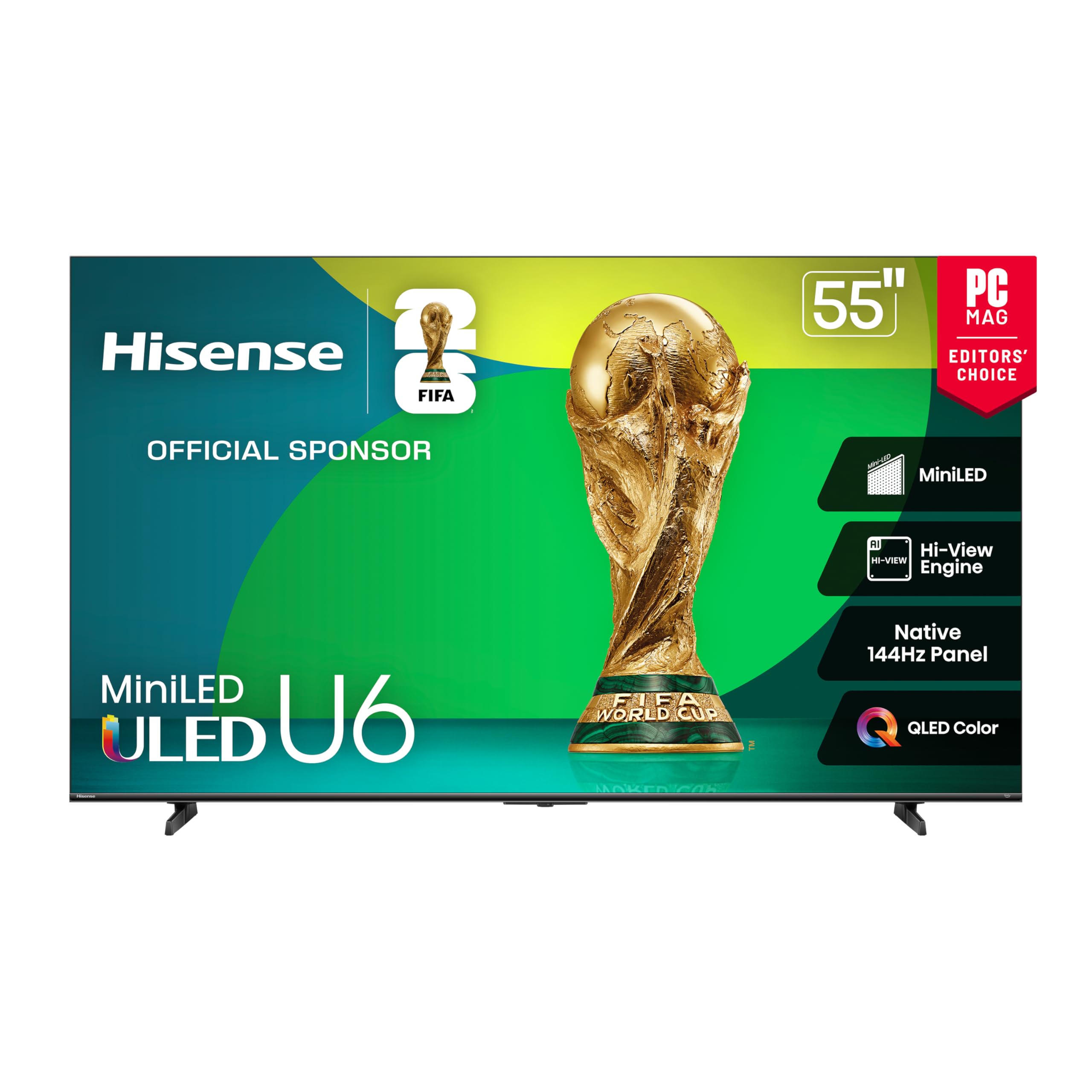
The Hisense U6 is a feature‑packed Mini‑LED TV that punches well above its price class. With up to 1000 nits peak brightness and 600 local dimming zones, it delivers outstanding HDR contrast and highlights. The native 144Hz panel with AMD FreeSync Premium Pro ensures butter‑smooth gaming, and Dolby Vision IQ adapts HDR to room lighting.
The built‑in subwoofer provides surprisingly deep bass, making the sound system one of the best in its category without external speakers. Fire TV integration is snappy, and the Hi‑View AI Engine optimizes picture and audio in real time. QLED quantum dots ensure rich, vibrant colors.
Note that only two of the four HDMI ports support 144Hz and HDMI 2.1. Some users experienced an initial update issue that required a factory reset. The headphone jack may not work on all units. For gamers and movie lovers, this is a top‑tier budget option.
Why it’s great
- Excellent HDR brightness and contrast
- 144Hz gaming with FreeSync
- Built‑in subwoofer
Good to know
- Only 2 HDMI 2.1 ports
- Potential headphone jack issue
- Initial update may need factory reset
8. Sony BRAVIA 2 43” (K‑43S20M2)
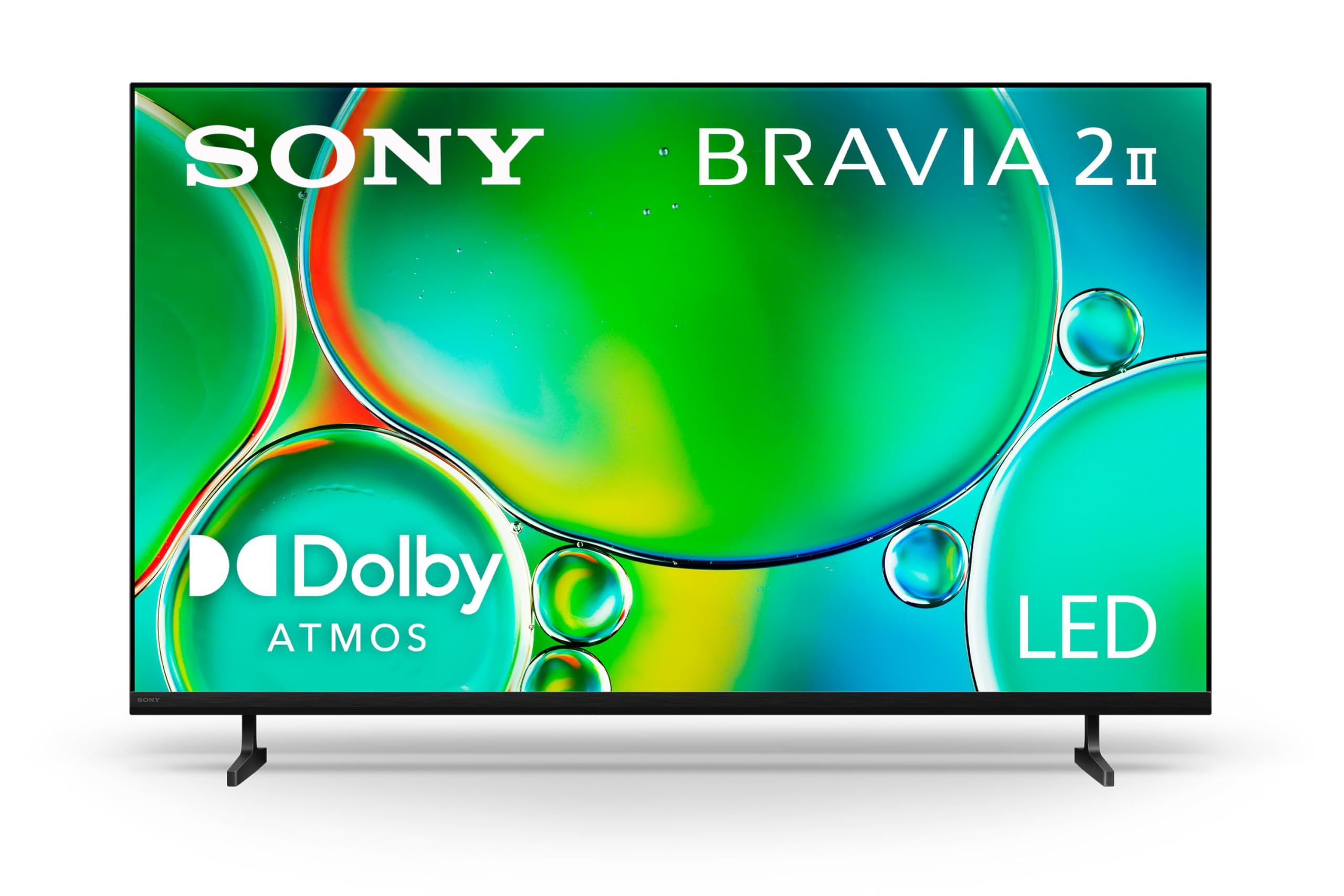
Sony’s BRAVIA 2 is a purpose‑built TV for PlayStation 5 owners, with exclusive features like Auto HDR Tone Mapping and Auto Genre Picture Mode that optimize the gaming experience. The 4K Processor X1 delivers natural, lifelike colors and fine detail. Google TV provides a clean interface with access to all major streaming apps.
The Motionflow XR technology keeps fast‑paced action blur‑free, and the 4K XR‑Reality PRO upscales lower‑resolution content to near‑4K quality. Users consistently praise the picture quality, calling it “fantastic” and “the best bang for your buck.” The Sony Pictures CORE app includes free movies.
Some units have experienced freezing and Wi‑Fi dropouts, though this seems to be a minority. The TV lacks VRR, which may disappoint competitive gamers. The slim remote can be hard to handle for those with larger hands. For PS5 fans, the integration makes it a compelling choice.
Why it’s great
- PS5‑exclusive HDR features
- Excellent upscaling
- Natural, accurate colors
Good to know
- No VRR support
- Occasional freezing reported
- Remote is very slim
9. iFFALCON 65” U85 QD‑Mini LED
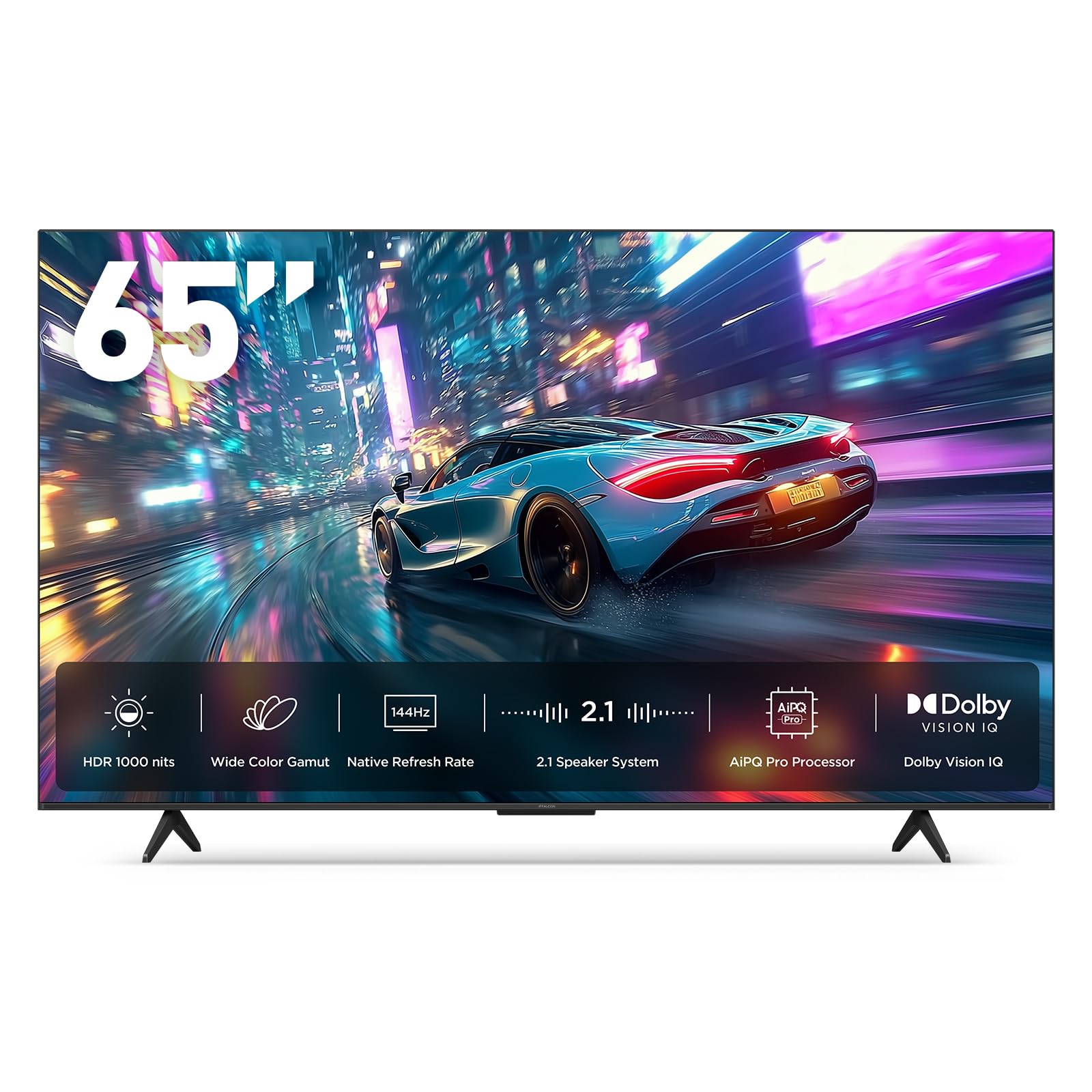
The iFFALCON U85 brings QD‑Mini LED technology to a 65‑inch screen at a price that undercuts most competitors. With 224 local dimming zones, 1000 nits peak brightness, and a 7000:1 contrast ratio, HDR content looks stunning. The AiPQ Pro processor optimizes picture in real time, and Dolby Vision IQ ensures accurate HDR in any lighting.
Gamers will love the 4K 144Hz native refresh rate with FreeSync Premium Pro and Game Mode Pro. The 2.1‑channel 50W sound system with Dolby Atmos and DTS Virtual:X provides immersive audio without an external soundbar. The unibody design is sleek and bezel‑less.
Some users note that the claimed QLED color gamut may not be as wide as true QLED panels, but the picture quality is still excellent. The Google TV interface is responsive, though some may prefer a different platform. For the size and feature set, this is a remarkable value.
Why it’s great
- Excellent HDR contrast with 224 zones
- 144Hz gaming with FreeSync
- Powerful built‑in sound
Good to know
- Color gamut may not be true QLED
- Google TV interface preference
- Large size requires strong mount
10. TCL 65” QM8K Mini‑LED (2025)
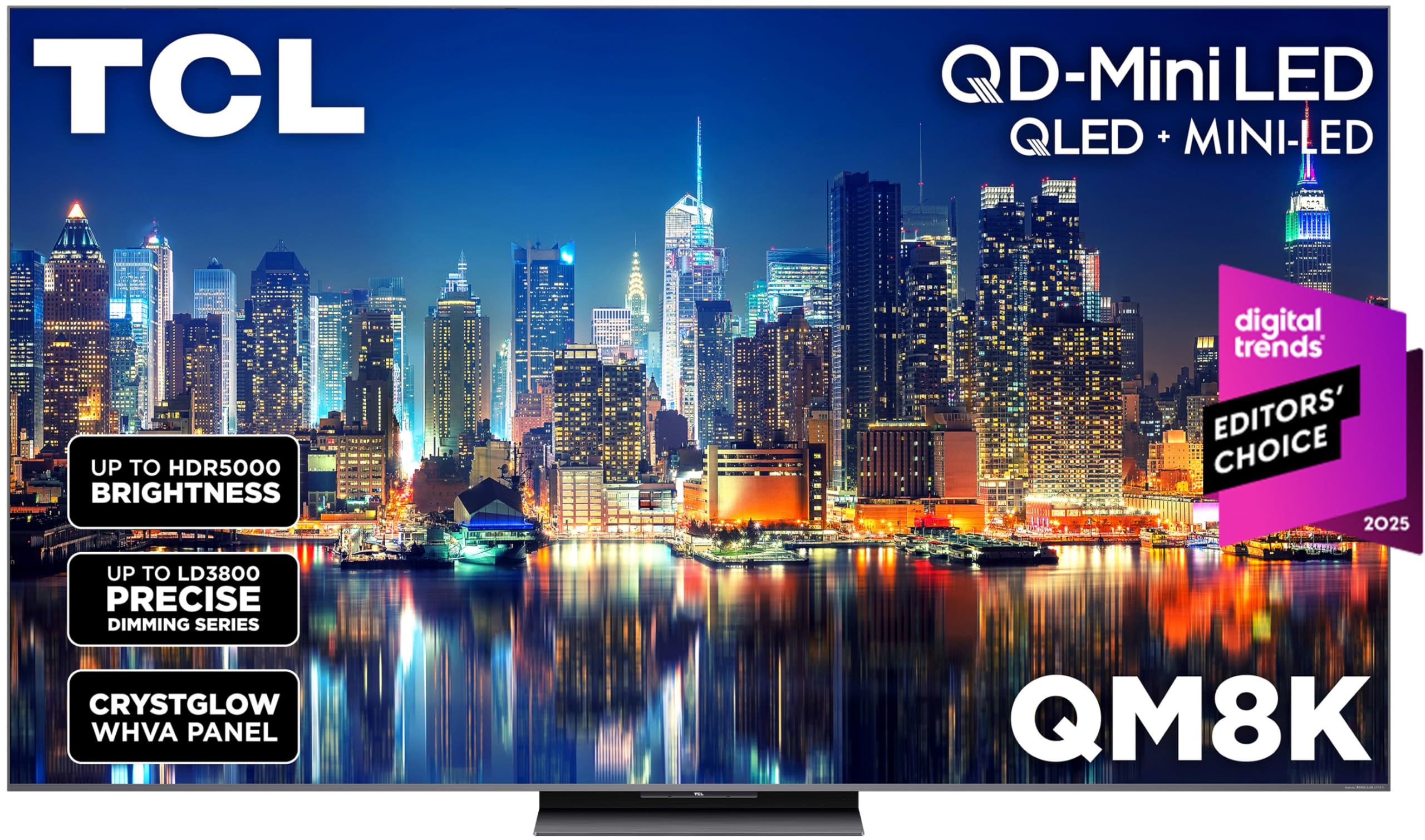
The TCL QM8K is a premium Mini‑LED TV that delivers OLED‑like black levels and extraordinary brightness, thanks to the Halo Control System and CrystGlow WHVA panel. The anti‑reflective coating ensures excellent performance in bright rooms. With 288Hz VRR and Game Accelerator, it’s a beast for competitive gaming.
Reviewers consistently praise the “mind blowing” picture quality and deep blacks. The built‑in Bang & Olufsen audio is among the best you’ll hear from TV speakers. Google TV with a backlit premium voice remote adds convenience. The slim design with minimal bezels looks stunning.
Some users report motion processing issues after firmware updates, causing blur in fast scenes. The Google TV interface can occasionally feel slow. For those seeking near‑OLED HDR without the burn‑in risk, this is a top contender.
Why it’s great
- Stunning HDR brightness and contrast
- Anti‑reflective screen
- Excellent gaming features
Good to know
- Motion processing can be inconsistent
- Google TV may lag occasionally
- Premium price within budget category
11. TCL 98” Q65 QLED (2024)

The TCL Q65 offers a massive 98‑inch screen with QLED color and HDR Pro+ (Dolby Vision, HDR10+) at a price that makes home cinemamore accessible than ever. The 4K UHD resolution with QLED quantum dots delivers vibrant, accurate colors across the DCI-P3 color space. The 120Hz panel (144Hz VRR) ensures smooth motion, while the built‑in subwoofer adds satisfying bass without external speakers.
Users with the 98‑inch version praise the picture quality for the size and price, noting that at typical viewing distances the pixel density is acceptable. The Game Accelerator 240 with ALLM provides responsive gaming, and the Google TV interface offers a wealth of streaming options. The TCL AiPQ Pro Processor intelligently optimizes content.
The sheer size requires a heavy‑duty wall mount and careful installation. At close range, individual pixels are visible. Some users find the Google TV setup process cumbersome. For those with the space and budget for a giant screen, this is an unbeatable value proposition.
Why it’s great
- Massive 98‑inch screen at a breakthrough price
- Good QLED color and HDR support
- Built‑in subwoofer for deeper sound
Good to know
- Very heavy – needs professional installation
- Pixel visibility at close range
- Google TV setup can be tedious
Understanding the Specs
Peak Brightness (Nits)
This is the single most important spec for HDR. A TV needs to hit at least 400–500 nits to produce meaningful HDR highlights. Budget models often hover around 300 nits, which results in a flat HDR image. Look for models that advertise 600+ nits – these will give you the pop and realism HDR is known for. Mini‑LED TVs like the Hisense U6 or TCL QM8K can reach 1000 nits or more, delivering spectacular brightness.
Local Dimming Zones
Local dimming allows the TV to darken specific areas of the screen while keeping others bright, improving contrast. Full‑array local dimming (FALD) with many zones is best, but even a modest number (e.g., 32–64 zones) makes a noticeable difference over edge‑lit or global dimming. Mini‑LED technology enables hundreds of tiny zones for precise control. More zones mean deeper blacks and less halo effect around bright objects.
Panel Technology: LED vs QLED vs Mini‑LED
Standard LED/LCD TVs are the most affordable but often lack the brightness and color volume for great HDR. QLED (quantum dot) panels add a layer of nanocrystals that boost color gamut and brightness – they can display over a billion colors and maintain vibrancy in bright rooms. Mini‑LED takes this further by using thousands of tiny LEDs as the backlight, allowing for more precise local dimming and higher peak brightness. For budget HDR, QLED or Mini‑LED is a worthwhile upgrade.
HDR Formats: HDR10, HDR10+, Dolby Vision
HDR10 is the baseline format supported by all HDR TVs. HDR10+ and Dolby Vision are dynamic formats that adjust brightness and contrast scene‑by‑scene, delivering a superior HDR experience. Dolby Vision is more widely used in streaming and movies, while HDR10+ is common on Amazon Prime and some Samsung TVs. For the best compatibility and quality, look for a TV that supports both Dolby Vision and HDR10+. Some budget models only support HDR10, which is still fine but less impressive.
FAQ
Do I really need Dolby Vision for HDR to look good on a budget TV?
What is the minimum screen size I should consider for HDR?
Can a budget HDR TV handle gaming well?
Final Thoughts: The Verdict
For most people, the best budget hdr tv winner is the VIZIO V‑Series 55” because it offers the best combination of Dolby Vision HDR, modern connectivity (Wi‑Fi 6E), and gaming features at a very accessible price. If you want the absolute best HDR brightness and contrast for movies and gaming, grab the Hisense U6 55” Mini‑LED. And for a giant screen that transforms your living room into a cinema, nothing beats the TCL 98” Q65 QLED.

Mo Maruf
I created WellFizz to bridge the gap between vague wellness advice and actionable solutions. My mission is simple: to decode the research and give you practical tools you can actually use.
Beyond the data, I am a passionate traveler. I believe that stepping away from the screen to explore new environments is essential for mental clarity and physical vitality.