Our readers keep the lights on and my smoothie glass nicely filled. As an Amazon Associate, I earn from qualifying purchases.
Navigating the camera market with a firm budget can feel restrictive, but it’s actually a powerful filter. It separates the genuinely capable tools from the overpriced hype, forcing you to focus on features that truly impact your photography. The real challenge isn’t finding a camera under two thousand dollars—it’s identifying the one that aligns perfectly with your creative vision without compromising on the core technologies that matter.
I’m Mohammad Maruf — the founder and writer behind WellFizz. My process involves deep market research, analyzing thousands of data points from specifications to long-term user feedback to understand how these tools perform in real-world conditions, not just on paper.
This guide is the result of that meticulous research, designed to cut through the noise and present you with clear, actionable options. After analyzing dozens of models, we’ve identified the top performers that deliver exceptional value in the competitive best camera under category.
How To Choose The Best Camera Under
With so many excellent options, the decision comes down to your primary use case. A fantastic travel camera has different priorities than a workhorse for sports photography. Focus on these core aspects to narrow your search effectively.
Sensor Size: The Foundation of Image Quality
The sensor is the camera’s digital “film.” Larger sensors (Full-Frame) gather more light, yielding better performance in low light, more background blur (bokeh), and wider dynamic range. APS-C and Micro Four Thirds sensors are smaller but offer a fantastic balance of quality and compactness, often with more affordable lens ecosystems. Your choice here dictates the size of your gear and your potential image quality ceiling.
Autofocus & Speed
Modern mirrorless cameras use sophisticated subject detection (eye, animal, vehicle). For photographing people, pets, or fast action, a reliable and fast autofocus system is non-negotiable. Also, consider the continuous shooting speed (frames per second). If you shoot sports or wildlife, look for a camera that can sustain a high burst rate to capture the decisive moment.
Stabilization and Video Features
In-body image stabilization (IBIS) compensates for hand shake, allowing for sharper handheld photos at slower shutter speeds and smoother video footage without a gimbal. For videographers, look beyond 4K resolution. Check for frame rate options (like 60p for smooth motion), cropping in 4K, audio inputs, and recording time limits, which are crucial for longer takes.
Quick Comparison
On smaller screens, swipe sideways to see the full table.
| Model | Type | Best For | Key Feature | Amazon |
|---|---|---|---|---|
| Canon EOS R7 | Mirrorless (APS-C) | Sports & Action | 32.5MP, 30fps, IBIS | Amazon |
| Nikon Z5 II | Mirrorless (Full-Frame) | All-Round Full-Frame | 24.5MP, 5-Axis VR, 4K Video | Amazon |
| Sony Alpha a6400 | Mirrorless (APS-C) | Travel & Versatility | Real-Time Eye AF, Flip Screen | Amazon |
| FUJIFILM X-T30 III | Mirrorless (APS-C) | Style & Color Science | Film Simulations, Compact Body | Amazon |
| Nikon Z 6II | Mirrorless (Full-Frame) | Hybrid Stills/Video | Dual Card Slots, 4K 60p | Amazon |
| Sony Alpha ZV-E10 | Mirrorless (APS-C) | Vlogging & Content | Product Showcase AF, 4K Oversample | Amazon |
| Canon EOS R100 | Mirrorless (APS-C) | Beginners & Entry-Level | Dual Pixel CMOS AF, Compact | Amazon |
| Panasonic LUMIX G100 | Mirrorless (MFT) | Social Creators | Advanced Microphone, Webcam Ready | Amazon |
| OM SYSTEM Olympus E-M10 IV | Mirrorless (MFT) | Compact Travel | 5-Axis IBIS, Flip-Down Screen | Amazon |
| Nikon Z6 | Mirrorless (Full-Frame) | Value Full-Frame | 24.5MP BSI Sensor, 273-Point AF | Amazon |
| Nikon Z50II Two Lens Kit | Mirrorless (APS-C) | Versatile Kit Starter | Dual Lens Kit, Subject Detection | Amazon |
In‑Depth Reviews
1. Canon EOS R7

The Canon EOS R7 represents a significant leap for APS-C cameras, packing professional-grade features into a mid-range body. Its 32.5-megapixel sensor delivers exceptional detail, while the Dual Pixel CMOS AF II system with subject detection for people, animals, and vehicles offers stunning accuracy and speed, making it a powerhouse for sports and wildlife photography.
Where the R7 truly excels is in its combination of speed and stabilization. It can shoot at a blistering 30 frames per second with the electronic shutter and features a robust 5-axis in-body image stabilization system that works in concert with lens stabilization. This means you can capture sharp, shake-free images even when shooting handheld in challenging light, a feature rarely found in this class.
User feedback consistently praises its intuitive controls, comfortable grip, and impressive battery life that often exceeds expectations. While it’s a body-only option, pairing it with Canon’s RF or adapted EF lenses unlocks its full potential. For photographers who need a fast, reliable, and highly capable camera for action, travel, or general use, the EOS R7 is a compelling and well-rounded choice.
Why it’s great
- Extremely fast and accurate autofocus with advanced subject detection.
- High-resolution sensor combined with excellent in-body stabilization.
- Professional features like dual card slots and a high-capacity buffer.
Good to know
- Sold as a body only, requiring a separate lens purchase.
- 4K 60p video has a slight crop, which is common for APS-C models.
2. Nikon Z5 II
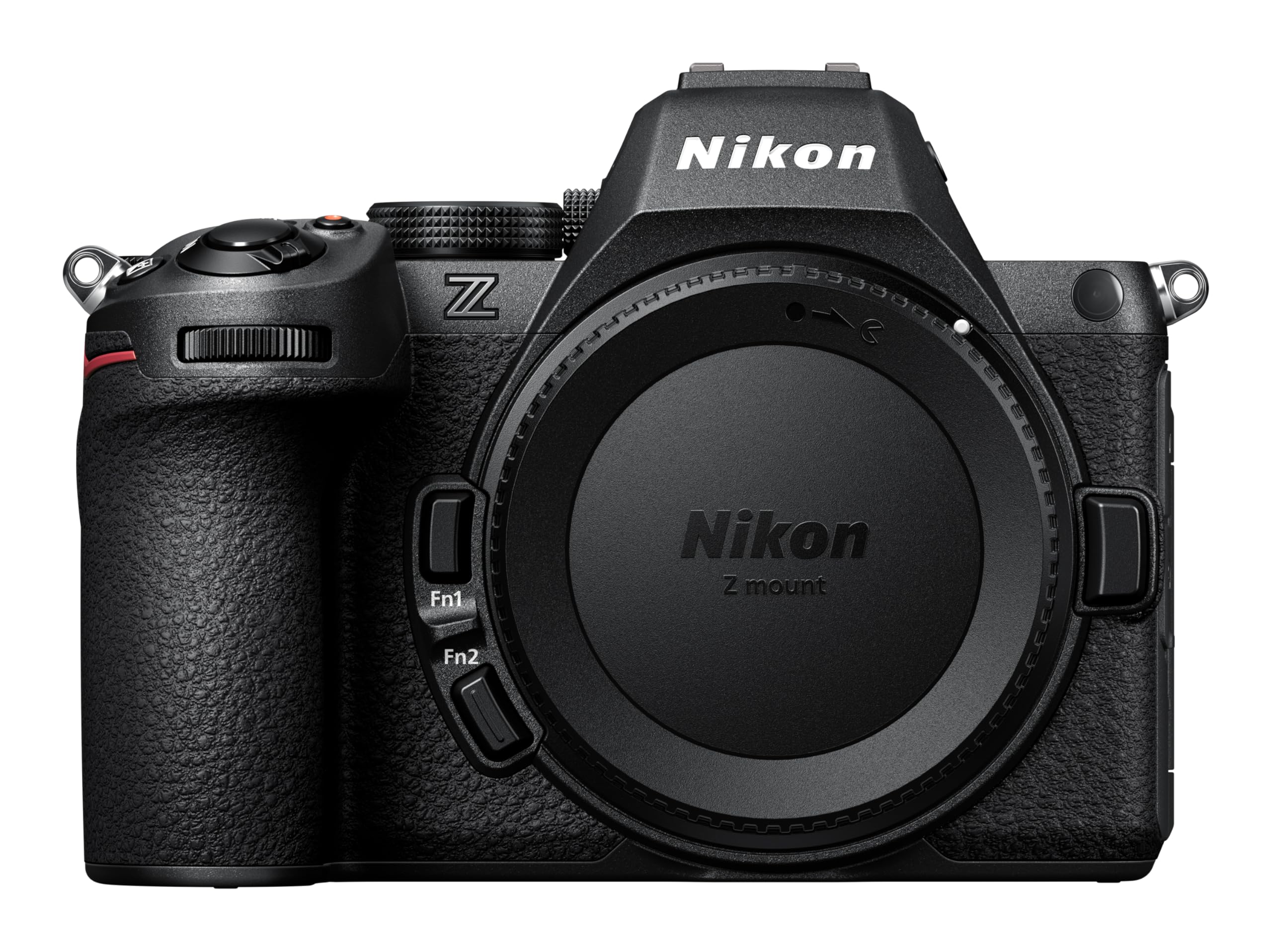
The Nikon Z5 II is a full-frame mirrorless camera that strikes an impressive balance between advanced features and accessibility. Its 24.5-megapixel BSI CMOS sensor provides excellent low-light performance and dynamic range, making it a versatile tool for everything from landscapes to portraits. The inclusion of 5-axis in-camera vibration reduction is a major advantage, giving you stabilization with every lens you mount.
This camera is designed for the photographer ready to step into the full-frame world without a prohibitive investment. It offers 4K UHD video recording with full pixel readout, a high-resolution electronic viewfinder, and a vari-angle touchscreen for flexible composition. The hybrid AF system is fast and reliable, covering a wide area of the frame for confident focus acquisition.
Users transitioning from older Nikon DSLRs report a smooth learning curve and appreciate the familiar menu logic. The Z5 II feels substantial yet comfortable in hand, and its compatibility with the extensive range of Z-mount lenses (and F-mount via an adapter) provides tremendous creative flexibility. It’s a full-frame workhorse that doesn’t cut corners on the essentials.
Why it’s great
- Full-frame image quality with built-in sensor-shift stabilization.
- Robust build and ergonomics with a deep grip for secure handling.
- Comprehensive video features including 4K and slow-motion capture.
Good to know
- Burst shooting speed is more modest compared to dedicated sports cameras.
- The menu system, while logical, can be dense for complete beginners.
3. Sony Alpha a6400

The Sony a6400 remains a benchmark in the mid-range APS-C category, thanks largely to its phenomenal autofocus system. Its Real-Time Eye AF and Tracking technology is exceptionally reliable for both people and animals, ensuring sharp portraits and action shots with minimal effort. This, combined with its compact, rugged body, makes it a favorite among travel and street photographers.
This camera is built for creators who value speed and portability. It features a fast 11 fps continuous shooting rate, a 180-degree flip-up touchscreen ideal for vloggers and self-portraits, and can record high-quality 4K video with full pixel readout and no pixel binning. Its electronic viewfinder is bright and responsive, enhancing the shooting experience in bright sunlight.
Long-term users praise its consistent performance and the vast ecosystem of compact, high-quality E-mount lenses available for it. While it lacks in-body stabilization, many Sony lenses include Optical SteadyShot. For a photographer who wants a powerful, reliable, and incredibly compact tool that excels in autofocus, the a6400 is a proven and highly capable choice.
Why it’s great
- Industry-leading real-time autofocus with eye detection for humans and animals.
- Compact, weather-sealed body perfect for travel and everyday carry.
- Excellent 4K video quality and a versatile flip-up screen for content creation.
Good to know
- Lacks in-body image stabilization (IBIS).
- The menu system can be complex to navigate for new users.
4. FUJIFILM X-T30 III
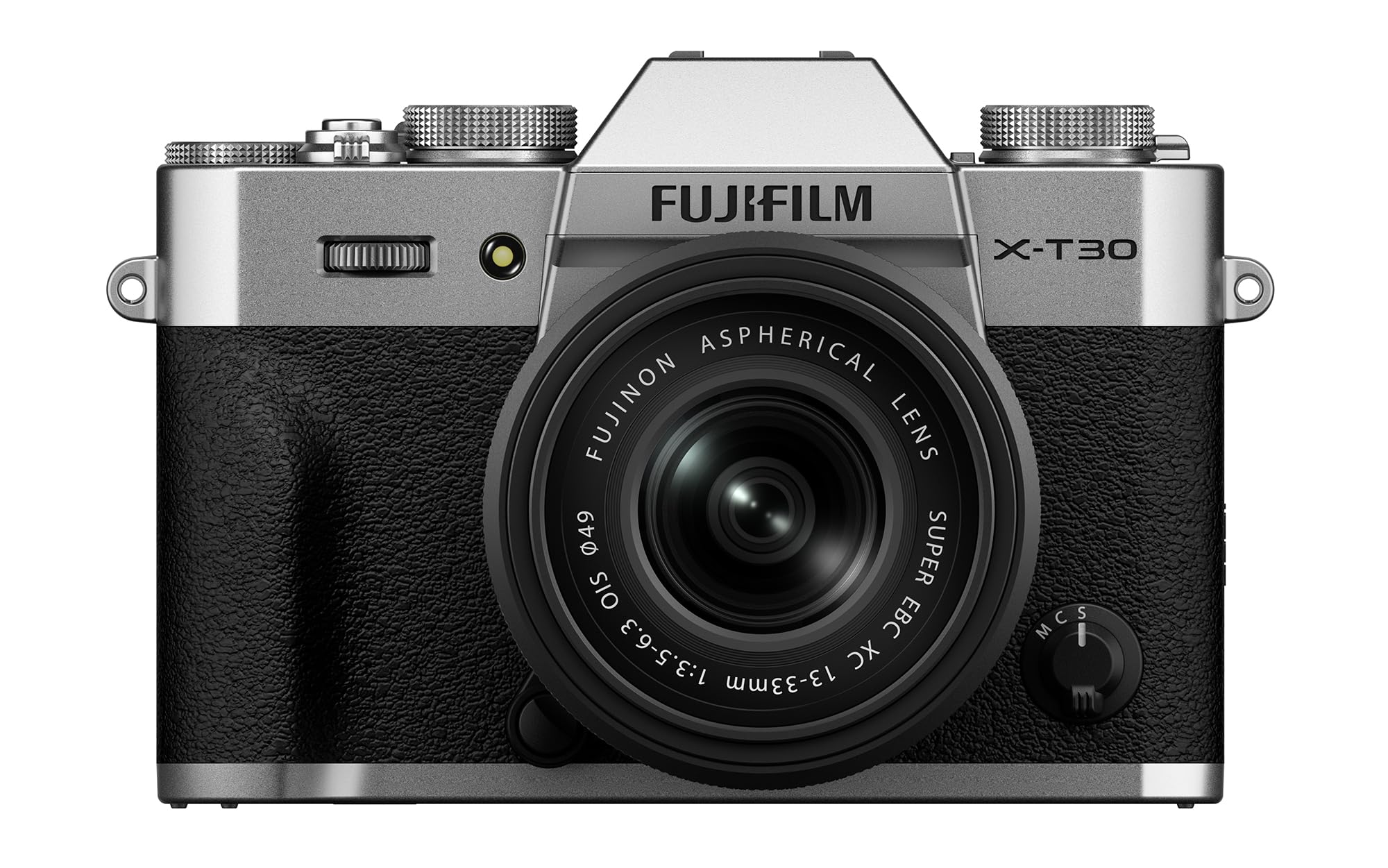
The FUJIFILM X-T30 III marries classic, tactile controls with cutting-edge imaging technology. Its appeal lies heavily in Fujifilm’s renowned color science, offering over 20 built-in Film Simulations that produce stunning JPEGs straight out of the camera, reducing editing time for those who love a timeless, film-like aesthetic. The compact, retro-styled body is both a joy to use and highly portable.
Beyond its looks, it’s a capable performer. It features a 26.1MP APS-C X-Trans CMOS 4 sensor and a fast, AI-powered subject detection autofocus system that can track faces, eyes, and animals. The included XC13-33mm kit lens is surprisingly versatile and compact, making for a perfect walk-around combination. The lack of in-body stabilization is offset by the optical stabilization in many Fujinon lenses.
Users, especially those drawn to street and portrait photography, love the direct control dials for shutter speed, ISO, and exposure compensation. The image quality, particularly the skin tones and color rendition, receives consistent praise. For the photographer who values the experience of shooting as much as the final image, the X-T30 III is a uniquely rewarding tool.
Why it’s great
- Superior color science and film simulations for beautiful JPEGs.
- Compact, lightweight design with intuitive manual control dials.
- Powerful autofocus with AI subject detection in a stylish package.
Good to know
- No in-body image stabilization.
- The rear screen is tilt-only, not fully articulating.
5. Nikon Z 6II

The Nikon Z 6II is a refined, professional-grade full-frame mirrorless camera that excels as a hybrid for both stills and video. Building on the popular Z6, it adds a second EXPEED 6 processor, which boosts performance, increases buffer capacity, and enables features like dual card slots (CFexpress/XQD and UHS-II SD)—a critical addition for working photographers.
Its 24.5MP BSI CMOS sensor delivers exceptional image quality with wide dynamic range and excellent high-ISO performance. For videographers, it offers uncropped 4K UHD video at up to 60p, along with 10-bit N-Log output over HDMI for greater grading flexibility. The in-body 5-axis stabilization system is highly effective for handheld shooting.
This camera is often described as a “lot of bang for the buck” in the full-frame segment. It balances a robust feature set with reliable ergonomics. The kit including the versatile 24-70mm f/4 S lens provides a fantastic starting point for a high-quality all-in-one setup, making it a top choice for enthusiasts and professionals seeking a dependable primary or secondary camera.
Why it’s great
- Professional features like dual card slots and robust build quality.
- Outstanding hybrid capabilities with high-quality 4K 60p video.
- Excellent low-light performance and effective in-body stabilization.
Good to know
- Autofocus, while good, may not match the absolute top-tier subject tracking of some competitors.
- The kit represents a significant but comprehensive investment.
6. Sony Alpha ZV-E10
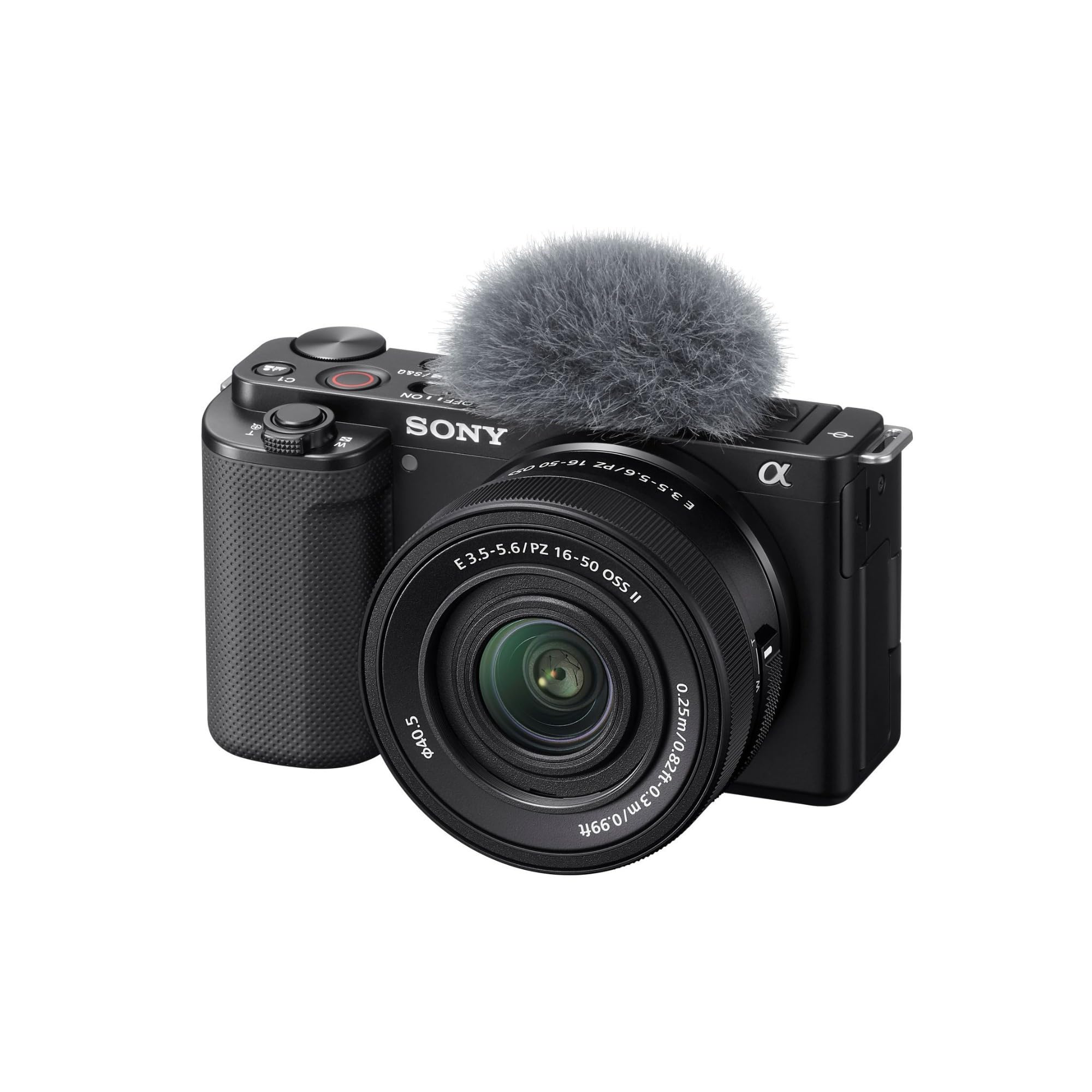
The Sony ZV-E10 is purpose-built for content creators, vloggers, and anyone who prioritizes video and live streaming. It takes the excellent 24.2MP APS-C sensor from Sony’s Alpha series and wraps it in a body designed for on-camera presentation, featuring a fully articulating screen, a high-quality directional microphone, and dedicated buttons for vlogging functions.
Its standout features are incredibly practical for solo creators. The “Product Showcase Setting” allows the camera to instantly switch focus from your face to an object you hold up to the lens. A dedicated “Background Defocus” button blurs the background with one press, creating a professional look instantly. It also offers oversampled 4K video from 6K data for exceptional detail and can function as a high-quality webcam via a single USB cable.
If your primary goal is creating engaging video content for YouTube, social media, or streaming, the ZV-E10 removes many technical barriers. It’s lightweight, easy to use, and includes features that directly solve common creator problems, allowing you to focus on your content rather than your camera settings.
Why it’s great
- Designed for vloggers with a flip-out screen, great mic, and creator-focused features.
- Product Showcase AF and Background Defocus buttons are incredibly useful.
- Easy USB streaming and high-quality oversampled 4K video.
Good to know
- Lacks a viewfinder, which can be challenging in bright outdoor settings.
- No in-body image stabilization (relies on lens OSS or digital stabilization).
7. Canon EOS R100

The Canon EOS R100 is the most accessible entry point into Canon’s mirrorless RF system. It’s designed for beginners making the switch from a smartphone or a first-time camera buyer, offering a straightforward pathway to better image quality. The 24.1MP APS-C sensor and reliable Dual Pixel CMOS autofocus ensure sharp, vibrant photos with minimal fuss.
This camera simplifies the learning process with intelligent Auto modes and a user-friendly interface. The included RF-S 18-45mm lens provides a useful zoom range for everyday shooting, and the entire kit is notably compact and lightweight. It also includes Wi-Fi and Bluetooth for easy sharing to your smartphone via the Canon Camera Connect app.
New photographers appreciate its ease of use and the noticeable jump in quality over phone cameras. While it forgoes some advanced features like a fully articulating screen or uncropped 4K video, it delivers excellent value by focusing on the fundamentals: good image quality, reliable autofocus, and a simple user experience to build confidence.
Good to know
- 4K video is limited to 24fps with a crop.
- Fixed rear screen and no in-body stabilization.
8. Panasonic LUMIX G100

The Panasonic LUMIX G100 is engineered for the modern social creator who values great audio as much as great video. Its standout feature is an advanced, built-in microphone with tracking audio that automatically adjusts directionality to capture clear sound whether you’re indoors, in a crowd, or outdoors. This makes it an exceptional choice for vloggers and interviewers who want to minimize external audio gear.
Based on the Micro Four Thirds system, it’s incredibly compact and benefits from a vast library of small, affordable lenses. It records 4K video and includes helpful features like a frame marker for social media aspect ratios and V-Log L recording for color grading flexibility. The dual-image stabilization combats shake, and it can easily connect to a computer as a high-quality webcam.
Travelers and everyday content creators praise its lightweight design and the overall quality of its output for its size. While its smaller sensor has different characteristics than APS-C or full-frame, it delivers bright, colorful results and excels in portability. For someone who creates content primarily for online platforms and values simplicity and integrated audio, the G100 is a cleverly designed tool.
Why it’s great
- Innovative built-in directional microphone with tracking audio.
- Extremely compact and lightweight Micro Four Thirds system.
- Easy webcam functionality and useful social media framing guides.
Good to know
- Smaller sensor size affects low-light performance compared to larger options.
- 4K video recording has time limits that may interrupt longer takes.
9. OM SYSTEM Olympus E-M10 Mark IV

The OM SYSTEM Olympus E-M10 Mark IV is a quintessential travel camera, pairing a classic, compact rangefinder-style body with surprisingly powerful technology. Its key strength is a highly effective 5-axis in-body image stabilization system that allows for sharp handheld shots in low light, a feature that elevates it above many entry-level options and is invaluable when traveling without a tripod.
It features a 20MP Micro Four Thirds sensor and a flip-down screen that automatically activates a dedicated selfie mode, making it friendly for solo travelers and portrait shooters. The camera is packed with creative features, including 16 Art Filters that can be applied in real-time, offering a fun and immediate way to explore different photographic styles.
Users consistently highlight its perfect size for travel, solid build quality, and the exceptional value of getting IBIS in such an accessible package. While the Micro Four Thirds lens ecosystem is different, it offers many compact, high-quality options. For the photographer who wants a stylish, pocketable camera with pro-level stabilization for adventures, the E-M10 Mark IV is a compelling choice.
Why it’s great
- Excellent 5-axis in-body stabilization in a very compact form factor.
- User-friendly with art filters and a dedicated selfie mode.
- Retro, stylish design that is a pleasure to carry and use.
Good to know
- Connectivity and companion app functionality can be slower than modern standards.
- The flip-down screen can be blocked by a tripod plate.
10. Nikon Z6

The Nikon Z6 is a previous-generation full-frame mirrorless camera that remains a tremendous value proposition. Its core imaging components—a 24.5MP backside-illuminated CMOS sensor and the capable EXPEED 6 processor—deliver image quality that rivals many current models, with excellent dynamic range and low-light performance that photographers rely on for professional work.
It offers robust video features, including 4K UHD recording, and a 273-point hybrid AF system that is fast and accurate for most shooting scenarios. While it lacks the dual card slots of its successor, its single XQD/CFexpress card slot is very fast. The camera body is well-built, ergonomic, and fully compatible with the growing Z-mount lens system and older F-mount lenses via an adapter.
For photographers wanting to step into the Nikon full-frame mirrorless system, the Z6 represents a significant opportunity. It provides the essential full-frame experience—superior image quality, great video, and a professional interface—at a point that leaves room in the budget for quality lenses. It’s a proven workhorse that continues to deliver outstanding results.
Why it’s great
- Pro-level full-frame image quality at an accessible point.
- Strong video capabilities and a reliable autofocus system.
- Solid build and ergonomics with wide lens compatibility.
Good to know
- Has a single card slot (XQD/CFexpress).
- Autofocus tracking for fast action is good but not class-leading.
11. Nikon Z50II Two Lens Kit

The Nikon Z50II kit is an ideal all-in-one solution for a photographer starting out or looking for a complete, versatile system without additional purchases. It bundles the capable Z50II APS-C mirrorless body with two lenses: a wide-angle 16-50mm zoom for everyday shooting and a telephoto 50-250mm zoom for distant subjects, covering an impressive range from landscape to wildlife in one box.
The camera itself features a 20.9MP sensor, reliable subject detection autofocus for people, animals, and vehicles, and 4K UHD video. The compact, collapsible design of the kit lenses makes the entire system highly portable. This setup is designed for exploration, allowing you to learn and shoot in a variety of situations without needing to invest in more gear immediately.
This package is about convenience and flexibility. It provides a clear upgrade path from a smartphone by offering significantly better image quality and creative control, while the two-lens range empowers you to tackle most photographic opportunities you’ll encounter. For a beginner or a traveler who wants a ready-to-go kit, the Z50II two-lens combo is a practical and powerful entry into interchangeable lens photography.
Why it’s great
- Exceptional value with two versatile lenses covering wide to telephoto.
- Compact and portable system perfect for travel and learning.
- Reliable autofocus with subject detection for various scenarios.
Good to know
- Lacks in-body image stabilization (relies on lens-based VR).
- The kit lenses have variable apertures that are slower in low light.
Understanding the Specs
Sensor Size
This is the most critical factor for image quality. Full-Frame sensors offer the best low-light performance and background blur. APS-C sensors provide a great balance of quality and size, often in more affordable systems. Micro Four Thirds sensors are even smaller, enabling ultra-compact cameras and lenses, which is a major advantage for travel.
Autofocus (AF) Performance
Modern mirrorless cameras use on-sensor phase-detection. Look for systems with reliable subject detection (Eye-AF for people/animals) and a high number of focus points covering most of the frame. This ensures your subject stays sharp, whether you’re shooting a portrait, a pet, or a moving athlete.
In-Body Image Stabilization (IBIS)
A sensor that physically moves to counteract camera shake. This allows you to shoot handheld at slower shutter speeds without blur, crucial in low light and for smooth video footage. It’s a feature that adds significant versatility and is worth prioritizing if you shoot often without a tripod.
Video Capabilities
Look beyond “4K.” Check the frame rates (24p, 30p, 60p) for creative options. See if there’s a crop when shooting 4K, as this affects your field of view. Features like Log profiles (for color grading), external microphone inputs, and clean HDMI output are important for serious video work.
FAQ
Is a full-frame camera always better than an APS-C camera under?
What should I prioritize as a beginner buying my first real camera?
How important is in-body image stabilization for photography?
Can I use my old DSLR lenses on these new mirrorless cameras?
Final Thoughts: The Verdict
For most people, the best camera under winner is the Canon EOS R7 because it delivers an unbeatable combination of high-resolution stills, blazing-fast performance, and professional features like IBIS in a versatile APS-C body. If you want the full-frame experience with classic handling, grab the Nikon Z5 II. And for content creators and vloggers who need smart features built-in, nothing beats the purpose-driven design of the Sony ZV-E10.

Mo Maruf
I created WellFizz to bridge the gap between vague wellness advice and actionable solutions. My mission is simple: to decode the research and give you practical tools you can actually use.
Beyond the data, I am a passionate traveler. I believe that stepping away from the screen to explore new environments is essential for mental clarity and physical vitality.