Our readers keep the lights on and my smoothie glass nicely filled. As an Amazon Associate, I earn from qualifying purchases.
Choosing the right activity tracker and heart rate monitor isn’t about finding the most features—it’s about finding the right data to motivate real, sustainable change. The wrong device can leave you with confusing numbers and dead batteries, while the right one becomes a seamless partner in understanding your health.
I’m Mohammad Maruf — the founder and writer behind WellFizz. For over a decade, my work has centered on analyzing the real-world performance data of wellness tech, separating marketing hype from the metrics that actually help you progress.
This guide cuts through the noise, comparing the core specs and user experiences of top models to help you find the perfect match for your active life, ensuring you select the best activity tracker and heart rate monitor.
How To Choose The Best Activity Tracker And Heart Rate Monitor
With options ranging from simple bands to full smartwatches, your decision should hinge on how you intend to use the data. A dedicated athlete needs different insights than someone focused on daily wellness and sleep improvement.
Prioritize Sensor Accuracy for Your Goals
If precise heart rate zones during high-intensity interval training are critical, look for devices with validated optical sensors or consider a dedicated armband monitor. For general wellness, sleep tracking, and daily activity, the optical sensors in most wrist-based trackers are sufficient. Note that wrist-based readings can be less accurate during rapid, irregular movements.
Battery Life vs. Feature Set
Long battery life often comes from simpler displays and fewer always-on sensors. A device boasting multi-week battery likely has a basic screen and takes less frequent heart rate readings. Full-color, always-on displays and continuous GPS use are the biggest power drains. Decide if you prefer charging weekly or are willing to charge nightly for a more featured experience.
The Smartwatch vs. Fitness Tracker Divide
True smartwatches offer deep smartphone integration, apps, and contactless payments. Fitness trackers focus purely on health metrics, often with longer battery. Your choice depends on whether you want a standalone wrist computer or a dedicated health tool that quietly does its job.
Quick Comparison
On smaller screens, swipe sideways to see the full table.
| Model | Type | Best For | Key Feature | Amazon |
|---|---|---|---|---|
| Amazfit Active 2 | Smartwatch | All-Rounder with GPS | Built-in GPS & Maps | Amazon |
| Fitbit Charge 6 | Fitness Tracker | Google Ecosystem Users | Google Apps & Gym Equipment Sync | Amazon |
| Apple Watch Series 11 | Smartwatch | iPhone Users & Health Depth | Comprehensive Health Suite (ECG, Vitals) | Amazon |
| Samsung Galaxy Watch 7 | Smartwatch | Android Users & AI Insights | Galaxy AI Energy Score | Amazon |
| Google Pixel Watch 4 | Smartwatch | Pixel Users & Fitbit Integration | Gemini AI, Dual-Frequency GPS | Amazon |
| Fitbit Inspire 3 | Fitness Tracker | Simple, Lightweight Tracking | 10-Day Battery, Slim Profile | Amazon |
| Xiaomi Mi Smart Band 10 | Fitness Band | Maximum Value | 21-Day Battery, Bright AMOLED | Amazon |
| Amazfit Band 7 | Fitness Band | Long Battery with Alexa | 18-Day Battery, Alexa Built-in | Amazon |
| Scosche Rhythm+ 2.0 | Armband Monitor | Workout Accuracy | Optical Armband for Precise HR | Amazon |
| MorePro Fitness Tracker | Fitness Watch | Budget Health Metrics | Blood Oxygen & BP Monitoring | Amazon |
| COLMI R02 Smart Ring | Smart Ring | Discreet All-Day Wear | Ring Form Factor, No Subscription | Amazon |
In‑Depth Reviews
1. Amazfit Active 2 Sport Smart Watch

The Amazfit Active 2 strikes a remarkable balance, offering premium features typically found in more expensive watches at a mid-range point. Its standout capability is the independent built-in GPS with downloadable maps, freeing you from your phone on runs and hikes. The stainless steel build and bright AMOLED screen give it a polished look that works from the gym to daily life.
Battery performance is a key strength, consistently delivering close to the advertised ten days of use, which includes regular heart rate monitoring and notification checks. The Zepp OS platform is snappy and, crucially, doesn’t lock advanced health insights behind a recurring subscription fee, providing exceptional long-term value.
Reviewers highlight its accuracy for cycling and outdoor activities, with the GPS quickly acquiring a signal and tracking routes reliably. While the voice assistant and call features are functional, the core athletic and health tracking is where this watch genuinely excels, making it a versatile hub for the dedicated enthusiast.
Why it’s great
- True standalone GPS with navigation maps included.
- Excellent multi-day battery life without sacrificing a quality display.
- No mandatory subscription for full health data access.
- Durable, premium construction with a water-resistant design.
Good to know
- The included sport band is very basic; you may want to upgrade.
- Some users report the vibration motor could be stronger for alerts.
- Initial setup and feature discovery can be slightly confusing.
2. Fitbit Charge 6 Fitness Tracker

The Fitbit Charge 6 represents the pinnacle of the fitness tracker form factor, packing advanced health sensors and smart integrations into a slim, comfortable band. Its unique selling point is seamless integration with the Google ecosystem, including YouTube Music controls, Google Maps navigation on your wrist, and Google Wallet for payments.
A standout feature for gym-goers is the ability to sync your heart rate to compatible cardio machines, letting you see your real-time stats on the treadmill or elliptical display. The sensor package is robust, providing detailed Sleep Scores, Stress Management metrics, and an ECG app for heart rhythm assessment. The included six-month Premium membership offers deeper analytics and guided programs.
Users upgrading from older Fitbits appreciate the improved battery life, which reliably lasts nearly a week, and the addition of a physical button for easier navigation. It retains the excellent Fitbit app experience, which is one of the most user-friendly and motivational platforms for tracking long-term health trends.
Why it’s great
- Direct heart rate sync with gym equipment is incredibly convenient.
- Tight integration with Google apps (Maps, Wallet, YouTube Music).
- Comprehensive health metrics with a user-friendly app.
- Slim, comfortable design ideal for 24/7 wear.
Good to know
- iPhone users cannot reply to messages from the device.
- The built-in GPS is known to significantly reduce battery life.
- Some data insights require a Premium subscription after the trial.
3. Apple Watch Series 11
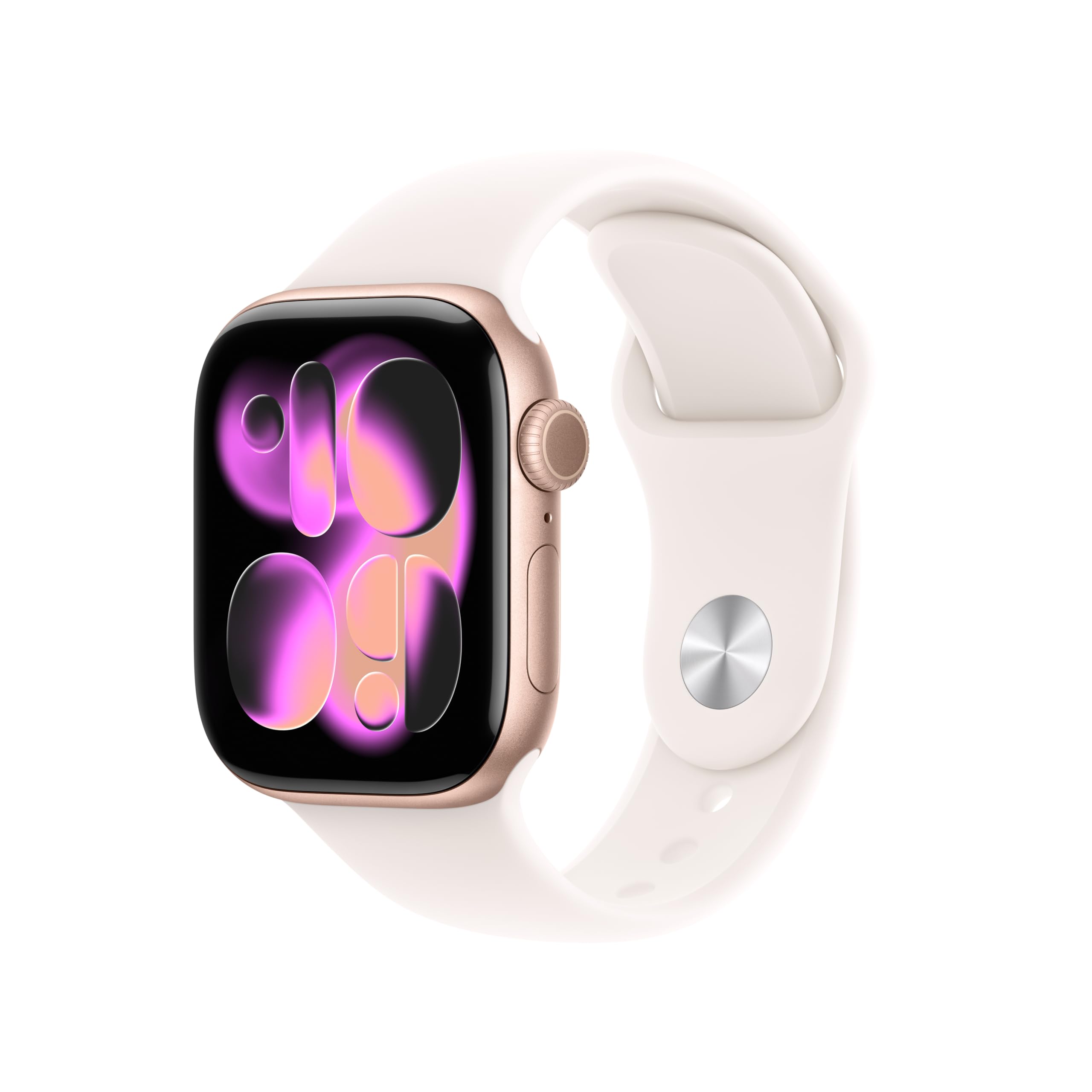
For iPhone users, the Apple Watch Series 11 is the definitive choice, offering an unmatched depth of health monitoring and seamless ecosystem integration. It’s more than a fitness tracker; it’s a health guardian with FDA-cleared features like ECG, blood oxygen sensing, and notifications for irregular rhythm, high/low heart rate, and even signs of hypertension.
The latest generation sees a significant boost in battery life, comfortably achieving a full day of use with the always-on display enabled and even lasting into a second day with lighter use. The new Vitals app provides a quick-glance overview of key overnight metrics, while the scratch-resistant screen and durable build ensure it can keep up with an active lifestyle.
Fitness tracking is deeply integrated with Apple Fitness+, and features like Pacer and Heart Rate Zones provide professional-grade workout insights. While it requires daily charging, the fast-charging capability mitigates this, and the sheer breadth of health, safety, and connectivity features justifies its premium position.
Why it’s great
- The most advanced health sensor suite available on a smartwatch.
- Perfect, seamless integration with the iPhone and Apple services.
- Improved battery life and fast charging ease the daily charge routine.
- Robust safety features like fall/crash detection and Emergency SOS.
Good to know
- Requires nightly or every-other-night charging.
- The premium experience comes at a high cost.
- Functionality is largely limited to the Apple ecosystem.
4. Samsung Galaxy Watch 7

The Samsung Galaxy Watch 7 is a stylish and powerful Android-compatible smartwatch that leverages Galaxy AI to provide personalized health insights. Its flagship feature is the Energy Score, which uses your previous day’s activity, sleep, and heart rate data to estimate your physical readiness for the day ahead, helping you plan workouts or recovery.
The watch itself is thin and lightweight, making it exceptionally comfortable for continuous wear, including during sleep. The improved heart rate sensor uses AI to filter out motion artifact, promising greater accuracy during exercise. Integration with the Samsung Health app and Google services (like Google Pay and Google Assistant) is smooth and comprehensive.
Users praise the vibrant, always-on display and the snappy performance. The sleep tracking includes advanced detection for signs of sleep apnea. The main trade-off is battery life, which typically lasts around two days with full features enabled, necessitating a regular charging habit.
Why it’s great
- AI-powered Energy Score provides unique, actionable daily readiness.
- Sleek, comfortable design that doesn’t look or feel bulky.
- Excellent integration with both Samsung Health and Google ecosystems.
- Bright, beautiful display that’s easy to read in any light.
Good to know
- Battery life is limited to about 1-2 days with all features active.
- Lacks built-in GPS, relying on a connected phone for route tracking.
- The screen lock feature can be overly sensitive during payments.
5. Google Pixel Watch 4

The Google Pixel Watch 4 is the ultimate expression of Google’s wearable vision, combining elegant design with powerful Fitbit health tracking and the new Gemini AI assistant. Its standout technical feature is the dual-frequency GPS, which provides superior accuracy for tracking runs and hikes in challenging urban or wooded environments.
Health monitoring is comprehensive, leveraging Fitbit’s expertise for heart rate, sleep, and SpO2 tracking, all viewable in a unified app. The 30-hour battery life is a solid improvement, and the new side-charging dock offers incredibly fast top-ups. The domed Actua display is brighter and larger than previous models, making interactions a pleasure.
For Pixel phone users, the experience is seamless, with features like camera control and Nest device viewing. The built-in Gemini AI allows for natural language queries and AI-powered quick replies to messages. It’s a full-featured smartwatch that doesn’t compromise on fitness tracking credentials.
Why it’s great
- Best-in-class GPS accuracy with dual-frequency technology.
- Tight integration of Google’s Gemini AI and Fitbit’s health platform.
- Fast charging provides hours of use in minutes.
- Beautiful, durable design with a domed sapphire glass display.
Good to know
- The included silicone band is often criticized for quality.
- Battery life, while improved, still requires near-daily charging.
- The rotating crown can be accidentally pressed during workouts.
6. Fitbit Inspire 3 Health & Fitness Tracker

The Fitbit Inspire 3 proves that you don’t need a large screen or smartwatch features to get excellent core health tracking. Its super lightweight and slim design makes it almost unnoticeable on the wrist, ideal for 24/7 wear, including sleep. The color touchscreen, though small, is bright and perfectly adequate for checking stats and notifications.
Battery life is a major strength, consistently delivering up to ten days on a single charge, which reduces charging hassle significantly. It tracks all the essentials: 24/7 heart rate, sleep stages, Active Zone Minutes, and over 20 exercise modes automatically. It also includes helpful wellness tools like a Stress Management Score and relaxation breathing sessions.
This tracker is for those who want the reliable Fitbit ecosystem and app experience without the complexity or cost of a more advanced device. It focuses purely on health metrics, doing that job very well with impressive stamina.
Why it’s great
- Extremely lightweight and comfortable for constant wear.
- Honest, multi-day battery life that reduces charging frequency.
- Access to Fitbit’s excellent app and motivational tools.
- Automatic exercise and sleep tracking work reliably.
Good to know
- The proprietary charger can wear out over time.
- The small screen isn’t ideal for interacting with notifications.
- Some advanced metrics require a Fitbit Premium subscription.
7. XIAOMI Mi Smart Band 10
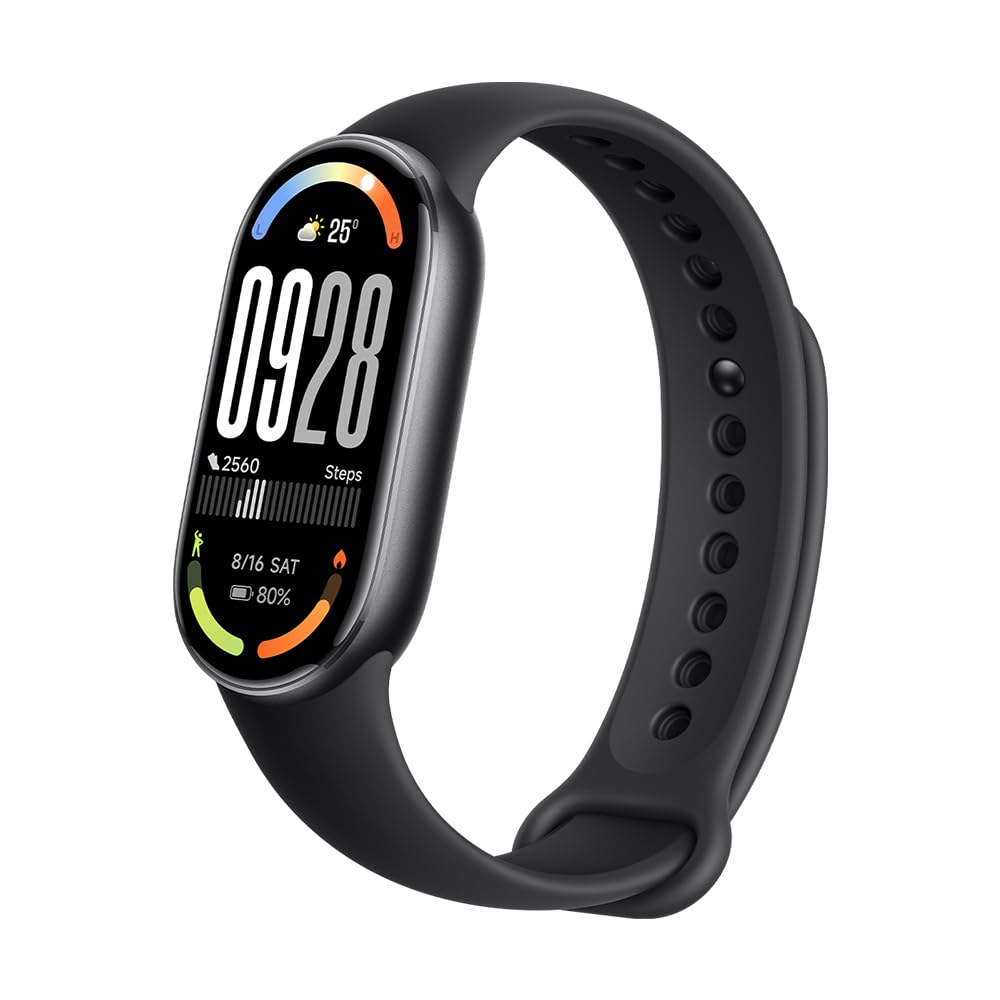
The Xiaomi Mi Smart Band 10 delivers an astonishing amount of technology for its price, headlined by a massive 1.72-inch AMOLED display that rivals screens on much more expensive wearables. With 1500 nits of brightness, it’s perfectly readable in direct sunlight. The 21-day battery life claim is remarkably close to reality, even with regular use.
It runs on the smooth HyperOS and provides comprehensive health tracking, including heart rate, blood oxygen, stress, and detailed sleep analysis with sleep staging. Over 100 sports modes cover virtually any activity. For swimmers, the new electronic compass offers improved direction tracking in the pool.
This band is the definition of value, offering premium display quality and core tracking features that compete with devices twice its cost. It’s an ideal entry point into health tracking or a superb low-fuss option for anyone who wants great battery and a clear screen.
Why it’s great
- Exceptional, bright AMOLED display at an entry-level cost.
- Class-leading multi-week battery life.
- Accurate core health tracking for heart rate and sleep.
- Lightweight, waterproof design suitable for all-day and swim use.
Good to know
- The companion app primarily uses the metric system.
- The screen, while beautiful, can scratch easily without a protector.
- Smart features are limited compared to a full smartwatch.
8. Amazfit Band 7 Activity Fitness Tracker

The Amazfit Band 7 focuses on delivering extended battery life and useful smart features in a traditional band form factor. Its 1.47-inch AMOLED display is spacious for a band, and battery life routinely reaches two weeks on a single charge, minimizing downtime. The inclusion of Amazon Alexa allows for voice-controlled timers, smart home commands, and questions directly from your wrist.
It covers all the fundamental tracking bases with 24/7 heart rate, SpO2, stress monitoring, and sleep tracking across stages. With 120 sports modes and 5 ATM water resistance, it’s ready for most workouts and swims. The Zepp app provides detailed historical data without any subscription walls.
This band is perfect for those who want long battery life, a clear display, and the convenience of a voice assistant without stepping up to a full smartwatch price tag. It’s a reliable workhorse that efficiently handles daily tracking duties.
Why it’s great
- Outstanding battery life that lasts for weeks.
- Useful Amazon Alexa integration for hands-free help.
- Large, vibrant display for a fitness band.
- Strong water resistance for swimming and water sports.
Good to know
- The band clasp mechanism can sometimes feel less secure.
- Screen visibility in direct, bright sunlight can be challenging.
- There is no physical power/function button.
9. Scosche Rhythm+ 2.0 Heart Rate Monitor Armband

The Scosche Rhythm+ 2.0 is a specialized tool for athletes who demand the highest heart rate accuracy during dynamic movement. Worn on the forearm or upper arm, its optical sensor avoids the motion artifacts that commonly plague wrist-based monitors during activities like weightlifting, rowing, or cycling. It pairs seamlessly via Bluetooth or ANT+ to watches, bikes, and gym equipment.
A unique feature is its ability to stream raw RR interval data to advanced HRV apps like HRV4Training, providing deep insights into recovery and daily stress. The 24-hour battery life supports multiple long training sessions, and the IP68 rating means it can handle heavy sweat and rain with ease.
This device isn’t a daily tracker but a performance instrument. For anyone serious about training with precise heart rate zones or who finds chest straps uncomfortable, this armband is an excellent alternative that delivers clinical-grade data during exercise.
Why it’s great
- Superior heart rate accuracy during intense, varied movement.
- Comfortable forearm placement avoids restrictive chest straps.
- Dual Bluetooth & ANT+ connectivity for broad compatibility.
- Provides HRV/RRi data for advanced recovery analysis.
Good to know
- Requires a tight, secure fit for accurate readings.
- It is a dedicated workout tool, not an all-day tracker.
- Uses a proprietary magnetic charging cable.
10. MorePro Fitness Tracker
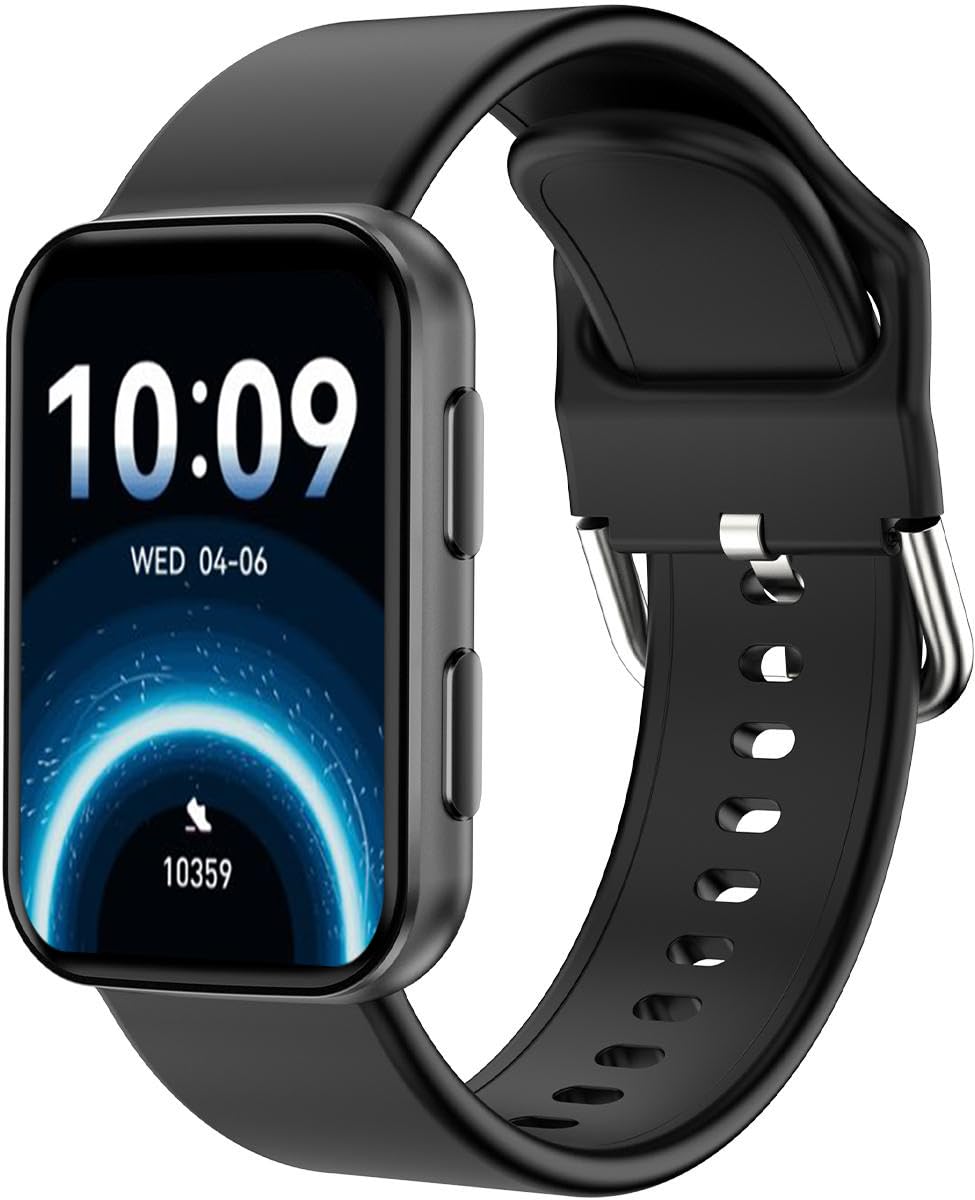
The MorePro tracker is an entry-level device that ambitiously includes health monitoring features like blood oxygen (SpO2) and blood pressure estimation, which are rare at this point. It offers a large, customizable color touchscreen and a week-long battery life, presenting a full package for the budget-conscious user.
It functions well as a basic activity and sleep tracker, with over 120 sport modes and call/message notifications. The inclusion of two band styles (nylon and silicone) adds versatility. For those curious about broader health metrics without a significant investment, it provides a starting point for tracking trends.
It’s important to note that the blood pressure feature is an estimation and should not be used for medical diagnosis. Accuracy on these advanced sensors can vary, but for general wellness trend observation and core fitness tracking, it represents strong value.
Why it’s great
- Offers SpO2 and blood pressure estimation at an accessible price.
11. COLMI R02 Smart Ring
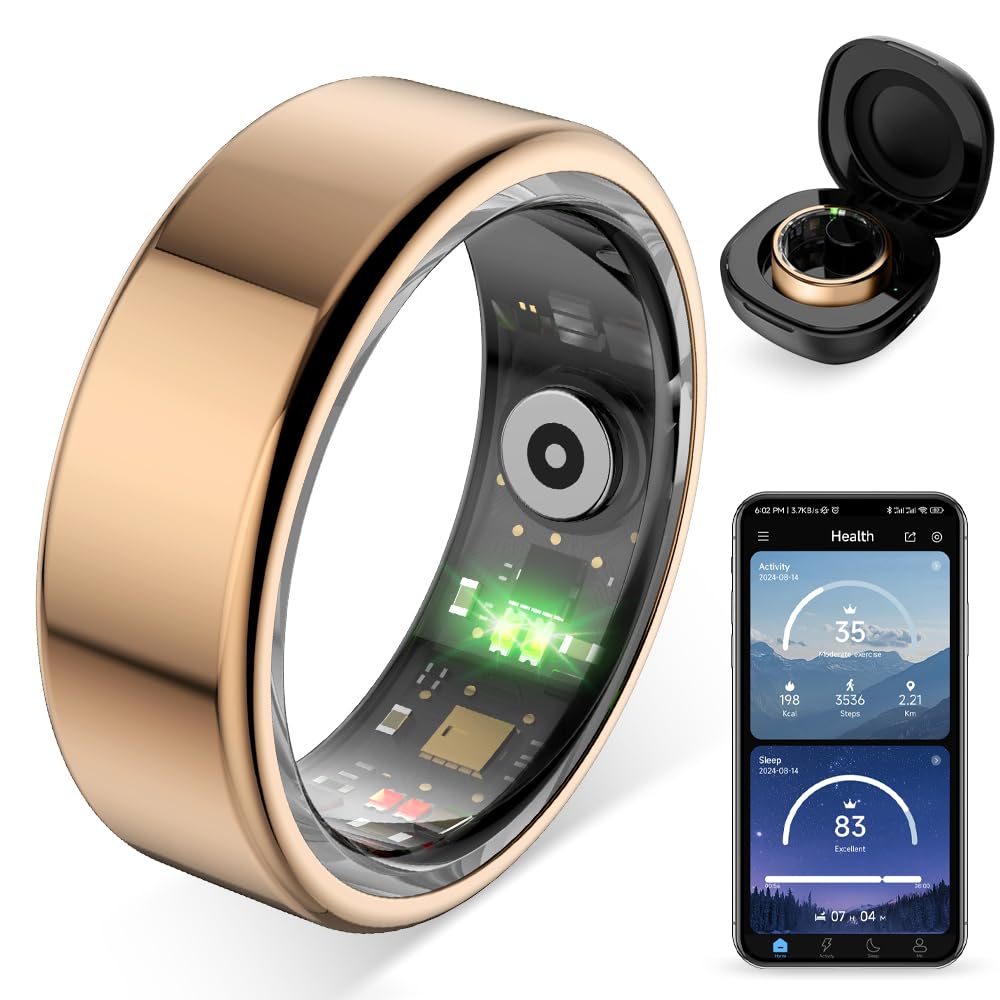
The COLMI R02 offers a fundamentally different approach by embedding sensors in a ring, providing an ultra-discreet way to track health metrics 24/7 without a wrist device. It’s ideal for those who find watches uncomfortable, work in environments where a watch isn’t practical, or simply prefer minimalist jewelry. The included portable charging case makes power management convenient.
It tracks the essentials: heart rate, sleep patterns, steps, and estimated calories. A notable advantage is the lack of any app subscription fee, so all your data is accessible without ongoing costs. The ring itself is lightweight and available in several finishes, like Rose Gold, making it a stylish accessory.
Accuracy for a device in this form factor is reasonable for trend observation, though it may not match medical-grade devices. It’s a compelling option for continuous, unobtrusive wear that focuses on basic health tracking and sleep analysis without the distraction of a screen on your wrist.
Why it’s great
- Extremely discreet and comfortable for 24/7 wear, even during sleep.
- No monthly subscription fees to access your data.
- Portable charging case extends usability on the go.
- Acts as a remote shutter for your phone’s camera.
Good to know
- Requires very careful sizing for accurate readings and comfort.
- The companion app is basic and the data depth is limited.
- Sensor accuracy, especially for heart rate during activity, can vary.
Understanding the Specs
Decoding the technical jargon helps you match a device’s capabilities to your personal needs. Here’s what key terms really mean for your daily use.
Optical vs. Electrical Heart Rate
Optical heart rate (OHR) uses LED light to measure blood flow under your skin. It’s convenient and good for all-day trends but can lag during rapid intensity changes. Electrical heart rate (ECG/ EKG) measures the heart’s electrical activity, like a medical ECG, for spot-check accuracy and atrial fibrillation detection. Most devices use OHR; only a few premium models include ECG.
GPS Types: Connected vs. Built-in
Connected GPS uses your phone’s GPS to map routes, saving device battery but requiring you to carry your phone. Built-in GPS has a satellite receiver in the device itself for independent tracking, essential for runners and hikers who leave their phone behind. Dual-Frequency GPS (like in the Pixel Watch 4) uses two satellite signals for superior accuracy in cities or under tree cover.
Water Resistance Ratings
IP68 means dust-tight and protected against immersion in water (depth specified by manufacturer, often ~1.5m for 30 mins). 5 ATM or 50m means suitable for swimming and showering, but not for high-velocity water (like diving). Always check the manufacturer’s guidelines for specific water activities.
Battery Life Realities
Advertised battery life is a best-case scenario with minimal features. Using always-on display, continuous GPS, or frequent SpO2 measurements can cut battery life by 50% or more. Consider how often you’re willing to charge: multi-week batteries offer convenience, while daily charging enables more advanced smartwatch features.
FAQ
Which is more accurate, a wrist tracker or a chest strap?
Do I need a subscription to use my fitness tracker?
Can fitness trackers accurately measure blood pressure?
How do I improve the accuracy of my heart rate readings?
Final Thoughts: The Verdict
For most people, the activity tracker and heart rate monitor winner is the Amazfit Active 2 because it delivers premium features like built-in GPS, excellent battery life, and a robust app without a subscription at a mid-range point. If you want deep health insights and seamless iPhone integration, grab the Apple Watch Series 11. And for unbeatable value and battery life in a simple band, nothing beats the Xiaomi Mi Smart Band 10.

Mo Maruf
I created WellFizz to bridge the gap between vague wellness advice and actionable solutions. My mission is simple: to decode the research and give you practical tools you can actually use.
Beyond the data, I am a passionate traveler. I believe that stepping away from the screen to explore new environments is essential for mental clarity and physical vitality.