Our readers keep the lights on and my smoothie glass nicely filled. As an Amazon Associate, I earn from qualifying purchases.
Choosing a watch for atrial fibrillation monitoring isn’t about fancy notifications or step counts; it’s about reliable, medical-grade data that gives you and your doctor a clearer picture of your heart’s rhythm. The wrong device can provide a false sense of security or unnecessary alarm. This guide sifts through the technical specs and user experiences to find wearables that genuinely prioritize heart health monitoring.
I’m Mohammad Maruf — the founder and writer behind WellFizz. My research focuses on analyzing device specifications and aggregated user data to separate marketing claims from verifiable performance in health tracking.
Our analysis compares eleven leading models, from renewed classics to premium health hubs, to help you find a device that fits your lifestyle while providing the critical insights you need for managing best afib watches.
How To Choose The Best Afib Watches
Not all smartwatches are created equal for heart health. While many track heart rate, only specific models have features validated for arrhythmia detection. Your choice should hinge on clinical-grade features, reliable data presentation, and seamless integration into your daily life for consistent monitoring.
Prioritize ECG & Irregular Rhythm Notifications
The cornerstone of AFib monitoring is the electrocardiogram (ECG) app. This feature allows you to take an on-demand, single-lead reading when you feel symptoms. More advanced is the background irregular rhythm notification, which uses the optical heart rate sensor to scan for potential AFib even when you’re not actively taking an ECG. Look for devices that have received clearance from regulatory bodies like the FDA for these features, as it indicates a higher standard of validation.
Evaluate Sensor Accuracy and Comfort
Continuous monitoring relies on the optical heart rate sensor. Its accuracy can be affected by fit, skin tone, and motion. A watch that’s uncomfortable won’t be worn consistently, especially during sleep—a critical time for detecting arrhythmias. Look for devices known for consistent sensor performance and bands made from hypoallergenic, breathable materials suitable for 24/7 wear.
Consider Data Depth and Doctor-Friendly Reports
A great AFib watch does more than just flash a warning. It should provide detailed, shareable reports. Check if the companion app can generate PDF summaries of your ECG readings, heart rate trends, and AFib event logs that you can easily email to your healthcare provider. The value is in the actionable data, not just the alert.
Quick Comparison
On smaller screens, swipe sideways to see the full table.
| Model | Type | Best For | Key Feature | Amazon |
|---|---|---|---|---|
| Apple Watch Series 11 | Smartwatch | iOS users & comprehensive health | FDA-cleared ECG, Sleep Apnea detection | Amazon |
| Garmin Fenix 8 | Multisport GPS | Adventurers & extreme athletes | Solar charging, dive-rated, built-in flashlight | Amazon |
| WHOOP 5.0 | Activity Tracker | Recovery & strain analytics | On-demand ECG, 14-day battery, no screen | Amazon |
| Google Pixel Watch 4 | Smartwatch | Android purists & Google ecosystem | Gemini AI, dual-frequency GPS, fast charge | Amazon |
| Samsung Galaxy Watch 7 | Smartwatch | Samsung phone users & AI insights | Energy Score, sleep apnea detection | Amazon |
| WITHINGS ScanWatch 2 | Hybrid Smartwatch | Discreet, classic look lovers | 30-day battery, analog hands, medical ECG | Amazon |
| Fitbit Sense 2 | Health Smartwatch | Stress management & sleep tracking | EDA sensor for stress, ECG app, 6+ day battery | Amazon |
| Apple Watch Series 9 (Renewed) | Smartwatch | iOS entry with premium features | Double Tap gesture, ECG, Blood Oxygen | Amazon |
| Samsung Galaxy Watch 6 Classic | Smartwatch | Android with rotating bezel | Rotating bezel, ECG, BIA sensor | Amazon |
| Amazfit Active 2 | Fitness Tracker | Long battery & no subscriptions | 10-day battery, 160+ sports modes, free maps | Amazon |
| Samsung Galaxy Watch 6 (Renewed) | Smartwatch | Budget Android smart features | Largest screen, Wear OS, BIA sensor | Amazon |
In‑Depth Reviews
1. Apple Watch Series 11
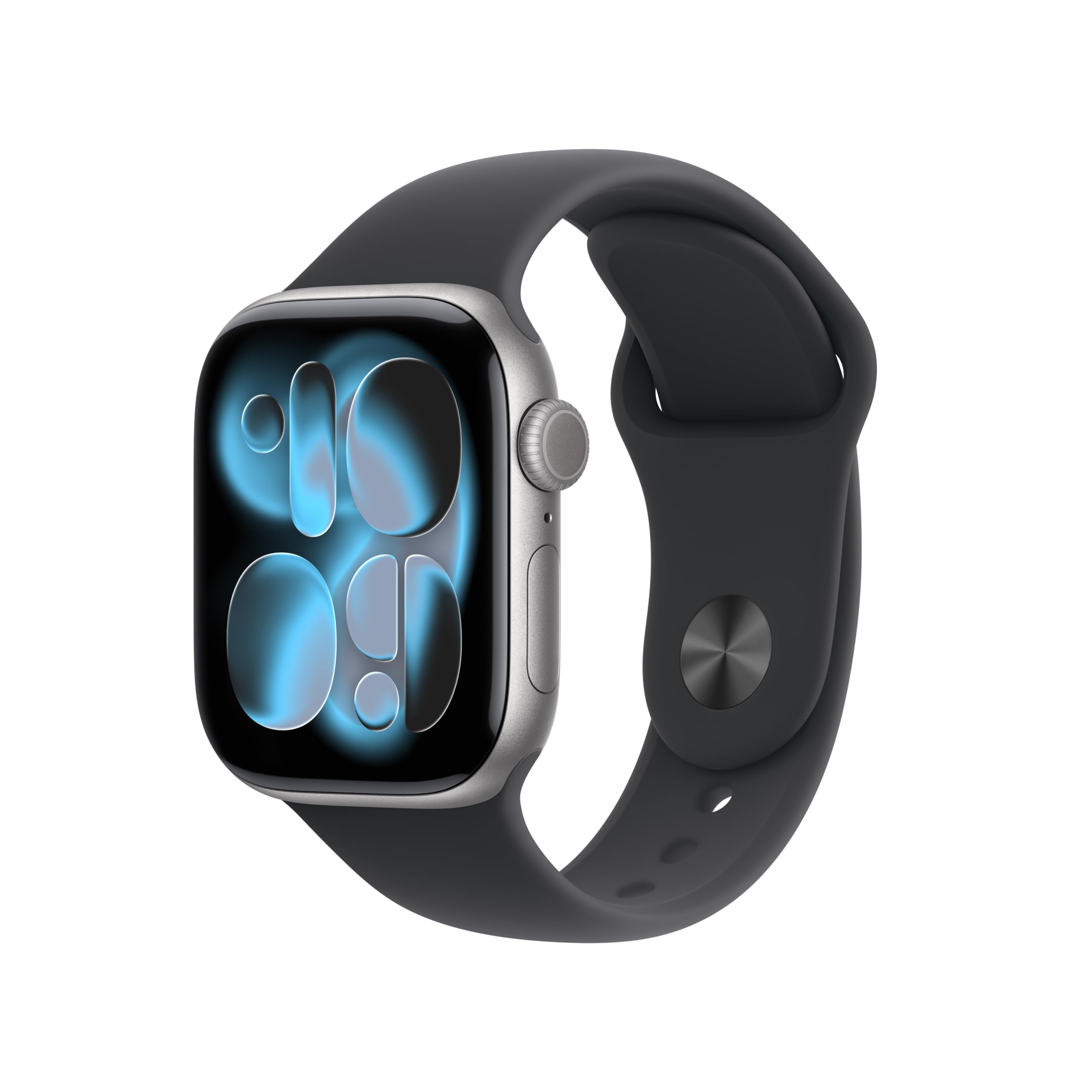
The Apple Watch Series 11 represents the current pinnacle of consumer health wearables, particularly for iPhone users concerned with heart rhythm. It builds upon the proven ECG and irregular rhythm notification features with new capabilities like hypertension notifications and an integrated Sleep Score, providing a more holistic view of cardiovascular wellness. The design is thin and lightweight, encouraging all-day and all-night wear, which is non-negotiable for effective AFib monitoring.
Users consistently praise its seamless integration with the iOS Health app, where data is organized clearly and can be easily shared with physicians. The addition of possible sleep apnea detection adds another layer of proactive health screening, as sleep disorders and AFib are often interconnected. The battery life sees a meaningful boost, supporting up to 24 hours of normal use, which reliably covers a full day of tracking and overnight sleep analysis.
While it sits at a premium level, the Series 11 justifies its position through clinical-grade features, robust app ecosystem, and exceptional sensor accuracy. For someone seeking the most advanced, doctor-friendly health insights within the Apple ecosystem, this is the definitive choice. It transforms a lifestyle device into a powerful, personal health dashboard.
Why it’s great
- Most comprehensive set of FDA-cleared health features (ECG, Afib, sleep apnea).
- Excellent sensor accuracy and seamless data integration with iPhone Health app.
- Improved battery life supports consistent 24/7 wear for monitoring.
- Lightweight, comfortable design ideal for sleeping while wearing.
Good to know
- Exclusively compatible with iPhone, not an option for Android users.
- Premium price point compared to other capable smartwatches.
- Still requires daily charging, unlike some fitness-focused competitors.
2. Garmin Fenix 8
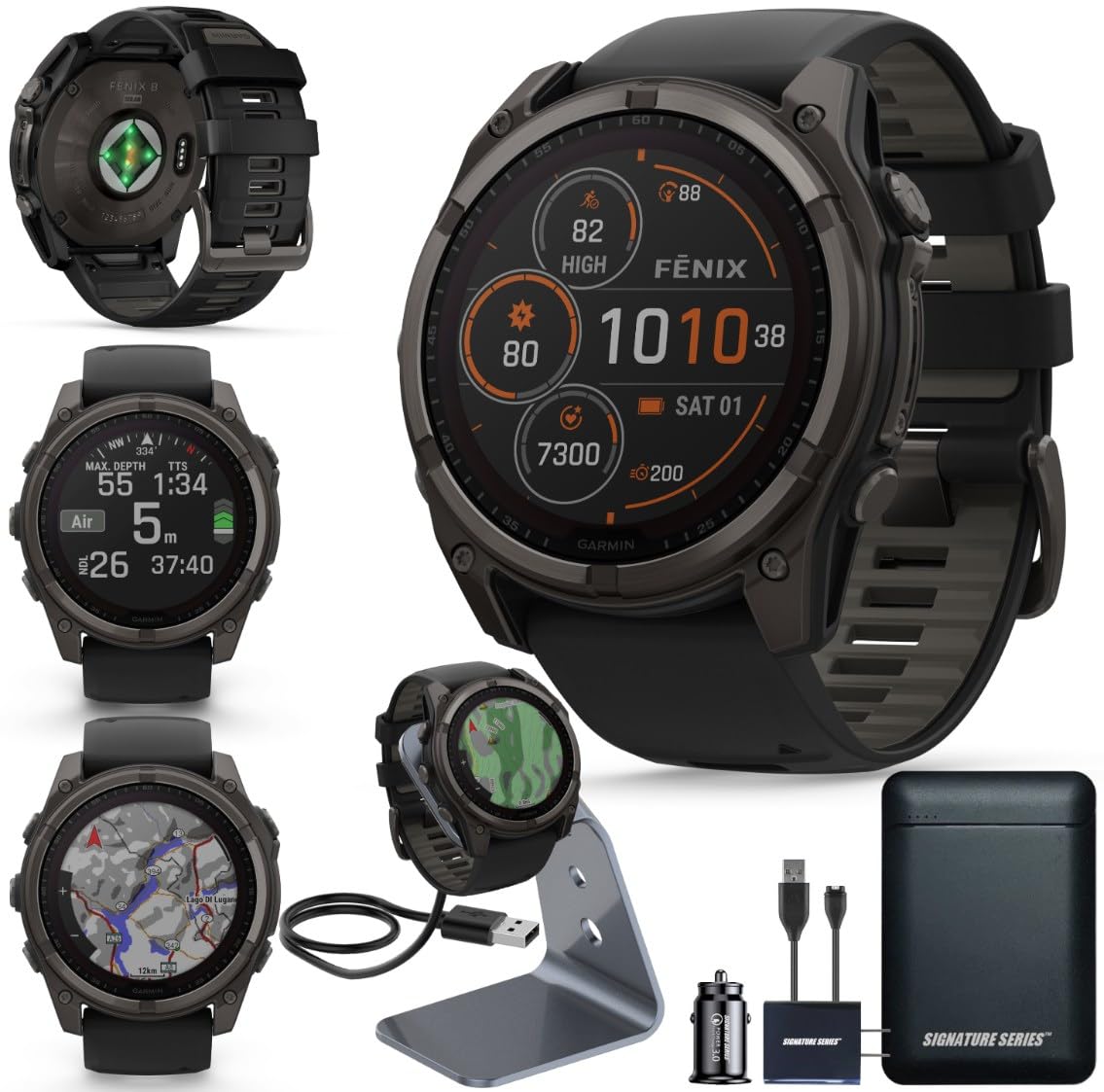
The Garmin Fenix 8 is the apex predator of multisport GPS watches, built for those whose lifestyle is defined by extreme environments. Its health monitoring suite is comprehensive, including a wrist-based ECG app for checking atrial fibrillation, Pulse Ox, and advanced sleep tracking—all protected by a nearly indestructible sapphire solar lens and titanium case. This is the watch you can wear while mountain climbing, deep-sea diving, or on multi-day expeditions without worrying about battery life or damage.
The solar charging capability is a game-changer for consistent monitoring. With up to 48 days in smartwatch mode, you eliminate the anxiety of finding an outlet, ensuring your heart rate and rhythm are tracked without interruption. The built-in flashlight and 40-meter dive rating underscore its all-condition readiness. The health data it collects is presented in Garmin’s detailed Connect app, favored by athletes for its depth of analysis on training load, recovery, and overall wellness.
This is not a discreet device; it’s a statement of capability. For the individual who needs unwavering durability, unparalleled battery life, and robust health tracking that can keep up with an adventurous life, the Fenix 8 is in a class of its own. It brings hospital-grade heart monitoring to the most remote corners of the world.
Why it’s great
- Unmatched durability and battery life with solar charging for non-stop monitoring.
- Comprehensive health suite including ECG, Pulse Ox, and advanced sleep metrics.
- Built for extreme conditions (dive-rated, waterproof) ensuring reliability.
- In-depth athletic and recovery metrics useful for overall fitness assessment.
Good to know
- Large, rugged design may be too bulky for everyday comfort or sleep for some.
- Premium price reflects its specialized, expedition-ready feature set.
- Smartphone connectivity and notifications are secondary to fitness features.
3. WHOOP 5.0
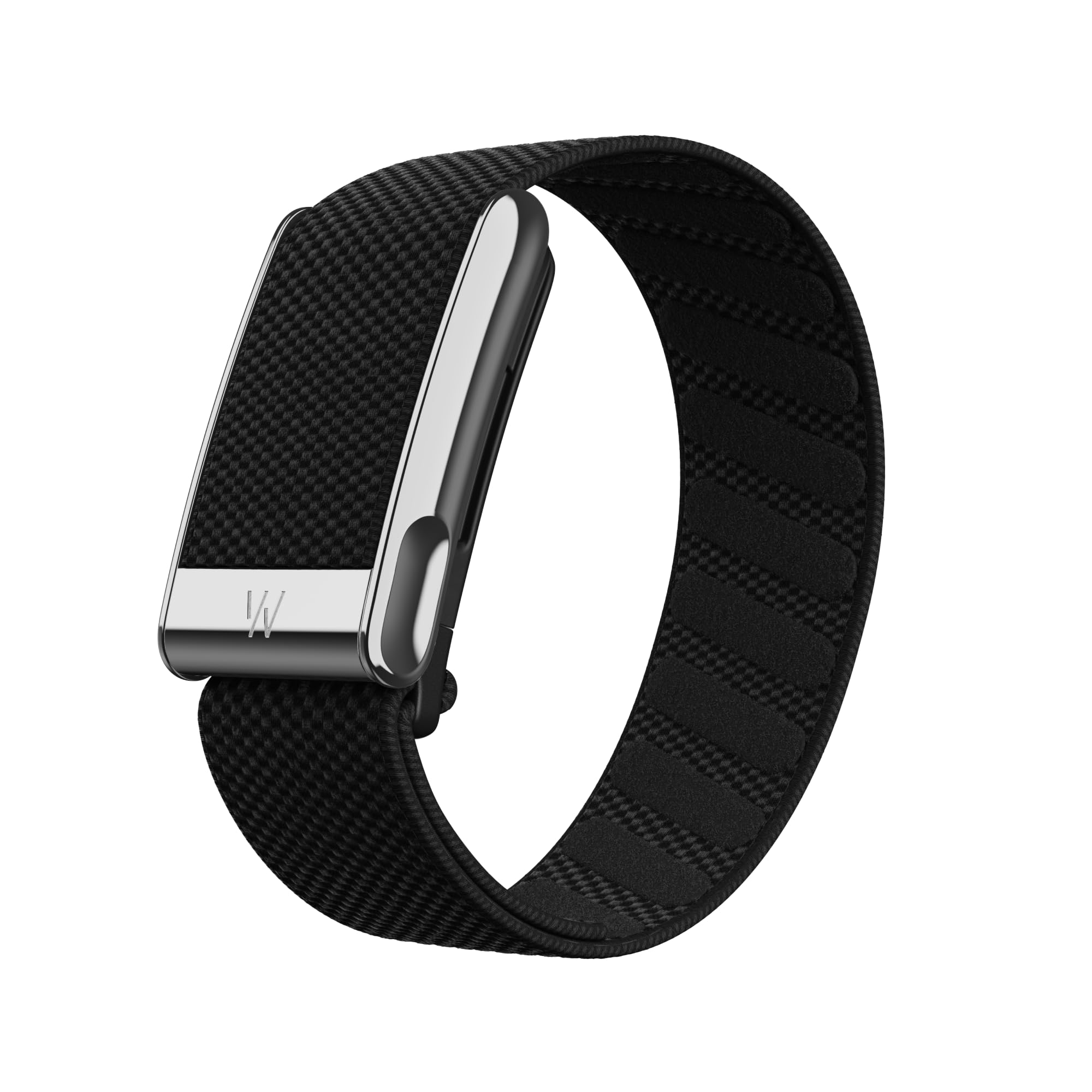
The WHOOP 5.0 redefines the health tracker by removing the screen altogether, focusing entirely on physiological data and personalized coaching. Its latest iteration adds an on-demand ECG feature, allowing users to take medical-grade readings to check for signs of AFib. This is seamlessly integrated into its core philosophy of measuring strain, recovery, and sleep to advise you on how ready your body is for the day ahead.
The standout feature is the exceptional battery life—up to 14 days—and the innovative wireless PowerPack that charges the device while you wear it, guaranteeing zero data gaps. This is crucial for AFib monitoring, as irregular rhythms can occur at any time. The companion app provides arguably the most detailed breakdown of sleep stages, recovery metrics, and cardiovascular load available, presenting data in a way that promotes behavioral change.
WHOOP operates on a membership model, which includes the device. This model is ideal for those deeply invested in optimizing performance and recovery, and who want clinical heart-check tools without the distractions of a smartwatch. It’s worn comfortably 24/7, often on the bicep, for potentially more accurate heart rate data during intense movement.
Why it’s great
- Uninterrupted monitoring with 14-day battery and wireless charging.
- Deep analytics on recovery and sleep to contextualize heart health.
- Comfortable, screen-free design encourages constant wear.
- On-demand ECG feature integrated into a holistic health platform.
Good to know
- Requires a subscription membership after the initial period.
- No screen means you cannot see alerts or data without your phone.
- Some users report accuracy variances during high-intensity workouts compared to chest straps.
4. Google Pixel Watch 4

The Google Pixel Watch 4 is the smartwatch embodiment of clean Android integration, now supercharged with Gemini AI and Google’s most accurate heart rate tracking to date. It offers a comprehensive health toolkit, including high and low heart rate notifications, irregular rhythm alerts, and detailed sleep insights with SpO2 and HRV. The domed Actua display is bright and clear, making it easy to view health metrics at a glance.
Where it excels for health-conscious users is in its seamless fusion with the Fitbit platform, providing robust activity, sleep, and readiness scores without a mandatory premium subscription. The dual-frequency GPS ensures precise location tracking for outdoor workouts, which pairs with heart rate data for accurate exertion metrics. The 30-hour battery with fast charging supports daily wear, including overnight sleep tracking.
This watch is for the user who wants a pure, intelligent Wear OS experience with top-tier health sensing. The built-in AI can help formulate quick replies to messages or answer health-related questions, but its core strength is delivering reliable, Google-powered health insights in a sleek and comfortable package that works best with Android phones.
Why it’s great
- Tight integration with Google services and Fitbit’s excellent health platform.
- Advanced sensors for accurate heart rate and comprehensive sleep tracking.
- Elegant, compact design comfortable for 24/7 wear.
- Fast charging mitigates the need for long charging sessions.
Good to know
- Battery life typically requires charging every day to day-and-a-half.
- Some features are optimized for use with Pixel phones.
- The smaller size may make interacting with the touchscreen fiddly for some.
5. Samsung Galaxy Watch 7

The Samsung Galaxy Watch 7 leverages Galaxy AI to move beyond simple tracking into personalized insight generation. Its key health features include an FDA-cleared ECG for AFib, blood pressure monitoring (region dependent), and the ability to detect signs of moderate to severe sleep apnea. The new “Energy Score” uses AI to analyze your sleep, activity, and heart rate variability to suggest how ready you are for the day—a useful metric for managing overall exertion with a heart condition.
Samsung’s BioActive sensor array is well-regarded for accuracy, and the watch continuously scans for irregular heart rhythms. The interface is smooth with Wear OS, and compatibility is strong with Android smartphones, though the experience is richest within the Samsung ecosystem. Users report that the watch has been instrumental in logging AFib episodes for their doctors, providing tangible data from daily life.
This is a full-featured smartwatch that doesn’t compromise on health capabilities. For Android users, particularly those with Samsung phones, it offers a powerful, AI-assisted approach to managing heart health, sleep quality, and daily readiness in one device.
Why it’s great
- AI-powered insights like Energy Score and personalized wellness tips.
- Comprehensive heart health tools with ECG and sleep apnea detection.
- Bright, responsive display and robust Wear OS app support.
- Good integration with Samsung Health for a unified data dashboard.
Good to know
- Some advanced health features may be region-locked or require a Samsung phone.
- Battery life is typical for a smartwatch, needing a charge roughly every day.
- The digital bezel replaces the physical rotating bezel some users loved.
6. WITHINGS ScanWatch 2
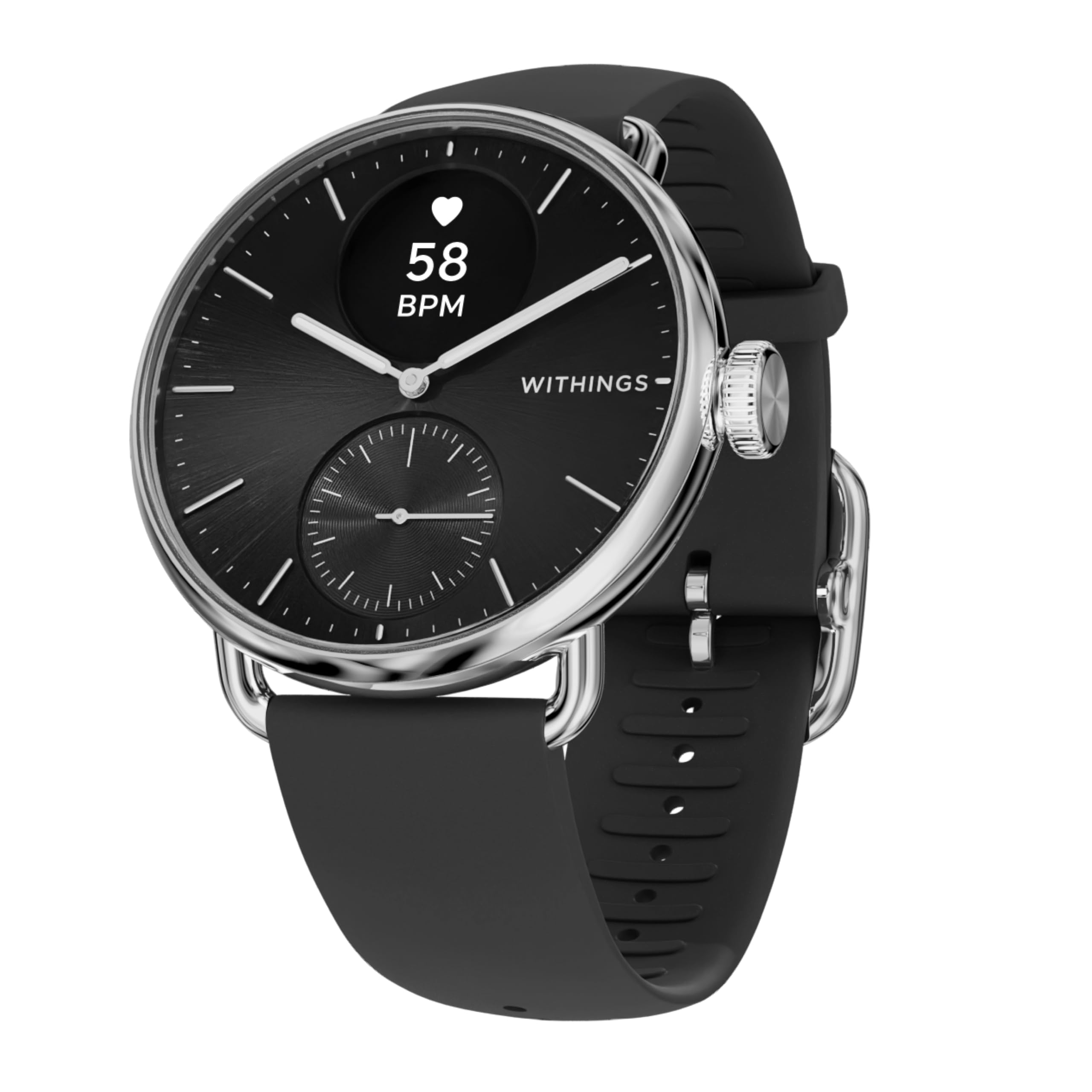
The WITHINGS ScanWatch 2 masterfully bridges the gap between a timeless analog timepiece and a clinical-grade health monitor. It features a 30-second medical-grade ECG for AFib assessment and continuous SpO2 tracking, all presented through a minimalist sub-dial display that doesn’t scream “tech gadget.” Its most compelling feature is a 30-day battery life, which virtually eliminates charging anxiety and ensures no gaps in heart rate and rhythm monitoring.
This hybrid approach is perfect for individuals who want discreet, ongoing health surveillance without the constant notifications and screen interactions of a full smartwatch. The stainless steel case and sapphire glass give it a premium, durable feel suitable for any occasion. The companion app generates clear, professional reports on heart health, sleep, and activity that are easy to share with a healthcare provider.
If your priority is uncompromising heart monitoring baked into a device that looks like a traditional watch, the ScanWatch 2 is a standout. It proves you don’t need a bright, touch-sensitive screen to have access to potentially life-saving health technology.
Why it’s great
- Discreet, elegant design that looks like a classic watch.
- Exceptional 30-day battery life for worry-free continuous monitoring.
- Medical-grade ECG and SpO2 in a hybrid format.
- Excellent water resistance and build quality.
Good to know
- Limited smart features and no touchscreen; interaction is via a single button.
- GPS relies on your connected smartphone.
- The small digital display can be harder to read for some.
7. Fitbit Sense 2

The Fitbit Sense 2 is a health smartwatch built around the interconnected pillars of heart health, stress management, and sleep quality. It includes an on-wrist ECG app for AFib assessment and irregular heart rhythm notifications. Its unique edge is the electrodermal activity (EDA) sensor, which measures tiny changes in your skin’s conductance to help you identify periods of stress—a known trigger for some arrhythmias.
The device provides a detailed Sleep Profile with animal archetypes to help you understand your sleep patterns, and a Daily Readiness Score that suggests when to exercise or focus on recovery. The multi-day battery life is a significant advantage, allowing for consistent sleep tracking without nightly charging. The interface is straightforward, making health data accessible without a steep learning curve.
For those whose AFib may be influenced by stress or poor sleep, the Sense 2 offers tools to manage all three aspects holistically. It’s a strong, user-friendly option that provides serious health insights without the complexity or premium of some competitors.
Why it’s great
- Unique EDA sensor for stress management alongside heart monitoring.
- Excellent sleep tracking with detailed stages and Sleep Score.
- Multi-day battery life supports consistent overnight wear.
- User-friendly Fitbit app is great for long-term trend viewing.
Good to know
- Some advanced analytics require a Fitbit Premium subscription.
- Smartwatch features and app ecosystem are less robust than Wear OS or watchOS.
- Build quality feels more plasticky compared to stainless steel competitors.
8. Apple Watch Series 9 (Renewed)

A renewed Apple Watch Series 9 offers access to Apple’s gold-standard health features at a more accessible level. It retains the critical FDA-cleared ECG app, blood oxygen monitoring, and irregular rhythm notifications that make it a powerful tool for AFib awareness. The Double Tap gesture is a convenient way to control the watch without touching the screen, and the bright Always-On Retina display is easy to read.
Choosing a certified renewed model from a reputable seller is an excellent way to obtain this level of health technology. These devices are inspected, tested, and often come with a limited warranty. For an iPhone user who wants reliable, doctor-respected heart health data but is mindful of budget, this is a compelling path. You get the seamless iOS integration and accurate sensors that define the Apple Watch experience.
It’s important to note that battery health on a renewed device will be less than 100%, but it should still comfortably last a full day. This is a practical choice for entering the Apple health ecosystem with all its core monitoring capabilities intact.
Why it’s great
- Provides Apple’s clinically-validated ECG and health features at a lower cost.
- Fully integrates with the rich iOS Health app for data aggregation.
- Bright display and intuitive interface typical of Apple products.
- Renewed option is more sustainable and budget-friendly.
Good to know
- Battery life will vary based on prior usage and health of the renewed unit.
- May show minor cosmetic signs of prior use.
- Warranty period is typically shorter than for a brand-new device.
9. Samsung Galaxy Watch 6 Classic

The Galaxy Watch 6 Classic appeals to those who prefer tactile interaction, thanks to its return of the beloved physical rotating bezel. This allows for easy navigation through health stats, notifications, and apps without obscuring the screen with fingerprints. Underneath that classic exterior are serious health tools: continuous heart rate scanning for irregular rhythms (AFib), an ECG app, and a Bioelectrical Impedance Analysis (BIA) sensor for body composition.
The stainless steel build gives it a more premium, durable feel compared to the standard aluminum models. The Super AMOLED display is vibrant, and the overall performance is smooth. It’s important for potential buyers to check listings carefully, as some units may be international models with regional software limitations, though many users report successful workarounds.
This watch is for the Android user who values a traditional watch interaction method and robust build quality, without sacrificing modern health monitoring capabilities. It’s a feature-rich package that feels substantial on the wrist.
Why it’s great
- Practical rotating bezel for easy, precise navigation.
- Premium stainless steel construction and bright display.
- Full suite of Samsung health sensors including ECG and BIA.
- Good battery life for a full-featured smartwatch.
Good to know
- Can be bulky on smaller wrists due to the bezel and case.
- Some sold units are international versions requiring region workarounds.
- Not the latest model, but health features are still highly capable.
Why it’s great
- Physical rotating bezel offers superior navigation and a classic feel.
- Stainless steel build and bright display provide a premium experience.
- Comprehensive health suite including ECG and body composition analysis.
- Solid performance and good battery life for daily use.
Good to know
- Can be bulky on smaller wrists.
- Some units may be international models requiring setup workarounds.
- Not the latest generation, though core health features remain excellent.
10. Amazfit Active 2

The Amazfit Active 2 is a standout in the value segment, delivering an impressive array of fitness and basic health features without a subscription fee. Its core strength for someone monitoring general wellness is precise heart rate tracking, SpO2 monitoring, and detailed sleep analysis, all powered by a battery that can last up to 10 days on a single charge. This longevity ensures you can consistently track trends without frequent charging interruptions.
While it does not have a dedicated, medically-cleared ECG app for AFib detection, its continuous heart rate monitoring can alert you to significant highs and lows, serving as a general wellness indicator. The bright AMOLED display, free built-in maps for GPS activities, and over 160 sports modes make it a fantastic fitness companion. The included Zepp app is fully-featured and free, providing deep insights into your activity and sleep data.
For the individual who wants robust, all-day health and activity tracking with exceptional battery life and no ongoing costs, the Amazfit Active 2 offers tremendous value. It’s an excellent choice for maintaining awareness of your cardiovascular trends, even if it lacks the specific clinical tools for arrhythmia diagnosis.
Why it’s great
- Outstanding battery life eliminates daily charging hassle.
- Accurate heart rate and SpO2 tracking for general wellness monitoring.
- Premium features like built-in maps and a bright display at a mid-range price.
- No subscription needed; all app features are free.
Good to know
- Lacks an FDA-cleared ECG app for definitive AFib checking.
- Smartwatch ecosystem and app support is less robust than Wear OS or watchOS.
- Notifications and call handling can be more basic compared to flagship watches.
11. Samsung Galaxy Watch 6 (Renewed)

Opting for a renewed Samsung Galaxy Watch 6 is the most accessible way to get a full-featured smartwatch with advanced health sensors. It includes the same BioActive sensor as the newer models, capable of continuous heart rate monitoring, blood oxygen tracking, and ECG readings for AFib detection (when used with a compatible Samsung phone). The large, vibrant Super AMOLED display makes viewing health data easy.
As a renewed product, it offers the core functionality of a modern health watch at an entry-level point. Users report successfully using it to log heart rate and blood oxygen data for their doctors, providing valuable long-term trend information. The Wear OS platform allows for a wide range of apps, and the design is sleek and modern.
The primary trade-off is battery life, which is typical for a smartwatch of this class and may be slightly reduced on a renewed unit. However, for the budget-conscious user who wants legitimate AFib detection capabilities and a full smartwatch experience on Android, this renewed model represents a very smart, cost-effective entry point into serious health tracking.
Why it’s great
- Provides Samsung’s ECG and health sensor suite at the lowest cost.
- Large, beautiful display and smooth Wear OS performance.
- Effective for logging health trends and sharing data with doctors.
- Renewed option makes advanced features highly accessible.
Good to know
- Battery life is modest and may require daily charging.
- ECG and blood pressure features may require a Samsung smartphone.
- Condition and battery health depend on the specific renewed unit.
Understanding the Specs
ECG vs. PPG: What’s the Difference?
This is the critical distinction for AFib watches. An Electrocardiogram (ECG or EKG) is a clinical tool. When you activate the ECG app on a watch, you place your finger on the crown or button to complete a circuit, creating a single-lead reading akin to a medical ECG. It captures the electrical activity of your heart and can identify AFib patterns. Photoplethysmography (PPG) is the optical sensor on the back that flashes green light to measure blood flow for your continuous heart rate. Some watches use advanced PPG algorithms to screen for irregular rhythms in the background, but a PPG reading alone is not a diagnostic ECG.
Battery Life & Consistent Wear
For effective arrhythmia monitoring, 24/7 wear is ideal. A watch that dies mid-day or is uncomfortable to sleep in creates data gaps. Long battery (multiple days) or very fast charging are major advantages. Also, consider the charging method: a proprietary magnetic puck is common, but some devices offer wireless or pass-through charging for more convenience. Your routine will determine if daily charging is a minor habit or a significant barrier to consistent monitoring.
FAQ
Can a smartwatch diagnose AFib?
What is the difference between a heart rate alert and an AFib notification?
Do I need a specific type of phone for these watches?
How important is sleep tracking for AFib management?
Final Thoughts: The Verdict
For most people, the best afib watches winner is the Apple Watch Series 11 because it offers the most complete, clinically-validated set of heart and sleep health tools in a user-friendly package. If you want unparalleled durability and battery life for an adventurous lifestyle, grab the Garmin Fenix 8. And for a budget-conscious entry into certified AFib detection on Android, nothing beats the value of the renewed Samsung Galaxy Watch 6.

Mo Maruf
I created WellFizz to bridge the gap between vague wellness advice and actionable solutions. My mission is simple: to decode the research and give you practical tools you can actually use.
Beyond the data, I am a passionate traveler. I believe that stepping away from the screen to explore new environments is essential for mental clarity and physical vitality.