CoolSculpting can shrink small fat bulges by freezing fat cells, with changes often showing in 3–6 weeks.
CoolSculpting sounds simple: freeze fat, leave the office, look slimmer. It can work, but it works on a narrow target and on a slow timeline. If you expect a scale drop or a surgical-style reshaping, you’ll feel let down.
Think “spot trimming.” You’re paying for a thinner fat layer in one zone, not a bodywide change. When the target area and expectations line up, the shift can show in photos and in how clothes sit. That’s the sweet spot.
What CoolSculpting Is And What It Isn’t
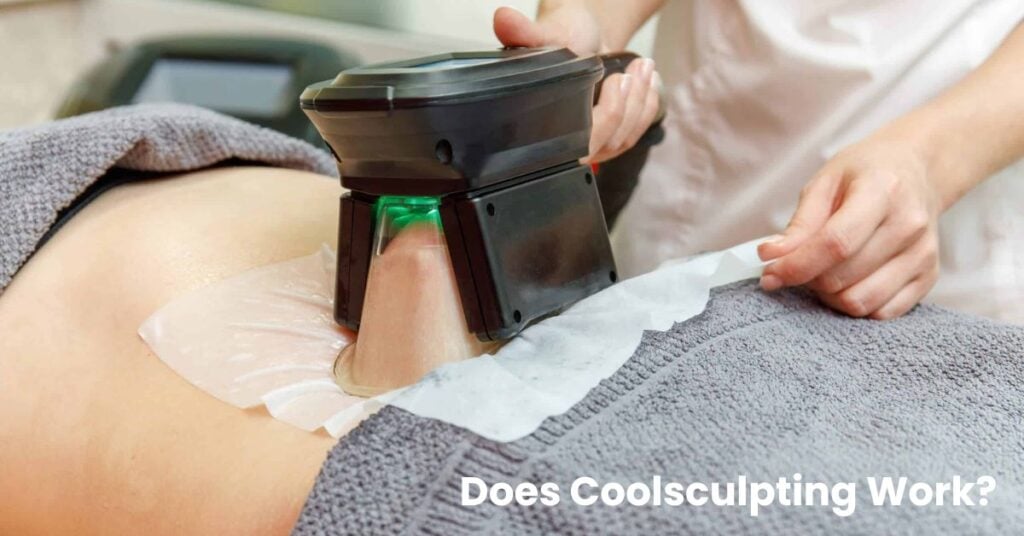
CoolSculpting is a form of cryolipolysis, a non-surgical method that cools fat under the skin. The applicator pulls a pinch of tissue into a cup and chills it long enough to injure fat cells. Over the next weeks, your body clears those injured cells.
The treatment targets only what fits in the applicator and it won’t tighten loose skin. If skin laxity is the bigger issue, a smaller bulge can still leave the same skin drape.
Where Results Tend To Show Up
Cryolipolysis is designed for localized “pinchable” fat. Common zones include the abdomen, flanks, inner or outer thighs, upper arms, and under-chin fullness. The goal is a smoother outline, not a total reshape.
People who get the clearest change often start near a stable weight and treat a bulge that resists diet and training.
When It’s Not A Good Match
Some medical conditions make cold exposure a bad idea. The American Society of Plastic Surgeons lists cold-related conditions like cryoglobulinemia, cold urticaria, and paroxysmal cold hemoglobinuria as reasons to avoid cryolipolysis. It can also disappoint when there’s minimal fat to grab or the fullness is wide with no clear edge.
Does Coolsculpting Work? What The Science Shows
Across studies and real-world clinics, the pattern is consistent: cryolipolysis reduces the treated fat layer, then the effect levels off. You won’t see an instant change because the body needs time to process the damaged fat cells.
How Much Change Is Typical
Cleveland Clinic notes studies showing average fat reduction between 15% and 28% at around four months after the first treatment. If your starting bulge is small, that trim can be subtle. If the bulge is distinct, it can look clear.
Why Progress Feels Slow
Many people notice the first shift around week three. The bigger change tends to show up around weeks eight to twelve, with small shifts out to month four. Consistent photos matter, since lighting and angles can hide a real contour change.
What Makes Results Better Or Worse
- Target selection: A well-defined bulge usually shows more change than a wide, soft area.
- Applicator fit: Even contact matters. Poor fit can mean uneven reduction.
- Cycle plan: More cycles can treat more surface area or add intensity, depending on the plan.
- Skin quality: Better snap-back tends to look smoother after fat shrinks.
What A Session Feels Like In Real Life
Sessions start with photos, measurements, and a marker outline of the target. A gel pad goes on first, then suction pulls the tissue in. The first minutes can sting with cold and pressure, then the area numbs.
Session length varies by area and applicator, often around 35 minutes to an hour. Some people feel sore after, like a deep bruise.
Cleveland Clinic’s Fat Freezing (Cryolipolysis) overview adds detail on sensations during treatment and the usual timeline to visible change.
Common After-Effects
Redness, swelling, bruising, tingling, and numbness are common right after treatment. Most fade within days. Some people get nerve-type zings or tenderness that lingers longer, then eases.
You can usually go back to work the same day. Still, if you’ve got a long flight or a big event, schedule with some buffer so soreness doesn’t throw you off.
Timing Between Sessions
If you plan a second pass on the same area, many clinics space it out by several weeks so you can judge the first result without guessing.
Fit Checklist For Better Results
This table is a quick filter to see whether your goal and body match what cryolipolysis can deliver.
| Factor | Usually A Good Sign | Usually A Red Flag |
|---|---|---|
| Goal | Trim one or two stubborn bulges | Drop multiple clothing sizes |
| Target area | Clear pocket with a visible edge | Diffuse fullness with no boundary |
| Pinch test | Fold fits well inside an applicator | Too thin to grab or mostly loose skin |
| Skin tone | Skin rebounds after a pinch | Loose, crepey, or stretched skin |
| Weight pattern | Stable weight for a few months | Rapid gain or rapid dieting |
| Cold issues | No cold-triggered disorders | Cold urticaria or similar diagnoses |
| Time horizon | Fine waiting 8–16 weeks | Need a visible change in days |
| Budget | Room for extra cycles if needed | Only one small cycle available |
| Expectation | Subtle, natural contour shift | Surgical-style reshaping |
Safety And Side Effects To Weigh
The FDA lists common complications reported across body contouring devices: pain or discomfort, redness, swelling, bruising, and nodules. Most are short-lived, yet screening and clinic quality still matter.
For a plain overview of limits and the risk categories the agency tracks, the FDA’s non-invasive body contouring technologies page is a solid reference point.
The Rare Risk That Needs Plain Talk: PAH
Paradoxical adipose hyperplasia (PAH) can create a firm enlargement in the treated area weeks to months later. It’s uncommon, but it’s real.
StatPearls on the NCBI Bookshelf notes that some estimates place PAH as high as 2% of treatments, with surgical removal often used when it occurs. Read NCBI Bookshelf’s Paradoxical Adipose Hyperplasia summary, then ask your clinic how often they’ve seen it and what plan they follow if it happens.
When To Call Your Clinic
Call if you notice severe pain that doesn’t ease, blistering, skin color changes that worsen, or a firm lump that keeps growing weeks after treatment.
Choosing A Provider With Fewer Surprises
With cryolipolysis, technique matters. Applicator choice, placement, and cycle planning decide whether the reduction looks smooth or patchy.
Ask for a written plan listing the area, number of cycles, and spacing. Ask to see photo sets taken in consistent lighting and angles.
Ask the clinic to mark your treatment borders with a template. A clear border helps you spot symmetry later and keeps next cycles aligned with the first session.
Questions That Cut Through Sales Talk
- How many cases like mine have you treated recently?
- Which applicator are you using, and why does it fit my bulge?
- How many cycles are you planning, and what change do you expect from one cycle?
- What do you do if the change is uneven?
- How do you document side effects, including PAH?
If you want a candidate checklist from a specialty group, the ASPS page on cryolipolysis lays out who may not be a candidate and what the procedure is meant to change.
Cost And Planning So You Don’t Overbuy
Pricing is usually per cycle or applicator placement. Two people treating “the abdomen” can get different quotes because their bulges take different surface area.
Ask what your quote includes: photos, follow-up, and how long the clinic waits before judging the final result. That timing helps you avoid paying for more cycles before your first result has fully appeared.
A smart plan includes a check-in date. Ask the clinic when they want your progress photos, and when they decide if another cycle makes sense. Many providers won’t judge the final contour until week twelve or later, since swelling and numbness can mask the early change. If you notice an uneven edge, don’t panic on day three. Wait for the area to settle, then bring matched photos to your follow-up.
Other Options When Freezing Fat Isn’t The Best Route
If you want a larger volume change, liposuction can remove more fat in one go, with downtime and different risks. If skin laxity is the bigger issue, heat-based tightening procedures may suit that goal more than fat freezing.
| Option | Best Fit | Trade-Offs |
|---|---|---|
| Cryolipolysis | Defined, pinchable bulges | Slow result; may need more than one cycle |
| Liposuction | Larger volume reduction and reshaping | Downtime; surgical risks |
| Heat-based fat reduction | Smaller pockets, cold-averse patients | Series of visits; soreness is possible |
| Radiofrequency contouring | Mild contour change with skin tightening goals | Multiple visits; subtle changes |
| Injectable fat reduction (submental) | Fullness under the chin | Swelling can be noticeable; repeat sessions |
| Strength and nutrition plan | Whole-body shape change and maintenance | Slow build; no spot-only guarantee |
Small Habits That Protect Your Result
After treatment, keep routines steady so your before-and-after comparison stays honest. Big weight swings can blur the result in either direction.
Aftercare Basics
- Move as you normally do. Walking is fine.
- Keep sleep steady for the first week.
- Avoid tight compression if the area is tender.
- Take photos each two weeks in the same lighting.
Skip daily weigh-ins as your main yardstick. Cryolipolysis changes shape more than weight. Instead, pick one pair of jeans, note how the waistband sits, and take the same three photos on a set day. If you like numbers, use a tape measure on the same marked line. Date each photo so you don’t mix sets. Keep lighting flat, stand tall, and relax your stomach.
Pre-Booking Checklist You Can Screenshot
- Pick one target area and one clothing fit goal.
- Take baseline photos (front, side, 45-degree).
- Get a written plan: cycles, spacing, and total cost.
- Ask about PAH and how the clinic handles uneven results.
- Plan your timeline around an 8–16 week window.
CoolSculpting can work when you treat the right bulge, allow time for the change, and judge results with consistent photos. If your goal is large weight loss or skin tightening, you’ll get a better experience by picking a different approach from the start.
References & Sources
- U.S. Food and Drug Administration (FDA).“Non-Invasive Body Contouring Technologies.”Clarifies intended use, limits, and risk categories for non-surgical body contouring devices.
- Cleveland Clinic.“Fat Freezing (Cryolipolysis).”Provides expected average fat reduction ranges, what a session feels like, and timeline to visible results.
- American Society of Plastic Surgeons (ASPS).“Cryolipolysis | Nonsurgical Fat Reduction.”Explains mechanism and lists candidacy limits, including cold-related conditions.
- NCBI Bookshelf (StatPearls).“Paradoxical Adipose Hyperplasia.”Defines PAH, typical onset window, and common management options.

Mo Maruf
I created WellFizz to bridge the gap between vague wellness advice and actionable solutions. My mission is simple: to decode the research and give you practical tools you can actually use.
Beyond the data, I am a passionate traveler. I believe that stepping away from the screen to explore new environments is essential for mental clarity and physical vitality.